
Click the link to read the article on the Associated Press website (Kathleen Ronayne and Felicia Fonseca). Here’s an excerpt:
Competing priorities, outsized demands and the federal government’s retreat from a threatened deadline stymied a deal last summer on how to drastically reduce water use from the parched Colorado River, emails obtained by The Associated Press show…
“We are out of time and out of any cushion to allow for a voluntary plan,” Tom Buschatzke, director of the Arizona Department of Water Resources, told a Bureau of Reclamation official in a July 18 email…
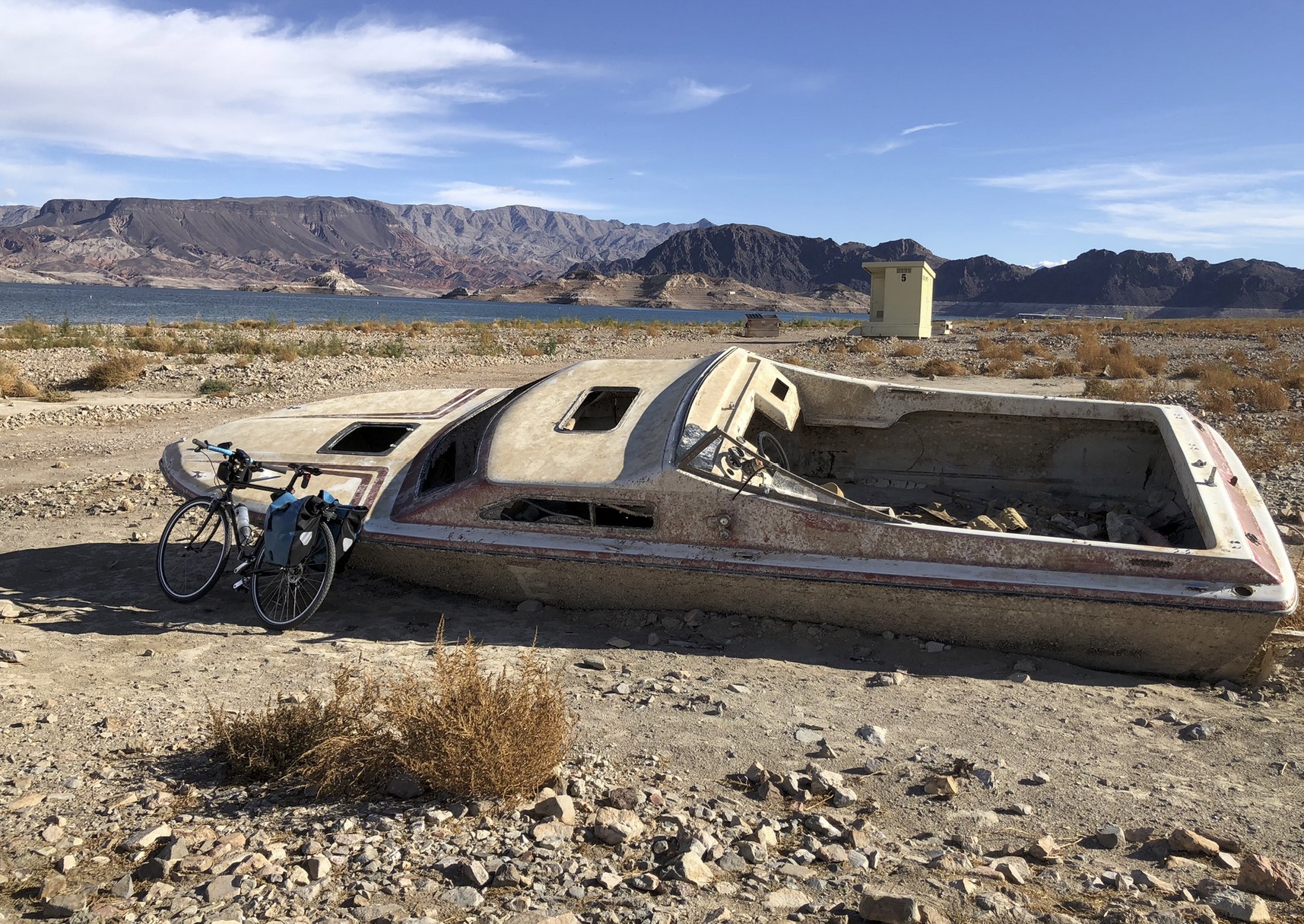
As 2023 begins, fresh incentives make the states more likely to give up water. The federal government has put up $4 billion for drought relief, and Colorado River users have submitted proposals to get some of that money through actions like leaving fields unplanted. Some cities are ripping up thirsty decorative grass, and tribes and major water agencieshave left some water in key reservoirs — either voluntarily or by mandate. Reclamation also has agreed to spend $250 million mitigating hazards at a drying California lake bed, a condition of the state’s water users agreeing to cut their use by 400,000 acre feet in a proposal released in October. The Interior Department is still evaluating proposals for a slice of the $4 billion and can’t say how much savings it will generate, Deputy Secretary Tommy Beaudreau said in an interview…
Figuring out who absorbs additional water cuts has been contentious, with allegations of drought profiteering, reneging on commitments, too many negotiators in the room and an unsteady hand from the federal government, the emails and follow-up interviews showed. California says it’s a partner willing to sacrifice, but other states see it as a reluctant participant clinging to a water priority system where it ranks near the top. Arizona and Nevada have long felt they’re unfairly forced to bear the brunt of cuts because of a water rights system developed long ago, a simmering frustration that reared its head during talks…But state officials said when it became clear the federal government wouldn’t act unilaterally, it created a “chilling effect” that removed the urgency from the talks because water users with higher-priority water rights were no longer at risk of harsh cuts, Arizona’s Buschatzke said in an interview…
Reclamation is now focused on weighing the latest round of comments from states on how to save the river. Nevada wants to count water lost to evaporation and transportation in water allocations — a move that could mean the biggest volume of cuts for California — and some Arizona water managers agree, comment letters obtained by the AP show. But disputes remain over how to determine what level of cuts are fair and legal. California’s goal remains protecting its status while other states and tribes want more than old water rights taken into account — such as whether users have access to other water sources, and the effects of cuts on disadvantaged communities and food security. Reclamation’s goal is to get a draft of proposed cuts out by early March, then a final decision before mid-August, when Reclamation regularly announces how much — or how little — river water is available for the next year.

Click the link to listen to the podcast on the Circle of Blue website (Eileen Wray-McCann):
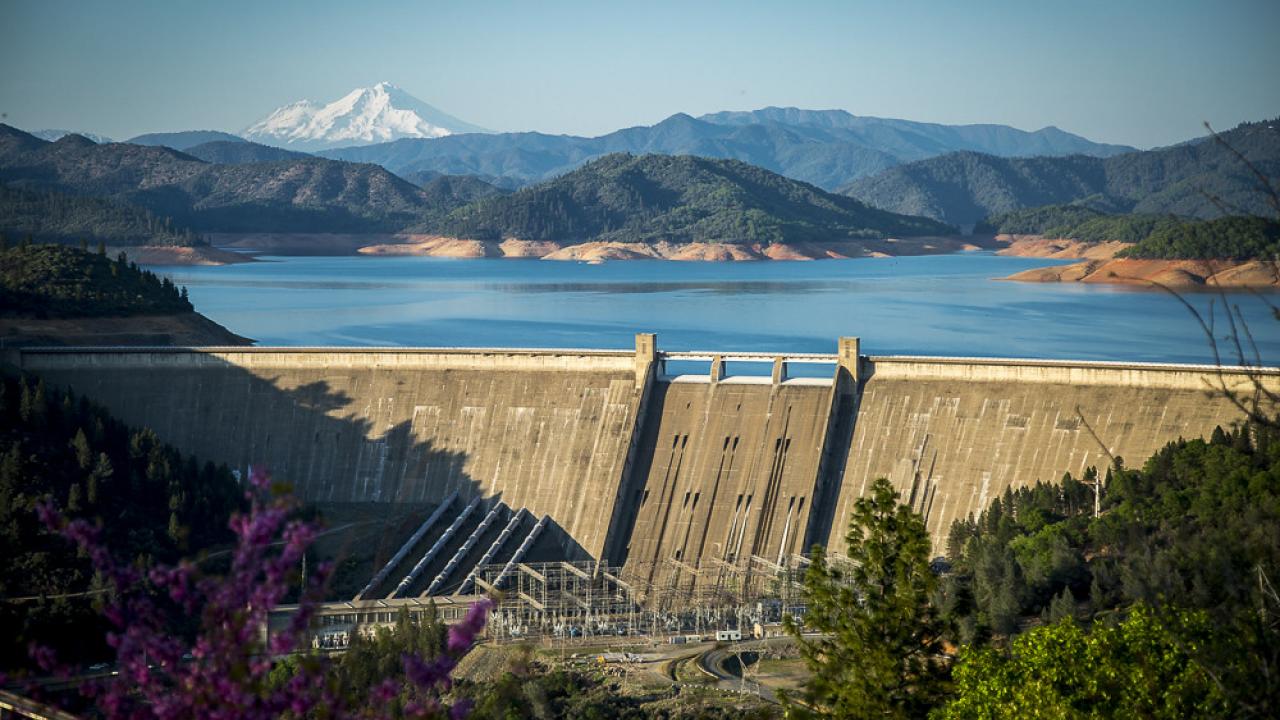
A new report says that the world’s dams are filling up – but not in a good way. Rivers are depositing sediment into the reservoirs behind dams, reducing their capacity to hold water. Researchers affiliated with the United Nations calculated how much storage might be lost in the next three decades at the world’s 50,000 large dams. The report estimates that a quarter of the original water storage capacity will be lost by 2050 because of sediment buildup. This will hurt irrigation, power generation, and flood protection. The largest loss of storage capacity will occur in the United Kingdom, Panama, Ireland, and Japan, with the U.S, not far behind.

In Arizona, newly elected leaders wasted no time in tackling the state’s urgent water problems. Katie Hobbs was sworn in as governor on January 2 and began her term by calling water issues “the challenge of our time.” After a week in office, Hobbs established an expert council to recommend updates to the state’s groundwater laws. She also unveiled a previously unreleased report from the Arizona Department of Water Resources. Hobbs’s predecessor had withheld the report from the public. It shows that a high-growth area west of Phoenix does not have enough groundwater to sustain a planned mega-development of 100,000 homes. According to the Arizona Republic, homebuilders must now find other water supplies to finish the development. Hobbs said the area’s inadequate groundwater should be a wake-up call. She said “This report unequivocally shows that we have to act now, or this will only be the first new area that faces this kind of shortage.” Meanwhile, Arizona’s new attorney general hopes to undo a farming deal with a Saudi Arabian company that’s adding to local groundwater declines. Kris Mayes campaigned on a promise to repeal a land lease that the state made with Fondomonte. The firm got below-market rates, leasing 10,000 acres in western Arizona to grow alfalfa for export to Saudi Arabia as cattle feed. Residents in the area have seen their wells run dry as the farm pumps groundwater to irrigate the alfalfa.
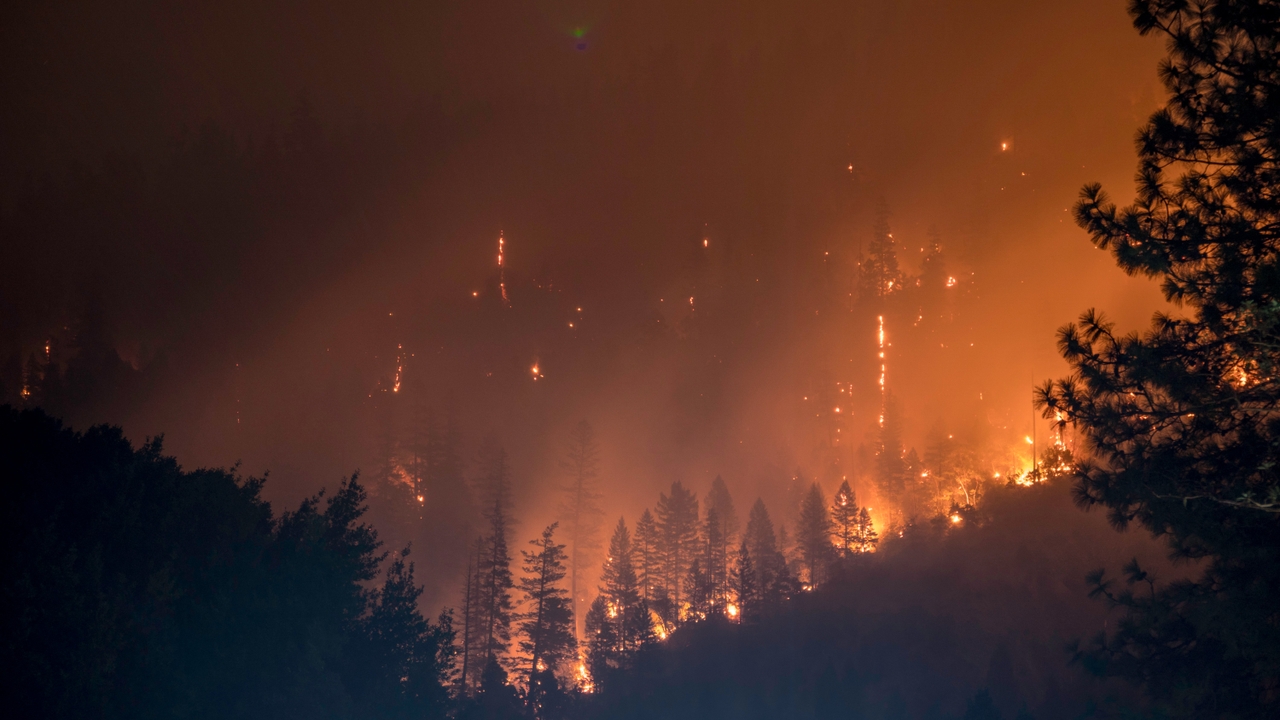
In New Mexico, some communities could get millions to rebuild their water systems after the largest wildfire in state history tore through their watershed last year. The funds are a lifeline for areas ravaged by a drying climate. They also underscore the financial and ecological vulnerability of small, impoverished communities in the face of extreme weather. In the this year’s budget, Congress allocated nearly one and a half billion dollars for post-fire recovery in New Mexico. That’s in addition to the two and a half billion dollars that lawmakers had already directed to the state, bringing the total amount of federal aid after the Hermit’s Peak/Calf Canyon fire to nearly $4 billion. The year-end appropriations package included a line item of particular significance: $140 million for water treatment systems for communities in the area scarred by the fire. That includes the small town of Las Vegas, just 12 miles from where the fire started. Las Vegas has about 13,000 people. What is does not have is high-quality water. The town’s main water source, the Gallinas River, is surrounded by scars from the Hermit’s Peak/Calf Canyon fire. The fire ignited in April, after a prescribed burn by the U.S. Forest Service grew out of control. The fire was the largest on record in New Mexico, burning well over 300 thousand acres of public and private land. The Gallinas River used to be a clear stream, but is now is laden with sediment and suspended solids due to ash and soil erosion. That’s a serious problem for the water treatment operators in Las Vegas, according to the town utility director, Maria Gilvarry. The fire did not destroy the treatment system, but the effects of the fire have overwhelmed it. It’s not uncommon for the river water it’s processing to measure a hundred times murkier than before the fire. The current treatment system struggles under those conditions. Until a new treatment system is in place, the utility department is making do with temporary equipment to remove sediment. It is also re-calibrating the chemicals to purify drinking water so that the treatment process is more effective. Gilvarry said federal aid is an undeniable blessing for a predominantly Latino city where median household income is just over $34,000 — about half the national figure. The poverty rate in Las Vegas, New Mexico is above 30 percent. Gilvarry said that Federal aid is the only way the town’s water treatment project could advance so swiftly. As she put it: “Not on our own dime. This is a low-income community.”

Click the link to read the article on The New York Times website (Christopher Flavelle). Here’s an excerpt:
“Think of the Colorado River Basin as a slow-motion disaster,” said Kevin Moran, who directs state and federal water policy advocacy at the Environmental Defense Fund. “We’re really at a moment of reckoning.”
Negotiators say the odds of a voluntary agreement appear slim. It would be the second time in six months that the Colorado River states, which also include Colorado, New Mexico, Utah and Wyoming, have missed a deadline for consensus on cuts sought by the Biden administration to avoid a catastrophic failure of the river system. Without a deal, the Interior Department, which manages flows on the river, must impose the cuts. That would break from the century-long tradition of states determining how to share the river’s water. And it would all but ensure that the administration’s increasingly urgent efforts to save the Colorado get caught up in lengthy legal challenges. The crisis over the Colorado River is the latest example of how climate change is overwhelming the foundations of American life — not only physical infrastructure, like dams and reservoirs, but also the legal underpinnings that have made those systems work.
A century’s worth of laws, which assign different priorities to Colorado River users based on how long they’ve used the water, is facing off against a competing philosophy that says, as the climate changes, water cuts should be apportioned based on what’s practical. The outcome of that dispute will shape the future of the southwestern United States.
“We’re using more water than nature is going to provide,” said Eric Kuhn, who worked on previous water agreements as general manager for the Colorado River Water Conservation District. “Someone is going to have to cut back very significantly.”
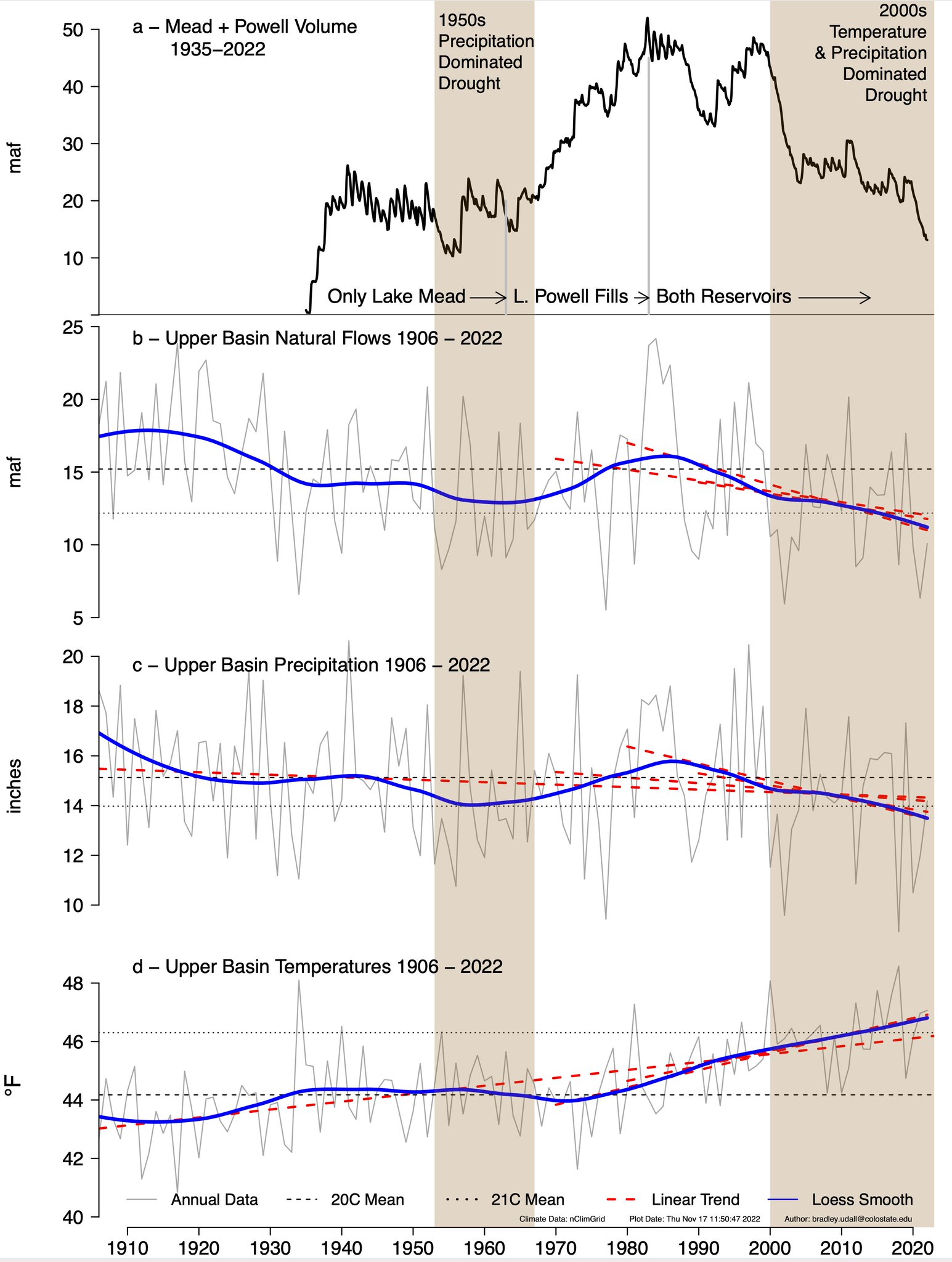
The rules that determine who gets water from the Colorado River, and how much, were always based, to a degree, on magical thinking…But the premise that the river’s flow would average 17.5 million acre-feet each year turned out to be faulty. Over the past century, the river’s actual flow has averaged less than 15 million acre-feet each year. For decades, that gap was obscured by the fact that some of the river’s users, including Arizona and some Native American tribes, lacked the canals and other infrastructure to employ their full allotment. But as that infrastructure increased, so did the demand on the river. Then, the drought hit. From 2000 through 2022, the river’s annual flow averaged just over 12 million acre-feet; in each of the past three years, the total flow was less than 10 million.
Click the link to read the article on the Alamosa Citizen website (Chris Lopez):
SOMETIMES playing defense can be your most effective offense.
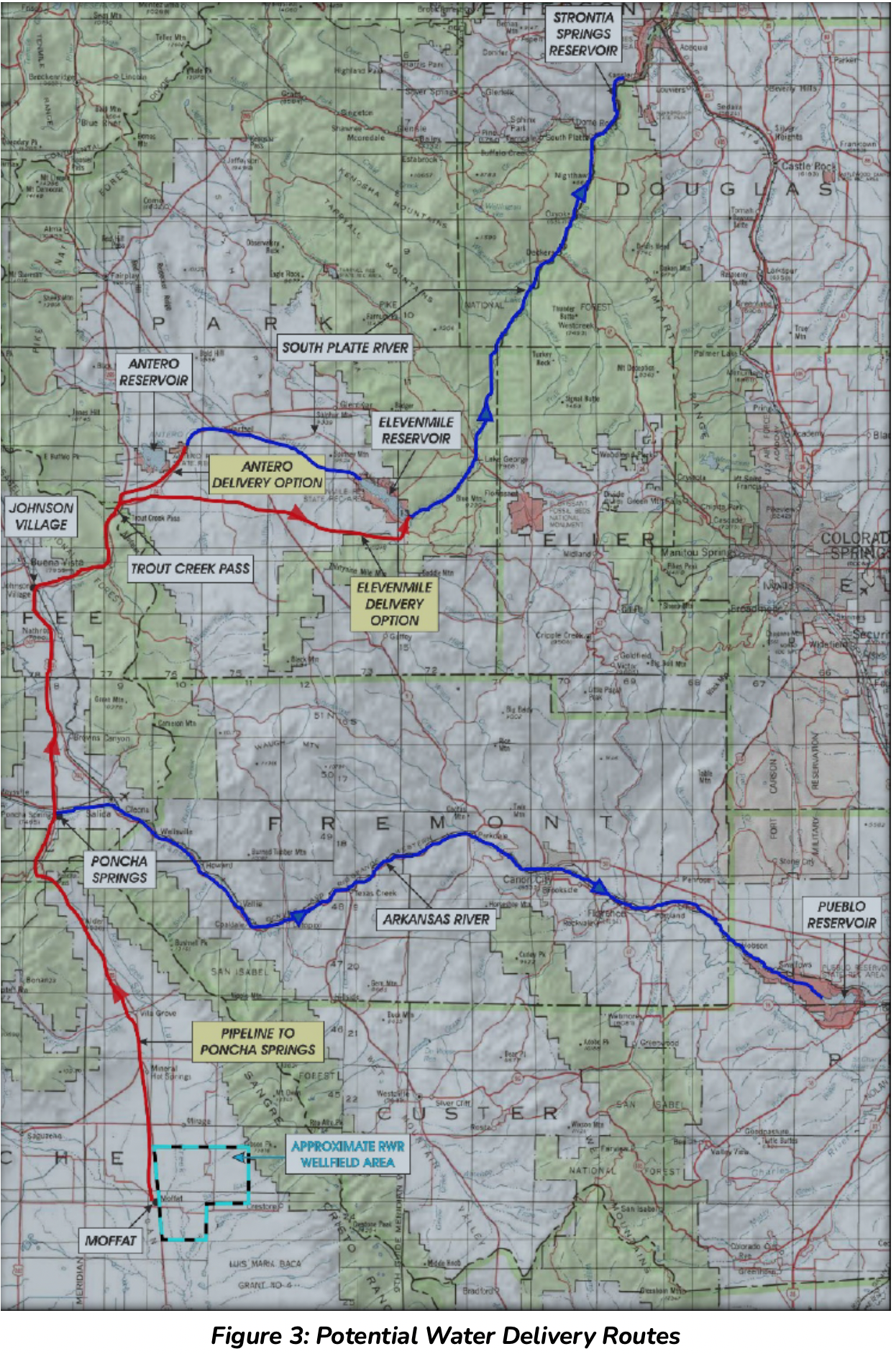
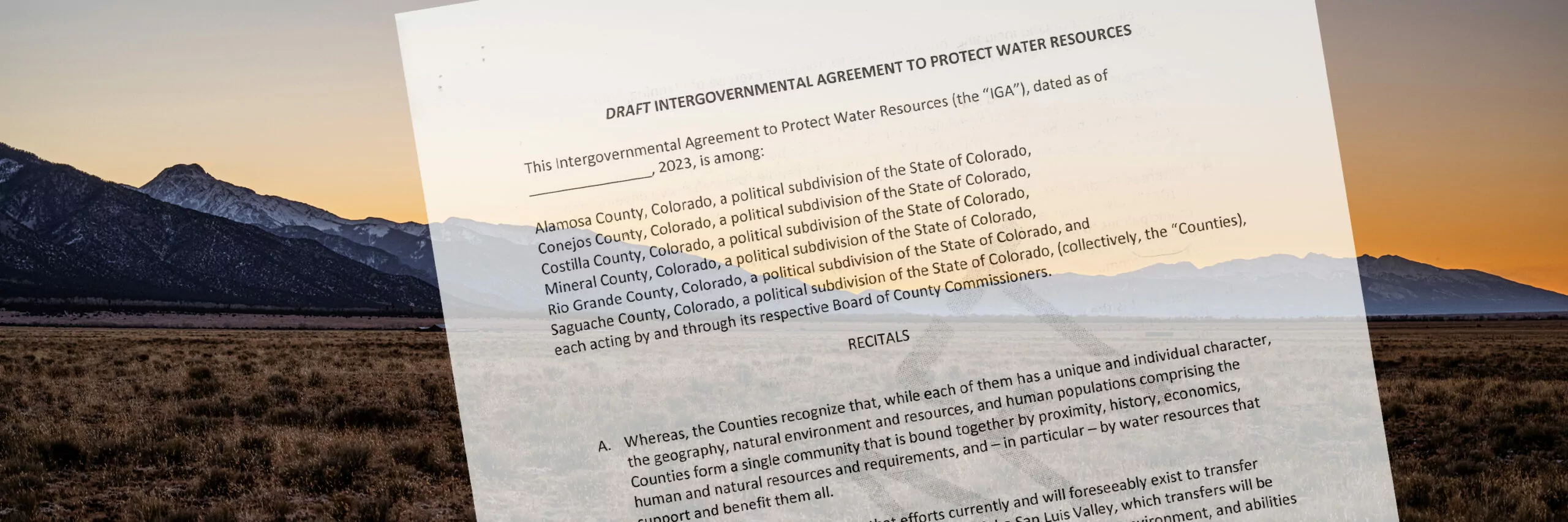
Anticipating another eventual push to export water from the San Luis Valley aquifers and the headwaters of the Upper Rio Grande, officials in each of the six counties are drafting an intergovernmental agreement and specific planning regulations they hope will legally block any water exportation project.
Through an intergovernmental agreement, the counties would look to establish a “Joint Planning Area” to protect the Valley’s water resources and then adopt specific 1041 planning regulations that address protecting the Valley’s water resources from exportation.
EARLIER COVERAGE: The Water Archives
“This might be our best opportunity to stop water exportation,” said Saguache County Commissioner Tom McCracken, who chairs the San Luis Valley Regional Council of Governments board. “I’m feeling really excited about it.”
It’s through the San Luis Valley Regional Council of Governments that county officials and city officials have been meeting to draft the intergovernmental agreement and eventually establish 1041 regulations specifically around water exportation proposals. Any proposal that would aim to take water out of the Valley, such as the Renewable Water Resources plan, would have to satisfy all the regulations in applying for the required county permits.
The city of Alamosa and the city of Monte Vista are expressing interest in being part of the water resources intergovernmental agreement as well.
In a speech last April where he addressed the RWR plan, Colorado Attorney General Phil Weiser encouraged the use of 1041 regulations so that communities have a “seat at the table in shaping the water projects that impact them.”
“Broadly speaking, a local government can use its 1041 powers to limit the negative impacts associated with the development of certain ‘areas’ or ‘activities of state interest.’ Such areas or activities might be related to everything from water infrastructure to buy-and-dry projects. Overall, these powers are intended to allow local governments to protect our lands, their value, and their use,” Weiser said.
CONVERSATIONS among county commissioners began in earnest early last summer following interest by Douglas County in the Renewable Water Resources proposal to pump 20,000 acre-feet every year out of the Valley to the Front Range bedroom community.
A visit by Douglas County Commissioner Abe Laydon last year to talk to RWR supporters in the San Luis Valley heightened concerns among county commissioners. Following Laydon’s visit, local county commissioners began conversations on how to counter both Douglas County’s interest and the ongoing efforts by Renewable Water Resources to export water from the Valley.
“I do still see a need and I feel good about the movement that’s been made,” said Alamosa County Commissioner Vern Heersink, who has been involved in the discussions from the beginning.
“I didn’t think we would have this much of a voice,” Heersink said, “and so it’s exciting to be working together with the other counties on a common goal.”
As headwater counties in the Upper Rio Grande Basin, there’s strength in numbers when it comes to battling water projects with smaller counties banding together to counter efforts by a large suburban county like Douglas County.
The Northwest Colorado Council of Governments offers a template to the approach in how that region battled the Two Forks project in the 1990s.
“The only way a region like the San Luis Valley can be successful and have a real say in the water world is if it bands together,” said attorney Barbara Green. Her law firm, Sullivan Green Seavy, is advising the San Luis Valley Regional Council of Governments in the drafting of the intergovernmental agreement. The agreement itself has no regulatory effect but simply forms the “Joint Planning Area,” Green explained to commissioners at a meeting last week in Alamosa.
It’s the 1041 regulations that provide the teeth.
THE strategy could also provide a checkmate to Douglas County’s own interest to get into the business of being a water provider, which it currently is not.
At a recent Douglas County Commissioner work session, Laydon raised the idea of creating a volunteer water commission, similar to a county planning commission, to help Douglas County plan forward on securing water for its future needs.
“We know that the state does not have a concrete water plan. I think that’s to come,” Laydon said. “In the west and certainly in Douglas County we know that water is a top priority issue, a scarce resource that we need to have some long-range, thoughtful planning around.
“I think we’re overdue in Douglas County to really activate a water commission and have a comprehensive plan much like we do in transportation and our comprehensive master plan in land use.”
Bill Owens, former Republican governor of Colorado and RWR pitchman, has been courting Douglas County to buy into Renewable Water Resources. Attorneys hired by Douglas County have outlined the significant legal and logistical hurdles to the RWR proposal.
Having each of the San Luis Valley’s six counties adopt specific planning regulations around water exportation and enter into intergovernmental agreements adds another layer of local regulation around water projects.
The effort is not so Valley counties can meddle in each other’s business, said Heersink, but a specific response to any plans for water exportation.
“We want to prevent a diversion that takes the water out of the Valley,” he said.