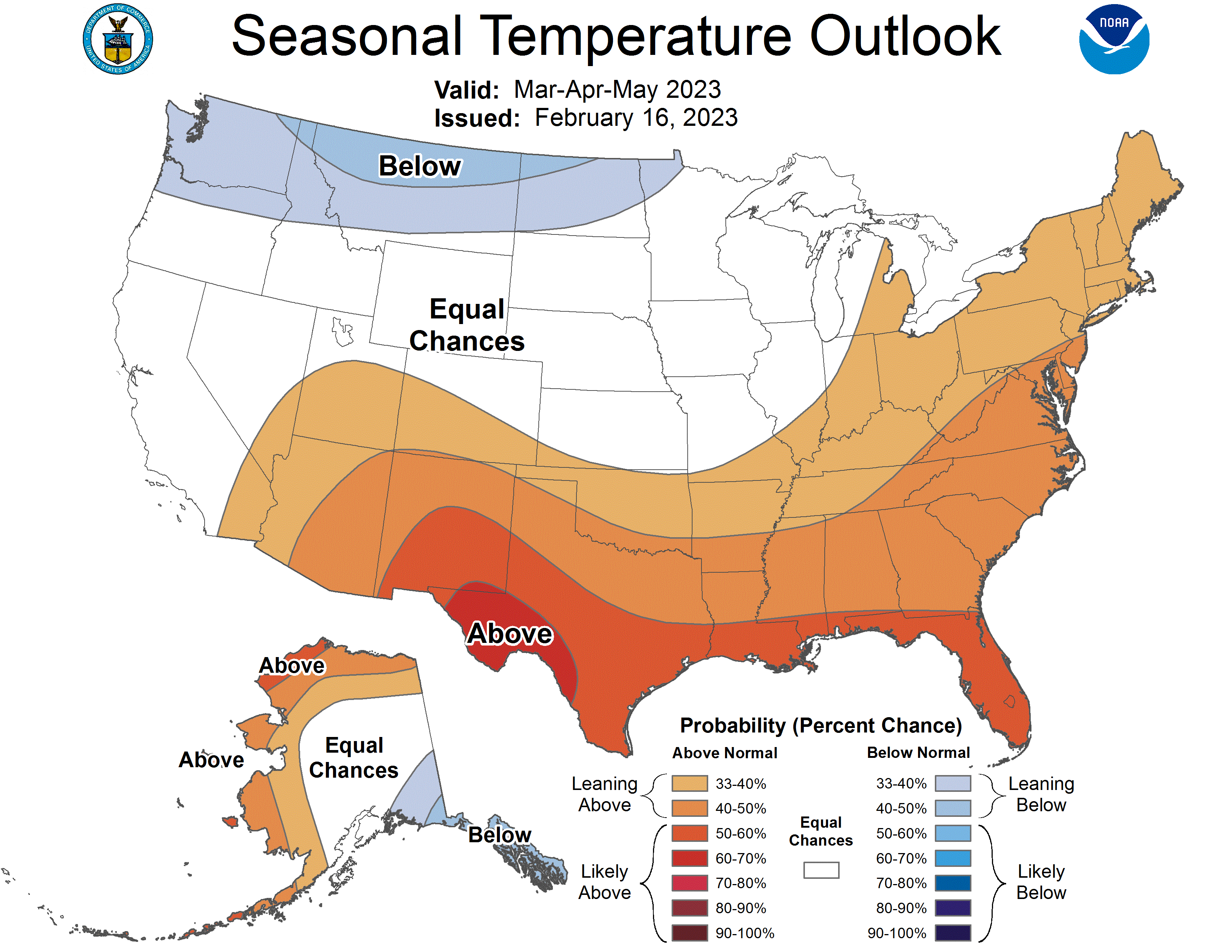

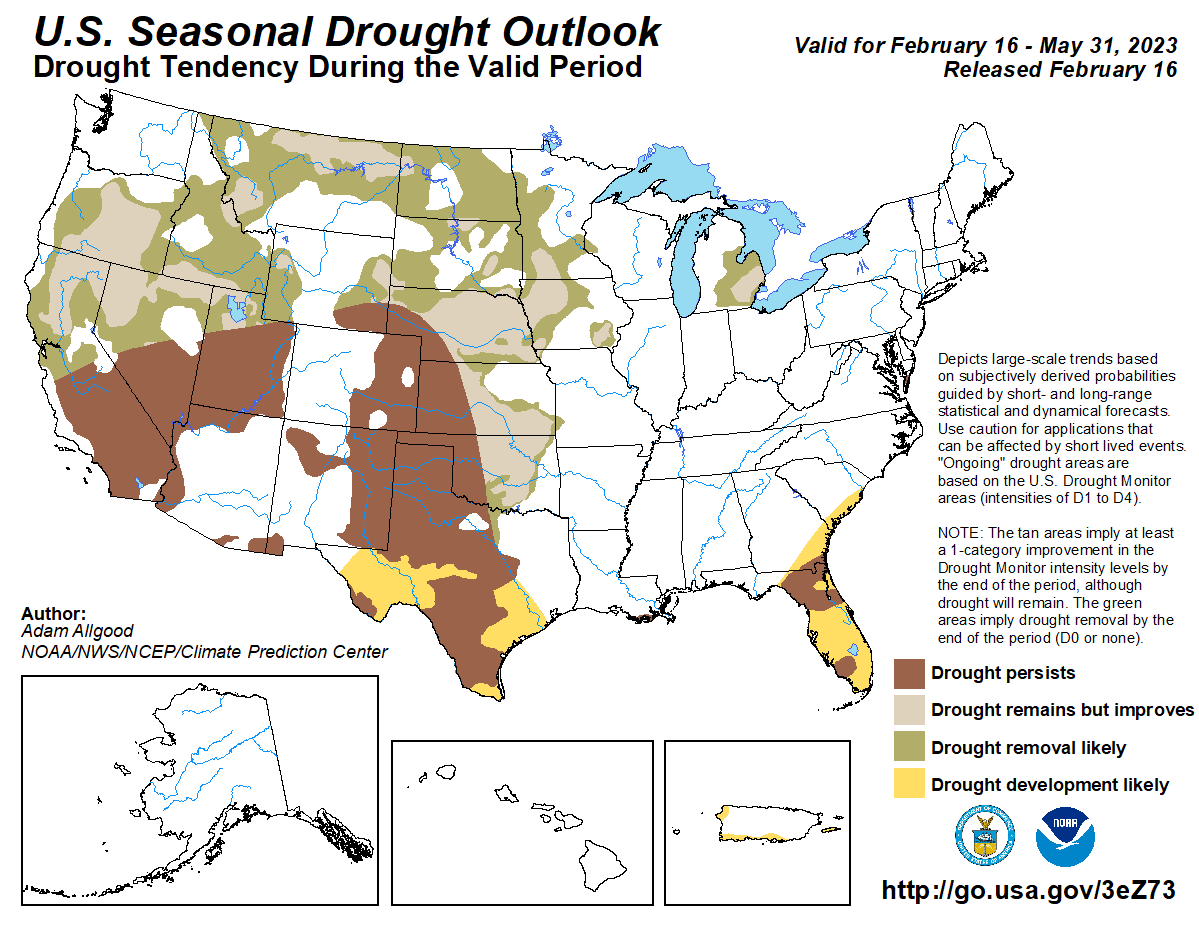

Click on a thumbnail graphic to view a gallery of drought data from the US Drought Monitor website.
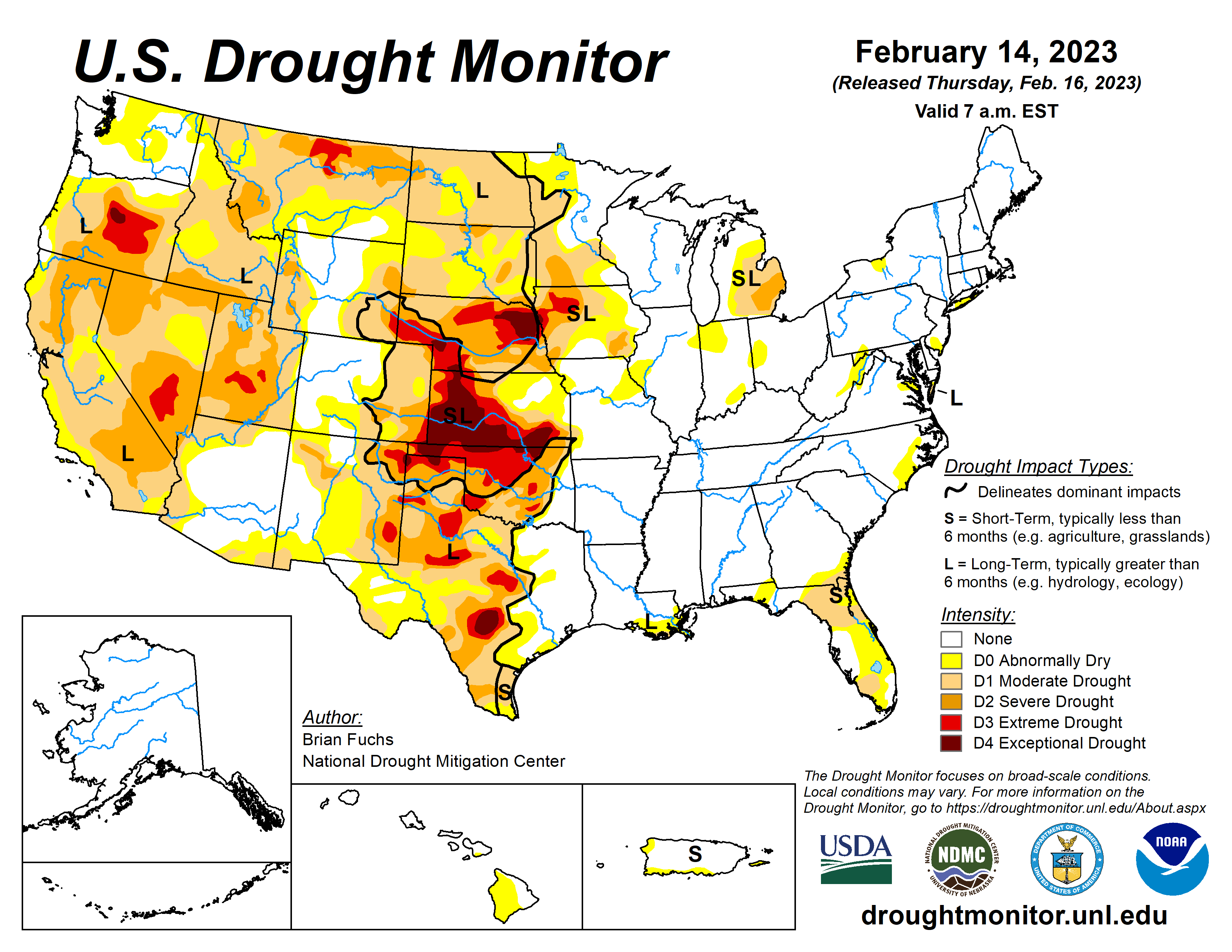
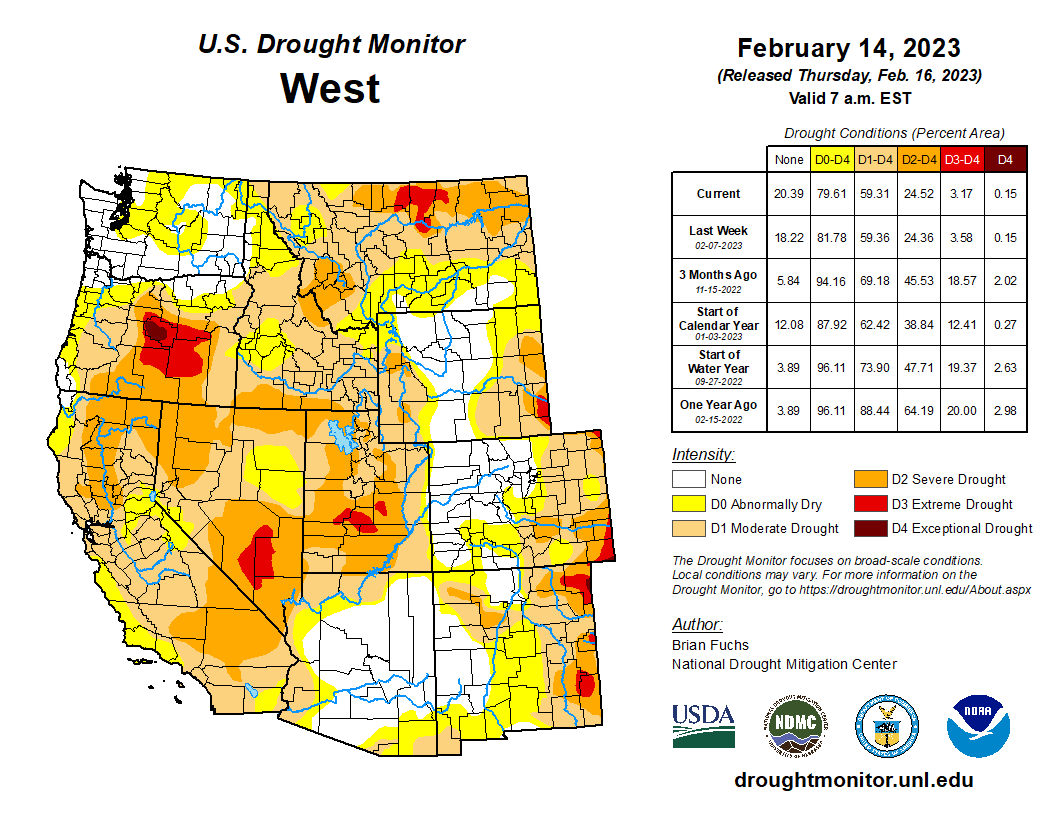

Click the link to go to the US Drought Monitor website. Here’s an excerpt:\
This Week’s Drought Summary
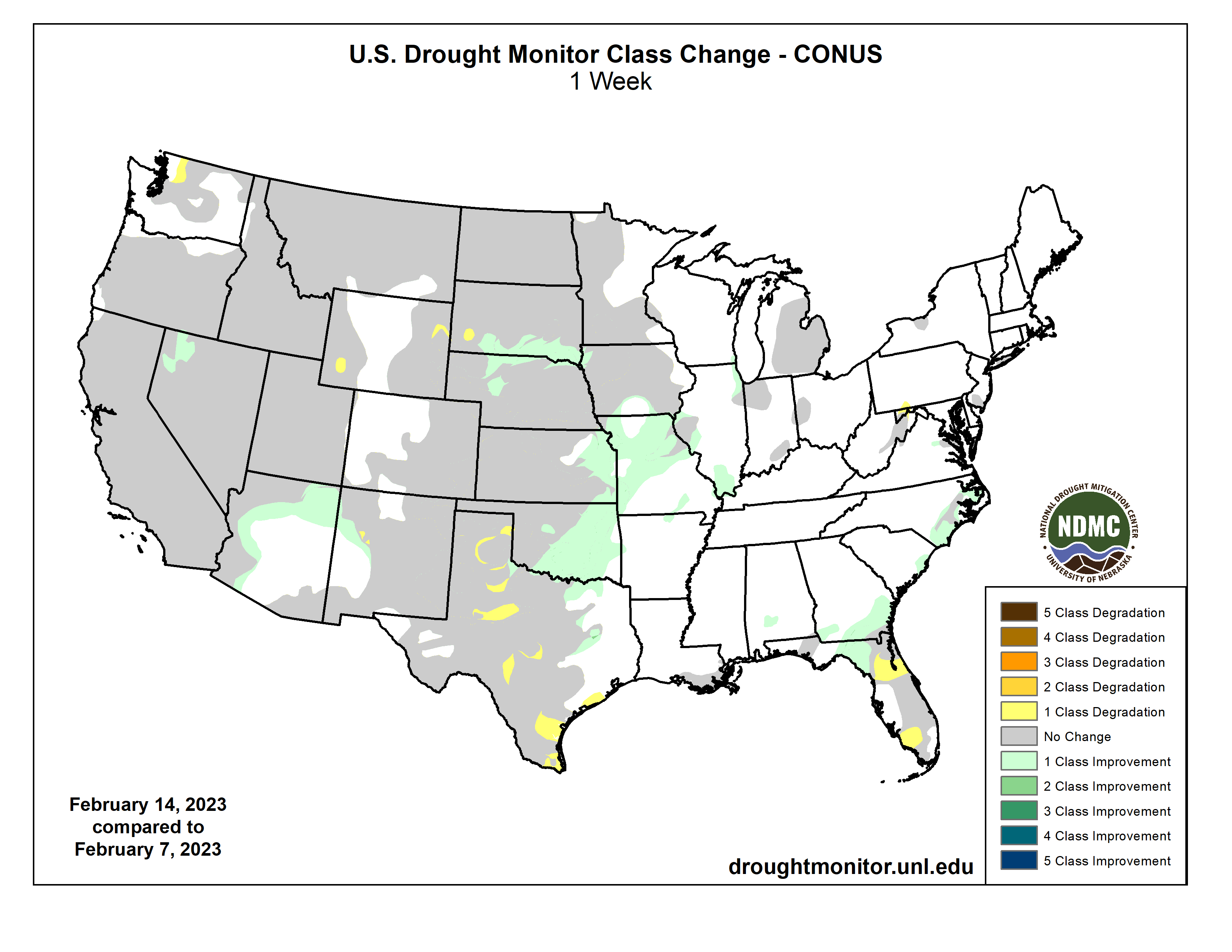
An active weather week over much of the South, Southeast and portions of the Midwest allowed many locations in eastern Oklahoma, northern Arkansas, central Mississippi, northern Florida, southern Georgia and into coastal areas of South Carolina to record above-normal precipitation. Dry conditions dominated the West and northern Plains. Temperatures were well above normal in the northern Plains and upper Midwest, with departures of 15-20 degrees above normal. Most areas east of the Missouri River were above normal for the week with departures of 5-15 degrees above normal common. Cooler-than-normal temperatures dominated the intermountain West and into the Four Corners region where temperatures were 5-10 degrees below normal for the week…
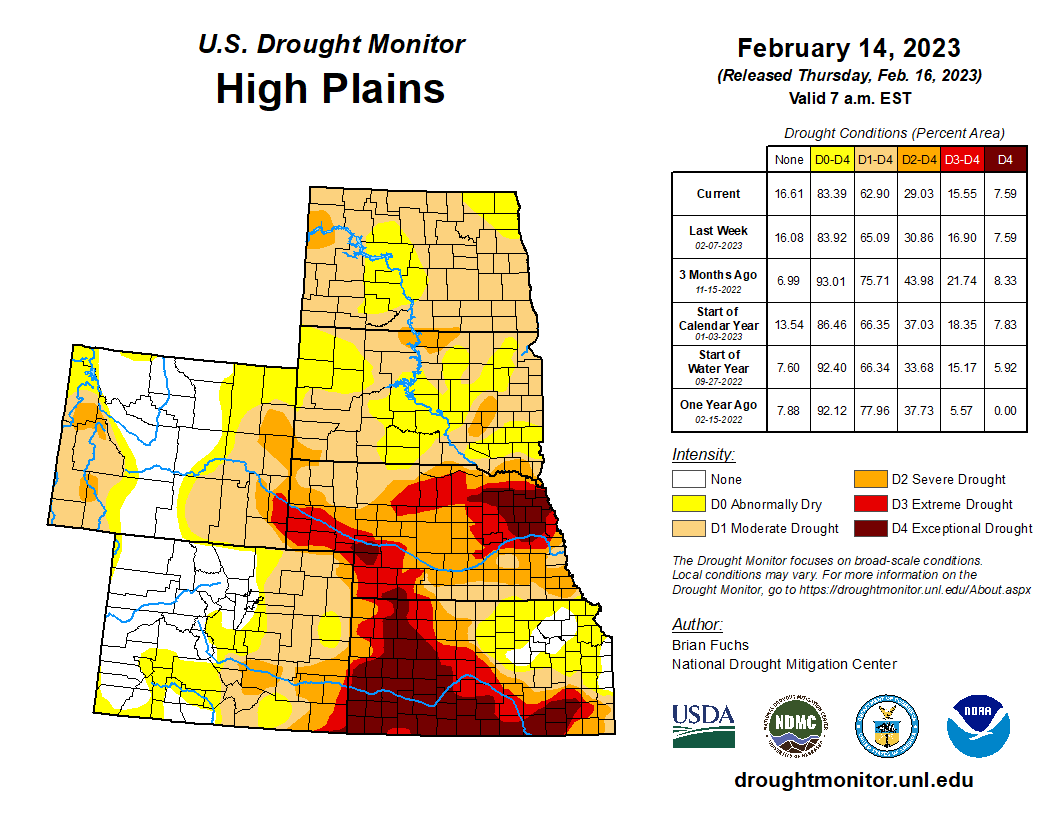
High Plains
Temperatures for the week were warmest over the eastern and northern extent of the region with departures 10-15 degrees above normal while the western areas were 5-10 degrees below normal in portions of Wyoming and Colorado. Most of the region was dry this week with the exception of eastern Kansas where over 200% of normal precipitation was recorded for the week. As temperatures warmed up and the benefits of the snowpack over portions of southern South Dakota and northern Nebraska started to be observed, improvements were made this week to the drought intensity levels along the South Dakota and Nebraska borders. A full category improvement was also made to conditions in eastern Kansas where more moderate drought was eliminated and improvements to severe and extreme drought were made in southeast portions of the state. Some slight degradation was introduced in Wyoming where severe drought was expanded in the east and southwest portions of the state…
West
Cooler-than-normal temperatures dominated most of the region outside of Montana where temperatures were 15-20 degrees above normal for the week. Most of the region was dry with only portions of New Mexico, southern Colorado, southern Montana and portions of the Pacific Northwest recording above-normal precipitation. Snowpack over the region remains well above normal. With the continued wet pattern over the Southwest, portions of Arizona and New Mexico were improved this week with moderate drought and abnormally dry conditions reduced in both states. Drier conditions in Washington allowed for some expansion of abnormally dry conditions while a reassessment of the extreme drought in northwest Nevada determined that conditions had improved enough to remove all of the extreme drought in this region…
South
Precipitation was widespread throughout most of eastern Oklahoma, northern Texas, northern Arkansas and portions of southern Louisiana with most of these areas recording 150-200% of normal precipitation for the week. Temperatures were warmest in the eastern extent where Arkansas and Louisiana were 4-6 degrees above normal while most of Oklahoma and Texas were 2-4 degrees below normal. The recent wetter pattern allowed for most of eastern Oklahoma to observe a full category improvement to the drought intensities with abnormally dry conditions removed from the eastern extent and some exceptional drought improved as well. Areas of eastern Texas had improvements made to moderate drought and abnormally dry conditions but saw degradations, mainly on long-term indicators highlighting the changes over portions of the panhandle, central and south Texas…
Looking Ahead
Over the next 5-7 days, a storm system will track out of the Four Corners region and onto the Plains, bringing with it widespread precipitation from Colorado, through the Plains and into the Midwest. Widespread precipitation is also expected throughout the South and into the Mid-Atlantic where up to 2-3 inches of rain is anticipated. Much of the southern and northern Plains as well as the West will be dry during this time. Temperatures are expected to be above normal over much of the southern Plains, Midwest and eastward with departures of 8-10 degrees above normal. Cooler-than-normal temperatures are expected over the central to northern Plains, and over the West where departures of up to 15 degrees below normal will be expected over Wyoming.
The 6–10 day outlooks show above-normal chances of below-normal temperatures over the northern Rocky Mountains, the Pacific Northwest and much of the West. The best chances of above-normal temperatures will be over the Southeast and through much of the South and Mid-Atlantic. Most of the country is showing above-normal chances of recording above-normal precipitation with the best chances over the Great Basin and in the Mid-Atlantic. South Texas and the peninsula of Florida are still showing a better likelihood of below-normal precipitation.
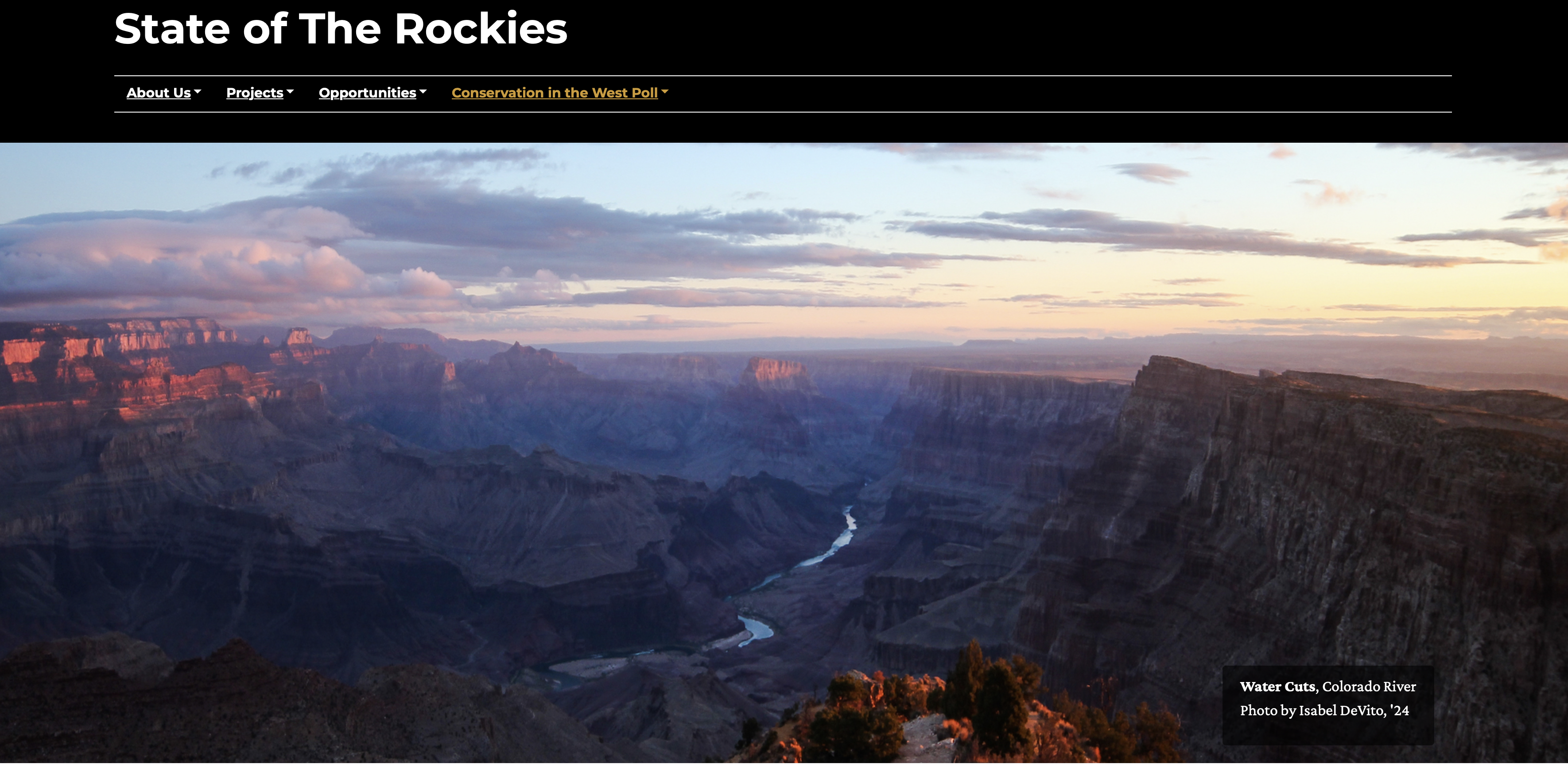
Click the link to read the release on the State of the Rockies website [Spanish version here] (Jacob Hay):
Thirteenth annual Conservation in the West Poll reveals voters not willing to go backwards on conservation progress to address gas prices, cost of living, or water shortages
COLORADO SPRINGS—Colorado College’s 13th annual State of the Rockies Project Conservation in the West Poll released today [February 16, 2023] shows strong support for conservation policies among Westerners even as concerns around gas prices, cost of living, drought and water shortages remain high.
The poll, which surveyed the views of voters in eight Mountain West states (Arizona, Colorado, Idaho, Montana, Nevada, New Mexico, Utah, and Wyoming), found support in the 70 to 90 percent range for conservation goals like protecting wildlife habitats and migration routes, ensuring healthier forests, preventing light pollution that blocks out the stars, and safeguarding drinking water.
82 percent of Westerners support achieving a national goal of conserving 30 percent of land and inland waters in America, and 30 percent of ocean areas, by the year 2030. Support for that proposal is up 9 percent since 2020, while opposition to the goal dropped by 5 percent during that time. In order to further conservation progress, 84 percent of Westerners support presidents continuing to use their ability to designate existing public lands as national monuments to maintain public access and protect the land and wildlife for future generations.
Voters express higher levels of concern than in the past over several issues that impact Western lifestyles. Asked what they consider to be extremely or very serious problems for their state, 65 percent of Westerners point to inadequate water supplies, 67 percent say drought, 69 percent say the low level of water in rivers, 78
percent name the rising cost of living, and 60 percent say the price of gasoline.Those spiking concerns, however, are not dampening enthusiasm for conservation action across the West. Support remains high for a range of policies aimed at protecting land, water, air, and wildlife, including:

85 percent support constructing wildlife crossing structures across major highways that intersect with known migration routes.

84 percent support creating new national parks, national monuments, and national wildlife refuges and Tribal protected areas to protect historic sites or areas of outdoor recreation.

67 percent support gradually transitioning to 100 percent of energy being produced from clean, renewable sources like solar and wind over the next ten to fifteen years.
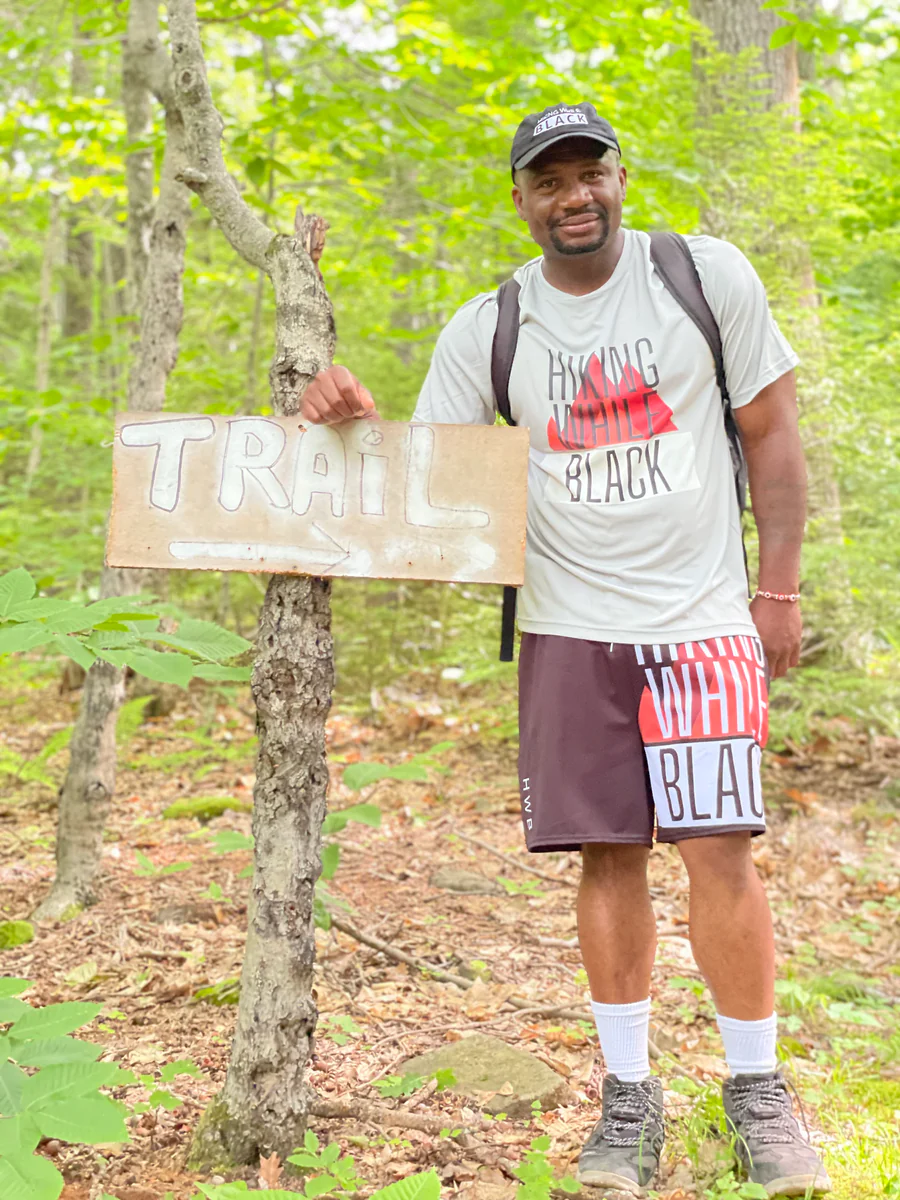
76 percent support directing funding to ensure adequate access to parks and natural areas for lower- income people and communities of color that disproportionately lack them.

85 percent support ensuring Native American Tribes have greater input into decisions made about areas on national public lands that contain sites sacred or culturally important to their Tribe.
“This year voters in the West have a lot on their minds, but they are not willing to trade one priority for another,” said Katrina Miller-Stevens, Director of the State of the Rockies Project and an associate professor at Colorado College. “High gas prices, increasing costs of living, and water shortage concerns are not enough to move Westerners to reconsider their consistent support for conservation policies or seek out short-sighted solutions that put land and water at risk. In fact, people in the West want to continue our progress to protect more outdoor spaces.”
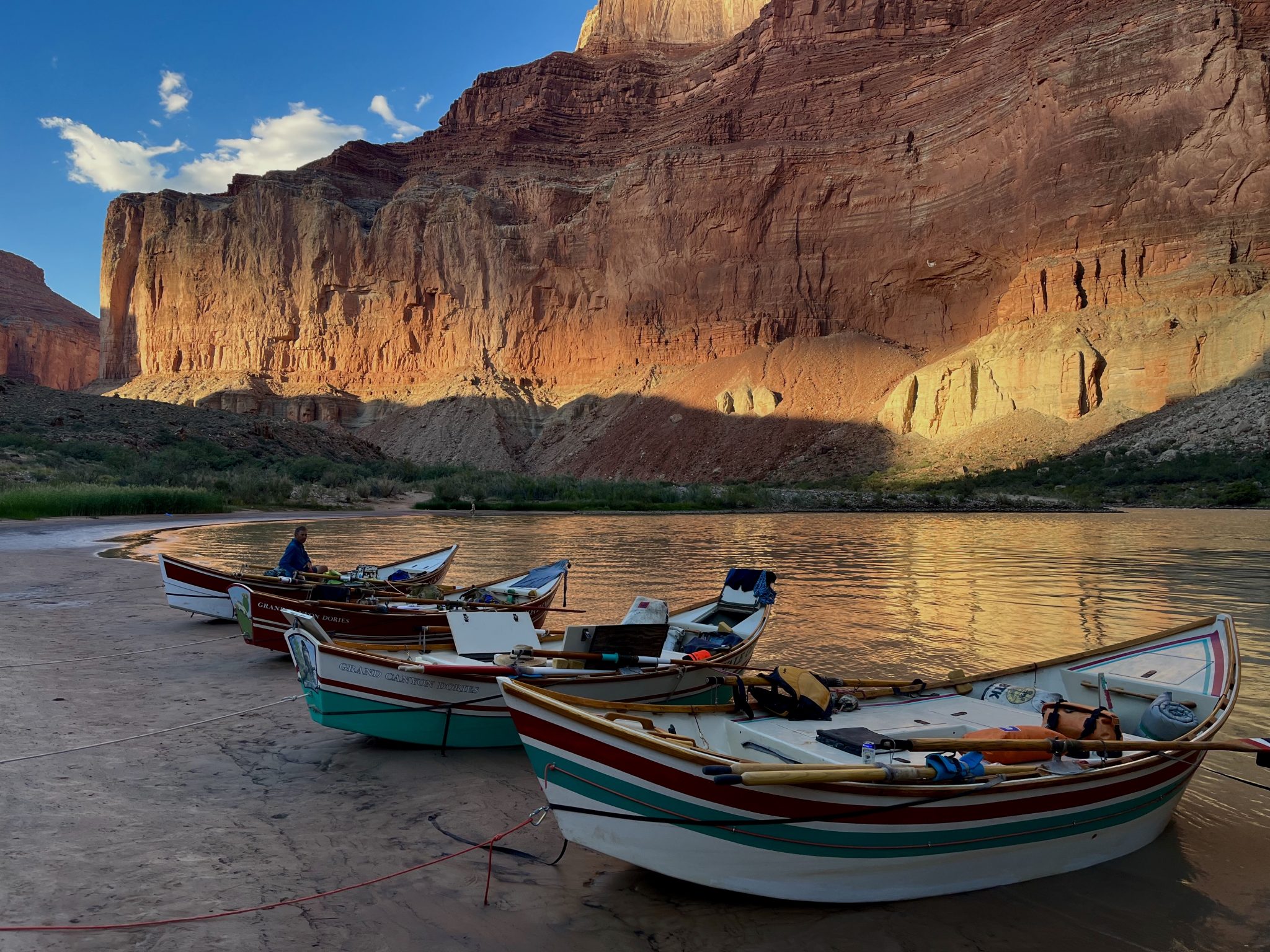
Locally, a variety of proposed conservation efforts are even more popular with in-state voters than they were when surveyed last year. In Arizona, 62 percent of voters support legislation to make permanent the current ban on new uranium and other mining on public lands surrounding the Grand Canyon. 90 percent of Coloradans agree with protecting existing public lands surrounding the Dolores River Canyon to conserve important wildlife habitat, safeguard the area’s scenic beauty, and support outdoor recreation. 84 percent of Montanans support enacting the Blackfoot Clearwater Stewardship Act to ensure hunting and fishing access, protect stream flows into the Blackfoot River, and add eighty thousand acres of new protected public lands for recreation areas, along with timber harvest and habitat restoration. In New Mexico, 88 percent of voters want to designate existing public lands in the Caja del Rio plateau as a national conservation area to increase protections for grasslands and canyons along the Santa Fe river and other smaller rivers flowing into the Rio Grande. 83 percent of Nevadans want to designate existing public lands in southern Nevada as the Spirit Mountain National Monument to ensure outdoor recreation access and help preserve sacred Native American sites.
Voters call for bold action on water conservation in line with heightened concerns
The level of concern among Westerners around water issues remains high in this year’s poll even amidst a notable uptick in winter precipitation across the West.

The Colorado River is held in high regard by voters in the states that rely on it. 86 percent say the Colorado River is critical to their state’s economy and 81 percent view it as an attraction for tourism and recreation. At the same time, 81 percent of voters say the Colorado River is at risk and in need of urgent action.
Concerns about water availability in the West translate into support for a variety of water conservation efforts, including:
95 percent support investing in water infrastructure to reduce leaks and waste.
88 percent support increasing the use of recycled water for homes and businesses.87 percent support requiring local governments to determine whether there is enough water available before approving new residential development projects.
80 percent support providing financial incentives to homeowners and businesses to replace lawns and grassy areas with water-saving landscaping.
62 percent support prohibiting grass lawns for new developments and homes.

54 percent support providing financial incentives to farmers to temporarily take land out of production during severe water shortages.
Despite concerns over higher gas prices and cost of living, voters want a cleaner and safer energy future on public lands
In the face of higher gas prices and increased costs of living, Westerners still support proposals to limit the volume and impacts of oil and gas drilling on public lands.
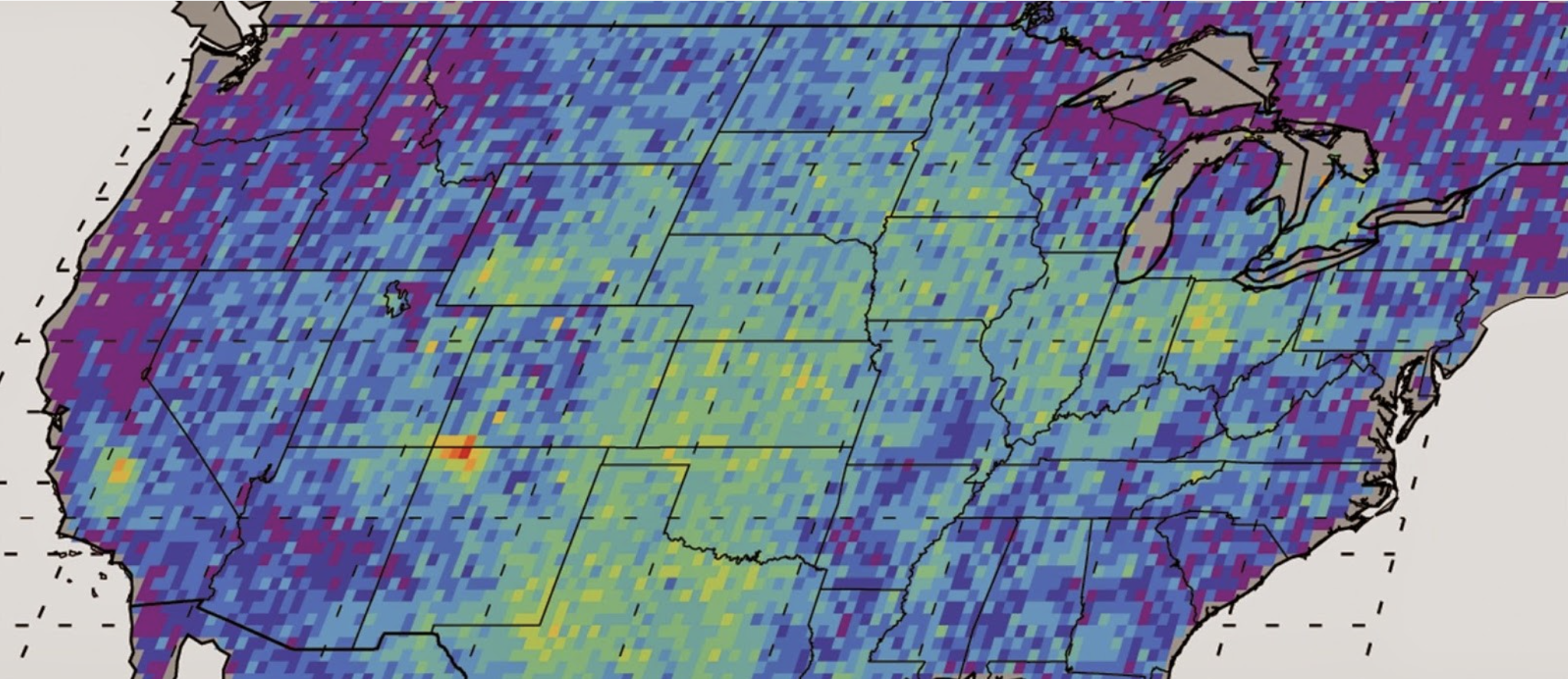
91 percent support requiring oil and gas companies to use updated equipment and technology to prevent leaks of methane gas and other pollution into the air. 91 percent of voters support requiring oil and gas companies, rather than federal and state governments, to pay for all of the clean-up and land restoration costs after drilling is finished. 72 percent of voters support only allowing oil and gas companies the right to drill in areas of public land where there is a high likelihood to actually produce oil and gas.
Asked what should be the highest priority for meeting America’s energy needs, 65 percent of Westerners say it should be reducing our need for more coal, oil and gas by expanding the use of clean, renewable energy. That is compared to 32 percent who favor drilling and digging for more oil and gas wherever we can find it.
Given a choice of public lands uses facing lawmakers, 68 percent of voters prefer ensuring we protect water sources, air quality, and wildlife habitat while providing opportunities to visit and recreate on national public lands. By contrast, only 26 percent of voters would rather ensure we produce more domestic energy by maximizing the amount of national public lands available for responsible oil and gas drilling and mining.
This is the thirteenth consecutive year Colorado College gauged the public’s sentiment on public lands and conservation issues. The 2023 Colorado College Conservation in the West Poll is a bipartisan survey conducted by Republican pollster Lori Weigel of New Bridge Strategy and Democratic pollster Dave Metz of Fairbank, Maslin, Maullin, Metz & Associates. The survey is funded by the William and Flora Hewlett Foundation.
The poll surveyed at least 400 registered voters in each of eight Western states (AZ, CO, ID, MT, NV, NM, UT, & WY) for a total 3,413-voter sample, which included an over-sample of Black and Native American voters. The survey was conducted between January 5-22, 2023 and the effective margin of error is +2.4% at the 95% confidence interval for the total sample; and at most +4.9% for each state. The full survey and individual state surveys are available on the State of the Rockies website.
Colorado College is a nationally prominent four-year liberal arts college that was founded in Colorado Springs in 1874. The College operates on the innovative Block Plan, in which its 2,200 undergraduate students study one course at a time in intensive three and a half-week segments. For the past eighteen years, the college has sponsored the State of the Rockies Project, which seeks to enhance public understanding of and action to address socio-environmental challenges in the Rocky Mountain West through collaborative student-faculty research, education, and stakeholder engagement.
About Fairbank, Maslin, Maullin, Metz & Associates
Fairbank, Maslin, Maullin, Metz & Associates (FM3)—a national Democratic opinion research firm with offices in Oakland, Los Angeles and Madison, Wisconsin—has specialized in public policy oriented opinion research since 1981. The firm has assisted hundreds of political campaigns at every level of the ballot—from President to City Council—with opinion research and strategic guidance. FM3 also provides research and strategic consulting to public agencies, businesses and public interest organizations nationwide.
About New Bridge Strategy
New Bridge Strategy is a Colorado-based, woman-owned and operated opinion research company specializing in public policy and campaign research. As a Republican polling firm that has led the research for hundreds of successful political and public affairs campaigns we have helped coalitions bridging the political spectrum in crafting winning ballot measure campaigns, public education campaigns, and legislative policy efforts. New Bridge Strategy helps clients bridge divides to create winning majorities.
About Hispanic Access Foundation
Hispanic Access Foundation connects Latinos and others with partners and opportunities to improve lives and create an equitable society.