Click the link to read the article on The Denver Post website (Elise Schmelzer). Here’s an excerpt:
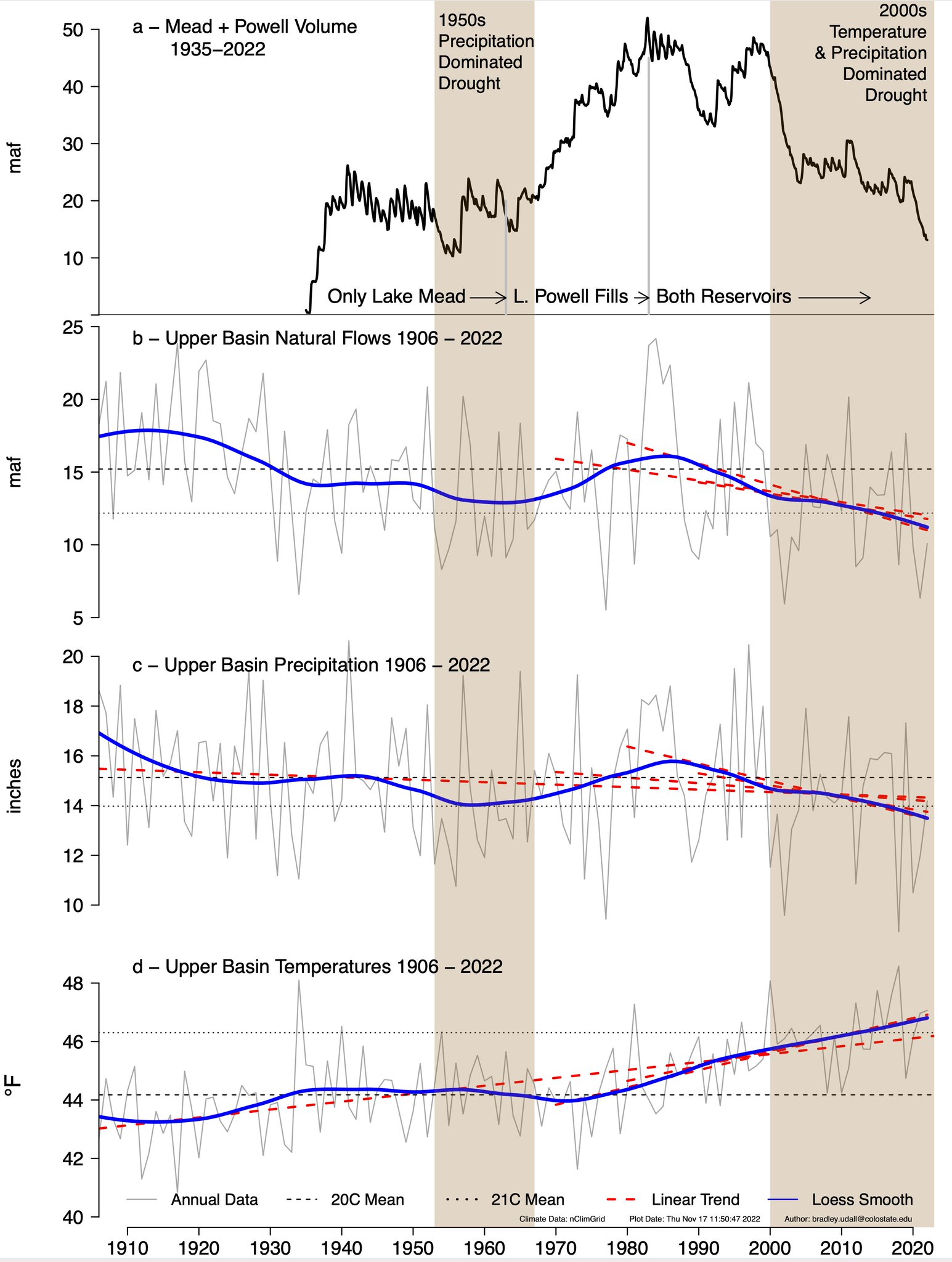
Federal officials on Tuesday temporarily eased Colorado River water use restrictions due to a “lucky” year of increased precipitation, but drought and overuse remain a crisis as officials begin negotiations for the future of the river on which 40 million people in the West rely for drinking, agriculture and water. Colorado’s top water officials on Tuesday submitted the state’s first formal comments on negotiations that will govern the use of the river after current guidelines expire in 2026. They urged change in how Lake Mead and Lake Powell — the two major water storage reservoirs on the river — are operated as the West becomes hotter and drier…
Negotiations for a new plan to replace a 2007 agreement began in June between federal officials, tribal leaders and the seven basin states — Colorado, Wyoming, Utah, Nevada, Arizona, New Mexico and California. The groups must come to an agreement by 2027, when the current guidelines established in 2007 end. New operating guidelines must account for climate change as well as “recognize that Lower Basin overuse is unsustainable and puts the entire system at risk,” according to the letter to the U.S. Bureau of Reclamation from Mitchell and Lauren Ris, acting director of the Colorado Water Conservation Board…
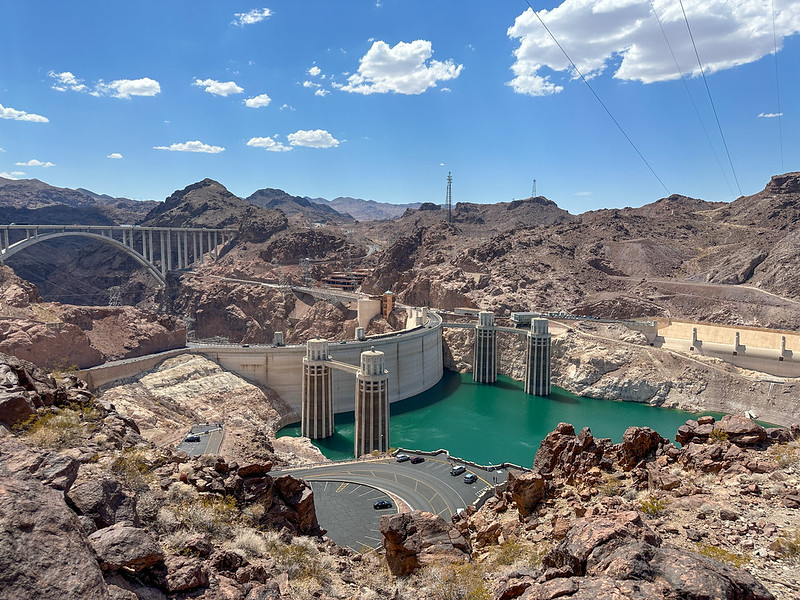
Water levels at Lake Mead and Lake Powell rose this spring due to increased snow and rain in the region. The wet winter and spring mean for the next year Lake Mead will operate in a Level 1 Storage Condition, a “significant improvement” from the Level 2 Shortage Condition implemented in 2022, the Bureau of Reclamation announced Tuesday…That means two Lower Basin states that rely on releases from the reservoirs for water — Nevada and Arizona — will have a little more water to work with this year. Cuts don’t affect allocations to the Upper Basin states — Colorado, Utah, New Mexico or Wyoming — because they are upstream of the reservoirs…
Heavy snowfall and increased rains helped boost flows in the Colorado River Basin this winter and spring, raising the water levels of reservoirs across the system. Lake Mead rose more than 10 feet and Lake Powell rose more than 50 feet.
“We were on the verge of a crash,” said Matt Rice, director of the Colorado Basin Program at American Rivers. “There’s no doubt we got lucky.”