
by Robert Marcos, photojournalist
Mountain snowmelt is the lifeblood of the Great Salt Lake, providing the vast majority of its fresh water. On average the mountains around the lake contribute approximately 1.9 to 2.1 million acre-feet of surface runoff annually.1 However on February first of this year – with Utah’s snowpack in near record-poor condition, Utah’s Natural Resources Conservation Service released a report that forecast a reduction in snowmelt that ranges from 21% to 77% of average.2
This (potentially) dramatic drop in snowmelt forces our attention to the Great Salt Lake’s other major source of water, the Bear River, and there the news is equally alarming. The Bear River in Utah faces a variety of environmental threats primarily from human activities like agriculture, water management, and development. These impact water quality, habitats, and flows into the Great Salt Lake. The following list of challenges the river faces are ranked in order of prevalence and severity, from reports like wetland studies and conservation plans.3
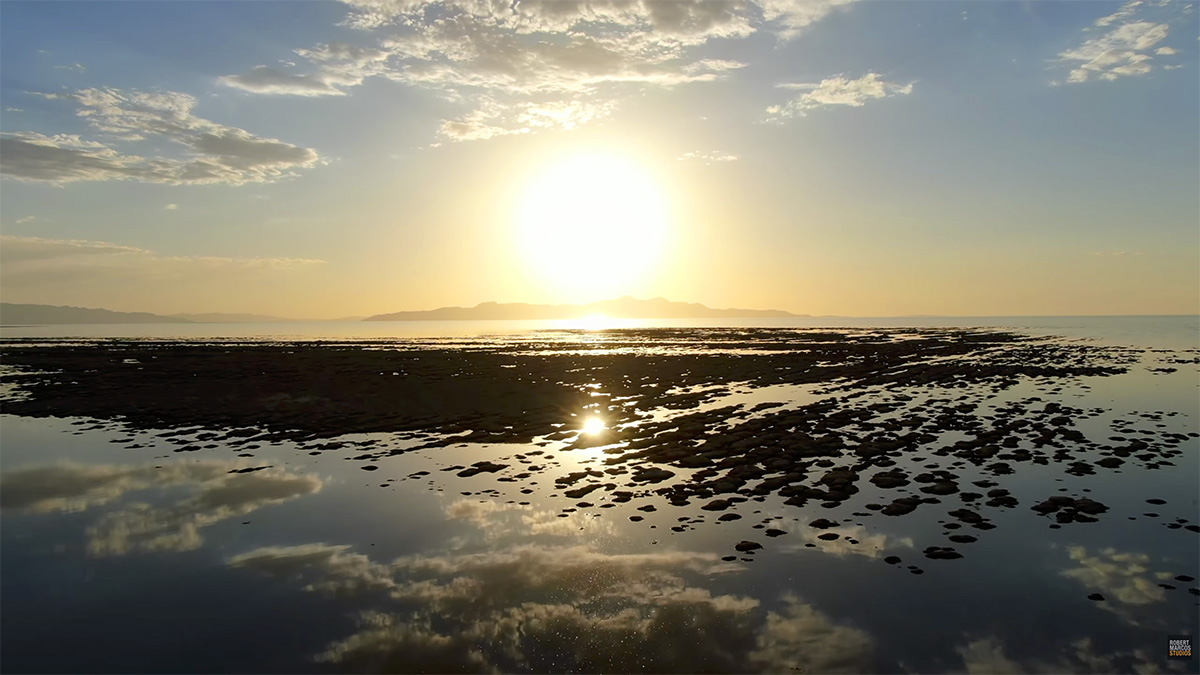
Water Diversions: Proposed and existing diversions, such as the Bear River Development project, threaten to reduce flows by up to 220,000 acre-feet annually, lowering Great Salt Lake levels by 8.5-14 inches and exposing lakebed dust with toxins like arsenic. This exacerbates drought effects and harms migratory birds reliant on Bear River Bay wetlands.4
Agricultural Runoff: Runoff from intensive farming affects 83% of wetlands, delivering excess nutrients, sediments, and pollutants that cause eutrophication, algal blooms, and oxygen depletion. The Bear River is impaired throughout the study area due to these inputs, worsened by upstream sources in Utah, Idaho, and Wyoming.5
Hydrologic Alteration: Dams, irrigation, and impoundments alter flow timing and flooding, impacting nearly all wetlands and degrading riparian habitats. Reservoirs like Cutler divert spring runoff, leading to inconsistent river flows and wetland desiccation.6
Invasive Species: Non-native plants like Phragmites australis cover 11% of wetlands, outcompeting natives and reducing biodiversity, especially in disturbed mudflats. Agricultural species such as foxtail and clover invade via forage planting.7
Sediment and Pollution: Erosion from tributaries and livestock causes siltation, while point sources (69% of wetlands) and nanoparticles from boat paints add contaminants. Legacy issues like high alkalinity and industrial wastes persist.8