
Click the link to read the article on the Colorado State University website (Christopher Outcalt):
February 10, 2026
Key takeaways
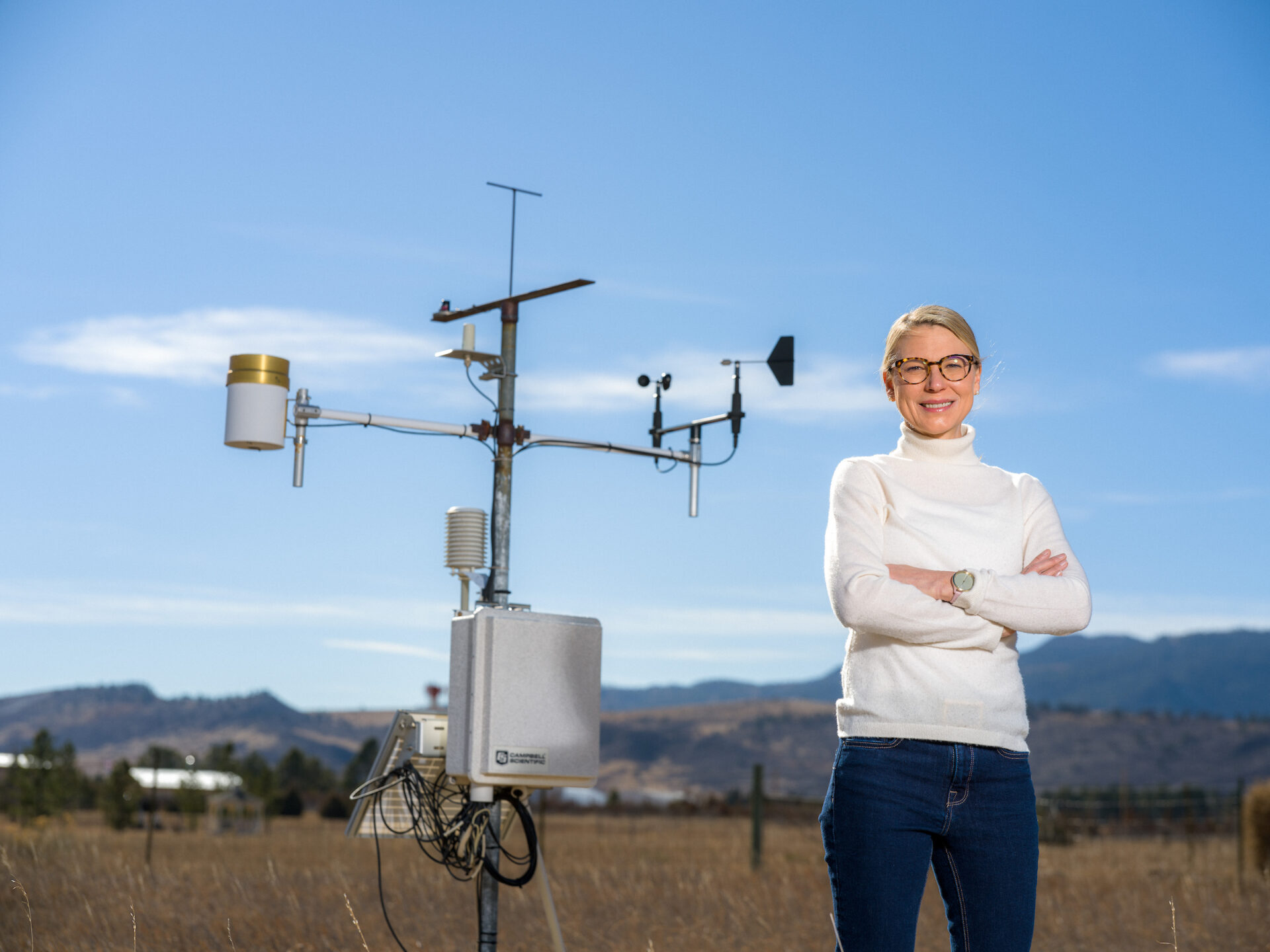
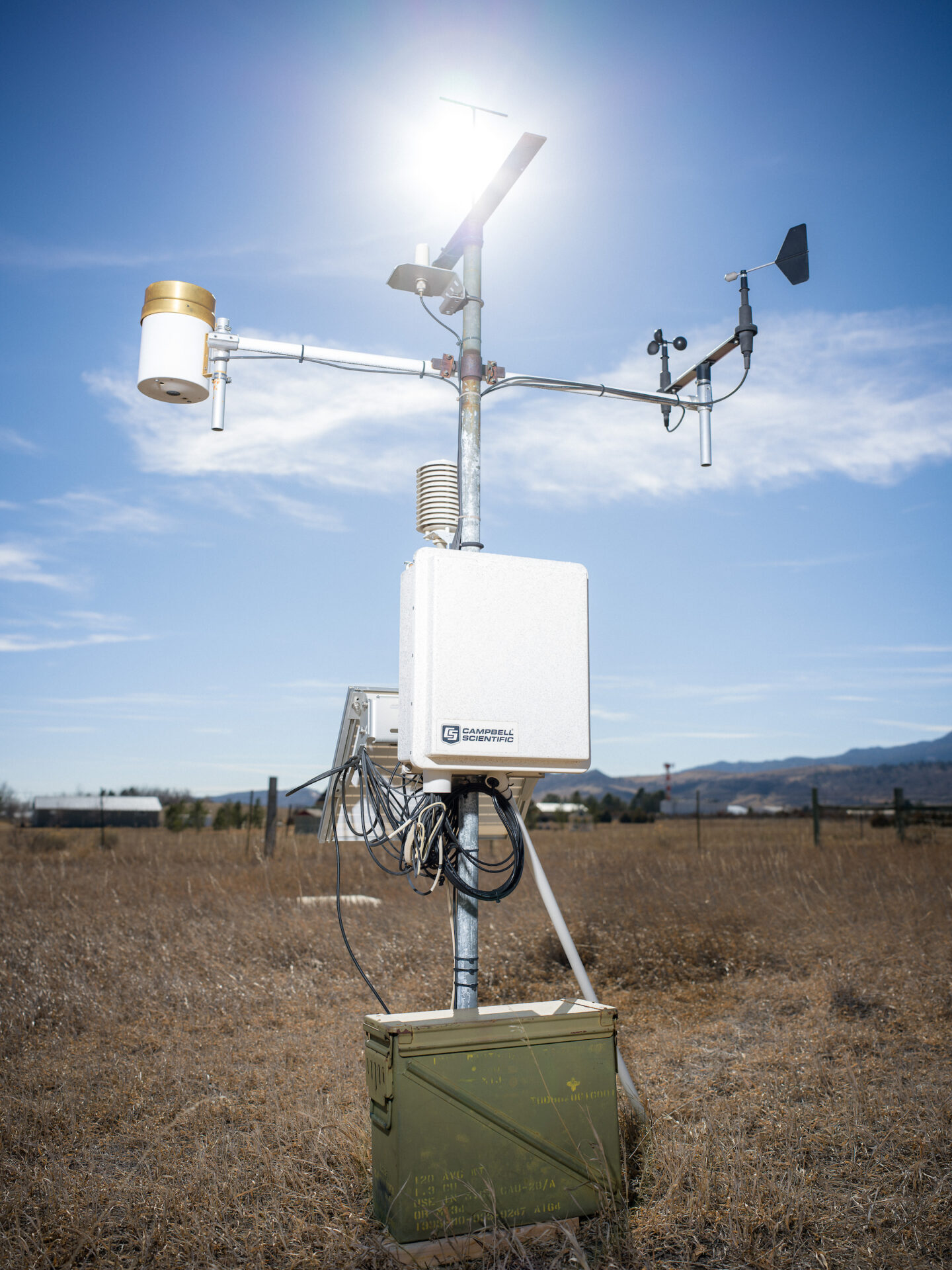
- CSU scientists have installed dozens of new soil moisture monitoring sensors across the state, increasing capacity by 60%, and have received additional funding to install more sensors this year.
- Researchers have also launched a new web-based platform that allows anyone to view both historical and real-time statewide soil moisture data.
- Interest in soil moisture is skyrocketing, and the data is useful to farmers, foresters, scientists, water managers, weather forecasters and others.
Colorado State University is leading an effort to track a critical but unseen resource in Colorado: water stored in soil. This statewide effort to enhance soil moisture monitoring is producing important insights that can help everyone from farmers to weather forecasters better predict water supplies, understand the risk of wildfire and assess the impacts of drought.
“Soil moisture is one of the most under-monitored natural resources, yet it is a foundational driver of ecosystem services and risk management,” said Helen Silver, co-director of CSU’s Integrated Rocky Mountain-region Innovation Center for Healthy Soils, or IN-RICHES, which is helping to lead the work. “Because soil moisture data are both scarce and difficult to access, this project addresses both challenges by expanding monitoring infrastructure while making the resulting information openly available and usable for land managers, policymakers and researchers.”
In Colorado, estimates suggest that the amount of water stored in soils is more than twice the amount that flows on the surface. As the Western U.S. faces growing challenges with water availability due to drought, climate variability and competing demands, there is heightened interest in better understanding and monitoring this critical resource. The work is being done in collaboration with the Colorado Climate Center and the CSU’s Department of Computer Sciences.
Historically, soil moisture monitoring in Colorado has been concentrated in high-elevation mountains, with croplands and forests underrepresented. This imbalance has limited the ability of land managers and others to fully understand soil-water dynamics across areas where water scarcity, wildfire risk and agricultural drought are most acute.
Aimed at filling this critical gap, the federal government allocated $1.45 million to CSU in spring 2023 to lead an expansion of the number of in-ground sensors, create a publicly available platform to increase access and expand other precipitation monitoring efforts. From May to October, a team of researchers installed 64 additional sensors at underrepresented sites across the state, expanding Colorado’s monitoring capacity by roughly 60%. This project was known as the Colorado Open Soil Moisture Monitoring Network. CSU recently received additional funding from the state’s Colorado Water Plan Grant Program to install another 15 sensors this year.
In addition to installing new sensors, CSU has launched Quench, a web-based monitoring platform that collects real-time soil moisture data from multiple networks into a single location.
Beneficial collaboration
There are several entities monitoring soil moisture in Colorado, including the U.S. Department of Agriculture’s Natural Resources Conservation Service, which operates snow telemetry, or SNOTEL, sites; the Roaring Fork Observation Network, supported by the nonprofit Aspen Global Change Institute; and the CSU-run Colorado Agricultural Meteorological Network, which operates automated weather stations capable of tracking soil moisture.
Quench is the first centralized tool for viewing all available soil moisture data, including historic data, in Colorado.
“The integration of soil moisture data into a single platform is a monumental advancement,” said Megan Machmuller, IN-RICHES co-director and a research scientist in CSU’s Soil and Crop Sciences Department. “This publicly accessible tool will streamline comparisons across the state, providing critical insights for managing water resources and proactively addressing risks.”
Expanding the soil moisture network and launching Quench involved input from dozens of water managers, farmers and ranchers, researchers, and state and local officials. Elise Osenga, who works for the University of Colorado in partnership with the National Oceanic and Atmospheric Administration’s National Integrated Drought Information System, said she appreciated the collaboration. “There’s so much interest in soil moisture, especially in the Western U.S., because of recent intense droughts,” Osenga said. “But a lot of people aren’t really sure where to find that information.”
She added, “This work is beneficial not just for the information itself, but also as a model of collaboration; CSU did a great job of reaching out to different groups to develop this platform.”
Eric Schroder, a soil scientist with the U.S. Forest Service, is looking forward to sharing Quench with Forest Service personnel in Colorado. “The ability to easily access real-time soil moisture data from multiple partner networks and explore historical trends to see how conditions are changing over time will support and improve our ongoing management of USFS lands in Colorado,” Schroder said.
Schroder emphasized that the Forest Service relies on soil moisture data to support disaster preparedness and to inform ongoing land and water management operations, including fire prediction, controlled burn operations, drought forecasting, landslide risk, flood risk, reforestation initiatives and timber management.
In addition to installing new sensors, the CSU team plans to continue to upgrade Quench, eventually integrating satellite-based soil moisture data and other features.
Helen Silver | Co-director of IN-RICHES
Soil science • Soil water dynamics • Drought and water resilience • Soil data systems
Helen Silver is an environmental policy expert focused on soil health, water and sustainable food systems in the Rocky Mountain West, bridging science, law and data to support farmers, land managers and climate resilience efforts.
