
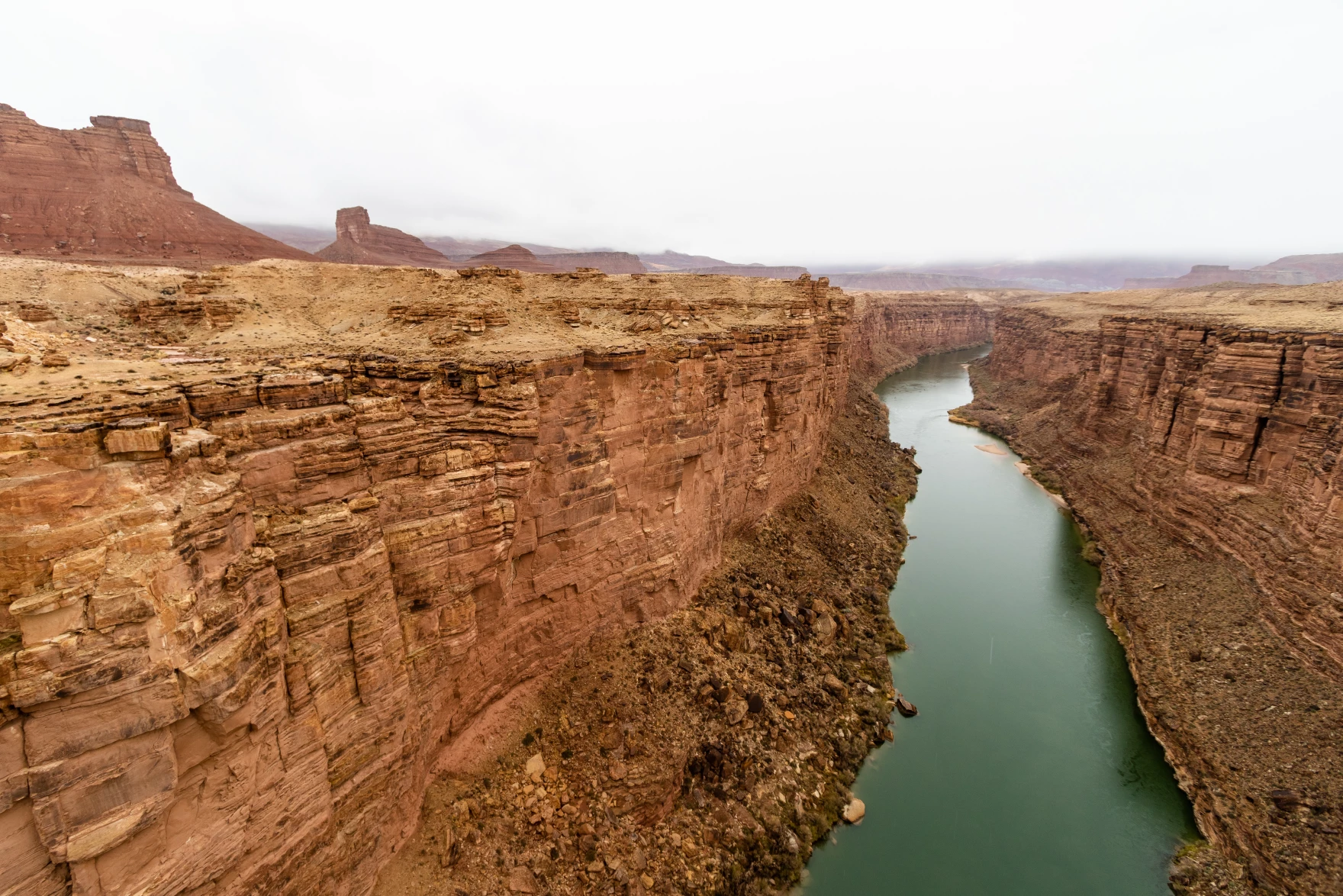
Click the link to read the article on the KJZZ website (Alex Hager). Here’s an excerpt:
March 11, 2026
Coverage of tribal natural resources is supported in part by Catena Foundation
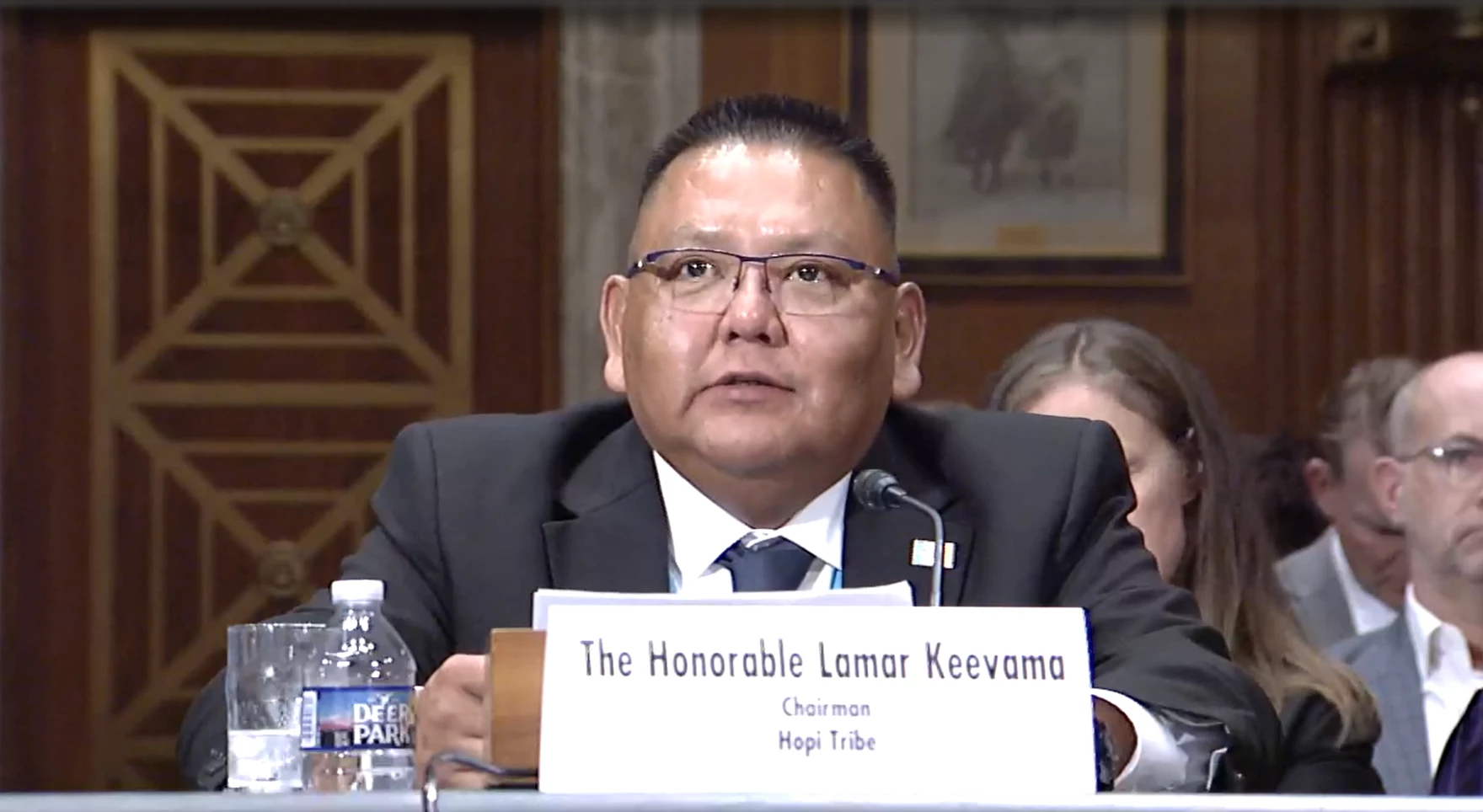
Tribal leaders and U.S. senators spoke out in support of a measure that would solidify access to water for three tribes with land in Arizona during a Wednesday [March 11, 2026] hearing at the Senate Indian Affairs Committee. The Northeastern Arizona Indian Water Rights Settlement, or NAIWRSA, would settle claims to water by the Navajo, Hopi and San Juan Southern Paiute tribes, and provide $5 billion to build new water delivery systems and help the tribes access their water. The settlement would need to be authorized by congress to go into effect. At Wednesday’s Senate committee hearing, impassioned pleas to bring water to tribal communities ran up against federal concerns about the cost of a settlement, and talks of hesitation from some states that use the Colorado River.
“This settlement is more than a legal agreement,” said Lamar Keevama, chairman of the Hopi Tribe. “It is a path forward. It allows the Hopi tribe to remain and protect our homeland, supports economic development and ensures that our communities have the basic resources necessary to thrive.”
An official with the Interior Department said he was supportive of the settlement’s aims, but was concerned with the cost.
“$5 billion is a lot of money,” said Scott Cameron, Interior’s principal deputy assistant secretary for water and science. “We look forward to working with the committee and with the three tribes and the other interested parties, of which there are quite a few, to see if we can’t creatively come up with some ideas to still satisfy the purposes of the bill at somewhat less cost.”
NAIWRSA has partially been hung up by a unique geographical challenge and longstanding tensions between states that share the Colorado River. The river, which is at the heart of settlement talks, is divided into two regions — the Upper Basin and the Lower Basin. Its water is managed by the seven states that use it, and they have been deeply split about new policies to share water. They generally fall into two camps — the Upper Basin states of Colorado, Utah, Wyoming and New Mexico, and the Lower Basin states of Arizona, California and Nevada. The Navajo Nation straddles both basins, with land in Arizona, New Mexico and Utah. Some of its land falls within a portion of Arizona that is technically part of the Upper Basin. Some Upper Basin states worry that the settlement would allow the Navajo Nation to take water from the Upper Basin and lease it for use in the Lower Basin, creating a precedent that could open the door to more transfers out of the Upper Basin. Buu Nygren, president of the Navajo Nation, pushed back on that suggestion.
“It is hard to imagine that any Upper Basin state would object to my people being able to use water that they have used for decades simply because of the fear of a potential precedent,” he said.
