
by Robert Marcos
As the American West gets hotter, farmers will need more water to irrigate the same amount of crops1. More water will also be required to cool the generators that will supply energy to an ever-increasing number of air conditioning systems in hundreds of thousands of homes and businesses2.
Why hotter air means thirstier crops
Warmer air has a higher vapor pressure deficit, so it “pulls” more moisture out of soil and plant leaves, increasing evapotranspiration. This means that to get the same crop yield, farmers must apply more water per acre because a larger fraction of applied water is lost to the atmosphere rather than staying in the root zone.
Earlier snowmelt and reduced snowpack in Western mountains expose soils sooner to heat and sun, drying them out faster and further increasing irrigation needs. The same corn field will need more irrigation in 2050 than it did in 1980 just to achieve the same yield, because the atmosphere is “thirstier.”
Why hotter days use more electricity
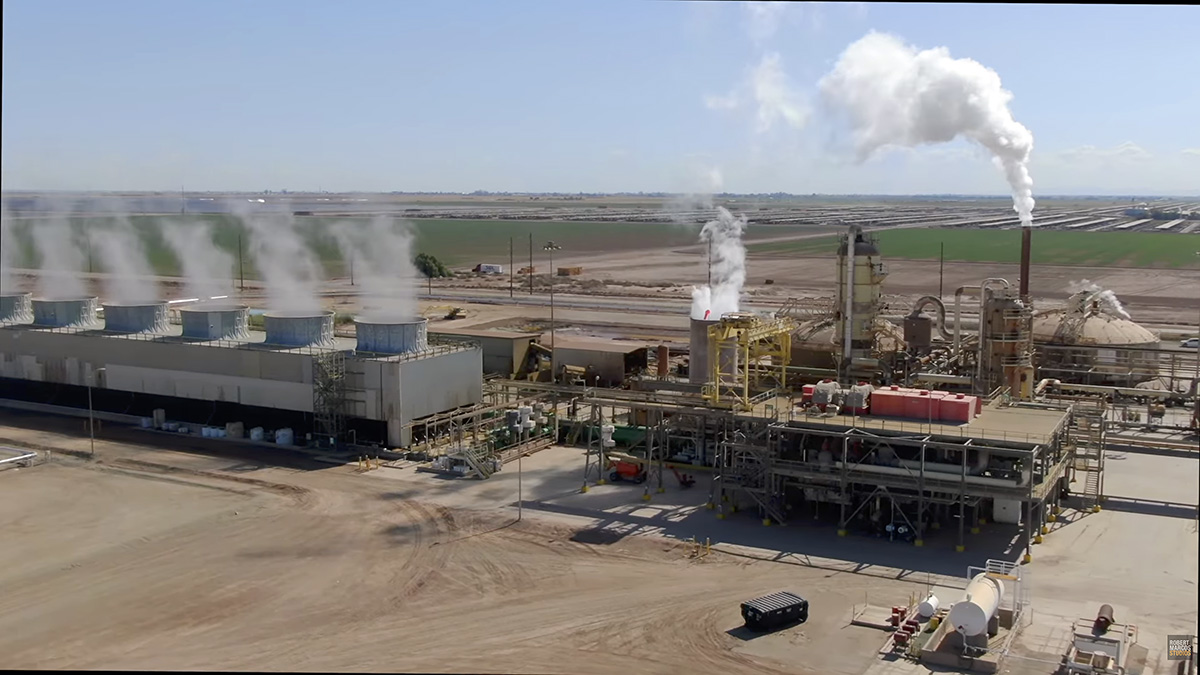
Higher temperatures drive up electricity demand because homes, offices, and industry run air conditioners and refrigeration harder and for longer periods. Much of that electricity still comes from thermoelectric power plants (coal, gas, nuclear) that use large volumes of freshwater for cooling, either withdrawing it and returning it warmer or consuming a portion through evaporation3.
As air and water warm, these plants run less efficiently and may need even more cooling water per unit of electricity generated, increasing water use just when rivers and reservoirs are under stress. In very hot, dry years, this can create a feedback: heat raises AC demand, AC demand raises power plant water demand, low flows and high water temperatures then constrain power plants, risking reliability problems4.
Warming reduces the share of precipitation that reaches reservoirs and aquifers: more evaporates or is soaked up by drier soils before it becomes runoff. Western water systems and legal allocations were designed assuming a more stable climate and more reliable snowpack; under warming, those assumptions are breaking down, reducing dependable supplies for both farms and power plants. The result is a tightening water budget: less water coming into the system at the same time that crops, cities, and energy systems are all asking for more.