
by Robert Marcos
As record-breaking heatwaves and droughts become more frequent, natural sources of water that insects and wildlife have historically depended upon are drying up. In response a growing number of homeowners are transforming their yards into life-saving “hydration hubs”. In addition to serving the needs of animals these simple actions help people to move from regret to action and then even pleasure as they watch deer, opossums, bees, and other wild animals obtain lifesaving water.1
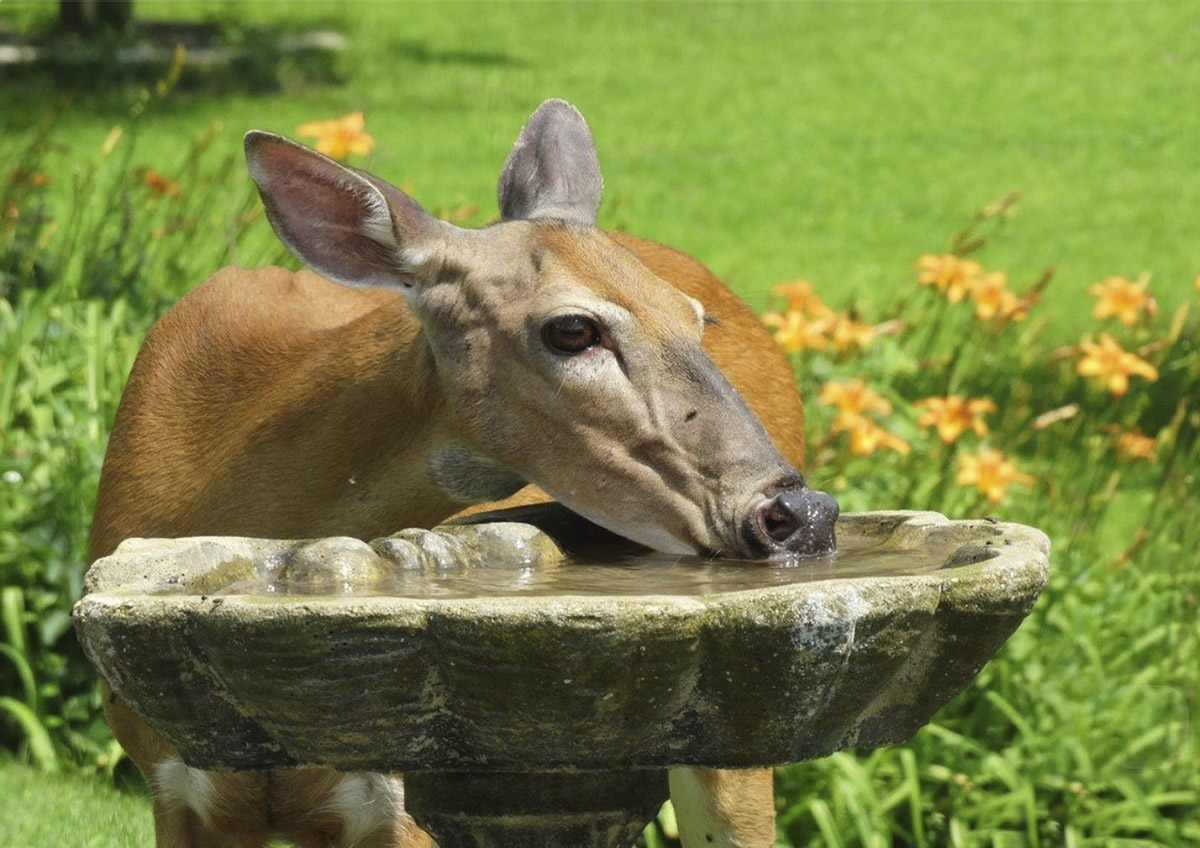
Deer act as vital ecosystem engineers by managing plant growth and promoting biodiversity through their grazing habits. As they move across various habitats, they disperse seeds via their fur and waste, aiding in forest regeneration and the spread of native flora. Furthermore, they serve as a primary food source for large predators, while their carcasses provide essential nutrients to scavengers and the soil, maintaining a balanced and nutrient-rich food web.2
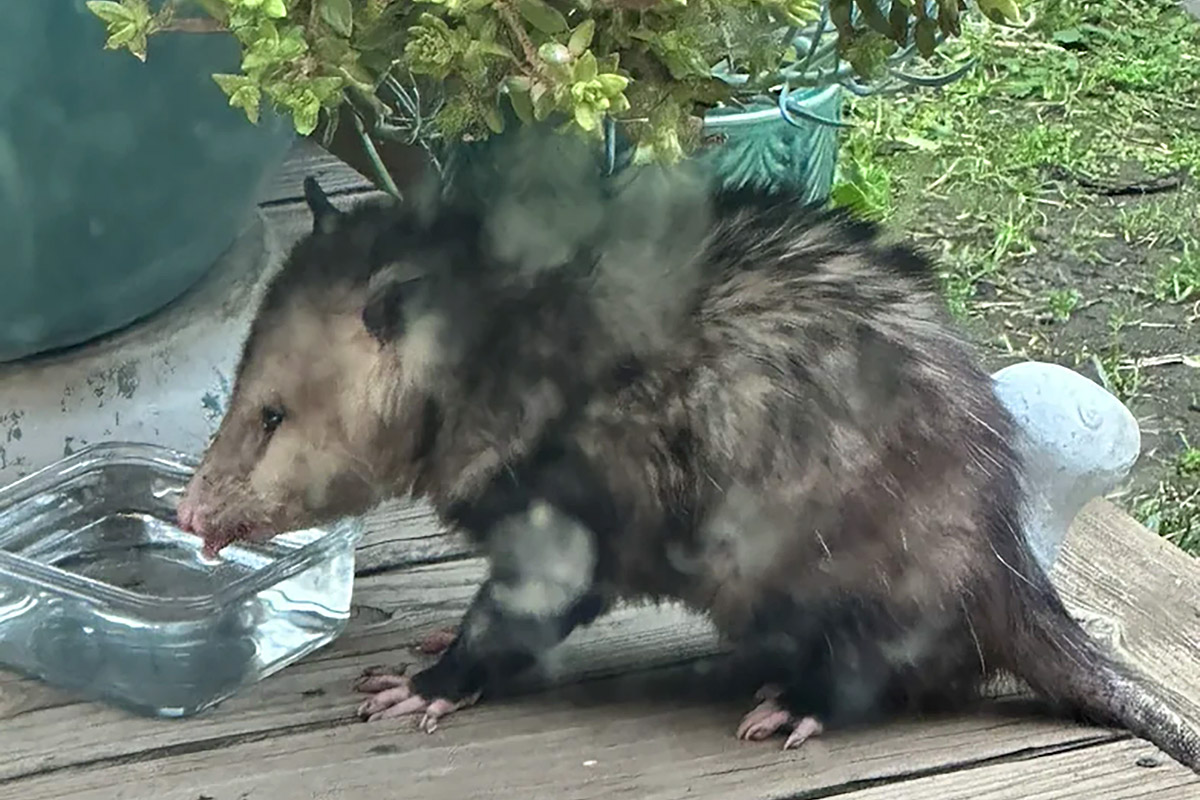
Opossums act as “nature’s sanitation workers” by providing essential pest control and waste removal services right in our backyards. As opportunistic scavengers, they keep neighborhoods clean by consuming overripe fruit, roadkill, and organic waste that might otherwise attract less desirable pests like rats or roaches. They also help maintain ecological balance by hunting common garden nuisances such as snails, slugs, and even venomous snakes, to which they have a natural immunity. Furthermore, their low body temperature makes them highly resistant to rabies, meaning they are far less likely to spread the disease than other urban wildlife.3

Pollinators like bees, butterflies, and bats are the silent backbone of our local ecosystems, facilitating the reproduction of nearly 80% of the world’s flowering plants and one out of every three bites of food we eat. By transferring pollen between blooms, they ensure the production of the fruits, seeds, and nuts that feed both humans and wildlife, while simultaneously maintaining the genetic diversity necessary for resilient landscapes. Beyond agriculture, their work supports the growth of oxygen-producing plants and provides the foundational habitat for countless other species, making their presence a direct indicator of a healthy, thriving environment.4
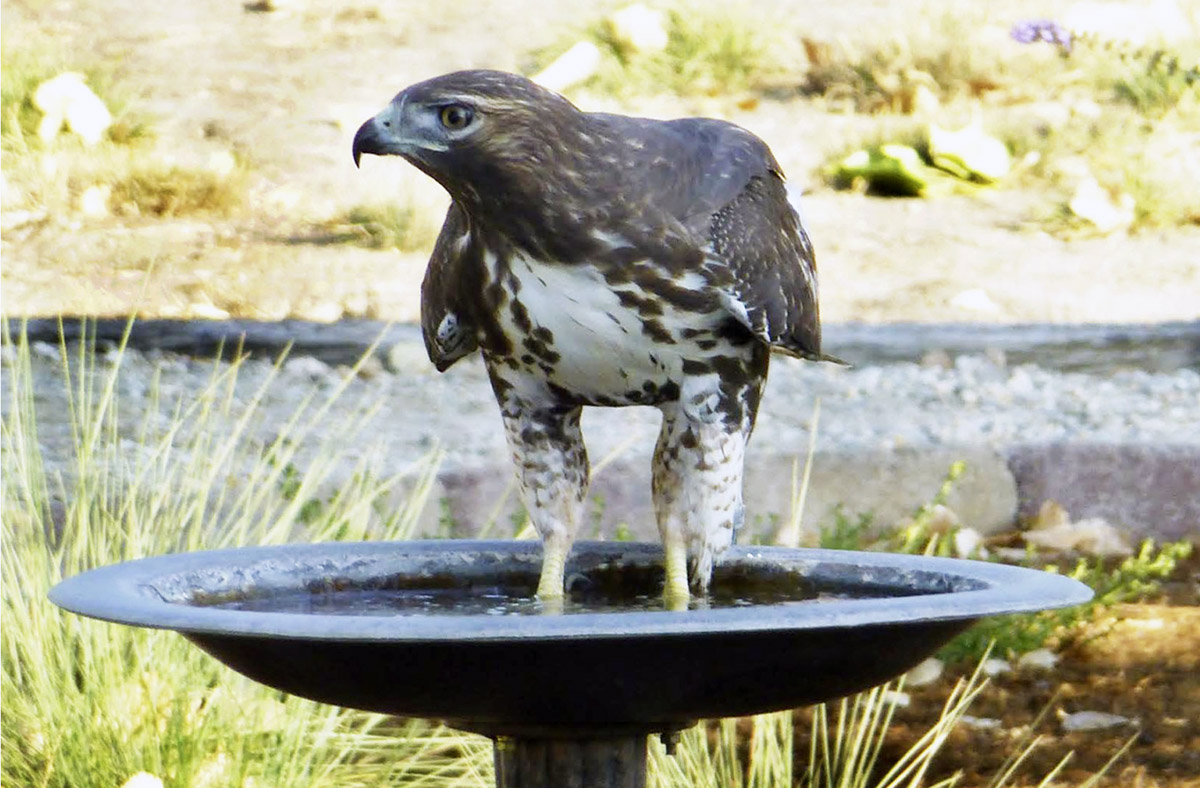
Red-tailed hawks are apex predators that maintain ecological balance by regulating the populations of small mammals, including rodents, rabbits, and squirrels. By controlling these populations, they provide free pest control for both urban environments and agricultural lands, which helps prevent overgrazing of vegetation and crop damage. Beyond their role as hunters, they are valuable indicator species; their presence and reproductive success reflect the overall health and biodiversity of the local ecosystem. Additionally, their large nests can provide secondary habitat for smaller bird species, such as house sparrows, while their opportunistic scavenging contributes to natural nutrient cycling.5