by Robert Marcos, Grand Junction, Colorado
In his article in Singletracks author Greg Heil said, “It’s hard to imagine but in the 1960s, there were approximately 1,000 different ski areas operated across the United States. Today, that number has been cut in half, with roughly 487 resorts still operating.” As I look outside here in Grand Junction it’s hard to believe that our current climate can support ANY ski resorts, let alone 487. But after reading Greg’s article I thought, what other industries besides snow skiing are threatened by increasing aridification?
1. Cattle & Feed: This is considered the most threatened industry because it’s the largest consumer of Western water. It’s been estimated that 55% to 70% of the water in the Colorado River Basin is used to grow livestock feed like alfalfa and hay. Farmers are either choosing or are being forced to fallow hundreds of thousands of acres. Large-scale dairies and feedlots are facing unsustainable costs to import feed and transport water.1
2. Commercial Nut & Fruit Orchards: Crops like almonds, pistachios, and citrus are considered “permanent” crops because they need to be watered year-round. In other words these fields can’t be fallowed for a year or two. The result is that farmers in California’s Central Valley have resorted to bulldozing thousands of acres of almond trees simply because there’s not enough water to keep them alive through the hot summers.2
3. Hydroelectric Power Generation: The West’s energy grid relies heavily on the power provided by falling water. As reservoir levels drop, the pressure that’s required to spin turbines decreases. Hoover Dam and Glen Canyon Dam are operating at significantly reduced capacities. If levels hit “minimum power pool,” they’ll stop producing electricity entirely, thereby forcing the use of more expensive, and sometimes less sustainable, sources of energy.3
4. Thermal Power Plants (Coal & Nuclear): Often overlooked, traditional power plants require massive amounts of water for cooling. In states like Arizona and New Mexico, coal-fired plants are facing “water bankruptcy.” Some plants may be forced into early retirement not just to meet carbon goals, but because they can no longer secure the millions of gallons of cooling water they require every day.4
5. Municipal Real Estate & Construction: In parts of Arizona and Utah, “water-aware” building moratoriums have begun to stall the suburban sprawl that has for decades defined the American West. The town of Oakley in Summit County Utah was among the first to halt new construction for projects requiring new water connections due to a lack of water. In Arizona, a 100-year assured water supply is primarily required for new subdivision developments within “Active Management Areas” that include parts of Maricopa, Pinal, Pima, Santa Cruz, and Yavapai counties.5
6. Freshwater Recreation & Tourism: This is an industry that depends on the “aesthetic and functional” presence of water. Marinas at Lake Mead are literally being moved as the shoreline retreats miles from its original docks. Rafting companies on the Rio Grande and Colorado River are seeing their optimal rafting “seasons” shortened or cancelled altogether due to record-low flows.6
7. Semiconductor Manufacturing: The “Silicon Desert” (Phoenix and surroundings), has become a hub for chip making, a process that requires “ultrapure water” to wash silicon wafers. Companies like Intel and TSMC are investing billions in water recycling technology, but the sheer volume required remains a massive long-term risk to the expansion of this critical tech sector.7
8. Winter Sports & Ski Resorts: Aridification is driven by a “snow-to-rain” transition. Warmer winters mean less snowpack and faster spring runoffs. Resorts in the Intermountain West are facing shorter seasons and a higher reliance on energy-intensive snowmaking, which itself requires significant water rights that are being challenged by thirsty cities.8
9. Extractive Mining: Mining for copper, lithium, and gold is incredibly water-intensive, often competing directly with local communities for groundwater. As groundwater levels drop, mining companies face “social license” risks and legal battles over their impact on rural wells, leading to project delays and increased operational costs.9
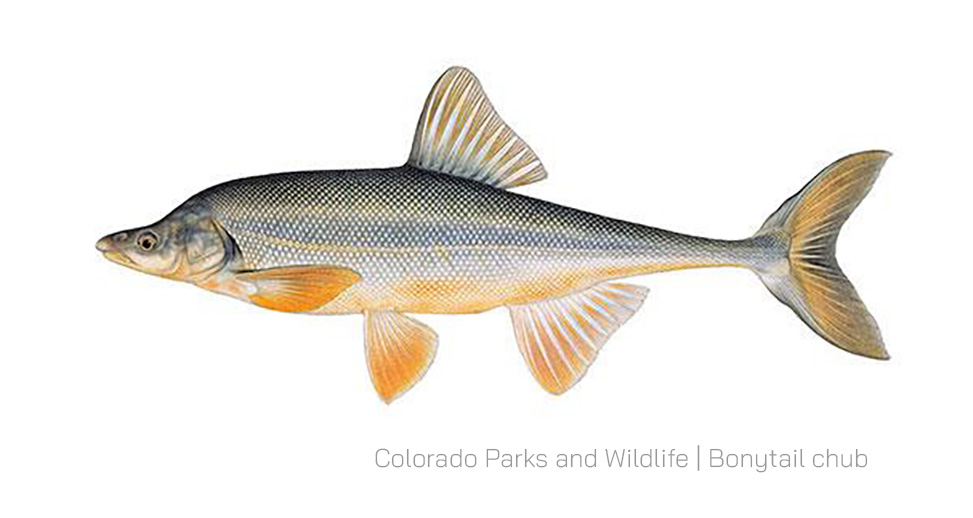
10. Commercial Fishing & Hatcheries: Lower river levels lead to higher water temperatures and increased salinity, which can be lethal to native fish species. Salmon and trout populations in the Northwest and Northern California are crashing. Hatcheries are struggling to maintain the cool, oxygenated water necessary to restock rivers, threatening both commercial and tribal fishing industries.10