
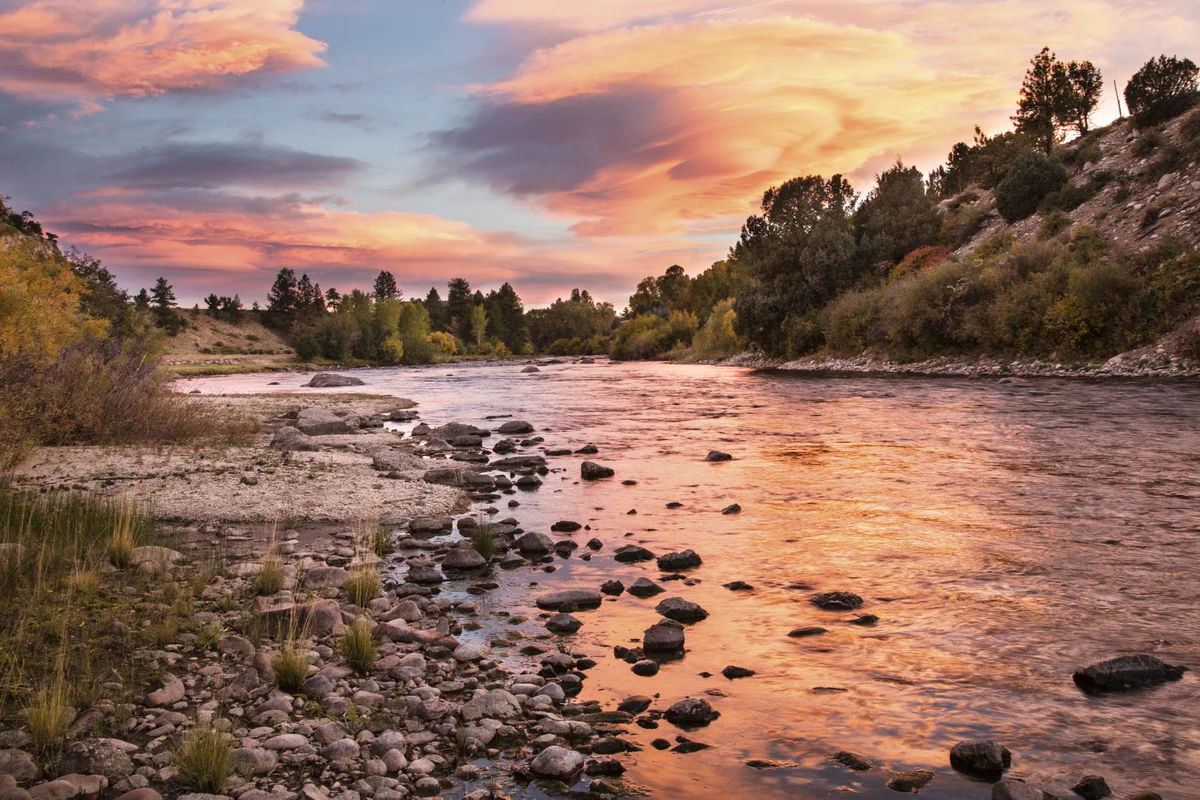
Click the link to read the article on the Ark Valley Voice website (Jan Wondra). Here’s an excerpt:
By way of overview, the CWCB is involved in an amazing number of activities. It oversees the interstate compact compliance on water usage. It works on watershed protection, flood planning, and mitigation. It oversees stream and lake protection, as well as conservation and drought planning. The CWCB oversees water project loans and grants, water use modeling, and water supply planning focused on appropriate stewardship of the state’s water resources; which contrary to the public’s perceptions, is not an infinite resource.
The agendas for these every-other-month sessions are extensive. After moving through the director’s reports, it dived into 18 water plan grants. They ranged from a Colorado Cattlemen’s Association grant to scale up agriculture water education and funding outreach, to a San Luis Valley Rye Resurgence project, to the Blue River Watershed groups habitat restoration project to the Bernhardt Reservoir Water Storage Project for the Central Colorado Water Conservancy District.
Moving from water grants to water project loans, a big topic was a water supply reserve fund application from the Colorado Ag Water Alliance covering nine river basins: Arkansas, Colorado, Gunnison, Metro, North Platte, Rio Grande, South Platte, Southwest, and the Yampa/White/Green basin. Its purpose is to improve agricultural drought resilience and support innovative water conservation.
Near the end of the two-day meeting, the group moved into an executive session to dive into the critical post-2026 Colorado River negotiations. As a Colorado River Upper Basin state, the long-term division of this critical western water resource is becoming contentious, as Upper Basin states remind California, Nevada, and Arizona that they have been using far more than their share.