
by Robert Marcos, photojournalist
The controversy surrounding Glen Canyon Dam’s River Outlet Works (ROW) centers on a critical design vulnerability: the dam may soon be unable to reliably release water if Lake Powell drops below the minimum power pool (3,490 feet). 1
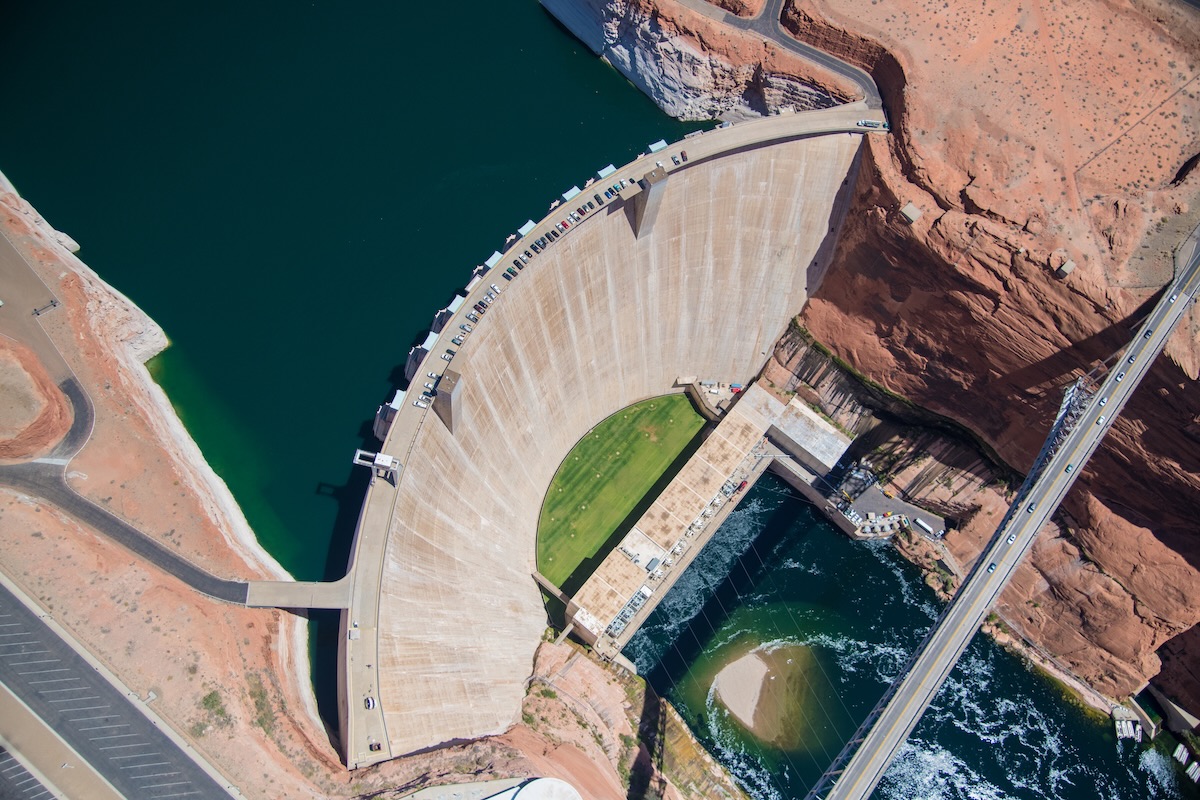
While the dam usually releases water through high-elevation penstocks to generate hydropower, the ROW—four 8-foot-wide steel pipes—is the only way to move water once levels drop too low for the turbines. Recent inspections by the Bureau of Reclamation revealed significant damage to these pipes, including cavitation—a process where high-velocity water creates vapor bubbles that implode, eroding the steel.2
Reliability Gap: The ROW was designed for temporary use (e.g., flood control), not for the continuous, long-term operation that a “dead pool” scenario would require. A March 2024 memo from the Bureau of Reclamation warned that they should not be relied upon as the sole means of sustained water delivery.3
Legal & Economic Threat: If the ROW fails or its capacity is restricted to prevent further damage, the Upper Basin states may be unable to meet their legal obligation to deliver water to 30 million people in the Lower Basin (Arizona, Nevada, California).4
Safety Buffer: Due to the damage, the Bureau recently determined they can only safely operate the ROW at levels at least 24 feet above dead pool (3,370 feet), effectively raising the “failure point” of the dam’s plumbing.5
Proposed Fixes: Environmental groups, such as the Utah Rivers Council, advocate for drilling new, lower-level bypass tunnels around the dam to ensure water can flow even at riverbed levels. However, these modifications are costly and could take over a decade to implement.6
OMG! What is going to happen!