Click the link to read the CPW release on the Pagosa Springs Sun website. Here’s an excerpt:
November 2, 2026
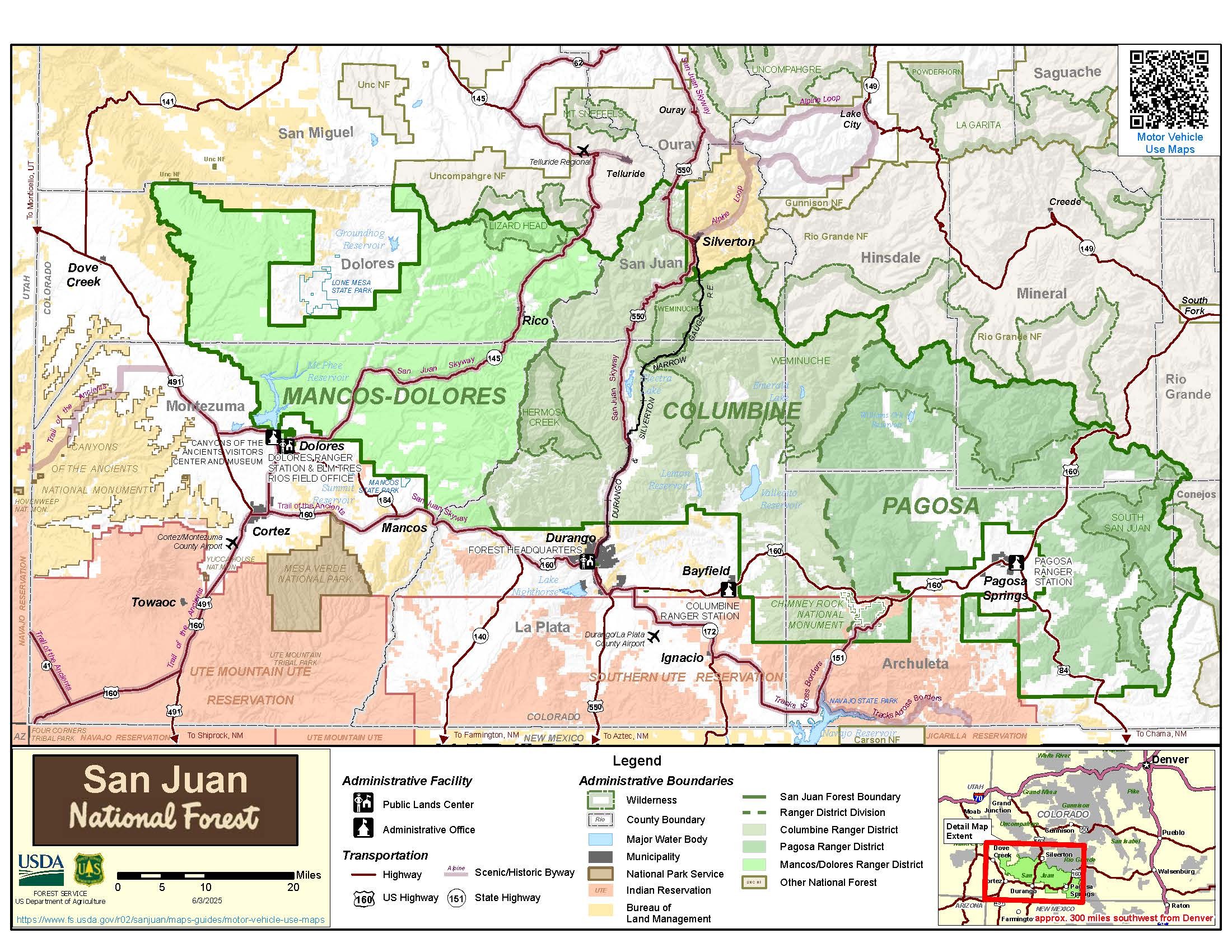
CPW staff are responding to the natural disaster in a multitude of ways across the San Luis Valley, at Navajo State Park and areas west of Wolf Creek Pass. CPW has also deployed its swiftwater rescue team to Archuleta County to assist with operations.
Navajo State Park
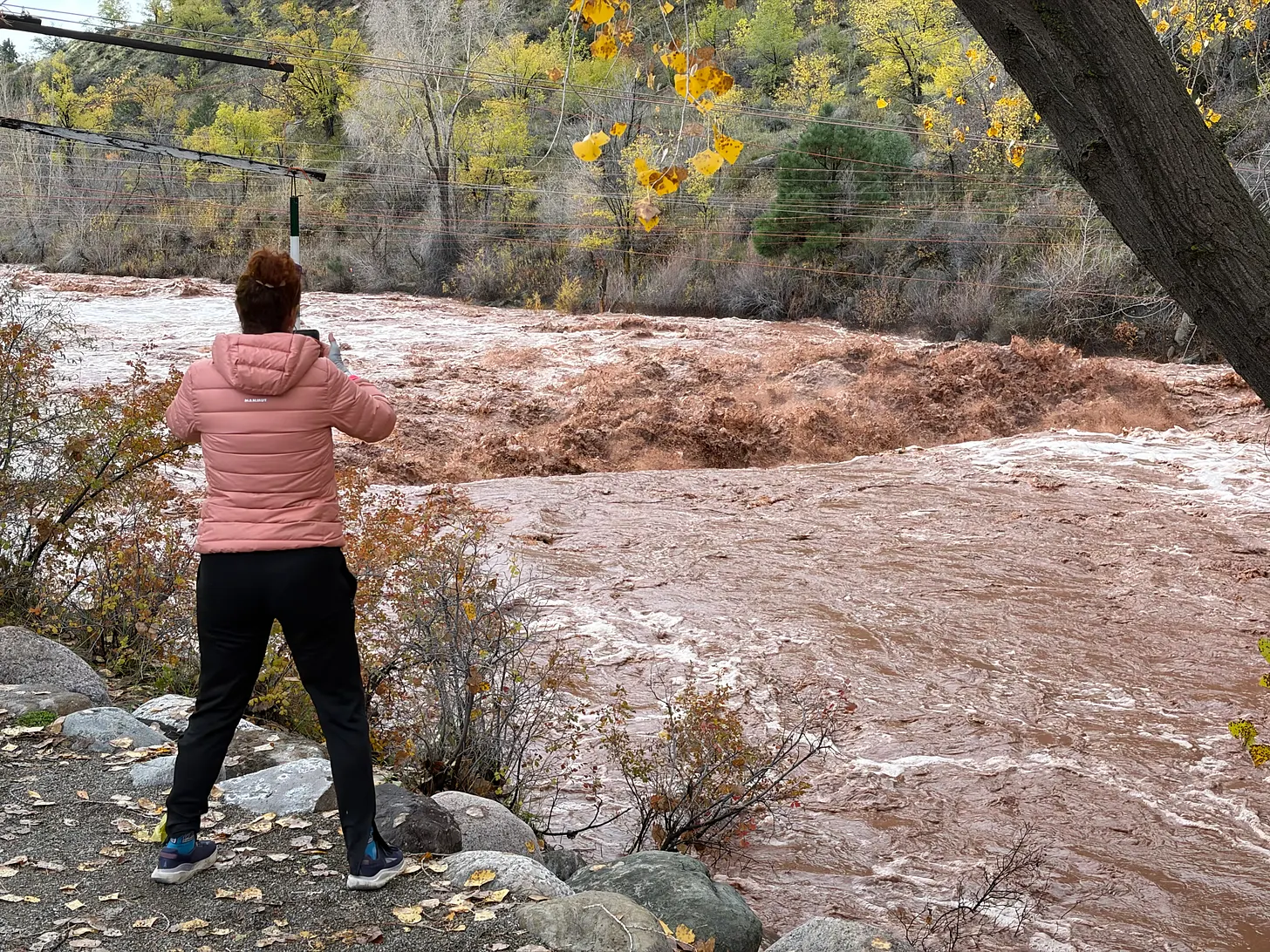
Staff at Navajo State Park have had a front-row seat to the devastation but have worked tirelessly both at the park and in surrounding communities while the San Juan River and Piedra River hit historic highs with as much as 45,000 cfs pouring into the reservoir. The reservoir has raised 51 feet since Sept. 18, an incredible amount for a 35-mile long reservoir with 15,600 surface acres. At this time, all Piedra River access at Navajo State Park is closed. The Sambrito Wetlands area is also temporarily closed. Access to the park is limited to Colo. 151 on the west side of the park in Arboles. Access on Colo. 151 from the north between Chimney Rock and Arboles is completely cut off. The visitor center at Navajo State Park will be indefinitely closed Mondays and Tuesdays. The boat ramp and aquatic nuisance species station are closed for the season. Several major road closures exist across southwest Colorado. For the latest highway closures, go to cotrip.org. Be advised that conditions continue to change rapidly. The latest road and trail conditions for the Rio Grande National Forest and San Juan National Forest can be found online. CPW continues to determine access to and condition of state wildlife area (SWA) properties. At this time, closures are in place of Devil Creek SWA, Higel SWA, Hot Creek SWA, Rio Grande SWA and Shriver-Wright SWA. Additional closures may be put in place as conditions warrant…
The Durango Fish Hatchery has experienced catastrophic flooding from the Animas River and Junction Creek. The Animas River reached 13,000 cubic feet per second mid-morning, the second-highest level ever recorded and highest since the flood of 1911. As of Nov. 2, hatchery staff was working around the clock to pump water away and position sandbags to protect the property and fish.
“Conditions are extremely dangerous,” said CPW Area Wildlife Manager Rick Basagoitia of Monte Vista. “Even in places where the Forest Service has been able to punch through and open some roads and develop workarounds, we strongly advise against traveling into these places. While many hunting areas will still be accessible, a large number of hunters will all be funneled into the same areas because of access routes being closed off in other areas. Hunters need to make the decision for themselves if they want to crowd into these open areas.”
CPW Water Quality Program Manager Melynda May reported multiple major spills or complete destruction of sewage treatment plants across southwest Colorado. As a result, much of the flood water is contaminated.
“Please avoid coming into contact with floodwaters as much as possible, keep any open wounds away from water, and wash any skin that comes into contact with floodwaters with soap and water as soon as possible,” May said. “Alcohol gels are better than nothing, but are not a substitute for soap and water.”