Click the link to read the article on the Big Pivots website (Allen Best):
No doubt, nuclear energy has key advantages. So why isn’t it likely to be the silver bullet to replace coal plants in Craig, Pueblo and other places?
Oliver Stone has a new movie, “Nuclear Now,” that made its Colorado debut in Boulder on May 1. In it Stone argues that the grave risks posed by climate change require we embrace nuclear energy.
A few hours before, at a hearing in Denver, state legislators heard an even more urgent equation. “Anybody who opposes nuclear I believe is a climate denier,” an individual testified before the Senate Transportation and Energy Committee.
And in Pueblo that evening, city council members heard about a committee formed by Xcel Energy to study options to replace tax base, jobs, and electrical generation once the last coal plant there closes. The group will hear about nuclear.
In the background is the federal government, offering gambling money on all sorts of decarbonization solutions, including nuclear.
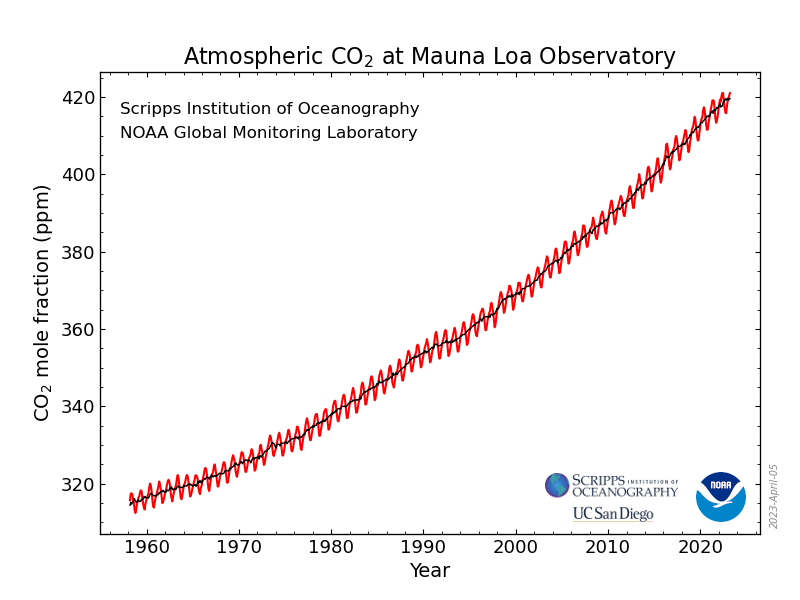
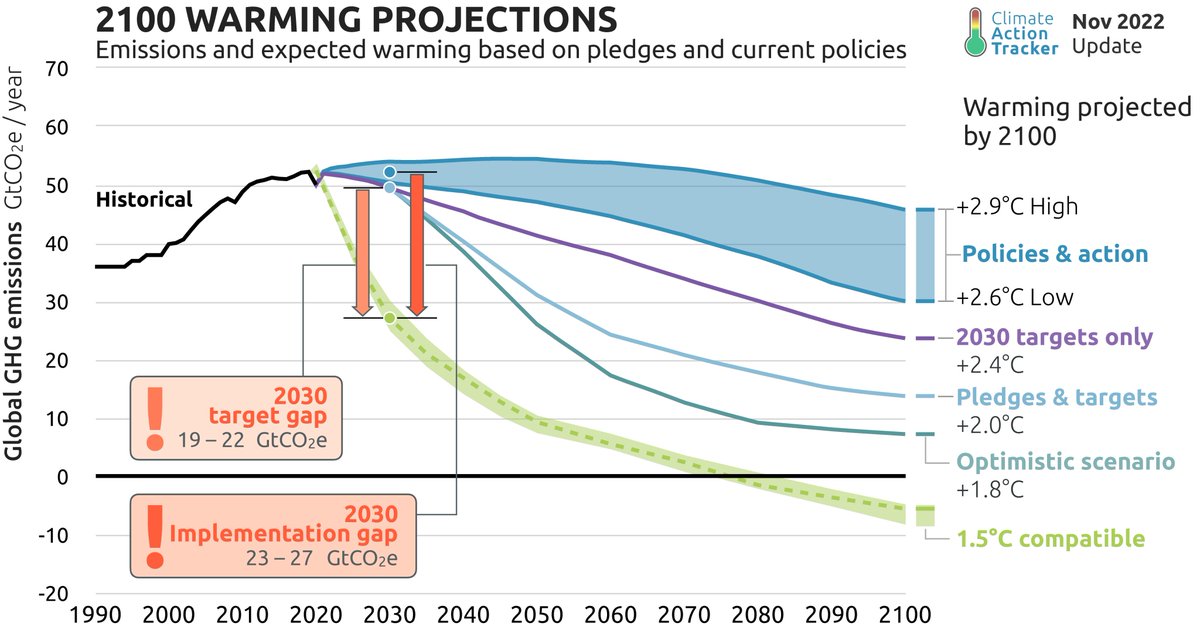
People on the left and right find common ground in support of nuclear energy, but their motivations differ. Some, like Stone, the movie-maker, are driven by the existential danger posed by climate change. Even the pleasant days of spring are spoiled by news that the carbon dioxide detector atop Mauna Loa has recently rolling past 425 parts per million. We’re still barreling toward a much rockier climate road. Climate scientists have long talked about tipping points. It’s like your head turning gray, one hair at a time — until suddenly, it all goes gray or white.
Some in Colorado see nuclear energy replacing coal plants. The last coal unit at Pueblo will close no later than 2031. Xcel has guaranteed property tax revenues through 2040, but not to 2070, the original retirement date. Craig also faces giant uncertainties. Increased tourism? “We don’t want to become sheet-changers,” one Moffat County landowner told me.
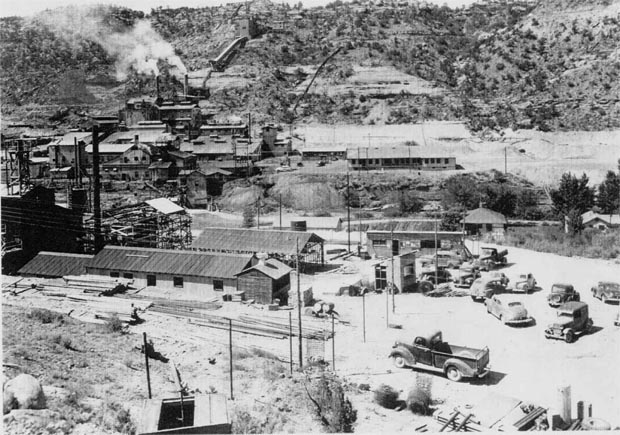
Western Montrose County, where a uranium boom occurred during the 1950s —and which lost a small coal plant in 2019, is also interested in nuclear.
HB23-1247, titled “Assess Advanced Energy Solutions in Colorado,” now awaiting the governor’s signature, will direct study of nuclear energy but also other options. All have upsides but questions marks. Green hydrogen, made from renewables and water, can store energy for use when renewables are unavailable. However, the technology remains costly. Too, some scientists question whether accidental release of hydrogen into the atmosphere will create as many problems as it solves.
Nuclear can also backup intermittent renewables. Nuclear does provide 20% of U.S. electricity. We have a fleet of nuclear-powered submarines. They seem to operate without problems. But some questions remain about nuclear safety. Would you want a large-scale reactor in your town or city? I have to also wonder about nuclear technology falling into the wrong hands.
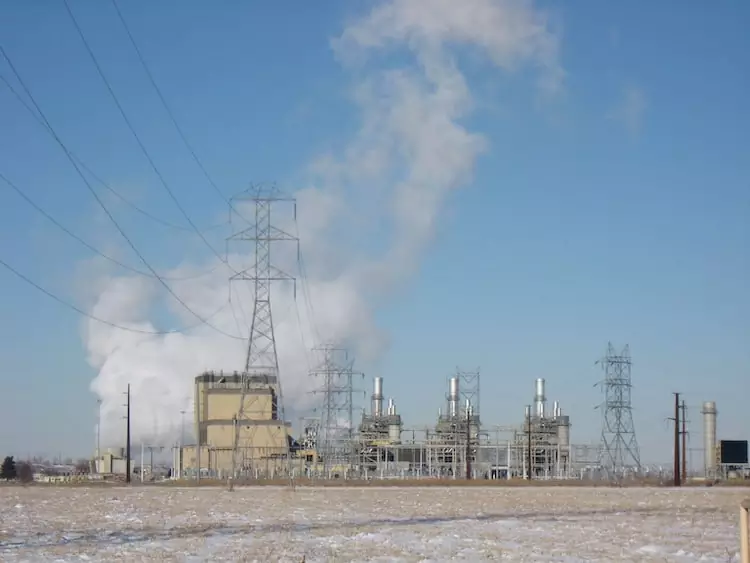
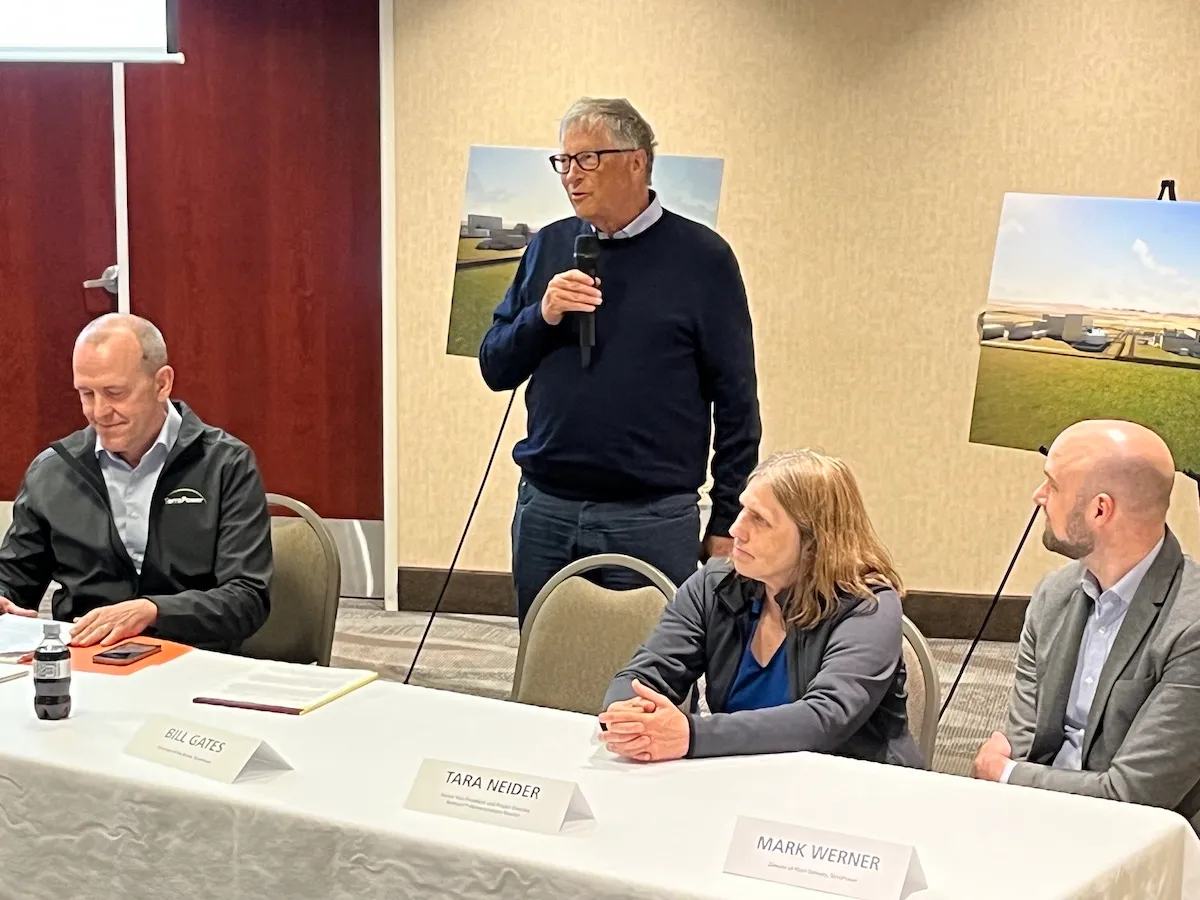
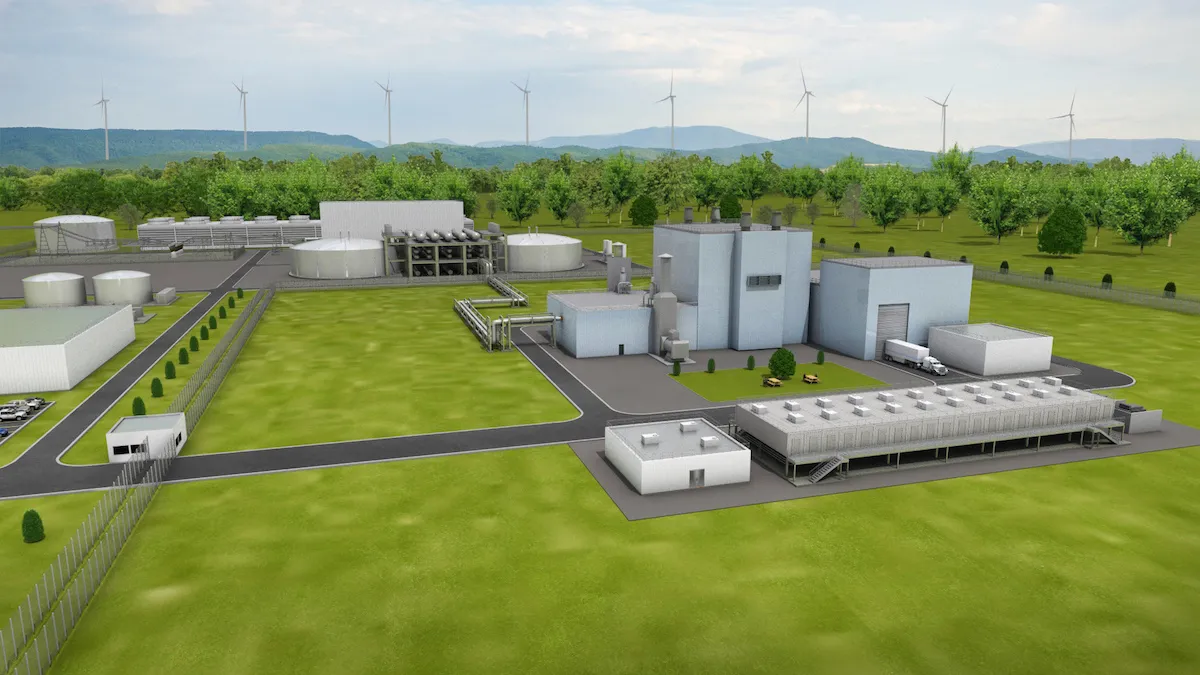
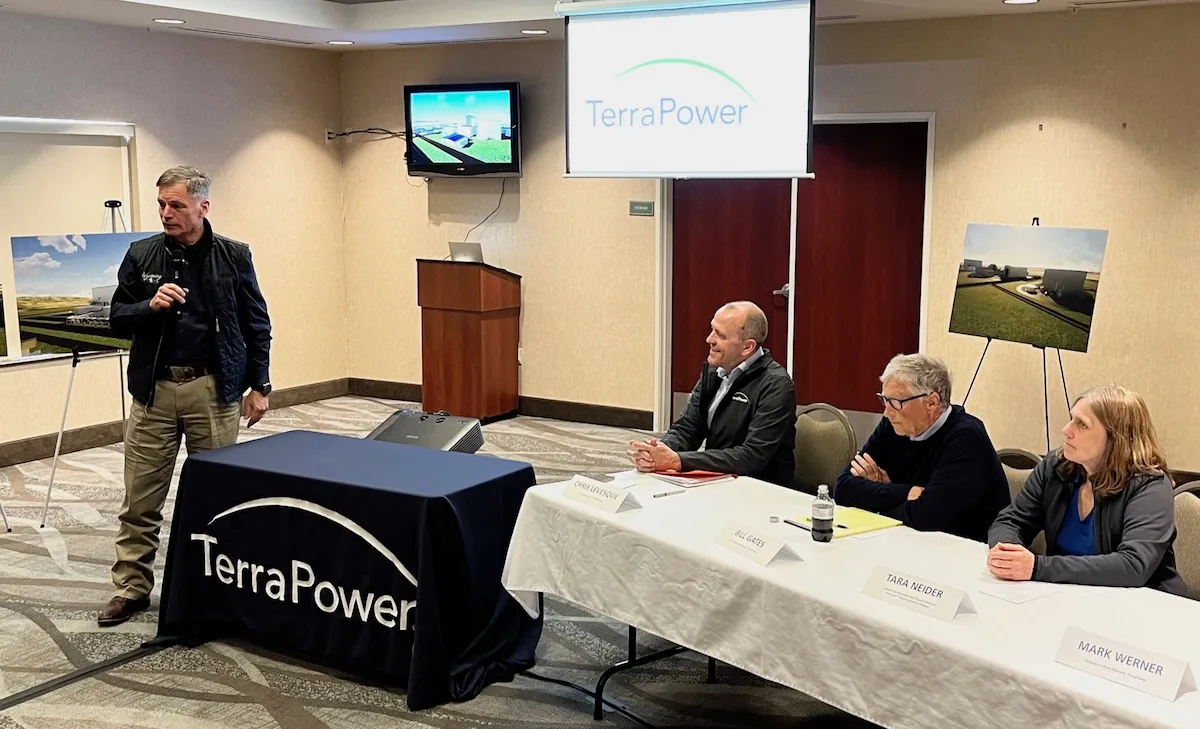
Many have been closely following the progress in Wyoming of a nuclear plant planned next to a coal plant at Kemmerer. TerraPower, the company founded by Bill Gates in 2008, says it will require less water and produce less nuclear fuel waste while plugging nicely into old coal plants. It projects cost of $4 billion for this plant that will use Natrium technology.
WyoFile reported that while in Kemmerer during early May, Gates called it a “pioneering move,” key to the global energy future. This project is projected to be ready in in 2030. PacifiCorp, a major regional power provider, has said it could add five more such Natrium reactors at existing coal-fired plants in Wyoming and Utah.
Another potential model is assembly-line-style production of small modular reactors, lowering costs. That sounds appealing, but by definition that model will not replace the big coal plants at Pueblo and Craig. For that matter, it does not yet exist.
Here in Colorado, I hear people with degrees in nuclear engineering express doubts about nuclear. State Sen. Chris Hansen, at the recent legislative hearing, objected to how a witness had characterized his skepticism about nuclear. “It has nothing to do with science or technology,” said Hansen, who has a degree in nuclear engineering. “It’s the cost profile.” He cited a recent Georgia reactor that came in at $33 billion, three times the projected cost. It’s not the only example.
Chuck Kutscher got his master’s degree in nuclear engineering and worked in the nuclear sector California before turning his attention to solar in 1978 and moving to Colorado. “New nuclear power plants, including new U.S. reactor technologies currently under development, will likely be too expensive and take too long to build to make a significant contribution to climate change mitigation,” he says.
In Boulder, Oliver Stone’s movie talked little of costs. But in Pueblo, a representative of Idaho National Laboratory, speaking to a municipal energy study group, openly conceded that cost remains the million dollar question.
She misplaced a comma or two in that string of zeroes, though. It’s the billion dollar question. Many billions.
Allen Best is a Colorado-based journalist who publishes an e-magazine called Big Pivots. Reach him at allen.best@comcast.net or 720.415.9308.