
Day: December 20, 2016
@Colorado_TU: Lessons of the battle over the Roan Plateau
Here’s guest column from David Nickum writing in the Grand Junction Daily Sentinel:
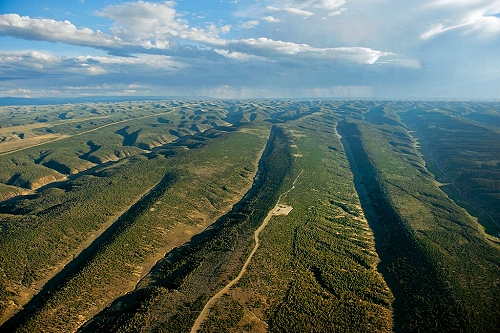
For more than a decade, the battle over Colorado’s Roan Plateau — a beautiful green oasis surrounded by oil and gas development — raged in meetings and in courtrooms. At issue: Would the “drill, baby, drill” approach to public lands carry the day and the path of unrestrained energy development run over one of Colorado’s most valuable wildlife areas? Or would “lock it up” advocates preclude all development of the Roan’s major natural gas reserves?
Luckily, this story has a happy ending — and a lesson for Colorado and other states in the West struggling with how to balance the need for energy development with conservation of public lands and irreplaceable natural resources.
The Bureau of Land Management recently issued its final plan for the Roan Plateau, closing the most valuable habitat on top of the plateau to oil and gas leases. The plan, which will guide management of the area for the next 20 years, also acknowledges the importance of wildlife habitat corridors connecting to winter range at the base of the plateau.
At the same time, the BLM management plan allows responsible development to proceed in less-sensitive areas of the plateau that harbor promising natural gas reserves and can help meet our domestic energy needs.
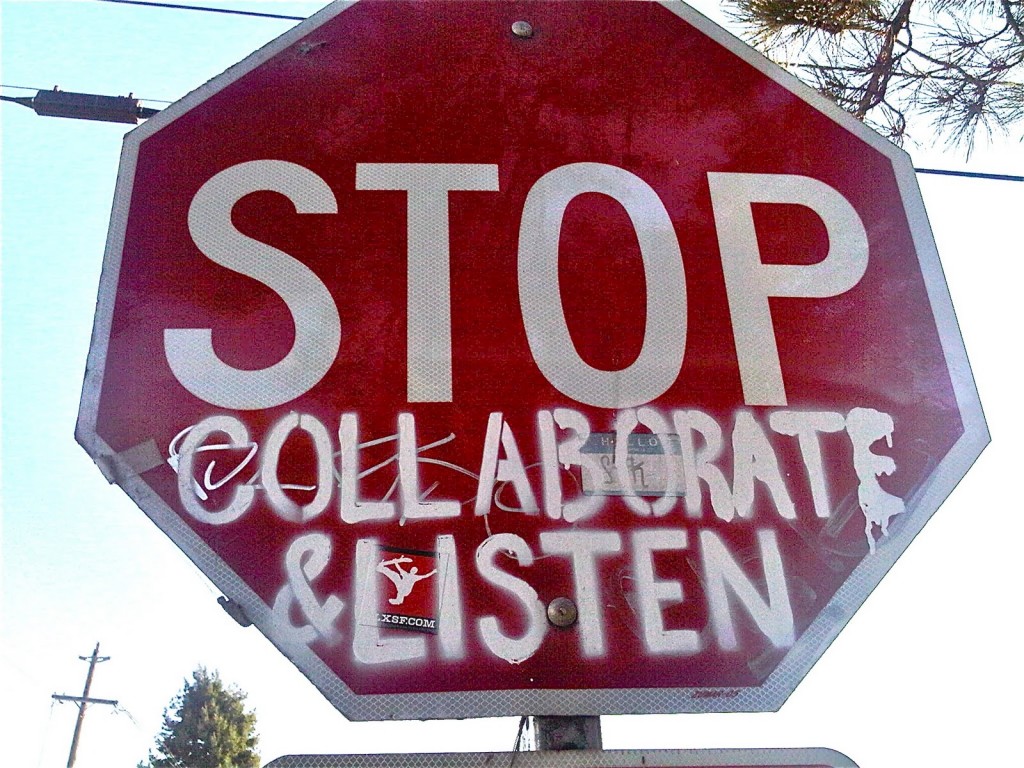
What happened? After years of acrimony and lawsuits, stakeholders on all side of the issue sat down and hammered out a balanced solution. Everyone won. It’s too bad it took lawsuits and years of impasse to get all sides to do what they could have done early on: Listen to each other. We all could have saved a lot of time, money and tears.
The Roan example is a lesson to remember, as the incoming administration looks at how to tackle the issue of energy development on public lands. There’s a better way, and it’s working in Colorado.
The BLM also this month, incorporating stakeholder input, closed oil and gas leasing in several critical habitat areas in the Thompson Divide — another Colorado last best place — while permitting leasing to go ahead in adjacent areas.
That plan also represents an acknowledgment that some places are too special to drill, while others can be an important part of meeting our energy needs.
And in the South Park area — a vast recreational playground for the Front Range and an important source of drinking water for Denver and the Front Range — the BLM is moving ahead with a Master Leasing Plan (MLP) for the area that would identify, from the outset, both those places and natural resources that need to be protected and the best places for energy leasing to proceed.
We have said that we want federal agencies in charge of public lands to involve local and state stakeholders more closely in land management planning — that perceived disconnect has been the source of criticism and conflict in the West regarding federal oversight of public lands.
The MLP process is a new tool that promises to address some of that top-down, fragmented approach to public land management. To their credit, the BLM is listening and incorporating suggestions from local ranchers, conservation groups and elected officials into their leasing plan for South Park.
This landscape level, “smart from the start” approach is one way for stakeholders to find consensus on commonsense, balanced solutions that allow careful, responsible energy development to occur while protecting our most valuable natural resources.
The lesson I take from the Roan? We can find solutions through respectful dialogue—and we shouldn’t wait for litigation to do so. [ed. emphasis mine] Coloradoans can meet our needs for energy development and for preserving healthy rivers and lands by talking earlier to each other and looking for common ground.
David Nickum is executive director of Colorado Trout Unlimited.
@CFWEwater: December 2016 Water Educator News is hot off the presses
Click here to read the newsletter. Here’s an excerpt:
Water Availability in Colorado Deliberative Forum Guide Published – Ready for Use with High School and College Students
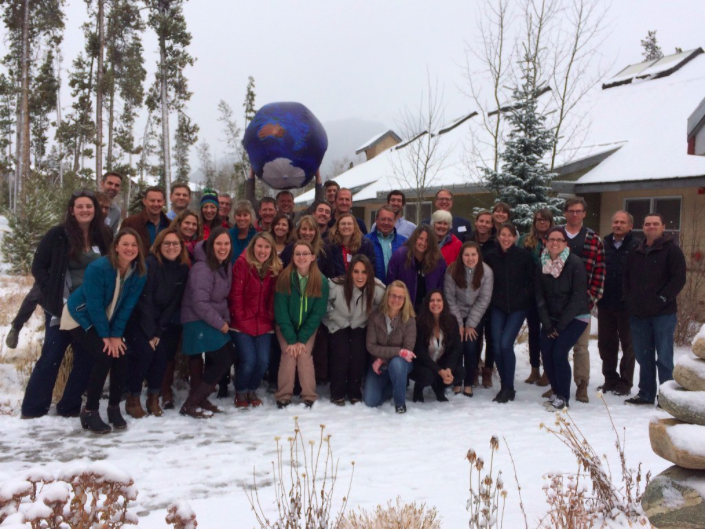
Two Water Educator Network members, and one member of the Colorado Alliance for Environmental Education worked with fellow environmental educators across the country, the Kettering Foundation, and the North American Association for Environmental Education to create a framework for deliberation on national and state-specific water issues. In May 2016, the Colorado team tested their draft Colorado framework with two test forums where high school and college-level stakeholders engaged in deliberative decision-making processes focused around water availability across the state. A comprehensive test forum report was produced to contribute to further developing the Colorado Water Issues Deliberation Framework. The team’s work culminated in September 2016 with the completion of a deliberative forum guide for navigating Colorado water quantity issues in high school and post-secondary learning environments.
To download a free pdf of the Colorado Water Availability Deliberative Forum Guide to use with high school and post-secondary learning environments, and for more information about Environmental Issues Forum visit: http://naaee.org/our-work/programs/environmental-issues-forums.
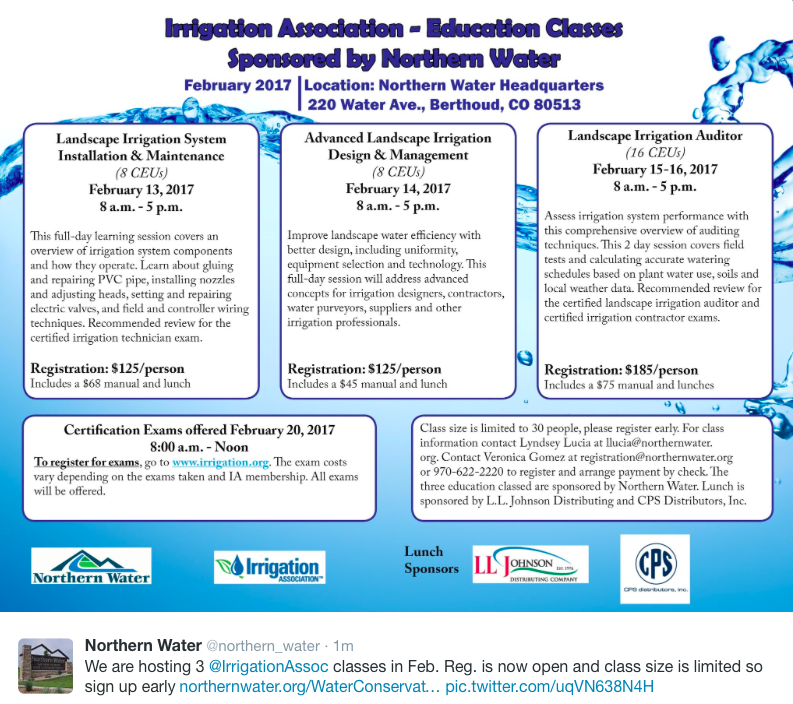
@Northern_Water is hosting 3 Irrigation Association classes in Feb.
Click here to sign up.
Colorado River Water Users Association Annual Conference recap
From Lake Powell Life:
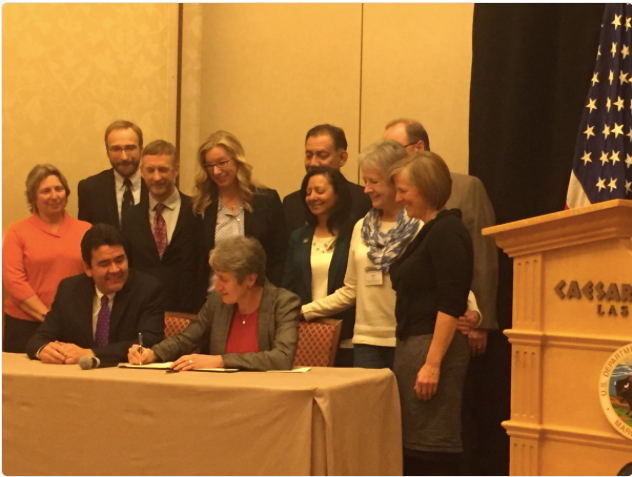
Sally Jewell , US Secretary of the Interior, signed an agreement allowing the Bureau of Reclamation to manage Glen Canyon Dam and Lake Powell through 2036.
The meeting of the Colorado River Water Users Association in Las Vegas included Arizona governor, Doug Ducey , there to protect Arizona’s banked water supplies, held in reserve for drought use in Arizona.
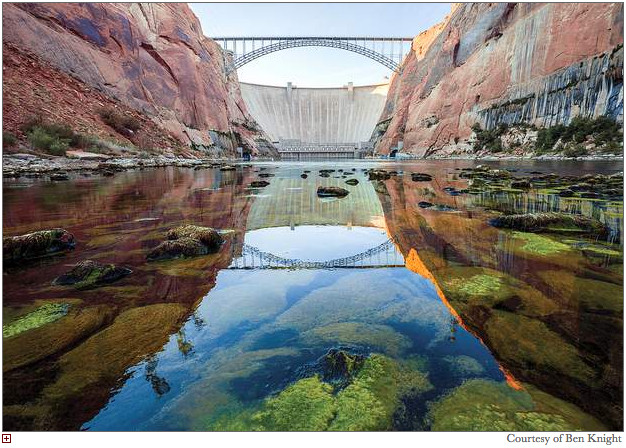
According to the Arizona Daily Sun critics continue to call Glen Canyon Dam unstable and promote its removal.
Representative Rob Bishop, Utah, Chairman of the House Committee on Natural Resources, believes the plan shortchanges hydropower in favor of fish.
Bishop predicts that higher cost power generation will cause consumers to suffer.
Jewell pointed out that the agreement received five years of study about economic, technical, social and environmental factors, and was supported by states, the National Parks Conservation Association, Western Area Power Administration, the Navajo Nation and six other tribes, Grand Canyon river rafting groups and the public.
@ColoradoStateU: Gimbel joins Colorado Water Institute

Here’s the release from Colorado State University (Jim Beers):
A former Department of Interior undersecretary and Colorado Water Conservation Board executive director has joined the Colorado Water Institute at Colorado State University. Jennifer Gimbel will serve as CWI’s Senior Water Policy Scholar, where she will be working with key policy stakeholders in the Colorado River Basin to find solutions for shortages that are occurring.
Gimbel was the principal deputy assistant secretary for water and science for the U.S. Department of Interior from 2014 to 2016, during which time she oversaw the department’s water and science policies and was responsible for the Bureau of Reclamation and U.S. Geological Survey.
Water supply and demand
Gimbel’s experience working with the water community at the state, regional and federal level has proven to be a valuable asset as water managers work to address the widening imbalances between water supply and demand.
“As the drought in the Colorado River basin continues, it is clear that additional measures need to be taken to sustain the system, including demand management,” said Reagan Waskom, director of the Colorado Water Institute, a unit of the Office of Engagement. “Former Principal Deputy Assistant Secretary Jennifer Gimbel brings unique skills and knowledge that could advance possible solutions, including the development of an Upper Basin Colorado River Water Bank. An Upper Basin Water Bank would assist in creating a market-based system that could help to sustain the health of the river while protecting existing water uses.”
Gimbel believes in a proactive and creative approach to problem-solving, especially in the highly contentious area of water.
“It is imperative that Colorado lead with the other Upper Basin states to address the challenge of sustaining the Colorado River and meeting Colorado River Compact obligations, while dealing with a 17-year drought,” said Gimbel. “The states and their constituents are having many conversations and finding unique ways to work constructively. We need to keep pushing those conversations forward.”
Work with CWCB
Gimbel also served as director of the Colorado Water Conservation Board from 2008 to 2013, where she carried out policies and directives relating to conservation, development and utilization of the state’s water resources. CWCB is widely considered Colorado’s most comprehensive water information resource. She represented Colorado in several interstate activities, including being the governor’s representative for the Colorado River and as one of his appointees to the Western States Water Council.
“The Colorado River Basin is at the foundation of federal law and policy for water issues in the West, and any strategy on sustaining the river must necessarily be cognizant of implications throughout the West,” said Waskom. “Using lessons learned from other large water basins is important in exploring market-based solutions for the Colorado River. The Colorado Water Institute at Colorado State University has extensive experience in conducting stakeholder research and engagement for positive outcomes.”
Water law expert
Gimbel’s career includes experience with the Colorado attorney general’s office and the Wyoming attorney general’s office, where she advised and represented the attorney general and other state officials regarding interstate water matters, water law and administrative law.
She has a bachelor of science and Juris Doctorate from the University of Wyoming and a master of science from the University of Delaware, and has authored numerous articles and presentations on water law, federal reserved water rights and the Endangered Species Act.