The health of our waters is the principal measure of how we live on the land — Luna Leopold
IPCC #Climate Report: Six Key Findings for #Water — Circle of Blue
Click the link to read the article on the Circle of Blue website (Brett Walton). Here’s an excerpt:
Climate Impacts Are Accelerating
The water cycle is speeding up. Warming temperatures are causing rapid shifts between wet and dry, flood and drought.
These impacts are not linear — they accelerate with more warming. Unless people adapt to rapid environmental change and greenhouse gas emissions are slowed, the risks to biodiversity, water security, food production, infrastructure stability, and health are much higher toward the end of the century.
Fish Creek Road after September 2013 floods via YouTube.
We’re Making Them Worse
Cities blanketed with pavement. Homes built in flood plains. Forests uprooted for cattle grazing. Rivers and lakes overloaded with nutrients.
Climate change is bad enough, but human actions are making the fallout worse.
Hard surfaces and channelized rivers increase flood peaks. New developments in flood plains put more people at risk of high waters. Cutting down trees in Brazil’s Amazon region is threatening to destabilize moisture feedbacks that nourish the iconic rain forest. Warmer lake temperatures mean less dissolved oxygen in the water and more algae blooms, which are a problem for fish and swimmers, as well as for drinking water systems.
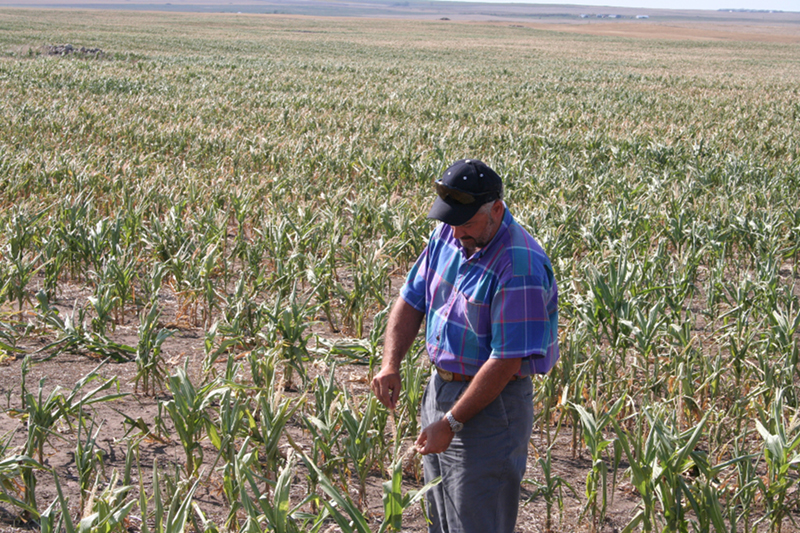
Drought impacted corn. Water stress can lead to insufficient water supply for cities, agriculture, and vegetation. Dry vegetation may facilitate the propagation and increase the risk of wildfires.
Food and Water Security Are in Jeopardy
Warming temperatures are melting the world’s glaciers, causing an irreversible loss of high-mountain water storage. Rising seas are pushing salt water into coastal aquifers, spoiling a source of fresh water for hundreds of millions of people. Rainfall in the Mediterranean and U.S. Southwest is becoming more variable. All these changes in water supply are a major stressor for the sector that consumes more water than any other: agriculture. Warmer temperatures and more severe droughts are already slowing the growth in crop yields.
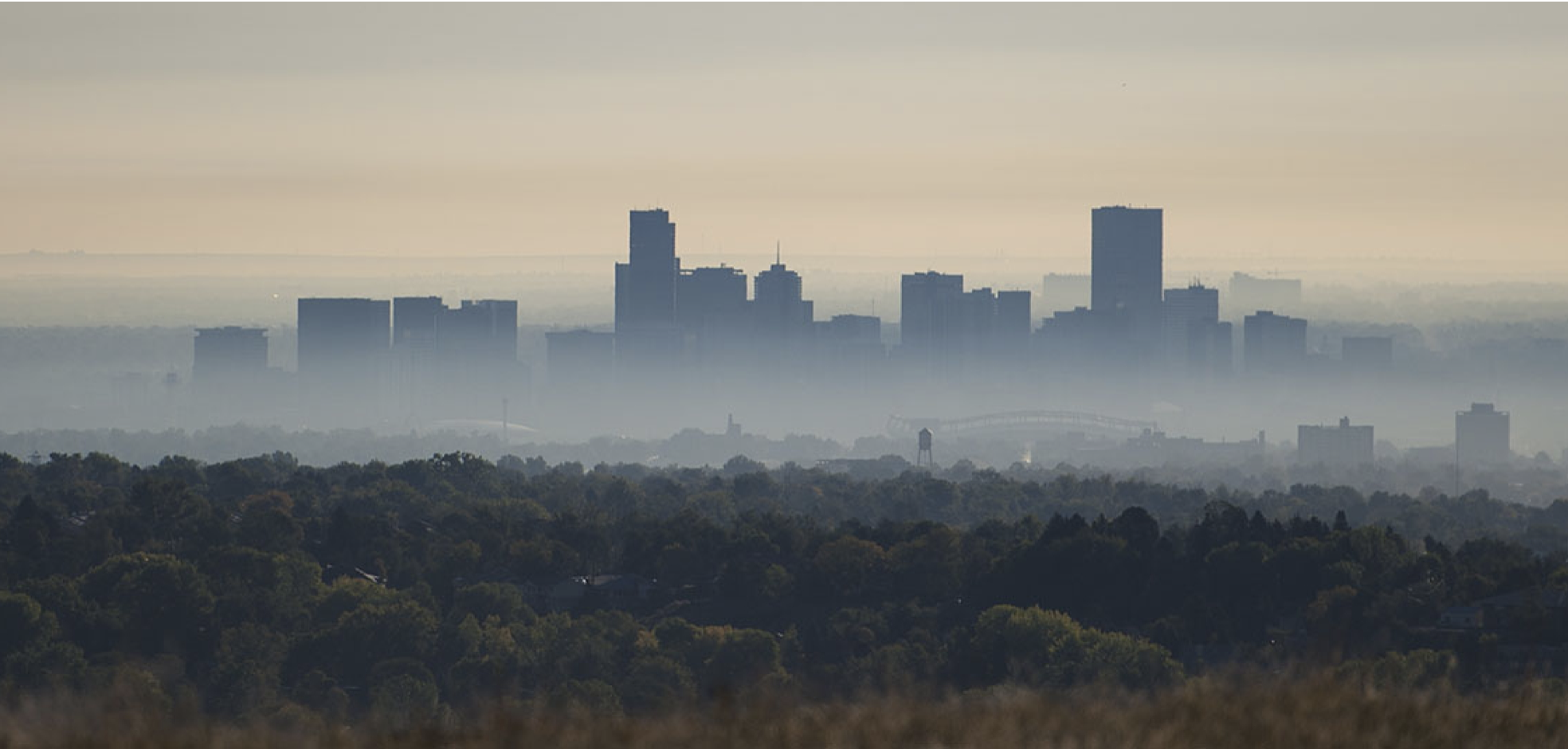
Denver smog. Photo credit: NOAA
Human Health Is At Risk
Vector-borne diseases like malaria and dengue fever are expected to increase as mosquitoes expand their range outside the tropics. Droughts and floods are forcing people to flee their homes. Meanwhile, extreme weather like the Millennium drought in Australia has been shown to trigger anxiety and worsen mental health.
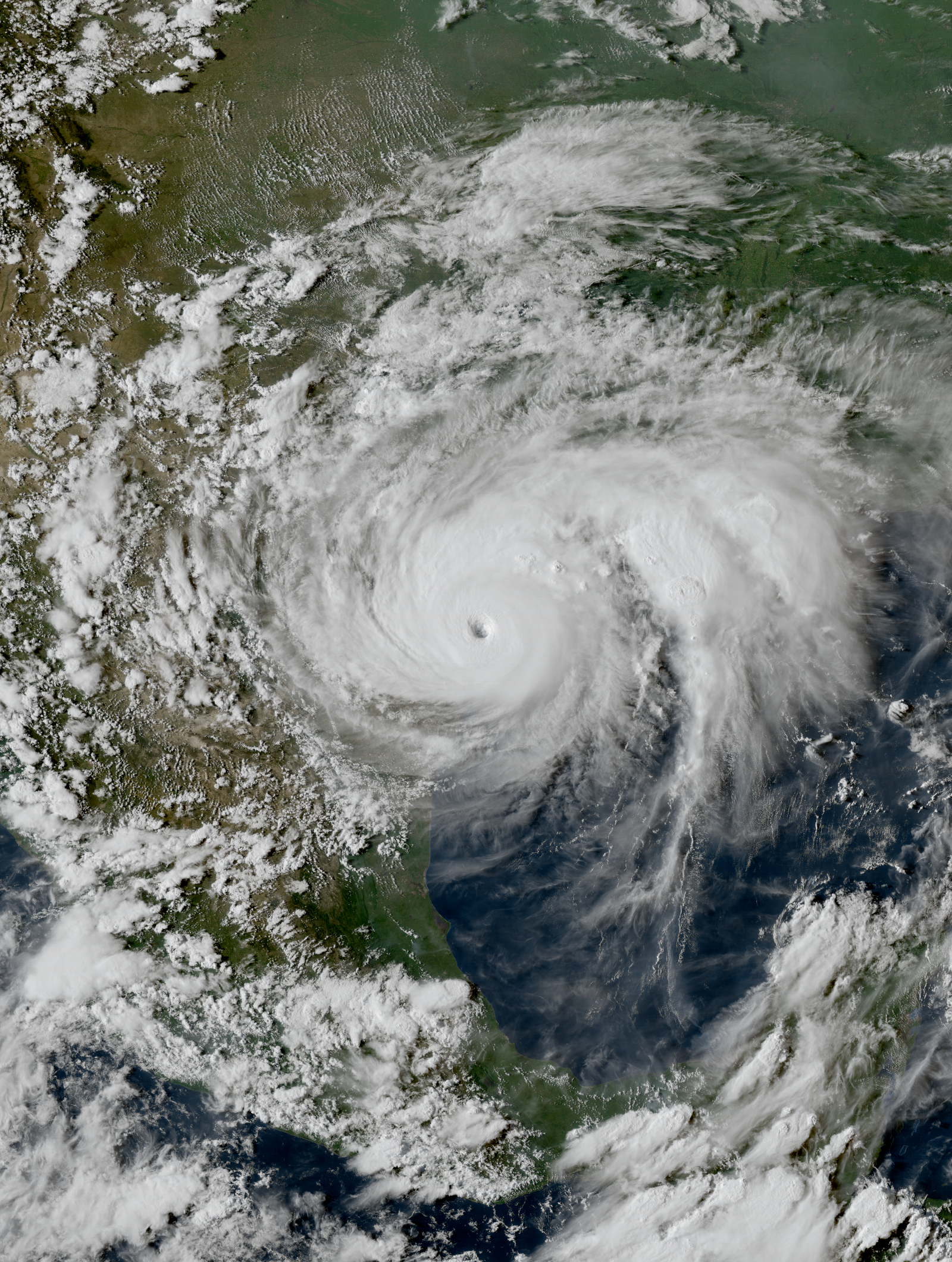
Hurricane Harvey near the coast of Texas at peak intensity late on August 25, 2017. By ABI image captured by NOAA’s GOES-16 satellite – RAMMB/CIRA SLIDER, Public Domain, https://commons.wikimedia.org/w/index.php?curid=61938876
Some People Are More Vulnerable Than Others
Not all people are exposed to the same level of risk. Vulnerability is higher in high-poverty areas, in countries with poor government, and in farming and fishing communities that are more exposed to climate change. The report notes that these vulnerability hot spots are clustered in Africa, South Asia, Central and South America, and small islands like those in the South Pacific.
Those discrepancies can be illustrated in numbers. Between 2010 and 2020, the death rate from floods, storms, and droughts in high vulnerability areas was 15 times higher than in low vulnerability areas.
Denver School Strike for Climate, September 20, 2019.
There Is Still Time to Act
The report authors were careful to note that the worst potential outcomes of climate change are not a foregone conclusion. There is still time to reduce carbon emissions — though scaling up a low-carbon economy requires marshalling political will, public support, technical expertise, and financing.
The same factors apply to adaptation, especially to water.