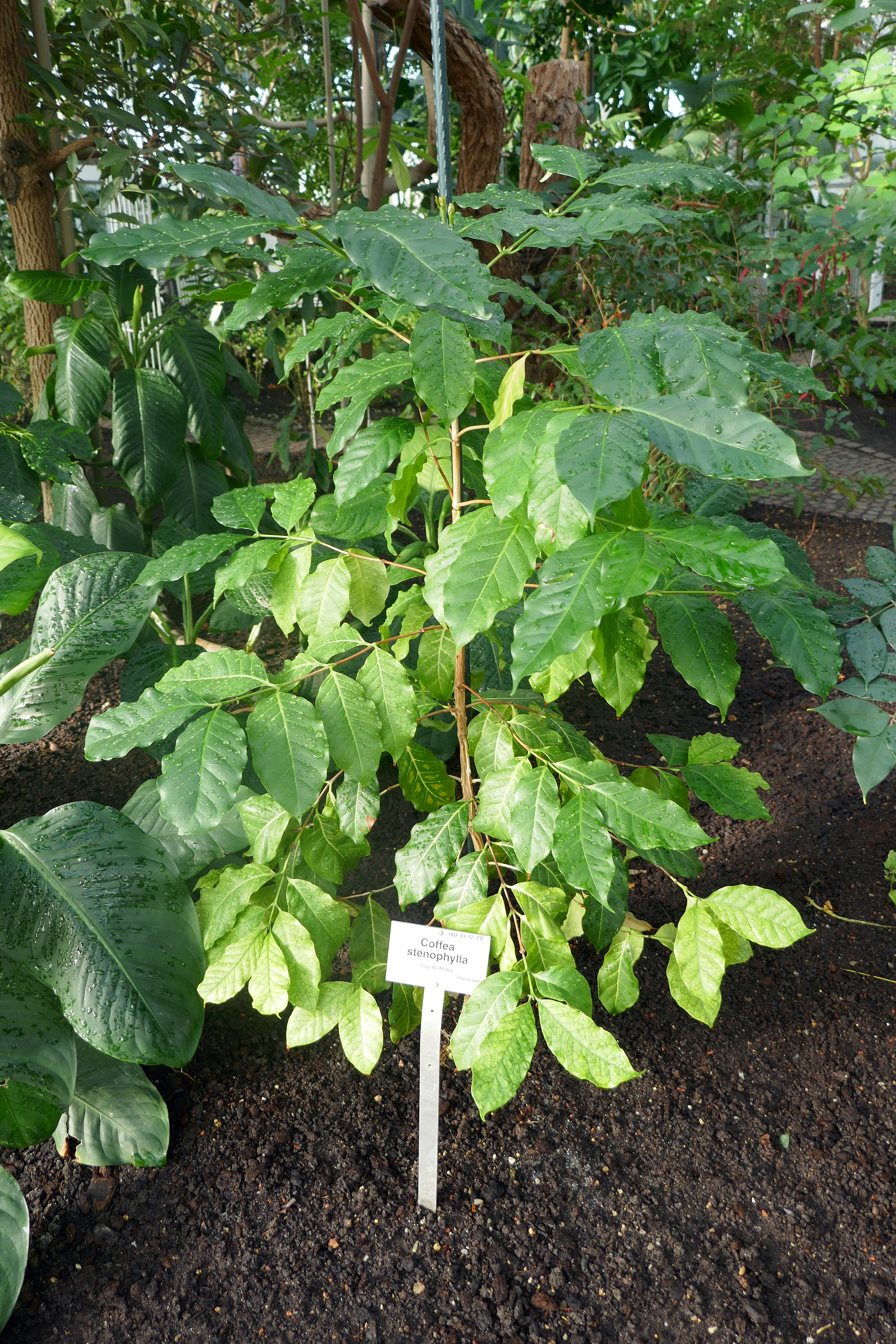
In August 2020, inside the cupping room of a London roastery, a team of botanists and baristas gathered to taste a coffee species that most believed had been lost forever. It was an important moment. Coffee experts had spent years searching in West Africa for the few remaining trees of this species, even issuing “wanted posters” to farmers asking if they had seen it.
The coffee, named stenophylla, had last been recorded in Sierra Leone in the 1950s, but civil war and widespread deforestation had pushed it to the brink of extinction. In 2018, with the help of the Royal Botanic Gardens in Kew, a small cluster of stenophylla trees were found, which two years later produced just nine grams of beans. The first sips provided hope. “It’s fragrant, fruity, and sweet,” said Aaron Davis, Kew’s senior research leader for Crops and Global Change. “Stenophylla is a coffee with real potential.”
Since then, seeds have been collected from the surviving trees in Sierra Leone, and 5,000 seedlings are being grown in nurseries. This is significant for us all, not just coffee aficionados. That’s because saving diverse foods, whether plant species or animal breeds, will give us the options we’ll need in an increasingly uncertain future.
The case of stenophylla is just one of almost 40 such stories I discovered while researching my book, Eating to Extinction: The World’s Rarest Foods and Why We Need to Save Them. In it, I argue that we’re at a pivotal moment in our food history and in a race against time to save diversity. Stenophylla helps illustrates the point. Although there are 130 coffee species so far identified, the world depends on just two, arabica and robusta. Both of these are vulnerable to climate change. Arabica is best suited to temperatures around 19 degrees C (66 degrees F); fluctuations in this can reduce productivity and encourage coffee leaf rust, a devastating fungal disease. Robusta, an inferior-tasting species, fares slightly better, growing at low elevations across much of wet-tropical Africa, but it needs consistent moisture throughout the year.
Stenophylla, on the other hand, can cope with higher temperatures and possesses greater tolerance to drought, as well as being a great-tasting coffee, one that Victorian botanists even described as “superior” to arabica. If arabica starts to fail, as it did catastrophically across Southern Asia in the 19th century and again in Central America in 2014, millions of coffee farmers will be affected. History will repeat itself: Coffee supply chains will be put at risk, family incomes will fall, and regional economies will be devastated, triggering waves of migration. We need to keep our options open.
Since the Second World War, we’ve created a highly productive but incredibly fragile food system. Like an investor with a stock portfolio of just a few holdings, we removed an important safety net for our food supplies: diversity. By narrowing the genetic base of the global food system and focusing on highly productive but increasingly uniform crops and animal breeds, we have increased our vulnerability to the impacts of climate change: extremes of temperature, more virulent outbreaks of disease, droughts, and erratic rainfall. Diversity gives us options and provides resilience.
In less than a century, most of the world has become dependent on a small number of crops for its sustenance. Since the dawn of agriculture (roughly 12,000 years ago) humans have domesticated around 6,000 plant species for food, but now just nine provide the bulk of our calories, and four of these — wheat, corn, rice, and soy — supply roughly two-thirds of that intake. The bottleneck doesn’t end there. Despite the huge genetic variation found within these crops, just a few varieties of each are selected to be grown in vast monocultures.
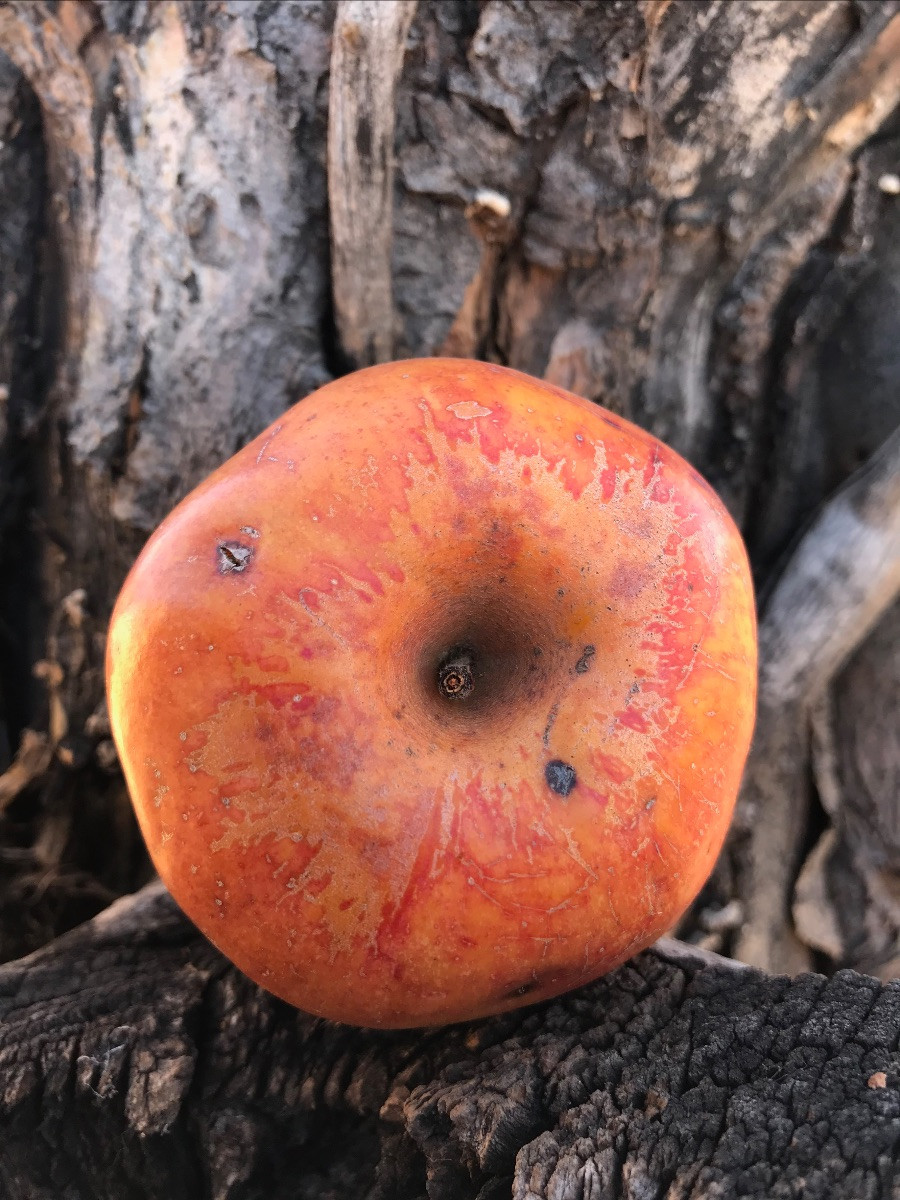
One of the Colorado Orange apples collected from an ancient tree in Fremont County, Colorado. (Provided by Montezuma Orchard Restoration Project)
In Victorian Britain it was possible for people to eat a different apple every day for more than four years and never have the same one twice. Today, supermarkets typically offer four or five varieties, all extremely similar in levels of sweetness and texture. In the United States, at the beginning of the 20th century, farmers grew thousands of different locally adapted varieties of corn. By the early 1970s a small number of hybrids dominated, and all were later found to be susceptible to a disease called leaf blight. Perhaps most famously of all, although there are more than 1,500 different varieties of banana, global trade is dominated by just one, the Cavendish, a cloned fruit grown in vast monocultures and increasingly at risk from a devastating fungal disease, TR4. Where nature creates diversity, the food system crushes it.
The decline in the diversity of our food, and the fact that so many foods have become endangered, didn’t happen by accident; it is an entirely human-made problem. The biggest loss of crop diversity came in the decades that followed the Second World War when, in an attempt to save millions from starvation, crop scientists found ways to produce grains such as rice and wheat on a phenomenal scale. To grow the extra food the world desperately needed, thousands of traditional varieties were replaced by a small number of new, super-productive ones. The strategy that ensured this — more agrochemicals, more irrigation, plus new genetics — came to be known as the “Green Revolution.”
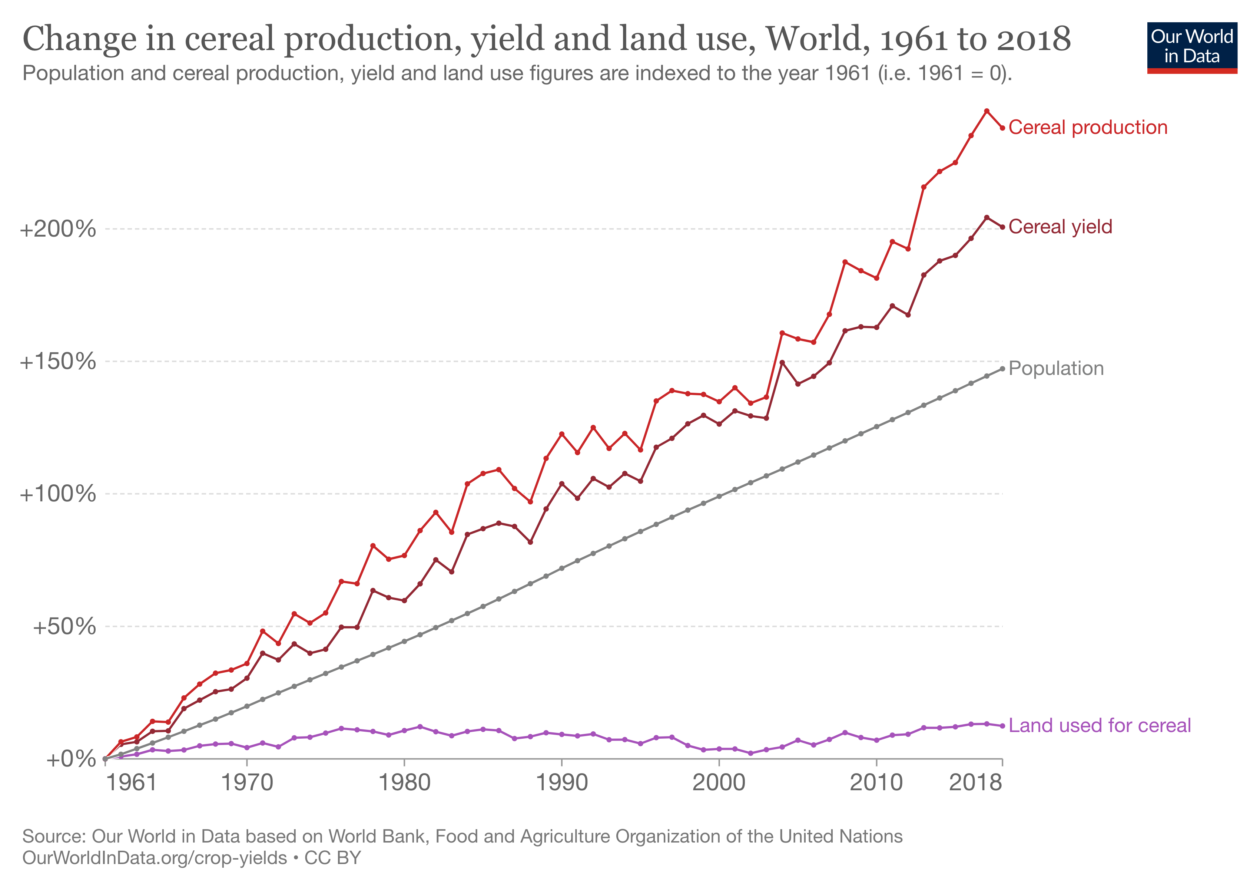
Farmers have grown more cereals on roughly the same amount of land since the Green Revolution. OUR WORLD IN DATA
Because of it, grain production tripled, and between 1970 and 2020 the human population more than doubled. But the danger of creating more uniform crops is that they become vulnerable to catastrophes. A global food system that depends on just a narrow selection of plants is at greater risk of succumbing to diseases, pests, and climate extremes.
Although the Green Revolution was based on ingenious science, it attempted to oversimplify nature, and this is starting to backfire on us. In creating fields of identical wheat, we abandoned thousands of highly adapted and resilient varieties. Far too often their valuable traits were lost. We’re starting to see our mistake — there was wisdom in what went before. And there are encouraging developments: Wherever you look in the world, you can find people working to save an endangered food and preserving the diversity we all need.
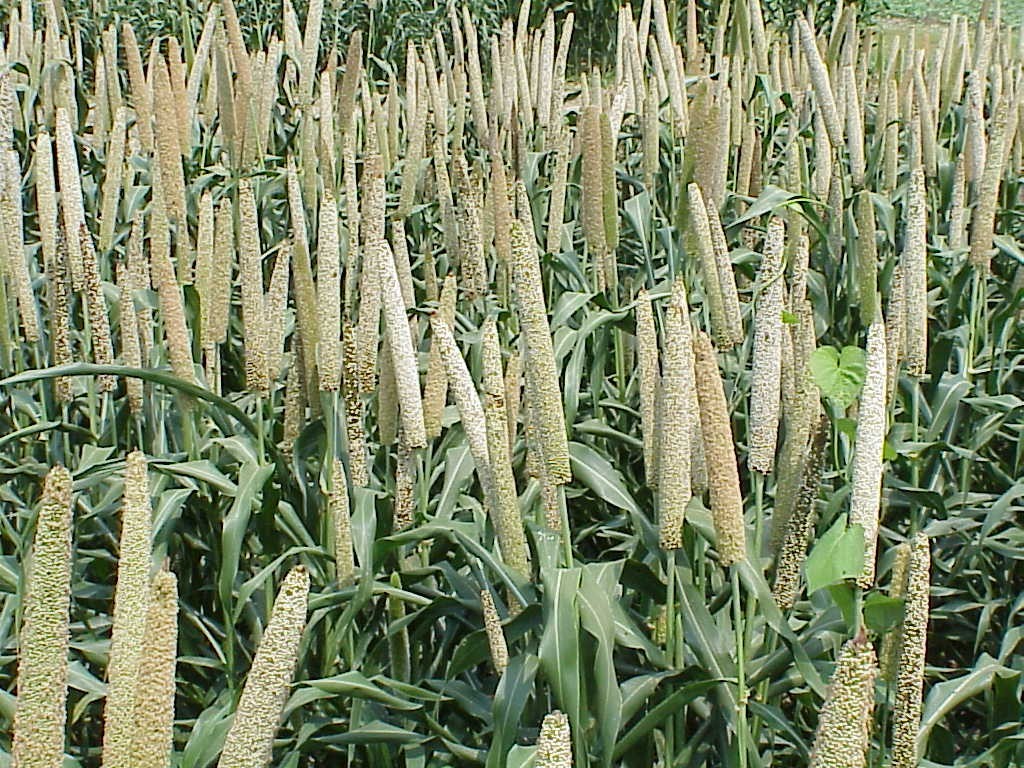
In India, farmers are looking once again to landrace, or native, varieties of millet. Millet is a nutrient-packed and diverse cereal that sustained generations of people in India. But British colonizers, unaware of millet’s unique nutritional qualities and resilience, replaced it with varieties of bread wheat and cash crops such as indigo. Those millets that survived were mostly relegated to animal feed. The decline of millet continued after Indian independence and was intensified by the Green Revolution as rice cultivation expanded. As a result, the last harvests of many millet varieties were recorded in the early 1970s.
Among these was a millet grown by the Khasi people of Meghalaya, in northeast India. Their millet was called Raishan, an ivory-colored grain cooked into soups and baked into biscuits and flatbreads. Like millions of Indians, the Khasi became dependent on the state-run Public Distribution System, which today provides $2.25 billion worth of subsidized food — mostly rice, wheat, and sugar — to India’s poorest 160 million households. Millet — labor-intensive to harvest and to mill — was the first food they stopped growing themselves. Then, in 2008, in India and in the rest of rice-growing Asia, a huge supply crisis caused by a sequence of bad harvests, disease outbreaks, and low grain reserves hit food systems. Governments responded by banning rice exports, which in turn triggered panic and a massive price spike. In many of the Khasi villages of Meghalaya, one response was to bring back lost millets.
Another problem facing India is water — or the lack of it. Half of India’s rice crop is irrigated by underground water supplies, and Indian aquifers are emptying at a faster rate than they are being replenished. When a team of scientists — including water experts, plant breeders, and nutritionists — calculated what would happen if large areas of water-intensive rice cultivation were replaced with millets and sorghum, they found benefits on every level: more dietary nutrients, lower greenhouse gas emissions, greater resilience to climate change, reduced water and energy use. All of this could be achieved without losing a single calorie or expanding croplands, they concluded.
“Despite its many achievements, the Green Revolution locked us into an unsustainable system,” says lead researcher and food systems expert Kyle Davis of the University of Delaware, “and without crop diversity we won’t break out.” This makes endangered varieties of millet, such as Raishan, look like a food of the future, not one to be lost to the past.
In 2017, an international team of crop scientists modeled the impact of rising temperatures on yields of major crops. Their research showed that “each degree-Celsius increase in global mean temperature would, on average, reduce global yields of wheat by 6 percent, rice by 3.2 percent, maize by 7.4 percent, and soybean by 3.1 percent.” There are varieties of all of these crops, lost to farmers fields in the 20th century but stored away in seed banks, that, just like Raishan millet, possess traits that will give us greater resilience for the future.
And building resilience in food systems in one part of the world can benefit others, as is the case with efforts to preserve an endangered type of wild vanilla found in central Brazil, important to a community known as the Kalunga.
Descendants of escaped slaves, the Kalunga created a network of villages in the Cerrado, the immense plateau of savannah, grasslands, and tropical forest that takes up nearly a quarter of Brazil’s land mass. Here, as well as growing rice, beans, and sesame, the Kalunga use wild plants, among them an endangered type of wild vanilla with which they brew infusions and flavor food. Its pods are larger than all other known types of vanilla — it’s more the size of a banana than a bean — and its taste is more intense. The pods are harvested in spring, mostly from along the rivers that wind through the Cerrado’s forests, where it grows among moriche palms. For the Kalunga, going in search of the pods is like mushroom foraging; everyone has a secret patch. But even with this knowledge, finding a pod isn’t guaranteed because vanilla-loving monkeys provide fierce competition.
Neither the Kalunga nor the monkeys are the cause of the vanilla’s endangered status, however; newly arrived farming businesses and mining companies are clearing or degrading the land and driving the loss of biodiversity.
The Kalunga can help preserve the Cerrado’s remaining biodiversity, but only if they are provided with economic opportunities to do so. This is where the wild vanilla comes in. “By protecting the Kalunga communities, we can protect the Cerrado,” says Alex Atala, one of Brazil’s most high-profile chefs. “The wild vanilla provides an economic opportunity. The plant can give the Kalunga settlements a future, and the communities can help keep a check on the expansion of soy farming.”
Projects have been set up to help the Kalunga hand-pollinate the vanilla plants (to increase yields) and to improve their processing techniques. “One family can make $50 a day,” Atala says, “more money than welfare payments or the wages paid by the illegal mines.” Saving the Cerrado isn’t just about protecting the rivers and the forests — its people need to be protected as well, he believes. “They are defenders of biodiversity. Why? Because they depend on it.”
But then again, we all do. Although it’s less well known than the neighboring Amazon, the Cerrado is one of the richest centers of biodiversity in the world. As one of the world’s major carbon sinks, its preservation is vital in the fight against the climate crisis.
Transformation of the food system and the need to rethink farming appeared to be low down on the agenda at COP26, the UN Climate Change Conference held in Glasgow last November. Not one of the 10 themed days was dedicated to agriculture or our eating habits. But around the world there are grassroots food heroes and Indigenous activists taking it upon themselves to conserve diversity, save endangered foods, and keep alive knowledge and skills, some for reasons of identity and culture, others to build resilience and increase self-sufficiency. Our broken food system needs to be rebuilt with diversity at its core. This isn’t a call to return to a mythical or halcyon past, but a plea to value and celebrate the ingenuity and legacy of generations of farmers and food producers. It’s up to us to continue their legacy.
Selection of the 2015 native heirloom maize harvest of the seed library of The Acequia Institute in Viejo San Acacio, CO Photo by Devon G. Peña
Click the link to read “U.S. Farmers Contend With Drought Conditions Headed Into Planting Season” from The Forbes website (Jim Foerster). Here’s an excerpt:
My colleague, John Baranick, a senior agricultural meteorologist at DTN, shared his insights on the upcoming planting season highlighting that the drought may have a significant impact on production, particularly in the western half of the country, which includes large areas of wheat, corn and soybean production. While there are still drought conditions in Northwest and throughout the Plains, it’s been fairly stagnant through the winter, leading to some cautious optimism among producers.
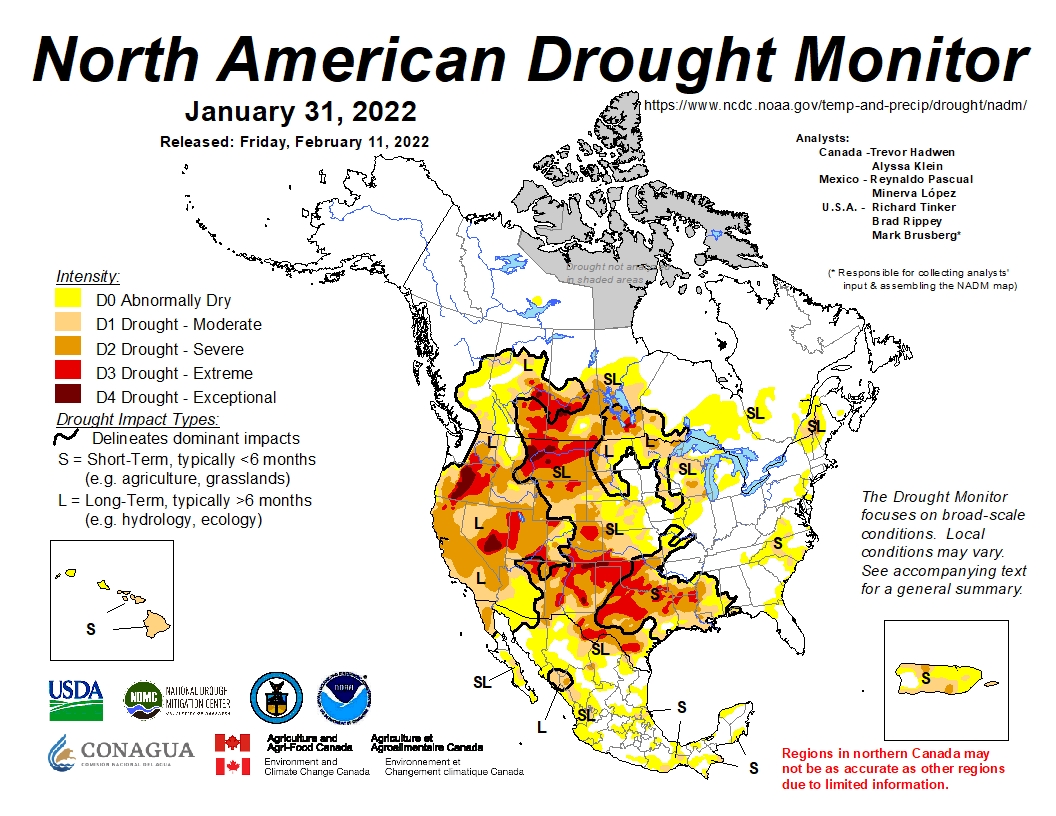
North American Drought Monitor map January 2022
The current drought conditions in these regions started back in the summer of 2020 which led to last year’s historic drought conditions in the Northern Plains. North Dakota, for example, saw 22 weeks of “exceptional” drought and are currently facing 46 weeks of “extreme” drought — both records for the state. This spring’s current weather pattern suggests that precipitation may be normal to slightly below normal and that could prolong and build the drought conditions…
In his planting outlook, Baranick added that the next two months look to be on the colder side of normal and that could continue into May, leading to shorter planting windows as there could be late-frost issues with which to contend. “Even if there isn’t a problem getting crops in the ground, soil moisture is going to be an ongoing issue this year for all crops. This has significant economic implications as last year, North and South Dakota, Nebraska, and Kansas produced over 20 percent of the total corn and soybean crops,” said Baranick.
The forecast shows some good news for the Central and Southern Plains, including some opportunities in March that favor some precipitation, but the drought is so deep that the precipitation may or may not make for widespread improvements. And April doesn’t seem to be helping with a drier than normal forecast that will continue into the summer…
Even with areas of increased precipitation this spring and summer, drought will continue to be the single biggest weather concern for U.S. producers going into the 2022 season and will likely have an impact on spring planting across much of the country.
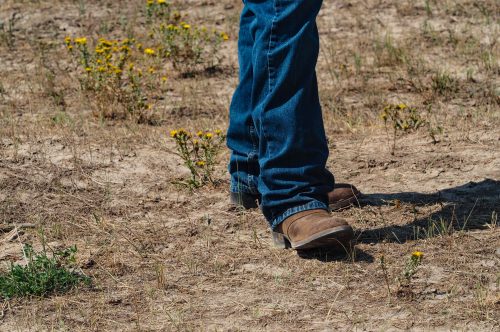
A rancher digs a boot heel into the dry ground of the Little Bear Ranch near Steamboat Springs, Colo., during the Northwest Colorado Drought Tour on August 11, 2021. Credit: Dean Krakel, special to Fresh Water News.
The IPCC released a new climate report. But what exactly is the IPCC? What does this report mean? How is this report different from the previous reports? Is our situation as grim as some of the news headlines make it sound?
We’ve prepared this guide to help you understand what this new climate report is, what its findings mean for our world and what we can do about them.
What is the IPCC and what do they do?
IPCC stands for Intergovernmental Panel on Climate Change. The IPCC is the scientific group assembled by the United Nations to monitor and assess all global science related to climate change. Every IPCC report focuses on different aspects of climate change.
This latest report is the second part of the IPCC’s 6th Assessment report (AR6 WGII). It compiles the latest knowledge on climate change, the threats we’re already facing today, and what we can do to limit further temperature rises and the dangers that poses for the whole planet. This report focuses on climate impacts, adaptation and vulnerability.
What should I know about the latest IPCC report?
This most recent IPCC report shows some similar things as the last reports which you may already know about: that climate change is already causing more frequent and more severe storms, floods, droughts, wildfires and other extreme weather events.
What makes this report different is that it includes more recent science, allowing it to describe the effects of climate change with greater accuracy. The increased frequency and severity of these events threaten the health and safety of millions of people around the world, both through direct impacts and by making it harder to produce food and access clean water.
What’s particularly troubling about the latest IPCC report is that the scientists say that warming temperatures are leading to more “compound extremes.” This is when multiple climate hazards (such as extreme temperature and precipitation) occur simultaneously in the same place, affect multiple regions at the same time, or occur in a sequence. For example, sustained higher temperatures can decrease soil moisture, which will suppress plant growth, which in turn reduces local rainfall, which leads to more drought in an escalating feedback loop.
Is there any hope then?
Yes. Climate change is here today, reshaping our world in ways big and small. But that doesn’t mean our future is predetermined. Every fraction of a degree of warming makes a difference when it comes to the future impacts of climate change. We still have the ability to limit further warming, and to help communities around the world adapt to the changes that have already occurred. Every action counts.
We also need to learn how to adapt to the effects of climate change that are already here—and provide assistance to the marginalized communities that are hit the hardest. Doing all of this requires more investments in climate action—both through greater public funding and through innovative private funding strategies, such as the use of carbon markets.
What can I do about climate change as an individual?
Learn how to talk about climate change: We can all help by engaging and educating others. Our guide will help you feel comfortable raising these topics at the dinner table with your friends and family. Download our guide to talk about climate change.
Share your thoughts: Share this page on your social channels so others know what they can do, too. Here are some hashtags to join the conversation: #IPCC #ClimateAction #NatureNow
Join collective action: By speaking collectively, we can influence climate action at the national and global levels. You can add your name to stand with The Nature Conservancy in calling for real solutions now.
The community-based collaborative Yampa River Fund is accepting applications through April 4 for $195,000 in funds available for conservation and restoration activities that positively impact Yampa River basin flows and support natural resource-based livelihoods including agriculture and recreation.
Eligible applicants include state and local government entities, public districts, irrigation entities, mutual ditch companies, homeowner associations and nonprofit organizations. The grant guidelines and application are posted at YampaRiverFund.org/grants. Technical support is available for applicants to help develop grant proposals.
The Yampa River Fund, which launched in September 2019, is dedicated to identifying and funding activities that protect the water supply, aquatic habitat and multi-beneficial opportunities provided by the Yampa River. The fund was created through a partnership of 21 public, private and nonprofit entities representing the Yampa River basin. Total grants for $200,000 from the endowment fund were awarded to six projects in 2021 stretching along the Yampa River from Maybell to Craig and Steamboat Springs to Oak Creek. In 2020, five projects were awarded a total $200,000.
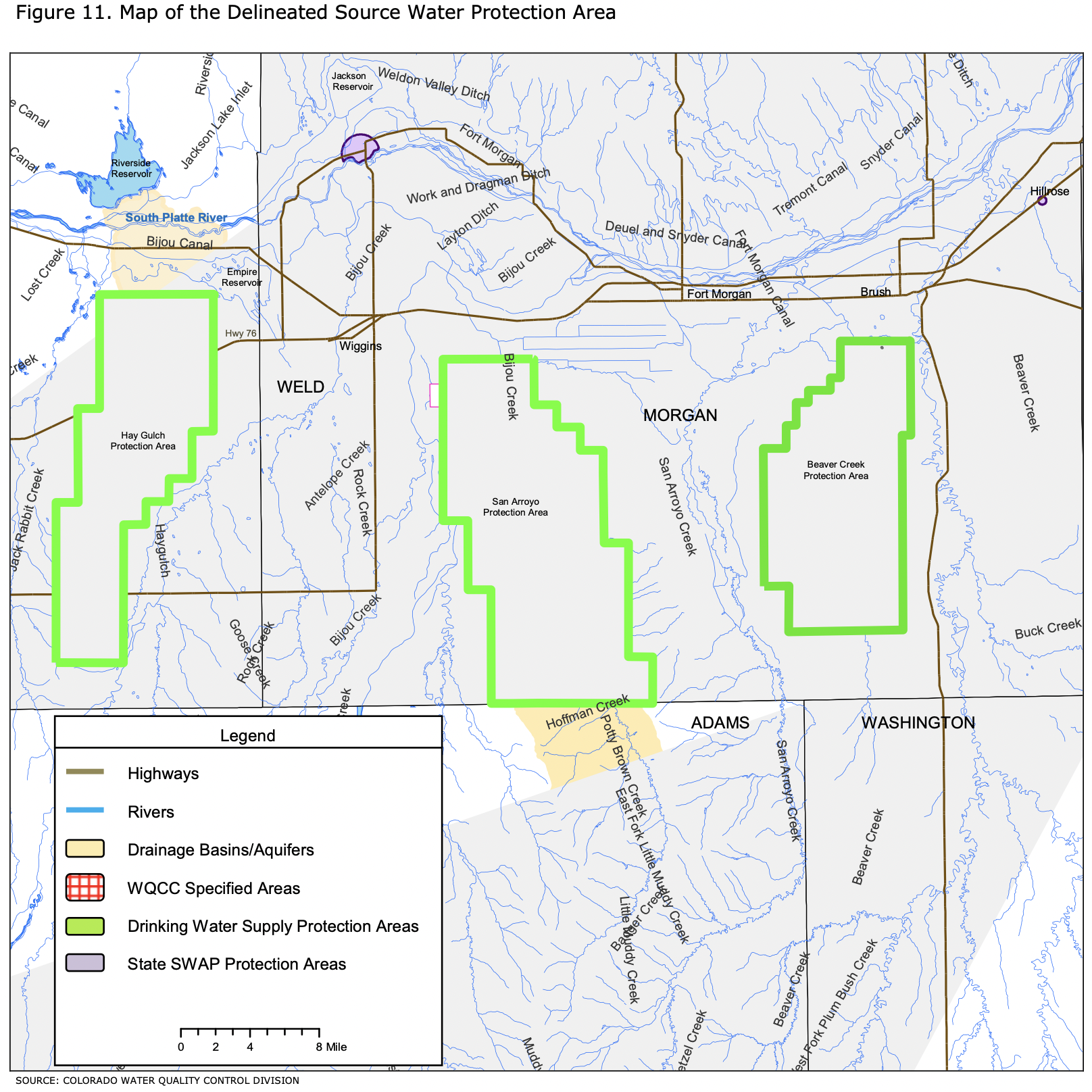
Members of the Brush community got a chance to bring forward concerns and questions about the Watershed Protection Ordinance during a two-hour informational open house Wednesday, Feb. 23 with City of Brush staff and City Attorney Dan Krob.
City Administrator Monty Torres began the meeting with a presentation providing information like the historical context of the City’s water and goals of the ordinance. Torres listed the goals: protect water quality, protect water quantity, protect agricultural and historical uses, minimize impact to quality of life, ensure a streamlined permitting process and coordinating with other permitting entities as needed.
He also mentioned the Source Water Protection Plan, which was put together beginning in 2008 with the help of Morgan County Commissioners, Morgan County Quality Water and even some landowners…
City staff members are trying to fight to protect water from any potential contaminants on behalf of all Brush residents, but frustrated landowners spent much of the open house engaging in passionate discussions in opposition to the ordinance. Many argued that their families, who have lived in Brush for generations, have kept the water clean. Like the city, they do highly value clean drinking water. However, they do not want restrictions on their land and are opposed to potential permit application fees (though staff does already have the power to waive or refund application fees when they see fit).
Staff does understand that current owners have kept the water clean but are concerned about future owners who may not be as careful and courteous. Staff members are also trying to avoid major costs for the city, such as a water treatment plant that would cost millions.
In an effort to improve forest resilience and reduce the risk of catastrophic wildfires in the Interior West, three organizations, including Colorado State University’s Colorado Forest Restoration Institute, are receiving $20 million from the U.S. government.
The funds are part of the Infrastructure Investment and Jobs Act passed by Congress with bipartisan support and signed by President Joe Biden in 2021, which will go to enhancing key systems and processes to mitigate the impact of forest fires.
The award will be made to the Southwest Ecological Restoration Institutes, which includes the Colorado Forest Restoration Institute as well as Highlands University’s New Mexico Forest and Watershed Restoration Institute and Northern Arizona University’s Ecological Restoration Institute. The Southwest Ecological Restoration Institutes were created through congressional legislation passed in 2004 and charged the three institutes with promoting adaptive management practices to restore the health of fire-adapted forest and woodland ecosystems of the Interior West.
The Colorado Forest Restoration Institute is housed in the Department of Forest and Rangeland Stewardship in CSU’s Warner College of Natural Resources.
The three institutes will work collaboratively on three key components with the funding. They will develop a national database of existing data on fuel treatments and wildfires, work with managers, planners, and policymakers to facilitate use and applications of the data, and research outcomes of forest management and wildfires to learn what works.
“The work we’re charged with developing under the Infrastructure measure will create opportunities for land and fire managers, scientists and community stakeholders to co-produce actionable knowledge to lessen the harmful effects of wildfire events to people and the environment,” said Tony Cheng, director of the Colorado Forest Restoration Institute and professor in the Department of Forest and Rangeland Stewardship.
According to Cheng, the new funding aligns with the CSU land-grant mission and offers an opportunity to grow CFRI’s existing data management, application and research efforts to be accessible for a wider audience.
The funding is prompted by climate change-driven increases in fire activity and fire season length, continued development in the wildland-urban interface and interactions between fire and disturbances like pest and pathogen disturbance.
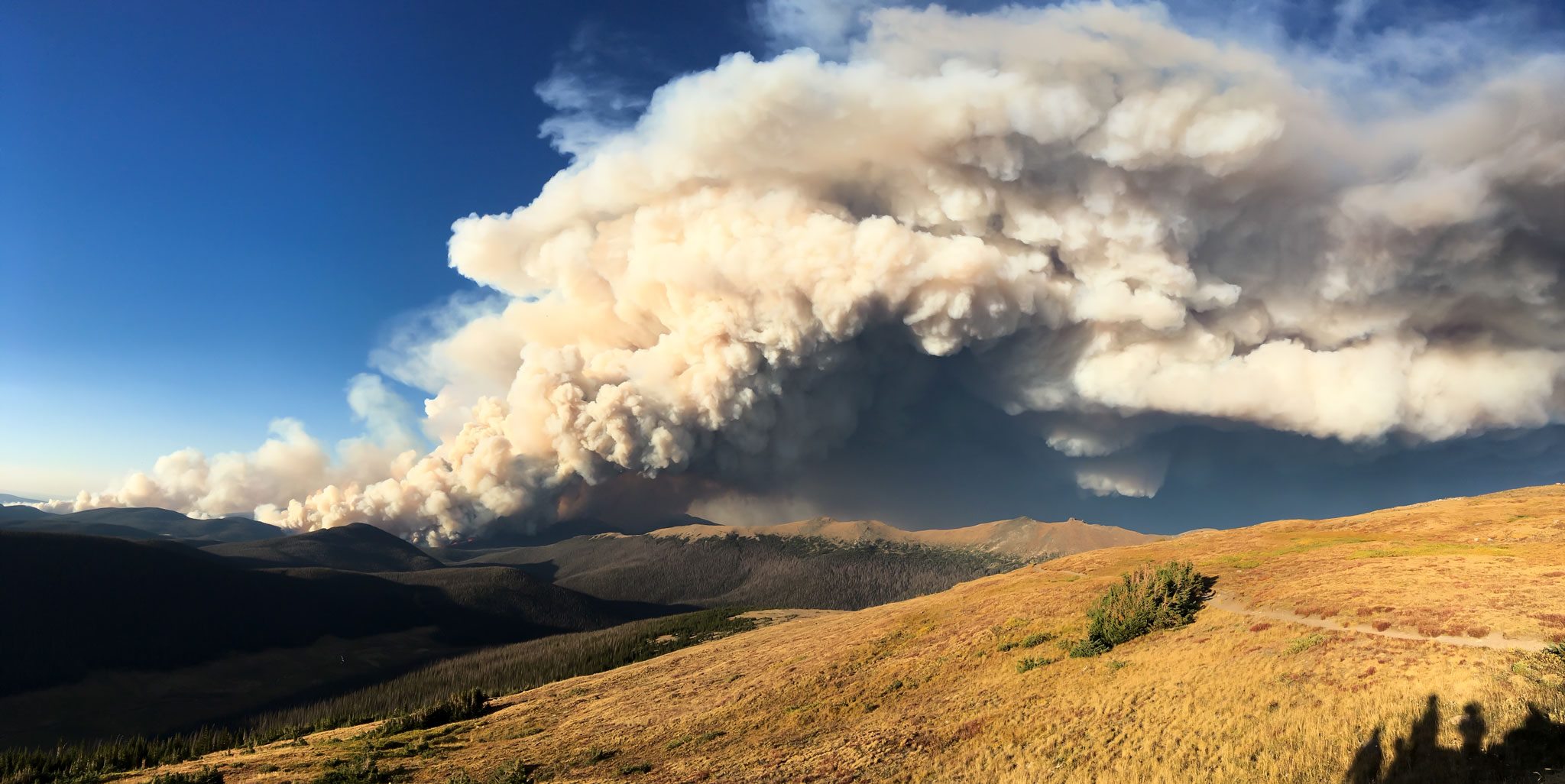
Considering recent wildfires like the Cameron Peak and Marshall fires in Colorado, Cheng said that the stakes are at an all-time high to create actionable plans for mitigation.
“We’re up against a natural force for which our systems of land management, fire management and land-use development are ill-suited,” Cheng said. “The systems we do have are really being tested. We can’t drive wildfire risk to zero, but there are ways we can live with these risks and mitigate those impacts.
“When land and fire managers, scientists and stakeholders work together to craft and apply science-based solutions, we can better realize this goal.”
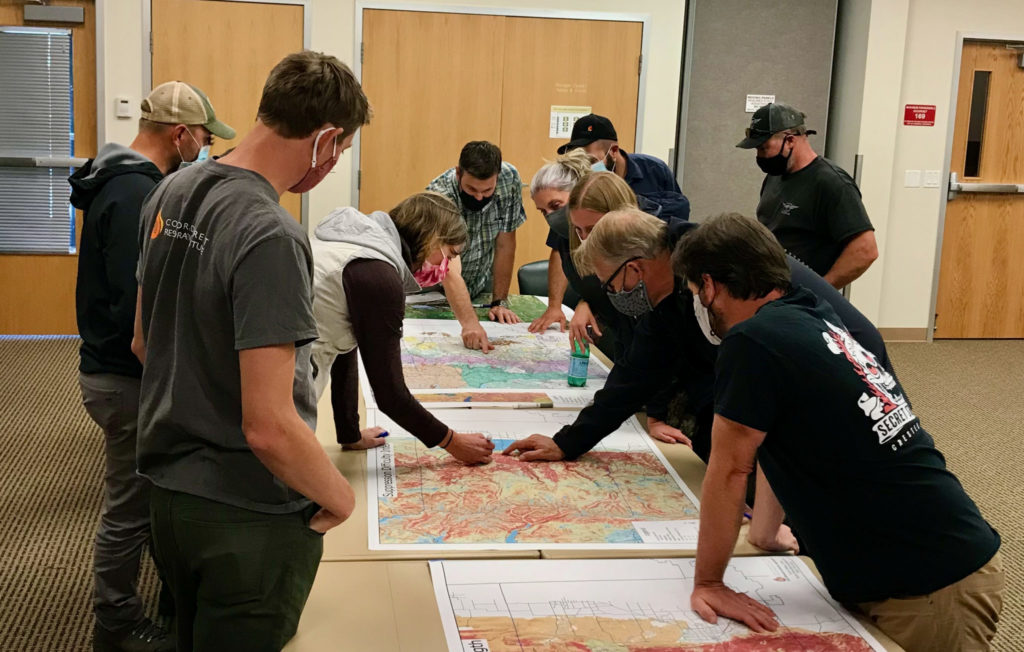
Land and fire managers and community stakeholders in Boulder County huddled around CFRI geospatial mapping products aided by CFRI’s science and outreach staff. Photo by Tony Cheng.
CSU expertise
The new projects will leverage CSU’s strengths and build on each institutes’ existing efforts, said Brett Wolk, one of Colorado Forest Restoration Institute’s assistant directors.
For example, the Colorado Forest Restoration Institute recently completed a statewide database of forest vegetation management and wildfires for Colorado, complementing a similar effort for New Mexico and southern Colorado led by the New Mexico Forest and Watershed Restoration Institute. The data serve as a foundation for the decision support tools and collaborative processes that Colorado Forest Restoration Institute deploys around the state and throughout the Interior West. The national database will be developed using similar types of data across the country.
The data are only the starting point, Wolk said. Making data meaningful for land and fire managers, scientists, policymakers and community stakeholders working in their specific places is a critical function the institutes excel at and is called out in the Infrastructure provisions.
“Unless the data is situated within a social context where people can understand how it applies to their work, all the best data and science in the world won’t change decisions or outcomes on the ground,” said Wolk. “That’s why the SWERI’s work to co-develop solutions with partners and empower decisions that are science informed but also locally relevant.”
A third component of the funding is researching outcomes of past treatments to improve future decisions. This will build on deep research expertise at the Arizona and Colorado institutes, exemplified by a recent Colorado Forest Restoration Institute co-led publication and accompanying podcast evaluating accomplishments of the Forest to Faucets partnership aimed at protecting Denver’s water supply from devastating wildfires.
The challenge, Wolk said, is applying the collective institutes’ knowledge and expertise across the entire U.S. At the same time, the opportunity for other states is to benefit from the collective knowledge across the institutes.
“The Infrastructure funding designation by Congress reflects our increased impact, recognizes the collaboration among our institutions, and is a humbling testament that we provide services and products people value and find useful,” Wolk said.
He added: “It’s a massive opportunity to help fast-track implementation of what’s working in forest and fire management, but research also shows big gaps in who has access to and contributes knowledge towards these forestry data and decision-making processes. If we can increase science application, while making incremental change to expand equity of ideas and resources among wider audiences, those will be our measures of success.”
The Fetcher Ranch in northwest Colorado was started by John Fetcher in 1949. His son, Jay, says his dad was passionate about water issues. CREDIT: HEATHER SACKETT/ASPEN JOURNALISM
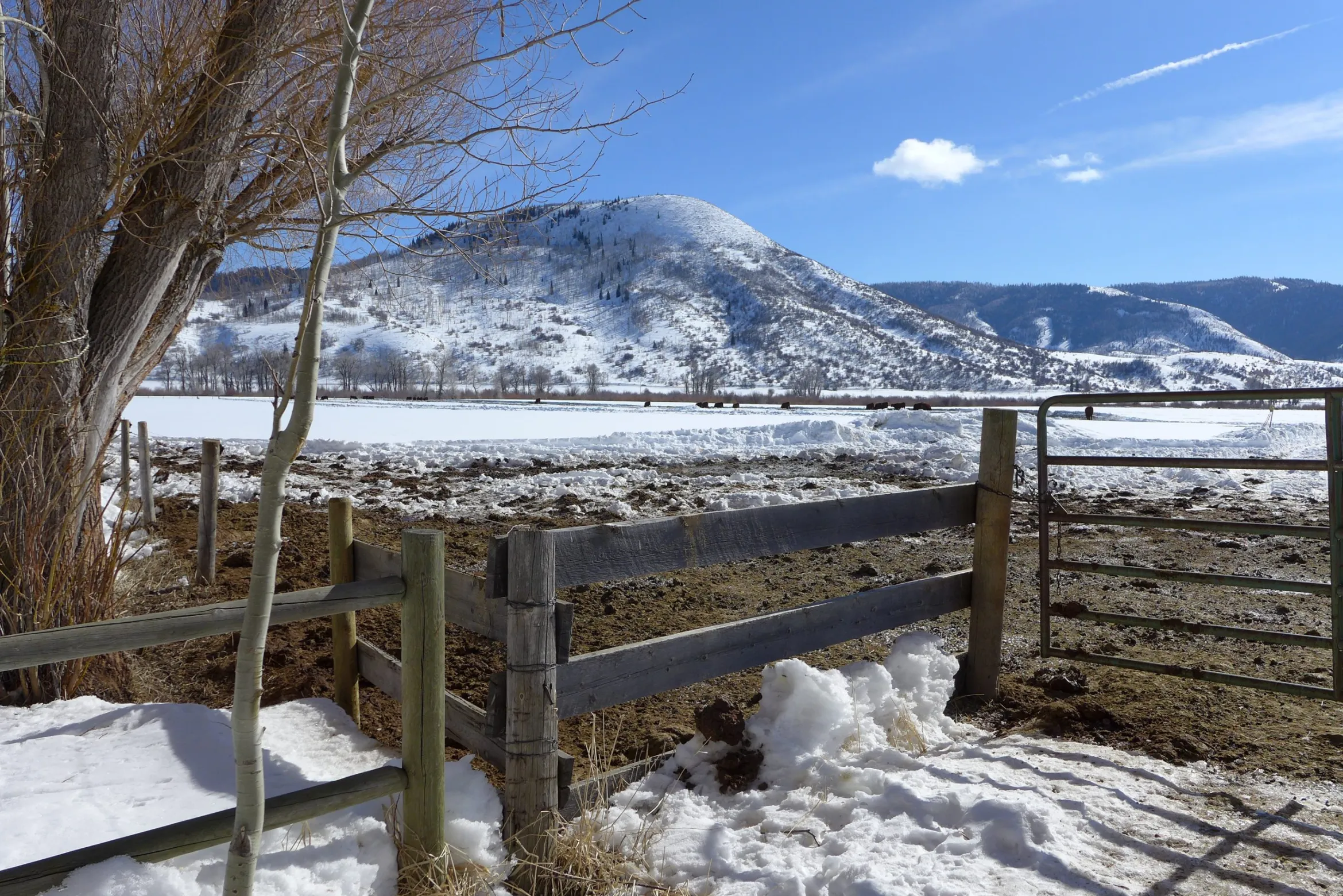
Northern Colorado rancher Jay Fetcher looked out over the snowy fields of his family’s sprawling ranch 20 miles north of Steamboat Springs.
Cows grazed on hay on a bright, frigid February morning in the tiny settlement of Clark. Fetcher has been ranching the 1,400 acres of hay meadows and pastures in view of the Mountain Zirkel Wilderness for most of his life.
Fetcher’s late father, John, was a legend in the Steamboat area, who moved there to ranch in 1949. A founder of the Steamboat Ski Resort, he was also on the board of the Upper Yampa Water Conservancy District and a director of the Colorado Water Conservation Board.
“He was crazy passionate about water,” Fetcher said.
One of his legacies was putting the family ranch under a conservation easement, meaning the land would never be developed.
“If we chose to develop it, we could put 70 homesites, but now, it will stay open space forever,” Fetcher said. “It feels good knowing there won’t be golf courses out here.”
The land also has ample water rights. The ranch is flood-irrigated by a system of ditches that pull water from Sand Creek, McPhee Creek, Cottonwood Creek and the Elk River. But Fetcher is facing a complicated situation regarding one of the smaller, more junior rights in the portfolio that state officials believe has been “abandoned.”
Abandonment is the official term for one of Colorado’s best-known water adages and concepts: “use it or lose it.” Every 10 years, engineers and water commissioners from the Colorado Division of Water Resources review every water right — through diversion records and site visits — to see whether it has been used at some point in the previous decade. If they don’t see evidence of use, they could place the water right on the abandonment list and a water court could make it official.
Abandonment means the right to use the water is essentially canceled and ceases to exist. The water right goes back to the stream where another user can file an application to claim it and put it to beneficial use.
Fetcher’s water right that is in jeopardy is 2.5 cubic feet per second from the Hoover Jacques Ditch that dates to 1972. This ditch pulls water from the Elk River and flood-irrigates a pasture. In a letter to Fetcher, officials from the Colorado Division of Water Resources say that aerial imagery and their data suggest that the land has not been irrigated in quite some time.
Fetcher admits that it has been challenging to get water from the diversion point to the pasture five miles away through an unlined ditch, and the 40-acre pasture that it irrigates doesn’t produce much hay anyway. Fetcher often couldn’t take his full amount because the water just wasn’t available, but he hesitated to place a call because it didn’t seem worth it, he said.
Water users who aren’t receiving their total share can place what’s known as a call, which forces upstream junior users to cut back so the senior water right can get its full amount. Older water rights get first use of the river.
“It was really hard to get water through all our neighbors to actually use it,” he said. “By the time water gets there, it’s a trickle. And we just didn’t have time to run up there and irrigate a little bit of pasture.”
The Fetcher property has eight different ditches, and a huge amount of work is necessary to maintain them, he said.
“We want to make sure we don’t fall on the abandonment list with these other ditches,” he said. “We try to limit the labor on the ranch to make it profitable, so how does someone taking care of 800 cows have time to run around and make all of them work?”
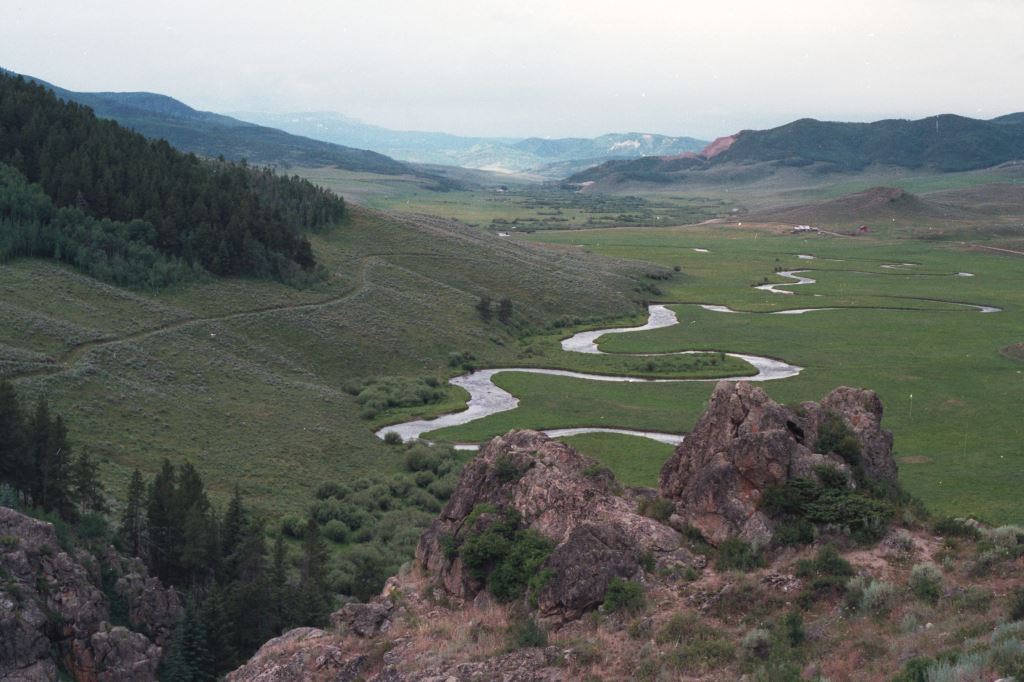
The Yampa River winds through hay meadows in the Yampa Valley in 1987, prior to construction of the dam that formed Stagecoach Reservoir. Photo credit: Bill Fetcher via Aspen Journalism
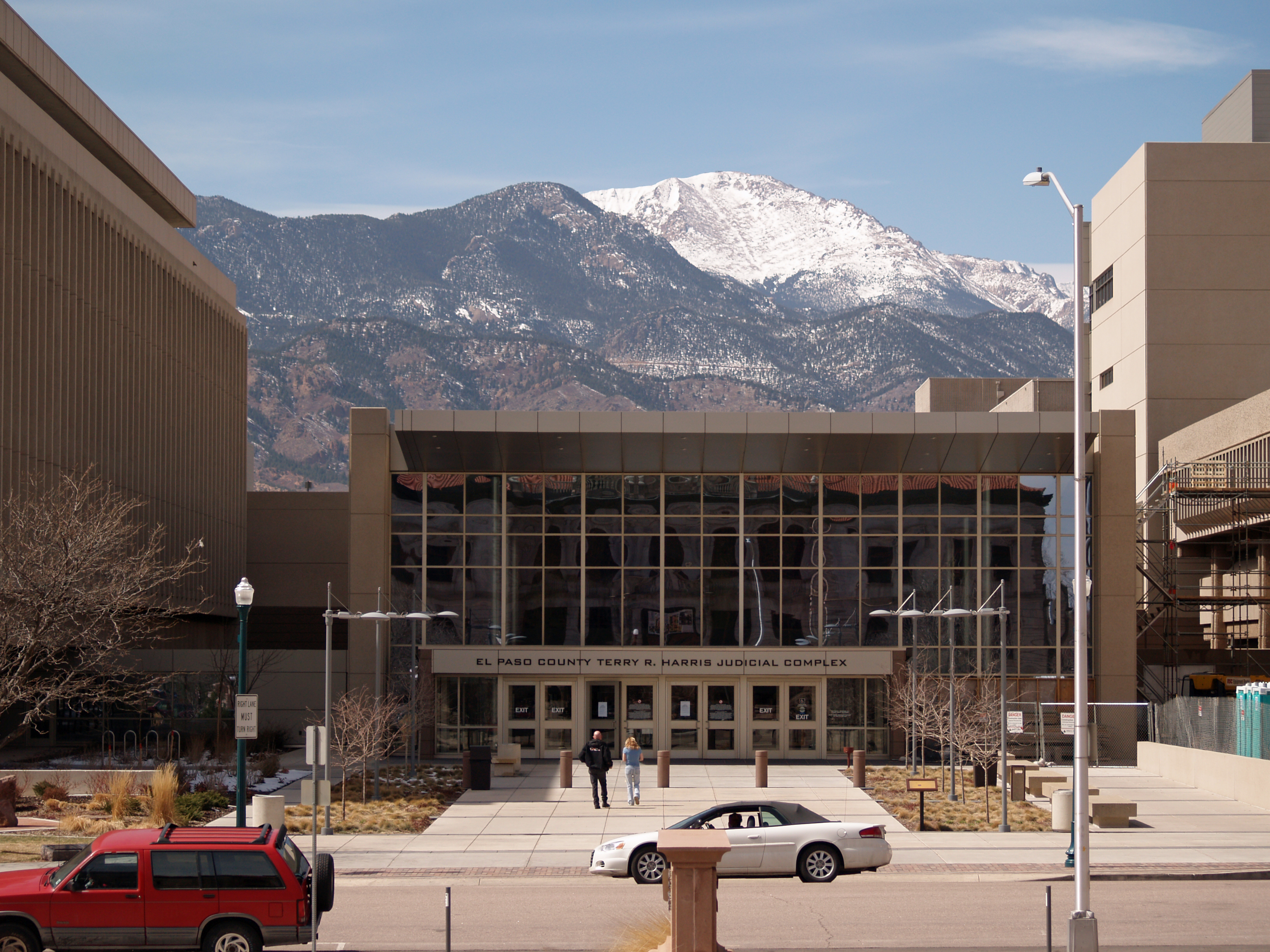
The El Paso County Board of Commissioners wants to be transparent about the allocation of the American Rescue Plan Act Funds, saying $25 million will go to surface and stormwater infrastructure.
El Paso County ranks second in receiving the most funds in the state, with nearly $140 million in funds. County Commissioner for District 4 Longinos Gonzalez says they are planning to use the leftover funds on water, storm, and road infrastructure…
This comes after the U.S. Treasury Department released the final rule for the state and local recovery funds in January allowing counties to use those dollars for the provision of government services…
As for stormwater infrastructure, the El Paso County Department of Public Works has identified seven projects which amount to $10 million, an additional $5 million will be allocated for future projects…
The county is also asking the community to submit proposals for an additional $20 million in water infrastructure grants.