
Click the link to read the article on the AgWeb.com website (Greg Henderson). Here’s an excerpt:
March 19, 2024
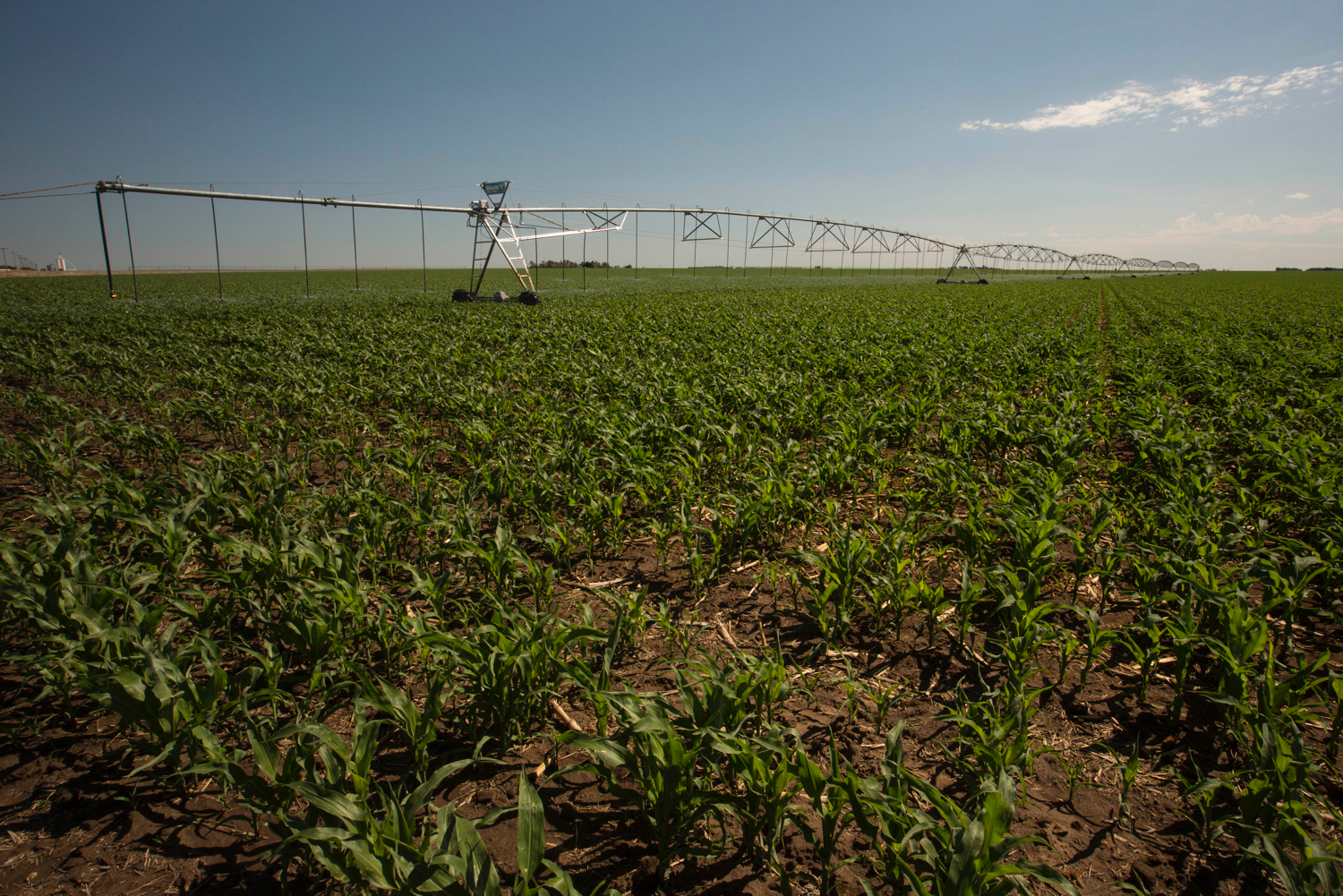
Seeking collaboration on solutions to conserve and extend the lifespan of vital water resources in the High Plains, the third Ogallala Aquifer Summit brought politicians and stakeholders from across the region this week to Liberal, Kansas. Calling the Ogallala Aquifer “critical to the viability” of agriculture and maintaining historic economic growth, Kansas Governor Laura Kelly delivered the summit’s opening remarks by praising attendees for their work to address “one of the region’s most pressing issues.”
“Having a clean, stable water supply is critical to maintaining our way of life in all communities across Kansas, rural and urban alike,” Kelly said. “It’s critical to maintaining Kansas as we know it and love it.”
[…]
The impact from the Ogallala Aquifer is massive, with estimates that 95% of groundwater pumped from the aquifer each year is for irrigated agriculture, though it also supports livestock, businesses and municipal needs. The aquifer supports approximately $3.5 billion in crop production in Kansas. Throughout the summit attendees were reminded depletion of the aquifer is not a problem to be solved; it is a situation to be managed. Speakers emphasized that the region’s water resources would need constant management, technical innovation, financial and economic support and infrastructure changes…Economic analyses suggest that depletion of the aquifer could result in a $56 million annual loss for Texas and a $33 million loss for Kansas agriculture by 2050…

While crop irrigation accounts for a majority of the water use, the aquifer also supplies water for the region’s large livestock feeding operations. Those businesses are working to conserve water, too, says Joel Jarnagin, Cobalt Cattle Co. Thirty years ago Jarnagin estimates feedyards used “15 or 16 gallons of water,” per head per day. Cobalt Cattle Co., which operates six feedyards with a one-time capacity of 300,000 head, has averaged “10.5 to 11.7 gallons” water use per head, per day over the past four years.
