The climate fight that’s holding up the farm bill: 11 percent of the country’s emissions come from agriculture. Will Congress do anything about it? — Grist

Aerial view of irrigated and non-irrigated fields in eastern Colorado. Photo by Bill Cotton, Colorado State University

Click the link to read the article on the Grist website (Jake BittleĀ &Ā Gautama Mehta):

September 30, 2024

Every five years, farmers and agricultural lobbyists descend on Capitol Hill to debate the farm bill, a massive food and agriculture funding bill that helps families afford groceries, pays out farmers who’ve lost their crops to bad weather, and props up less-than-profitable commodity markets, among dozens of other things. The last farm bill was passed in 2018, and in 2023, Congress extended the previous farm bill for an additional year after its negotiations led to a stalemate. That extension expires today, and Congress seems poised to settle for another one.

House Republicans and Democrats’ primary dispute is over how much funding will go to food programs like SNAP and the Thrifty Food Plan. Another reason for this unusual standoff — in past cycles, the bill passed easily with bipartisan support — is a grant authority called the Environmental Quality Incentives Program, which has become a flashpoint for a fight over the relationship between agriculture and climate change. At first glance, the program might not sound all that controversial: It ā€œhelps farmers, ranchers and forest landowners integrate conservation into working lands,ā€ according to the U.S. Department of Agriculture, funding a wide variety of conservation practices from crop rotation to ditch lining. In contrast to other huge programs in the farm bill, such as crop insurance, EQIP costs only around $2 billion per year, which is measly by federal spending standards. So why is it such a sticking point?

The Biden administration’s landmark Inflation Reduction Act expanded EQIP and three other USDA programs with billions of new dollars for on-farm improvements, but the bill specified that the money had to go to ā€œclimate-smartā€ conservation practices. This was stricter than the original EQIP, which allows farmers to use money for thousands of different environment-adjacent projects. 

Democrats and climate advocates view EQIP as a potential tool to fight climate change, not just a way to fund the building of fences and repairing of farm roofs. Agriculture accounts for 11 percent of American greenhouse gas emissions, a share that’s projected to rise dramatically as other sectors of the nation’s economy such as transportation continue to decarbonize. To help the farming sector keep pace with the nation’s emissions targets, 2022’s Inflation Reduction Act (IRA) included $20 billion in subsidies for farmers who engaged in agricultural practices designed as ā€œclimate-smartā€ — a category defined by the USDA, which administers the subsidies. These practices include installing vegetation breaks to reduce fire risk, electrifying tractors, and planting ā€œno-tillā€ crops, which reduce greenhouse gas emissions by cutting down on soil disturbance.

Farmers and politicians of both parties have embraced the additional EQIP money from the IRA, but the boost was a one-time infusion, slated to run out in 2026. Now, as lawmakers debate making the expanded environmental program permanent in the looming new farm bill, Republicans and Democrats are clashing over what ā€œclimate-smartā€ means, and whether the money should be ā€œclimate-smartā€ at all. 

Earlier this year, the agriculture committee chairs in the Senate and House, which are controlled respectively by Democrats and Republicans, released competing farm bill proposals. In May, the House committee passed its version, but that has still not gone to the floor for a full vote. Nevertheless, the two proposals differ significantly on the fate of the IRA’s $20 billion conservation boost.  

But with each passing year that a new farm bill isn’t passed, the amount of IRA money that’s available to permanently reallocate into its conservation title will diminish, as more of the infrastructure funding is spent. With Congress now out of session until after November’s election, the two chambers will have a short window to pass their versions of the bill and then reconcile them together by the end of the year. If they fail to do so by January, Congress’s next two-year cycle will begin, and the bill dockets reset — so lawmakers will have to start from scratch and renegotiate the bill drafts in committee. Even with yet another short-term extension, the fight for next year will pretty much be the same: If Republicans get their way, they will negate perhaps the most significant attempt in recent history to control the environmental and climate impacts of the nation’s massive agriculture industry. If Democrats succeed, they will safeguard the IRA’s climate ag money from a potential repeal if Donald Trump wins the election, and the money will also be incorporated into the bill’s ā€œbaseline,ā€ making it likely to stick around in future farm bills.

Grand Valley Power plans to use a federal grant to reduce wildfire-related dangers and boost system reliability in the Mesa Lakes area — The #GrandJunction Daily Sentinel

Grand Junction back in the day with the Grand Mesa in background

Click the link to read the article on The Grand Junction Daily Sentinel website (Dennis Webb). Here’s an excerpt:

October 4, 2024

Grand Valley Power plans to use a federal grant of nearly $2 million to bury 4.1 miles of existing power line serving the Mesa Lakes area to reduce wildfire-related dangers and boost system reliability. The local not-for-profit rural electric cooperative has received $1,947,204 from the U.S. Department of Energy through the Wildfire Assessment and Resilience for Networks project, or WARN. WARN funding comes from the department’s Grid Resilience and Innovation Partnerships program created by the 2021 Infrastructure Investment and Jobs Act, also known as the Bipartisan Infrastructure Bill. Grand Valley Power is a member of a consortium of 38 electric co-ops and other rural utilities selected to receive federal funding through WARN, it said in a news release. It will provide matching funds for the Mesa Lakes project. It expects the work to begin in late spring after the winter snow has melted.

Gila River Indian Community and Biden-Harris Administration Celebrate ‘First Power’ on Historic #Solar-Over-Canal Project, Marking a New Era in Renewable Energy and Water Conservation

Greg Stanton and Stephen Roe Lewis at the solar-on-canal project October 3, 2024. Photo credit: AZ-4 U.S. Representative Greg Stanton

Brad Udall receives David Getches Flowing Waters Award — #Colorado State University

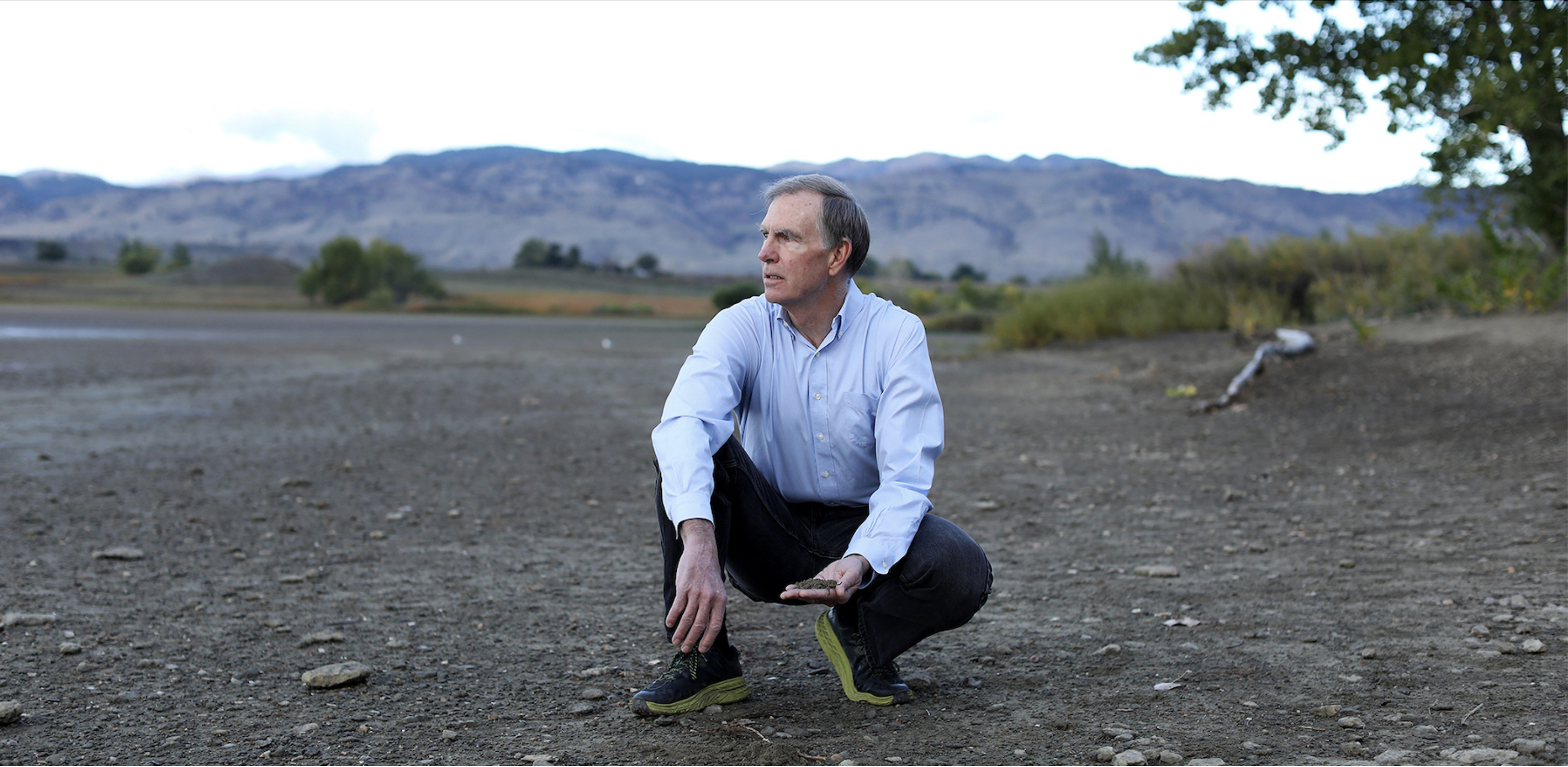
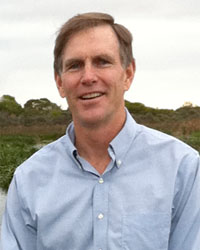
Brad Udall is pictured at Boulder Reservoir, which helps deliver water from the Upper Colorado River to the Front Range. Photo: Vance Jacobs

Click the link to read the article on the Colorado State University website (Benjamin Randall):

September 2024

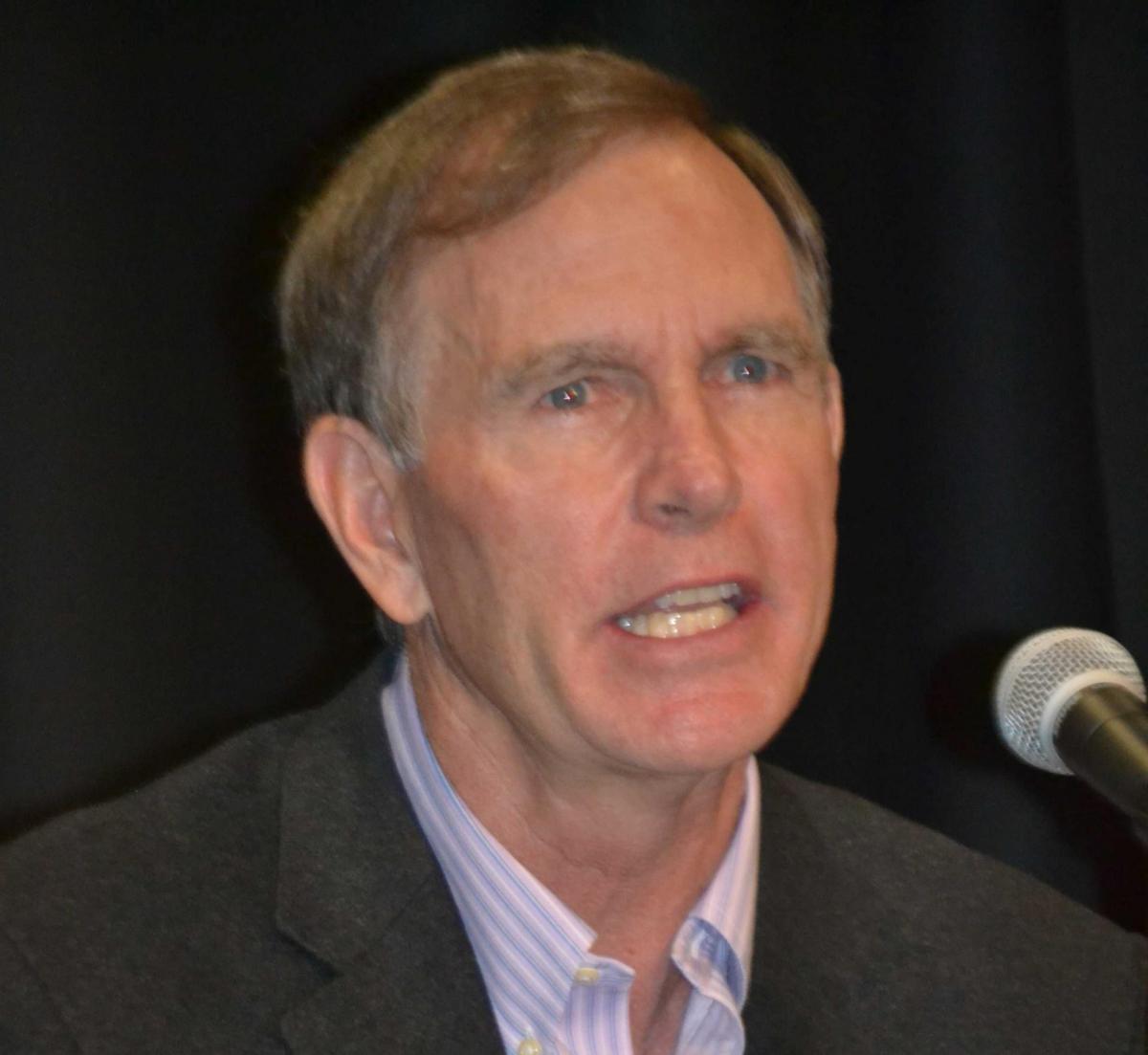
Brad Udall, a senior water and climate researcher at the Colorado Water Center at Colorado State University, has been honored with the prestigious 2024 David Getches Flowing Waters Award. The award recognizes Udall’s substantial contributions to water science and policy.  

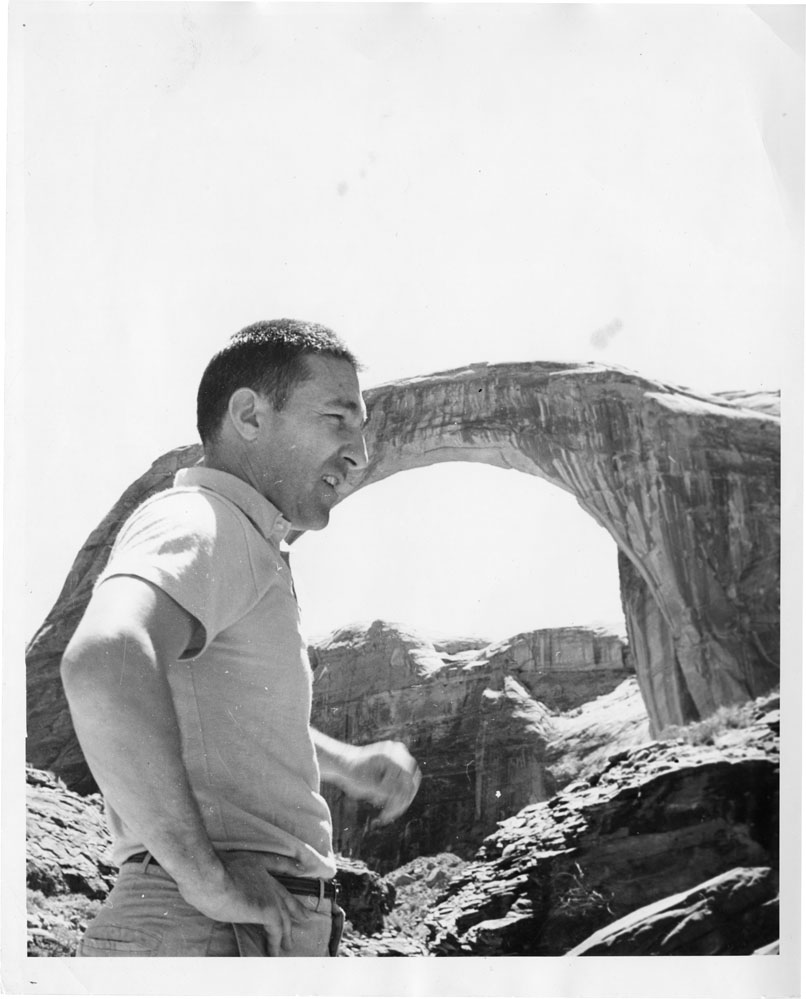
Named after the renowned water law scholar David Getches, the award celebrates individuals who have made significant contributions to water policy and law. Getches, best known for his influential textbook Water Law in a Nutshell and his extensive work on the Colorado River, left a lasting legacy in the field.  

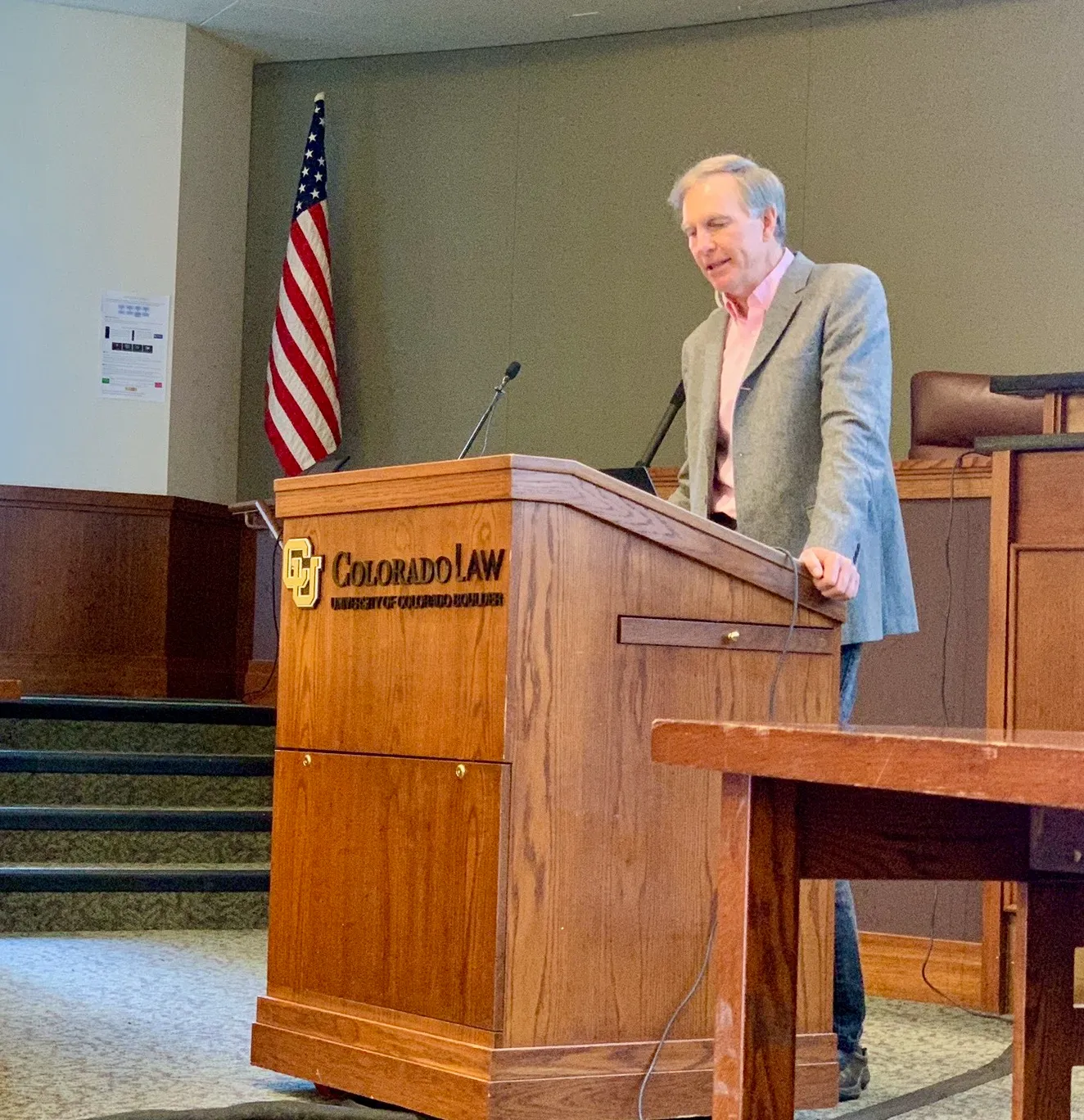
The award was presented to Udall by the Colorado Water Trust on Sept. 24 at a ceremony at the Denver Botanic Gardens. 

Kate Ryan, executive director of the Colorado Water Trust, said that presenting Udall with the award celebrates ā€œthe innovative and collaborative spirit exemplified by both David and Brad over their careers.ā€ She continued, ā€œBy researching and communicating to broad audiences and key policymakers how climate change impacts hydrology in the Colorado River Basin, Brad has given water users including the Colorado Water Trust tools that are essential for protecting healthy flows in our rivers.ā€ 

Udall said that receiving the David Getches Flowing Waters Award is a deeply meaningful honor and acknowledged the critical role Getches played in shaping modern water law and policy. 

ā€œDavid was beloved by students, by faculty, by his family – by anybody who knew him,ā€ Udall said. ā€œBeing a part of this legacy is a gift that is hard to come up with words for, frankly.ā€ 

Early influences and career path

Udall’s journey into the world of water science and policy was shaped by a long-standing family tradition of public service. Coming from a family with strong political roots – his father, uncle, brother and grandfather all held significant public offices – Udall initially seemed destined to follow in their footsteps.  

ā€œIn some ways, my story starts with my political family, which deeply influenced who I am,ā€ Udall said. ā€œThere’s a deep commitment to public service in my family. It extends back to my grandfather, who was a Supreme Court justice in Arizona.ā€ 

However, he carved out his own path, pursuing a career in engineering and earning degrees from Stanford University and Colorado State University.  

Udall began his career as a consulting engineer but soon found his calling in the intersection of climate science and policy. His work with the University of Colorado’s Western Water Assessment, a National Oceanic and Atmospheric Administration-funded Regional Integrated Sciences Assessment program focused on integrating climate science with regional water management decisions, was instrumental in shaping his career.  

ā€œThe goal at the Western Water Assessment was to connect climate science with decision-makers in a meaningful way,ā€ Udall explained. 

In 2014, Udall transitioned to the Colorado Water Center at CSU, where he continues to focus on making climate science accessible to both policymakers and the public. His mission to translate complex scientific concepts into actionable insights to guide better decision-making around water management in the U.S. West aligns with the Colorado Water Center’s mission. Since 1965, the center has served as a hub for water-related research, education and outreach to address complex water management issues in Colorado and the West. 

Bridging science communication and decision-making

Udall sees science communication as a critical tool in making research meaningful and applicable to real-world decisions. ā€œIt’s not enough for scientists to understand the data,ā€ he emphasized. ā€œWe need to be able to explain it in a way that decision-makers and the public can understand, and then that understanding can fuel action.ā€ 

Udall’s experience working with CU’s RISA program helped sharpen his communication skills. However, he acknowledges the challenges of conveying the intricacies of climate science, particularly when it comes to long-term projections and uncertainty.  

ā€œToo many scientists want to caveat their findings to the point where they’re truly worthless for decision-making,ā€ Udall said. ā€œThat’s where communication and journalism come in – many scientists don’t know that there’s a real art in being able to condense science down into stuff that decision-makers and the public can hear and understand.ā€ 

In his role at the Colorado Water Center, Udall strives to communicate the urgency of water issues in the U.S. West while providing clear, actionable recommendations for policymakers. 

Looking ahead: Ongoing research and future challenges

While Udall is now working part time, his research and outreach efforts remain a top priority. He recently submitted a paper focused on groundwater issues in Arizona, highlighting the complexities of maintaining water balance in a state that is heavily dependent on groundwater resources.   

Udall is also leading a review paper on the future of the Colorado River, a waterway that is central to the region’s economy and ecosystem. The paper aims to provide a comprehensive summary of the current state of knowledge on the river and offer guidance on future management strategies.  

ā€œUnderstanding the political and social context of water law is essential to producing better science,ā€ Udall said. 

In a statement by the Colorado Water Trust, Udall is described as a humble person with a passion for the environment that ā€œleads him to share what he knows about climate change and the coming impacts on rivers with audiences nationwide.ā€   

ā€œBrad was one of the original voices speaking out on climate change impacts on water in the West long before many of us even had climate change in our vocabulary,ā€ said Karen Schlatter, interim director of the Colorado Water Center. ā€œHis unwavering quest to educate and inform decision-makers and the public on water and climate change issues has shifted the dialogue from the abstract to reality, heightening awareness that climate change is now, it affects everyone and we must adapt to an altered water future. Brad is highly deserving of this award, and we are excited to celebrate his impactful career to date.ā€Ā Ā 

Reflections on a changing climate

Udall reflected on the broader challenges facing water management in the West. ā€œWater is everything out here,ā€ he said, ā€œand climate change is altering the water cycle in ways we’re only beginning to understand.ā€  

He emphasized the need for adaptive management strategies that can respond to the unpredictable nature of climate change. ā€œThe only constant is change,ā€ he remarked, ā€œand we have to be ready for it.ā€