Click the link to read the article on the InkStain.net website (John Fleck):
February 26, 2025
I got a text message yesterday afternoon about this, which is nuts:

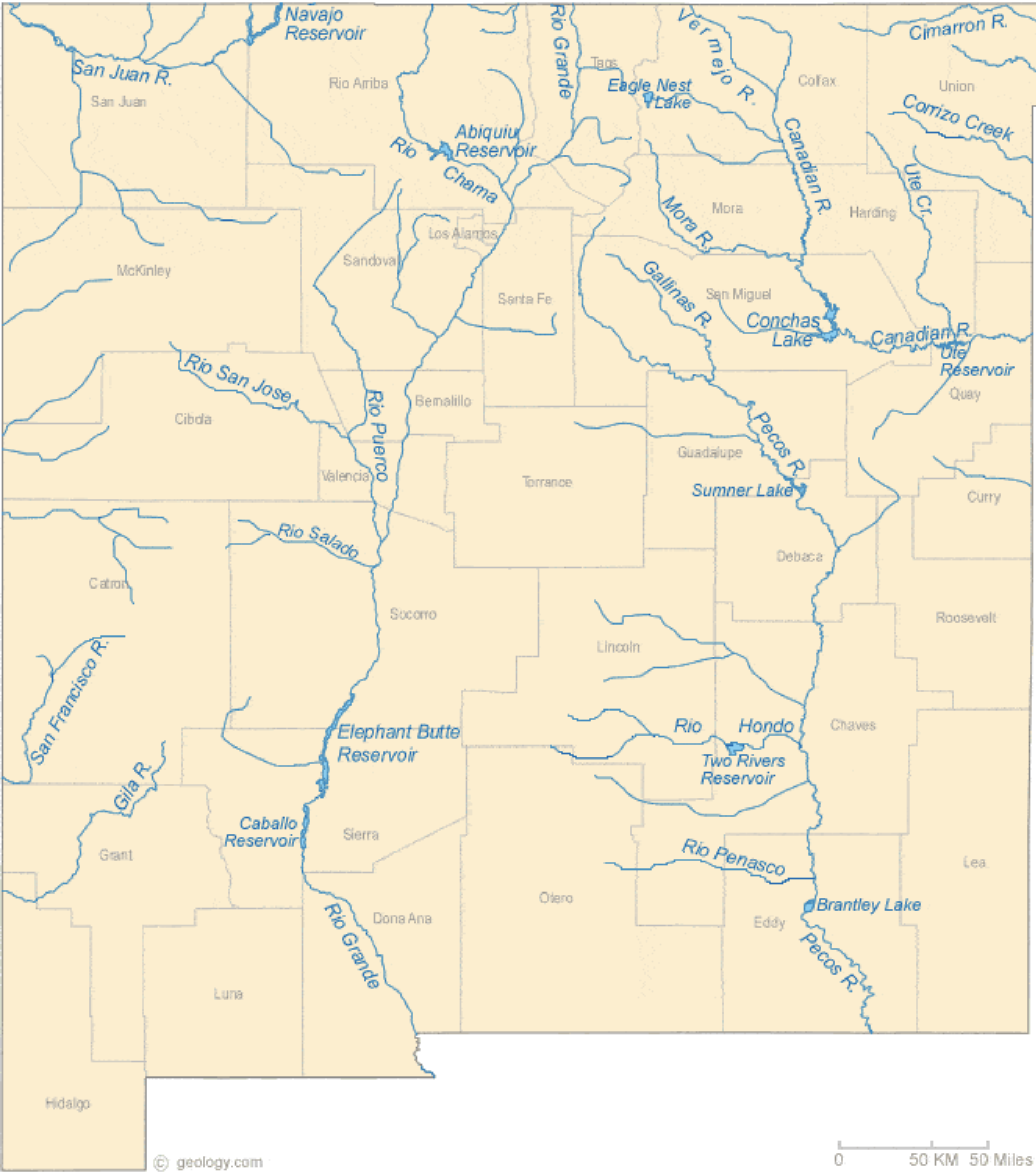
Accidentally dumping 8,000 cubic feet per second into a river channel that hasn’t seen that much water since 1985 is a big deal. The gage data suggests the river level rose four feet basically instantaneously.
I’ve been thinking a lot lately about the stuff the federal government does in water management in the United States that we used to be able to take for granted, like, for example safely operate the dams.
We all love to complain about the federal government’s water management work, but the complaints are based on narrow questions and presume a broad societal consensus that there’s a bunch of stuff the federal government can be reliably counted on to do while we argue over details. Reclamation and the Corps are gonna operate the dams, for example. The details we argue about are at important margins, but they’re at the margins, based on the presumption that the basic stuff will get done.
Like, for example, spending the money that Congress approved to help us manage shortages in the Colorado River Basin. Which money has now been yanked out from under us by the autocrats who think they know better, as Alex Hager reported yesterday.

I have no idea what happened at Cochiti Dam yesterday, whether the person who made the “procedural error” was new because the old timer who knows how to run the dam took the early buyout and bailed. But I do know that is exactly the “what if” scenario I was gonna lay out in a blog post that’s been percolating in my head about this question of how we in the West go forward in water management when the federal government suddenly becomes an unreliable partner.
I am not saying this because complaining about the stunningly arrogant idiots crashing through the federal government right now is great clickbait. I’m tired of all the angry clickbait, frankly, which is why I hadn’t written the blog post until today.
My point here is a serious question, not a rhetorical one: What would it mean for us in Western water management if the federal government becomes an unreliable partner? What must we do to prepare? What does that even look like?