Mrs. Gulch’s landscape June 8, 2025.

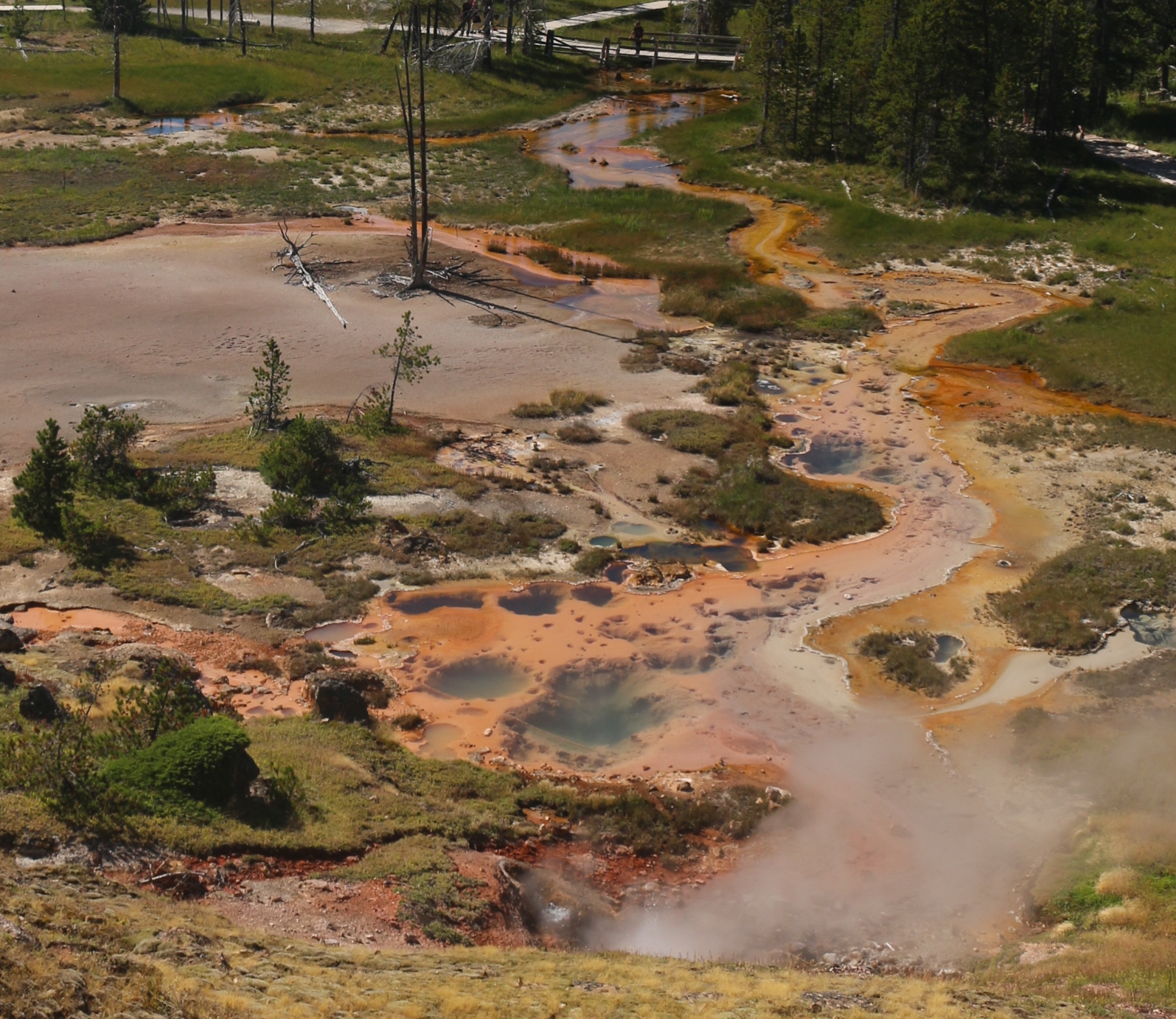
Click the link to read the article on the Cowboy State Daily website (David Madison). Here’s an excerpt:
June 3, 2025
A new U.S. Geological Survey study identifies Wyoming’s western border as part of a massive geothermal reserve. Geologists say it could be tapped to generate electricity equal to 10% of America’s current power supply.
A new federal assessment identified Wyoming as part of a massive underground geothermal energy resource that could generate electricity equal to 10% of America’s current power supply…A May U.S. Geological Survey’s report on geothermal systems in the Great Basin found that the arid lands of Nevada and adjoining parts of California, Oregon, Idaho, Utah and a sliver of Wyoming’s western border with Idaho contain enough geothermal energy to generate 135 gigawatts of electricity from the upper 6 kilometers of the Earth’s crust. The assessment spotlights the potential for a dramatic increase in geothermal electricity production, which now provides less than 1% of the nation’s power supply. However, realizing this potential depends on widespread deployment of enhanced geothermal systems technology.
“USGS assessments of energy resources are about the future,” said Sarah Ryker, acting director of the USGS. “We focus on undiscovered resources that have yet to be fully explored, let alone developed.”
Enhanced geothermal systems involve engineers creating open fractures in impermeable rock, allowing water to circulate and extract heat to generate electricity…With the recent findings from the USGS, the current focus is on enhanced geothermal systems, which makes geothermal electricity generation possible in more places…That’s where fracking technology from the oil and gas industry comes in, which Wyoming knows well.
“We call it hydraulic stimulation. And oil and gas, they call it fracking. It’s the same physics, but it’s a different process,” Podgorney said.
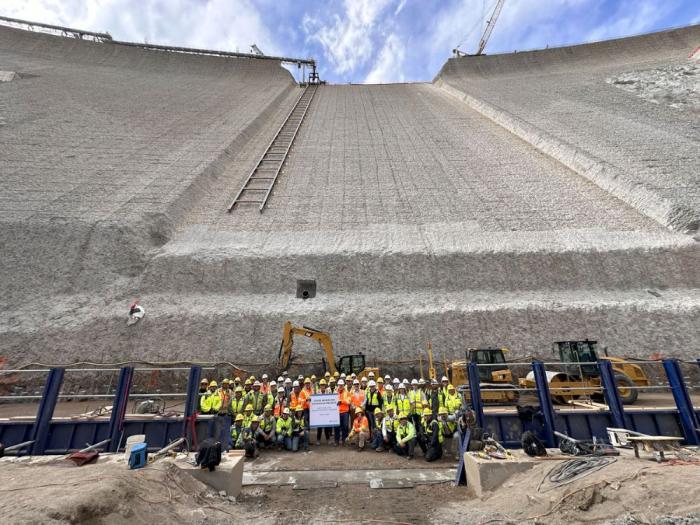
Click the link to read the article on the Colorado Politics website (Michael Karik). Here’s an excerpt:
Although she stood by her prior determination that the project permit was unlawful, a federal judge last week decided construction on a major Denver Water infrastructure project should continue for safety reasons…Earlier this spring, U.S. District Court Senior Judge Christine M. Arguello found that, as a result of federal law violations, the expansion of Gross Reservoir and Dam should cease permanently and any further construction on the ongoing project would stop temporarily. The pause on construction, Arguello explained, would give her time to hear from engineers and determine what work would need to occur to make the dam safe…
However, on May 29, Arguello retreated from her prior bellicose tone.
“There is a risk of environmental injury and loss of human life if dam construction is halted for another two years while Denver Water re-designs the structure of the dam,” she wrote in her latest order. “Furthermore, the evidence shows that enjoining dam construction would harm Denver Water and the general public by requiring Denver Water to lay off much of its specialized workforce (which also harms those workers), as well as interfere with Denver Water’s contracts with contractors supplying materials and labor for the Project, which in turn, would significantly increase the costs.”

Click the link to read the article on the Westword website (J.B. Ruhl). Here’s an excerpt:
June 8, 2025
Getting federal approval for permits to build bridges, wind farms, highways and other major infrastructure projects has long been a complicated and time-consuming process. Despite growing calls from both parties for Congress and federal agencies to reform that process, there had been few significant revisions – until now. In one fell swoop, the U.S. Supreme Court has changed a big part of the game. Whether the effects are good or bad depends on the viewer’s perspective. Either way, there is a new interpretation in place for the law that is the centerpiece of the debate about permitting: the National Environmental Policy Act of 1969, known as NEPA…
Decades of litigation about the scope of indirect effects have widened the required evaluation. As I explain it to my students, that logical and legal progression is reminiscent of the popular children’s book If You Give a Mouse a Cookie, in which granting a request for a cookie triggers a seemingly endless series of further requests – for a glass of milk, a napkin and so on. For the highway example, the arguments went, even if the agency properly assessed the pollution from the cars, it also had to consider the new subdivisions, malls and jobs the new highway foreseeably could induce. The challenge for federal agencies was knowing how much of that potentially limitless series of indirect effects the courts would require them to evaluate.
