

Click the link to read the release on The Nature Conservancy website (Claire Cornell):
November 3, 2026
The Nature Conservancy (TNC) in Utah with other partners of the Great Salt Lake Sentinel Landscape announced today an award of $8.2 million in federal funding from the USDA Natural Resources Conservation Service (NRCS) to launch the Great Salt Lake Agricultural Easement Program, the first effort of its kind in Utah. A win-win solution for agricultural producers and Great Salt Lake, the program seeks to sustain working farms, ensure that agricultural return flows reach Great Salt Lake, and strengthen economic and ecological resiliency across the Great Salt Lake watershed. Project partners are providing a required non-federal match of $8.6 million, for a total investment of $16.8 million in agricultural preservation, watershed health and community resilience.
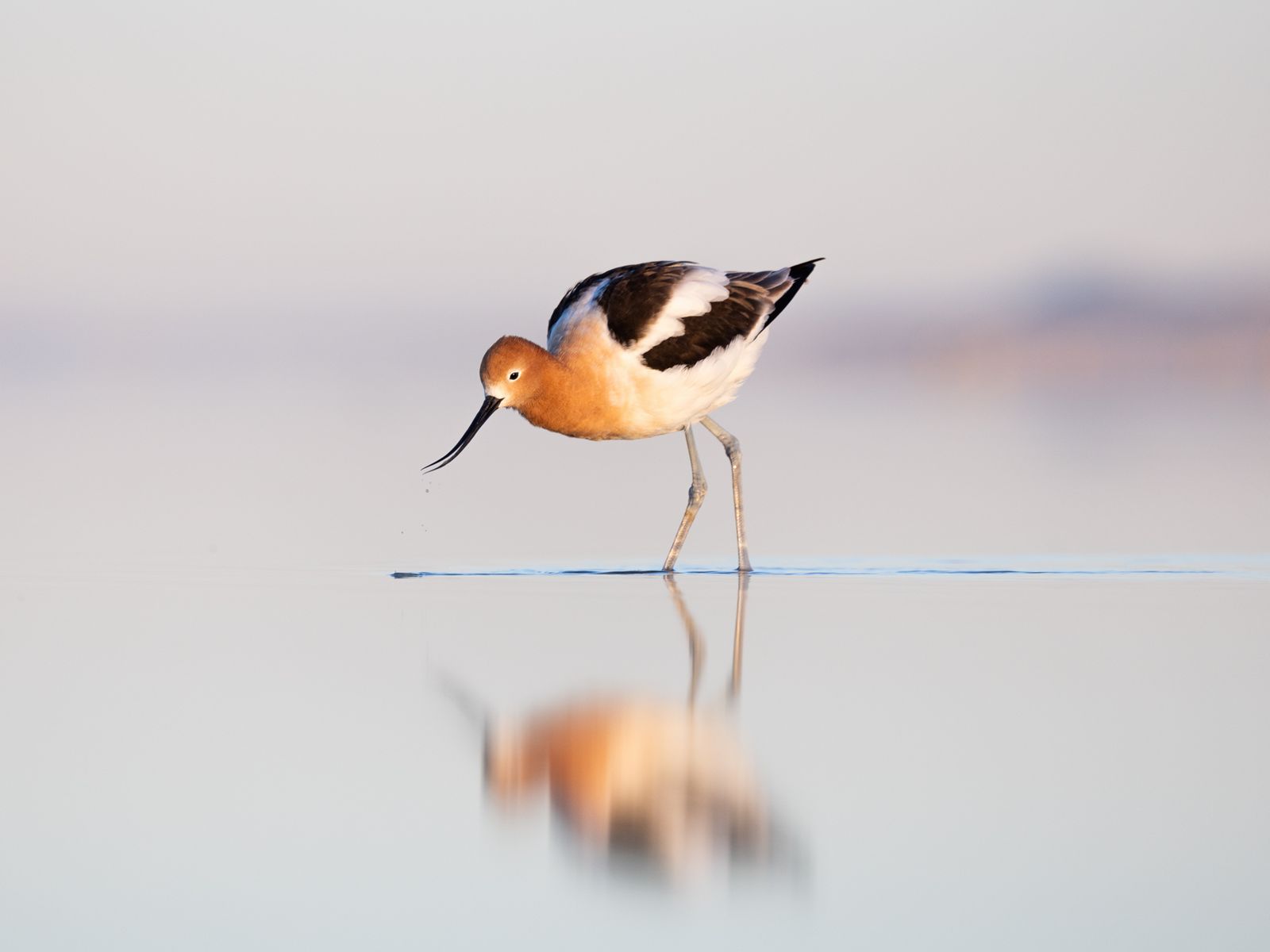
Working with partners and producers, the program will identify farm-specific water conservation actions while supporting long-term production amid increasing pressure to convert agricultural lands. By focusing on lands with high conservation value, the program will help preserve vital wetland habitat created by agricultural return flows that support some 12 million migratory birds every year.
he Nature Conservancy (TNC) in Utah with other partners of the Great Salt Lake Sentinel Landscape announced today an award of $8.2 million in federal funding from the USDA Natural Resources Conservation Service (NRCS) to launch the Great Salt Lake Agricultural Easement Program, the first effort of its kind in Utah. A win-win solution for agricultural producers and Great Salt Lake, the program seeks to sustain working farms, ensure that agricultural return flows reach Great Salt Lake, and strengthen economic and ecological resiliency across the Great Salt Lake watershed. Project partners are providing a required non-federal match of $8.6 million, for a total investment of $16.8 million in agricultural preservation, watershed health and community resilience.
Working with partners and producers, the program will identify farm-specific water conservation actions while supporting long-term production amid increasing pressure to convert agricultural lands. By focusing on lands with high conservation value, the program will help preserve vital wetland habitat created by agricultural return flows that support some 12 million migratory birds every year.
To implement this innovative program, TNC will collaborate with other Great Salt Lake Sentinel Landscape partners across the region. These partners include the Great Salt Lake Watershed Enhancement Trust, National Audubon Society, Ducks Unlimited, Bear River Land Conservancy, Utah Department of Agriculture and Food, Office of the Great Salt Lake Commissioner and Utah State University.
“Protecting Great Salt Lake requires collaboration at an unprecedented scale, and this program is only possible because of the extraordinary commitment of many dedicated partners,” said Danna Baxley, TNC’s water and agricultural strategy director in Utah. “Together, we have assembled one of the largest and most diverse partnerships focused on delivering water to the lake. This funding will allow us to pilot a new approach, learn from producers and continue working toward solutions that demonstrate how agriculture and Great Salt Lake can thrive together.”
The Great Salt Lake Sentinel Landscape focuses on enhancing military readiness and national security through nature-based solutions, such as safeguarding agricultural land around Utah’s military installations to preserve critical open space buffers for testing and training. The Great Salt Lake Sentinel Landscape also supports securing water for Great Salt Lake to conserve vital wildlife habitat and mitigate hazardous dust events that threaten community health and disrupt military operations.
By pairing agricultural land protection with farm-specific water management, this pilot has the potential to become a model for other Western watersheds where agricultural production and water security align to provide significant benefits to lakes, rivers and wildlife as well as agricultural producers and local communities.
“Keeping agricultural lands in production is essential to the long-term resilience of the landscapes we all depend on,” said Travis Mote, Acting State Conservationist for the USDA Natural Resources Conservation Service. “This project is a demonstration of how the Regional Conservation Partnership Program promotes strategic partnerships to turn shared priorities into lasting conservation benefits for Utah’s farm families and future generations.”