Click the link to read the article from the Inside Climate News website (Bob Berwyn). An oldie but a goodie:
December 3, 2024
With few signs that 30 years of United Nations climate talks have significantly slowed the pace of the greenhouse gas emissions warming the climate, calls to revamp the negotiations have grown louder, and some experts say a stronger push for gender equity could be a key first step toward better outcomes.
Many ideas for reforming the Conference of the Parties (COP), the United Nations Framework Convention on Climate Change’s annual meetings—for instance instituting voting instead of consensus decisions or changing the way host countries are selected—would require agreement from nearly 200 member nations, and are thus seen as unrealistic.
But the member states have already committed to improving gender equity in a series of previous decisions, so focusing on this effort, and on expanding feminist values within the UNFCCC more broadly, could be a promising path toward reform, according to some climate policy experts.
There’s little doubt about the gender imbalance in the annual talks. As last year’s COP28 in Dubai ended, conference organizers released an image of about 50 men and no women to promote the talk’s final agreement. And a few months later, as planning for COP29 in Baku began in January 2024, the government of Azerbaijan announced an all-male, 28-member leadership team. The government quickly added several women after facing scathing criticism for the original lineup.
Despite the quick response by the COP29 organizers, the apparent complete lack of gender awareness as planning began for the conference, as well as the all-male image from Dubai, illustrate current inequities, said Jennie Stephens, an activist and professor of climate justice at Maynooth University’s ICARUS Climate Research Centre in Ireland.
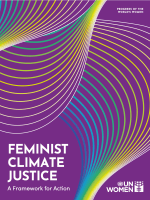
The feminist vision for climate justice is of a world with full human rights for everyone, free of discrimination, with people flourishing on a healthy and sustainable planet, according to a 2023 report by UN Women, a United Nations expert group.
Making that vision real requires shifting economic and social policies “away from pursuit of growth at any cost and profits for the few,” the report states. In that transformation, “Care comes to the front and centre, raising the question of how societies can collectively organize care for people and the planet,” the report added.
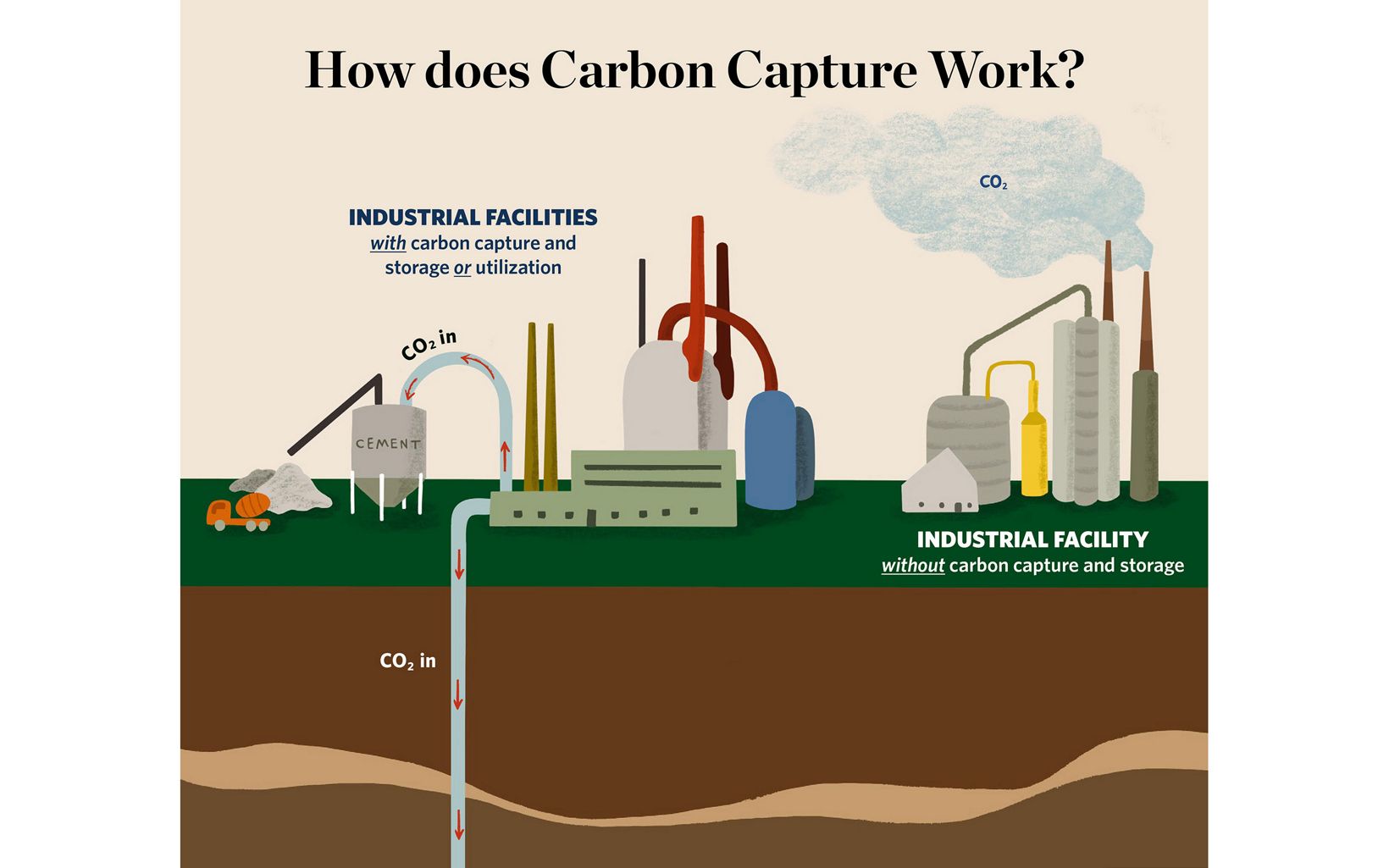
By contrast, Stephens said the UNFCCC’s current approach relies on a belief that dealing with the climate crisis requires technological solutions shaped by masculine world views of control, like carbon capture or geoengineering. She noted that such ideas are most strongly promoted by authoritarian, patriarchal countries like Saudi Arabia, which has been documented as consistently blocking progress on climate action for the past 30 years. [ed. emphasis mine]
UNFCCC officials were not available for an interview in time for this story, but in response to a request for comment pointed to numerous recent initiatives, including in-session workshops aimed at implementing the organization’s gender action plan in real time, and high-level gender-focused events at COP29 and previous conferences, all of which have narrowed, but not closed the gender gap.