Energy policy — nuclear: Cotter, Corp. wants to stop testing inactive leaky and toxic impoundment pond

lincolnparksuperfund.jpg

From the Cañon City Daily Record (Rachel Alexander):

“As you are aware, the pool of water in the impoundment has diminished by evaporation to the extent that only the addition of base material has maintained the pool and consequently the head,” [Radiation Safety Officer Jim Cain] said in the letter. “In addition, introduction of base material to the pool has become inefficient and we have no means to improve the delivery.”

Steve Tarlton, of CDPHE, said the pH monitoring was necessary when the pond was in active use, but it is no longer operating. “Since they started dewatering the ponds, maintaining the pH is not critical,” he said. “The pH issue has gone away. We don’t want them to add water to the pond if they don’t have to. It makes sense to stop monitoring.”

CDPHE officials are looking at the monitoring issue in conjunction with the company’s dewatering plan and they expect to make a decision in the next few weeks.

More Lincoln Park/Cotter Mill superfund site coverage here and here.

Energy policy — nuclear: Lincoln Park/Cotter Mill superfund site cleanup focusing on groundwater pollution with an eye towards discontinuing pumping

cottercontamination.jpg

From The Pueblo Chieftain (Tracy Harmon):

A top priority, according to Mill Manager John Hamrick, is to move away from having to pump contaminated groundwater that slips past a failed treatment wall and is then moved back onto the mill property. The site is called the dam-to-ditch area which is located between an earthen dam and an irrigation ditch which divides the mill property from the Lincoln Park neighborhood. “We’re investigating the best way to clean it up so the goal will be to eventually quit pumping. It is a small area and the plume is small there but the concentrations (of uranium and molybdenum) have remained the same — they are just sitting there,” Hamrick said. On Monday, Cotter officials notified the state public health department that they have a plan to clean up the dam-to-ditch site…

Cotter officials also are delving into the presence of TCE in groundwater underneath the mill. TCE stands for trichloroethylene and it was first detected in October 2010. “We are investigating the nature and extent of the TCE groundwater plume. There are a couple of things that are puzzling about its presence and we are not even sure the contamination is ours,” Hamrick said. Cotter officials also seek to stop pH testing in the primary waste impoundment. State health officials have ordered Cotter to neutralize the pH level in the impoundment but that requires the injection of a liquid containing lime. “That is going against another order we have to dry out the impoundment,” Hamrick explained…

The tailings pond currently is used as a site to dispose of the old mill buildings that are being dismantled. Also, some old, leftover process liquids, such as kerosene, are being mixed with an absorbent and placed into the impoundment in a dry form, Hamrick said, so keeping the drying-out process going is difficult when liquid containing lime has to be injected into the impoundment.

More Lincoln Park/Cotter Mill superfund site coverage here and here.

Energy policy — nuclear: Cotter, Corp. wants to stop testing leaky and toxic impoundment pond

lincolnparksuperfund.jpg

From the Associated Press via The Colorado Springs Gazette:

Cotter is in the process of dismantling its shuttered uranium mill, located south of the Arkansas River near Cañon City.

A makeshift row of wooden pallets leading into the viscous impoundment has sunk into muck, and “it is now unsafe to measure the pH of the pool,” Cotter’s environment coordinator, Jim Cain, said in a July 25 letter to the Colorado Department of Public Health and Environment.

Cotter, a subsidiary of San Diego-based defense contractor General Atomics, also notified department regulators that the company will pursue a lower-cost, passive approach to investigating a recently discovered plume of the industrial solvent trichloroethene. According to Cotter documents, TCE was detected in groundwater at levels exceeding federal health limits and has spread to at least one off-site well.

Public health department officials on Wednesday still were considering Cotter’s request to suspend testing, “but it seems like a reasonable request,” department radiation control unit manager Steve Tarlton said. He also said Cotter’s proposed passive approach to investigating TCE contamination is “a good approach,” although future testing and remediation may be necessary.

More Lincoln Park/Cotter Mill superfund site coverage here and here.

Energy policy — nuclear: Colorado and Cotter, Corp don’t agree on cleanup at the Schwartzwalder Mine in the Ralston Creek watershed

A picture named uranium.jpg

From The Denver Post (Bruce Finley):

Cotter has filed a lawsuit challenging the state order…

State mining regulators “continue to coordinate closely with CDPHE in reviewing and monitoring on-site activities, as well as ensuring environmental protections are in place to protect drinking water supplies,” Pineda said. “Cotter has submitted a proposal to install a bypass that would divert ground and surface water around the mine, and the company is continuing to provide DRMS with information needed to fully review this proposal.”

A picture named cottercontamination.jpg

Meanwhile, Cotter has received permission to use an impoundment pond that the state of Colorado claims leaks, according to a report from Bruce Finley writing for The Denver Post. Here’s an excerpt:

The tailings impoundment at Cotter is about 157 acres and includes two retention areas. One is closed and contains about 2 million cubic yards of material. The second area is open and receiving materials related to the mill demolition, including the 90,000 gallons of sludge. It contains about 2 million cubic yards of material and is about half full, according to the health department. Cotter’s vice president for milling operations, John Hamrick, said the sludge is about 95 percent kerosene, used to process uranium. Before the sludge is moved to the impoundment, it will be mixed with another material. “It’s like kitty litter,” Hamrick said Monday. “It becomes a solid.”

Eventually, new sludge and solvents dumped into the leaky impoundment will be neutralized, health department spokeswoman Jeannine Natterman said. “More contamination is not going into that (Cañon City) area.” Hamrick said Cotter disputes the health department’s assessment of the impoundment. “We disagree with the state, that the impoundments are leaking,” he said…

Toxic plumes have been detected moving underground toward Cañon City and the Arkansas River. Most recently, officials disclosed that the cancer-causing chemical trichloroethylene has been detected in groundwater at concentrations up to 360 times federal health limits.
“It has been confirmed that no trichlroethylene has gotten into Lincoln Park (neighborhood in Cañon City),” Natterman said. Cotter officials “are still poking holes, taking samples” to characterize that plume, she said. “Cotter is responsible for all the sampling and analysis. All data have to be quality-controlled by us.”

More Schwartzwalder mine coverage here. More nuclear coverage here and here.

Energy policy — nuclear: Judge Roger Hyatt denies CDPHE and Cotter, Corp’s motion to dismiss lawsuit over Lincoln Park/Cotter Mill superfund site cleanup

A picture named cottercontamination.jpg

From the Colorado Independent (David O. Williams):

Colorado Citizens Against ToxicWaste (CCAT) filed a lawsuit last year trying to get the state to compel Cotter Corp. to establish an aggressive cleanup plan at the EPA Superfund site and provide twice as much in financial assurance to back the project.

The Colorado Department of Public Health and Environment (CDPHE) and Cotter both asked the court to dismiss the case, questioning CCAT’s legal standing. On Friday, District Court Judge Robert Hyatt rejected that motion.

“After considering all of Plaintiffs allegations in the complaint to be true this Court finds a sufficient showing that the Plaintiff is entitled to relief and the Motion to Dismiss under Rule 12(b)(5) is DENIED,” District Court Judge Robert Hyatt wrote.

“Instead of telling us that we don’t have an interest in the radioactive contamination of our water and air, the department ought to be working with the public to protect our environment and health. It is regrettable that CDPHE has taken Cotter’s side to keep Colorado citizens out of the decision process,” said Sharyn Cunningham, a CCAT co-chair whose own well water was contaminated by the Cotter Mill.

More coverage from Tracy Harmon writing for The Pueblo Chieftain. From the article:

Cotter Corp. has agreed to increase the cleanup bond to $20.8 million from $14.7 million this month to cover the cost of decommissioning the entire mill when it closes. The state estimates the cleanup will cost about $43.7 million, while Cotter estimates it would be $23.2 million.

More nuclear coverage here and here.

Lincoln Park/Cotter Mill superfund site update: Trichloroethene is spreading in the groundwater around the site

A picture named cottercontamination.jpg

From KRDO.com (Joe Dominguez):

It was reportedly found in tests taken at the Shadow Hills Golf Course late last year but just reported to Colorado’s Department of Public Health and Environment. Cotter had been negotiating for the past few years with state health department officials on how to deal with contaminated ground water. That contamination was uranium found decades earlier. Some residents believe it’s time for someone else to take over…

“I think it’s going to take the federal government because it’s such a big mess,” said [Ethan McClaugherty]…

The main argument between the state and Cotter leaders that has slowed down the plan is how to deal with cleaning up contamination. Cotter wants to use a slower less expensive method while RAP leaders suggest cycling that contaminated water through pumps and machines and putting it back into the ground. This new development could delay those negotiations again. Cotter will now have to do more tests on ground water to determine how widespread the TCE problem is and where it is originating from. No timetable has been set for how long Cotter has to get those answers for the state.

More Lincoln Park/Cotter Mill superfund site coverage here.

Lincoln Park/Cotter Mill superfund site update: Trichloroethene is spreading in the groundwater around the site

A picture named lincolnparksuperfund.jpg

From The Denver Post (Bruce Finley):

State regulators Friday confirmed [trichloroethene] in the toxic and radioactive waste from the mill, adjacent to Cañon City, and said they’ve asked Cotter to investigate. “It’s in the groundwater. It’s not in the public drinking water supply that we know of,” said Jeanine Natterman, a spokeswoman for the Colorado Department of Public Health and Environment.

Cañon City’s 16,000 residents, many of whose wells already are tainted, received no notification. “Nothing surprises me anymore,” because the plant “is like an octopus with 20 arms,” said Sharyn Cunningham, 64, who lives 1 1/2 miles away and co-chairs Colorado Citizens Against Toxic Waste.

More Lincoln Park/Cotter Mill superfund site coverage here.

Energy policy — nuclear: Colorado Citizens Against Toxic Waste file amended lawsuit against Cotter Corp over Lincoln Park/Cotter Mill superfund site

A picture named cottercontamination.jpg

From The Pueblo Chieftain (Tracy Harmon):

An amended complaint was filed in Denver District Court Friday by attorneys Travis Stills of the Energy Minerals Law Center in Durango and Jeffrey Parsons with the Western Mining Action Project in Lyons, on behalf of Colorado Citizens Against Toxic Waste. The defendants are the state health department and Steve Tarlton in his capacity as manager of the state’s radiation control program, plus Cotter Corp. also is listed as a party.

Because Colorado radiation regulations require a decommissioning funding plan that outlines a cost estimate for closing the mill, Cotter and state officials have been working since 2009 to try to pin down an updated cost estimate. However, the lawsuit alleges the bond remains inadequate despite the fact that Cotter Corp. has agreed to up the bond from $14.7 million to $20.8 million by June of this year to cover cost of decommissioning the entire mill when it closes. The state estimated cleanup will cost about $43.7 million while Cotter estimated it would be $23.2 million. On Dec. 15, the state health officials agreed to leave the bond at $20.8 million despite public comment that urged it should be $53 million. “We would like to see them (Cotter Corp.) post the entire $43.7 million at least. It is a federal program the state is implementing and adding a 25 percent contingency (an additional $10.9 million) is standard,” Parsons said. “Both the bonding amount and the way it is calculated are serious problems because they are the first line of defense for the taxpayers of Colorado…

The suit also alleges that decommission work on the old mill is being done without benefit of any kind of updated decommissioning plan since the last plan was inked in 2005. Parsons said there is no current decommissioning plan, final closure plan or reclamation plan. “That is the huge elephant in the room, they (Cotter) are demolishing old buildings, old tanks and putting them in the tailings impoundments and what is going to happen with the tailings impoundment? Currently, they are pumping back contaminated water to adjust for leaking.

More coverage from Bruce Finley writing for The Denver Post. From the article:

The lawsuit filed in Denver District Court alleges that recent dismantling activity at Cotter’s Cañon City mill is being done without a required plan, presenting a public-health risk as toxic and radioactive waste is dumped into a waste-storage pond. “We have frequent high winds here. I always worry,” said Cañon City resident Sharyn Cunningham, leader of Colorado Citizens Against Toxic Waste. “We’d like an opportunity to weigh in.”[…]

The lawsuit also contends a plume of toxic groundwater contamination from the mill property — identified in 2008 — is flowing unchecked toward the heart of Cañon City and the Arkansas River…

Cotter president Amory Quinn said the lawsuit “doesn’t have anything to do with us” and confirmed that Cotter is dismantling old structures. He said Cotter hopes to move forward with plans to re-engineer and reopen the mill. The health department’s recent approval of a permit for another company to build a uranium mill in southwestern Colorado should have no effect on Cotter’s plans, Quinn said. “We have done millions of dollars’ worth of remedial work in the past few years, and we are going to continue until it is complete,” he said.

More nuclear coverage here and here.

CDC: Don’t drink the water near the Lincoln Park/Cotter Mill superfund site

A picture named lincolnparksuperfund.jpg

From The Pueblo Chieftain (Tracy Harmon):

Members of Colorado Citizens Against Toxic Waste voiced disappointment in a recent health assessment relating to exposure to Cotter Uranium Mill contamination…

The study found that long-term ingestion of contaminated private well water may have put some people in the Lincoln Park neighborhood adjacent to the mill at risk for health problems. Most neighborhood residents use the public water supply and are not exposed to the contaminant, according to the report. “I’m disappointed that the agency ignored our local doctors’ request,” said Carol Dunn, co-chair of Colorado Citizen Against Toxic Waste. “Instead of recommending a study of real people with real health problems, they studied the Cotter Mill’s self-sampling data to see if there was a risk to our health…

The agency will host two open houses to present findings from noon to 2 p.m. and 7 to 9 p.m. Sept. 23 at the Holy Cross Abbey, 2951 E. U.S. 50. Written public comment on the report will be accepted until Nov. 9.

More nuclear coverage here and here.

Energy policy — nuclear: Is Cotter, Corp. going to shutter the mill at the Lincoln Park/Cotter Mill superfund site?

A picture named cottercontamination.jpg

From the Cañon City Daily Record (Karen Lungu):

John Hamrick, vice president of Cotter mill operations, sent a letter to the director of Air and Toxics Technical Enforcement Program Office of Enforcement Compliance and Environmental Justice, dated July 23, stating, “On June, 30, 2010, Cotter Corporations (N.S.L.) submitted a letter to Mr. Steve Tarlton of the Hazardous Materials and Waste Management Division of Colorado Department of Public Health and Environment notifying him of a change in status of the Primary Impoundment at the Cañon City Milling Facility near Cañon City.” The letter stated that Cotter will “close both the primary and secondary impoundments as soon as reasonably achievable.” Hamrick goes on to say the Cañon City milling facility began dismantling structures and facilities no longer considered useful to the CCMF. The company no longer will carry out radon flux testing, Hamrick said, at the primary impoundment, because the primary impoundment no longer is an active facility that is subject to 40 CFR Part 61, Subpart W requirements.

Previously stating the mill would reopen, Cotter took local lawmakers by surprise when they told regulators it would discontinue testing for radon emissions at the site because it is no longer an active facility subject to regulation. The mill south of Cañon was designated a Superfund site in 1984, making Cotter responsible for continued monitoring of radon emissions at the milling facility, as well as neighboring Lincoln Park.

More Lincoln Park/Cotter Mill coverage here and here.

Energy policy — nuclear: Is Cotter, Corp. going to shutter the mill at the Lincoln Park/Cotter Mill superfund site?

A picture named cottercontamination.jpg

Cotter, Corp. has decided to permanently close the mill at the Lincoln Park/Cotter Mill superfund site. Here’s a report from Bruce Finley writing for The Denver Post. From the article:

Cotter Corp. has informed regulators it will close two toxic-waste impoundment ponds at the mill “as soon as reasonably achievable,” according to a letter Cotter sent to the U.S. Environmental Protection Agency. Cotter, which had previously said the mill would be reopened, now has told state regulators it will stop testing for radon emissions at the site because it is “no longer an active facility” subject to regulation.

The apparent reversal, and Cotter’s decision to stop testing for radon emissions, caught local leaders by surprise. The site has been designated a polluted Superfund site and Cotter has been responsible for monitoring to make sure cancer- causing radon was not escaping the facility.

Fremont County Commissioner Mike Stiehl questioned whether Cotter can stop tests. “That
doesn’t sound right to me.”

More coverage from Tracy Harmon writing for The Pueblo Chieftain. From the article:

“They are working toward closing the impoundments and have been dewatering (drying out) the impoundments for years,” said Jeannine Natterman, public information officer for the Colorado Department of Health. “They have not officially notified us they are closing the (entire) facility.”[…]

Manager John Hamrick said the company will close both the primary and secondary waste impoundments, “as soon as reasonably achievable.” The letter goes on to indicate that radon testing will not be carried out on the primary impoundment this year and in subsequent years because it is no longer an active impoundment. “They have planned to close the impoundments all along and they have been taking old structures down. What the letter means is that they are close to permanently capping the impoundments,” Natterman explained. “Even once capped, the primary impoundment can be used for new, more contemporary operations because it would not have the same material going in. If it is appropriately capped and appropriate materials are used for the cap, the primary impoundment could be used again,” Natterman said.

More nuclear coverage here and here.

Energy policy — nuclear: Governor Ritter inks the deal on HB 10-1348 (Increase Oversight Radioactive Materials)

A picture named cottercontamination

Update: Here’s a report from Rachel Alexander writing for The Cañon City Daily Record. From the article:

[Governor Ritter] signed the bill at the Whitewater & Kayak Recreation Park as the river roared behind him. “You’re going to be impacted by how we approach uranium milling and how we approach uranium permitting,” he said. The bill was sponsored by Sens. Ken Kester, Bob Bacon and Rep. Buffie McFadyen.

The law requires uranium processors to comply with clean-up orders before new applications are processed, strengthen public oversight of bonding requirements; require processors to inform residents about threats to their water if they have registered wells in close proximity to known groundwater contamination; and require processors to amend their operating license before accepting new sources of “alternate feeds.”

“Nobody thinks uranium is an inherently evil thing, it’s just evil if you lose stewardship of it,” Ritter said. “We believed it was the right thing to move this forward.”

Governor Ritter signed the bill that Cotter Corp claims will prevent them from generating the revenue to fund the cleanup of the Lincoln Park/Cotter Mill superfund site near Cañon City. Here’s a report from Bruce Finley writing for The Denver Post. From the article:

“This just gives us a better hold on the milling process,” Ritter said before signing the bill, a bipartisan measure sponsored by Rep. Buffie McFadyen, and Sens. Ken Kester and Bob Bacon.

Greenwood Village based Cotter Corp. operates the mill that became a Superfund cleanup site in 1984. During the statehouse battle over the law, Cotter vice president John Hamrick said the legislation would kill Cotter’s proposed project to refurbish the mill and haul 12.5 million tons of uranium ore from New Mexico for processing. Hamrick on Tuesday declined to comment on the status on any future project. But Hamrick said Cotter is now planning to do research at the mill if the Colorado Department of Public Health and Environment approves.

More coverage from Patrick Malone writing for The Pueblo Chieftain. From the article:

“We should think not about ourselves, but about the generations to come” when it comes to protecting the environment, Ritter said. “It’s incumbent on us to turn this state over to the generation after us and the one that follows in a better way than we found it.”

Under HB1348, Cotter can’t gain permits to expand its operation without first mitigating contamination that already exists. It also must notify residents where groundwater contamination exists of its progress in addressing the problem. The bill also requires Cotter to carry a higher bond that would be sufficient to conduct cleanup efforts. If the mill were to close, the cleanup would be the state’s responsibility, like so many other decommissioned uranium-processing sites throughout the state…

During the past decade, Cotter has been cited about 100 times for environmental violations, but they have been markedly less frequent during the past five years, when a wholesale change of its management team took place. Cotter officials have said the bill hamstrings their intention to take on new materials from Mount Taylor in New Mexico, which would provide the revenue necessary to construct and update an environmentally sound mill.

But residents of Canon City have been fighting for years to get Cotter to clean up the contaminated plumes of groundwater that have been identified. To date, Cotter has chosen to let it dissipate naturally, which could take decades, stretching into centuries.

For the past eight years, Colorado Citizens Against Toxic Waste has pushed for more aggressive measures from Cotter to address the pollution. Tuesday, they saw the fruit of their work. “It’s a culmination of years of paying attention to this site, seeing the problems and looking for solutions,” said Sharyn Cunningham, president of Colorado Citizens Against Toxic Waste. “This bill is the solution to the contamination problems here.”

Here’s the video of the signing from Governor Ritter’s office. Here’s the release (Evan Dreyer/Megan Castle):

Gov. Bill Ritter concluded a two-day, five-city tour of southern Colorado this afternoon, visiting the banks of the Arkansas River near the Royal Gorge to sign legislation that will protect waterways and communities by increasing oversight of uranium mills.

“We all want a safe environment for our families, our children and our communities,” Gov. Ritter said before signing House Bill 1348, a bipartisan measure sponsored by Rep. Buffie McFadyen and Sens. Ken Kester and Bob Bacon. “Future Coloradans will want to raft, kayak and fish this river, just as we’re able to do today. It’s up to us to make sure they get that opportunity. This bill will help make that happen.”

HB 1348 requires operators of uranium mills to comply with all clean-up orders before new state permits for expansion or restructuring of operations are processed. The bill also requires operators to inform residents about threats to their water if residents have wells in close proximity to known groundwater contamination.

“We heard Canon City residents testify that the poison from the uranium processing plant has been tainting groundwater for decades,” Rep. McFadyen said. “This bill simply requires uranium processors to clean up the old mess they’ve already made before accepting new materials that will create new waste. Having polluted groundwater harms the health and the economic development of the area. This bill sets the tone for the nation on what to do with uranium groundwater contamination.”

More 2010 Colorado legislation coverage here.

More nuclear coverage here and here.

Energy policy — nuclear: State Water Quality Control Division nukes Cotter plan for Schwartzwalder mine mitigation

A picture named uranium.jpg

From the Associated Press via CBS4Denver.com:

Cotter Corp. has submitted a plan to state mining regulators to reduce uranium levels in Ralston Creek from the closed Schwartzwalder Mine. The water flows into a reservoir that supplies some of Denver’s drinking water. The Water Quality Control Division of the state health department told mining regulators in a memo Monday that Cotter’s plan doesn’t reduce uranium in the water to acceptable levels…

The state Office of Mined Land Reclamation expects to decide by May 19 whether to approve or reject Cotter’s plan or seek more information.

Meanwhile here’s a look at HB 10-1348 and how it will impact Cotter’s plans for their mill in Cañon City from Marjorie Childress writing for the Colorado Independent. From the article:

A controversial plan to open an old uranium mine on Mt. Taylor near Grants, New Mexico, faces an obstacle in the new law passed by the Colorado legislature that forbids increased operations at uranium mills until the mill companies clean up sites contaminated in the past. The Cotter Uranium Mill, just a little over a mile south of Cañon City is owned by the same company that owns the Mt. Taylor mine and is the designated recipient of future Mt. Taylor uranium ore. Under the new law, which Colorado Gov. Bill Ritter has yet to sign, Cotter would not be able to accept the ore, at least not any time soon. “This is not unexpected,” John Hamrick, vice president of milling at Cotter, told the Cañon City Daily Record. “This bill will prevent us from processing the Mount Taylor ore.”

Click through and read the whole article — there is a lot of good detail.

More HB 10-1348 coverage from Matthew Beaudin writing for the Telluride Daily Planet. From the article:

The bill will essentially require companies to clean as they go, curtailing the toxic sites that dot the Western landscape and the towering cleanup costs that saddled taxpayers. (Colorado alone has shelled out more than $1 billion to cleanup the industry.) Last week, the Senate voted 24-9 in favor of the bill and the house later readopted the bill resoundingly, 60-3. Now, it waits for Ritter to vault it into law…

Hilary White, Sheep Mountain Alliance’s executive director, helped work on the measure and said Ritter will sign the bill “shortly.”[…]

Taxpayers have spent more than $950 million to clean up toxic pollution at past uranium milling operations located primarily on Colorado’s Western Slope, according to the U.S. Department of Energy. “It means that the bad actors in the uranium industry will not be allowed to operate if they are in violation of contaminating the environment,” White said. “It’s been shown time and time again that uranium companies just walk away from their messes.”[…]

Jeffrey Parsons, a senior attorney with the Western Mining Action Project, which supports the bill, said there’s no guarantee Cotter will be able to get ore from Mount Taylor, which is considered sacred land by as many as 30 Indian tribes. White said the measure will also increase bonding obligations for operators in hopes of stanching the costs of future cleanup. All told, the Naturita mill site cost $67 million to clean up and the Uravan site, designated a Superfund site, cost $120 million to clean, White said. Also according to Sheep Mountain, Energy Fuels, the company planning to build a mill in Paradox Valley, plans to put up $12 million in bonding. Bonding in general, she said, was “less than adequate.” “The industry is a mess and needs to be cleaned up,” she said.

More Schwartzwalder mine coverage here.

Energy policy — nuclear: HB 10-1348 (Increase Oversight Radioactive Materials) clears preliminary vote in the state senate

A picture named cottercontamination.jpg

From The Pueblo Chieftain (Patrick Malone):

The state Senate on Tuesday gave preliminary approval to a bill that would require Cotter uranium mill to clean up its pollution before taking on new jobs. Proponents of the bill contend Cotter has been poisoning the environment for decades and done little about it, while representatives of the company have said the proposed legislation would be a poison pill for its operation…

The House already has passed the bill, and a final vote on it in the Senate could come as soon as today.

More HB 10-1348 coverage here.

Energy policy — nuclear: HB 10-1348 (Increase Oversight Radioactive Materials) passes out of state Senate Business, Labor and Technology Committee

A picture named cottercontamination.jpg

From The Cañon City Daily Record (Rachel Alexander):

The Senate Business, Labor and Technology Committee passed the bill out on a vote of six to one. Matt Garrington, of Environment Colorado, one of the groups supporting the bill, said it could be taken to the floor as early as Monday.

More HB 10-1348 coverage here.

Energy policy — nuclear: HB 10-1348 gets state house approval moves on to the state senate

A picture named cottercontamination.jpg

Bump and update: From the Cañon City Daily Record (Rachel Alexander):

“Today’s vote is absolutely amazing,” said Matt Garrington, of Environment Colorado, which helped develop the bill. “Never before have we seen such strong bipartisan support on uranium legislation.”[…]

“Uranium processing has left behind a dirty, dangerous legacy in Colorado,” Garrington said. “Today, the Colorado House told the uranium industry that business as usual is not acceptable. This legislation is an important step to help protect Colorado’s air and water from toxic, radioactive uranium pollution.”

From The Pueblo Chieftain (Patrick Malone):

By a vote of 62-2, HB1348 sponsored by state Rep. Buffie McFadyen, D-Pueblo West, advanced. Its next stop will be a Senate committee…

Cotter officials testified before a House committee that the bill would be “a poison pill” for the plant, while Canon City residents testified that the poison from the uranium processing plant has been tainting groundwater there for decades. “I vehemently disagree that this would close the Cotter mill,” McFadyen said. “It doesn’t affect their current operation, and only requires them to clean up the mess they’ve made before accepting new waste they aren’t already permitted to process.”[…]

Under the bill, uranium processors would be required to clean up existing contamination before they are permitted to accept new materials, as Cotter has proposed to do beginning later this year. Company officials have said the expansion would create up to 100 jobs at the uranium processing site that now has 31 employees.

The bill also would require annual reports from processors to residents of areas near groundwater plumes of uranium contamination. They would include updated reports on the status of the contamination and the steps taken to address them. Another portion of the bill requires uranium processors to carry bonds sufficient to pay for cleanup of contamination, rather than saddling taxpayers with the cost.

From State Bill Colorado (Debi Brazzale):

House lawmakers agreed Monday that increased oversight to ensure groundwater is not contaminated from uranium processing is a good thing for Colorado’s water supply, and gave their final approval to House Bill 1348 before it moves to the Senate for consideration. The measure requires that prior to obtaining a license to begin or expand uranium processing operations, the applicant has to show that the existing site is not in violation of existing environmental or public health laws…

Republican Marsha Looper of Calhan told the committee that most of her district derives its water from groundwater, and said the measure is crucial to the state’s agriculture industry. “Water is a precious resource for our state. We need to do our utmost to protect this important resource,” said Looper. Looper went on to say that the processing of uranium ore has a terrible track record when it comes to groundwater contamination. According to Looper, Durango and Grand Junction are seeing increased levels of contamination decades after the uranium operations have ceased. Looper said she welcomes the additional accountability the measure would provide.

More HB 10-1348 coverage here.

Energy policy — nuclear: HB 10-1348 (Increase Oversight Radioactive Materials) passes out of House Transportation and Energy Committee

A picture named cottercontamination.jpg

From the Cañon City Daily Record (Rachel Alexander):

“We had amazing bipartisan support,” said Matt Garrington, of Environment Colorado, one of the groups that developed the bill. The bill also was developed by Colorado Citizens Against ToxicWaste. It is sponsored by Rep. Buffie McFadyen and Sen. Ken Kester.

Among those who testified for the bill were Fremont County Commissioner Mike Stiehl, CCAT co-founder Sharyn Cunningham and Gloria Stultz.

The bill now will go to the full House for debate and a vote. If it passes there it will go to the Senate committee.

More 2010 Colorado legislation coverage here. More nuclear coverage here and here.

Energy policy — nuclear: Supporters of HB 10-1348 (Increase Oversight Radioactive Materials) rally in Denver

A picture named cottercontamination.jpg

From the Colorado Independent (David O. Williams):

Proponents of the comparatively carbon-free nuclear power industry, including Colorado Sen. Mark Udall, maintain the state’s toxic past was born of ignorance about the dangers and new technology makes mining and processing much safer. State lawmakers clearly want more concrete assurances. “Our number one goal as a legislature should be public safety,” Rep. McFadyen said in a release. “This no nonsense legislation ensures toxic waste cleanup and the health of our citizens.”

HB 1348 would require uranium operators to clean up existing problems before applying for expansion permits; allow local governments, the public and other stakeholders to provide input during the Colorado Department of Putlic Health and Environment’s annual reviews of cleanup financing; require uranium companies to notify residents with water wells near groundwater contamination; and require state licensing when companies accept “alternate feed,” or toxic waste from industrial or medical operations.

“Actions have consequences, and uranium companies need to clean up their mess,” said Sen. Ken Kester, R-Las Animas, another sponsor of the bill.

More coverage from The Grand Junction Daily Sentinel (Charles Ashby):

Though the measure could affect one operating near Canon City, the planned Piñon Ridge mill 12 miles west of Naturita already would be required under existing laws to do much of what House Bill 1348 calls for, said George Glasier, president and CEO of Energy Fuels Inc., which is hoping to open the first uranium mill in the nation in 25 years.

Glasier said the measure, introduced by several southern Colorado lawmakers, is aimed at the Cotter Uranium Mill in Fremont County, which has been plagued with contamination problems since the late 1950s. The lawmakers said they introduced the measure to deal with long-standing concerns over cleanup of that mill, parts of which already are a federal Superfund cleanup site. The bill is aimed at existing mills that release radioactive material into the groundwater, requiring them not only to report how it is being cleaned up, but also ensuring they have set aside enough cash to pay for it, said Rep. Buffie McFadyen, D-Pueblo West, and the bill’s sponsor. It would bar mills from expanding operations until the contamination is removed, she said…

The bill would make it harder for Cotter to get the site cleaned and make it impossible for other sites, including ones not yet opened, to stay in business, [John Hamrick, Cotter’s vice president of milling] said. “The bill as written essentially will prevent uranium milling within the state because of language concerning release of materials,” Hamrick said. “If you have a shovel full of uranium ore and you dump it on the ground, at that point you have a release that would exceed standards. That’s a poison pill for uranium mills.”

More 2010 Colorado legislation coverage here. More nuclear coverage here and here.
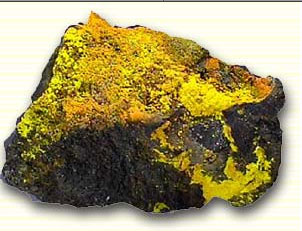
Energy policy — nuclear: HB 10-1348 (Increase Oversight Radioactive Materials) update

A picture named conventionaluraniummill.jpg

From the Telluride Daily Planet (Reilly Capps):

A new piece of legislation seeks to tighten up the application process and ensure that old mills are cleaned up before new ones are opened, and the Telluride Town Council came out in support of it yesterday. The Uranium Processing Accountability Act [HB 10-1348] (pdf) would apply most directly to the Cotter-owned mill near Cañon City, which first opened in 1958. It is still in the process of cleaning up contamination. The company applied to reopen the mill in 2001. If this bill passes, the Cotter Corp. couldn’t re-open the mill until all the clean-up has been completed…

The bill would also apply to the bonds that companies put up to pay for cleanup. When a mill starts operation, the company has to post a public bond that will pay for the cleanup. The proposed bill seeks to make sure that the public has a say in the size of the bond.

But Dianna Orf, a lobbyist for the Colorado Mining Association, said the legislation doesn’t make sense. “The implication I see is that if you can’t accept new material for processing, you can’t produce the revenue stream you need” to clean up the old site, Orf said. The Colorado Mining Association is not necessarily opposed to the legislation, said director Stuart Sanderson. But he said the state, and the country, would do well to support uranium production in general.

Here’s the fact sheet from the Colorado Environmental Coalition and an excerpt:

Uranium milling has a radioactive and toxic legacy in Colorado. Operations have polluted our air and water, devastated communities and public health, killed wildlife, and ruined our lands. In March 2009, Cotter announced plans to reopen its Canon City mill, even though it’s still an E.P.A. superfund site and has other outstanding violations. The first new uranium mill in the U.S. in 25 years is being considered in the Paradox Valley of Western Colorado to mill ore pulled from the public lands in Colorado’s red rock canyon country surrounding the Dolores River. We must learn from our past mistakes and update state law to match modern standards. The Uranium Processing Accountability Act would require any uranium processing facility to clean up its toxic mess before applying for new or expanding operations. This ensures scarce state resources will be allocated for the clean-up of existing problems.

More 2010 Colorado legislation coverage here. More nuclear coverage here.

Energy policy — nuclear: Colorado Citizens Against Toxic Waste and other state conservation groups hope for 2010 legislation to clean up the Lincoln Park/Cotter Mill superfund site

A picture named lincolnparksuperfund.jpg

From The Pueblo Chieftain (Tracy Harmon):

Jeff Parsons of the Western Mining Action Project said he believes Colorado taxpayers should not foot the bill for cleanup of “bad uranium operations.” “It is common sense to require all uranium operations to clean up their toxic messes. Period,” Parsons said…

Cotter Mill Manager John Hamrick said the company spends a lot of money on cleanup projects. On tap this year are plans to place a dirt cover over the secondary impoundment, tearing out of old tanks and cleanup of sites where the company used to store ore at the mill.

Also on tap in the Legislature this year is the state health department’s plan to ask for a new penalty section on the state’s radiation-control regulation. Under that proposal, any violator (be it Cotter, an X-ray company or other radiation users) of the radiation-control act could be subject to up to $15,000 daily fines.

In an effort to raise funds for their 2010 legislative effort, Colorado Citizens Against Toxic Waste and Environment Colorado has scheduled a banquet from 6:30 to 8:30 p.m. Jan. 30 at the Abbey Event Center, 2951 E. U.S. 50. The event will feature dinner, guest speakers, door prizes, plus a live auction and silent auction. Cost is $50 to $100 per person depending on the level of support desired. Reservations are required by Monday. Call Pam Kiely of Environment Colorado at 1-303-929-8702 or visit online.

More nuclear coverage here and here.

Energy policy — nuclear: Cotter cleanup

A picture named groundwater.jpg

Here’s a recap of the recent public meeting about the Lincoln Park superfund cleanup, from Tracy Harmon writing for The Pueblo Chieftain. From the article:

The Monday meeting focused on five-year review results at the Lincoln Park Superfund site which has been the target of cleanup efforts since 1984. The site en- compasses Cotter Corp’s uranium mill and a portion of the surrounding Lincoln Park neighborhood. Contamination from old unlined tailings ponds seeped into the groundwater during the early days of the mill operation which geared up in 1958. Some soils also were contaminated by tailings that escaped the mill site in the 1960s during a flood.

Although there have been massive efforts to clean up contaminated soils, Pat Smith, a remedial manager with the federal Environmental Protection Agency, said she is unwilling to have only the soils removed from the Superfund designation “due to new standards for the groundwater.” Much attention focused on the groundwater contamination and potential use of wells by residents who move into the area and are not notified of the uranium and molybdenum levels in their wells…

State health official Edgar Ethington said a major source of groundwater contamination, if not the main source – the old tailings ponds area – was cleaned up last year by Cotter workers. Some of the digging went down almost 30 feet to ground water in some areas…

Health officials said the newer lined tailings ponds, which are in the process of being dewatered and capped should help prevent future contamination. Phil Egidi of the state health department said as the newer tailings ponds are dewatered, Cotter will be required to “put a big, robust cap on it.”[…]

Discussion also focused on a “northwest plume” of contaminated groundwater located underneath the Shadow Hills Golf Course which is right next to the Cotter mill site. Cotter has hired a geologist to investigate the plume. “There is only uranium contamination, no molybdenum like the rest of the groundwater, so the simplest explanation is that it has a different source,” Ethington said. Ethington said investigation so far has ruled out an obvious possible source, an old, buried water channel. “Cotter still has work to do to see where the water is moving. They will install wells and test the water,” Ethington said.

More Coyote Gulch coverage here and here.