As our attention is focused on the Colorado River’s diminished streamflow, there are other dangers lurking in the shadows.
As river flows diminish the total dissolved solids (TDS) it contains become more concentrated. And as that languid water heats up in the summertime cyanobacteria can bloom – which further degrades water quality. Cyanobacteria (blue-green algae) thrive in the Colorado River system when specific physical, chemical, and climatic conditions overlap. Major bodies along the basin, such as Lake Powell, Lake Havasu, and the Blue Mesa Reservoir, can experience rapid algae blooms under the following conditions:1
Thermal Thresholds Cyanobacteria growth accelerates significantly when water temperatures exceed 68°F, outcompeting other harmless algae. Optimal growth rates typically occur at temperatures above 77°F. The combination of intense summer heat and reduced snowpack runoff creates peak risk conditions from June through September.2
High Nutrient Loading: Excess agricultural fertilizer runoff – infused with phosphorus and nitrogen, livestock waste, and urban stormwater feed the bacteria.
Internal Loading: In deep reservoirs like Blue Mesa, oxygen-depleted bottom waters trigger the release of historical, sediment-bound phosphorus back into the water column.
Wildfire Aftermath: Runoff from regional burn scars carries massive loads of ash and nitrates directly into feeding tributaries.3
River Regulation: Major dams and impoundments artificially slow down river velocity.
Drought Depletion: Persistent droughts drop the total water volume, lengthening the hydraulic retention time. This gives the bacteria prolonged periods to multiply without being flushed downstream.4
Thermocline Barriers: Intense sunlight creates a distinct warm, less dense upper layer of water separated from the cold deeper water.
Buoyancy Advantage: Many harmful cyanobacteria types (like Microcystis) regulate their buoyancy. They rise to the calm, sunlit surface layer to trap light while exploiting the stable water column to form thick surface scums.5
Low Turbidity: When sediment settles in slow-moving sections or reservoirs, water clarity increases. Sunlight penetrates deeper into the water column, accelerating the photosynthetic replication of the bacteria.6
The threat presented by higher concentrations of TDS
Hydrologists are highly concerned about the increase in Total Dissolved Solids in the Colorado River because elevated salinity inflicts an estimated $350 million in annual economic damages across the Southwest. Driven by climate change, prolonged droughts, and agricultural runoff, rising TDS poses specific, localized threats:7
Agricultural Damage: High-salinity water reduces crop yields and stunts the growth of salt-sensitive crops like citrus, vegetables, and alfalfa grown in the Imperial and Coachella valleys.
Infrastructure & Municipal Costs: Salty water corrodes municipal water pipes, shortens the lifespan of residential water heaters and appliances, and burdens water treatment facilities with expensive reverse osmosis remediation.
International Obligations: High TDS levels complicate compliance with the 1944 Water Treaty, which dictates the quality and quantity of Colorado River water the United States must deliver to Mexico.
Ecological Degradation: Elevated salinity levels disrupt the delicate biological balance, negatively impacting native fish and aquatic habitats in the river basin.To manage these threats, the Colorado River Basin Salinity Control Forum implements ongoing watershed management and mitigation programs to intercept salts before they reach the river system.8
To manage these threats, the Colorado River Basin Salinity Control Forum implements ongoing watershed management and mitigation programs to intercept salts before they reach the river system.9
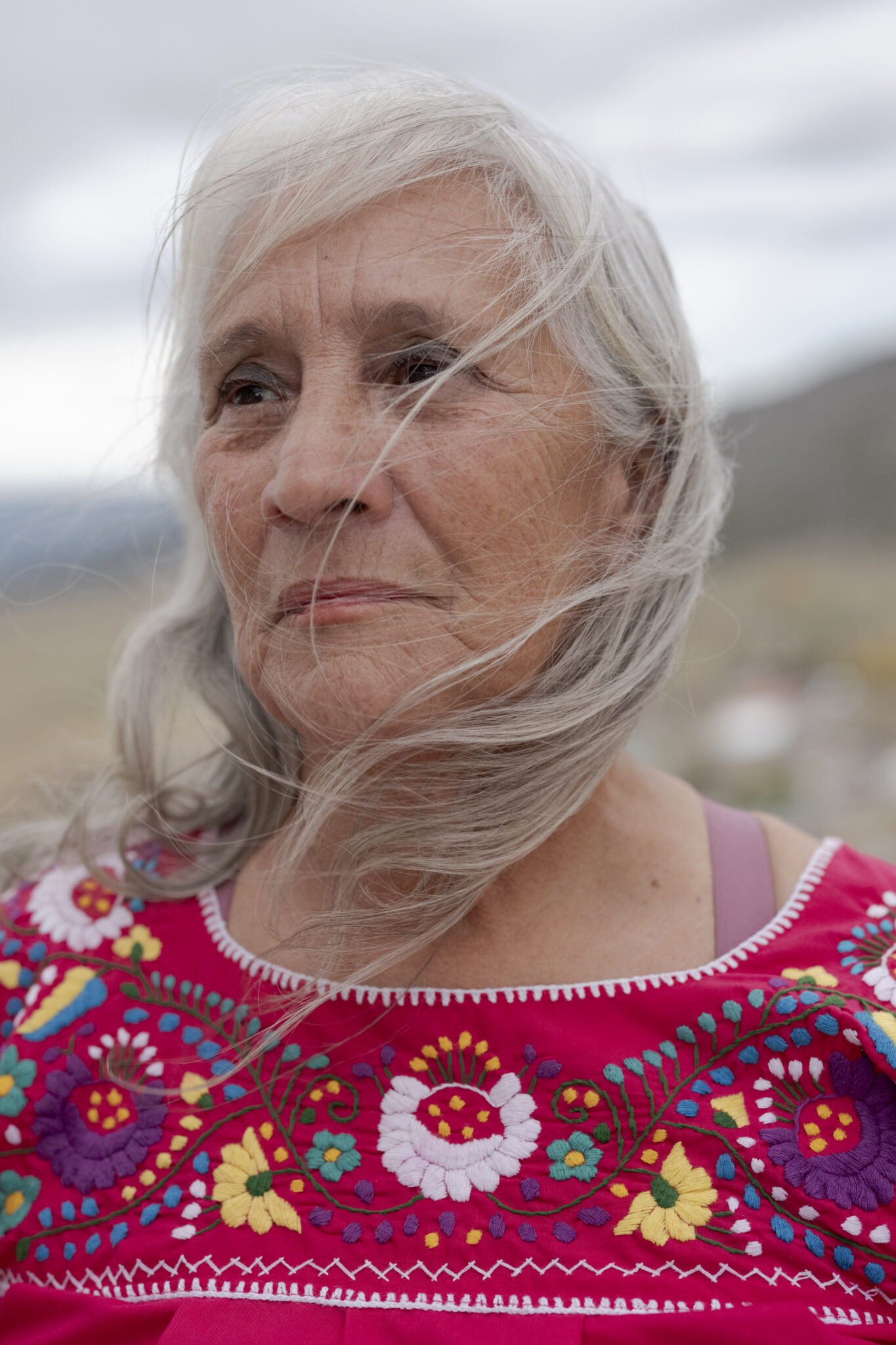
Anna Vargas, of Manassa, Colorado, is a sixth-generation resident of the San Luis Valley who is deeply embedded in local water management initiatives. She hasn’t drunk her own tap water in years out of fear of contamination. Credit: Jacob Spetzler/Inside Climate News
In the San Luis Valley, the ongoing megadrought and a record-low snowpack are draining groundwater and increasing its concentrations of toxic metals. There are few protections for residents drinking from private wells.
Julie Zahringer hears a common refrain at her environmental laboratory in Alamosa, Colorado: A customer has been drinking well water on family land where they’ve lived for years, but recently noticed it has changed. They want to know why.
“All of a sudden it looks different, tastes different, there’s odor, there’s color,” said Zahringer.
Zahringer’s SDC Laboratory is one of the few testing water in the San Luis Valley, an 8,000-square-mile, high-altitude desert in south-central Colorado. She has tested thousands of wells during more than 30 years in the field.
Residents of the valley, which has large Hispanic populations and a high poverty rate, have been concerned about naturally occurring heavy metals in their water for decades, she said. But in the past five years, the rate of change has accelerated.
“Every year it just seems like this is the climax of it, and the next year, it gets worse,” said Zahringer. “This year, we’re looking at probably the worst as far as water quality.”
San Luis Valley Groundwater
The San Luis Valley relies on surface water from the Rio Grande and a massive aquifer system, one of the largest in North America, to drive its agricultural economy. But the aquifer is severely overallocated, losing an estimated 1.2 million acre-feet of water between 1976, when tracking began, and 2013—equivalent to more than five times what the city of Denver consumes each year. This year, the aquifer could hit another record low, as Colorado’s snowpack, which recharges the state’s aquifers, is at the lowest level since record-keeping began in 1941.
San Luis, CO – MAY 5, 2026: The sun sets over agriculture fields in San Luis, Colorado on Tuesday, May 5, 2026. The primary agriculture in the valley are potatoes and livestock. The Rio Grande recharges the aquifer which is the source of water for the entire San Luis Valley, including agriculture, which is the industry which economically sustains the area. The amount of water necessary for large scale agriculture is also the primary reason for the aquifer’s depletion. (Photo by Jacob Spetzler/Special to Inside Climate News)
Manassa, CO – MAY 5, 2026: A water control gate controls flow in an irrigation ditch in Manassa, Colorado on Tuesday, May 5, 2026. (Photo by Jacob Spetzler/Special to Inside Climate News)
Researchers are finding that as groundwater levels drop, the remaining water can contain higher concentrations of carcinogenic heavy metals.
The valley’s well water users, many of them in historically underserved communities, are increasingly concerned about what’s in their drinking water. But with little governmental oversight of private wells or resources to help track and manage quality, they have few options to make it safe.
Shifting Chemistry
Anna Vargas, a sixth-generation resident of the San Luis Valley, remembers making snowmen often as a child, and her mother talking about the daily rains during the summer monsoon season. Now, monsoon season barely exists here, Vargas said.
“As the years have gone by, there’s less rain, less snowfall. I’ve lived in the valley long enough to see the changes in weather patterns,” says Vargas, project manager with the SLV Ecosystem Council. “We depend a lot on snowpack, and we have hardly any this year. It’s concerning for all of us in the Rio Grande basin…The heavy metals will just become more concentrated.”
Map of the San Luis Valley
Heavy metals like arsenic, tungsten, uranium, manganese and selenium occur naturally in rocks and soils and come up with groundwater that is pumped to the surface. With drought, Zahringer said, they can become a problem.
“We’re not seeing a dilution of any of the contaminants…so anything that’s in the geologic makeup is just really concentrating,” said Zahringer, whose tests have documented contaminant levels rising in the wells during dry periods.
Alamosa, CO – MAY 5, 2026: Julie Zahringer, owner and laboratory director of the Sangre de Cristo (SDC) Laboratory, poses for a portrait in her office in Alamosa, Colorado on Tuesday, May 5, 2026. The SDC Laboratory is the only source of water testing in the San Luis Valley. The company tests water for both private well owners and municipalities as well as water used in agriculture. (Photo by Jacob Spetzler/Special to Inside Climate News)
In addition, as aquifer levels drop during droughts—and due to overpumping—its geochemistry shifts, says Kathy James, Ph.D., associate professor with the Colorado School of Public Health. Users reaching deeper into the ground to access the remaining water can draw small amounts of water connected to geothermal sources or underground reservoirs of hot water, which can have high arsenic concentrations, into the drinking supply. Even in small amounts, this can increase arsenic concentrations to dangerous levels. James notes that these relationships are complex and non-linear, however, and additional research is needed.
Zahringer’s estimates mirror these results: Of all the well waters her lab tests in southern Colorado, about 25 percent exceed the U.S. Environmental Protection Agency’s maximum contaminant level for arsenic in drinking water.
Zahringer said that some customers come to her lab on referrals from their primary care physicians trying to determine the root cause of elevated levels of heavy metals in their bloodstream. Her own well water is high in arsenic, but her filtration system thoroughly treats it before it enters her house.
“I’m in a unique situation where I’m educated and vigilant, and I have the resources to test and make sure it’s OK,” said Zahringer. “A lot of my neighbors, I know they’re just drinking it right out of the ground.”
Half of the U.S. population relies on groundwater for drinking, irrigation, industry and livestock. Much of it is pumped through public water systems, which must limit contaminants to comply with the federal Safe Drinking Water Act, in addition to state requirements that may be more stringent. But private wells, which are the main source of drinking water for 15 percent of Americans and about a third of San Luis Valley residents, are not regulated or monitored. In effect, about 51 million Americans are responsible for monitoring the safety of their own drinking water.
In the San Luis Valley, residents are asking more questions about how their water is impacting their health, crops and cattle, Vargas said, making it easy for her to recruit some of the more than 800 private well owners involved in James’s study.
“We filled it up so fast that that just shows how much the community members wanted their wells tested,” says Vargas.
After a few months of recruiting, the study group was nearly at capacity.
Later, neighbors would stop her at the grocery store to tell her about their results: manganese, arsenic, uranium or other contaminants were often above the EPA thresholds.
Today, many residents in Vargas’s community have turned to bottled water. “They just don’t know if they can drink the water,” she said.
“As those contaminants are increasing, we are going to start to see these rural areas really can’t afford these treatment plants and mitigation for it,” said Zahringer. “We’re dealing with a lot of really small communities that are really struggling to pay for their water testing, let alone to build these new plants.”
San Luis Valley is one of the poorest rural areas of Colorado, with an estimated 21.4 percent poverty rate. Even if well users can access a water test, consistent filtration remains an economic burden.
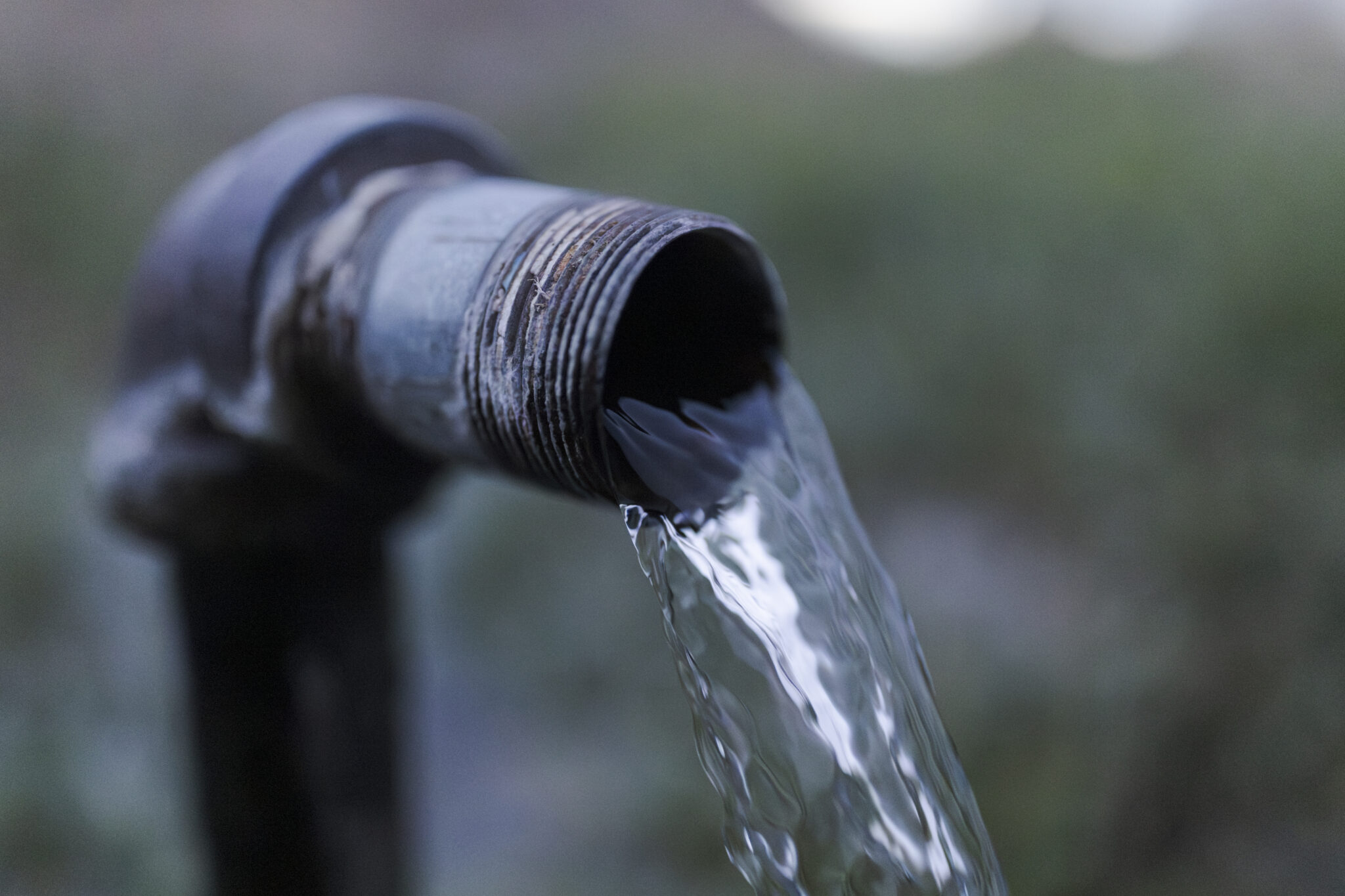
San Luis, CO – MAY 5, 2026: Water from a natural spring pours out of a pipe in the town of San Luis in the San Luis Valley, Colorado on Tuesday, May 5, 2026. (Photo by Jacob Spetzler/Special to Inside Climate News)
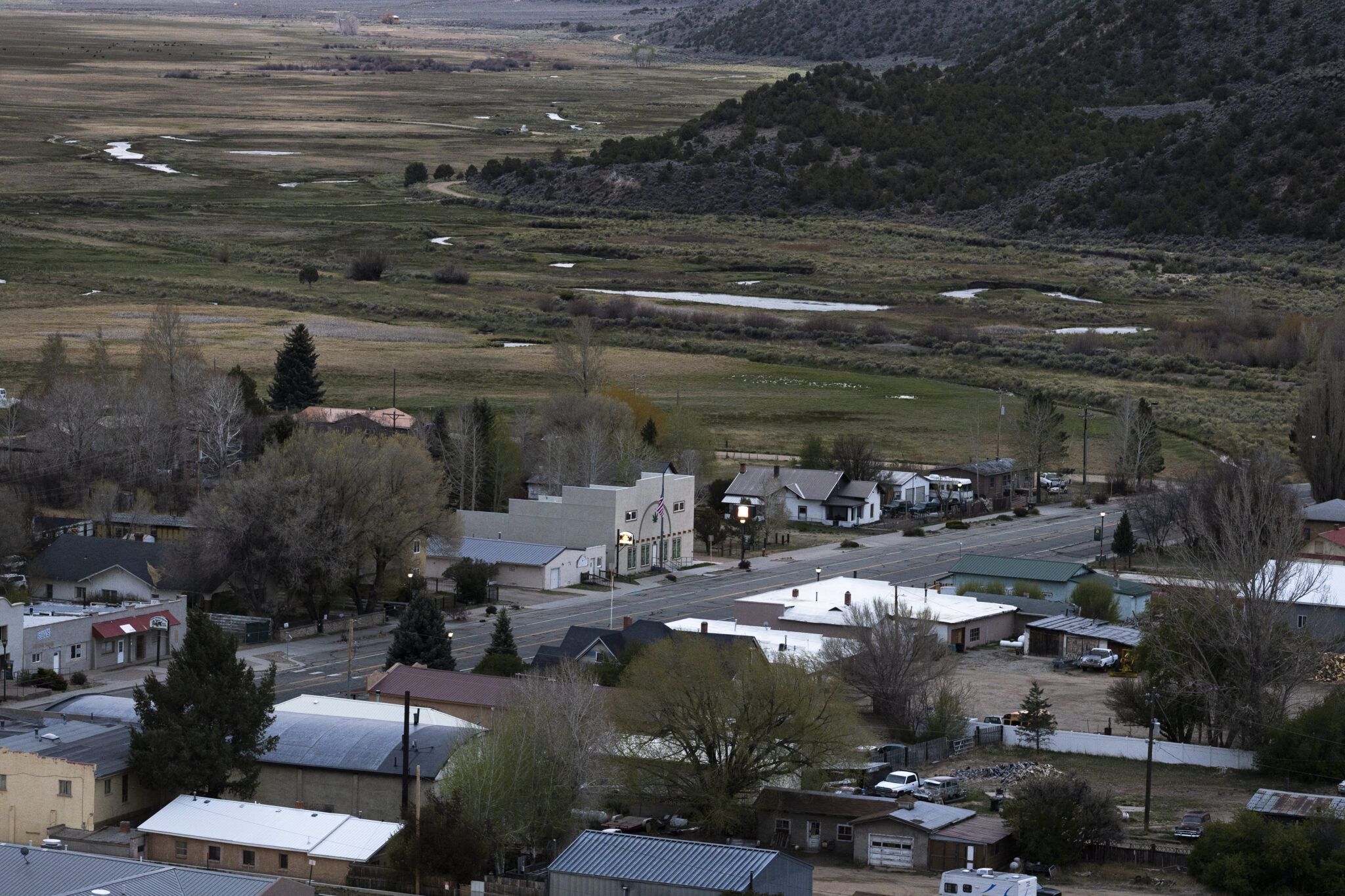
San Luis, CO – MAY 5, 2026: The town of San Luis in the San Luis Valley, Colorado on Tuesday, May 5, 2026. (Photo by Jacob Spetzler/Special to Inside Climate News)
Household reverse osmosis systems can remove up to 99 percent of contaminants, including arsenic. But they are expensive—often costing thousands of dollars to install and hundreds more annually to maintain—and can waste up to 80 percent of the water that passes through them. And because the San Luis Valley has moderately to extremely hard water, compounds and metals accumulate much faster on filtration systems, requiring replacement more than twice as frequently as in areas with soft water.
“I come from a rural and impoverished community, and my community members can’t always be changing out these filters for this reverse osmosis filtration system,” Vargas said.
Researchers at Arizona State University are planning to field test a new type of filter that removes a range of heavy metals from hard water systems without losing water in hopes of providing more accessible water quality mitigation for residents. Alireza Farsad, a postdoctoral research scholar at ASU who founded AmorPH2O, the company developing the filter, expects it to be commercially available next year.
Meanwhile, Vargas and James have presented the water quality study results to local county commissioners and talked with state lawmakers about the increasing concentrations of heavy metals.
But, for now, the issue has seen little action beyond testing.
San Luis, CO – MAY 5, 2026: Shirley Romero Otero, a local activist and teacher poses for a portrait in town of San Luis, Colorado on Tuesday, May 5, 2026. As an educator and activist Romero Otero has spent decades organizing for land and water rights in the San Luis Valley. (Photo by Jacob Spetzler/Special to Inside Climate News)
For Shirley Romero Otero, a local educator and activist who helped implement James’s study, water quality in the San Luis Valley is an issue of environmental justice. She says the valley, home to the state’s largest native Hispanic population, is often left out of policymaking conversations.
“Those folks in Denver that make those decisions for testing and resources need to pay attention…We are part of Colorado. We should have equality when it comes to testing and finding out what the hell is really going on,” says Otero, who lives in San Luis, the state’s oldest continuously occupied town, which has fewer than 600 residents.
“Regardless of socioeconomic status, political affiliation or racial geographic areas, water is the most precious resource that we have. It is the lifeblood of every community. You don’t have water, you die. It’s that simple.”
San Luis , CO – MAY 5, 2026: An acequia flows into San Luis, Colorado on Tuesday, May 5, 2026. Acequias are traditional community-managed irrigation ditches that channel water from rivers and streams to farms and towns. (Photo by Jacob Spetzler/Special to Inside Climate News)
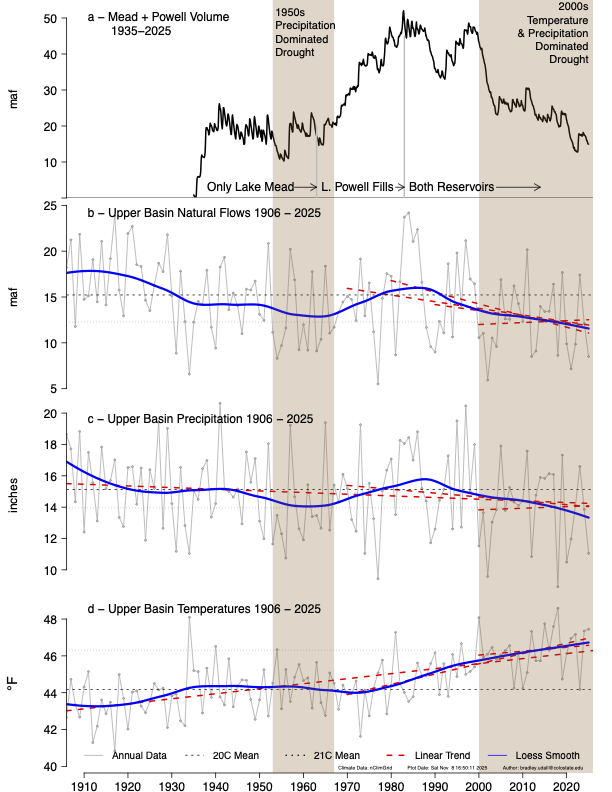
Udall/Overpeck 4-panel Figure Colorado River temperature/precipitation/natural flows with trend. Lake Mead and Lake Powell storage. Updated through Water Year 2025. Note the tiny points on the annual data so that you can flyspeck the individual years. Credit: Brad Udall
Click the link to read the article on the AZCentral website (Brandon Loomis). Here’s an excerpt:
May 14, 2026
Key Points
The U.S. Bureau of Reclamation is now seeking a 10-year water-sharing plan for the Colorado River states, adjusting cutbacks every two years.
A worst-case scenario being modeled could slash water shares for Arizona, California and Nevada by 40%.
The Lower Basin states have proposed their own conservation plan, which could cover the first two years of the new federal framework.
Unable to get Colorado River states to hash out a new 20-year deal to share in worsening water shortages, the U.S. Bureau of Reclamation has told them it’s now aiming for a 10-year plan with prescribed cutbacks to be reassessed every two years. Federal officials informed the seven states of their new preference late last week, and Arizona’s lead negotiator made it public on Wednesday, May 13, during a meeting of a committee representing the cities, tribes and other water users who meet to develop a unified state position.
The shift to what could effectively become five two-year plans carries both opportunities and risks for Arizona. On the one hand, state Water Resources Director Tom Buschatzke said, it means a proposal that the Lower Basin states — Arizona, California and Nevada — recently submitted to boost their conservation through 2028 could cover the first two-year term if federal officials agree. That would keep water moving through the Central Arizona Project Canal, an economic lifeline that is at risk under some other scenarios. On the other hand, a move to bite-size plans “has us in a room negotiating for the next 10 years,” Buschatzke said at a meeting of the Arizona Reconsultation Committee. “That’s not something that creates the certainty that we’ve heard some people desire.”
[…]
New rules are necessary because the shortage-sharing guidelines that covered the last 20 years expire this fall — and because the river keeps shrinking along with a paltry snowpack in the Rocky Mountains. A deepening shortage has increased the stakes, keeping a consensus deal out of reach…In pitching their new 10-year “framework,” federal officials also informed the states that they intend to at least model the potential effects of a 3 million acre-foot annual reduction to what the three Lower Basin states could pull from Lake Mead. That worst-case scenario would slash 40% from what the century-old Colorado River Compact promised those Lower Basin states, and it could dry up the CAP Canal. It’s nearly twice the reduction that those states offered in their recent proposal…A 10-year program with a broad menu of potential guidelines that update every two years allows flexibility to adapt to both the changing hydrology and the potential for a political breakthrough on a consensus deal, [Alex] Smith said.
Map of the Colorado River drainage basin, created using USGS data. By Shannon1 Creative Commons Attribution-Share Alike 4.0