
From the Associated Press (Jan Nesset) via Washington Examiner:
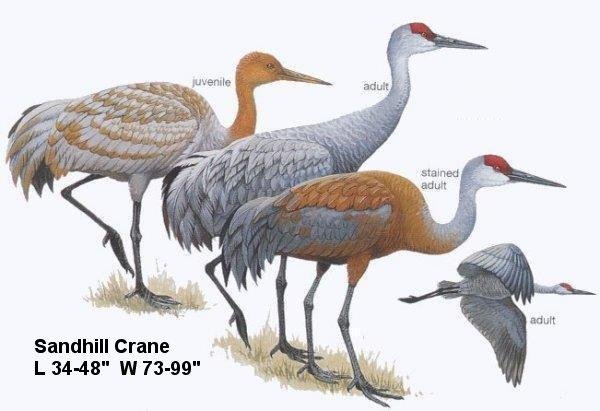
Miller said the ducks and geese depart when temperatures consistently dip below freezing. Colonial waterbirds, such as the white-faced ibis, snowy egrets and black-crowned night herons, are already gone, he said, but sandhill cranes remain in abundance. Vocal birds, a spree of squeaky-wheel yawps from a congregation of excited sandhill cranes is unforgettable. In the fall, sandhill cranes use the San Luis Valley as a major stopover point on their migration from their breeding grounds in the greater Yellowstone area. From the valley, cranes fly to wintering grounds in New Mexico. “Right now, we have about the peak numbers that we’ll have in the fall,” Miller said. “We’d estimate about 18,000 to 20,000.”
Meanwhile the San Luis Valley irrigation ditches will be turned off on Monday. Here’s a report from the Valley Courier. From the article:
The November 1 ending of the season applies to all irrigation ditches and canals that divert water from the Rio Grande or its tributaries in Water District 20, and it also applies to all irrigation wells in Water District 20, which is generally the drainage area of the Rio Grande above Alamosa.
More Rio Grande Basin coverage here.