
From The Denver Post (Austin Briggs):
The new grass coming up on the west side of Kensington Park isn’t replacing a die-off — it’s replacing grass that was killed off.
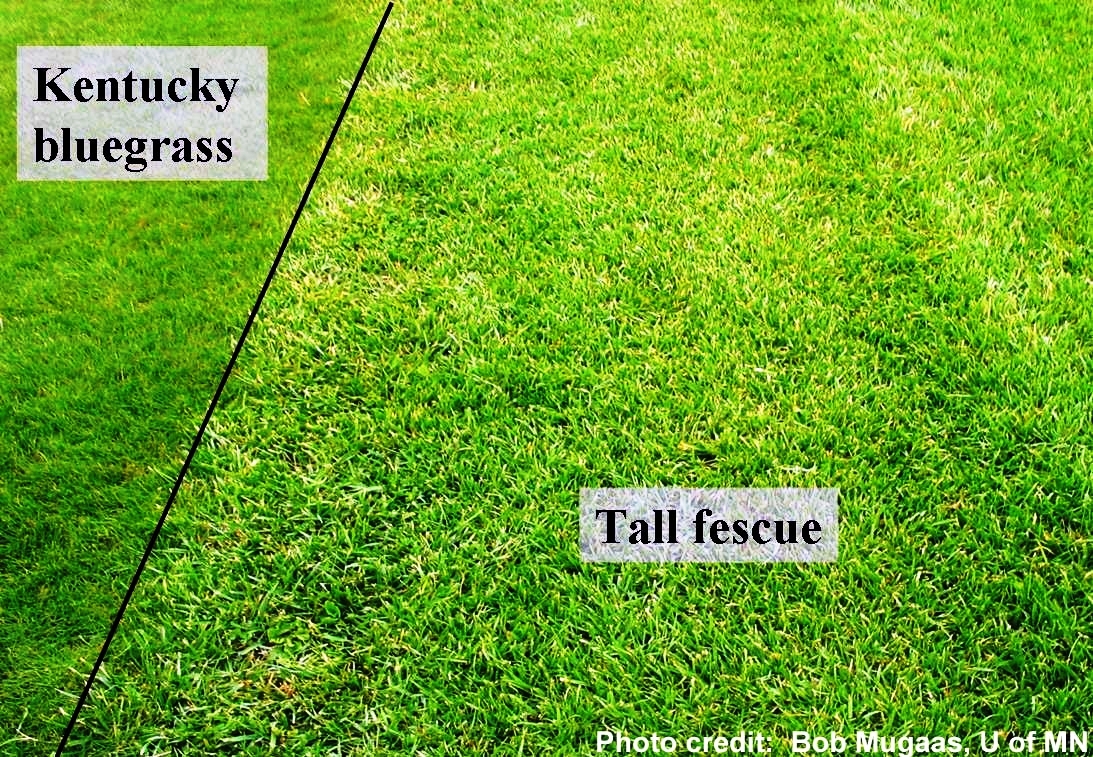
Parks officials this year used an herbicide to kill the Kentucky bluegrass that had been there prior to planting native seeds — including fescue, rye and Canadian bluegrass.
The new ground cover will conserve water and save the city money, said Jessica Stauffer, the community outreach coordinator for the city’s Parks, Recreation and Library department.
“We went $200,000 over budget last year in watering costs for our parks,” Stauffer said. “The native grass being seeded stays greener longer and means fewer taxpayer dollars used for maintenance.”
In addition to Kensington, England and Oakhurst Park II are also being re-seeded in select spots totaling 8.4 acres away from playgrounds and high-traffic areas.
The new blend, which will grow between eight to 10 inches tall, won’t need to be mowed because it will follow a natural cycle of dormancy and growth, said parks supervisor Jerry Magnetti.
“We’ll do a second seeding this fall,” Magnetti said. “It’s a low-grow, low-maintenance seed mix that will fill in and look beautiful, especially in the fall and cooler months.”
While it’ll take another year or two for the grasses to establish, the goal is to see how this experiment works and perhaps apply it to a citywide program amid a long-term drought and rising water costs.
In 2005 the Department of Parks, Recreation and Libraries used 216 million gallons of water at a cost of $863,675 and in 2012 this grew to 319 million gallons and $1,362,975.
An acre of established native grass with trees and shrub beds costs about $500 a year to maintain, compared to $2,100 for Kentucky bluegrass.
More conservation coverage here.