Extreme heat, ongoing drought and wildfires plague much of the western contiguous U.S. during July
The July 2021 contiguous U.S. temperature was 75.5°F, 1.9°F above the 20th-century average, tying with 1954 and 2003 for 13th warmest in the 127-year record. For the year-to-date, the national temperature was 53.0°F, 1.8°F above average, ranking 14th warmest on record.
The July precipitation total for the contiguous U.S. was 3.36 inches, 0.58 inch above average, and sixth-wettest in the 127-year period of record. The year-to-date precipitation total for the Lower 48 was 18.00 inches, 0.09 inch below average, ranking in the middle one-third of the historical record.
This monthly summary fromNOAA National Center for Environmental Information is part of the suite of climate services NOAA provides to government, business, academia, and the public to support informed decision-making.
July 2021
Temperature
Temperatures were above average to record warm across the West, much of the northern Plains and portions of the mid-Atlantic and Southeast. Washington, Oregon, California and Nevada each had their warmest July on record with five additional states across the West and northern Plains having a top-10 warm month.
Temperatures were below average across portions of the southern and central Plains, Midwest, Southeast and Northeast.
A ridge of high pressure across the western U.S and a trough across the eastern U.S. for most of July kept the temperatures well-above average across the West and more moderate across the central and eastern states. This pattern remained in place for the duration of the month. An eastward shift in the ridge mid-month allowed the southwestern monsoon to kick off.
The Alaska average July temperature was 53.7°F, 1.0°F above the long-term mean and ranked in the warmest third of the historical record for the state.
Areas that experienced above-average precipitation across western Alaska during July also had temperatures that were below average.
Above-average temperatures occurred across much of the eastern half of Alaska and across the Aleutians.
The Alaskan wildfire season, to-date, is well-below average.
Precipitation
Precipitation was above average across much of the Northeast, Southeast, and South; portions of the Midwest, Ohio Valley, and Great Lakes; and much of the Southwest. New York and Massachusetts had their wettest July on record with nine additional states across the Northeast, South and Southwest experiencing a top-10 wettest July.
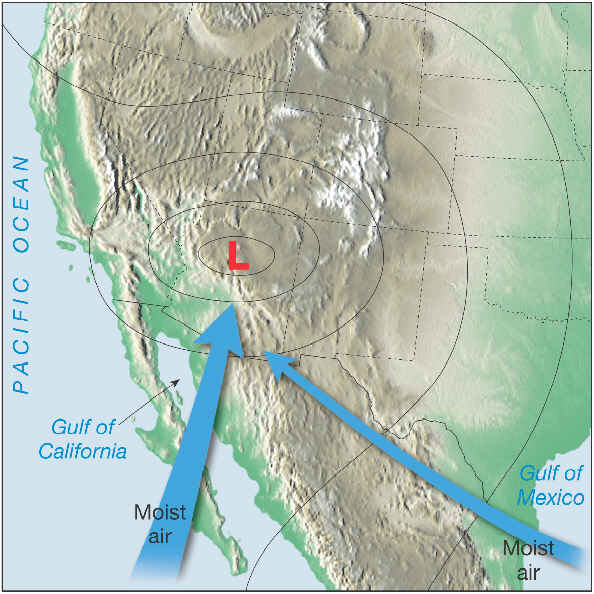
The Southwest monsoon season began in earnest during the second half of July, bringing some rainfall to the drought-stricken region. Portions of Colorado, Nevada, New Mexico, Utah and Arizona saw some improvement in the drought intensity, but still remain entrenched in drought.
Much of the West, particularly the Northwest, remained entrenched in exceptional drought conditions, which was reflected in very high wildfire activity throughout the month.
Precipitation was below average across much of the Northwest, Northern Tier and portions of the central Plains, Midwest and central Appalachians. Minnesota ranked second driest while Washington ranked fourth driest.
Hurricane Elsa formed in the Atlantic Ocean in early July and made landfall in Cuba before reemerging in the Gulf of Mexico and making landfall as a tropical storm in Florida.
Elsa brought flooding, tornadoes and damage to portions of Georgia and the Carolinas as well as flooding in parts of the Northeast. At least 17 were injured and one fatality was reported.
Elsa was the earliest fifth-named storm on record.
Alaska received near-average precipitation during July, but regional amounts varied greatly. Precipitation was above average across much of western Alaska and below average across eastern Alaska.
Kotzebue had its wettest July and month on record while Nome and Bethel each had their wettest July since the 1920s.
According to the August 3 U.S. Drought Monitor, approximately 46 percent of the contiguous U.S. was in drought, down from about 47 percent at the end of June. Drought intensified and/or expanded across portions of the northern Plains, northern Rockies, Northwest and from the Great Basin to the Pacific Coast.
Drought also emerged across portions of Alaska and intensified across Maui in Hawaii. Drought severity lessened across the Northeast, Great Lakes and portions of the Southwest and central Rockies. Nearly 90 percent of the 11 states across the western U.S. are experiencing some level of drought.
Year-to-date (January-July 2021)
Temperature
January-July temperatures were above average across the West, northern and central Plains, Great Lakes, Northeast, mid-Atlantic and portions of the Southeast. California, Oregon and Nevada each had their fourth-warmest year-to-date period on record with 11 additional states across the West, northern Plains, Northeast and Southeast experiencing a top-10 warmest January-July.
Temperatures were below average across portions of the South.
The Alaska statewide average temperature for this year-to-date period was 27.1°F, 1.3°F above average and ranked in the middle one-third of the record. Temperatures were above average across much of Bristol Bay, Northwest Gulf and the Aleutian regions with near-average temperatures present across much of the rest of the state.
Precipitation
Precipitation was above average from the southern and central Plains to the Midwest and into portions of the Southeast. Mississippi ranked sixth wettest for the first seven months of the year.
Precipitation was below average from the West Coast to the western Great Lakes. Minnesota and North Dakota each ranked third driest while Montana ranked fourth driest on record.
Precipitation across Alaska ranked in the wettest third of the historical record.
Other Notable Events
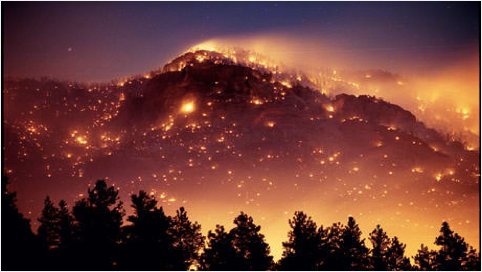
Wildfire activity exploded across the drought-stricken portions of the West, especially the Northwest, during July. As of July 31, 37,650 fires have burned through 2,982,960 acres during the first seven months of 2021. This is nearly 1 million more acres than were consumed by this time last year and about 1 million fewer acres burned than the 2011-2020 year-to-date average.
With multiple large fires burning across the West, forecasts for worsening conditions and a potential shortage of resources, on July 14, the National Multi-Agency Coordination Group raised the national Preparedness Level (PL) to the highest category — level 5. This is the earliest PL5 issued in the past 10 years.
As of July 31, the largest fire across the U.S., the Bootleg Fire, located in Oregon, has consumed more than 413,000 acres and was 56 percent contained.
The second largest fire in the U.S., the Dixie Fire, located in northern California, burned more than 240,000 acres and was 24 percent contained.
Heavy smoke from these and many other fires across the western U.S. and Canada contributed to low air quality across the U.S. during July.
A blistering international report on the global effects of climate change says action is needed now to cut emissions and chart a new path for humanity.
The United Nations Intergovernmental Panel on Climate Change, which represents nearly 200 member nations, made clear the planet is warming at an even faster rate than scientists previously thought and those warming trends are causing chaos in every corner of the world.
Utah’s Salt City Lake International Airport, as an example, experienced the warmest July on record since records first started being kept in 1874, and the state, like the entire West, is in the grip of a protracted drought.
U.N. Secretary General António Guterres described the report released Monday as “a code red for humanity.”
One of the U.S.-based authors of the report, Kim Cobb, a professor of earth and atmospheric sciences at the Georgia Institute of Technology, said the report’s findings are dire.
“There’s really one key message that emerges from this report: We are out of time. And this report really provides compelling, scientific linkages between the headlines that we see today and what we know about the physics of the climate system and how it’s being impacted by rising greenhouse gases.”
Some key takeaways include:
Climate change is intensifying the water cycle. This brings more intense rainfall and associated flooding, as well as more intense drought in many regions.
Climate change is affecting rainfall patterns. In high latitudes, precipitation is likely to increase, while it is projected to decrease over large parts of the subtropics. Changes to monsoon precipitation are expected, which will vary by region.
For cities, some aspects of climate change may be amplified, including heat (since urban areas are usually warmer than their surroundings), flooding from heavy precipitation events and sea level rise in coastal cities.
Logan Mitchell, an atmospheric scientist with the University of Utah, echoed Cobb’s concerns.
“The thing that really strikes me is I thought that many of these climate impacts were going to hit us in a few decades in 2040 or 2050, but we are seeing them today with the wildfires, the smoke, these extreme heat events.”
Jessica Tierney, associate professor of geosciences at the University of Arizona and one of the authors of the report, noted the widespread impacts in the West.
“So we keep hearing more and more in the news about these extreme events, and the takeaway message from this new report is that these events are just going to occur more and more often as global temperatures rise. And they may get more and more intense. And so in the western U.S., for example, we need to think hard about issues like water conservation and water storage in order to sort of weather through these increasingly extreme events.”
Credit: Colorado Water
Tierney went on to add that snowpack in the western United States is almost certain to decline in the future.
“And that has implications for water availability, because a lot of the stream flow in the Western United States — for example, the Colorado River — depends on snow. So we have increased confidence that we’re going to see less flow through our river systems in the western U.S., which means that we’re going to be even more prone to drought. And in fact, if emissions continue, then there is a very good chance that we’re going to see a level of drought and aridity that we haven’t seen in at least a thousand years.”
FromThe Washington Post (Brady Dennis and Sarah Kaplan):
U.N. chief calls findings ‘a code red for humanity’ with worse climate impacts to come unless greenhouse gas pollution falls dramatically
More than three decades ago, a collection of scientists assembled by the United Nations first warned that humans were fueling a dangerous greenhouse effect and that if the world didn’t act collectively and deliberately to slow Earth’s warming, there could be “profound consequences” for people and nature alike.
The scientists were right.
On Monday, that same body — the Intergovernmental Panel on Climate Change — described how humans have altered the environment at an “unprecedented” pace and detailed how catastrophic impacts lie ahead unless the world rapidly and dramatically cuts greenhouse gas reductions.
The landmark report states that there is no remaining scientific doubt that humans are fueling climate change. That much is “unequivocal.” The only real uncertainty that remains, its authors say, is whether the world can muster the will to stave off a darker future than the one it already has carved in stone.
The sprawling assessment, compiled by 234 authors relying on more than 14,000 studies from around the globe, bluntly lays out for policymakers and the public the most up-to-date understanding of the physical science on climate change. Released amid a summer of deadly fires, floods and heat waves, it arrives less than three months before a critical summit this November in Scotland, where world leaders face mounting pressure to move more urgently to slow the Earth’s warming.
Photo credit: Kim Delker/University of New Mexico
U.N. Secretary General António Guterres called the findings “a code red for humanity” and said societies must find ways to embrace the transformational changes necessary to limit warming as much as possible. “We owe this to the entire human family,” he said in a statement. “There is no time for delay and no room for excuses.”
From left, President François Hollande of France; Laurent Fabius, the French foreign minister; and United Nations Secretary General Ban Ki-moon during the climate change conference [December 2015] in Le Bourget, near Paris. (Credit Francois Mori/Associated Press)
But so far, the collective effort to slow climate change has proved gravely insufficient. Instead of the sort of emission cuts that scientists say must happen, global greenhouse gas pollution is still growing. Countries have failed to meet the targets they set under the 2015 Paris climate accord, and even the bolder pledges some nations recently have embraced still leave the world on a perilous path.
“What the world requires now is real action,” John F. Kerry, the Biden administration’s special envoy for climate, said in a statement about Monday’s findings. “We can get to the low carbon economy we urgently need, but time is not on our side.”
It certainly is not, according to Monday’s report.
Humans can unleash less than 500 additional gigatons of carbon dioxide — the equivalent of about 10 years of current global emissions — to have an even chance of limiting warming to 1.5 degrees Celsius (2.7 Fahrenheit) above preindustrial levels.
But hopes for remaining below that threshold — the most ambitious goal outlined in the Paris agreement — are undeniably slipping away. The world has already warmed more than 1 degree Celsius (1.8 degrees Fahrenheit), with few signs of slowing, and could pass the 1.5-degree mark early in the 2030s.
“Unless we make immediate, rapid and large-scale reductions in greenhouse gas emissions, limiting warming to 1.5C will be beyond reach,” said Ko Barrett, vice chair of the IPCC and senior adviser for climate at the National Oceanic and Atmospheric Administration. “Each bit of warming will intensify the impacts we are likely to see.”
Already, we are living on a changed and changing planet.
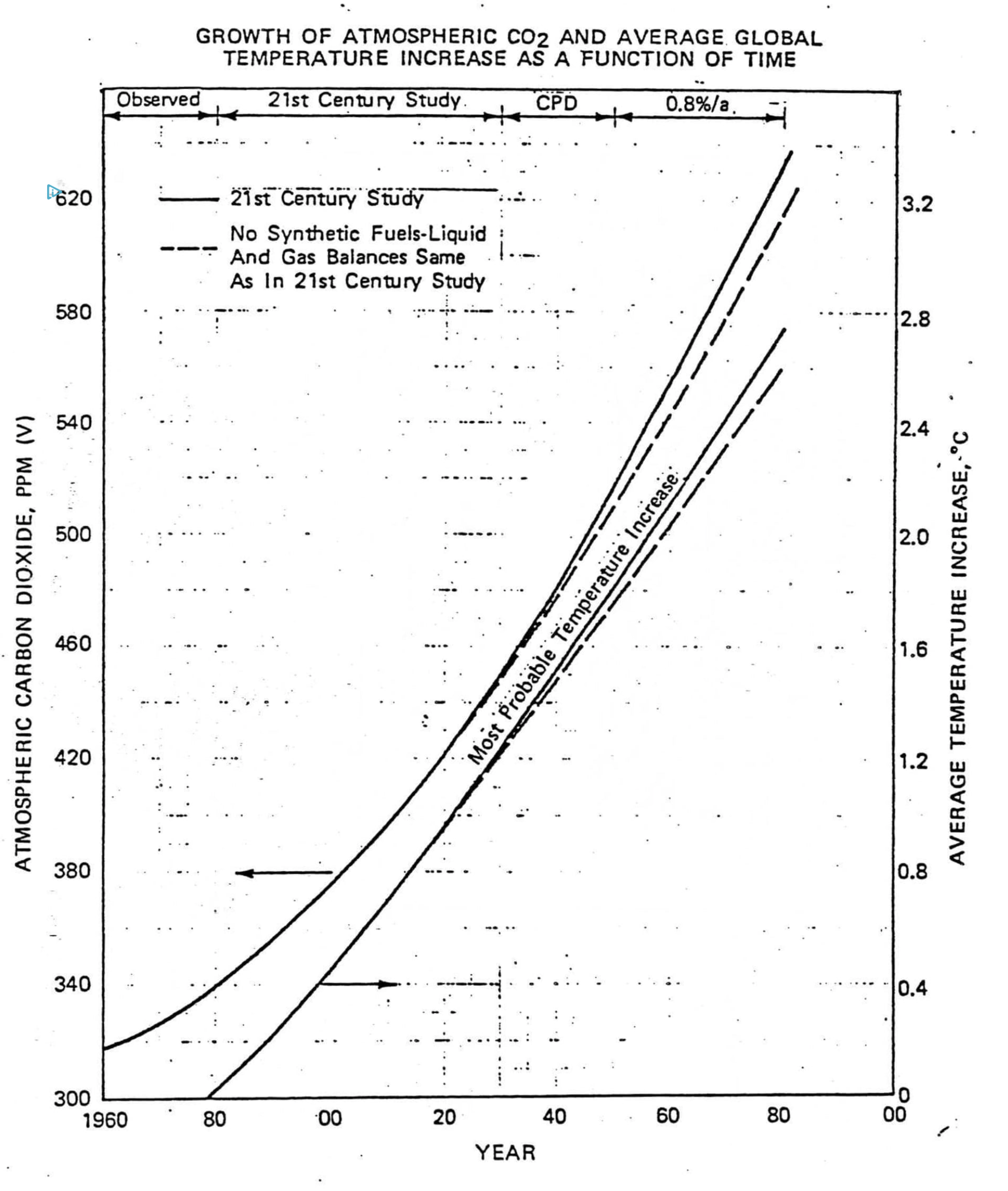
Each of the past four decades has been successively warmer than any that preceded it, dating to 1850. Humans have warmed the climate at a rate unparalleled since before the fall of the Roman Empire. To find a time when the level of carbon dioxide in the atmosphere changed this much this fast, you’d need to rewind 66 million years to the end of the age of the dinosaurs.
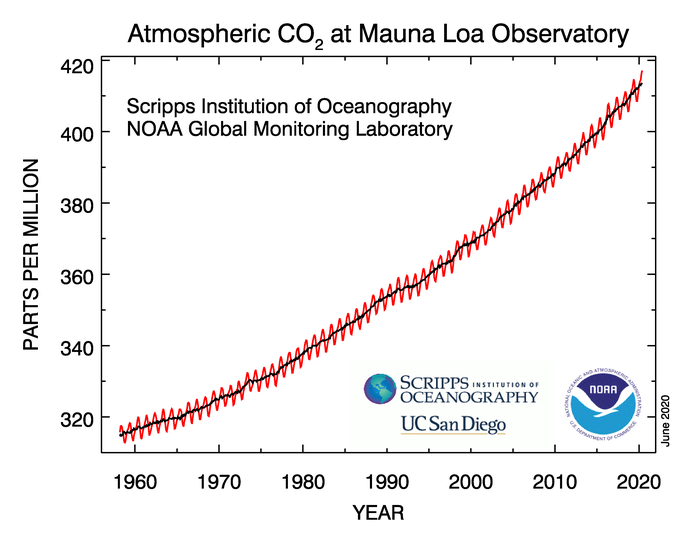
Carbon dioxide in the atmosphere has risen to levels not seen in 2 million years, the authors state. The oceans are turning acidic. Sea levels continue to rise. Arctic ice is disintegrating. Weather-related disasters are growing more extreme and affecting every region of the world.
Release of firefighting foam. PFAS are substances found in firefighting foams and protective gear, as well as many household products, like pizza boxes and rain jackets. Graphic credit: ITRC
Here’s an in-depth report from Laura Paskus that’s running in The Santa Fe Reporter. Click through and read the whole article. Here’s an excerpt:
Today, we know the [firefighting] foam contained toxic chemicals responsible for polluting the water around hundreds of military bases nationwide, including Cannon and Holloman Air Force bases in New Mexico. And the toxic chemicals are present in the drinking water of millions of Americans…
Over the years, [Kevin] Ferrara has learned that the military knew Aqueous Film Forming Foam (AFFF) was dangerous—and so did the companies that manufactured it. But without federal regulations that set drinking water standards or hazardous waste limits, states like New Mexico still can’t hold the Pentagon accountable for the pollution that has crept from the bases into the wells of local residents and businesses. Meanwhile, military firefighters like Ferrara wonder what’s happening within their own bodies—and the bodies of those whose water they polluted.
In the waning days of Gov. Susana Martinez’s administration, the New Mexico Environment Department (NMED) was grappling with a problem. A “forever” problem, as it turns out.
Contractors hired by the military were investigating whether AFFF used at the state’s three Air Force bases had contaminated groundwater with PFAS.
In an August 2018 conference call, Air Force officials told state officials that PFAS had been found in wells at Cannon Air Force Base at concentrations above the US Environmental Protection Agency’s lifetime health advisory of 70 parts per trillion. Further studies showed the levels exceed 26,000 parts per trillion—more than 370 times that EPA health advisory—and that PFAS was also in off-base wells that supply homes and dairies in Clovis.
In October, NMED, the New Mexico Department of Health and the New Mexico Department of Agriculture publicly announced the presence of the contamination on and off the base. They advised private well-owners within a 4-mile radius of the base to use bottled water. NMED issued a notice of violation against the Air Force for breaking state regulations. The agency issued “corrective action permits” with cleanup mandates for the military’s state permits.
But in January 2019, just after Gov. Michelle Lujan Grisham took office, the US Department of Defense sued New Mexico, challenging the state’s authority to mandate cleanup.
And although the state made no announcements nor issued any corrective actions, a report the Air Force submitted to NMED during the Martinez administration showed that groundwater samples of PFAS at Holloman Air Force Base were as high as 1.294 million parts per trillion. In February 2019, NMED issued a notice of violation against the Air Force over Holloman, too.
The following month, in March 2019, New Mexico filed its own lawsuit, asking a federal judge to compel the Air Force to act on, and pay for, cleanup at Cannon and Holloman.
But that hasn’t worked out as planned.
“We wanted action quickly. When that wasn’t available, or that wasn’t on the table, that’s when we litigated,” NMED Secretary James Kenney says in an interview.
The lawsuit has been lumped in with hundreds of other PFAS-related lawsuits. One court in South Carolina now oversees all cases regarding PFAS and the military’s use of the AFFF—more than 750 separate actions.
Even though New Mexico has tried to extricate itself from the multidistrict litigation, hoping to pursue its case against the Air Force without being tied to those hundreds of other cases, a judge has denied that request. And in June, the Biden administration’s Defense Department called New Mexico’s attempts to compel cleanup under state permits “arbitrary and capricious.”
In summary, three years after the Air Force notified New Mexico of the PFAS pollution, there are no clean-up plans in place at Cannon or Holloman, though earlier this year, Cannon announced an on-base pilot project to test the best ways to remove PFAS from water. And even though the military knows when, why and how the contamination happened, it has sued New Mexico to say the state can’t make it clean up the problem.
Meanwhile, state Environment Sec. Kenney says the EPA needs to set federal pollution standards for the toxic substances.
In 2016, the EPA established a lifetime health advisory for two types of PFAS found in firefighting foams, perfluorooctanoic acid (PFOA) and perfluorooctane sulfonic acid (PFOS). But that advisory of 70 parts per trillion isn’t a regulatory limit. That means states like New Mexico don’t have any legal tools to require that polluters like the military clean up PFAS.
Boaters at Cedar Springs Marina on Flaming Gorge Reservoir. The reservoir’s levels are expected to drop 2 feet a month under an emergency release of water designed to keep Lake Powell’s hydropower system operating. July 22, 2021 Credit: Jerd Smith
John Rauch and his family have operated the Cedar Springs Marina here since 1986. But three weeks ago, when the federal government suddenly ordered millions of gallons of water to be released from Flaming Gorge Reservoir down the Green River to Lake Powell, Rauch wasn’t prepared.
“It was a total gut punch,” he said on a recent hot, sunny morning. As visitors trekked down to rent his pontoon boats, and others slid their fishing craft into the reservoir, Rauch and his employees were already planning which boat docks and ramps would have to be relocated to keep them afloat. The reservoir is projected to drop as much as 2 feet a month through the fall as water is released.
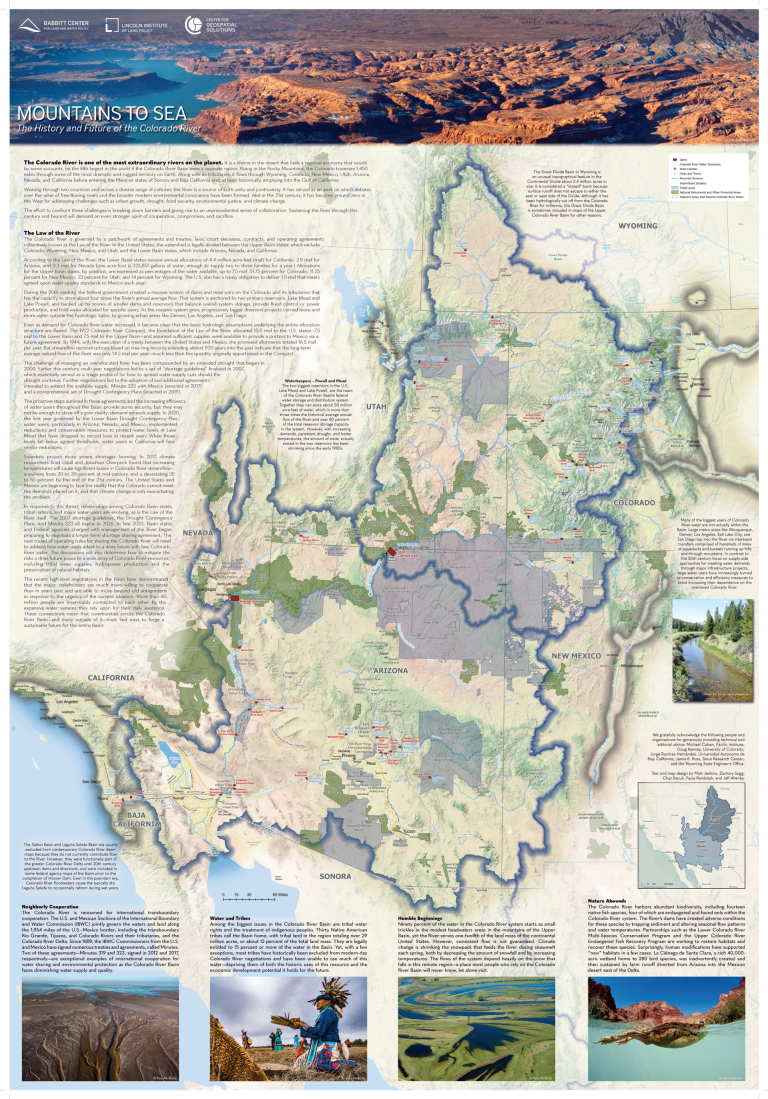
Drought has plagued the Colorado River Basin for 20 years, but it hit crisis proportions this summer, pushing lakes Powell and Mead to historic lows and triggering, for the first time, emergency releases of water from Utah’s Flaming Gorge, Colorado’s Blue Mesa, and New Mexico’s Navajo reservoirs.
All told, 181,000 acre-feet of water are to be sent to Lake Powell by the end of December. Powell has dropped so low that its hydropower plants, which supply millions of homes with electricity and generate revenue for such things as a critical Colorado River endangered species program, may stop operating as early as next year if water levels continue to drop as they have been. The U.S. Bureau of Reclamation estimates there is a 3 percent chance of this occurring next year and a 29 percent chance of this occurring in 2022. But given the speed of the Powell’s decline, no one wants to risk a hydropower shutdown.
Savings accounts
Since their construction in the 1960s these reservoirs, known as Reclamation’s Colorado River Storage Project reservoirs, have acted as a giant savings account, helping ensure that if a crisis erupted on the river, the Upper Colorado River Basin states of Colorado, Wyoming, Utah and New Mexico would have enough water on hand to fulfill their legal obligation to deliver water to Nevada, Arizona and California, known as the Lower Basin states.
Credit: Chas Chamberlin
Colorado’s Blue Mesa Reservoir, part of the Aspinall Unit, is already low, at just 43 percent of capacity as of last month. Fed by the Gunnison River, a major tributary of the Colorado, the reservoir is tourism hot spot on Colorado’s West Slope.
Kathleen Curry, a former Colorado lawmaker, sits on the Colorado River District Board. She said she understands the need for the releases, but she said the changes in the shoreline at Blue Mesa aren’t going unnoticed.
“It’s taking residents and visitors by surprise, just because I don’t think anyone was expecting it,” she said.
The releases come under a special Upper Basin Drought Contingency Plan approved by Colorado, Wyoming, Utah and New Mexico in late 2018. A similar drought plan is in place for the Lower Basin, and they have been cutting back withdrawals from Lake Mead for the past two years.
Still the river system is drying out. And water leaders in Colorado are deeply worried that their carefully protected savings account is going to dry up too quickly to solve the Colorado River’s long-term problems.
Will it work?
“I understand and support the necessity of the Secretary [of the Interior] taking this action,” said Jim Lochhead, CEO of Denver Water. “The major concern I have is that Reclamation says the 181,000 acre-foot release will raise Lake Powell three feet. But I don’t know that they can even show that. I don’t know that they have accounted for transit losses and other losses.
“It’s important when these releases are made that they are accounted for, that we know where this water is going. If it doesn’t actually get down to [Lake Powell] to accomplish what it was designed to do, we should have kept it in that savings account,” Lochhead said.
Becki Bryant, a spokesperson for the U.S. Bureau of Reclamation’s Upper Colorado River region, said the agency is working to create a hydropower buffer in Lake Powell and believes the releases are adequate to accomplish that. But Reclamation is not yet doing the kind of precise tracking and accounting known as water “shepherding,” to ensure flows make it downstream, that Lochhead is requesting.
On Aug. 1, Lake Powell’s elevation stood at 3,553.8 feet above sea level. The action point, or so-called target elevation is 3,525. When that point came close in July, Reclamation moved quickly to order the emergency releases.
Powell’s hydropower plant stops generating power when it drops to 3,490 feet in elevation, according to Reclamation.
“Reclamation expects the additional release of water will be sufficient to protect Lake Powell’s target elevation through 2021. That target elevation provides a 35-vertical-foot buffer designed to minimize the risk of dropping below the minimum power pool elevation of 3,490 feet, and balances the need to protect the infrastructure at Powell’s Glen Canyon Dam.
“Shepherding water would be beneficial but is challenging on many levels for Colorado River Basin states,” said Bryant via email.
Bleak forecasts
Bryant said Reclamation will continue to consult with the Upper Basin states as it monitors reservoir levels and weather forecasts. Should conditions deteriorate further, the agency could examine whether to declare the releases futile and stop them, as it is allowed to do under the 2018 Drought Contingency Plan.
The water being released is so-called “system water,” meaning that it isn’t owned by a particular user.
Held by the federal government for the benefit of the Upper Basin states, the amounts of water specified in the release plan are jaw-dropping: 125,000 acre-feet from Flaming Gorge; 36,000 acre-feet from Blue Mesa; and 20,000 acre-feet from Navajo. An acre-foot of water is enough to cover one acre of land to a depth of 12 inches.
If that same amount of water were going to cities, it would be enough to serve more than 362,000 homes for one to two years. If going to farms, it could irrigate more than 113,000 acres, depending on the crop.
If the historic, 20-plus-year drought cycle doesn’t end soon, refilling those reservoirs is going to be difficult. And that has water managers worried.
“My level of concern is quite high,” said Becky Mitchell, director of the Colorado Water Conservation Board, the state’s lead water planning and policy agency. She also sits on the four-state Upper Colorado River Basin Commission, which advises Reclamation on river issues.
“And I can’t tell yet if [the releases] are going to do the trick,” she said. “But we have to respond to the levels in Powell.”
Cedar Springs Marina near Dutch John, Utah, on Flaming Gorge Reservoir in the early 1960s. In a first, emergency releases are being made under the 2018 Upper Colorado River Basin Drought Contingency Plan. Photo courtesy of the Rauch family.
Legal reckoning?
Under the 1922 Colorado River Compact, Colorado and the other Upper Basin states must deliver 7.5 million acre-feet (maf) [per year, 75 maf per 10 years] of water to the Lower Basin on a 10-year running average. Right now, the Upper Basin is delivering roughly 9.2 maf, Mitchell said, meaning that there is still time to help the system come back into balance before the Lower Basin states could legally call for more water than they currently receive.
Lake Powell is the Upper Basin’s largest storage pool on the system and is designed to be the four Upper Basin states’ major source of protection. Because of their legal obligations, Colorado water users are closely monitoring this year’s plunge in Powell, with the threat to hydropower production being seen as a dangerous antecedent to a compact call.
“That the system continues to deteriorate is concerning,” Lochhead said.
Roughly half of Denver Water’s supplies are derived from water rights it owns on the Colorado River system. While one portion of its portfolio dates back to 1921, and would therefore trump a 1922 compact call, several other rights were established later, meaning the utility might have to stop pulling from those water sources if Colorado were forced to cut back in order to meet compact obligations.
Other Front Range water providers, who also have Colorado River rights, are even more vulnerable, including the Pueblo-based Southeastern Colorado Water Conservancy District.
Southeastern’s rights date only to 1957.
Contingency v. reality
Lee Miller, Southeastern’s attorney, said the Colorado River crisis remains a long-term problem for his agency.
The rapid deterioration this year, however, is prompting everyone to rethink how much time they have to balance the massive river system as drought and a warming climate, as well as population growth, continue to sap its flows.
“Both the Upper and Lower Basin have now had to initiate elements of their drought contingency plans. When we passed it a couple of years ago everyone thought, “It’s good to have a contingency plan.’ But I don’t think anyone thought we would have to use the plans this quickly. It’s gone from being a contingency to being a reality, and that’s concerning.”
Back up at Flaming Gorge, John Rauch is watching the levels drop and making his own contingency plans.
“We are planning for the worst,” Rauch said. “For the foreseeable future, the outlook is dry. If it ends up that by the end of all of this that the reservoir becomes a river channel, we will be down there at water’s edge selling worms.”
Jerd Smith is editor of Fresh Water News. She can be reached at 720-398-6474, via email at jerd@wateredco.org or @jerd_smith.
The Snake River Water District will undergo a variety of rehabilitation and improvements throughout the next 10 years based on its 2021 master plan.
The district, which provides drinking water to the Keystone valley, underwent a study with an engineering firm to look at its infrastructure’s strengths and weaknesses. The idea to look into infrastructure upgrades started about two years ago when the district was notified it had a slight lead exceedance based on two water samples.
Scott Price, executive director and district administrator, said this occurs not because there is an issue with the actual water, but because pipes in some older homes in the area were built with lead and are still in use. If the water sits in the pipes for too long, it can lead to concentrations of lead in the water samples. Price said the Colorado Department of Public Health and Environment has to use the water that first comes out when the faucet is turned on when it tests water samples, which will likely be affected by lead if the water sat unused in old pipes.
The district has three base plants, each with its own storage and water filtration system. The second base, which is also home to the district’s office, is likely to need an additional storage tank to serve the high-density area of Keystone Resort, as well as a pump station that can transport water uphill from the third to the second base.
An existing infrastructure issue to address is water pipe breakage, something Price said can cost around 10 times more to fix in the winter than it does in the summer. Engineers looked at which pipes were more likely to break, but also the severity of consequences that can occur from a breakage.
The study prioritized which pipes and fire hydrants in the district would need attention immediately, creating a map showing the different priorities based on each area. The district plans to chip away at these pipe and hydrant upgrades little by little during the 10-year plan.
Meanwhile, the third plant underwent $8.5 million in upgrades a couple years ago, including a new filtration system. Price said he expects this filtration system to be in compliance for decades to come as water quality regulations get tighter over time…
Price also said that should the base two plant need upgrades — which he is expecting to get a decision from the Colorado Department of Public Health and Environment by the end of the year — the whole district will be able to temporarily operate on the new base three plant.
Lastly, the study showed that the district’s Pilot Lode storage tank by the Settlers Creek townhomes will need improvements to its interior lining, as it is around 25 years old and steel constructed.
The study estimates that over 10 years, the district will need about $38.5 million in work, estimated as follows:
Pump station from base three to base two: $1.5 million
Base two storage tank: $7.6 million
Base two groundwater under direct influence compliance: $11.8 million
Pilot Lode tank rehabilitation: $550,000
Pipeline replacements: $13.5 million
Fire hydrant replacements: $1.6 million
On top of these costs there are several smaller projects included in the master plan that account for the remaining $2 million of the budget. These estimates cover only the cost of construction, and the district will need to pay more in the coming months for architects and engineers to design the systems…
The plan calls for a 12% rate increase at the start of 2022, and the Snake River Water District’s board is currently planning to do 12% increases over the next three years. The base quarterly fee will go from $65 in 2022 to $91 in 2024.
The Snake River Water District hasn’t increased its water rates in about eight years, which was then only a 3% increase. Prior to that, it hadn’t raised its quarterly rates since the 1990s.
These wetlands, located on a 150-acre parcel in the Homestake Creek valley that Homestake Partners bought in 2018, would be inundated if Whitney Reservoir is constructed. The Forest Service received more than 500 comments, the majority in opposition to, test drilling associated with the project and the reservoir project itself. Photo credit: Heather Sackett/Aspen Journalism
A group of Colorado residents demonstrated Saturday against the construction of a reservoir in the Homestake Valley, marching through the streets of Red Cliff and treating passing vehicles to a variety of colorful signs.
If you were headed south on Highway 24 on Saturday afternoon, you might have been able to read a clever statement like “Stop the whole dam thing,” and “They can’t ‘fen’ for themselves.”
Or you might have noticed a message or two that was more direct. Using an elongated trash picking tool to hoist her sign, Silverthorne resident Jan Goodwin wrote “CO Springs doesn’t need Red Cliff’s water.”
The group is opposed to building a new reservoir in the Homestake Valley 6 miles southeast of Red Cliff, which would be used by the people of Colorado Springs and Aurora, who hold water rights in the area, including the rights to the water in the existing Homestake Reservoir.
These wetlands in the Homestake Creek valley are near the site of the proposed Whitney Reservoir. The Forest Service is considering whether to issue a permit for drilling and a geotechnical study to test whether the site would support a dam. Photo credit: Heather Sackett/Aspen Journalism
But the nuances of the issue, including the sensitive wetlands known as “fens” and the study required for “the whole dam thing,” as referenced in the signs, was also discussed among the demonstrators. In order to construct a new dam and reservoir, the area will require some study, and the Forest Service has already approved that study, which will allow the cities to drill “10 bore samples up to 150-feet deep using a small, rubber-tracked drill rig as well as collect geophysical data using crews on foot,” according to the Forest Service, along with the construction of more than a half-mile of temporary roads to facilitate the work.
The effort could also impact up to 180 acres of wetlands on lower Homestake Creek, wetlands that include fens — groundwater-fed wetlands which began forming during the last ice age. A scientifically unproven idea to relocate the fens is being spearheaded and paid for by Aurora Water and the Board of Water Works of Pueblo…
A map prepared by Aurora Water that shows a potential 500-acre adjustment to the Holy Cross Wilderness boundary near the potential Whitney Reservoir on lower Homestake Creek. The map as current as of July 16, 2019.
[Charles] Fleming said he would like to see the people of Colorado Springs and Aurora make more of a good faith effort toward water conservation before seeking another reservoir in the Homestake Valley.
“I’d like to see them get rid of the green grass and focus more on xeriscaping first,” he said.
Parks said as a hotelier in Red Cliff, she sees the recreational appeal of the Homestake Valley as a wild space, not a space that would benefit from the creation of a National Recreation Area or reservoir.
One version of the reservoir envisions an encroachment into 500 acres of the Holy Cross Wilderness area of the White River National Forest, which would require an act of Congress.
A new IPCC science assessment, coming before COP26 in November, called for immediate action and showed that this summer’s extremes are only a mild preview of the decades ahead.
Amidst a summer of fires, floods and heat waves, scientists on Monday delivered yet another reminder that burning more fossil fuels in the decades ahead will rapidly intensify the impacts of global warming. Only pulling the emergency brake right now on greenhouse gas emissions can stop the planet from heating to a dangerous level by the end of the century, the scientists’ report concluded.
The report, Climate Change 2021: the Physical Science Basis, is the first installment of the Intergovernmental Panel on Climate Change’s Sixth Assessment Report (AR6), which will be completed in 2022. It was approved Aug. 6 by 195 member governments of the IPCC.
The report, by the panel’s Working Group I, assesses the physical science of climate change. It found that global warming is worsening deadly extremes like droughts and tropical storms and that every part of the planet is affected.
The report, by the panel’s Working Group I, assesses the physical science of climate change. It found that global warming is worsening deadly extremes like droughts and tropical storms and that every part of the planet is affected.
“We see this signal in all regions. No region is really spared from climate change,” said Sonia Seneviratne, a coordinating lead author of the report and a climate researcher at ETH Zürich, where she focuses on climate extremes. The report shows that “Immediate reductions of CO2 emissions would be needed to retain a chance to limit global warming close to the 2.7 degrees Fahrenheit of warming targeted by the Paris climate agreement,” she added.
Seneviratne said that it had become apparent as the scientists worked on the report that many parts of the world were vulnerable to compounded climate impacts, with “extremes of different types leading to more impacts when combined, such as the co-occurrence of heatwaves and droughts.”
Recent examples include the deadly heat wave in the Pacific Northwest that was followed by a surge of forest fires in drought-stressed, dying forests. The warmer the planet, the higher the chances of crop-killing extremes affecting different agricultural areas at the same time, she said.
The IPCC report found that, without human-caused warming, there was “a near zero probability” of some of the deadliest recent heat waves, as well as other extremes like flooding rain. “We do see we need action immediately if we want to limit warming to somewhere around 1.5 degrees Celsius,” Seneviratne added.
That global climate target, equivalent to 2.7 degrees Fahrenheit warming from pre-industrial levels, was set in 2015 as part of the Paris climate agreement, and was based on the last major climate assessment from the IPCC. The new report confirms that beyond that level of warming, parts of the climate system, like the meltdown of ice sheets that raise sea level, could spiral out of control.
‘Unequivocal Confirmation’
IPCC vice-chairwoman Ko Barrett, a deputy administrator with the National Ocean and Atmospheric Administration, said the new report provides “unequivocal” confirmation that humans are warming the planet to a dangerous level, causing widespread and rapid changes in the atmosphere, ocean, cryosphere and biosphere in every region of the world and across the whole climate system.
It also reflects “major advances” in understanding how “climate change intensifies specific weather and climate events such as extreme heat waves and heavy rainfall events,” said IPCC Working Group I Co-Chairwoman Valérie Masson-Delmotte, a research director at the French Alternative Energies and Atomic Energy Commission.
New climate models, with more accurate data of critical climate systems like clouds, also helped make the most accurate projections to date of how the climate would respond if greenhouse gas emissions stopped. While there are still some big question marks about how much CO2 permafrost and forests will take up and release in the future, the report suggests that the climate could begin stabilizing 20 to 30 years after greenhouse gas concentrations level off.
There is also no longer any question that global warming is changing the planet’s water cycle, the report found, bringing more intense rainfalls and flooding, as well as more intense droughts in many regions. Farther north and south, in higher latitudes, precipitation is likely to increase, but expected to decline in many already dry subtropical zones.
Since 1990, the panel has released 5 major climate science assessments, about 5 to 6 years apart, with special reports focusing on specific subjects in between. Going into the global COP26 climate talks in Glasgow in November, the latest science assessment gives negotiators a robust scientific basis that can empower decision-makers to take critical action.
Steve Cornelius, a former climate negotiator with the United Kingdom government who is now the chief climate advisor for WWF, said the 2018 IPCC report, which focused on the consequences of planetary warming of more than 1.5 degrees Celsius, provided an example of how science can spur action.
“Policymakers take notice of reports from the IPCC,” Cornelius said. “We have a net zero (carbon dioxide emissions) target in the UK that came about as a direct response to the IPCC’s 2018 report. That came out, and the government asked the Committee on Climate Change to come up with a plan for net-zero.” That would not have happened without the report, he said.
But at a global level, the response to the IPCC reports has not measured up to the urgency of the situation, said Saleemul Huq, director of the International Center for Climate Change and Development in Dhaka, Bangladesh.
“Past IPCC reports have served as the basis for promises to tackle global warming,” he said “But the actions that have actually been taken in practice neither conform to what countries promised to do and are nowhere near where the science says we must be.” The new report, he said, shows “how bad things are getting and why the world needs to speed up actions in line with the scientific needs.”
Talk of Tipping Points
Stephan Singer, a senior climate advisor with Climate Action Network International who is based in Brussels, represented environmental and climate activist groups during recent IPCC meetings. ”It was refreshing to see the U.S. back in the caucus of civilized nations,” he said, as the scientists and government reviewers finalized the report.
He added that the participation by environmental groups helped ensure that the IPCC didn’t stray away from the 1.5C warming target.
“There was a fear that the 1.5 target might be dropped,” Singer said. “We wanted to make sure that it stays in there as an option. But it’s tough and challenging, and we’re losing time every day.”
Singer said the environmental groups wanted “to make sure the report makes clear the need for urgent action.”
“We need to do things now in order to have a chance to meet net-zero,” he said, “and that includes protecting and restoring natural carbon sinks, like forests. And people need to understand this is the only IPCC report coming out before COP26 and before the United Nations General Assembly so, the language must be really clear.”
“All scenarios investigated by the IPCC show that global warming will probably exceed 1.5 degrees Celsius in the next few decades,” Singer said, showing how close we are to dangerous thresholds.
“The IPCC is strongly talking about tipping points,” Singer said, “ We can’t rule out significant forest diebacks and ice sheets falling apart, or other things that can feed back and make the warming even worse. We’re playing Russian roulette with 5 bullets in the gun.”
Same Message, Fewer ‘Weasel Words’
Scott Denning, an atmospheric scientist at Colorado State University, said the new IPCC report essentially hammers home the same message as all its predecessors, dating back to 1990.
“Each report has less and less weasel words, but it’s still pretty much the same message,” he said. “Adding CO2 to the atmosphere warms up the world.”
One new element of this latest IPCC science assessment is a more regional breakdown of global warming impacts, and some of its conclusions are underlined by current conditions in the Western United States. Water supplies in the West are drying to a trickle after a 20-year drought, dangerous heat waves are lasting longer and thousands of square miles of forest have burned up in the past few years.
Denning said he recently analyzed 40 years of data from a network of 800 snow sensors, finding that about half those sites have lost half of their spring snowpack in the last 40 years.
“Holy crap, we are in trouble if 1 degree Celsius of warming has cost us half our mountain snowpack,” he said. “We’ll rejigger our systems to deliver some water, but we can’t support 75 million people in the West without a mountain snowpack.”
Ida Ploner, a 14-year-old activist with Fridays For Future in Vienna, Austria said the new science report once again shows the urgency of ending carbon dioxide emissions now, especially for her generation, which will live with the consequences of the decisions made today.
“It’s not that it’s going to get just a little warmer,” said Ploner, who has been organizing protests against highway projects that would lead to more greenhouse gas emissions. “This is an existential question. Earth is burning and time is running out.”
The new report could be another wakeup call, she said, but in recent years, other landmark reports have done nothing more than trigger greenwashing campaigns.
“It takes away a bit of hope, when we keep seeing more reports and nothing happens,” she said. “It shouldn’t be my job at 14 to ensure that I have a future. We have leaders for that, but they aren’t doing it, and it’s too important to turn away. We need to show that all of society is mad and that we are going to do something about it.”
The water cycle is intensifying as the climate warms, IPCC report warns – that means more intense storms and flooding
Extreme downpours and flooding like northern England experienced in 2015 can put lives at risk. Ian Forsyth/Getty Images
The world watched in July 2021 as extreme rainfall became floods that washed away centuries-old homes in Europe, triggered landslides in Asia and inundated subways in China. More than 900 people died in the destruction. In North America, the West was battling fires amid an intense drought that is affecting water and power supplies.
In a new international climate assessment published Aug. 9, 2021, the Intergovernmental Panel on Climate Change warns that the water cycle has been intensifying and will continue to intensify as the planet warms.
The report, which I worked on as a lead author, documents an increase in both wet extremes, including more intense rainfall over most regions, and dry extremes, including drying in the Mediterranean, southwestern Australia, southwestern South America, South Africa and western North America. It also shows that both wet and dry extremes will continue to increase with future warming.
Why is the water cycle intensifying?
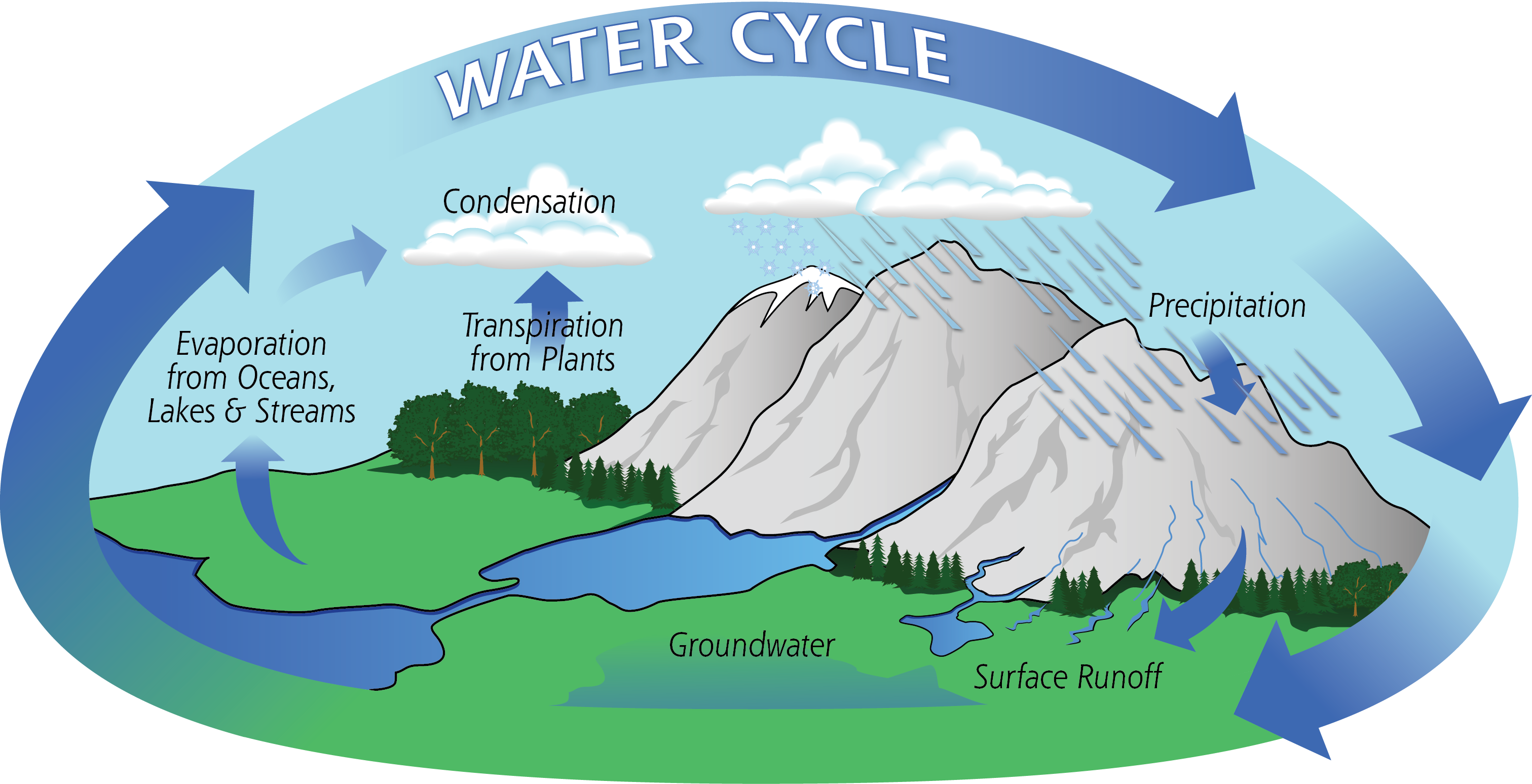
Water cycles through the environment, moving between the atmosphere, ocean, land and reservoirs of frozen water. It might fall as rain or snow, seep into the ground, run into a waterway, join the ocean, freeze or evaporate back into the atmosphere. Plants also take up water from the ground and release it through transpiration from their leaves. In recent decades, there has been an overall increase in the rates of precipitation and evaporation.
A number of factors are intensifying the water cycle, but one of the most important is that warming temperatures raise the upper limit on the amount of moisture in the air. That increases the potential for more rain.
This aspect of climate change is confirmed across all of our lines of evidence: It is expected from basic physics, projected by computer models, and it already shows up in the observational data as a general increase of rainfall intensity with warming temperatures.
Understanding this and other changes in the water cycle is important for more than preparing for disasters. Water is an essential resource for all ecosystems and human societies, and particularly agriculture.
An intensifying water cycle means that both wet and dry extremes and the general variability of the water cycle will increase, although not uniformly around the globe.
Rainfall intensity is expected to increase for most land areas, but the largest increases in dryness are expected in the Mediterranean, southwestern South America and western North America.
Annual average precipitation is projected to increase in many areas as the planet warms, particularly in the higher latitudes. IPCC Sixth Assessment Report
Globally, daily extreme precipitation events will likely intensify by about 7% for every 1 degree Celsius (1.8 degrees Fahrenheit) that global temperatures rise.
Many other important aspects of the water cycle will also change in addition to extremes as global temperatures increase, the report shows, including reductions in mountain glaciers, decreasing duration of seasonal snow cover, earlier snowmelt and contrasting changes in monsoon rains across different regions, which will impact the water resources of billions of people.
The IPCC does not make policy recommendations. Instead, it provides the scientific information needed to carefully evaluate policy choices. The results show what the implications of different choices are likely to be.
One thing the scientific evidence in the report clearly tells world leaders is that limiting global warming to the Paris Agreement target of 1.5 C (2.7 F) will require immediate, rapid and large-scale reductions in greenhouse gas emissions.
Regardless of any specific target, it is clear that the severity of climate change impacts are closely linked to greenhouse gas emissions: Reducing emissions will reduce impacts. Every fraction of a degree matters.
Humans are unequivocally warming the planet, and that’s triggering rapid changes in the atmosphere, oceans and polar regions, and increasing extreme weather around the world, the Intergovernmental Panel on Climate Change warns in a new report.
The IPCC released the first part of its much anticipated Sixth Assessment Report on Aug. 9, 2021. In it, 234 scientists from around the globe summarized the current climate research on how the Earth is changing as temperatures rise and what those changes will mean for the future.
What are the IPCC report’s most important overall messages in your view?
At the most basic level, the facts about climate change have been clear for a long time, with the evidence just continuing to grow.
As a result of human activities, the planet is changing at a rate unprecedented for at least thousands of years. These changes are affecting every area of the planet.
Humans produce large amounts of greenhouse gas emissions, primarily through fossil fuel burning, agriculture, deforestation and decomposing waste. IPCC Sixth Assessment Report
While some of the changes will be irreversible for millennia, some can be slowed and others reversed through strong, rapid and sustained reductions in greenhouse gas emissions.
But time is running out to meet the ambitious goal laid out in the 2015 international Paris Agreement to limit warming to well below 2 degrees Celsius above preindustrial levels (2 C equals 3.6 degrees Fahrenheit). Doing so requires getting global carbon dioxide emissions on a downward course that reaches net zero around or before 2050.
What are scientists most concerned about right now when it comes to the oceans and polar regions?
Global sea level has been rising at an accelerating rate since about 1970, and over the last century, it has risen more than in any century in at least 3,000 years.
Over the last decade, global average sea level has risen at a rate of about 4 millimeters per year (1.5 inches per decade). This increase is due to two main factors: the melting of ice in mountain glaciers and at the poles, and the expansion of water in the ocean as it takes up heat.
Ice sheets in particular are primarily responsible for the increase in the rate of sea level rise since the 1990s. There is clear evidence tying the melting of glaciers and the Greenland Ice Sheet, as well as ocean warming, to human influence. Sea level rise is leading to substantial impacts on coastal communities, including a near-doubling in the frequency of coastal flooding since the 1960s in many sites around the world.
Since the previous reports, scientists have made substantial advances in modeling the behavior of ice sheets. At the same time, we’ve been learning more about ice sheet physics, including recognizing the potential ways ice sheets can become destabilized. We don’t well understand the potential speed of these changes, but they have the potential to lead to much more rapid ice sheet loss if greenhouse gas emissions grow unchecked.
Sea level change through 2050 is largely locked in: Regardless of how quickly nations are able to lower emissions, the world is likely looking at about 15 to 30 centimeters (6 to 12 inches) of global average sea level rise through the middle of the century.
But beyond 2050, sea level projections become increasingly sensitive to the world’s emissions choices. If countries continue on their current paths, with greenhouse gas emissions likely to bring 3-4 C of warming (5.4-7.2 F) by 2100, the planet will be looking at a most likely sea level rise of about 0.7 meters (a bit over 2 feet). A 2 C (3.6 F) warmer world, consistent with the Paris Agreement, would see lower sea level rise, most likely about half a meter (about 1.6 feet) by 2100.
The IPCC’s projections for global average sea level rise in meters with higher-impact pathways and the level of greenhouse gas emissions. IPCC Sixth Assessment Report
What’s more, the more the world limits its greenhouse gas emissions, the lower the chance of triggering instabilities in the polar ice sheets that are challenging to model but could substantially increase sea level rise.
Under the most extreme emissions scenario we considered, we could not rule out rapid ice sheet loss leading to sea level rise approaching 2 meters (7 feet) by the end of this century.
Fortunately, if the world limits warming to well below 2 C, it should take many centuries for sea level rise to exceed 2 meters – a far more manageable situation.
Are the oceans or ice nearing any tipping points?
“Tipping point” is a vague term used in many different ways by different people. The IPCC defines tipping points as “critical thresholds beyond which a system reorganizes, in a way that is very fast or irreversible” – for example, a temperature rise beyond which climate dynamics commit an ice sheet to massive loss.
Because the term is so vague, the IPCC generally focuses on characteristics of changes in a system – for example, whether a system might change abruptly or irreversibly – rather than whether it fits the strict dynamic definition of a “tipping point.”
One example of a system that might undergo abrupt changes is the large-scale pattern of ocean circulation known as the Atlantic Meridional Overturning Circulation, or AMOC, of which the Gulf Stream is part. Paleoclimate evidence tells us that AMOC has changed rapidly in the past, and we expect that AMOC will weaken over this century. If AMOC were to collapse, it would make Europe warm more slowly, increase sea level rise along the U.S. Atlantic coast, and shift storm tracks and monsoons. However, most evidence indicates that such a collapse will not happen in this century.
The Gulf Stream is part of the Atlantic Meridional Overturning Circulation. A slowdown would affect temperature in Europe and sea level rise along the U.S. East coast. IPCC Sixth Assessment Report
There is mixed evidence for abrupt changes in the polar ice sheets, but clear evidence that changes in the ice sheets can be locked in for centuries and millennia.
If the world succeeds in limiting warming to 1.5 C (2.7 F), we expect to see about 2-3 meters (7-10 feet) of sea level rise over the next 2,000 years; if the planet continues to warm and reaches a 5 C (9 F) increase, we expect to see about 20 meters (70 feet) over the next 2,000 years.
Some people also discuss summer Arctic sea ice – which has undergone substantial declines over the last 40 years and is now smaller than at any time in the past millennium – as a system with a “tipping point.” However, the science is pretty clear that there is no critical threshold in this system. Rather, summer Arctic sea ice area decreases roughly in proportion to the increase in global temperature, and if temperature were stabilized, we would expect sea ice area to stabilize also.
What do scientists know now about hurricanes that they didn’t realize when the last report was written?
Since the last IPCC assessment report in 2013, there has been increasing evidence that hurricanes have grown more intense, and intensified more rapidly, than they did 40 years ago. There’s also evidence that hurricanes in the U.S. are moving more slowly, leading to increased rainfall.
However, it’s not clear that this is due to the effects of greenhouse gases – reductions in particulate pollution have also had important effects.
[Over 100,000 readers rely on The Conversation’s newsletter to understand the world.Sign up today.]
The clearest effect of global warming is that a warmer atmosphere holds more water, leading to more extreme rainfall, like that seen during Hurricane Harvey in 2017. Looking forward, we expect to see hurricane winds and hurricane rains continue to increase. It’s still unclear how the overall number of hurricanes will change.
The report involved 234 scientists, and then 195 governments had to agree on the summary for policymakers. Does that broad range of views affect the outcome?
When you’re writing a report like this, a key goal for the scientists is to accurately capture points of both scientific agreement and scientific disagreement.
For example, with respect to ice sheet changes, there are certain processes on which there is broad agreement and other processes where the science is still emerging and there are strong, discordant views. Yet knowing about these processes may be crucially important for decision-makers trying to manage risk.
That’s why, for example, we talk not only about most likely outcomes, but also about outcomes where the likelihood is low or as-yet unknown, but the potential impacts are large.
A scientist plants a flag to identify a GPS position on Greenland’s Helheim Glacier in 2019. The glacier had shrunk about 6 miles (10 kilometers) since scientists visited in 2005. AP Photo/Felipe Dana
The IPCC uses a transparent process to produce its report – the authors have had to respond to over 50,000 review comments over the three years we’ve spent writing it. The governments also weigh in, having to approve every line of a concise Summary for Policy Makers that accurately reflects the underlying assessment – oftentimes making it clearer in the process.
I’m very pleased that, as with past reports, every participating government has signed off on a summary that accurately reports the current state of climate science.
Robert Kopp, Professor, Department of Earth & Planetary Sciences, and Director, Rutgers Institute of Earth, Ocean, and Atmospheric Sciences, Rutgers University
According to an Aug. 2 press release from the Pagosa Area Water and Sanitation District (PAWSD) Manager Justin Ramsey, the district remains under Stage 1 drought restrictions.
“Under the Drought Stage 1 there is mandatory water use restriction limiting irrigation to after 6:00 pm to 9:00 am.,” the press release reads.
Ramsey notes that PAWSD is continuing to request voluntary odd/even watering days where “if your address is an odd number only irrigate on odd calender days and vice-versa for even number addresses.”
[…]
Colorado Drought Monitor map August 3, 2021.
Drought report
Drought Information System (NIDIS) website indicates that, as of July 27, 100 percent of Archuleta County is abnormally dry and 89.38 percent of the county is in a moderate drought.
The NIDIS website notes that under a moderate drought stage, dry-land crops may suffer, rangeland growth is stunted, very little hay is available and risk of wildfires may increase.
The NIDIS website also notes that 65.2 percent of the county is in a severe drought stage.
According to the NIDIS, under a severe drought stage, fire season is extended.
Additionally, the NIDIS website notes that 38.59 percent of the county is in an extreme drought, mostly in the western portion of the county.
The NIDIS website notes that under an extreme drought stage, large fires may develop and pasture conditions worsen.
There is no longer any portion of the county in an exceptional drought.
For more information and maps, visit: https://www.drought. gov/states/Colorado/county/ Archuleta.
River report
According to the U.S. Geological Survey (USGS), the San Juan River was flowing at a rate of 132 cfs in Pagosa Springs as of 1 p.m. on Wednesday, Aug. 4.
Based on 85 years of water re- cords at this site, the average flow rate for this date is 196 cfs.
The highest recorded rate for this date was in 1999 at 845 cfs. The lowest recorded rate was 20.1 cfs, recorded in 2002.
As of 1 p.m. on Wednesday, Aug. 4, the Piedra River near Arboles was flowing at a rate of 193 cfs.
Based on 58 years of water records at this site, the average flow rate for this date is 216 cfs.
The highest recorded rate for this date was 1,230 cfs in 1999. The lowest recorded rate was 18.2 cfs in 2002.
Looking up at the source of the debris flow in Glenwood Canyon August 2021. Photo credit: CDOT
FromThe Grand Junction Daily Sentinel (Dennis Webb):
The man who oversaw the construction of Interstate 70 through Glenwood Canyon has found himself amazed at the amount of debris coming down there during rainstorms this summer, and thinks climate change is the culprit for problems in the canyon of a size and scope never anticipated when the road was designed and built.
Glenwood Springs resident Ralph Trapani is a civil engineer and former Colorado Department of Transportation employee who was CDOT’s manager on the highway construction for 12 years, from the $490 million project’s groundbreaking in 1980 to its ribbon-cutting in 1992. Last year, his workplace of more than a decade was struck by the 32,631-acre Grizzly Creek Fire, closing I-70 in the canyon for two weeks, and this summer, rainstorms on burn scars have caused multiple closures of the highway.
It has been closed since July 29 as CDOT crews continue to clear out major debris flows, assess the damage and look to make repairs. Debris flows on July 29 stranded more than 100 motorists in the canyon overnight.
Trapani said he’s surprised and amazed by how much debris has come down onto the roadway…
The Grizzly Creek burn scar above Glenwood Canyon and the Colorado River. Photo credit: Ayla Besemer via Water for Colorado
‘NO HISTORY’ OF SUCH A FIRE
Then again, a fire like the Grizzly Creek blaze wasn’t on the minds of Trapani and others involved with the canyon project planning and construction decades ago.
“There was absolutely no history of this kind of fire in Glenwood Canyon. We did extensive studies of the ground around the canyon for debris flows and things. There was no evidence of any sort of burn or ancient fire to the extent of what we have up there now. It was never anticipated,” he said.
But he said western Colorado is now “in a climate change bubble” that never could have been anticipated back in the 1960s-80s, when the road was planned and built.
“To me that’s the bottom-line issue here, is the extreme climate change bubble we’re in in western Colorado, and that to me is the cause of all this,” he said.
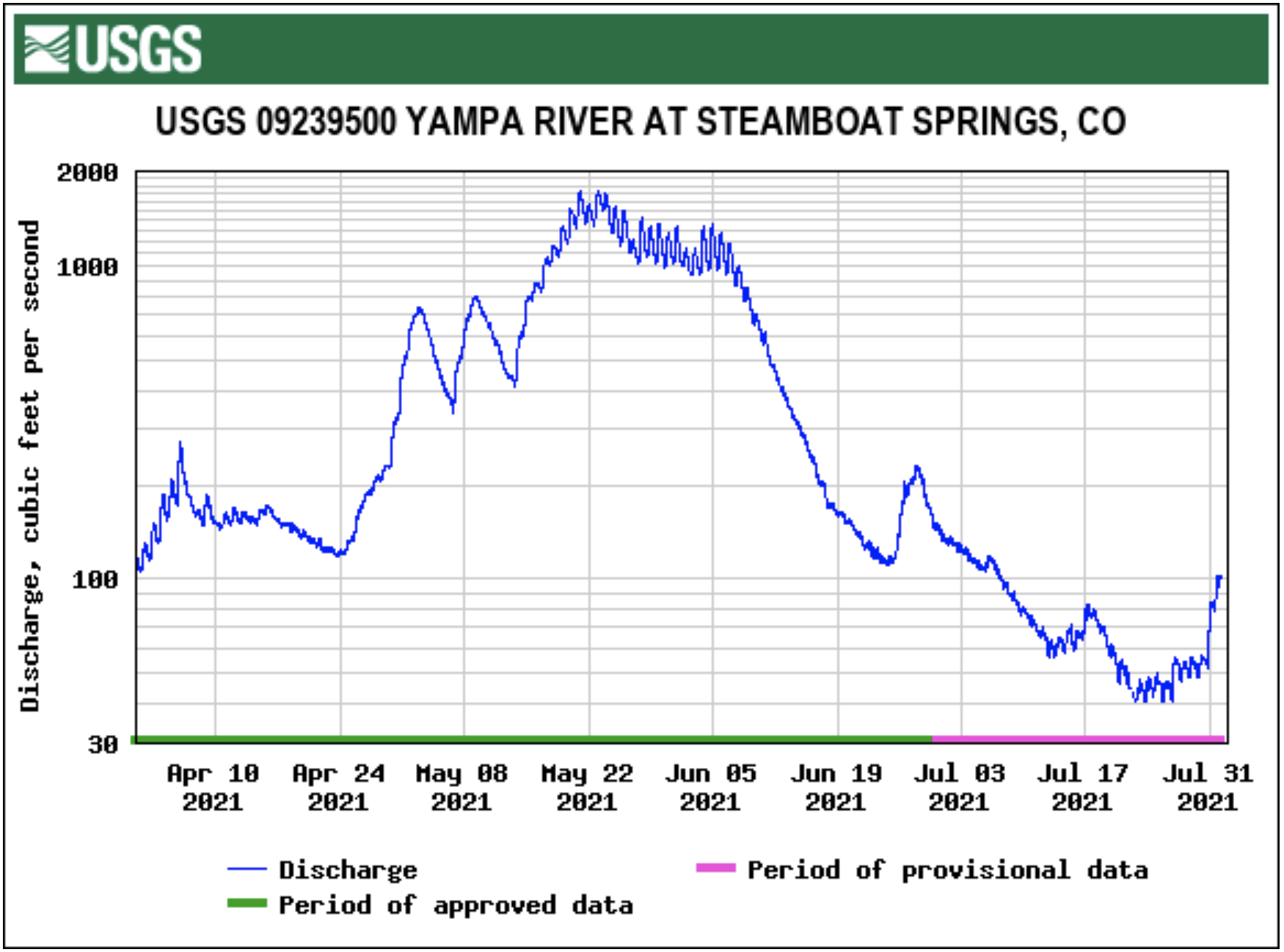
Yampa River at Phiips burg June 14, 2021. Photo credit: Scott Hummer
Here’s the release from the Colorado River District (Marielle Cowdin and Lindsay DeFrates):
Hotter temperatures and the long-running drought have dried soils and reduced runoff across the Western Slope, but certain river basins have taken harder hits. Last Thursday, July 29, the Colorado Division of Water Resources placed a call on the Yampa River, restricting water use for junior water rights holders.
“This is only the third time the Yampa has ever been on call,” said Hunter Causey, Director of Asset Management and Chief Engineer at the Colorado River District. “The previous call was last year, but this year’s is almost a month earlier, which highlights what an extraordinary drought we are in.”
The following weekend’s monsoonal rains, however, brought some relief and added opportunity; the call was taken off the Yampa at 11 a.m. on Monday, August 2. Working cooperatively with engineers at the Division of Water Resources, the Colorado River District will help to keep the call off the river to aid downstream farmers and ranchers with releases from Elkhead Reservoir. The 1,500 acre-feet designated for this effort will serve to postpone another call but is unlikely to do so indefinitely.
The Elkhead releases are part of the 2021 Yampa River Flow Pilot Project, a collaborative effort to better understand the need for additional water supplies in the Yampa River Basin for historical water users while enhancing river flows for endangered fish and recreational users. The Pilot Project was funded earlier this year by the River District’s Community Funding Partnership, a result of the voter-approved 7A ballot question last November.
“This demonstrates the positive and immediate impacts of the River District’s Community Funding Partnership, the funding program made possible by 7A,” said Amy Moyer, Director of Strategic Partnerships at the River District. “We worked quickly with multiple partners to secure these releases. This is how we are navigating extraordinary times and connecting with all our water users.”
Alongside these Pilot Project releases, a study is currently underway in partnership with Tri-State Generation and Transmission Association and Upper Yampa Water Conservancy District. The Yampa Storage Modelling project is exploring options to more fully utilize water releases from reservoirs in the Yampa Basin to benefit agricultural water users.
Additionally, the Colorado River District is currently working on additional efforts to provide relief for farmers and ranchers at the end of the summer season.
“These partnerships highlight the importance of cooperative efforts to keep water flowing as we face an uncertain future regarding water supply,” said River District General Manager Andy Mueller. “The Colorado River District will continue to be an active voice for West Slope water users and the health of our rivers.”
Over the last year, it’s been clear that climate change is not something that will be happening in the future. It’s here today. Between wildfires, mudslides, highway closures, extreme heat, drought, and worsening air quality, we’re seeing the often dramatic effects of climate change nearly every day.
New research from Colorado Fiscal Institute environmental policy analyst Pegah Jalali shows that the recent challenges we’ve been facing could pale in comparison to what’s ahead. In Colorado 2050: Why We Need Climate Resiliency to Protect Our Communities and Way of Life, see new ways for policymakers and the public to identify which communities in Colorado will be facing the greatest risks from climate change by the mid-21st century.
How Will Climate Change Affect Colorado?
Be sure to read the full report and accompanying visual brief, where you can learn more about these top takeaways:
Geographic Areas of Risk
Many mountain communities face barriers to overcome in becoming resilient to wildfires, drought, and extreme heat due to their geography and systemic inequities.
While most of the attention on climate is focused on the mountains, the Metro Area, large sections of the eastern plains, and parts of Southern Colorado, are at a high risk of being severely affected by several of the risk areas in the report.
The People Most Affected
People who this research shows will be most affected include: Farmers and agricultural workers (and others who work outdoors), people with chronic health conditions, older adults, young children, people who live in the Urban-Wildlife Interface, communities whose economies rely on skiing and other wintertime outdoor recreation activities, and people who work and communities that rely on the agriculture industry.
Barriers to Statewide Resiliency
Many of the communities this report focuses on are more likely to have workers who earn low incomes, a disproportionate number of whom are people of color. This is fueled by systemic racism that creates added barriers to resiliency for these communities.
The Cost of Keeping the Status Quo
The costs of inaction are great: Billions of dollars in damage have already occurred due to the wildfires of the last decade, including the devastating 2020 fires, and those costs will only grow as drought and extreme heat combine to create a longer fire season.
The Value of Acting on Climate Change
By acting now to accelerate our transition away from fossil fuels, investing more in clean energy and mitigation projects, investing in communities that face the greatest barriers to resilience, and ensuring a just transition for fossil-fuel dependent communities, we can avoid the very worst of what is coming.
Reducing Emissions, Reducing Risk
While every part of Colorado is projected to experience major consequences from climate change, reducing emissions to moderate levels will mean less dire increases in the four risk areas outlined in the report: extreme heat, ozone pollution, wildfires, and drought.
Registration is officially open for the 2021 Sustaining Colorado Watersheds Conference and we couldn’t be more excited to welcome you all back to Avon, Colorado, this fall.
As we’ve mentioned, this year’s conference will take place in a hybrid format, with the option to attend in person or virtually via the virtual conference platform. Whether you’ll join us in person or on screen, we’re thrilled to welcome you back as we convene Together Like Never Before.
2021 Conference Highlights & Details:
The conference structure this year is new and refreshed, with an in-depth (in-person) workshop day planned with experts for Tuesday, Oct. 5 that will include concurrent sessions
All conference attendees will gather (both in-person and virtually) on Wednesday, Oct. 6 as we hear from featured speakers and participate in interactive sessions as one group
Thursday, Oct. 7 will consist of off site field trips at various locations to be facilitated around the state
Oct. 5 workshop topics include: Funding, Fire & Resiliency, Water 22 Public Awareness, Watershed & Forest Health, Stream Health Evaluation Frameworks, Water Quality, Community Collaborations, Innovations, and Uncommon Partners
Oct. 6 topics include: Keynote and Featured Speakers, Colorado Water Plan 2.0, Adapting to Western Megafires, Including People for More Equitable Solutions, and closing remarks
Other elements of the conference will include favorite activities such as the Poster Social and Happy Hours as well as innovative ways to engage with each other with new events like guided Fireside Chats
An abbreviated conference agenda can be found HERE.
Here’s the release from the Bureau of Reclamation (Rob Manning):
Jaci Gould. Photo credit: USBR
Bureau of Reclamation Deputy Commissioner Camille Calimlim Touton today named Jacklynn (Jaci) L. Gould as regional director for the Lower Colorado Basin Region. Gould has more than 29 years of experience with Reclamation.
“Jaci brings a wealth of knowledge and experience to this vital position. She will lead a dynamic team of experts in the region who will be tackling a variety of issues in the Colorado River Basin,” said Deputy Commissioner Camille Calimlim Touton. “I am excited for her leadership.”
As regional director, Gould will lead over 800 employees in the region, which encompasses the last 700 miles of the Colorado River to the Mexican border, southern Nevada, southern California, and most of Arizona. She will oversee hydropower operations and maintenance for 15 facilities, including Hoover Dam, as well as the implementation of the Lower Colorado River Multi-Species Conservation Program, a multi-agency effort to conserve and work towards the recovery of endangered species and to protect and maintain wildlife habitat on the lower Colorado River.
“I am honored to be selected for this opportunity,” said Regional Director Gould. “The challenges we face as we address water, power, land and ecosystem resources throughout the Southwest in the interest of the American public are critical. I am committed to collaborative relationships and outcomes.”
Gould most recently served as deputy regional director, joining the region in May 2016. Prior to that she served in various management positions in Reclamation’s Great Plains Region, Eastern Colorado Area Office. As area manager, she was responsible for all aspects of the extensive Colorado-Big Thompson and Fryingpan-Arkansas projects. Additionally, Gould’s instrumental leadership in Reclamation’s Upper Colorado Region’s Albuquerque area office was instrumental in the development of the Middle Rio Grande Collaborative Program.
Gould’s career in water management began with Reclamation in 1992 after attending the University of Colorado, where she earned bachelor’s degrees in both biology and civil engineering, and a master’s degree in public administration. She is a licensed professional engineer in Colorado. Gould received the Superior Service Award, one of the Department of the Interior’s highest awards for career employees, as well as the Unit Award of Excellence for her outstanding leadership during the Big Thompson Canyon Flood in 2013.
Members of the Northern Water Municipal Subdistrict Board of Directors turn ground at the site of Chimney Hollow Reservoir on Friday, Aug. 6. From left are directors Don Magnuson, Sue Ellen Harrison, David Nettles, Todd Williams, Vice President Bill Emslie, President Dennis Yanchunas, Mike Applegate and Dale Trowbridge. Photo credit: Northern Water
Here’s the release from Northern Water (Jeff Stahla):
Northern Water’s Municipal Subdistrict celebrated the groundbreaking for Chimney Hollow Reservoir on Friday, culminating a 20-year permitting process to add resilience to the water supply for more than 500,000 northeastern Colorado residents.
The groundbreaking also triggers a host of environmental efforts that will occur in the headwaters of the Colorado River on the West Slope. Those include construction of the Colorado River Connectivity Channel to reconnect portions of the river located above and below Windy Gap Reservoir, wastewater treatment plant upgrades in the Fraser River Valley, environmental improvement projects through the Learning By Doing coalition, and other work providing water and storage that can be used for environmental purposes.
“Today marks a long-awaited milestone that required years of hard work and cooperation among many groups with diverse interests to achieve a project that has benefits for everyone in Colorado,” said Northern Water General Manager Brad Wind.
The addition of water storage is a key component of the Colorado Water Plan. Our population continues to grow as climate change brings higher temperatures and greater precipitation variability to the Colorado River headwaters. Construction of Chimney Hollow Reservoir gives the regional Windy Gap Firming Project participants a reliable water supply during dry years.
Since the Windy Gap Project was envisioned, water managers have recognized the need for additional storage specifically dedicated to storing Windy Gap water. Currently the Windy Gap Project depends on Lake Granby to store water when the project’s water rights are in priority. However, Lake Granby’s first priority is to store Colorado-Big Thompson Project water.
Chimney Hollow Reservoir is a key component for these Windy Gap Firming participants: Broomfield, Platte River Power Authority, Loveland, Greeley, Longmont, Erie, Little Thompson Water District, Superior, Louisville, Fort Lupton, Lafayette and Central Weld County Water District. Each of the reservoir project participants that provide residential water service has committed to reduce per capita water supply through water conservation.
Northern Water’s Municipal Subdistrict and Larimer County cooperated to purchase the Chimney Hollow property in 2004 from Hewlett-Packard. Chimney Hollow Reservoir will provide a much-needed outdoor recreational opportunity that can be enjoyed by everyone in Northern Colorado.
In recent weeks crews have been preparing the site for construction by bringing water and power to temporary administrative offices. In addition, the Western Area Power Administration relocated a high voltage power line from the footprint of the reservoir to a location up the hillside to the west.
Full dam construction activities are planned to begin Aug. 16. Barnard Construction Co. Inc. of Bozeman, Montana, is the general contractor for the four-year project. The cost of dam construction is estimated at $500 million, with the complete project including West Slope improvements at $650 million. The 12 project participants are paying its cost.
This graphic, provided by Northern Water, depicts Chimney Hollow Reservoir, located southwest of Loveland, after it is built.
When the dam is built, it will rise about 350 feet off the dry valley floor. The dam incorporates a technology common in Europe but less so in the United States. Its water-sealing core will consist of a ribbon of hydraulic asphalt instead of the clay that serves that purpose at the Carter Lake and Horsetooth Reservoir dams. Geologists discovered there wasn’t enough high-quality clay material within the footprint of Chimney Hollow Reservoir, and instead of bringing it in from elsewhere, the hydraulic asphalt core option was chosen. The dam’s rock-fill shoulders will use material mined from the reservoir footprint, which will reduce costs, pollution and increase storage capacity.
This new storage project allows us to supply clean water reliably, even in times of drought, to the people of northeastern Colorado from the existing Windy Gap Diversion. Starting construction on Chimney Hollow Reservoir is a major step to address water supply shortages for our growing population, much like our visionary predecessors did for us, while demonstrating that modern storage projects can also improve the environment.
More than 500,000 Coloradans across the Front Range can look forward to a more resilient water supply in the near future, after a groundbreaking Friday set in motion a $650 million project that will give water providers more reliable access to a vital resource that’s become increasingly scarce due to growing populations and climate change.
A crowd of about 200 gathered Friday morning for the groundbreaking of the Chimney Hollow Reservoir, a 90,000 acre-foot reservoir at least 20 years in the making. The reservoir will be located west of the Flatiron Reservoir in Larimer County.
A dozen municipalities, water providers and a power authority are participating in the Northern Water project, which boasts a price tag of $650 million, $500 million of which is for the dam construction. Other costs are going to environmental and water quality improvements in collaboration with affected communities. Adding in things like permitting costs, project manager Joe Donnelly said the total program costs were about $690 million.
Greeley is one of the participants, making up about 10% of the project. Other participants include Longmont, Fort Lupton, Central Weld County Water District, Broomfield and more. Greeley Water and Sewer director Sean Chambers said the city is putting about $57 million toward the construction…
The project had relied on Lake Granby to store water when the project’s water rights were in priority, but the lake’s first priority is to store Colorado-Big Thompson water. Over time, it became clear Front Range water providers would need a way to store Windy Gap water because the water wasn’t available when Front Range communities needed it the most…
Northern Water cooperated with Larimer County to purchase the Chimney Hollow property from Hewlett-Packard in 2004…
Drager and other speakers detailed numerous setbacks, including years of federal litigation after environmental groups filed a 2017 lawsuit. A judge in December dismissed the lawsuit, according to BizWest. The biggest setback, according to Drager, was needing to get a 1041 permit from Grand County. State officials also took issue when project officials hadn’t developed a mitigation plan with the state.
“We kind of argued a little bit, but we came to the conclusion that to really make this thing work, we would have to give something,” Drager said.
Restoring a river channel in the Upper Colorado Basin. Graphic credit: Northern Water
In a meeting with a Division of Wildlife official, they eventually settled on stream restoration for the Colorado River — one of many environmental considerations and concessions that helped pave the way for the partnerships that made the project possible…
Though some environmental work is being done at the site, most is at the headwaters of the Colorado River, according to Northern Water spokesman Jeff Stahla. The environmental mitigation and improvements will cost more than $90 million, including about $45 million to provide water for the river when it’s running low. Other improvements include helping the town of Fraser upgrade its wastewater treatment plant and stream restoration projects.
“These are things that wouldn’t have happened if this project doesn’t get built,” Stahla said. “By doing these things, it’s … mitigation and enhancement, because we’re not just mitigating for the effects of this project, but we’re enhancing what’s already there.”
The site will also serve as an outdoor recreational opportunity managed by Larimer County.
Map of the Colorado-Big Thompson Project via Northern Water
This image was taken during the peak outflow from the Gold King Mine spill at 10:57 a.m. Aug. 5, 2015. The waste-rock dump can be seen eroding on the right. Federal investigators placed blame for the blowout squarely on engineering errors made by the Environmental Protection Agency’s-contracted company in a 132-page report released Thursday [October 22, 2015]
Todd Hennis claims the U.S. Environmental Protection Agency has occupied part of his property near the Gold King Mine but hasn’t compensated him for doing so
The owner of an inactive southwestern Colorado mine that was the source of a disastrous 2015 spill…has filed a lawsuit seeking nearly $3.8 million in compensation for the federal government’s use of his land in its ongoing cleanup response…
Gold King mine spill Animas River August 2015 photo — Nancy Fisher via The Colorado Independent
Todd Hennis claims the U.S. Environmental Protection Agency has occupied part of his property near the Gold King Mine but hasn’t compensated him for doing so since the August 2015 spill, The Durango Herald reports. He also claims the EPA contaminated his land by causing the spill, which fouled rivers in Colorado, New Mexico and Utah with a bright-yellow plume of arsenic, lead and other heavy metals.
Hennis is seeking nearly $3.8 million in compensation in the suit filed [August 3, 2021] in the U.S. Court of Federal Claims. He contends EPA actions have violated his Fifth Amendment rights to just compensation for public use of private property.
Black Canyon National Park July 2020. Photo credit: Claire Codling/The Department of Interior
From email from Reclamation (Erik Knight):
Releases from the Aspinall Unit will be decreased from 1675 cfs to 1610 cfs on Saturday, August 7th. Releases are being decreased to bring flows in the lower Gunnison River closer to the baseflow target while still providing the additional release volume under the emergency provision of the Drought Response Operations Agreement (DROA). The April-July runoff volume for Blue Mesa Reservoir came in at 47% of average.
Flows in the lower Gunnison River are currently above the baseflow target of 890 cfs. River flows are expected to stay at levels above the baseflow target for the foreseeable future.
Pursuant to the Aspinall Unit Operations Record of Decision (ROD), the baseflow target in the lower Gunnison River, as measured at the Whitewater gage, is 890 cfs for August and September.
Currently, Gunnison Tunnel diversions are 1040 cfs and flows in the Gunnison River through the Black Canyon are around 660 cfs. After this release change Gunnison Tunnel diversions will still be around 1040 cfs and flows in the Gunnison River through the Black Canyon will be near 600 cfs. Current flow information is obtained from provisional data that may undergo revision subsequent to review.
Navajo Reservoir, New Mexico, back in the day.. View looking north toward marina. The Navajo Dam can be seen on the left of the image. By Timthefinn at English Wikipedia – Transferred from en.wikipedia to Commons., Public Domain, https://commons.wikimedia.org/w/index.php?curid=4040102
From email from Reclamation (Susan Novak Behery):
In response to decreasing flows in the critical habitat reach, the Bureau of Reclamation has scheduled an increase in the release from Navajo Dam from 500 cubic feet per second (cfs) to 700 cfs today, Saturday, August 7th, starting at 4:00 PM. Releases are made for the authorized purposes of the Navajo Unit, and to attempt to maintain a target base flow through the endangered fish critical habitat reach of the San Juan River (Farmington to Lake Powell).
The San Juan River Basin Recovery Implementation Program recommends a target base flow of between 500 cfs and 1,000 cfs through the critical habitat area. The target base flow is calculated as the weekly average of gaged flows throughout the critical habitat area from Farmington to Lake Powell.
The Covid-19 pandemic resulted in the largest-ever decline in global emissions
The Covid-19 pandemic and resulting economic crisis had an impact on almost every aspect of how energy is produced, supplied, and consumed around the world. The pandemic defined energy and emissions trends in 2020 – it drove down fossil fuel consumption for much of the year, whereas renewables and electric vehicles, two of the main building blocks of clean energy transitions, were largely immune.
As primary energy demand dropped nearly 4% in 2020, global energy-related CO2 emissions fell by 5.8% according to the latest statistical data, the largest annual percentage decline since World War II. In absolute terms, the decline in emissions of almost 2 000 million tonnes of CO2 is without precedent in human history – broadly speaking, this is the equivalent of removing all of the European Union’s emissions from the global total. Demand for fossil fuels was hardest hit in 2020 – especially oil, which plunged 8.6%, and coal, which dropped by 4%. Oil’s annual decline was its largest ever, accounting for more than half of the drop in global emissions. Global emissions from oil use plummeted by well over 1 100 Mt CO2, down from around 11 400 Mt in 2019. The drop in road transport activity accounted for 50% of the decline in global oil demand, and the slump in the aviation sector for around 35%. Meanwhile, low-carbon fuels and technologies, in particular, solar PV and wind, reached their highest ever annual share of the global energy mix, increasing it by more than one percentage point to over 20%.
Transport sees the biggest decline
A common theme across all economies is the scale of the impact of the pandemic and lockdown measures on transport activity. The decline in CO2 emissions from oil use in the transport sector accounted for well over 50% of the total global drop in CO2 emissions in 2020, with restrictions on movement at local and international levels leading to a near 1 100 Mt drop in emissions from the sector, down almost 14% from 2019 levels. With various travel advisories and border restrictions, international aviation was the sector hardest hit in 2020, with global flight activity reaching a low in April 2020 of 70% below the level in the same month a year earlier. In contrast to pre-crisis levels, emissions from international aviation fell by almost 45% or 265 Mt CO2 across the year to a level last seen in 1999. This decline is equivalent to taking around 100 million conventional cars off the road.
Road transport was also severely affected, with its demand for oil dropping 10% relative to 2019. The impact of the pandemic on global car sales was even greater: these fell by close to 15%. Electric cars bucked this trend, however, with their sales growing by more than 40% in 2020 to over 3 million, largely driven by policy support in the European Union and stimulus measures in the People’s Republic of China (“China”). This is an encouraging sign for clean energy transitions globally, although emissions growth last year from the continued shift towards larger vehicles such as SUVs offset the decrease in emissions from higher electric car sales.
With transport typically accounting for around 60% of oil demand, and the drop in oil demand contributing the largest share to the decline in 2020 emissions, the recovery of global transport activity is an important bellwether for the rebound in global oil demand and in global CO2 emissions. In emerging economies, the recovery of road transport activity through the second half of 2020 was one of the principal drivers of the rebound in emissions. In advanced economies, road transport activity remained suppressed through the second half of 2020 relative to 2019 levels.
Power sector decarbonisation accelerates
In the power sector, CO2 emissions declined by 3.3% (or 450 Mt) in 2020, the largest relative and absolute fall on record. While the pandemic reduced electricity demand last year, the accelerating expansion of power generation from renewables was the biggest contributor to lower emissions from the sector. The share of renewables in global electricity generation rose from 27% in 2019 to 29% in 2020, the biggest annual increase on record. Over the last ten years, the rise of renewables in the power sector has been having a growing impact on that sector’s emissions, with avoided carbon emissions growing by an average 10% each year. Despite the shock of the pandemic, renewables accelerated their expansion in 2020, with a 50% increase in their contribution to lowering power sector emissions relative to 2019.
Monthly data show a rapid recovery of economic activity and rebounding CO2 emissions
Last year, for the first time the IEA began to track energy demand and CO2 emissions trends on a monthly basis – and in some cases, in real-time. This provides a valuable tool for understanding the impacts of the pandemic on the energy sector. In January 2020, weather was the major driver of lower global CO2 emissions relative to 2019, with heating needs in major economies such as the United States, Germany, the United Kingdom and Russia 15% to 20% lower than in January 2019, due to milder-than-usual weather. The impact of the pandemic started to be felt in late February; and, by April, global emissions registered their largest monthly drop when a majority of advanced economies experienced various forms of restrictions on movement and travel. As the first wave of the pandemic was brought under control and economic activity increased towards the middle of the year, emissions increased. They continued to rebound through the rest of the year. In December 2020, global emissions were 2% higher than they were in the same month a year earlier.
Regional differences
Major emitters underpinned the rebound of global CO2 emissions in 2020, as a pick-up in economic activity boosted energy demand, with many economies already seeing emissions above pre-COVID levels. China, the first major economy to emerge from the pandemic and lift restrictions, saw a 7% increase in emissions in December 2020 compared with a year earlier. Emissions in India rose above 2019 levels in September as the economic environment improved and restrictions were relaxed. Meanwhile, the Diwali holiday period in November 2020 (rather than October, as in the previous year), as well as strikes in the agricultural sector, temporarily lowered energy demand and emissions in November. In Brazil, the recovery of road transport activity in September drove a recovery in oil demand, while increases in gas demand in the later months of 2020 pushed emissions above 2019 levels. Emissions in the United States fell by 10% in 2020. But on a monthly basis, after hitting their lowest levels in April and May, they started to bounce back. In December, US emissions were approaching the level seen in the same month the year before, as greater economic activity and the combination higher natural gas prices and of colder weather favoured an increase in coal use.
In China, the world’s largest CO2 emitter and the first country to be impacted by the Covid-19 pandemic, CO2 emissions dropped by 12% in February relative to the same month in 2019, as economic activity was curtailed. In April, China’s economic recovery lifted its monthly CO2 emissions above their 2019 level. For the remainder of the year, emissions in China were on average 5% higher than 2019 levels. The latest annual figures indicate that the country’s overall CO2 emissions in 2020 were 0.8% (or 75 Mt CO2) above the levels assessed at the end of 2019.
In India, annual CO2 emissions declined by 7% (or 160 Mt CO2) in 2020, a stark contrast with its average emissions growth of 3.3% from 2015 to 2019. With India’s almost 1.4 billion citizens in total lockdown during April 2020, emissions in that month fell by a staggering 40% compared with April 2019, the largest decline in a single month experienced by any major economy. Annual emissions from coal-fired power plants across India fell by 5% relative to 2019, adjusting to lower electricity demand while generation from renewables grew by close to 4%, increasing their share in the generation mix to 22%. With most industrial production and freight transport coming to a standstill during the lockdown, annual emissions from the transport and industry sectors both declined by close to 50 Mt CO2. This resulted in the lowest recorded levels of air pollution in recent years in many major Indian cities. In September, a rebound in economic activity saw energy demand in India return to 2019 levels, albeit a low bar given the economic slowdown towards the end of 2019.
The impact of the pandemic on advanced economies endured well beyond the initial lockdowns of March and April. Economic activity remained at lower levels for much of the second half of the year and dropped again in the final months of 2020 as new restrictions on movement were imposed in many countries. Nonetheless, the impact of a second wave of lockdowns on energy demand was lower than that of earlier lockdowns, and many advanced economies are already well on the way to seeing a recovery in their emissions.
In the United States, the lack of national lockdowns mitigated the impact of the enduring health crisis on overall energy use and emissions. Nonetheless, stay-at-home orders in several states and the economic crisis induced by the pandemic led overall annual CO2 emissions to decline by more than 10%, or almost 500 Mt CO2. Transport emissions fell the most, with a 14% decline as activity plummeted in April. Emissions in the United States have been on a declining trend in recent years, largely due to changes in the power sector. With a strong coal-to-gas shift as natural gas prices have moved towards historic lows, and the rapid growth of renewables, emissions from coal-fired power generation declined 27% from 2015 to 2019. This trend accelerated in 2020, with monthly inflation adjusted gas prices hitting an all-time low of USD 1.63 per million British thermal units in June at Henry Hub, and lower electricity demand driving emissions from coal generation down by a further 20%. However, coal demand would have fallen even further if not for the increase in gas prices in the second half of the year and the subsequent reversal of some coal-to-gas switching. This trend combined with colder temperatures to push up emissions in December.
Across the European Union, a region that saw multiple restrictions and lockdowns being imposed in almost all member states, annual CO2 emissions fell by 10% relative to 2019. Lower electricity demand across the bloc and an 8% increase in output from renewables drove a more than 20% decline in coal-fired power generation. As a result, the share of renewables in electricity generation increased to a record 39% in 2020, four percentage points higher than in 2019. Transport oil demand fell by 12%, a consequence of strict lockdown measures and restrictions on intra-European movement. In Germany, overall energy-related CO2 emissions dropped by almost 9% in 2020, with generation from coal-fired power plants falling by over 20% due to lower electricity demand and higher output from wind and solar. In France, annual emissions were 11% lower than in 2019, with emissions from transport declining by almost 20 Mt CO2 and accounting for 60% of the total reduction in France’s emissions as a result of the two nationwide lockdowns in the spring and autumn.
How will 2020 affect future emissions trends?
While 2020 marked the largest absolute decline in global CO2 emissions in history, the evidence of a rapid rebound in energy demand and emissions in many economies underscores the risk that CO2 emissions will increase significantly this year. What happens to energy demand and emissions in 2021 and beyond will depend on how much emphasis governments put on clean energy transitions in their efforts to boost their economies in the coming months. Avoiding a rebound in emissions requires rapid structural changes in how we use and produce energy. The IEA Sustainable Recovery report, published in June 2020, outlined a pathway to avoid a rebound in emissions, with the Sustainable Recovery Plan providing clear recommendations on how to create jobs, boost economic growth and significantly reduce emissions simultaneously.
Ensuring that 2019 marks a definitive peak in global CO2 emissions will be extremely challenging, but last year offers some valuable lessons that provide cause for optimism as we look ahead. Many power systems successfully kept the lights on, allowing hospitals to function or communication systems to operate with much higher shares of variable renewables. This provides a glimpse of things to come and offers greater confidence in operating large electricity systems powered with higher shares of renewables. Further, consumer preference for electric vehicles continues to grow, as does the number of electric vehicle models available.
Data sources and method
The IEA draws upon a wide range of respected statistical sources to construct estimates for the year 2020 and the month-to-month evolutions of energy demand and CO2 emissions. Sources include the latest monthly data submissions to the IEA Energy Data Centre (including December 2020 when available), real-time data from power system operators across the world, other statistical releases from national administrations, and recent market data from the IEA Market Report Series that covers coal, oil, natural gas, renewables and electricity. Where data are not available on an annual or monthly basis, estimates may be used.
CO2 emissions include emissions from all uses of fossil fuels for energy purposes. CO2 emissions do not include emissions from industrial processes, industrial waste and non-renewable municipal waste. CO2 emissions from international marine and aviation bunkers are included at the world level only.
Modern climate science is old enough for many of its early predictions to be checked against evidence—the overall global warming trend; specific patterns like nighttime warming exceeding daytime warming; or the cooling of the stratosphere. Even with all that new evidence, the estimated amount of warming you get for a given amount of greenhouse gas emissions hasn’t really changed since 1979.
The flip side to this is also true. Those who have opposed climate science’s conclusions—they’re a broad menagerie, including scientists in different fields, politics-obsessed bloggers, and think-tank employees—have also been squawking long enough for predictions to be tested. Despite their alternate-reality insistence that climate science never predicted anything, these contrarians don’t spend much time showing off their own predictions’ track record.
The reason for that is that the track record is very, very bad. Like the cringeworthy poetry you wrote in high school, they probably hope that everyone will just forget about it.
What goes up must come down
Before we turn on the scoreboard, it’s worth reviewing some commonalities of these predictions. Most of them appeal to cycles—particularly solar cycles. This lets them place any alarming upward trend in the comforting blanket of a downward trend that is just around the corner.
The Sun goes through an 11-year cycle of activity, which has been apparent for a very long time from records of sunspots. The length of the cycle is quite consistent, driven by an oscillation of the Sun’s magnetic field. The magnitude of change over each cycle does vary, though, including famous “minimum” periods where sunspots were nearly absent across multiple cycles.
While this cycle does produce a measurable variation in solar radiation, the effect on Earth’s climate is quite small. Scientists who study our atmosphere, weather, and climate know this. Some scientists who study the Sun, however, have managed to escape awareness of this fact and attempted to explain (or predict) every wiggle in Earth’s climate based on the timing of solar cycles.
Beyond the Sun, this mathematical but physics-free approach has led to many confident but false predictions. In any data with variance, one can find signals of cycles of various lengths. Some will be meaningful—like annual cycles in temperature or oscillations of El Niño and La Niña conditions in the Pacific—while others will simply be coincidental.
If you look hard enough, you can find a specific data set and specific time period where a particular cycle length shows up. Make up a good story to go with the curve you fit to that spurious cycle, and you can write a persuasive blog post about what will happen next. Of course, reality doesn’t read your blog and is famously difficult to persuade.
Must replenish my strength with rays of the Sun
For comparison with past predictions, we’ll use NASA’s global surface temperature data set—though any of the major data sets would do. In the reality that is tracked by this data set, each year from 2015 through 2020 turned out to be warmer than any year previous to 2015.
The specific predictions we dug up were made between 2005 and 2013. To be accurate, these predictions would have to account for the long-term warming trend of the preceding decades. But accounting for warming would undermine the whole endeavor of labeling climate change a “hoax,” so none of these predictions did.
NASA’s global surface temperature record through 2020 via ars technica
2008, Don Easterbrook (source): “global climates can be expected to cool over the next 25-30 years[…] The real danger in spending trillions of dollars trying to reduce atmospheric CO2 is that little will be left to deal with the very real problems engendered by global cooling.”
Easterbrook, a retired professor of geology, makes this claim based on the appearance of roughly 30-year fluctuations in a Greenland ice core. Inappropriately extrapolating this local record to the entire globe, he declared that warming between 1977-1998 was entirely due to this unidentified cycle. That would mean 30 years of cooling was next—physics of the greenhouse effect be damned.
He repeated this claim over a number of years, starting in 1998, when he predicted that temperatures would start dropping in the first decade of the 2000s. They did not.
2009, Henrik Svensmark (source): “In fact global warming has stopped and a cooling is beginning[…] Everything indicates that the Sun is going into some kind of hibernation[…]”
Svensmark is a Danish physicist who long pushed a hypothesis that climate should fluctuate with solar and orbital cycles because incoming galactic cosmic rays—which are less common when the Sun’s magnetic field deflects more of them—controlled the production of condensation nuclei for clouds.
An experiment at CERN was actually built to test this mechanism, which didn’t pan out. It’s no surprise, then, that the predictions of imminent cooling (including those in his 2007 book titled The Chilling Stars: A New Theory of Climate Change) didn’t pan out, either.
2010, Anastasios Tsonis (source): “We have such a change now [of ocean oscillations] and can therefore expect 20 or 30 years of cooler temperatures[…] Perhaps we will see talk of an ice age again by the early 2030s, just as the [ocean oscillations] shift once more and temperatures begin to rise.”
Tsonis—a retired professor of atmospheric science—was a temporary star of the climate contrarian movement for his repeated assurances of a cooling trend. Like Easterbrook, this was based on natural oscillations around 30 years long. Specifically, Tsonis appealed to known ocean oscillations in the Pacific and Atlantic.
This fed off the meme that warming had stopped in 1998—a cherry-picked year that was anomalously warm—and thus the cycle had already turned downward. As late as 2013, Tsonis was on Fox News saying that “I would assume something like another 15 years of leveling off or cooling.” Unlike global temperatures, that prediction isn’t looking so hot.
2011, Nicola Scafetta (source): “The climate will likely stay steady until 2030/2040 and may warm by about 0.3-1.2° C by 2100.”
Scafetta—a physicist who loves to publish papers on topics outside of physics—was the king of fitting wiggly cycles to temperature data and then extrapolating into the future. In this instance, Scafetta claimed that a pile of astronomical cycles with varying lengths was controlling Earth’s climate. Running this mathematical model forward predicted about three decades of small ups and downs followed by a much smaller warming trend than what we see in climate models.
Scafetta’s prediction (blue) and observed temperatures (red) as of 2011 via ars technica
2012, David Archibald (source): “Sea level has a few more mm of rise to the maximum of Solar Cycle 24 in 2013 and then will fall 40 mm to 2040 taking us back to levels of the early 1990s.”
Archibald predicted a sudden reversal of sea level rise in 2011 via ars technica
Lest you think this is limited to temperatures, let’s take a quick detour to sea level. Archibald’s profile on the website of the Heartland Institute (a climate contrarian “think tank”) describes him as “a scientist operating in the fields of cancer research, climate science, and oil exploration.” Here he seized on a temporary dip in sea level rise caused by strong La Niña rains that transported water onto continents around the Pacific.
Despite this extremely obvious cause, some contrarian commentators declared that sea level rise had ended. Archibald declared that 30 years of sea level fall had begun in 2011. But in reality, it resumed apace the following year and has continued rising.
Sea level rise did not, in fact, end via ars technica
Archibald, again (source): “The total temperature shift will be 4.9° C for the major agricultural belt that stretches from New England to the Rockies straddling the US-Canadian border.”
Yep, he went there! At the same time Archibald assumed solar cycles would somehow turn sea level around, he predicted a drastic cooling trend. He used a favored method of focusing on individual locations (whichever ones fit the narrative best!) rather than the global record, but his cooling prediction applied around the world. (And no, his prediction for Hanover didn’t work, either.)
This 2012 prediction has not aged well via ars technica
2012, Fritz Vahrenholt (source): “But the Sun has been getting weaker since 2005, and it will continue to do so in the next few decades. Consequently, we can only expect cooling from the Sun for now.”
Vahrenholt co-authored a book titled Die Kalte Sonne (The Cold Sun), on which the chart below is based. It speaks for itself.
This chart, created by climate scientist Stefan Rahmstorf, shows how poorly Vahrenholt’s prediction fared through 2016 via ars technica.
2013, Judith Curry and Marcia Wyatt (source): “the current pause in global warming could extend into the 2030s.”
Curry was a professor of Earth and Atmospheric Sciences at Georgia Tech before retiring to start a consulting business. Through her blog, Curry lent a veneer of seriousness to all manners of low-effort contrarian nonsense while proclaiming herself persecuted by the rest of the scientific community. Her central theme was that natural climate variability was larger than everyone thought, with any clarity about human-caused climate change swallowed up by what she called the “uncertainty monster.”
For several years around the time of this paper, Curry pushed a “stadium wave” explanation for recent temperatures. The idea was that the (cherry-picked) flatter temperature trend of the 2000s was evidence of a confluence of natural cycles that would continue to cancel out human-caused global warming for several decades. But instead, the run of La Niña years that was actually causing it soon gave way—as everyone else knew it would—and the long-term warming trend plodded onward.
2013, Habibullo Abdussamatov (source): “Now we witness the transitional period from warming to deep cooling characterized by unstable climate changes when the global temperature will oscillate (approximately until 2014) around the maximum achieved in 1998.”
We’re back to solar cycles. The prediction here, by a Russian astrophysicist, was that cooling into a new “Little Ice Age” would commence around 2014. The comparison to the Little Ice Age of the late 1600s to early 1800s was a common one among climate contrarians, but low solar activity is actually thought to have had relatively little to do with it. In the present, with increased greenhouse gases trapping more heat, even a major solar lull would be overwhelmed—not that one has actually happened.
According to Abdussamatov, it should all have been downhill from 2014 via ars technica.
2005, the $10,000 bet (source): “James Annan, who is based at the Japan Agency for Marine-Earth Science and Technology in Yokohama, has agreed a US$10,000 bet with Galina Mashnich and Vladimir Bashkirtsev, two solar physicists who argue that global temperatures are driven by changes in the Sun’s activity and will fall over the next decade.”
Let’s go back to 2005 to round out this list. This cooling prediction by Mashnich and Bashkirtsev was similarly based on a predicted decline in solar activity for several decades. The spicy bet they agreed to certainly elevates this prediction above the rest of this list, though.
Obviously, James Annan won this bet (among others!), but it may not surprise you to learn that the losers never paid up.
Juuuuust a bit outside
It’s true that climate trend predictions should generally be judged over longer timescales to minimize the influence of short-term variability. You won’t catch actual climate scientists making definitive statements about what will happen in the next couple years because they understand that variability dominates in brief periods. The predictions evaluated here, however, represented confident claims of an imminent and persistent reversal of the warming trend—which has not manifested in the slightest.
This is not an exhaustive list, but it is representative of the constant drumbeat of the contrarian blogosphere and partisan media. After all, there’s no more eye-catching way to reject human-caused warming than to assert that “Well actually… it’s cooling!” Any such claim, no matter how preposterous or thinly supported, would get promoted without inspection across these sites.
On the other hand, the products of climate science—including the Intergovernmental Panel on Climate Change (IPCC) reports—have performed admirably over this time period. Climate-model projections (which are contingent on scenarios of greenhouse gas emissions) match well with reality. Physics, it turns out, is a good thing to include in your model.
Here’s how the model projections (gray/black) from the last two IPCC reports compare to observed temperatures (colored lines) through 2020. Via ars technica.
A new IPCC report is due out soon, providing the latest summary of what we know along with a new set of model projections. One very safe prediction is that it will be much more useful than this collection of errant cooling forecasts. If anyone still doubts that, you need only point to the scoreboard.
Lawn sizes in Castle Rock are sharply limited to save water, with some homeowners opting to use artificial turf for convenience and to help keep water bills low. Oct. 21, 2020. Credit: Jerd Smith, Fresh Water News
Conservation groups want more “cash for grass” and other plans to acquire new water by saving it. But Denver and Aurora, among others, say there’s only so much to cut before a new dam is needed.
Conservation groups applaud water savings efforts like Aurora’s. What they want is far, far more of the same.
They point to reports required by the state water conservation board showing many large agencies on the Front Range cutting back spending and personnel dedicated to water conservation since 2013, at the same time those water departments press to build massive dam complexes for new water they say they desperately need.
Large water agencies like Denver Water and Aurora Water say they do have ongoing conservation efforts they take seriously, but that fast population growth on the Front Range overwhelms potential savings and they need new water storage…
It would be much better for Colorado’s environment, the conservation groups respond — not to mention cheaper — to acquire water by using less of it, rather than spending billions of dollars on dams and diversions of Western Slope water.
And yet, several projects are on the drawing board:
A map prepared by Aurora Water that shows a potential 500-acre adjustment to the Holy Cross Wilderness boundary near the potential Whitney Reservoir on lower Homestake Creek. The map as current as of July 16, 2019.
Aurora wants to team up with Colorado Springs to build Whitney Reservoir and divert more of Homestake Creek over the Continental Divide to the Front Range
Denver Water wants to expand Gross Reservoir above Boulder to hold more Fraser River water diverted from the Colorado River Basin
U.S. Highway 287 runs through the future site of Glade Reservoir. The Larimer county Board of County Commissioners approved the 1041 Land Use Permit for NISP in September, 2020. Photo credit: Northern Water
Northern Water has a $1 billion proposal to dam more Cache la Poudre River water for more than a dozen northern suburbs and cities
All of those would be unnecessary, the conservationists say, if the agencies doubled down on water-saving efforts that cut deeply into household use in the years after the devastating 2002 Front Range drought…
“We know that water in the West is increasingly in short supply and will only become more so as climate change results in worsening drought conditions and water shortages. The answer can’t simply be to pull every last drop of water out of our rivers,” said Juli Slivka, policy director at Wilderness Workshop, which is among the groups fighting any new dams on Homestake Creek.
Some of the bigger water agencies on the Front Range respond that conservation remains a primary goal, despite the falloff in their spending evident in annual reports required by the Colorado Water Conservation Board.
Aurora’s population will grow by hundreds of thousands of people by 2050, said Aurora Water spokesman Greg Baker. The agency focuses intensely on conservation to expand its water supply, Baker said, through programs like the smart meters and rebates to property owners who remove thirsty lawns, and with Prairie Waters, the largest potable water recycling system in the state.
But that growth, highly visible on Aurora’s eastern edge at the Highlands or Painted Prairie, means stretching existing water use is not enough for future supply, he added. Acquisition of new water must continue. The agency just spent about $17,000 an acre-foot for 500 acre-feet of farm water in the South Platte River Basin, Baker said.
“That’s more than we could find through conservation right now, unless we took such draconian measures — you know, say we banned all outdoor water use,” he said.
Denver Water, serving 1.5 million customers as the largest water agency in Colorado, said it is proud of conservation efforts launched after the wakeup call of the 2002 drought, achieving its goal of a 22% cut in per capita water use in a campaign from 2007 to 2016. Since then, said Denver Water’s manager of demand planning Greg Fisher, some resources have shifted to the concept of “efficiency” — focusing less on absolute cuts to everyone’s use, and instead consulting with larger customers and homeowners to ensure they are using only the water they actually need…
Denver Water’s officially reported tally of its conservation work fell from 36 full- and part-time staff and a budget of $8 million in 2013 — the first year of required reporting — to five full-time staffers and $1.5 million in spending in 2019, the last full year before the pandemic shut down many field services. Denver’s peak of conservation staffing, at 40 in 2016, was the same year the agency said it achieved the long-set goal of 22% per capita reductions in use.
Denver Water says daily water use fell from 211 gallons per person in 2011, before another severe drought began in 2013, to 165 gallons a day in 2016. Since then, Fisher said daily use has declined to about 140 gallons. In the years since the 2002 drought, Denver Water’s annual overall use has gone down, even as the customer base has climbed by hundreds of thousands.
Lawn and plant irrigation still takes up by far the largest part of residential water use on Colorado’s Front Range. (Screen shot, Denver Water website)
The Denver agency says the state conservation reports are partially misleading because they ask for too narrow a classification of spending that ends up cutting water use. For example, Fisher said, Denver Water is spending more money on staff time helping local agencies rewrite green building codes to require more efficient water use…
Aurora’s conservation staffing has changed less dramatically, from 15 full-time and 13 contract positions in 2013, to a total of about 24 positions now, officials said. The emphasis has shifted over the years, Baker said. Most home and building owners have long since swapped out older toilets for efficient models, and individual homeowner irrigation audits are not as productive as broader efficiency programs…
Environmental conservation groups opposed to diverting water from Western Slope rivers are especially focused this year on Boulder County’s Gross Reservoir, where Denver Water wants to raise the dam by 131 feet at a cost of $464 million. A higher dam would allow Denver to bring over more of the water it owns in the Fraser River, part of the Colorado River Basin west of the Continental Divide. Denver also says it needs more water storage on the northern end of the Front Range in case changing climate patterns and wildfire runoff threaten water collection in the southern South Platte River basin, where most of its available water is collected…
Multiple environmental groups have sued to stop Gross Reservoir and sought to scrap it during the local permitting process. Boulder County held the power over a key construction permit Denver Water needs this year. Now Denver Water has asked a federal court to take over jurisdiction for the permit because the agency believes Boulder County Commissioners have already demonstrated their intent to block it…
Aurora Water says it is one of the few Colorado utilities that is doing exactly that [paying cash for grass], with its “water-wise landscape” payments. Aurora will design a homeowner’s low-water garden for free, and pay material costs up to $3,000 for 500 square feet — even more for a zero-water landscape, Baker said…
Denver Water says it offers everything from low-water “garden-in-a-box” kits, to rebates for installing the kind of smart controllers Aurora promotes, to training for landscapers…
Building storage, though, must remain a part of the water acquisition mix, both Denver and Aurora argue. As the system has gotten more efficient through conservation, Denver Water said, possible future gains diminish. In the 2002 drought, Denver said, its short-term restrictions cut water use 30%. After years of conservation work, similar restrictions in the 2013 drought — for a significantly larger customer base — cut water use only 20%.
“We are reaching the edges of supply,” Hartman said.
Click here to read the newsletter. Here’s an excerpt:
Colorado Water Loss Initiative to Kick Off Second Phase
The Colorado Water Conservation Board is kicking off the second phase of the Colorado Water Loss Initiative – a comprehensive program for training and technical assistance for urban water systems across Colorado. Phase 2 will focus on expanding the curriculum to include water loss training and technical assistance to small water systems (non-covered entities). Phase 2 is open to both new and returning participants. Registration details will be available starting September 2021. Learn more.
Last night’s storm (July 30, 2021) was epic — Ranger Tiffany (@RangerTMcCauley) via her Twitter feed.
Click here to read the briefing. Here’s an excerpt:
Heavy monsoonal rains in Utah and Colorado during July led to above average precipitation, slight improvements to drought conditions and flooding. Most of the region experienced above average temperatures in July. Drought conditions improved slightly in Utah, but significantly worsened in parts of Wyoming. Despite above average July precipitation in much of the region, July streamflow in northern Utah rivers was at a record low and seasonal streamflow volume for many regional rivers was just above record low amounts.
Map credit: High Plains Regional Climate Center
During July, monsoonal precipitation pushed northward into much of Utah and southern Colorado. Large areas of southwestern Utah received 150 – 400% of average July precipitation. Western US Seasonal Precipitation Areas of southwestern and central Colorado received 125 – 200% of normal July precipitation. Isolated areas of northern Utah and Wyoming received average to slightly above average precipitation in July. Most rain during July fell as heavy downpours from monsoonal thunderstorms and led to flash flooding in Utah and Colorado and caused debris flows on several recent wildfire burn scars in Colorado, most notablly the Cameron Peak Fire scar (northern Colorado), the Grizzly Gulch Fire scar (Glenwood Canyon) and the Pine Gulch Fire scar (Grand Junction).
Map credit: High Plains Regional Climate Center
During July, temperatures were above average in Utah, Wyoming and northwestern Colorado. Western US Seasonal Precipitation In most of Utah, July temperatures were 2 to 4°F above average and 4 to 6°F above average in northern Utah. In nearly all of Wyoming, July temperatures were at least 2°F above average and temperatures in northern and western Wyoming were 4 to 6°F above average. In eastern Colorado, July temperatures were near average and slightly above average in western Colorado.
Map credit: USGS Water Watch
Monsoonal rainfall elevated streamflow to average levels in southern Utah, and southern and eastern Colorado. However, in northern Utah, monthly streamflow reached record-low levels on the Duchesne, Lake Fork, Logan, Provo and Weber Rivers and in Wyoming, record low July streamflow was observed on the Snake River above Jackson Lake and on the Little Snake River in southern Wyoming. Overall, the 2021 water year produced extremely low cumulative streamflow volumes on rivers west of the Continental Divide. As of August 3rd, annual streamflow volumes were at record low levels on the Weber River Western US Seasonal Precipitation and very near record low levels on the Colorado (Cisco, UT) Western US Seasonal Precipitation, Green (Green River, UT) Western US Seasonal Precipitation, Gunnison (Grand Junction, CO) Western US Seasonal Precipitation, San Juan (Bluff, UT) Western US Seasonal Precipitation and Yampa (Maybell, CO) Rivers. Western US Seasonal Precipitation
Upper Colorado River Basin Drought Monitor 4 week change map ending August 3, 2021.
Above average rainfall in southern Utah and southwestern Colorado improved drought conditions by one drought category, but persisted regionally except in Colorado east of the Continental Divide which still remains free of drought Western US Seasonal Precipitation. Utah is still experiencing the most severe regional drought conditions, but July precipitation caused some improvement to conditions; D4 drought covers 52% of the state, a 13% reduction during July. In Wyoming, which largely missed the monsoonal rains that Colorado and Utah received, drought conditions worsened during July. Drought conditions now cover 93% of Wyoming and D3 (extreme) drought increased from 9% to 33% of the state during July. While Colorado still remains drought-free east of the Continental Divide, drought conditions generally worsened in western Colorado despite above average precipitation in many locations. D3 drought covers 33% of Colorado and D4 covers 18% of the state.
Pacific Ocean temperatures were near-average during July and near-normal ocean temperatures with ENSO-neutral conditions are expected to continue through at least October. Western US Seasonal Precipitation NOAA seasonal forecasts on the one-month timescale suggest an increased probability of above average temperatures during August and equal chances of above or below normal precipitation. The NOAA seasonal forecast for August – October suggests and increased probability of below average precipitation Western US Seasonal Precipitation and above average temperature for the entire region with the highest probabilities centered over Utah, suggesting the possibility of degradation of drought conditions following the monsoonal rains in July.
A burnt sign on Larimer County Road 103 near Chambers Lake. The fire started in the area near Cameron Peak, which it is named after. The fire burned over 200,000 acres during its three-month run. Photo courtesy of Kate Stahla via the University of Northern Colorado
Significant July weather event. A flash flood and subsequent debris flow from the Cameron Peak Fire scar killed three people and destroyed five homes in northern Colorado on July 20th. The Cameron Peak Fire, which burned 208,000 acres in 2020, was the largest fire in Colorado state history and left large areas in the mountains of northern Colorado at high risk for debris flows. A monsoonal thunderstorm caused a flash flood and debris flow down Black Hollow into the town of Rustic along the Cache La Poudre River. One of the five homes swept away by the debris flow had four occupants, three of whom were found dead and one remains missing.
FromThe Grand Junction Daily Sentinel (Sam Klomhaus):
Clifton’s water remains safe to drink despite adverse conditions upstream affecting the Colorado River, according to the Clifton Water District…
“The convergence of multiple flash floods, debris from the fire, ash, vegetation, and mud have created large swings in water quality and clarity of the Colorado River,” the release said.
According to the release, Clifton’s water treatment plant is uniquely suited to cleaning the water in these conditions, in which other water treatment plants might struggle.
Water users in Clifton may notice some variations in taste, mineral content and temperature of the water, according to the release, but the water is safe to drink.
A kayaker makes her way down the San Juan River, which delivers water from Colorado, New Mexico and Utah to Lake Powell. Photo credit: Brent Gardner-Smith/Aspen Journalism
From email from Reclamation (Susan Novak Behery):
In response to decreasing flows in the critical habitat reach, the Bureau of Reclamation has scheduled an increase in the release from Navajo Dam from 400 cubic feet per second (cfs) to 500 cfs on Friday, August 6th, starting at 4:00 AM. Releases are made for the authorized purposes of the Navajo Unit, and to attempt to maintain a target base flow through the endangered fish critical habitat reach of the San Juan River (Farmington to Lake Powell).
The San Juan River Basin Recovery Implementation Program recommends a target base flow of between 500 cfs and 1,000 cfs through the critical habitat area. The target base flow is calculated as the weekly average of gaged flows throughout the critical habitat area from Farmington to Lake Powell.
Click on a thumbnail graphic to view a gallery of drought data from the US Drought monitor.
US Drought Monitor map August 3, 2021.
High Plains Drought Monitor map August 3, 2021.
West Drought Monitor map August 3, 2021.
Colorado Drought Monitor map August 3, 2021.
Click here to go to the US Drought Monitor website. Here’s an excerpt:
This Week’s Drought Summary
Abundant monsoonal precipitation again spread from the Southwest as far as eastern Nevada, southern Idaho, southern and western Wyoming, and western Colorado. Totals exceeding an inch were common, and 2 to 4 inches doused some of the higher elevations, especially across the central Rockies and Intermountain West. Most other areas of dryness and drought recorded at least light precipitation, but totals were not enough to significantly improve dryness and drought from the Plains eastward. Conditions deteriorated in several areas where there was little or no rainfall, specifically the northern Plains from eastern Montana through western Minnesota, from central Kansas and adjacent Colorado northward into Nebraska, across northeastern Arkansas, over the central Virginias, and in the climatologically dry areas of the Far West. Temperatures fluctuated during the week, with unusual heat covering central and southeastern parts of the country early in the period, but restricted to near the Gulf Coast by the end of the period. On the other hand, abnormally hot conditions slowly developed in much of the West after a relatively mild start (due in large part to monsoonal rainfall)…
Abundant rainfall associated with the Southwest monsoon fell on the western half of Colorado, prompting widespread 1-category improvement. Exceptional drought (D4) is now confined to northwestern parts of the state and a small region in central Colorado. Areas farther north an east recorded less precipitation, allowing dryness and drought to remain intact or intensify. There was little change across Wyoming, but D0 and D1 classifications expanded from northeastern Colorado and Kansas northward into Nebraska. Deteriorating conditions were also noted across North Dakota, where drought has been evident since at least spring. Exceptional drought (D4) expanded substantially to cover much of the state’s interior…
West Drought Monitor one week change map ending August 3, 2021.
This has been a region of extremes for a few weeks now. Abundant monsoonal rainfall has affected Arizona and New Mexico for about a month, and recently heavy rains expanded as far northward as eastern Nevada, southern Idaho, Utah, and the adjacent fringes of the High Plains Region. July 2021 was the wettest month ever in Tucson, Arizona, where more than 8 inches of rain fell. This stands in sharp contrast to the approximately 0.5 inch of rain that fell last July. A 5-day stretch in late July saw more rain than the entire year of 2020. Across southeast Arizona, 13 flood warnings were issue for a least a brief time in a small area during 2020. So far this summer, 83 such warnings have been issued. Still, while the monsoon has been very beneficial across southern and central sections of the West Region, the protracted length and severity of the drought there still has most of this region in Severe Drought (D2) or worse, with a large area of D3 and D4 covering Utah and most of Nevada. Across the northern and western tiers of the West Region, conditions have been far drier, and with frequent rounds of abnormal heat, drought conditions and impacts continue to increase. Eastern Washington, central Oregon, and now parts of Montana are in Exceptional (D4) drought, with 1-classification deterioration noted across the entire state of Montana last week. The dryness and periodic intense heat have abetted the development and spread of large wildfires. So far this year, roughly the western half of the country has endured almost 17,000 large fires which have scorched about 2.5 million acres of land…
Scattered patches of dryness can be found in the South, but they are few and far between. One to two months of subnormal rain prompted new, small areas of abnormal dryness (D0) in northeastern Tennessee and part of northeastern Arkansas. The latter area has seen 30 to 65 percent of normal precipitation in the past month. A small new D0 area was also introduced in the eastern Red River Valley while dryness slightly expanded in Oklahoma and remained intact across lower reaches of the Big Bend. Other areas remained free of significant dryness…
Looking Ahead
During the next 5 days (August 3 – 9, 2021) the heavy monsoonal rains that have soaked a large part of the southern Rockies and interior West should ease up, with significant totals exceeding 0.5 inch restricted to some higher elevations. Farther north, moderate to heavy rains are expected in the upper Midwest and most of the Great Lakes region. Between 1.5 and 3.0 inches are expected at most locations from the northeastern quarter of Iowa through northern Illinois and much of Wisconsin. Meanwhile, light to moderate rains are forecast northwest Washington, part of east-central Idaho and southwestern Montana, the east-central Great Plains, most of southern Texas, the central Appalachians, portions of eastern Ohio, and northwestern Maine. Elsewhere, only isolated areas of light to moderate rain are anticipated, with little or none expected through much of the Great Plains, the lower Mississippi Valley states, and the lower elevations in the southwestern quarter of the contiguous 48 states. Above-normal temperatures will accompany dryness in most of the northern and western parts of the Nation, particularly at nighttime. Daily minima should average 6 to locally 9 degrees F in parts of the southern Rockies and Intermountain West, with near normal temperatures restricted to much of California and the relatively drought-free Southeast. Daytime high temperatures will be near to somewhat above normal through most areas of dryness and drought, with the largest anomalies (+6 to +10 degrees F) exacerbating the dryness in the central Plains
The CPC 6-10 day extended range outlook (for August 10 – 14, 2021) favors subnormal precipitation through a large part of the country, but not with high confidence. But everywhere from the Southeast coastal plain and Florida northward and westward through the Gulf Coast region, the central and western Mississippi Valley, The Plains, all but the southernmost Rockies, California from the Cascades and Sierra Nevada eastward, and the Pacific Northwest. Monsoonal moisture may increase again in southern areas, with above-normal precipitation slightly favored in the southern half of Arizona and part of New Mexico. Odds also favor above-normal precipitation in the Great Lakes region, Ohio Valley, Northeast, and the dry areas in Alaska. Subnormal temperatures are expected to accompany the increased precipitation in Alaska, but a vast majority of the contiguous states should average warmer than normal. Odds exceed 60 percent (compared to climatological odds of 34 percent) from the central and northern Plains eastward, topping 80 percent from the central Appalachians through the Northeast. Only parts of southern Texas and southern Arizona do not have enhanced chances for above-normal temperatures.
US Drought Monitor one week change map ending August 3, 2021.
Just for grins here’s a gallery of US Drought Monitor maps for early August for the past few years.
You probably remember your grade school science teachers explaining that energy can neither be created nor destroyed. That’s a fundamental property of the universe.
Energy can be transformed, however. When the Sun’s rays reach Earth, they are transformed into random motions of molecules that you feel as heat. At the same time, Earth and the atmosphere are sending radiation back into space. The balance between the incoming and outgoing energy is known as Earth’s “energy budget.”
Our climate is determined by these energy flows. When the amount of energy coming in is more than the energy going out, the planet warms up.
That can happen in a few ways, such as when sea ice that normally reflects solar radiation back into space disappears and the dark ocean absorbs that energy instead. It also happens when greenhouse gases build up in the atmosphere and trap some of the energy that otherwise would have radiated away.
99.9 watts are reflected back into space by clouds, dust, snow and the Earth’s surface.
The remaining 240.5 watts are absorbed – about a quarter by the atmosphere and the rest by the surface of the planet. This radiation is transformed into thermal energy within the Earth system. Almost all of this absorbed energy is matched by energy emitted back into space. A tiny residual – 0.6 watts per square meter – accumulates as global warming. That may not sound like much, but it adds up.
The atmosphere absorbs a lot of energy and emits it as radiation both into space and back down to the planet’s surface. In fact, Earth’s surface gets almost twice as much radiation from the atmosphere as it does from direct sunshine. That’s primarily because the Sun heats the surface only during the day, while the warm atmosphere is up there 24/7.
Together, the energy reaching Earth’s surface from the Sun and from the atmosphere is about 504 watts per square meter. Earth’s surface emits about 79% of that back out. The remaining surface energy goes into evaporating water and warming the air, oceans and land.
The tiny residual between incoming sunshine and outgoing infrared is due to the accumulation of greenhouse gases like carbon dioxide in the air. These gases are transparent to sunlight but opaque to infrared rays – they absorb and emit a lot of infrared rays back down.
Earth’s surface temperature must increase in response until the balance between incoming and outgoing radiation is restored.
Another look at Earth’s energy budget. Credit: California Academy of Sciences
What does this mean for global temperatures?
Doubling of carbon dioxide would add 3.7 watts of heat to every square meter of the Earth. Imagine old-fashioned incandescent night lights spaced every 3 feet over the entire world, left on forever.
At the current rate of emissions, greenhouse gas levels would double from preindustrial levels by the middle of the century.
Climate scientists calculate that adding this much heat to the world would warm Earth’s climate by about 5 degrees Fahrenheit (3 C). Preventing this would require replacing fossil fuel combustion, the leading source of greenhouse gas emissions, with other forms of energy.
Earth’s energy budget is at the heart of the upcoming IPCC climate assessment, written by hundreds of scientists reviewing the latest research. With knowledge of what’s changing, everyone can make better choices to preserve the climate as we know it.
A new coalition aims to re-shape the way people think about Colorado’s Gold Medal fisheries while also rally support for preserving and expanding signature waters around the state.
The coalition is “still very much a work in progress,” said Scott Willoughby, the Colorado field organizer with Trout Unlimited. But the campaign called Colorado Gold has added muscle with dozens of major business partners that include Patagonia and Fishpond, along with angling groups and towns centered around the state’s streams and lakes with the sport’s greatest distinction.
Colorado Parks and Wildlife manages some 322 river miles and three lakes with Gold Medal designations, based on those locations producing “the highest quality cold-water habitats.” The designation is reserved for fisheries producing a variety of trout 14-plus inches.
“When we talk about these Gold Medal waters, people seem to associate them with trophy trout fishing,” Willoughby said. “I think it’s time we shift that thinking from trophy trout to trophy trout habitat.”
With the sport’s growing popularity, Trout Unlimited has identified over-fishing as one threat to those habitats. Colorado Gold has a bold mission to conserve enough habitat to merit a 30% increase in Gold Medal fishing waters by 2030.
Doing this “will help safeguard more Colorado fisheries while redistributing pressure on a currently limited resource,” reads a coalition statement. Colorado Gold’s website adds: “We can’t afford to simply sit back and watch (Parks and Wildlife) do all the heavy lifting.”
[…]
Bigger and hotter fires of recent years have been another threat to prized streams. In 2019, officials reported the 416 fire near Durango effectively killed 80% of the fish population along the Gold Medal Animas River…
“Obviously, (climate change) will take federal action, as well as local action,” Willoughby said. “That’s why it’s so important that we continue to broaden this coalition.”
Settlement involving Windy Gap yields $15 million for science-based work
In the early 1980s, when a dam on the Colorado River near its headwaters was proposed and Andrew Miller was a writer for the Winter Park Manifest, he wrote an editorial called “Requiem for a Cottonwood Grove.”
The headline was premature because the dam at Windy Gap, where the Fraser River flows into the Colorado, had not yet been constructed. But it soon was, causing the cottonwood trees to be felled and allowing water from the new reservoir to be pumped uphill to Grand Lake. From there the water flows into diversion under the Continental Divide called the Alva Adams Tunnel to be distributed among cities and some farms in the northern Front Range.
But that story almost 40 years later continues, as news of a settlement suggests. The Grand Foundation will soon receive $15 million remediation for work in Grand County, where the Colorado River originates. The money will be used to try to create strategies for preserving trout and other aquatic life in the warming but ever-more shallow waters.
The big story here is of incremental depletions of the Colorado River at its headwaters by growing Front Range cities now colliding with the impact of the warming climate, hotter and drier. The two, each powerful, leave in doubt how long cold water-loving trout can survive.
“Trout need water temperatures below 70 degrees, and we are regularly bumping up against 70 degrees in our rivers,” says Miller, now a contractor and president of the Upper Colorado River Watershed Group.
The $15 million will come from the municipal subdistrict of the Northern Colorado Water Conservancy District responsible for this incremental diversion. The district built Windy Gap to divert the waters to the northern Front Range. A subsequent project spurred by the distressing drought of 2002 and those of later years yielded an expansion of the diversions at Windy Gap.
This graphic, provided by Northern Water, depicts Chimney Hollow Reservoir, located southwest of Loveland, after it is built.
The additional water will be stored, in part, at a new reservoir snuggled among the foothills rising from the Great Plain southwest of Loveland. The dam to create that 90,000-acre-foot reservoir, called Chimney Hollow, has not yet been constructed.
The political subdivision responsible for the new diversion consists primarily of towns and cities, from Broomfield, Superior and Fort Lupton on the south to Loveland and Greeley on the north.
Save the Colorado and the Sierra Club, among other groups, in 2017 had sued Northern, arguing that the process used to review the impacts was deficient in failing to adequate address cumulative impacts. In December 2020 a federal court ruled in favor of Northern, but the environmental groups appealed.
In April, a compromise was announced. The environmental groups dropped the lawsuit and Northern agreed to the $15 million settlement in what Northern described as a productive alternative to costly litigation.
The financial documents of the settlement agreement are to be signed by directors of Northern on Aug. 6 and by the Grand Foundation on Aug. 10. Because of delays in signing, Northern will transfer the first payment totaling $5 million immediately after the Grand Foundation signs, says Gary Wockner, of Save the Colorado and an allied group, Save the Poudre.
Administering the $15 million grant will be the Grand Foundation, which is to consist of three members from Miller’s organization, the Upper Colorado River Watershed Group. In addition to Miller, Dave Troutman the treasurer, and Geoff Elliott, the staff scientist, will be on the committee responsible for overseeing allocation of the grant. Northern Water has authority to name the three other members.
“Our charge over the next 10 years is to spend $15 million in ways that improve Grand County’s watershed in a collaborative process,” explained Miller. “In some ways, we are on opposite sides of the fence,” he said, referring to the Northern District’s appointment members. “But in many of the important ways we are on the same side. We both depend upon high-quality water, Northern almost more than us.”
Other measures in the agreement address water quality and provide more water for Western Slope users.
Restoring a river channel in the Upper Colorado Basin
Separately, Northern plans to create a new channel around Windy Gap Dam, to allow the Colorado River to flow without impoundment. The channel is intended to allow fish, macroinvertebrates, nutrients and sediment in the river to bypass the dam and reservoir. The project is called the Colorado River Connectivity Channel. The bypass channel will be the result of a settlement negotiated by Trout Unlimited and others, says Wockner. No draft environmental assessment has been released. “It remains to be seen if the channel will be permitted, funded or built,” he says.
Because of its proximity to the northern Front Range farms and cities and its relative plentitude of water-producing snow, Grand County has been the go-to place for trans-mountain diversions since the late 1880s. The two most significant are those accomplished by the 6.2-mile pioneer bore of the Moffat Tunnel, which allowed diversions from the Winter Park and Fraser area to begin in 1936; and the 13.1-mile Adams Tunnel, which began delivering water to the Estes Park area in 1947.
Miller sees pressing task of the foundation set up to administer the settlement funds will be to lay down a baseline of existing conditions. The existing data, says Miller “really aren’t that good.”
Beyond that, the challenge will be more difficult, perhaps impossible.
“Basically we need to figure out how to run a watershed when we only have 30% of the natural water, which is about all we have left after the diversions by the Front Range.”
In addition to the stepped-up diversions by Northern Water, Denver Water also wants to take additional water through the Moffat Tunnel for impoundment in an expanded Gross Reservoir.
By at least some estimates, 70% of the native water of eastern Grand County currently gets exported to the Front Range. With these new diversions, exports will increase to 80%.
When these incremental diversions were first conceived not quite 20 years ago, the science of global warming was firming up but the effects were not yet evident, at least not like now. Even a decade ago, after significant drought had begun and temperatures had clearly started rising, the big picture was more tentative.
Miller’s group contends no water remains available from the Grand County headwaters of the Colorado River for additional diversion.
“I don’t think anybody realized how persistent this drought would be,” says Miller. “It could be a forever thing. We have created a new climate, and we will never see the rainfalls and snow we have in the past.”
A Colorado Parks and Wildlife officer heads out on patrol at Chatfield Reservoir. A $171 million redesign at the popular lake is now complete, providing more water storage for Front Range cities and farmers. Last week the Colorado Water Conservation Board approved a settlement that will pave the way for an environmental water plan to help offset the impacts of the new storage. Credit: Jerd Smith
Colorado water officials have reached an agreement removing one of the last barriers to a new environmental water program in Chatfield Reservoir.
The agreement settles a dispute among water agencies about who could use storage space in a special environmental pool in the reservoir.
The agreement is one of the final steps in the re-operation of the recreational site just southwest of Denver and comes after years of permitting disputes and lawsuits.
The federally owned reservoir was built in 1967 and was initially designed for flood protection in years when the South Platte River surged beyond its banks.
But as drought and climate change, as well as population growth, increased pressure on urban and agricultural water supplies on the Front Range, federal, state and local agencies began working to convert a portion of Chatfield’s flood storage to municipal and agricultural water storage. The reallocated storage space totals 20,600 acre-feet, of which 2,100 acre-feet is designated as the environmental pool.
The new storage will give south Denver metro area cities such as Highlands Ranch more protection against drought and diminishing groundwater supplies, and will give farmers on the Eastern Plains the ability to use stored water to irrigate crops late in the season when flows in the South Platte River run low. Water from the environmental pool will be used for releases to boost streamflows downstream, improving water quality and providing other environmental and recreational benefits. Downstream irrigators will also benefit from those releases.
The physical work on the re-operation was completed last year after the project won federal approval and a major lawsuit against it failed.
The latest legal dispute stems from a disagreement between Centennial Water and Sanitation District, which serves Highlands Ranch, and the Greeley-based Central Colorado Conservancy District, over whose water rights could be used to fill the environmental storage space and whose space would be filled first.
Centennial’s and Central’s boards must still approve the settlement, according to Lauren Ris, deputy director of the Colorado Water Conservation Board, which negotiated the deal. [Ris also serves on the Board of Trustees for Water Education Colorado, which sponsors Fresh Water News.]
“There was a disagreement among the parties about which water rights could be used,” Ris said, with ultimately the Colorado Water Conservation Board giving up some of its storage space to settle the dispute between the water agencies.
Central officials could not be reached for comment.
Centennial Water Resources Manager Rick McLoud said his agency had spent millions of dollars and more than 20 years to ensure that the new Chatfield plan would serve Highlands Ranch well, and that its ability to store water there would not get bumped too far down the priority list.
“We spent 27 years working to get it and more than $55 million. We did not want to lose out,” McLoud said.
Environmentalists, including the Denver Chapter of the Audubon Society, had long battled the re-operation of the reservoir because it inundated the existing shoreline and resulted in a loss of bird habitat, among other issues.
New habitat has been set aside farther downstream for birds and other species, and water from the environmental pool will help maintain streamflows and habitat as it is released.
Abby Burk, an Audubon Society official, said her group is still deeply worried about the loss of habitat.
But she said the fierce drought and ongoing shortages of water for environmental purposes make the Chatfield habitat water critically important.
“Chatfield was a hard go. We lost some strong riparian areas for birds,” Burk said. “But anytime we can have environmental benefits, particularly in a challenging drought year, we have to go for it.”
Jerd Smith is editor of Fresh Water News. She can be reached at 720-398-6474, via email at jerd@wateredco.org or @jerd_smith.
The head gate to Grand Lake’s hydro power plant is blocked by trees washed up during Saturday’s flash flooding. You can see the head gate on the right side of the picture. Photo credit: Town of Grand Lake
Here’s the release from Grand County via The Sky-Hi Daily News:
Flash flooding on Tonahutu Creek piled up enough trees, mud and debris Saturday night to shut down Grand Lake’s hydro plant.
Town Manager John Crone estimated Monday that there are about 50 large downed trees piled up at the plant’s head gate while ash and mud filled the ditch leading to another gate.
Grand Lake owns water rights on the creek and uses them to generate power for the town’s wells. The wells on which the town relies for water are fine and operating on other power sources with the hydro power stalled.
Because the creek is on national park land, Crone said the town is working with the National Parks Service to clear the debris.
“It has to happen soon,” Crone said. “We have to get the trees cleared and the water flowing.”
Crone said the floodwater also carried ash into Grand Lake and that some ash washed up onto the beach.
Ash fills the ditch before water flows through the second head gate to Grand Lake’s hydro power plant. Courtesy Grand Lake via The Sky-Hi Daily News
Other damage from mudslides has occurred along Colorado Highway 125 in Grand County and Interstate 70 at Glenwood Canyon, both where major wildfires burned last year.
Flash flooding has been a persistent threat in Grand County, which saw two large wildfires last year and has seen repeated mudslides and flash floods in the burn scars.
Flash flooding can occur with relatively little rainfall in burn areas and often inundates small creeks and streams, gulches, roads, and poor drainage and low-lying areas.
Almost two of every three flash flood deaths occurr in vehicles. Drivers should not attempt to cross flowing streams and never drive through flooded roadways.
According to the National Weather Service, as little as a foot of swift water can float most cars, and two feet of fast-moving water can sweep away many vehicles, including SUVs and trucks.
Streamflows on the local Eagle River have certainly seen a spike the past few days thanks to the recent rain.
According to the Eagle River Water and Sanitation District, the Eagle River is experiencing flows 170% higher than normal near Minturn and 144% higher than normal in Avon. This is quite the difference from just four days ago, July 29, when the river level was 49% of the average streamflow for this time of year in Avon.
According to Diane Johnson, the communications and public affairs manager for the Eagle River Water and Sanitation District, there have only been seven days since April 1 where the river levels have exceeded the average…
It’s too early to tell whether this will have any impact on drought conditions. While Holly Loff, executive director of the Eagle River Watershed Council, is hopeful this unusual spike in streamflow will have a positive impact, she expects, as we return to hotter and dryer temperatures, “it’s not going to have a huge impact.”
Colorado Drought Monitor map July 27, 2021.
The area’s soil has seen the greatest impact of the drought conditions and with the fast and quick monsoon rains, the soil doesn’t get the chance to absorb the moisture and recover from the drought conditions.
The Chaffee County Board of Commissioners voted Tuesday to approve the conditions under which a water bottling company could continue to pull water from a spring connected to the Arkansas River.
They are allowed to do so through the water right they bought back in 2010, but the county gives the green light if it finds the company follows all of the rules.
The 1041 permit process outlines specific conditions that BlueTriton has to meet in order to pull water out of Chaffee County. BlueTriton, previously known as Nestle, owns two wells. State water records obtained by 9Wants to Know show the company can pull up to 196 acre-feet of water each year…
[Della] Malone said regardless of the amount of water BlueTriton will take, Colorado is at the point where as much water as possible needs to stay in the river to keep fish, and the birds that feed on them, alive…
For the most part, BlueTriton has been a good steward of the water. The county hired W.W. Wheeler and Associates to conduct an updated analysis in 2020 and said the company is not using as much water as it could be.
Gary B. Thompson, an engineer for the water engineering firm W.W. Wheeler and Associates, found the utilization of the wells was not causing problems…
Jennifer Davis, Chaffee County attorney, said in an email that Monroe’s report led to increased wetlands monitoring in the 2009 contract. Any 2021 contract would have similar measures that would allow the county to cancel the contract if there was evidence that the wetlands were being stressed.
“It is important to note that during the recent hearings, evidence was presented that the applicant has substantially complied with those plans over the past 10 years,” Davis wrote. “…If [BlueTriton Brands] fails to comply with the plans, the permit can be suspended or terminated.”
In 2020, Wheeler found the nearby wetlands are healthy and the permit has “adequate” monitoring protocols.
Turrquoise Reservoir, which stores water brought under the Continental Divide from the Eagle, Fryingpan and Roaring Fork river headwaters. Photo credit: Aspen Journalism
Clear Creek Reservoir
The well permits allow for a maximum of 196 acre-feet per year. On average, the Wheeler report found the wells pulled in 111.7 acre-feet on average. The well had not been tapped for more than 100 acre-feet per year since 2014, according to the report. Any water taken for the water bottling operation is replaced with water from the nearby Turquoise Reservoir and Clear Creek Reservoir…
How much water goes to water bottles?
Kevin Rein, a state engineer and the director of the Colorado Division of Water Resources, said water bottling facilities use a small portion of the state’s water. He wrote in an email that one fairly standard-sized Colorado bottled water company found it was responsible for 0.0006% of the state’s annual water use.
For context – 85.2% of the state’s water goes to agriculture each year and 6.6% are used by cities and commercially according to data from the Colorado Division of Water Resources…
Other requirements of the permit
Other requirements of the contract have mostly been met. Davis said in an email BlueTriton did not finalize a conservation easement, but that commissioners did not penalize the company because deadlines were not clearly explained in the permit.
According to a letter from the Colorado Department of Natural Resources, Nestle did not begin discussions about donating land for an easement until 2019, 10 years after the original 1041 permit was issued by the Chaffee County Commissioners…
BlueTriton will pay $1.2 million across 10 years to various causes like water sustainability, forest health and affordable housing. It will pay $430k in just the first year, then $92,500 each year afterward.
Nestle sold its North American water brands to BlueTriton for $4.3 billion dollars.
Arkansas River Basin — Graphic via the Colorado Geological Survey
Without a doubt, one of the largest threats to American infrastructure is climate change.
This was illustrated yet again as upwards of 10 landslides ravaged sections of Colorado’s Interstate 70 corridor, closing the Glenwood Canyon portion of the highway indefinitely. This came after weeks of intermittent slides that have exhausted personnel and had a chilling effect on local economies.
Yet despite the impacts, few have sought to elaborate on the relationship between extreme debris flows and the burning of fossil fuels.
This is a grave oversight.
Dismissing the role of climate change in infrastructure resiliency fails to appreciate the inherent relationship between infrastructure and environment. As global temperatures rise, so, too, will the number of extreme events. This places existing structures and byways in new dangers, ranging from some damage to full destruction.
GET THE MORNING HEADLINES DELIVERED TO YOUR INBOX
In the case of mudslides, as wildfires burn bigger and hotter due to rising temperatures and severe drought, ground vegetation of the forest floor is burned off at alarming rates. This creates a layer of dusty ash over bare, scorched soil, resulting in a decreased ability of the soil to absorb water.
While healthy forest floors can hold several inches of water per hour, high or moderately burned areas might only hold one-third of an inch. This results in top layers that can be easily washed away, at least until enough ground vegetation is reestablished — roughly the first year or two post-burn. Meanwhile, even small amounts of rainfall can result in dangerous runoffs, posing great risks to structures and byways located in slide paths. Combined with more intense rainfall — also due to climate change — landslides may occur more frequently and over larger areas with greater force and debris.
This dynamic is consistent with recent events on I-70. Based on post-fire assessments conducted by the Burned Area Emergency Response team, the Grizzly Creek Fire — which was fueled by especially hot and dry conditions last year — burned areas surrounding the canyon. Soil testing revealed that 55% of this area had incurred moderate to high soil burns, leaving the region with unusually high risks of extreme runoffs. Only 12% of the 32,370 acres were estimated to be unburned.
Certainly, mudslides are possible in any canyon so steep — and it’s happened before. However, the size and severity of this particular burn created enhanced risks for severe infrastructure damage. Accordingly, at the recommendation of BAER, mitigation efforts were made.
Shortly after the fire, one large, natural berm was created to protect the most critical infrastructure in the canyon — a mostly hidden command center in the heart of Glenwood Canyon that serves to monitor the interstate. As predicted, less than a year later, some 100,000 cubic yards of debris was diverted with that very berm. John Lorme, the Colorado Department of Transportation director of maintenance and operations, hailed the effort as saving the state millions of dollars and extensive closed highway time — a testament to the role of climate research in protecting infrastructure.
There are, however, limits to our current preventative measures — as evidenced by the current debris damage. During a 47-minute press conference with CDOT, Region 3 director Mike Goolsby acknowledged the lack of radar technology and understanding in predicting slides with enough time to close or protect the highway.
According to the U.S. Geological Survey — the only science agency to exist within the U.S. Department of Interior — much additional research funding and efforts regarding landslides are needed as climate change intensifies. Especially relevant are the needs to better understand debris flow mechanisms, forecasting and mitigation strategies, all efforts that would help safeguard core infrastructure.
One Colorado-based hydrologic engineer, Kelsey McDonough, agrees, adding that some in the private sector may also have access to better, more localized technology. “This could be really useful in a state like Colorado where local knowledge can be utilized to build better regional monitoring and modeling systems than are currently available at the national scale,” she says.
Certainly, Colorado has a number of cutting-edge national laboratories and private companies that may be inclined to help find solutions with the right incentives. Securing these funds is just one of many roles local representatives can play in helping the state navigate the new challenges.
Still, perhaps the most important thing we must do is disentangle the notion that discussions of human-driven climate change during extreme events are signals of political interference. They are not. Climate change is well established in scientific literature, as is its impact to structural integrity. Addressing the role of reducing fossil fuels in related press conferences and articles is therefore necessary to serve the long-term goal of infrastructure stability.
SUPPORT NEWS YOU TRUST.
Colorado Newsline is part of States Newsroom, a network of news bureaus supported by grants and a coalition of donors as a 501c(3) public charity. Colorado Newsline maintains editorial independence. Contact Editor Quentin Young for questions: info@coloradonewsline.com. Follow Colorado Newsline on Facebook and Twitter.
Here’s a short video (~4 minutes) from CDOT to give you an overview of the slide area.
Big Thompson Flood, Colorado. Cabin lodged on a private bridge just below Drake, looking upstream. Photo by W. R. Hansen, August 13, 1976. Photo via the USGS.
FromThe Fort Collins Coloradoan (Miles Blumhardt):
For the past month, Coloradans have been inundated with flash flood watches and warnings and a weather event — called a monsoon…
Neither flash floods nor the annual monsoon season have grabbed Colorado headlines the past several years because neither had much impact on the state.
That changed this year.
“This year is more normal of what we would expect from monsoon season compared to the past couple of years,” said Jennifer Stark, a meteorologist who manages the National Weather Service office in Boulder. “We are seeing bigger impacts, and people are really beginning to take notice because it is impacting their ability to recreate and move across the state and affecting homes.”
A series of events that has led to devastation started last year when the state experienced its worst wildfire season in its recorded 145-year history…
This summer, those burn scars, largely left denuded, have been continually saturated with abundant monsoonal moisture, resulting in large debris slides.
Those slides have continually closed Interstate 70 in Glenwood Canyon, which remains closed Monday due to what the Colorado Department of Transportation has called “extreme damage” to the major transportation corridor. It also resulted in the deaths of three people with a fourth still missing and six residences destroyed in the Poudre Canyon…
The Colorado Climate Center said the monsoon pattern is created by abundant moisture that builds in the atmosphere from the Gulf of Mexico and Pacific Ocean.
A shift in wind pattern results from a high pressure system with clockwise flow over the Rocky Mountains and low pressure near the Gulf of Mexico with a counterclockwise flow that settles over the region and squeezes moisture northward into the atmosphere.
In Colorado, the moisture is more prevalent on the Western Slope but can spill over the Continental Divide, which is happening this year.
This creates persistent afternoon thunderstorms that park over areas that can produce large amounts of rain, sometimes in a short period of time…
When that happens on burn scars, soil that repels water is washed down canyons, gullies and ravines that act as funnels of accumulating water. As it gains momentum, the slide brings with it large boulders and burned trees.
Stark said many of the state’s most devastating floods have taken place during the monsoon season, including the 1976 Big Thompson flood and 1997 Spring Creek flood in Fort Collins, both of which occurred in late July.
After so many smoke-filled summers and record-setting burns, residents of Western North America are no strangers to wildfires. Still, many questions are circulating about why forest fires are becoming larger and more severe – and what can be done about it.
Is climate change fueling these fires? Does the long history of fighting every fire play a role? Should we leave more fires to burn? What can be done about Western forests’ vulnerability to wildfires and climate change?
We invited 40 fire and forest ecologists living across the Western U.S. and Canada to examine the latest research and answer these questions in a set of studies published Aug. 2, 2021. Collectively, we are deeply concerned about the future of Western forests and communities under climate change.
Ironically, a chronic lack of fire in Western landscapes also contributes to increased fire severity and vulnerability to wildfires. It allows dry brush and live and dead trees to build up, and with more people living in wildland areas to spark blazes, pressure to fight every forest fire has increased the risk of extreme fire.
The problem with fighting every wildfire
Historically, fire was a regular visitor to most Western forests, except moist locations like those along the Pacific Northwest coast and in British Columbia. Frequent or periodic fires from Indigenous burning and lightning strikes created patchworks of grasslands, shrublands and regenerating forests of all ages.
Past fires influence the way subsequent fires burn and what they leave behind. For example, Indigenous burning practices not only enhance cultural resources and wildlife habitat but also reduce the amount and connectedness of fuels that drive large, severe wildfires. Similarly, patchy burns from lightning ignitions create forest landscapes that are less likely to burn all at once.
Photos of Bethel Ridge, a moist mixed conifer forest in eastern Washington, show the difference in patchiness in 1936 compared with 2012. National Archives (1936); John Marshall Photography (2012)
The U.S. and Canada effectively suppress all but 2%-3% of wildfire starts. However, this small percentage of fires burn at the height of each fire season, when dry conditions and extreme fire weather thwart even the most aggressive attempts to suppress them.
Unintentionally, by focusing on short-term risks of wildfires, the U.S. is predisposing forests to burn under the very worst conditions. Active fire suppression contributes to what is often referred to as the wildland fire paradox – the more we prevent fires in the short term, the worse wildfires become when they return.
In one of the new studies, Paul Hessburg and co-authors explain how fire managers can mitigate the severity of future fires by managing fire-excluded forests to foster resilience to wildfires and drought. Management approaches include thinning dense forests, reducing fuels through prescribed burning and managing wildfires to restore more typical patterns of forests, meadows, shrublands and woodlands.
For example, fire exclusion has compromised aspen stands – biodiversity hot spots for everything from bears to butterflies. Increased forest cover diverts water from downslope meadows, allowing conifer forests to further encroach on aspen habitat.
A path forward
Amid the daunting reality of climate change and severe wildfires, there is a path forward for Western forests.
In a third article, Susan Prichard and her co-authors examine which adaptive forest management approaches have worked to increase resilience to wildfires and climate change. There is strong scientific evidence that fuel reduction treatments – including forest thinning, prescribed burning, Indigenous cultural burning and managed wildfires – are effective approaches for mitigating future fire impacts to Western forests. However, land managers can’t expect these treatments to work if they are applied to only a small fraction of Western forest landscapes.
Mormon Lake Hotshots firefighter Sara Sweeney uses a drip torch in a controlled burn that removes fuel from a wildfire’s path in 2020. David McNew/Getty Images
When combined, forest thinning and prescribed burning in dry ponderosa pine and in dry and moist mixed-conifer forests have been shown to be highly effective at reducing the fire damage to forests. However, this type of treatment is not appropriate for all forest types. Fire managers in some wilderness areas and national parks have allowed fires started by lightning to burn in some wind and weather conditions. Over the past 40-plus years, these wildfires have been allowed to burn and reburn landscapes, generally limiting the size and severity of subsequent wildfires.
Given the immense diversity of Western forests, there is no one-size-fits-all solution. However, in forests that historically supported more frequent fire, revitalizing and continuing cultural burning practices, prescribed burning, and forest thinning combined with prescribed burning can reduce overcrowding and the potential for severe fires. Thinning and prescribed burning aren’t appropriate or feasible everywhere. In reality, only a portion of landscapes can be treated this way. Allowing wildfires to burn in more areas under moderate weather conditions is also part of the solution.
Promoting resilient Western forests will require that our society builds a new relationship with fire by creating fire-adapted communities and looking for opportunities to restore fire to Western forest landscapes.
Paul Hessburg explains how fire suppression efforts allowed forests to overgrow and become fire hazards.
In this era of warmer, drier summers and longer fire seasons, there are no fire- or smoke-free solutions. The current approach to fire management poses unnecessarily high stakes for Western forests. There is no doubt that the future of Western forests is a fiery one. How we choose to live with fire is still up to us.
[Over 100,000 readers rely on The Conversation’s newsletter to understand the world.Sign up today.]
Denver Water conveying stunningly scenic parcels to Forest Service as part of Gross Reservoir Expansion Project.
It’s been getting crowded on the trails, open spaces and forests along the Front Range, especially since COVID-19 sent lock-down weary residents bursting into the backcountry in an eager search for safe, socially distanced outdoor recreation.
That newfound enthusiasm for backcountry adventure isn’t expected to fade any time soon.
But now, thanks to an agreement between the U.S. Forest Service and Denver Water, explorers will have just a sliver of additional elbow room.
Open meadows and mixed forest are common among the parcels Denver Water is conveying to the U.S. Forest Service. Photo credit: Denver Water.
Denver Water is in the process of conveying 539 acres of wetlands, meadows and forests in Gilpin County to the Forest Service to be managed for public use.
The remote acreage, near the east portal of the Moffat Tunnel, protects ecologically precious lands near two wildly popular wilderness areas (Indian Peaks and James Peak) and the Arapaho and Roosevelt national forests. The land also complements a larger landscape protection effort in the region assembled by The Conservation Fund.
“Denver Water is thrilled to be a part of this landscape preservation effort,” said Jim Lochhead, the utility’s CEO/Manager. “This region near these precious wilderness areas is an environmental gem and one much loved by Coloradans, especially many within our service area.
“Ensuring its permanent protection is an outcome we are proud to be a part of, and we appreciate our partnership with the Forest Service and the Conservation Fund in putting this all together,” he said.
Denver Water agreed to provide the land for its ecological value and public use as part of a sweeping agreement with the Forest Service to offset environmental impacts associated with the expansion of Gross Reservoir to the east of the area.
It’s one of several steps Denver Water has already taken to complete so-called “mitigation” projects years ahead of the expansion work.
Seasonal creeks like this one funnel spring runoff into established waterways and lend the landscape a lush character. Photo credit: Denver Water.
The lands being conveyed are part of what’s known as the Toll Property, the name derived from a ranching family that owned the land for 120 years.
Denver Water’s contribution, scattered across 11 parcels, is part of a much larger agreement, according to reporting in the Boulder Daily Camera. A much larger area of 3,334 acres remains in the Toll family’s private ownership, but with a perpetual conservation easement to prevent development.
An additional 823 acres also were acquired by the Forest Service.
The entire land protection project creates a significant buffer, separating the adjacent James Peak Wilderness to the west from rural development and urban areas to the east, as described in a summary by The Conservation Fund.
These parcels in the Mammoth Gulch area look southwest toward the Continental Divide. Photo credit: Denver Water.
It also helps protect a four-mile stretch of the upper portion of South Boulder Creek, a key part of Denver Water’s supply.
The landscape is familiar not only to backpackers. Train aficionados know the area as part of the route taken by Amtrak’s California Zephyr, between Denver and San Francisco.
The situation in the Northwest across to the Northern Plains is frankly, bleak. 100% in WA, 98% in MT, 91% in ND, 90% in OR. The surrounding states aren’t much better.
Time series of climate-related global human activities. In panels (a), (d), (e), (i), and (m), the most recent data point(s) are a projection or preliminary estimate (see the supplemental material); in panel (f), tree cover loss does not account for forest gain and includes loss due to any cause. With the exception of panel (p), data obtained since the publication of Ripple and colleagues (2020) are shown in red. In panel (h), hydroelectricity and nuclear energy are shown in figure S1. Sources and additional details about each variable are provided in the supplemental material. Complete time series are shown in supplemental figure S2.
Two years ago, more than 11,000 scientists from 153 countries declared a climate emergency. They did so in a report that said scientists have “a moral obligation to clearly warn humanity of any catastrophic threat and to ‘tell it like it is.'”
Now, they say things look even worse.
On Wednesday, an updated version of the report was published in the journal BioScience, and included an additional 2,800 scientists’ signatures.
The study evaluated 31 variables, like ocean changes and energy use. It found that over half are at new all-time record lows or highs.
For example, in April 2021, carbon dioxide concentration reached 416 parts per million—the highest monthly global average concentration ever recorded. Glaciers are losing 31% more snow and ice per year than they did just 15 years ago, a rate that is much faster than previously believed.
And for the first time, the world’s ruminant livestock (cattle, sheep, and goats) passed four billion, which represents much more mass than all humans and wild mammals combined.
The findings were shocking to lead author William Ripple of Oregon State University…
With so many variables moving in the wrong direction, the paper calls for big, transformative changes. That includes eliminating fossil fuels and switching to mostly plant-based diets.
The group plans to update its findings on a regular basis.
This story was produced by the Mountain West News Bureau, a collaboration between Wyoming Public Media, Nevada Public Radio, Boise State Public Radio in Idaho, KUNR in Nevada, the O’Connor Center for the Rocky Mountain West in Montana, KUNC in Colorado, KUNM in New Mexico, with support from affiliate stations across the region. Funding for the Mountain West News Bureau is provided in part by the Corporation for Public Broadcasting.
Good news! After two years of tireless advocacy led by the Navajo Nation, Hopi Tribe, and Hualapai Tribe, a would-be hydroelectric dam developer has requested the cancellation of two preliminary permits for dams on the lower Little Colorado River above the confluence with the Colorado River inside the Grand Canyon.
Pumped Hydro Storage LLC sent two letters to the Federal Energy Regulatory Commission (FERC) requesting the permits for its Little Colorado River and Salt Trail Canyon proposals be surrendered, citing strong opposition from the Navajo Nation, environmentalists, and others, as well as investment risks. This news comes two years after the developer first proposed the projects on Navajo Nation land in a region of deep cultural importance to many tribes.
Developer failed to work with tribes
Despite community opposition to the two dam proposals and interventions and objections from the Navajo Nation, the Hopi Tribe, and the Hualapai Tribe, Native organizations like Save the Confluence, and conservation organizations including the Grand Canyon Trust, FERC awarded preliminary permits for both the Little Colorado River and Salt Trail Canyon dam proposals. The developer was not required to get consent from the Navajo Nation or even consult with tribes, underscoring deep flaws in the permitting process. The company’s decision to surrender the permits for these two projects is a testament to the hard work of tribes, community organizers, and concerned citizens like you who took action and submitted comments. Thank you.
A river too fragile for dams
Had these hydroelectric dam proposals moved forward, the consequences on this arid landscape would have been severe. The lower Little Colorado River flows perennially into the Colorado River in the Grand Canyon, and its warm turquoise-blue waters shelter the endangered humpback chub when it is spawning.
The lower Little Colorado River is a spiritual place best left untouched by development, as grassroots community members and tribes have requested. It is home to the Hopi place of emergence along with innumerable other cultural sites. Upstream dams could alter this place of reverence and beauty.
Two down, one more dam to go
Map credit: The Grand Canyon Trust
Unfortunately, the developer’s request to surrender these two permits is a reminder of the work ahead. The developer is still waiting to hear back on a preliminary permit for the Big Canyon dam proposal on a tributary to the Little Colorado River. The Big Canyon dam remains the developer’s priority — and our biggest concern. The Big Canyon dam proposal, which is also on Navajo Nation land and opposed by many tribes, would require pumping groundwater and likely alter the blue waters of the Little Colorado River.
West Drought Monitor map July 27, 2021.
Drought underlines the imprudence of the Big Canyon dam
The developer is proposing to pump about 44,000 acre feet (about 14.3 billion gallons) of groundwater, plus an additional 10,000 to 15,000 acre feet (3.2 to 4.8 billion gallons) per year to make up for water lost to evaporation in order to fill the Big Canyon dam in an arid landscape already facing extreme drought and water restrictions. Currently, there are potable water restrictions across the Navajo Nation. It is alarming that the developer is continuing to push a proposal to pump additional groundwater to power this project in order to produce electricity for distant city centers in the middle of this drought.
It is unknown when FERC will make a decision on the Big Canyon dam proposal’s preliminary permit application, which, if granted, would initiate a 3-year period for a feasibility study. What we do know is we will continue to stand with local communities and fight this unwanted and inappropriate proposal tooth and nail. If you haven’t already, please sign the petition to Keep the Canyon Grand and join our action alert network. We’ll let you know when there’s an opportunity to speak up.
Confluence of the Little Colorado River and the Colorado River. Climate change is affecting western streams by diminishing snowpack and accelerating evaporation. The Colorado River’s flows and reservoirs are being impacted by climate change, and environmental groups are concerned about the status of the native fish in the river. Photo credit: DMY at Hebrew Wikipedia [Public domain]
The Confluence. Photo credit: From the Earth Studio
Spider Grandmother’s presence along the Little Colorado River. Photo credit: From the Earth Studio
The turquoise waters of the Little Colorado River. Photo credit: Lyle Balequah/From the Earth Studio
Little Colorado River. Photo credit: Sinjin Eberle via American Rivers
Little Colorado River Upstream towards Big Canyons. Photo credit: Sinjin Eberle
NPS and USFWS use a seine net to trap humpback chubs in the Little Colorado River. Photo credit Mike Pillow via the Arizona Daily Sun.
The time between rainfalls has become longer and the rains occurred more erratically in the Southwest during the last 50 years.. Photo credit: The Mountain Town News/Allen Best
Drought conditions improve across the state but not erased west of the Continental Divide
Summit County is experiencing both a monsoon and a lingering drought.
How does that work? To put it simply, a drought takes a long time to release its grip. Whether the downpours will lift the area out of drought conditions or not, the precipitation is welcome relief, according to National Weather Service meteorologist Greg Hanson.
“We are in a monsoon pattern right now, and so that means we’re getting … a plume of moisture that comes up from the tropics, from the Gulf of Mexico and the Gulf of California,” Hanson said. “It’s not the individual storms; it’s the weather pattern that brings the storms to the area.”
The Dillon weather station recorded 3.76 inches of rain in July, which is more than double the month’s 1.87-inch average. On Saturday morning, July 31, the weather station recorded 1.13 inches of rain for the previous 24 hours, which is the most in a single 24-hour period so far this summer. According to National Weather Service records, it has been the rainiest July since 2011.
While an extra inch or two might not sound like much, Hanson said it makes a difference in the High Country…
Colorado Drought Monitor one month change map ending July 27, 2021.
Hanson said there have been some drought improvements in western Colorado, and areas east of the Continental Divide are in “great shape.” He said the wet spring and snowy March erased the drought in the east. In western Colorado, where conditions have been more severe, the precipitation has helped but has not gotten rid of the drought.
Colorado Drought Monitor map July 27, 2021.
Summit County’s drought conditions have not changed since the beginning of June, according to weekly updates from the U.S. Drought Monitor. The county currently ranges from no drought in the east to severe-to-extreme drought in the northwest.
North American Monsoon graphic via Hunter College.
Pueblo has received enough rain since January that records will still show Pueblo as receiving above-average rainfall for the year — even if not another drop of rain falls until December…
According to the National Weather Service’s data, Pueblo has received 12.91 inches of rain since Jan. 2021, which is 0.89 inches more than the annual average. This is a marked difference from 2020, when the area only received 5.33 inches during the whole year.
ommunity Funding Partnership projects like the Artificial Intelligence for Sustainable Water, Nutrient, & Salinity Management Project in Mesa County will support the advancement of precision agriculture as we move forward into a hotter, drier climate on the West Slope. Photo via the Colorado River District
Here’s the release from the Colorado River District:
Five grant awards to benefit agricultural, municipal, and recreational water users across Western Colorado
From enclosing irrigation canals to precision agriculture research; from creating reliable water storage to building redundancy in municipal water sources, the Colorado River District’s Community Funding Partnership is directly helping Western Colorado water users.
At its most recent Board meeting on July 21, the Colorado River District awarded a total of $494,350 to five projects across the West Slope. Since the beginning of 2021, a total of approximately $1.9 million has been awarded to thirteen different water projects, all of which benefit multiple stakeholders.
“In the midst of exceptional drought on the West Slope and increasing pressures on our rivers, our Community Funding Partnership continues to demonstrate the need for water funding to ensure our communities thrive into a hotter, drier future,” said the Colorado River District’s Director of Strategic Partnerships, Amy Moyer. “Developing solutions across a diverse geographic area and across diverse water uses is key. These projects advance multiple benefits to support our farmers and ranchers, recreators, and economies on the West Slope.”
Funded Projects:
Cedar Mesa Ditch Piping Project – Cedar Mesa Ditch Company Delta County
$45,000 in funds awarded
Just outside of Cedaredge, this project will pipe 3.5 miles of the lower Cedar Mesa Ditch that passes through Mancos Shale to avoid losing a significant amount of water to seepage. By preventing this water loss, particularly in drought years, the ditch users will face fewer cutbacks in the production of hay and fewer declines in the quality and quantity of crops such as fruit, hemp, vegetables, and greenhouse flowers. It will also improve water quality by eliminating salt and selenium returns to the Gunnison River and the broader Colorado River Basin.
Lake Irwin Valve and Piping Project Design and Engineering – Town of Crested Butte Gunnison County
$42,000 in funds awarded
This project will fund the necessary geotechnical and structural investigations required to better understand the infrastructure of a crucial source of water for the Town of Crested Butte. From this information, an engineered design will be developed to replace the valve structure, valve, and pipeline which conveys water from Lake Irwin. In addition, the project will conduct a condition assessment of the upstream portion of the tunnel which was originally installed in 1877 and is assumed to be timber set construction. Failure of this inlet tunnel would restrict the drinking water for the town and result in costly emergency repairs.
Artificial Intelligence for Sustainable Water, Nutrient, & Salinity Management in the Western U.S. – Colorado State University Mesa County
$50,000 in funds awarded
This project will construct and equip the Western Colorado Research Center at Grand Valley (WCRC-GV) with an overhead traveling sprinkler system on a 12.5-acre field to support research on digital and precision agriculture. A significant body of research into precision agriculture supports the improvement of crop yields, efficient irrigation, and reduced fertilizer use. This infrastructure addition will support emerging technologies and ensure cutting-edge research has a grounded presence in the Colorado River Basin for our communities to test and learn from.
GH Lateral Enhancement Project – Uncompahgre Valley Water Users Association Delta County
$57,350 in funds awarded
The GH Lateral Enhancement Project includes the construction of a 70 acre-foot in-system, regulating reservoir to provide a more reliable water supply to farms served by the northern portion of the Uncompahgre Project. This funding will support the land acquisition for the reservoir and a permanent easement for the GH Lateral Pipeline, leveraging approximately $14 million in federal funding. This area experiences high diurnal fluctuations, and the regulating reservoir will allow for water storage during peaks and the subsequent release during low flows. The project will allow water managers to optimize water diversions from the Uncompahgre River and minimize spills from the project.
Roaring Fork Pump Station Pipeline Connection Project – City of Glenwood Springs Garfield County
$300,000 in funds awarded
The project consists of the construction of a raw water transmission line from the City of Glenwood Springs’ existing Roaring Fork Pump Station to the Red Mountain Water Treatment Plant. Constructing a new pipeline connection will expand the City’s water supply capabilities, creating redundancy within the water system. This redundancy will not only mitigate drought and wildfire hazards, but will also mitigate increased hazards for sediment, debris flow, and rockfall issues within the No Name and Grizzly Creek watersheds caused by the August 2020 Grizzly Creek Fire.
The carbon dioxide data on Mauna Loa constitute the longest record of direct measurements of carbon dioxide in the atmosphere. C. David Keeling of the Scripps Institution of Oceanography began measurements in 1958 at the NOAA weather station. NOAA started its own CO2 measurements in May of 1974, and they have run in parallel with those made by Scripps since then. Credit: NOAA and Scripps Institution of Oceanography.
Click here to access the report. Here’s the abstract:
Abstract
The observed trend in Earth’s energy imbalance (TEEI), a measure of the acceleration of heat uptake by the planet, is a fundamental indicator of perturbations to climate. Satellite observations (2001–2020) reveal a significant positive globally-averaged TEEI of 0.38 ± 0.24 Wm−2decade−1, but the contributing drivers have yet to be understood. Using climate model simulations, we show that it is exceptionally unlikely (<1% probability) that this trend can be explained by internal variability. Instead, TEEI is achieved only upon accounting for the increase in anthropogenic radiative forcing and the associated climate response. TEEI is driven by a large decrease in reflected solar radiation and a small increase in emitted infrared radiation. This is because recent changes in forcing and feedbacks are additive in the solar spectrum, while being nearly offset by each other in the infrared. We conclude that the satellite record provides clear evidence of a human-influenced climate system.
The carbon dioxide data on Mauna Loa constitute the longest record of direct measurements of carbon dioxide in the atmosphere. C. David Keeling of the Scripps Institution of Oceanography began measurements in 1958 at the NOAA weather station. NOAA started its own CO2 measurements in May of 1974, and they have run in parallel with those made by Scripps since then. Credit: NOAA and Scripps Institution of Oceanography.
From The American Farm Bureau (Stefanie Smallhouse):
My husband and I took over operating the family ranch in 2000 after the sudden passing of his father; I remember it was an especially dry year. In the desert that is not much in the way of news, but more of a tendency. Even so, we were forced to liquidate two-thirds of our cattle herd because we did not have the necessary infrastructure to manage what became a longer-term situation.
We now know that what started in 2000 and continues today is considered a megadrought with no end in sight, one of the driest periods in the Colorado River Basin in 1,200 years according to tree-ring data. Feeding hay, hauling water and a poor calf crop combined with low prices will put a rancher out of business quickly in the arid Southwest. A few dry years sprinkled within a decade are expected and recoverable, but 20-plus years of well below-average precipitation creates long-term consequences that accumulate over time and exacerbate existing resource concerns.
Just two examples: Our overgrown forests are tinderboxes, and our water projects are aging and inadequate.
According to the National Interagency Fire Center, the number of acres burned in 12 western states has more than doubled from 4.2 million acres in 2002 to 9.4 million acres in 2020. A diminished timber industry, a litigious environment and a drier climate have created the perfect scenario for catastrophic fires.
The Colorado River system, which was allocated to seven Western states a century ago, provides drinking water to more than 40 million people and irrigates 5.5 million acres of farmland. Next month, the Bureau of Reclamation will release its 24-Month Study which is certain to trigger a Tier 1 shortage. This will be the first shortage call on the river in its history of managed allocation, and Arizona farmers, many of whom are growing hay for parched ranchers, will be the first to lose their water.
A similar situation is playing out all over the West. Farm fields across the region are being fallowed to meet in-stream flow requirements for endangered species while tribal settlements have created a complex matrix of legal restrictions that have further tightened water availability during times of shortage. Water infrastructure projects are not only critical for access to water, but they also provide critical energy production. An ongoing effort in Idaho threatens to deconstruct dams along the Lower Snake River and a privately held water project in California is scheduled for disassembly due to environmental-related litigation.
It is encouraging that the Biden administration recently created an Interagency Working Group to address the ongoing drought and its impacts, while the Senate continues work on an infrastructure package. However, it is not only critical that Western water infrastructure is included in this package, but that drought preparedness take a holistic approach. Overly burdensome regulations which inhibit progress, as well as ongoing efforts to undermine our current water projects, should be closely examined. In addition, valuable conservation and risk management programs may need enhancement to better offset prolonged periods of drought, as the way we manage our forests is fundamental in augmenting water supplies.
Despite the ongoing drought, we have managed to build back our herd through long-term planning, risk management and infrastructure investment. Although grit will get you through the dry spells, resilience will ensure a brighter and hopefully wetter future.
Stefanie Smallhouse is president of Arizona Farm Bureau.
The Snake River Water District will hold a public meeting at 6:30 p.m. Wednesday, Aug. 4, at its office at 0050 Oro Grande Drive in Keystone.
A presentation will be given on the recently completed water system master plan and upcoming rate changes at the meeting.
Based on the master plan, the district will need to invest about $38.5 million over the next 10 years to address aging infrastructure, potential trouble areas of the system, capacity and distribution. Its next step is determining how to fund these upgrades through federal and state grants and loans.
Powered by a $2 million endowment, the Yampa River Fund is building a more resilient waterway.
…folks whose lives are tied to one of the [Colorado River Basin’s] tributaries in northwestern Colorado aren’t standing by idly. In September 2019, more than 20 regional partners from throughout the Yampa River Valley, including recreation-focused businesses, farmers, nonprofits, and municipalities, joined forces to create the Yampa River Fund. Powered by a nearly $4 million endowment, the fund is doing what individual actors cannot: financing environmental restoration projects, agricultural infrastructure improvements, and releases from nearby reservoirs to ensure farmers, recreationists, and wildlife all have enough water to thrive.
None of this will reverse climate change, but the healthier the Yampa is, the better it will be at weathering a hotter, drier world. This understanding is what brought so many diverse—and sometimes seemingly contradictory—interests together. “We focus on creating win-win-win solutions,” says Nancy Smith, Colorado River Program conservation director at the Nature Conservancy, one of the fund’s founding entities. Smith emphasizes that third “win” because consensus is key: “The working group that created the fund took the time to build trust with one another so that everyone in that valley who depends on the river felt like they had a place at the table.”
Using the proceeds from its endowment, the fund has awarded $400,000 in grants over the past two years. Here’s how it breaks down.
The Lefevre family prepares to put their rafts in at Pebble Beach for a float down the Yampa River to Loudy Simpson Park on June 6, 2021. From left, Marcie Lefevre, Nathan Lefevre, Travis Lefevre and Sue Eschen. CREDIT: HEATHER SACKETT/ASPEN JOURNALISM
Bank Stabilization
Grant Recipient: Moffat County
Value: $44,821
Moffat County used a grant to bolster the riverbank at Loudy Simpson Park, which was eroding, in part, due to the growing number of people using the steep shoreline to access the river. A new boat ramp built to handle the crowds will limit future erosion (and open six additional miles of river to boaters by creating a new downstream takeout), and an ADA-compliant ramp helps wheelchair users easily access the water.
River Restoration
Grant Recipients: Trout Unlimited and the Yampa Valley Stream Improvement Charitable Trust
Value: $79,387
The fund has awarded three grants to rehabilitate sections of the Yampa and its tributaries. The work includes improving fish habitat and riparian zones (the border between the water and the land) and stabilizing shorelines to stop the tributaries from carving away at productive farmland.
Water Releases
Grant Recipient: Colorado Water Trust
Value: $135,585
To combat rising water temperatures and decreasing water levels—both of which harm wildlife, including four species of endangered fish—the fund pays for strategic releases of cold water from nearby reservoirs. The releases also increase water security for local farmers and help keep the river open for recreationists, who pump tourism dollars into the region.
Irrigation Improvements
Grant Recipient: The Nature Conservancy
Value: $31,680
This outlay pays for the permits needed to rebuild the125-year-old Maybell Ditch headgate, which diverts water from the Yampa into an irrigation canal. The new headgate will be more efficient, meaning more water for farmers and wildlife, and safer for boaters, who often avoid this section of river, in part because of the dangerous hydraulics created by the structure’s weir dam. The new, fish-friendly design will also ease passage for endangered species, like the razorback sucker.
Artificial Whitewater
Grant Recipient: The city of Craig
Value: $18,000
Craig received a grant to help pay for a whitewater park to diversify its tourism economy. A new diversion dam will also sustain the city’s water supply and allow fish to move up and down the river to spawn, feed, and escape to deeper water when river levels drop.
Tree Planting
Grant Recipient: Yampa Valley Sustainability Council
Value: $45,706
Volunteers with the Yampa Valley Sustainability Council’s ReTree program have been planting cottonwoods, alders, and willows along the Yampa for more than a decade. In 2020, the council used a grant to procure an irrigation system to increase the saplings’ survival rates, and this year it received another disbursement to cover 2022’s expenses, such as site preparation. One of the main goals is to create more shade to help mitigate rising water temperatures.
Greenway Master Plan
Grant Recipient: The town of Oak Creek
Value: $44,821
Oak Creek obtained funds to aid the design of a new greenway along a portion of its neglected namesake waterway. Construction will improve access and include rehabbing the creek’s banks, vegetation, and wildlife habitat. A healthy riparian zone can help regulate water levels by soaking up runoff and slowly releasing it into the creek.
Gold Hill has received a state grant to thin out the forest around the town in the hope of slowing if not stopping future fires. But that is a fraction of the cost that the surrounding county says it will take to deal with the impact of global heating.
Boulder county estimates it will cost taxpayers $100m over the next three decades just to adapt transport and drainage systems to the climate crisis, and reduce the risk from wildfires.
Exxon’s private prediction of the future growth of carbon dioxide levels (left axis) and global temperature relative to 1982 (right axis). Elsewhere in its report, Exxon noted that the most widely accepted science at the time indicated that doubling carbon dioxide levels would cause a global warming of 3°C. Illustration: 1982 Exxon internal briefing document
The county government says the bill should be paid by those who drove the crisis – the oil companies that spent decades covering up and misrepresenting the warnings from climate scientists. It is suing the US’s largest oil firm, ExxonMobil, and Suncor, a Canadian company with its US headquarters in Colorado, to require that they “use their vast profits to pay their fair share of what it will cost a community to deal with the problem the companies created”.
Boulder county, alongside similar lawsuits by the city of Boulder and San Miguel county in the south-west of the state, accuse the companies of deceptive trade practices and consumer fraud because their own scientists warned them of the dangers of burning of fossil fuels but the firms suppressed evidence of a growing climate crisis. The lawsuits also claim that as the climate emergency escalated, companies funded front groups to question the science in order to keep selling oil.
“It is far more difficult to change it now than it would have been if the companies had been honest about what they knew 30 or 50 years ago,” said Marco Simons, general counsel for Earth Rights International, which is handling the lawsuit for the county. “That is probably the biggest tragedy here. Communities in this country and around the world were essentially robbed of their options.”
Boulder county’s lawsuit contends that annual temperatures in Colorado will rise between 3.5F and 6.5F by 2050 and imperil the state’s economy, including farming and the ski industry.
Colorado River Basin map via the Babbit Center for Land and Water Policy/Lincoln Institute of Land Policy
Extremes of weather are already melting the mountain snowpack, causing increased evaporation and a shortfall in the amount of water flowing down the region’s most important river, the Colorado, which supplies drinking water to the state’s largest cities and irrigation all the way to California and Arizona…
Exxon and Suncor are alarmed at the prospect of the cases being heard by local jurors with first-hand experience of the impact of global heating in Boulder. The companies are pressing to move the trials out of state courts and into a federal system where laws on deceptive marketing and consumer fraud do not apply.
“Their strategy is to say that these cases need to be in federal court because federal jurisdiction applies. Then they will turn around and argue that federal law provides no remedy,” said Simons. “It is all about a route to dismissing these cases.”
The outlines of the oil industry’s defence have emerged in newspaper columns pushing back against any parallels with big tobacco and claiming it is the end user, ordinary Americans, that causes pollution…
Max Boykoff, a professor in the environmental studies department at the University of Colorado Boulder, acknowledged the problem, alongside the popularity of high fuel consumption vehicles. But he said that should not be used by the oil companies to absolve themselves of responsibility for a crisis they have played a leading part in creating.
“These lawsuits are one of the tools to hold both these companies accountable,” he said.
Here’s the release from the Colorado Department of Natural Resources (Chris Arend):
The Colorado Department of Natural Resources is seeking applicants to serve on the Colorado Forest Health Council (Council), a volunteer stakeholder body whose role is to provide a collaborative forum to advise the Governor, through the Executive Director of the Department of Natural Resources, and the Colorado General Assembly, on issues, opportunities, and threats to Colorado’s forests.
“Colorado’s forests face unique challenges including climate change, year-round wildfire risk, and population growth. The reconstituted Council, now at the Department of Natural Resources and with increased diverse membership, will have the opportunity to help shape our State’s forest management and wildfire risk management policies and priorities for the future. I encourage interested Coloradans to apply,” said Dan Gibbs, Executive Director, Colorado Department of Natural Resources.
(Photo: Colorado State Forest Service)
The Council was reconstituted during the Colorado 2021 Legislative Session through SB21-237, and will consist of 26 members, including two state legislators, 18 seats from all corners of Colorado appointed by Governor Polis, along with other agency representatives.
Applications are due August 16, with the Governor’s seat selections due September 2. The Council will meet multiple times per year for half- or full-day meetings with virtual attendance options, with meeting frequency and schedule confirmed by the new council. Applicants should anticipate at least 5 hours of Council-related business per month.
Please note that the council may still be listed under its old name, the “Forest Health Advisory Council,” but will be updated shortly to its new name, the “Colorado Forest Health Council”. Applications submitted under the council’s old name will still be fully considered.
Flows in the Yampa River dropped to near 40 cubic feet per second on Sunday afternoon — just a quarter of the amount of water flowing the same day last year.
The water’s temperature eclipsed 80 degrees last Thursday and has often been well over 75 degrees in the past week — the temperature that closed the river to recreation earlier this month.
Pelicans hanging out at the inlet to Stagecoach Reservoir July 22, 2021.
But at 8:45 a.m. Monday morning [July 26, 2021], the outlet valve at Stagecoach Reservoir was opened a little bit further and 20 cfs more of water was flowing into the river.
This will bring the outward flow from Stagecoach up to about 40 cfs with the goal of boosting water levels and decreasing temperature in the Yampa as it flows through Steamboat Springs.
“I think (the strategic releases) are very effective at protecting the health of the river,” said Andy Rossi, general manager of the Upper Yampa Water Conservancy District, which owns and operates Stagecoach.
The releases hope to buoy flows in the Yampa and protect its aquatic species, as Northwest Colorado is entrenched in the worst level of drought recorded by the U.S. Drought Monitor and several stretches of the river have been closed to recreation, including one of the most popular stretches to fish in the state…
While the release will help increase flows and sustain the health of the river, Rossi said it likely wouldn’t have enough of an effect on its own to open the river back up for commercial outfitters and anglers.
The release was purchased by the Colorado Water Trust, which finalized a contract to purchase 1,000 acre-feet of water with an option for another 1,000 acre-feet with the conservancy district earlier this month.
This amounts to 40 acre-feet of additional water released into the river each day, with the first 1,000 acre-feet lasting until about the third week in August, Rossi said. The district and trust will meet weekly about the releases, and Rossi said he expected to know when and how much of the other 1,000 acre-feet of water would be released before then.
When that 2,000 acre-feet of water has been used up, the city of Steamboat Springs plans to coordinate with community partners to release additional water and maintain the health of the river.
The water trust raised over $100,000 to support releases this year from both Stagecoach and Elkhead Reservoir further downstream. More than 90% of that money came from the Yampa River Fund, which is a collaboration with more than 20 community partners, including outdoor recreation businesses, the city of Steamboat, the Yampa Valley Community Foundation and Routt and Moffatt counties, among others…
The trust opted to release the water now because of how hot the water in the river got last week and how low flows had dwindled. It will likely take at least a day to see the impacts of the release, as it will take time for the water to flow from Stagecoach, which includes going through Lake Catamount.
The trust has spent nearly a half-million dollars since 2012 on 12,000 acre-feet of water releases from Stagecoach. The first 1,000 acre-feet of water from the most recent release will cost $45,560.
This water will be shepherded by the Division of Water Resources locally, ensuring that another water user does not remove the release from the river until at least the Steamboat wastewater treatment plant to the west of town.
The Upper Yampa Water Conservancy District has already released about 1,600 acre-feet of water this year for environmental purposes when water was only coming into the reservoir at a trickle…
Starting Aug. 1, the reservoir is required to release at least 20 cfs to satisfy permits for hydropower production, though it has been releasing about that much for most of the year.
The release requires navigating some legal hoops, as the current laws were not designed for purchases of water that are meant to stay in the river. This requires the trust to partner with an entity like Steamboat, which is justifying the release as water temperature mitigation.

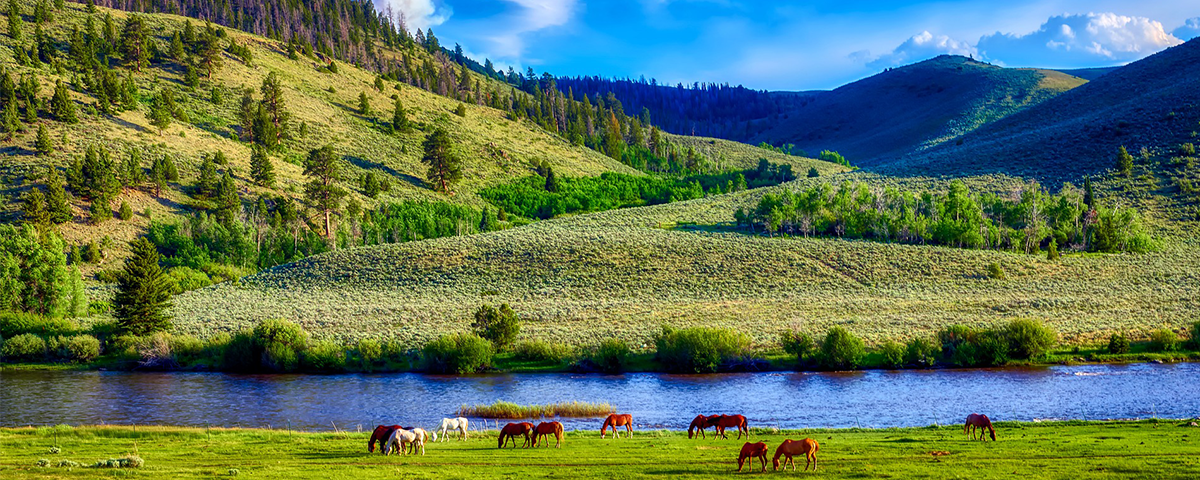
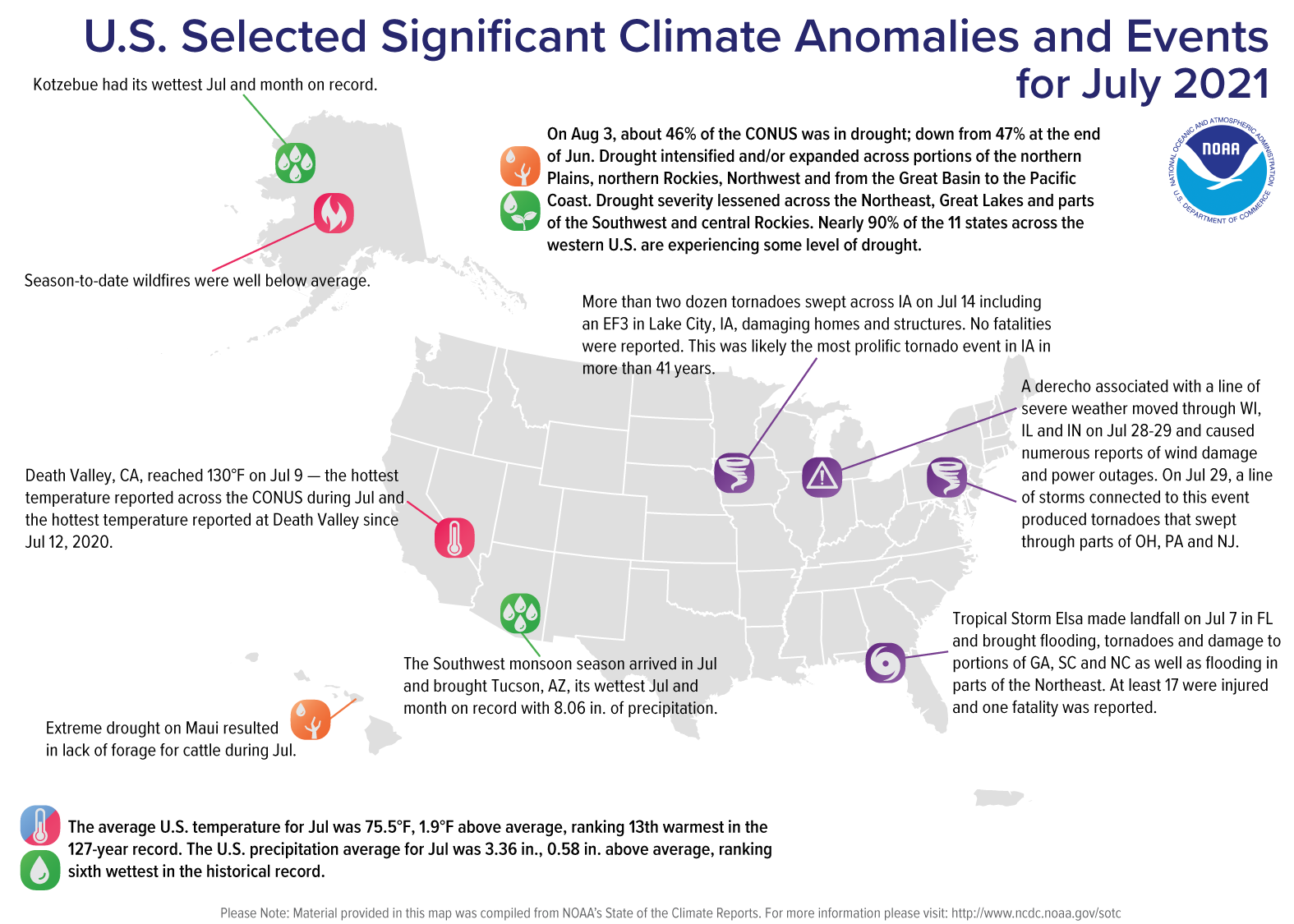
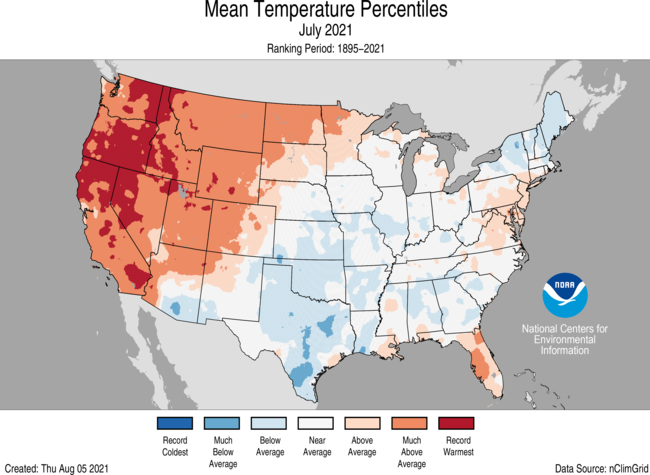

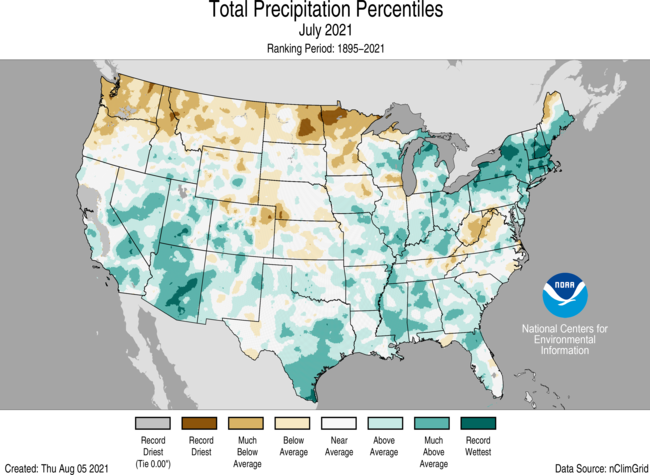
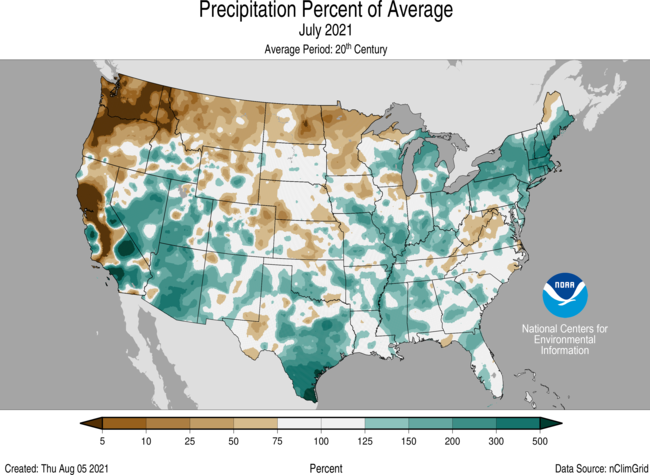
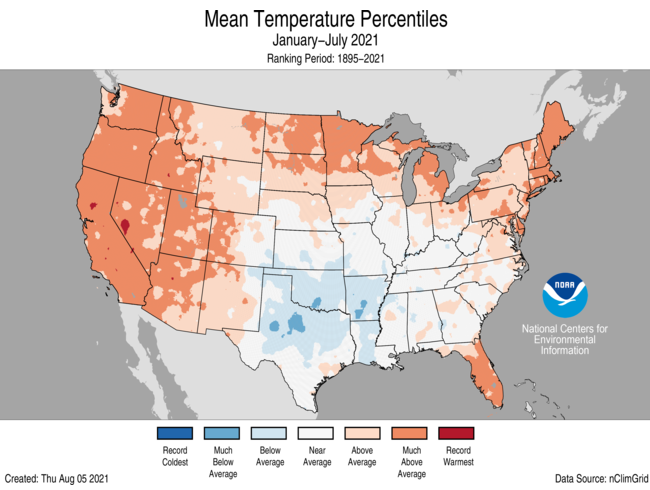

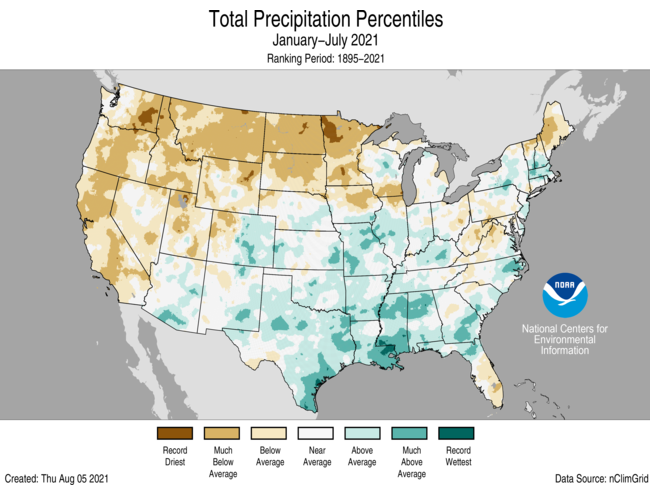
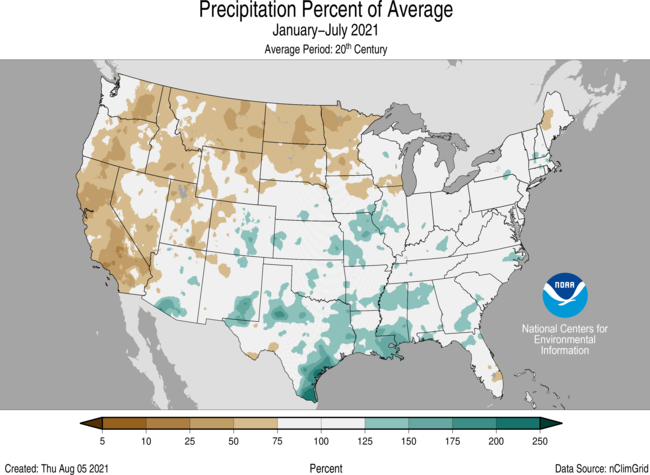
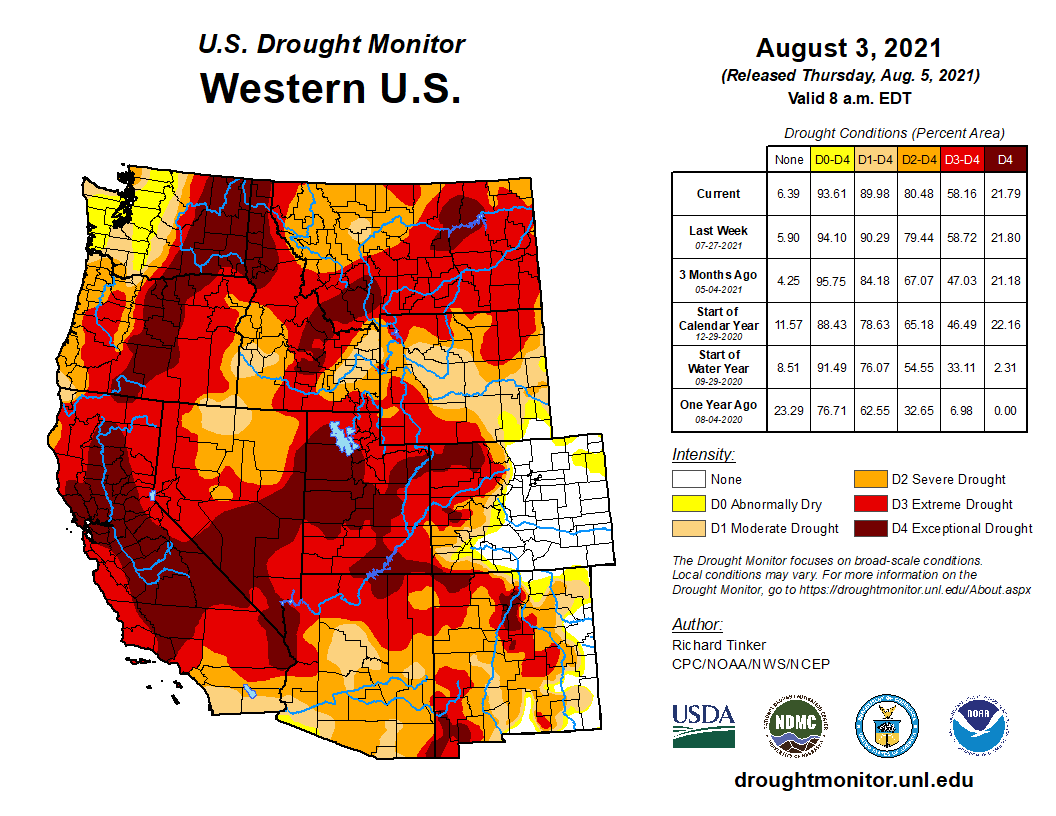
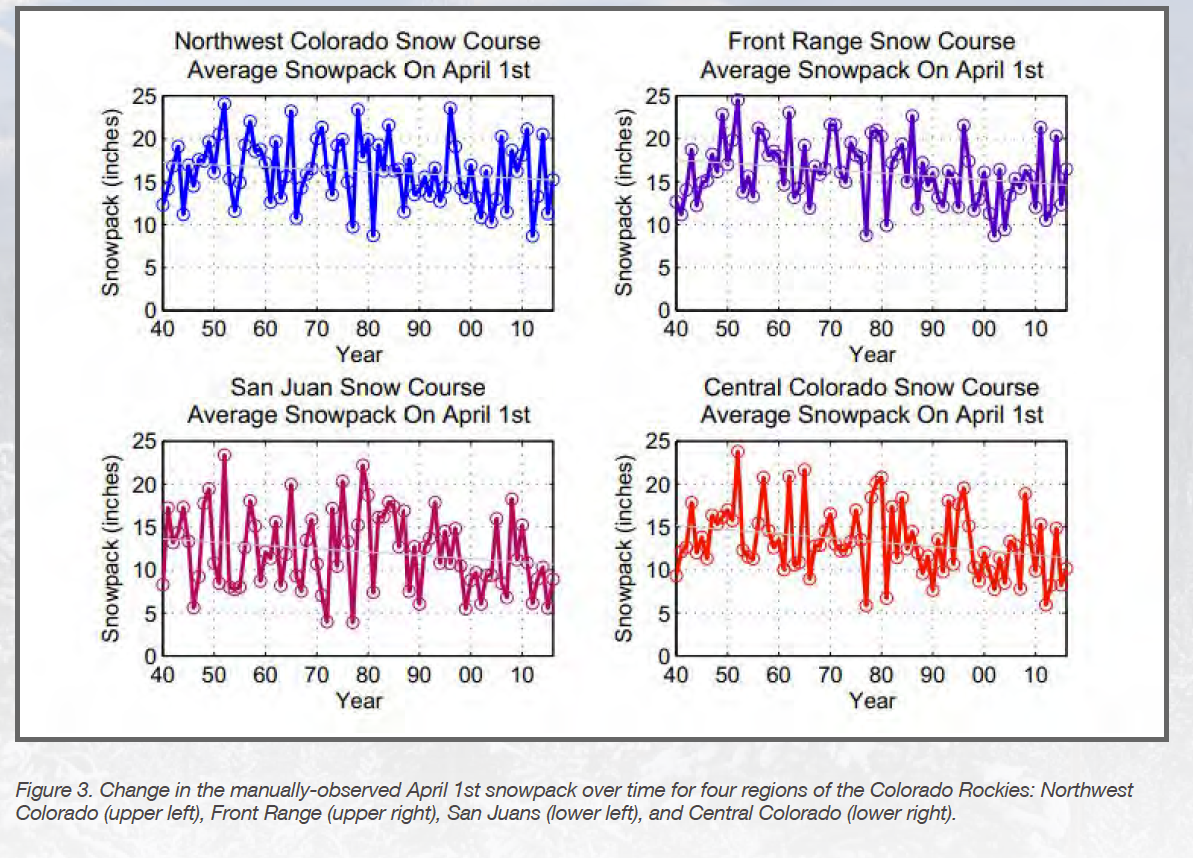
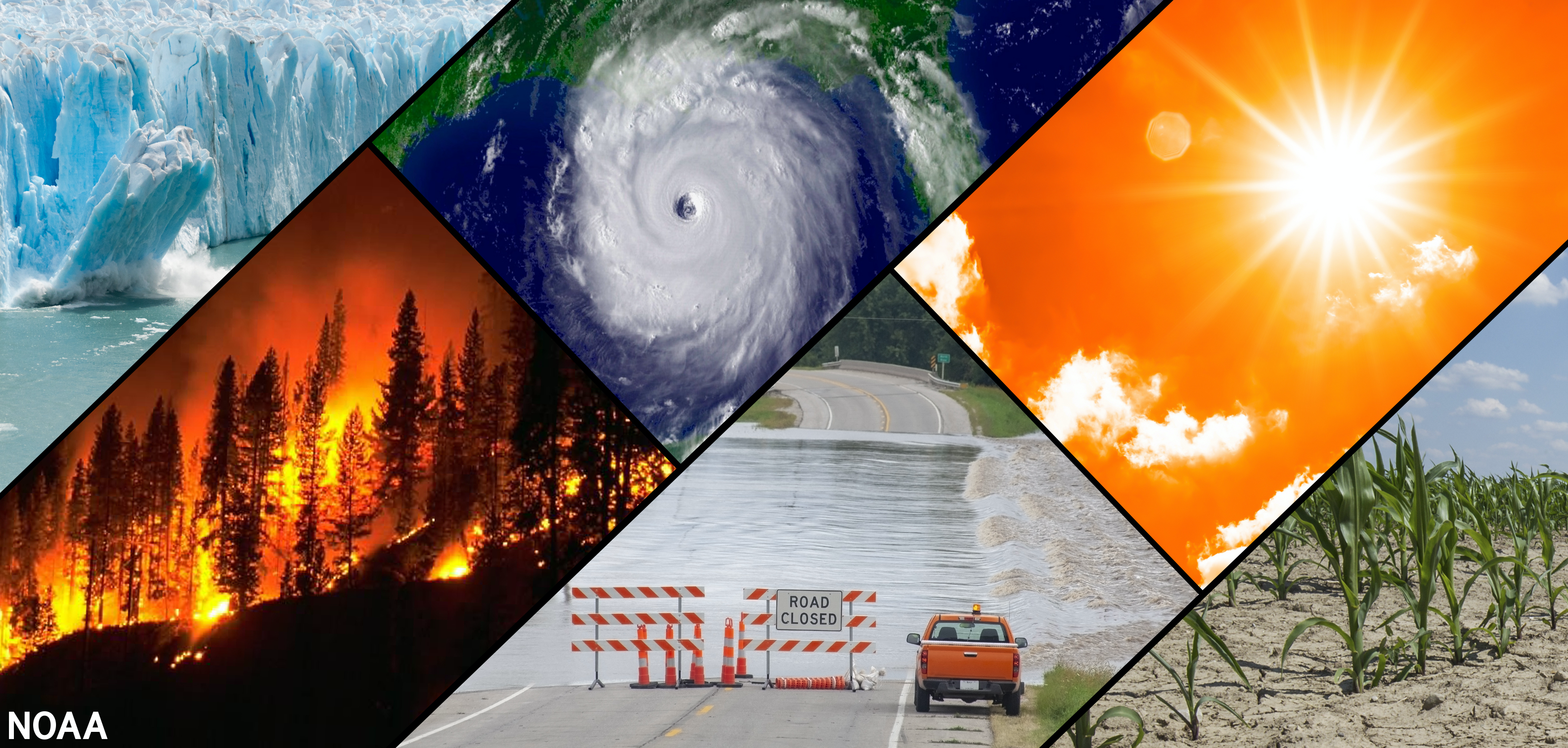
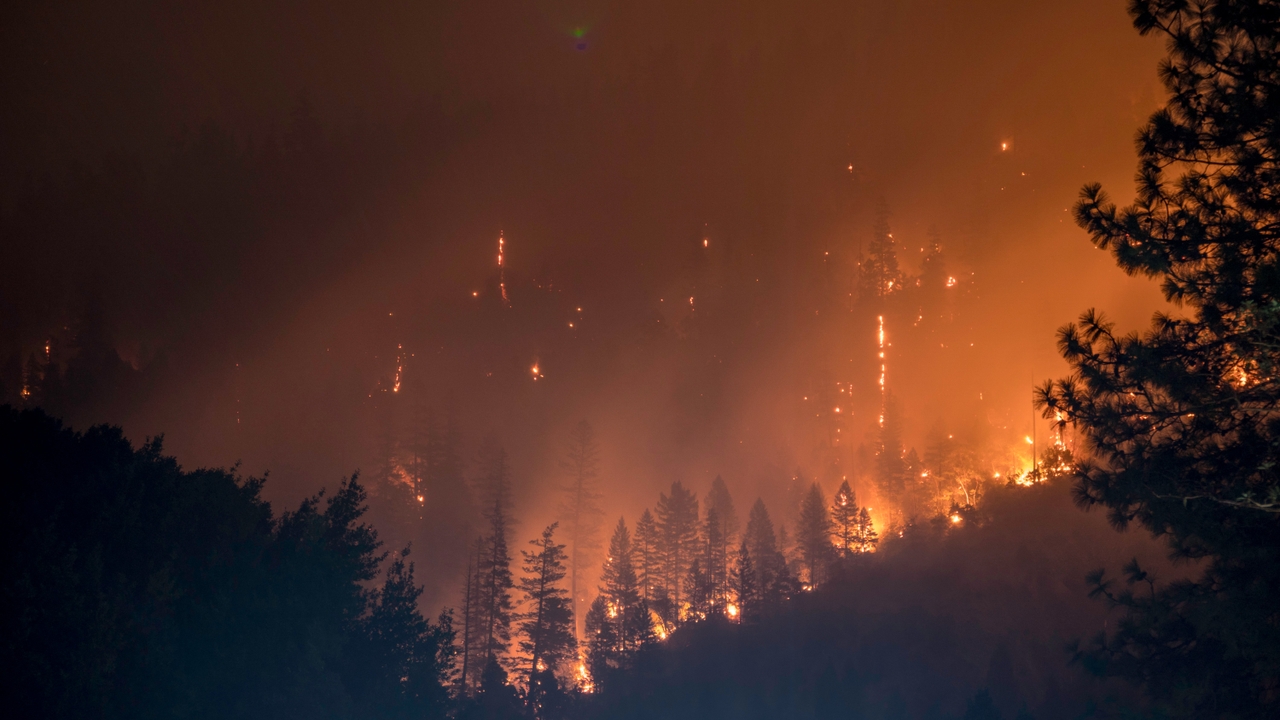



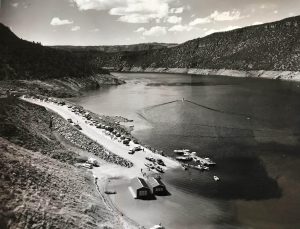
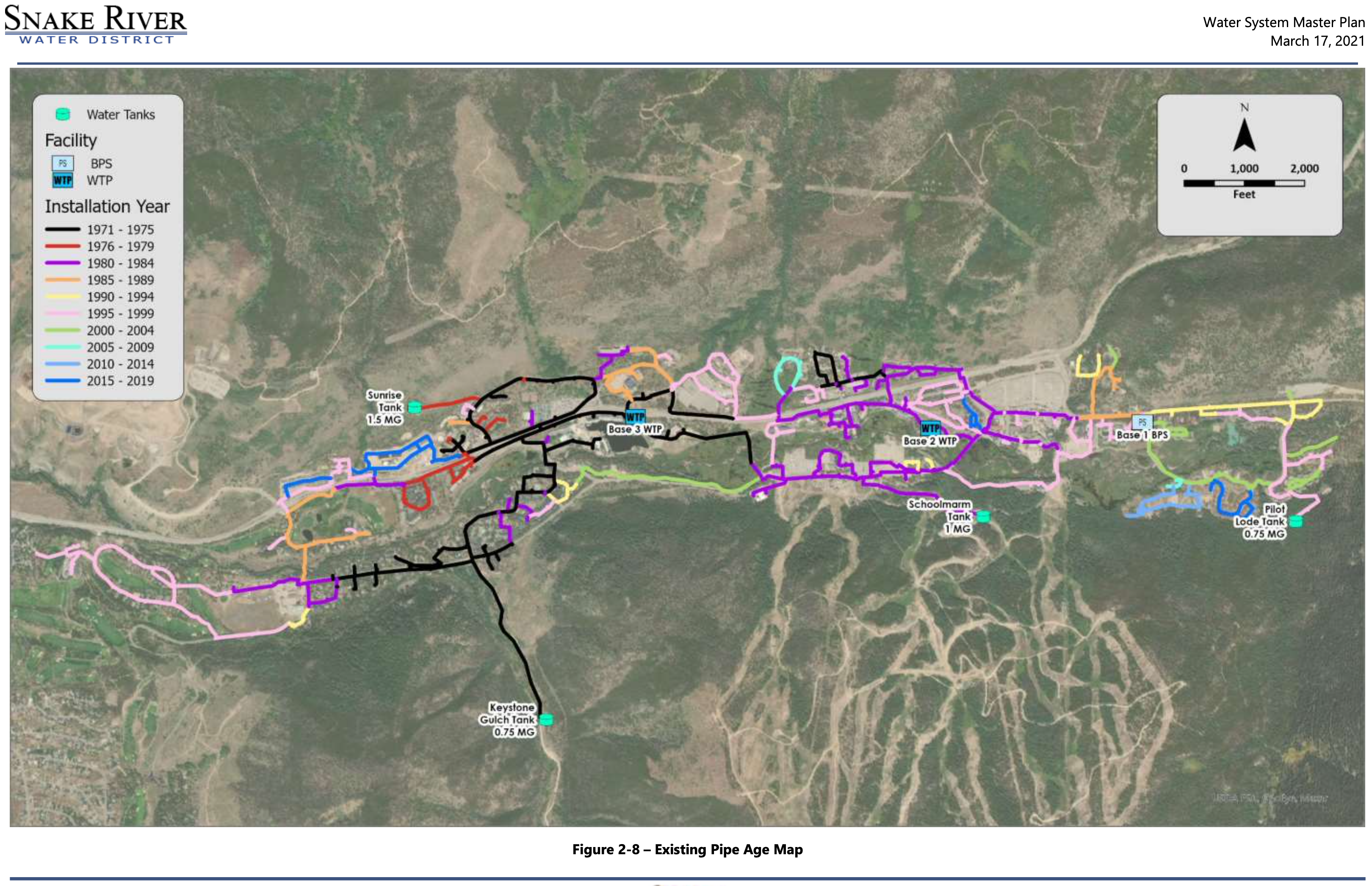
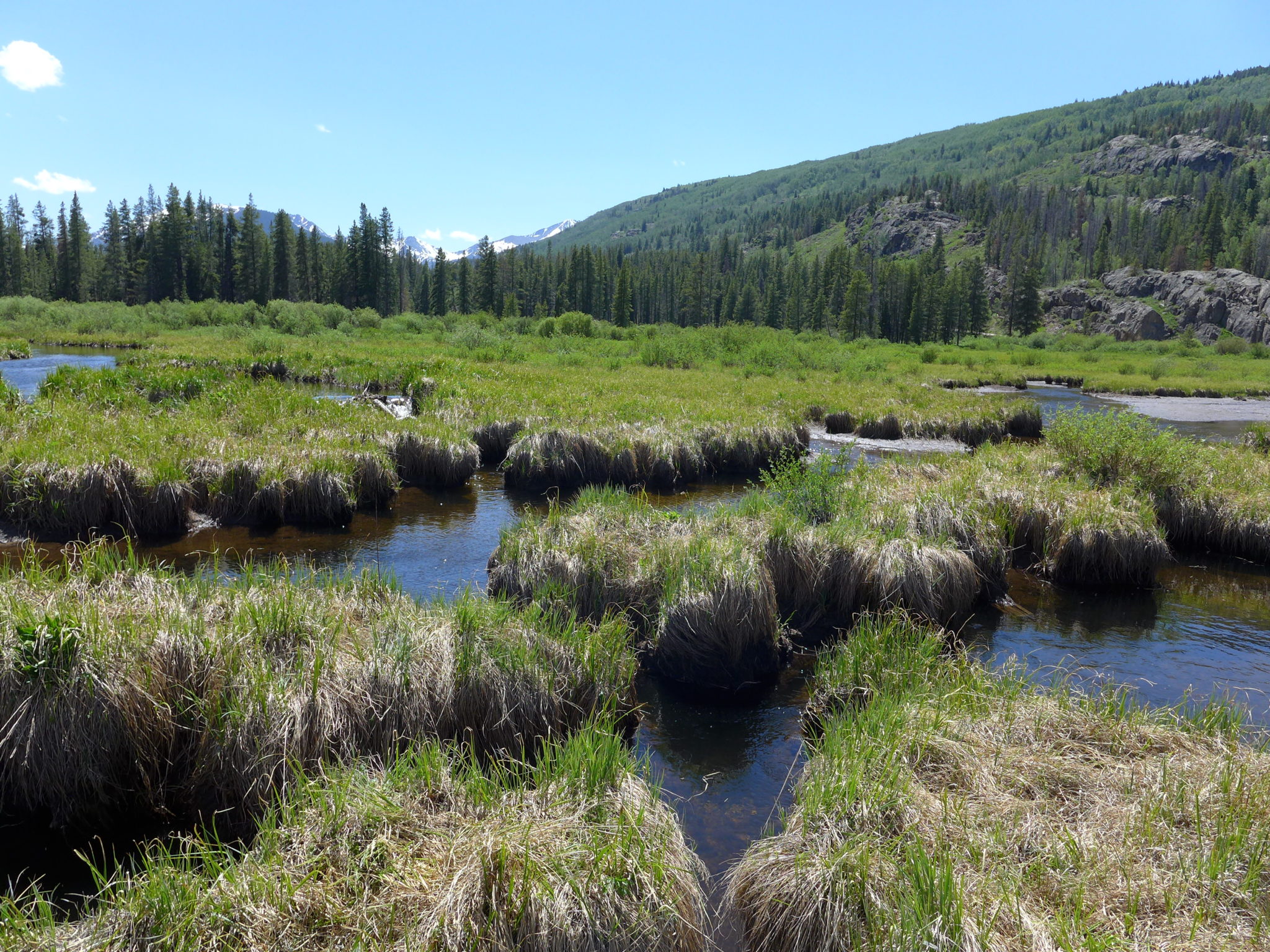



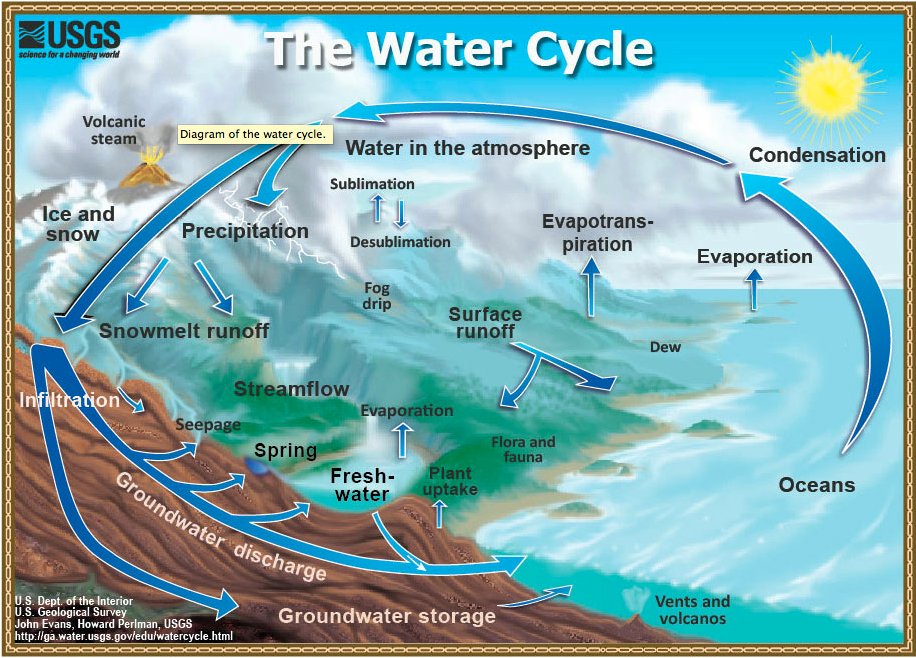
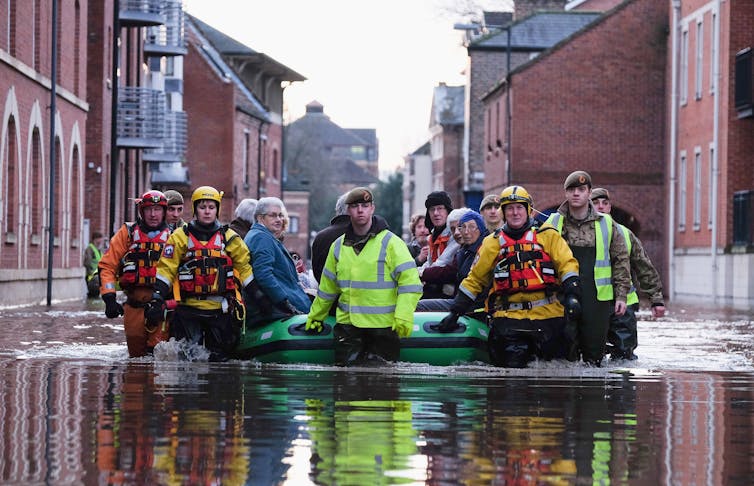
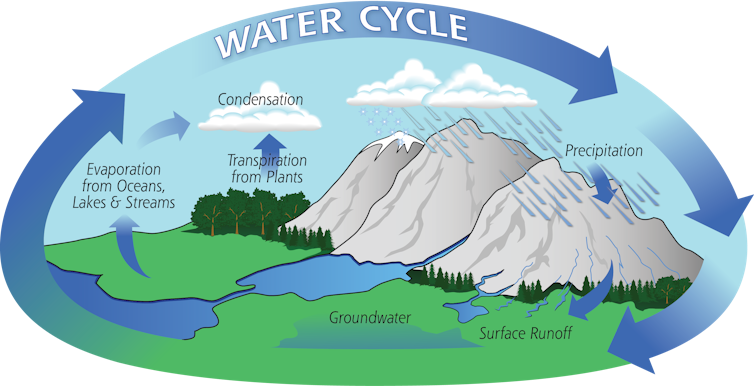
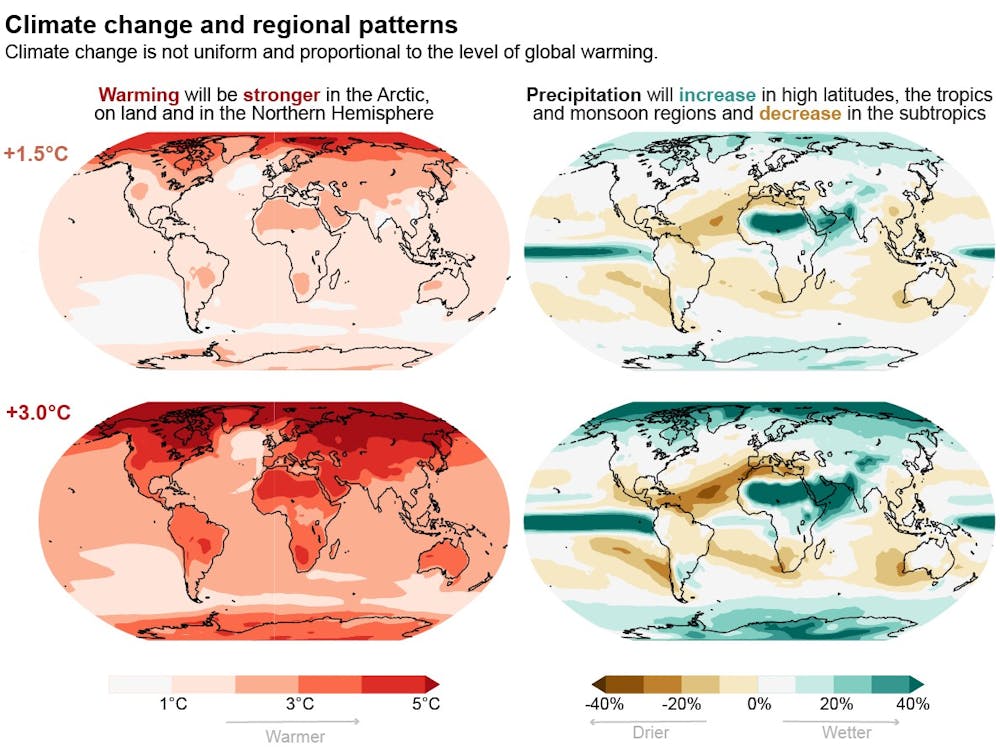


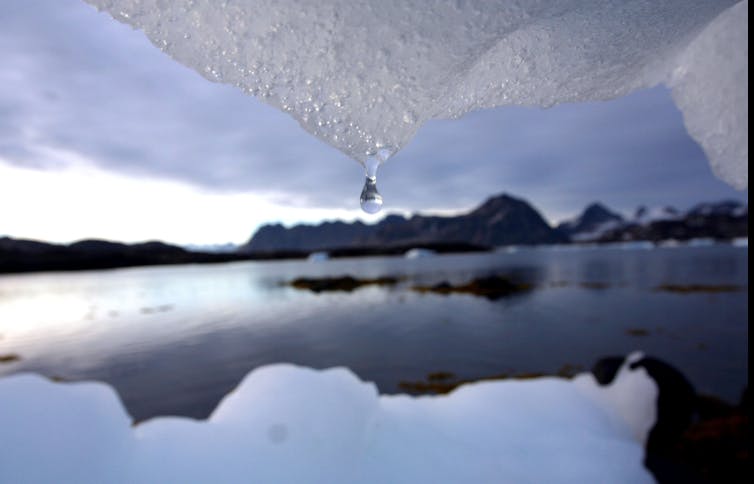
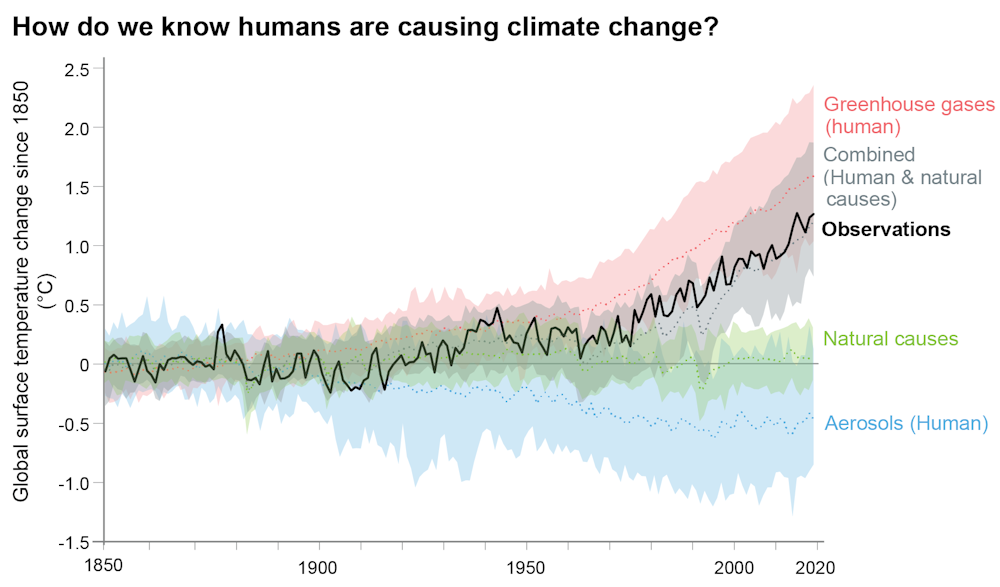
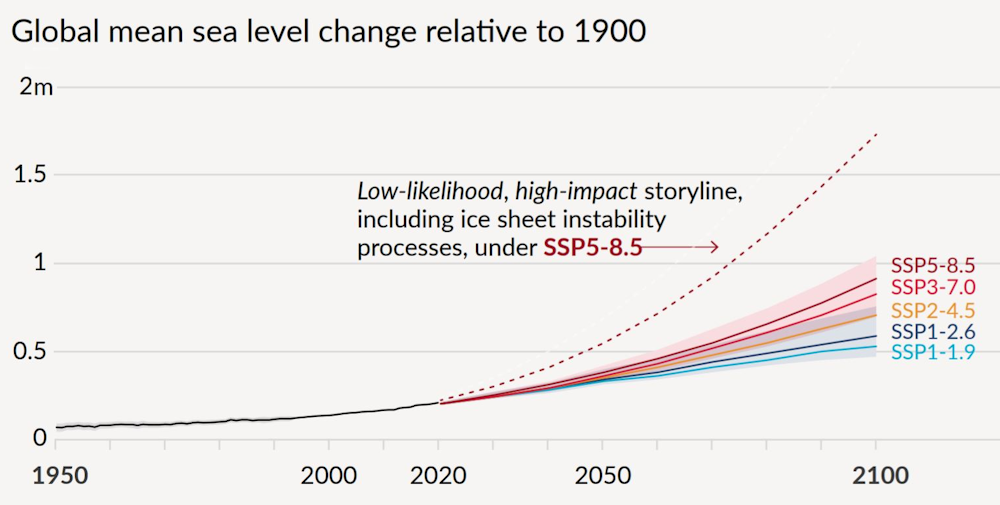
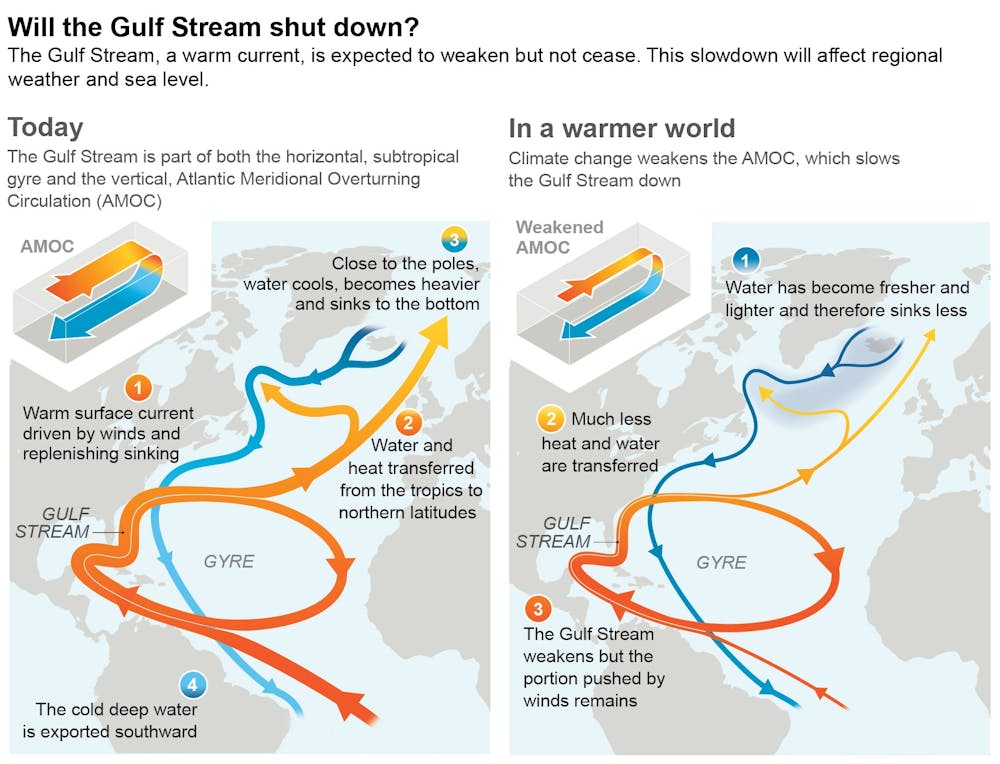
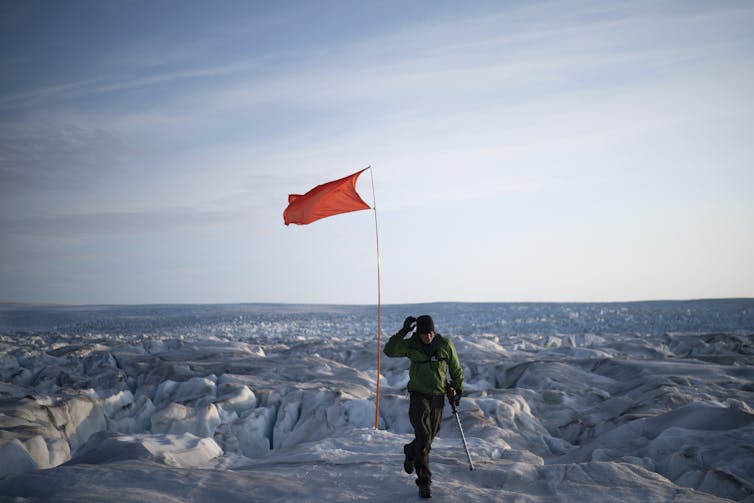

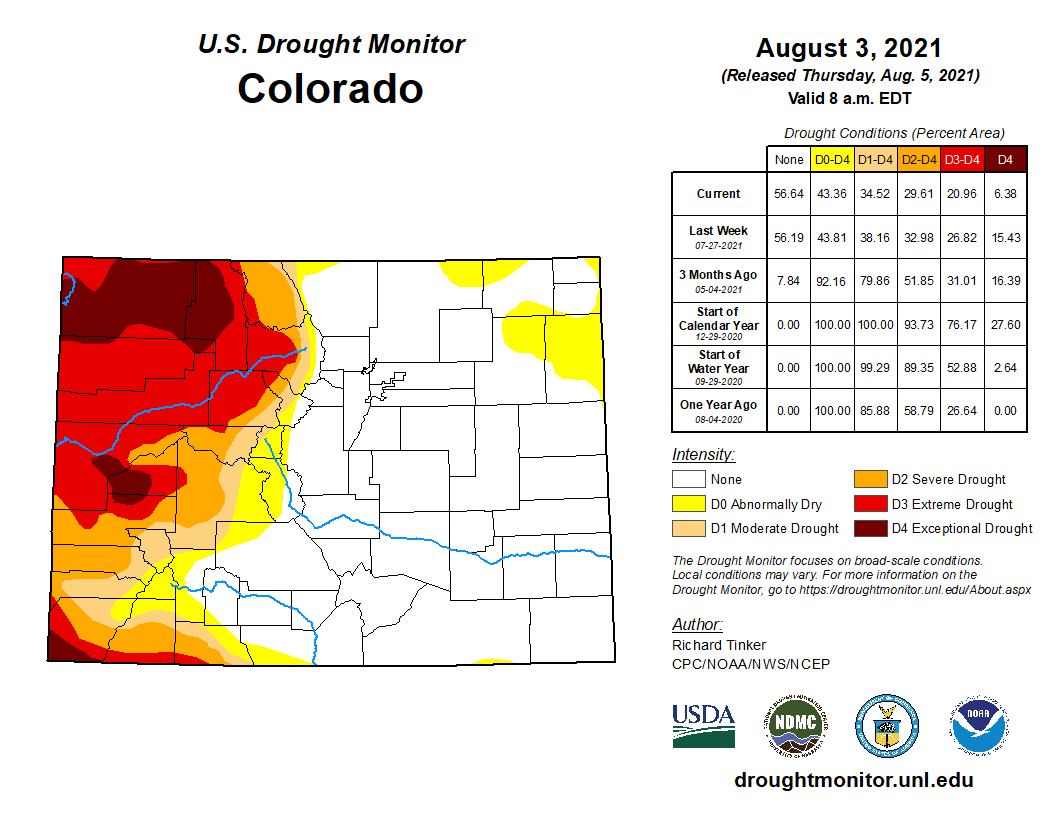
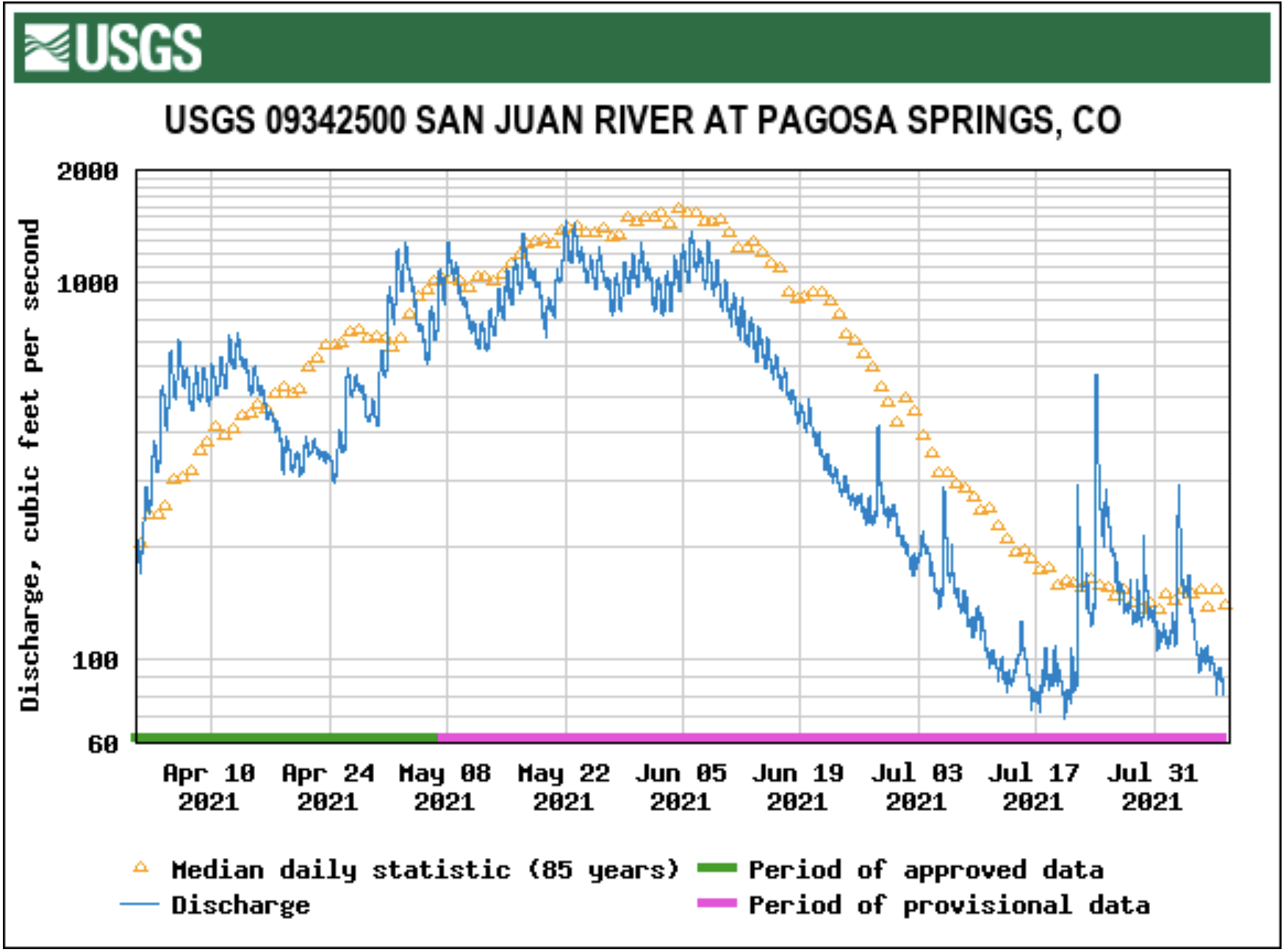
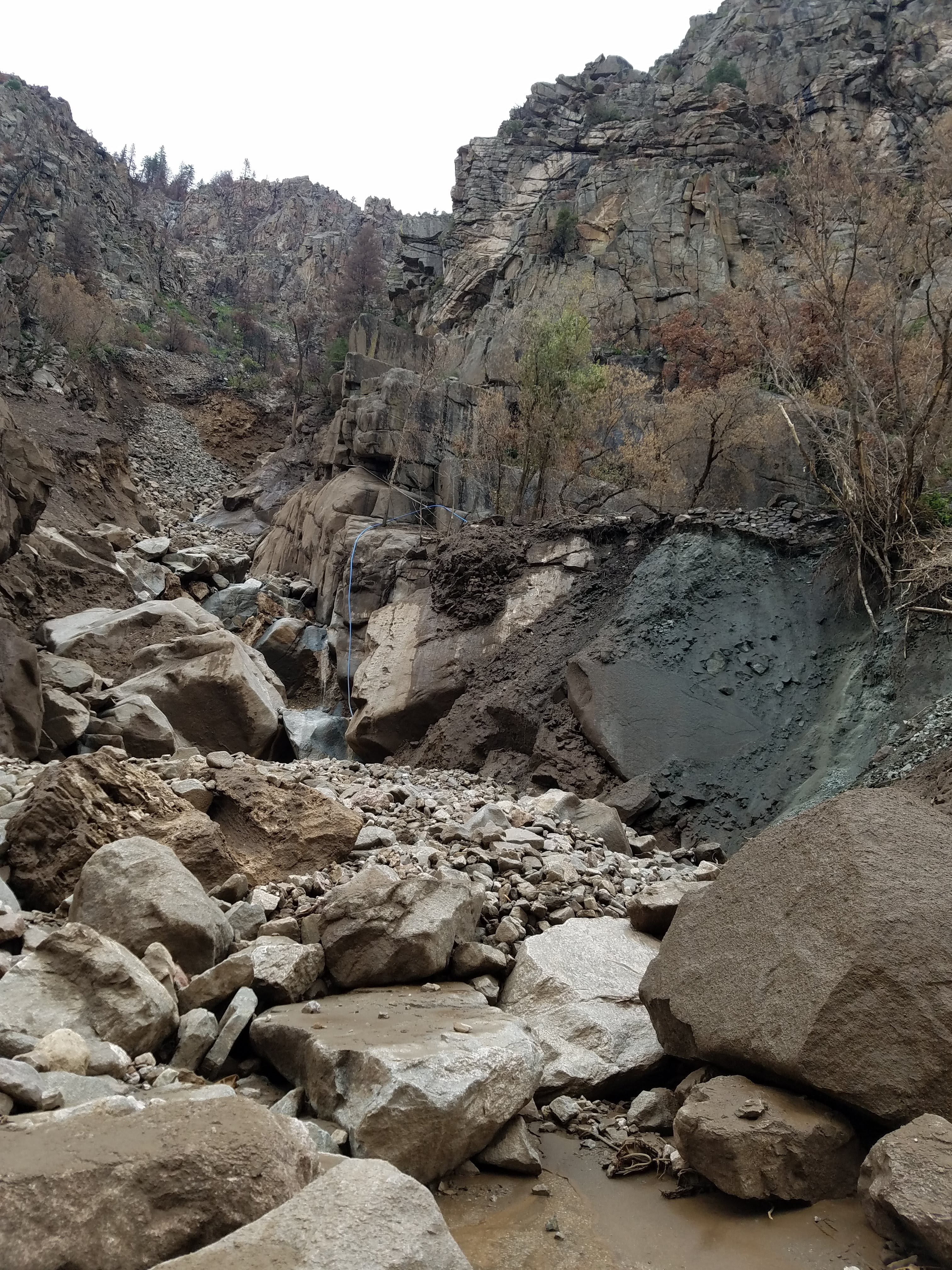
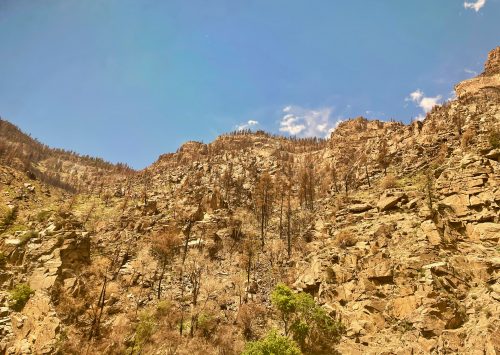

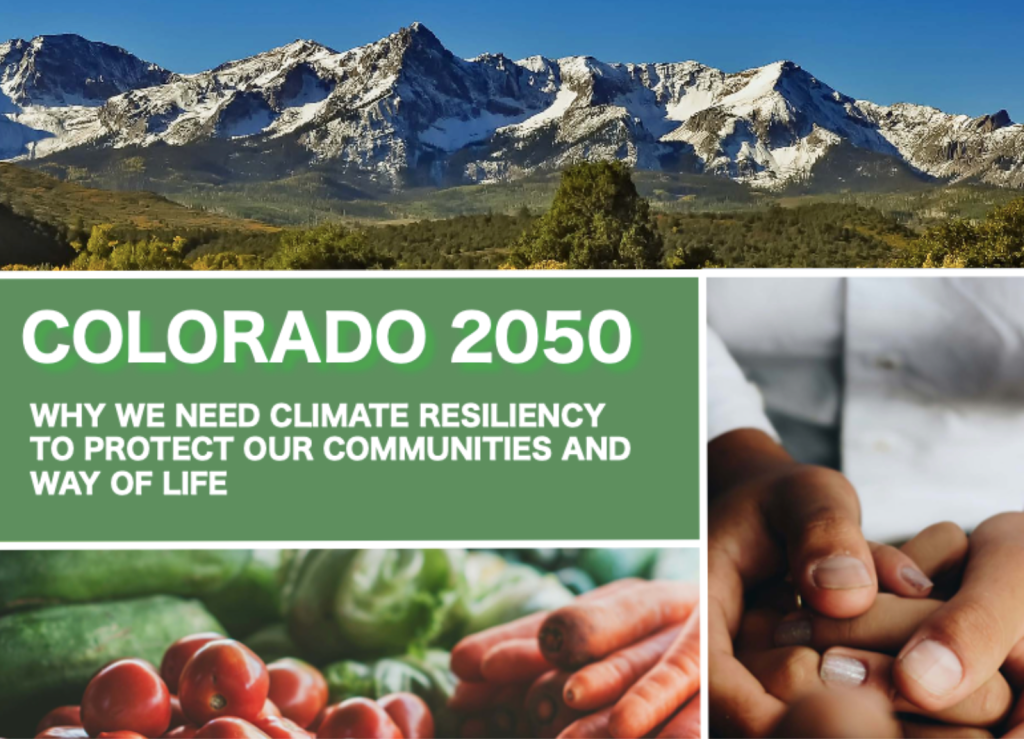


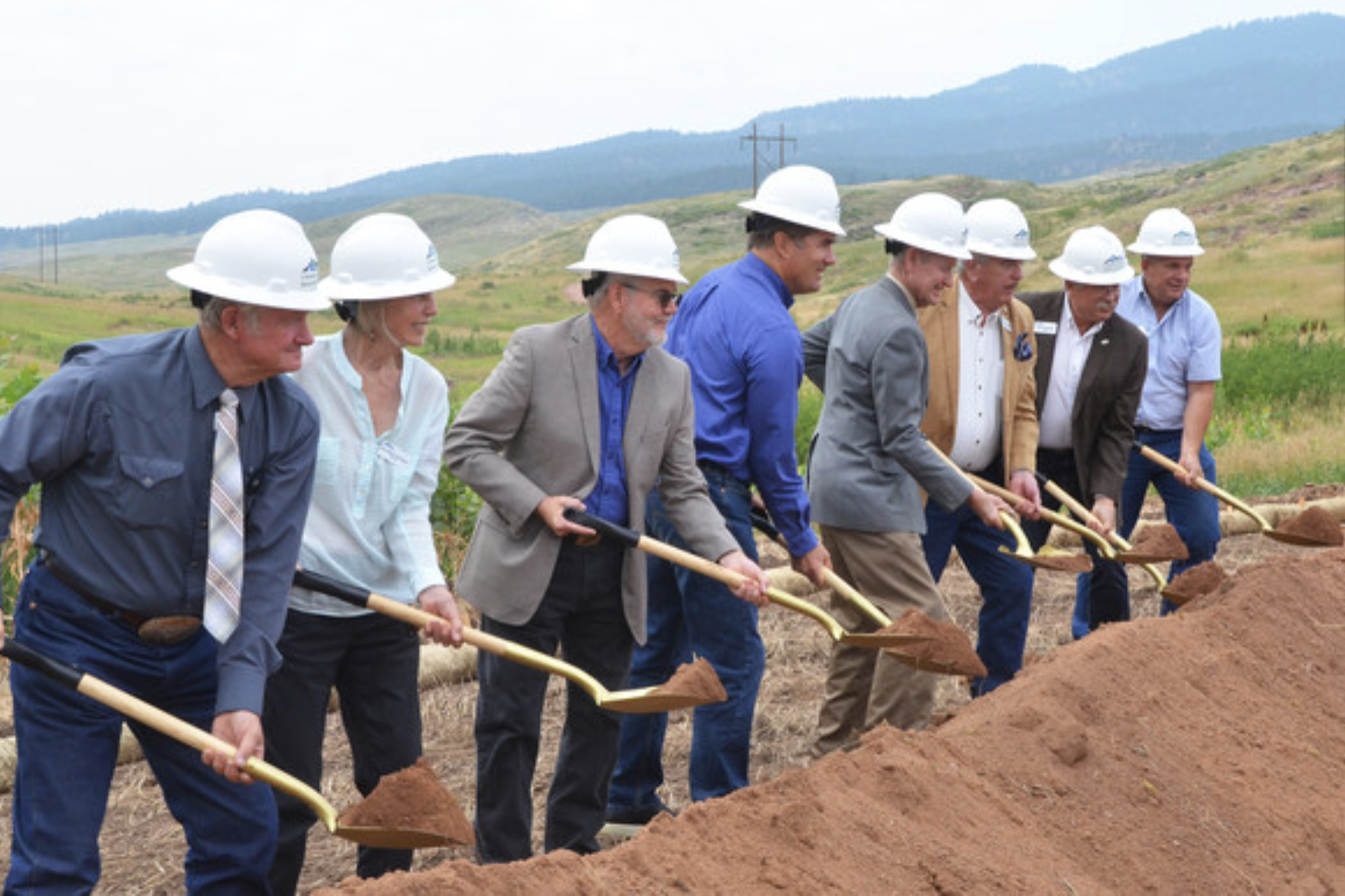


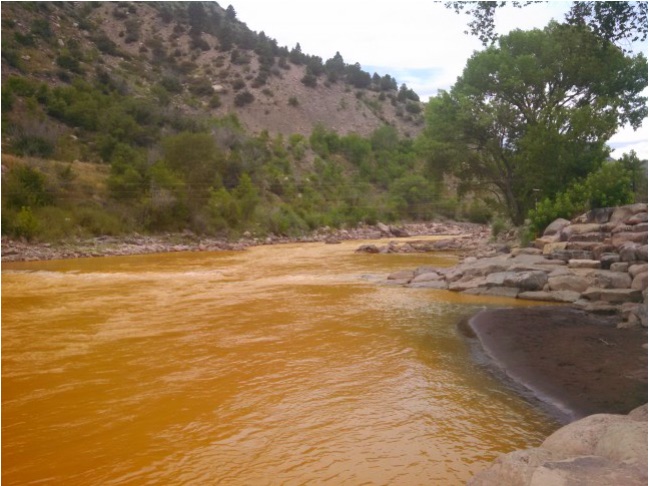
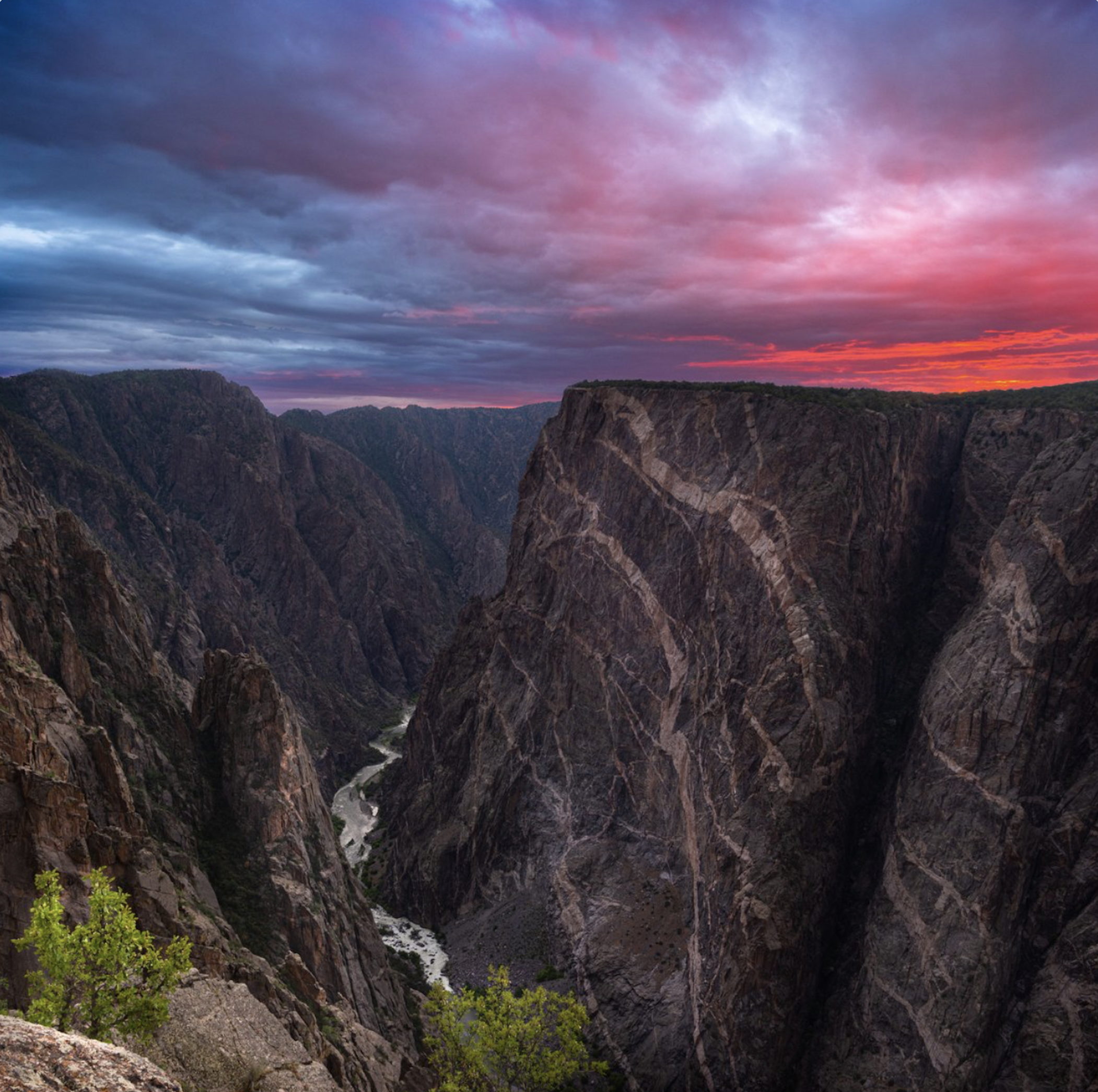
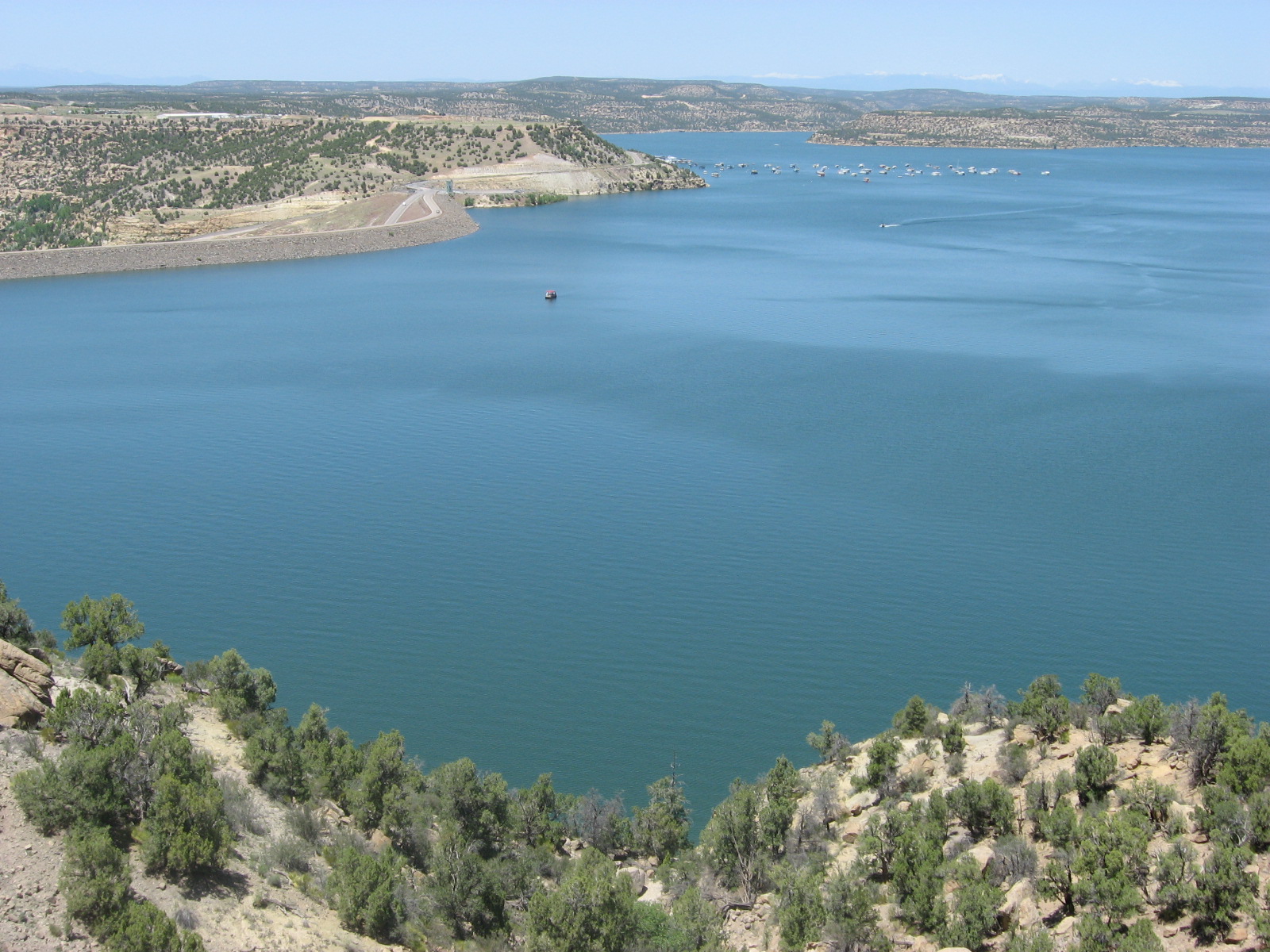
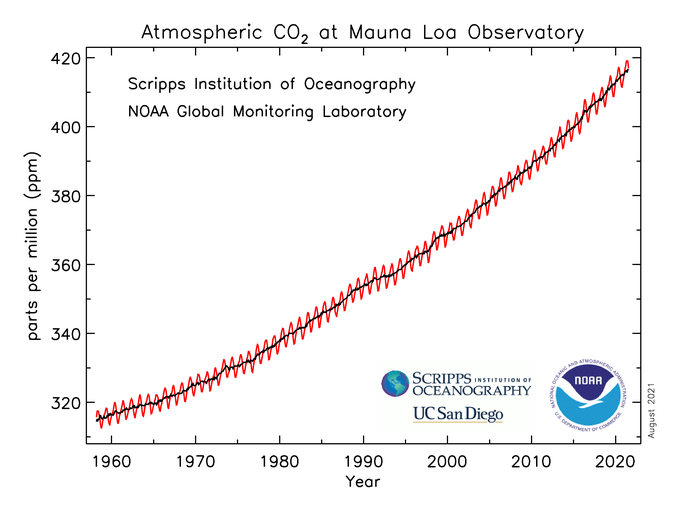

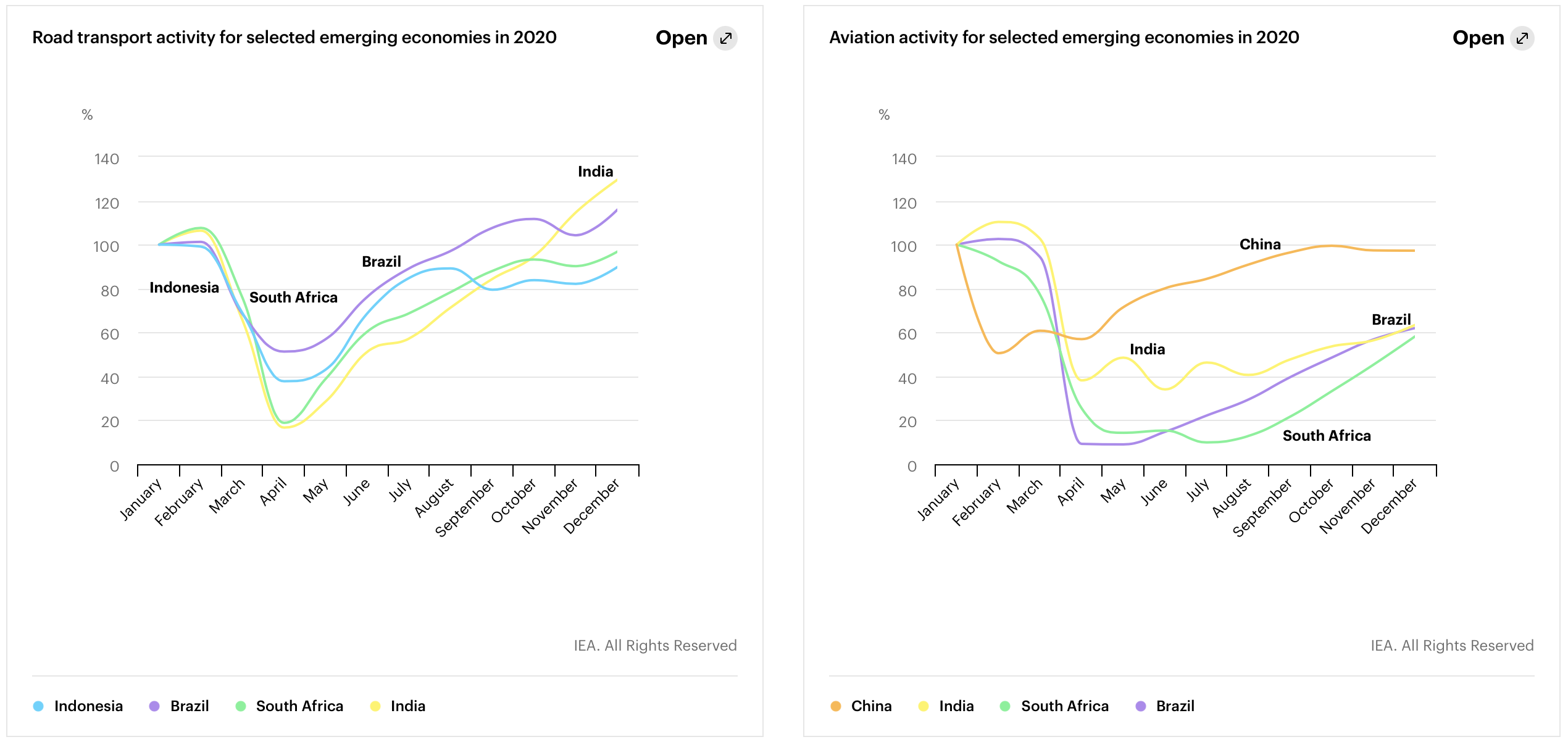
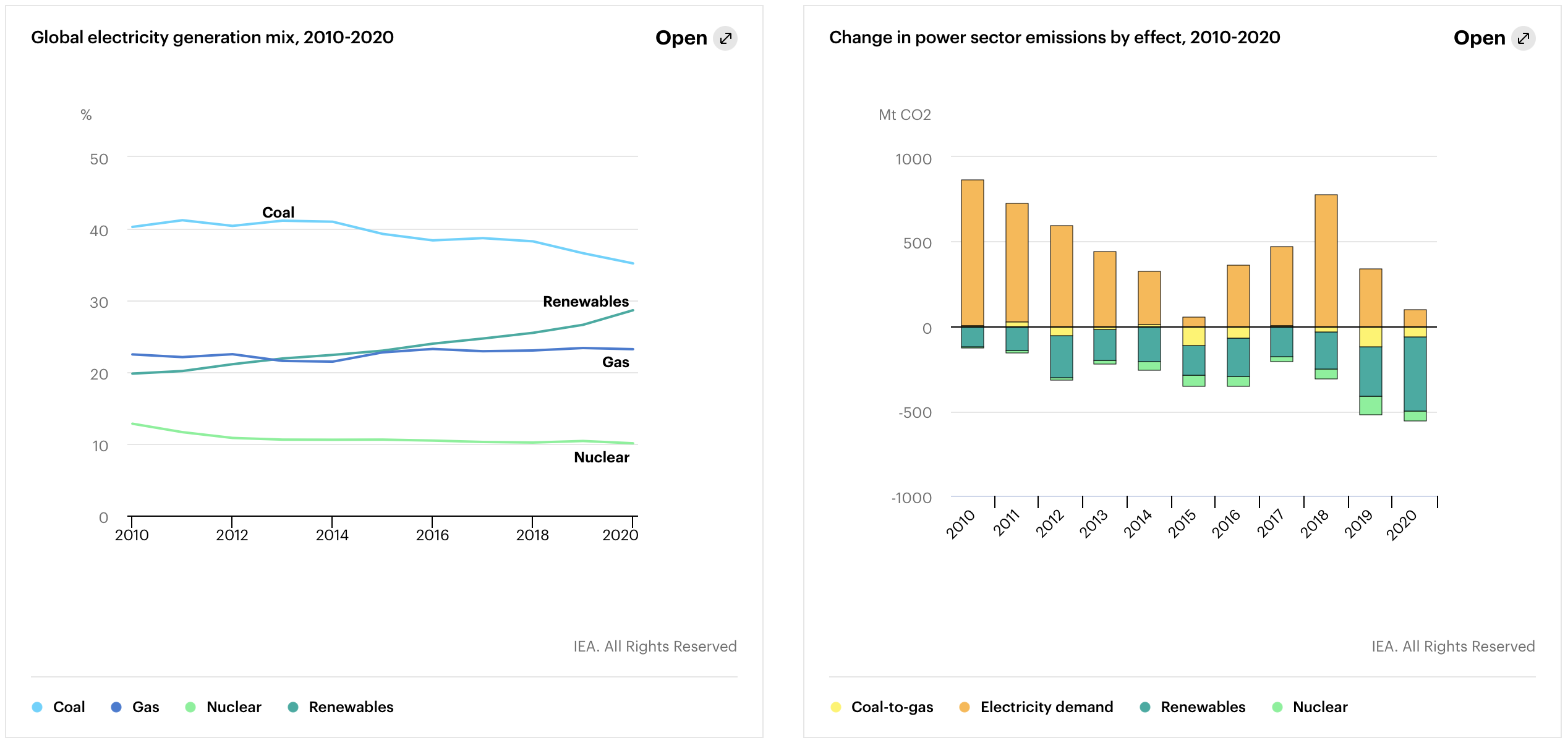
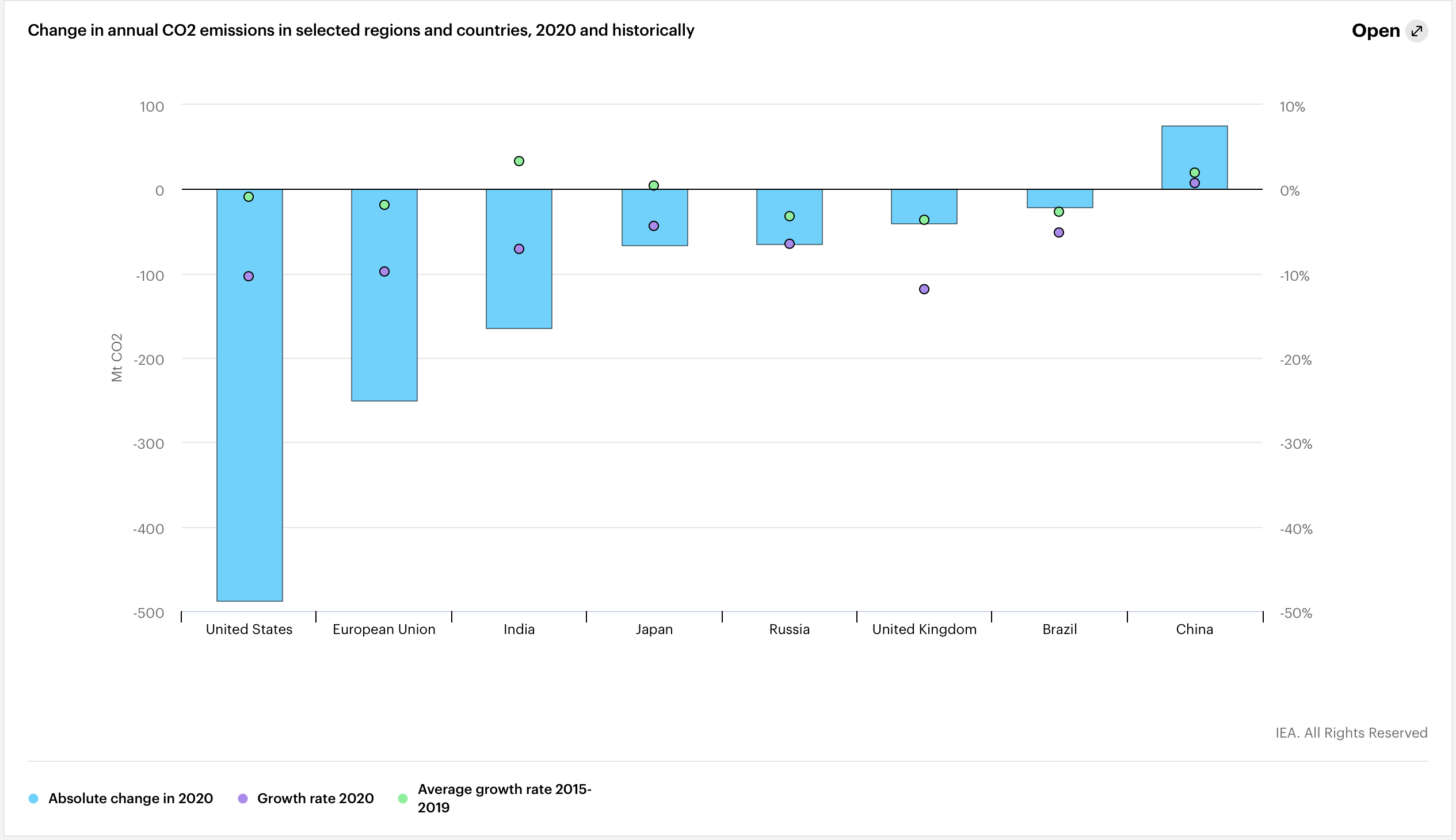
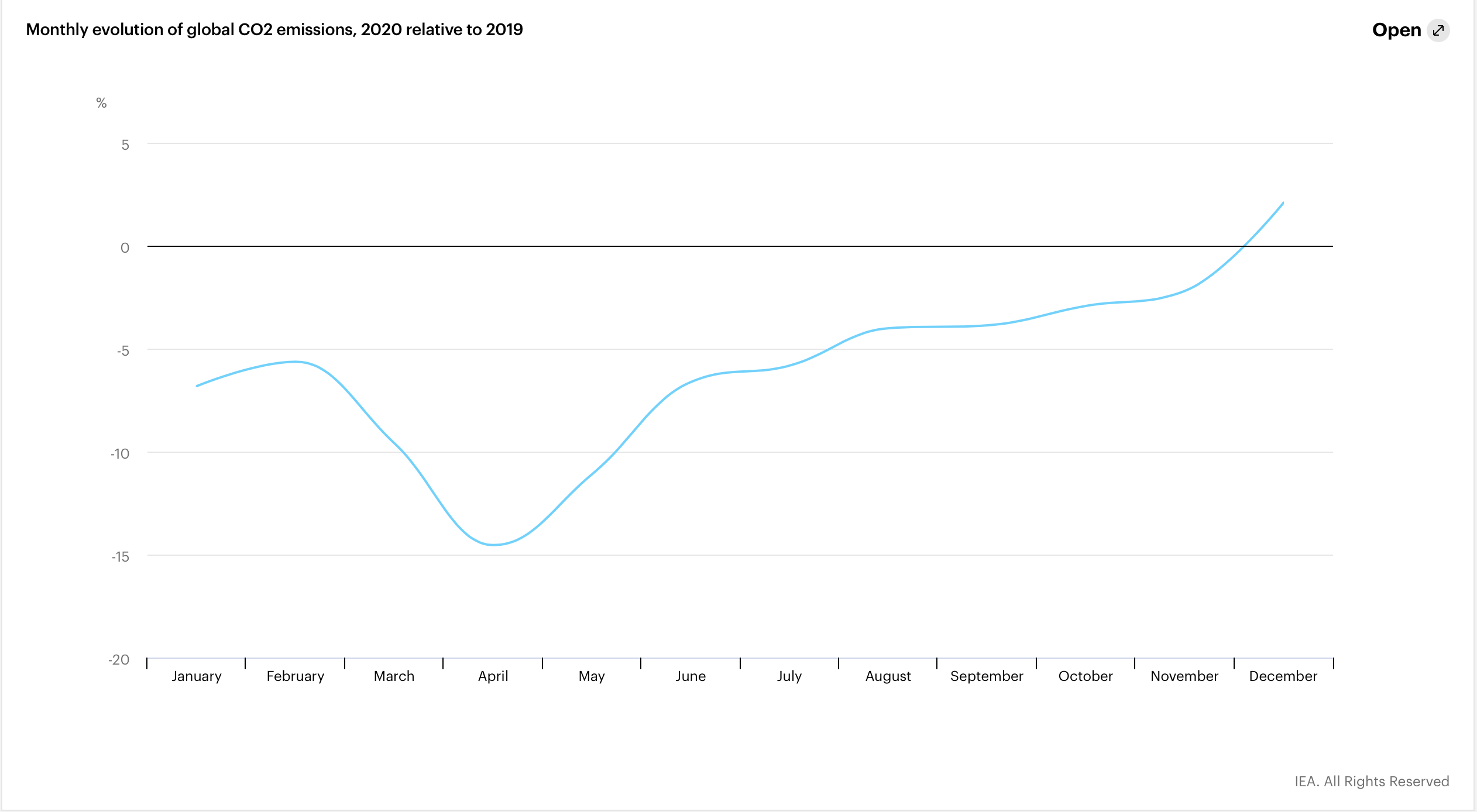
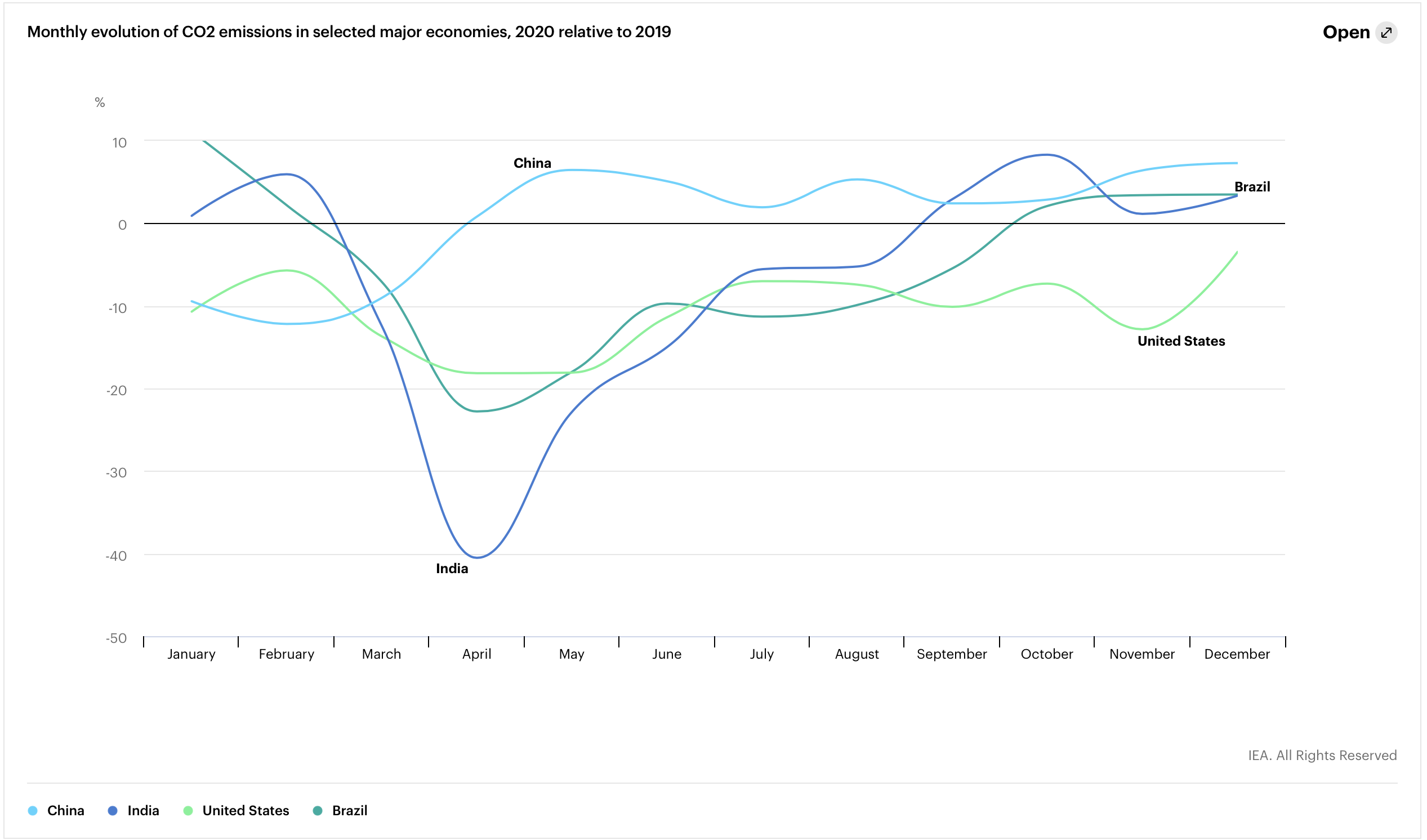
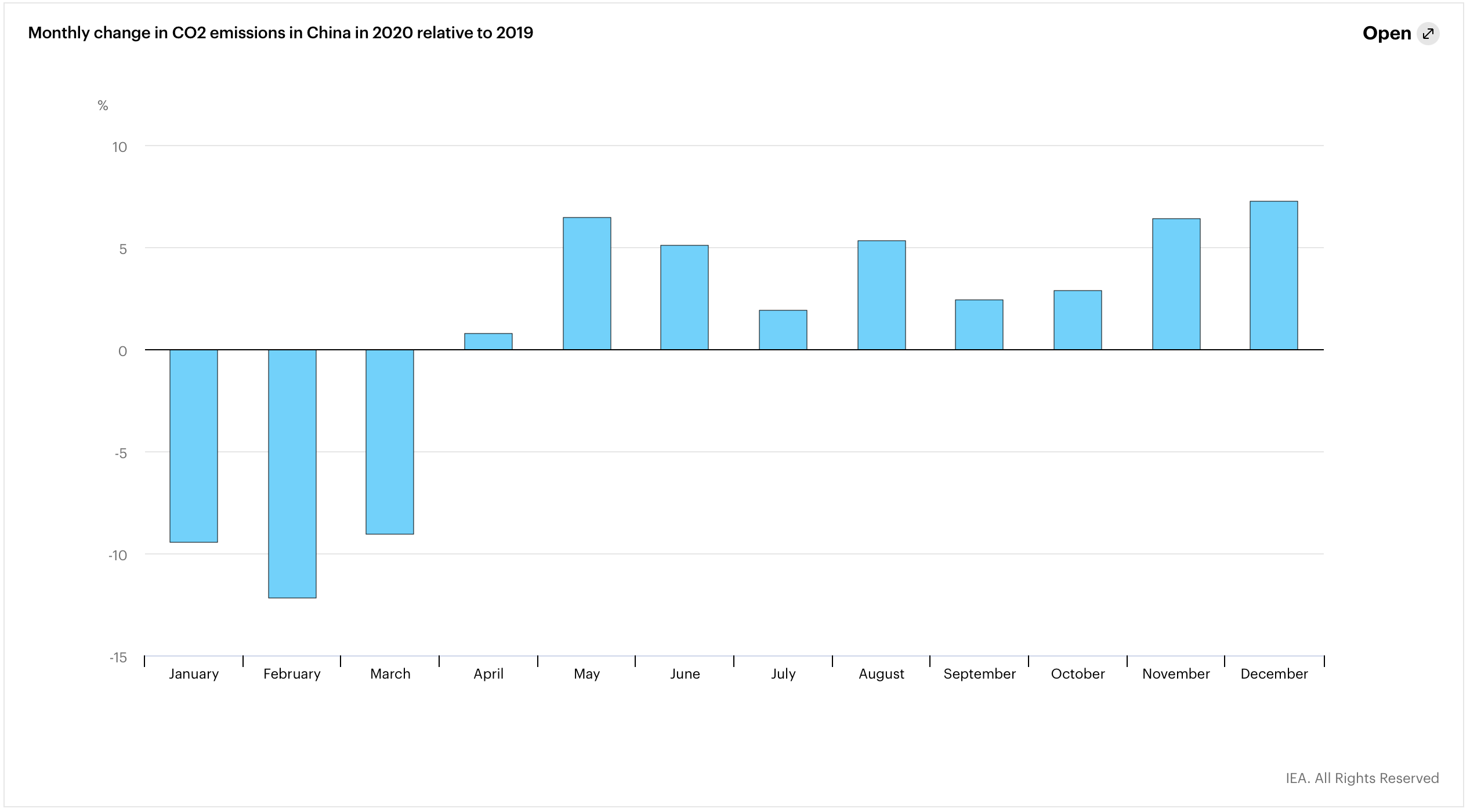
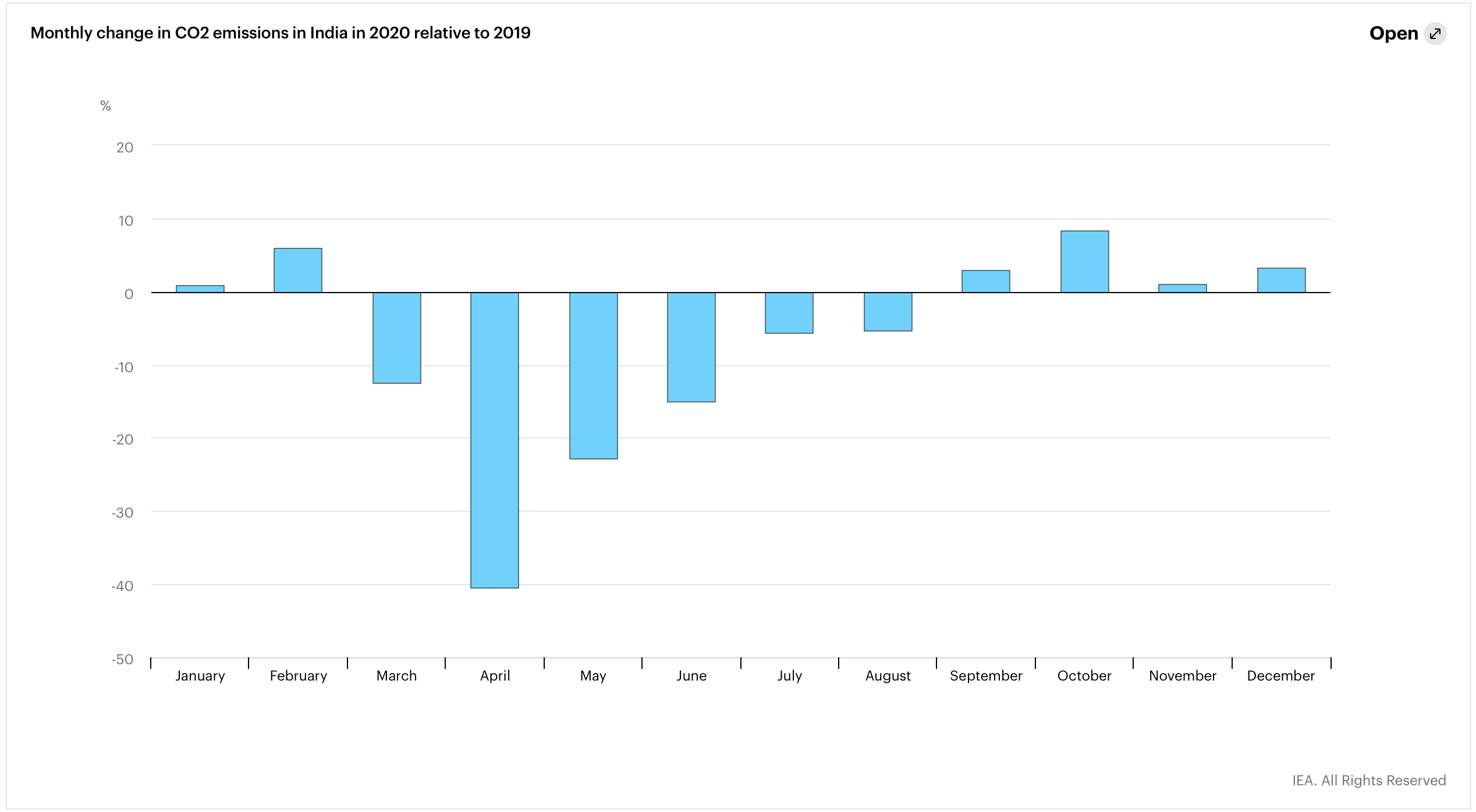
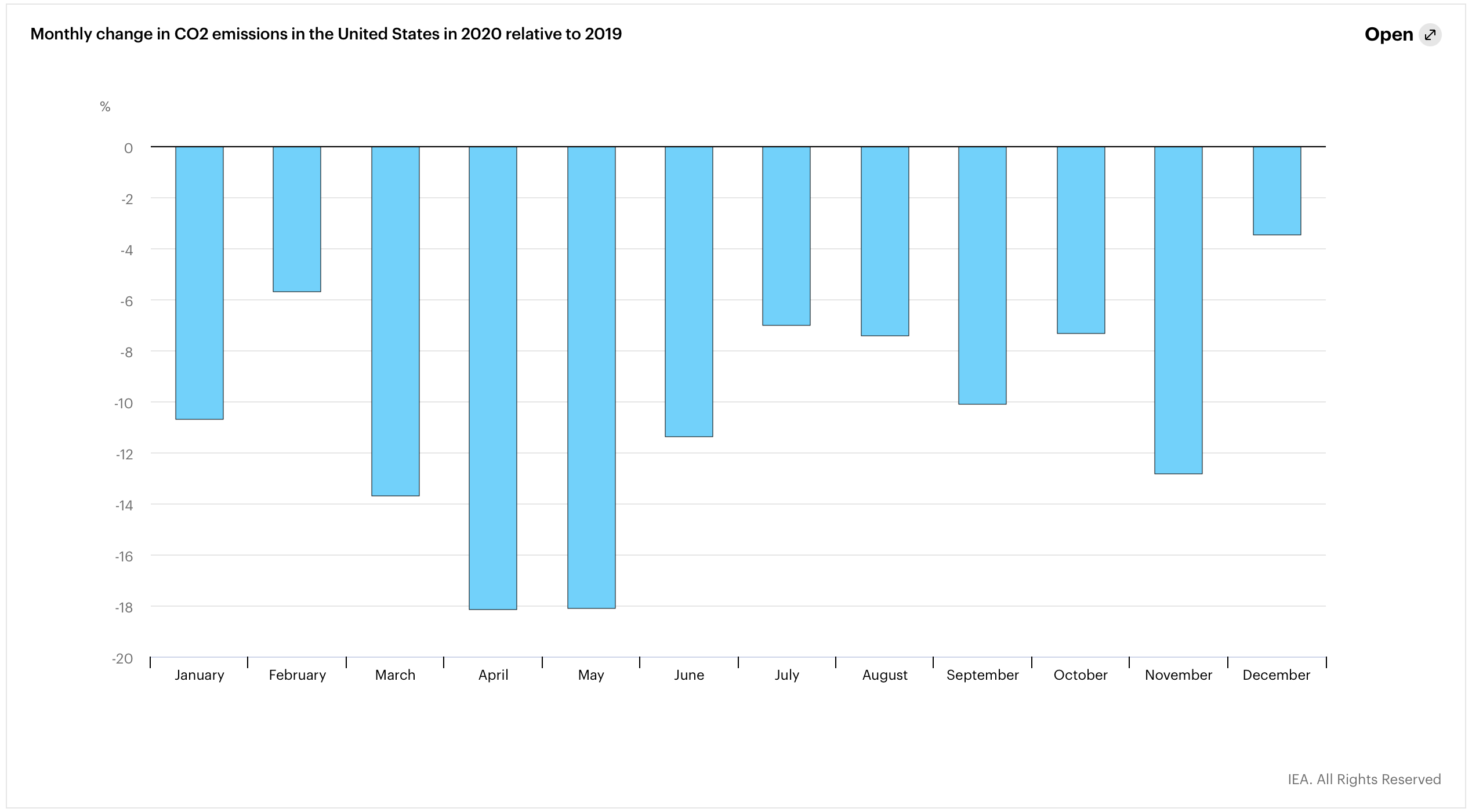
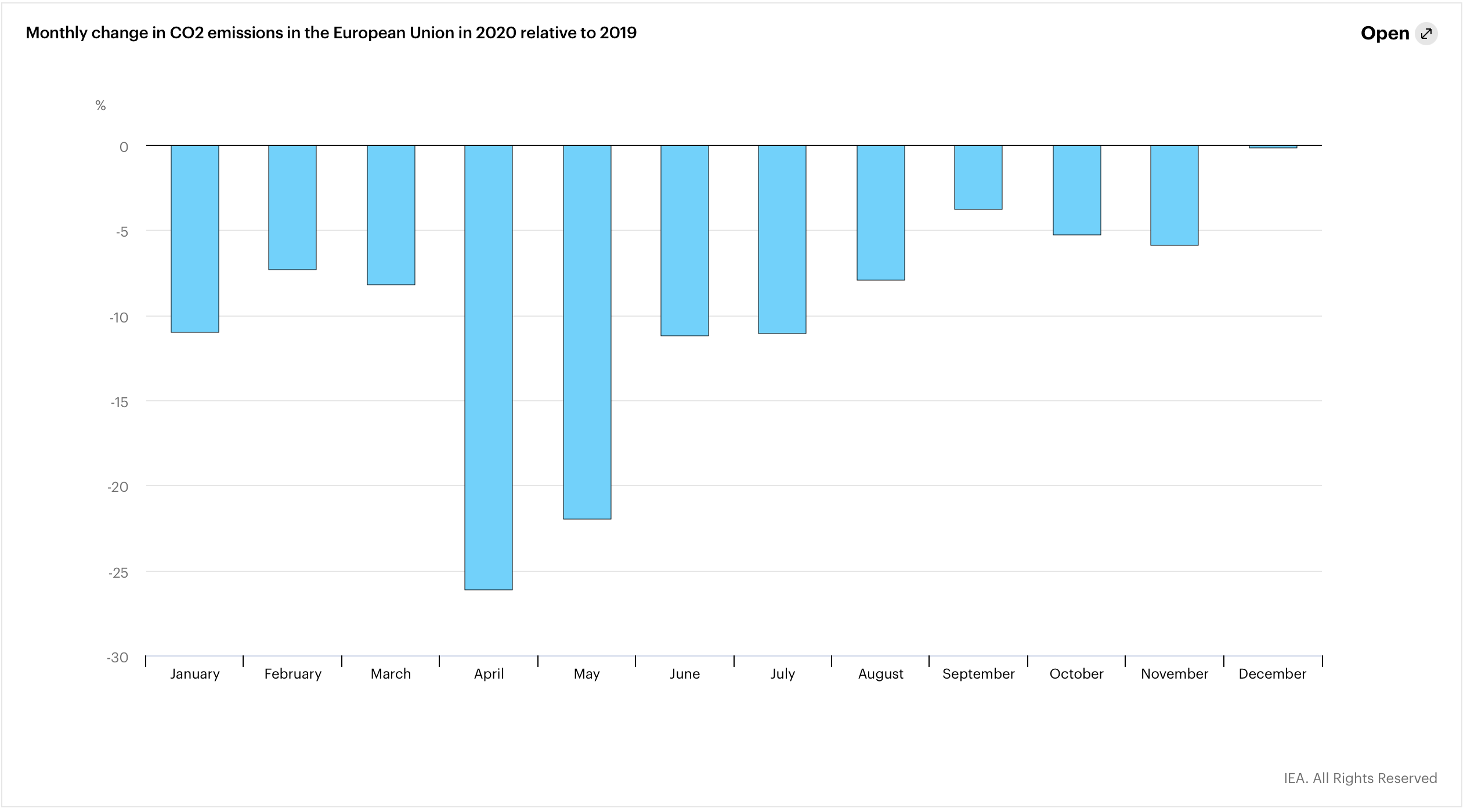
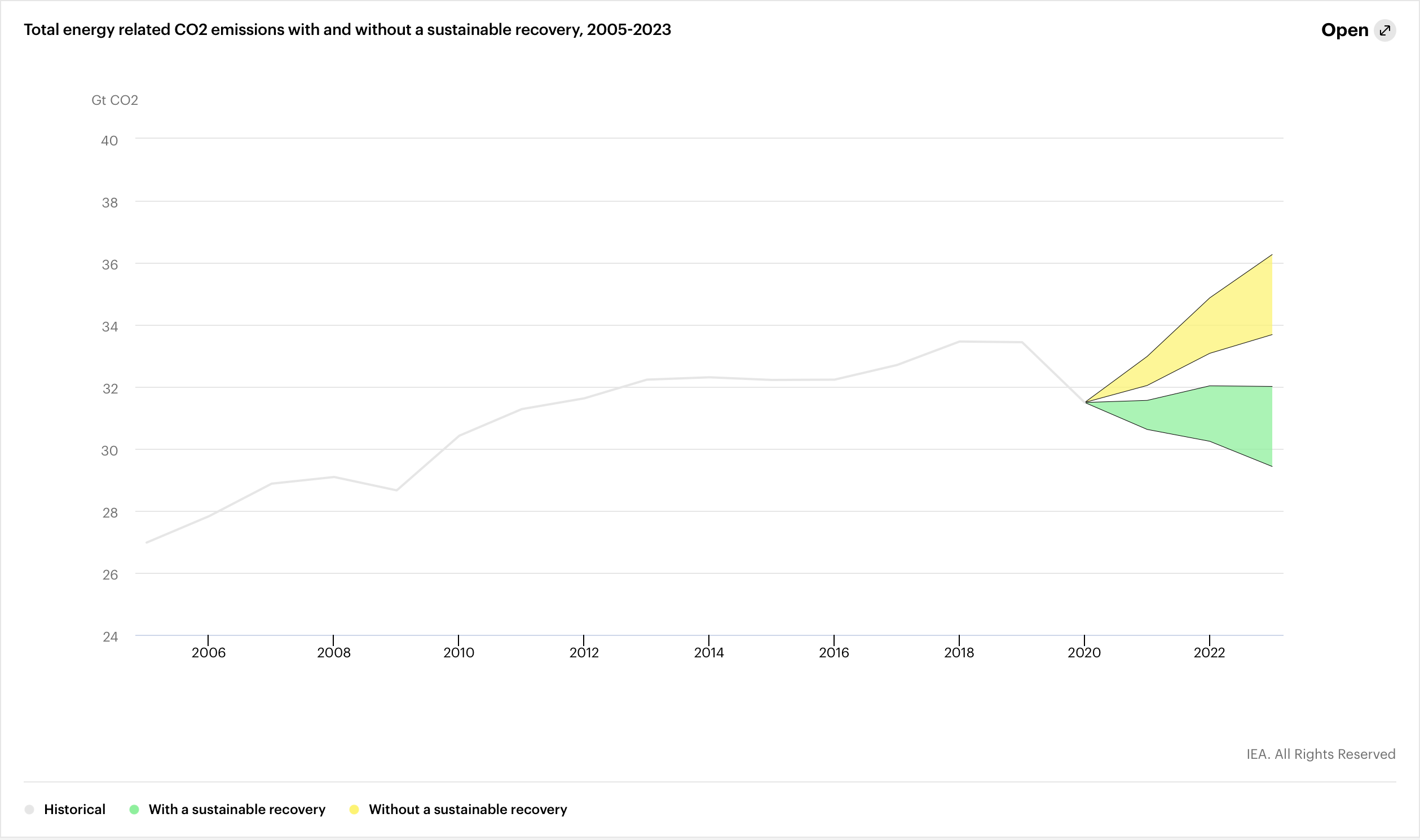
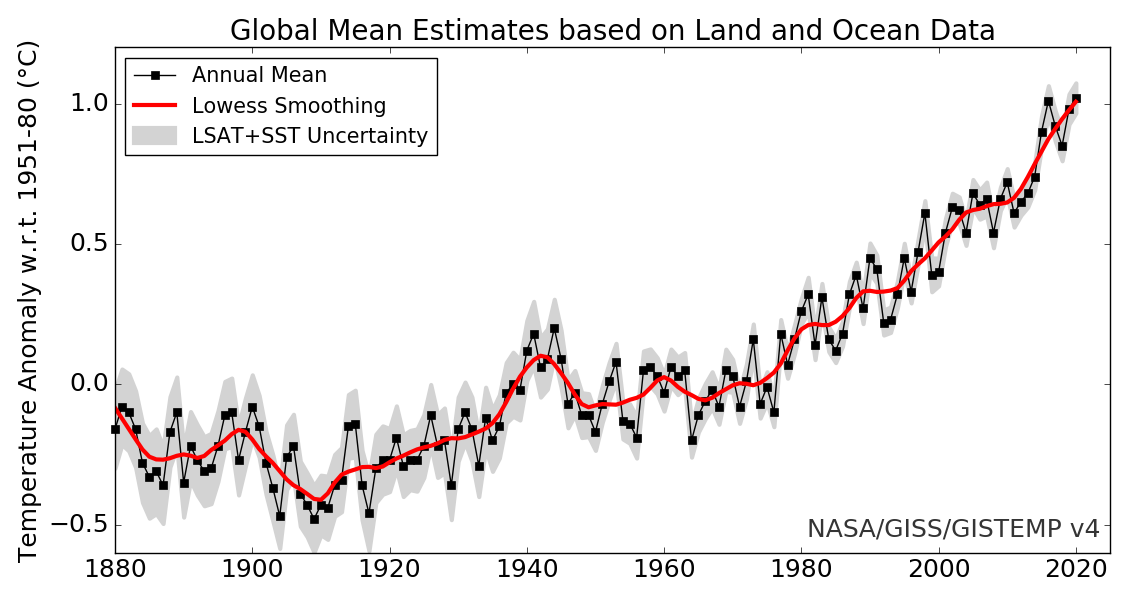
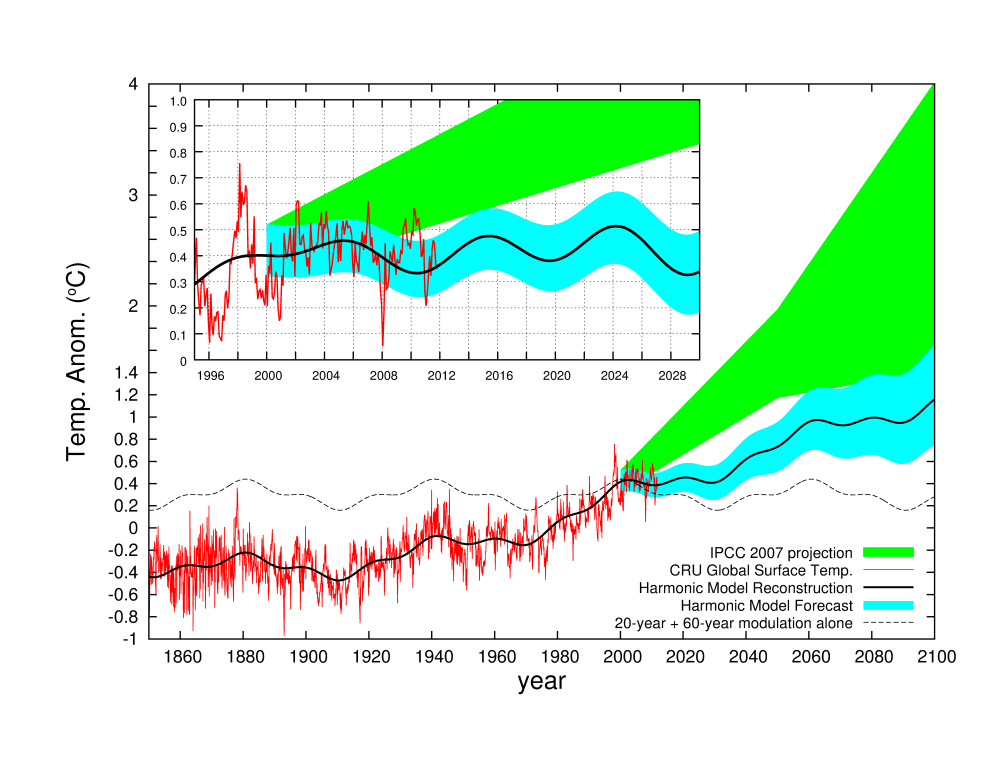
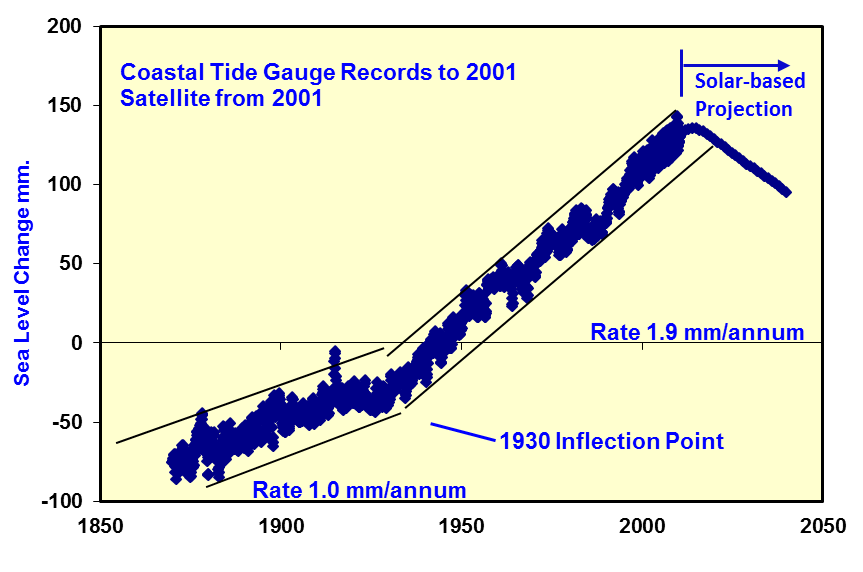
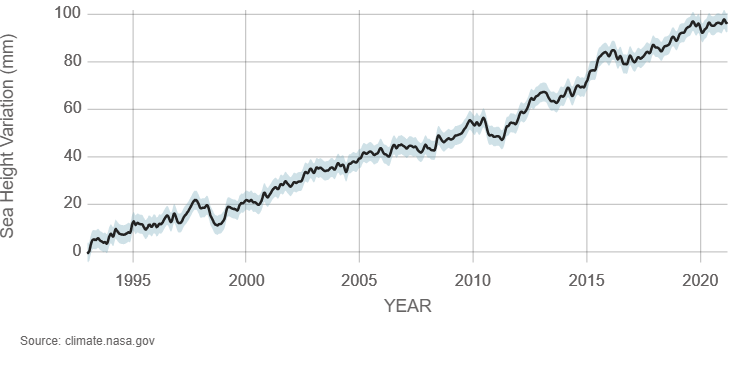
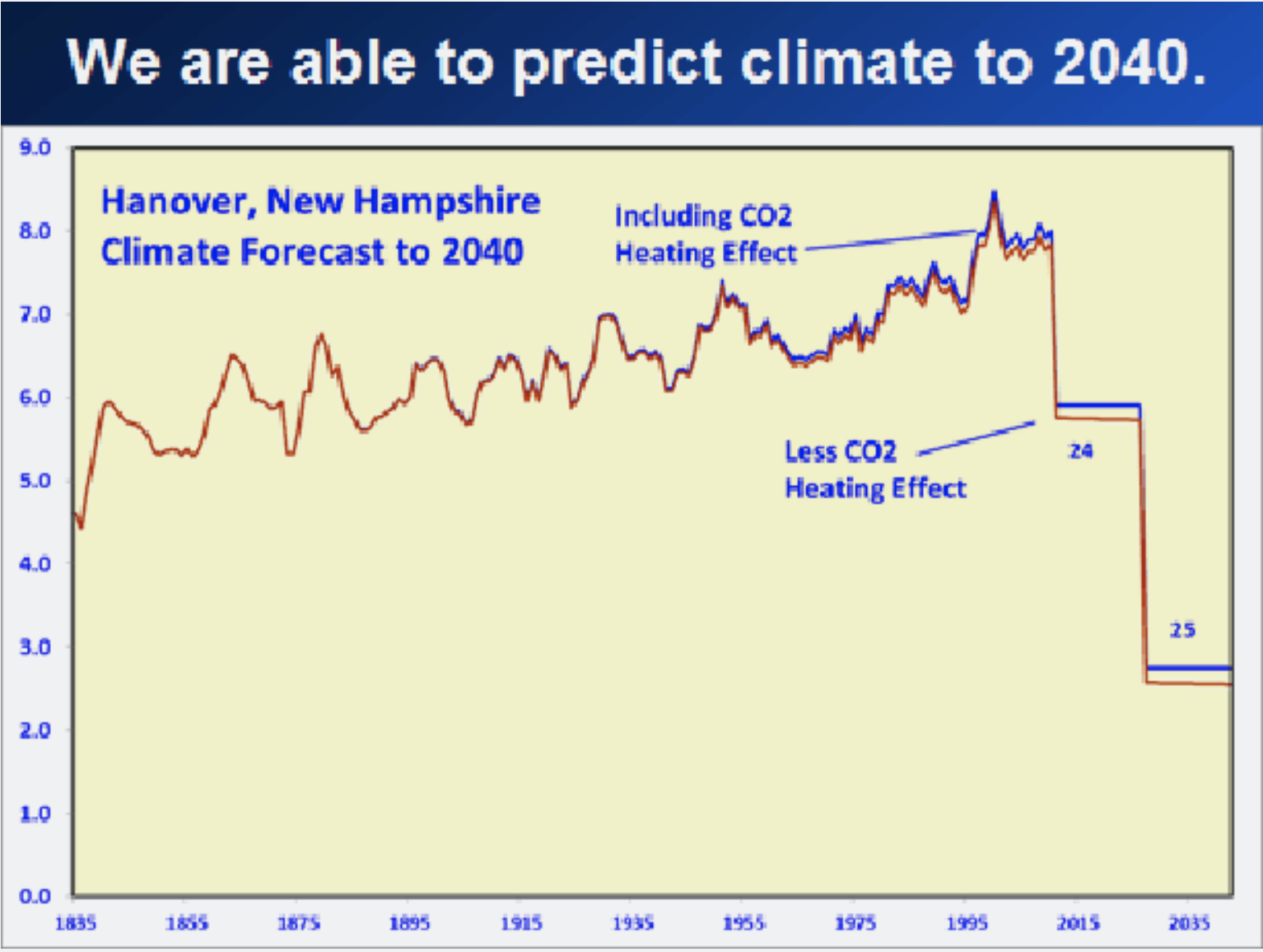
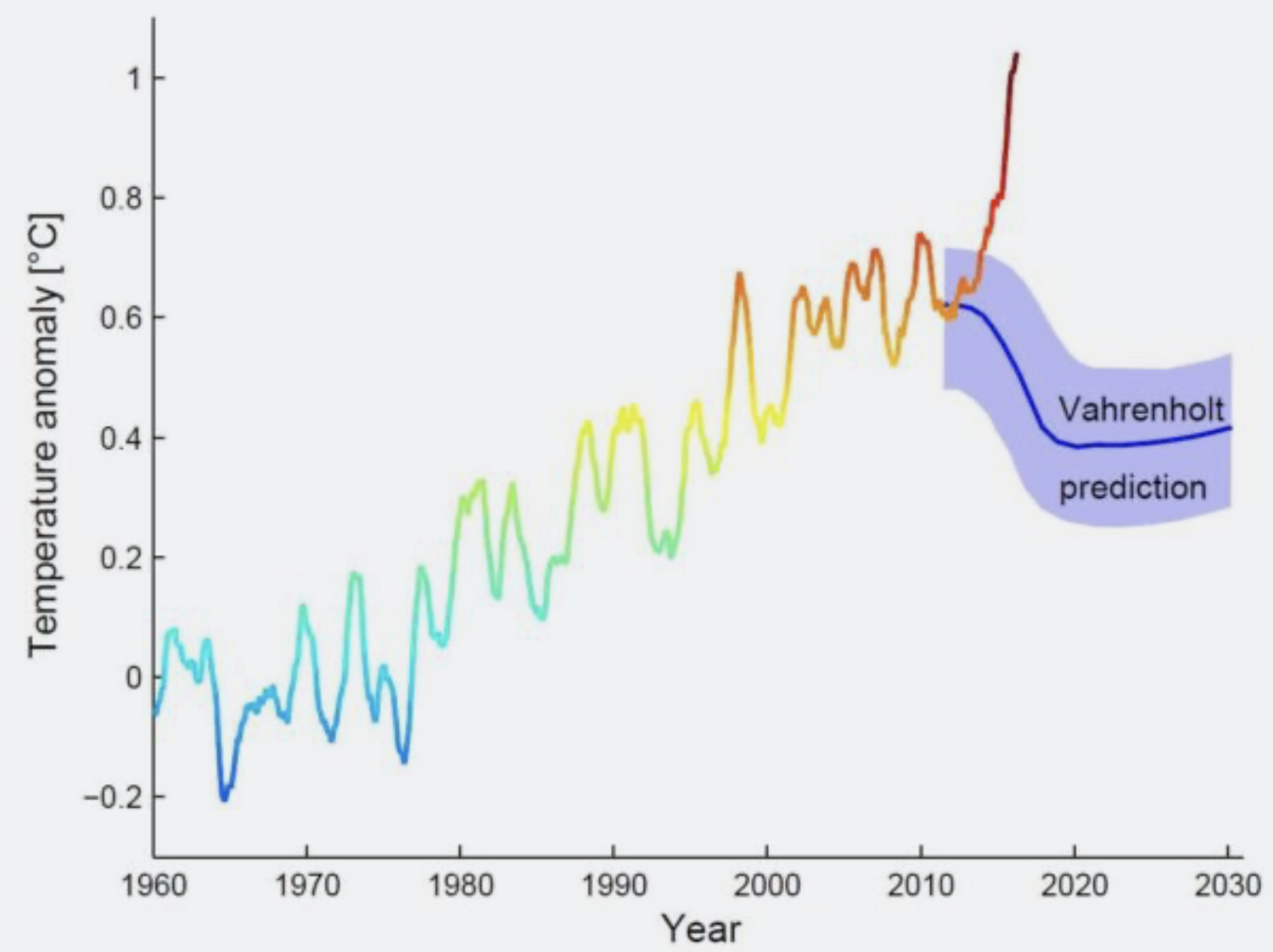
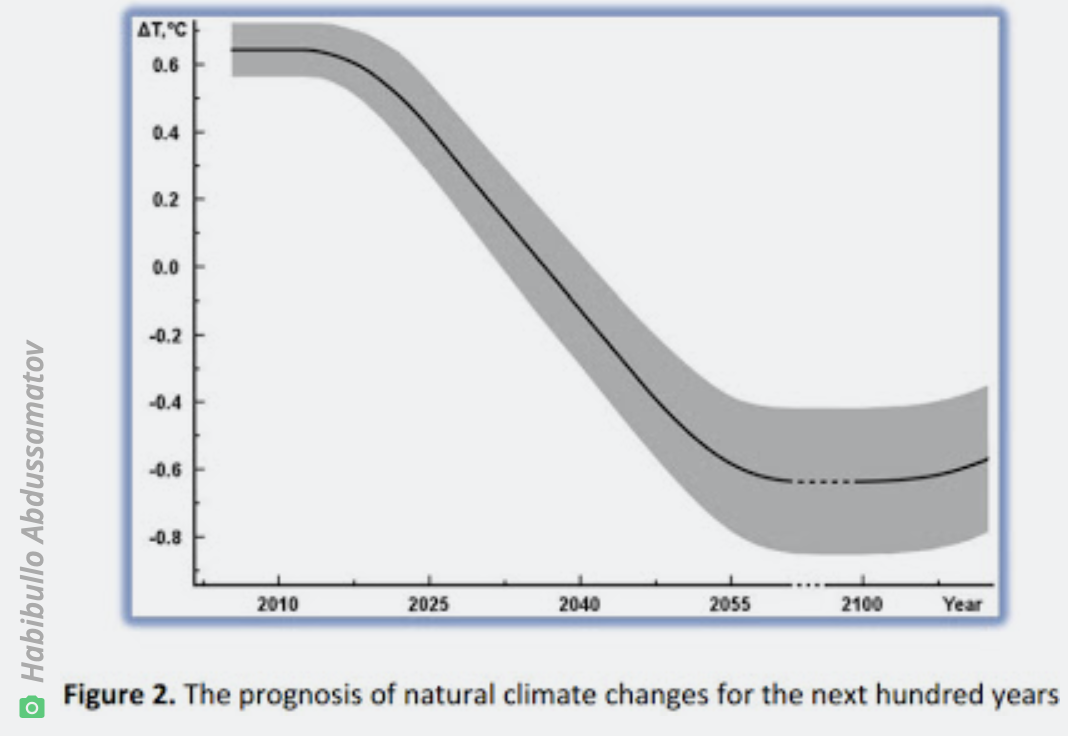
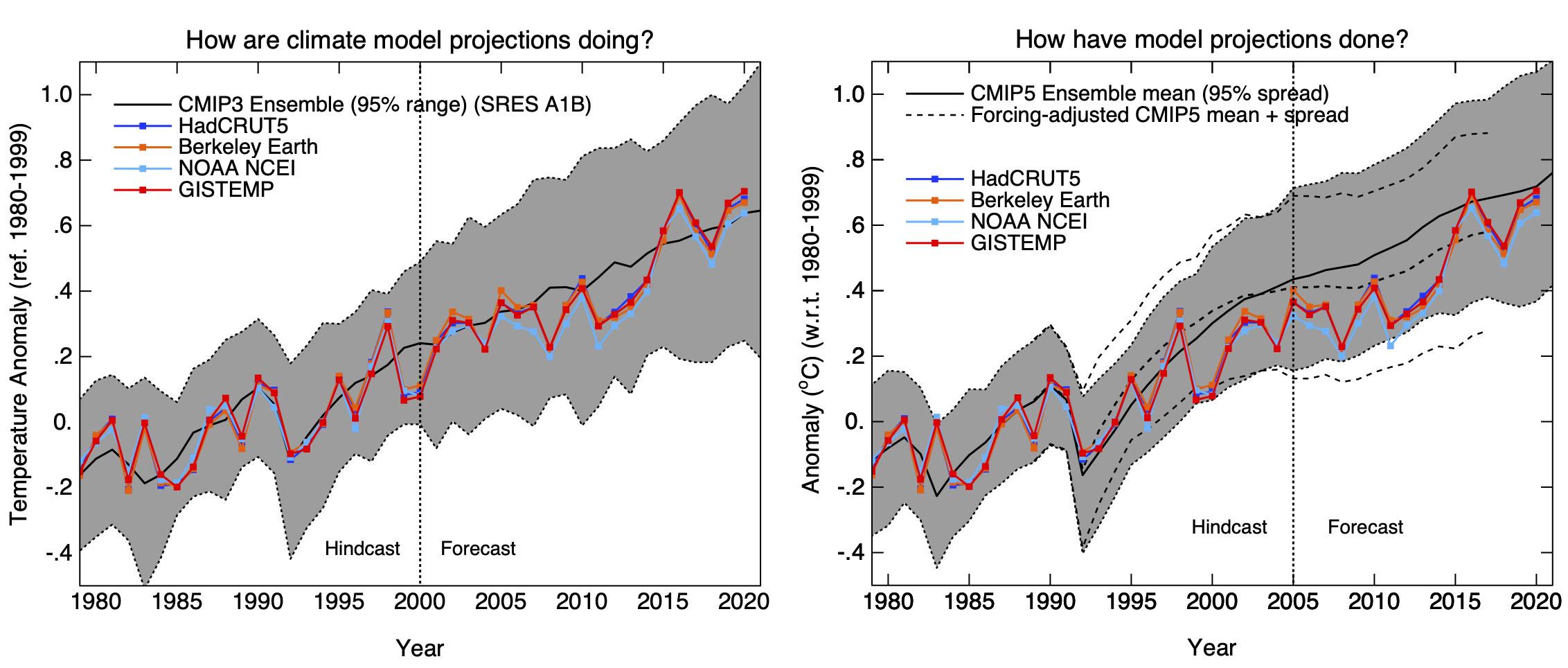

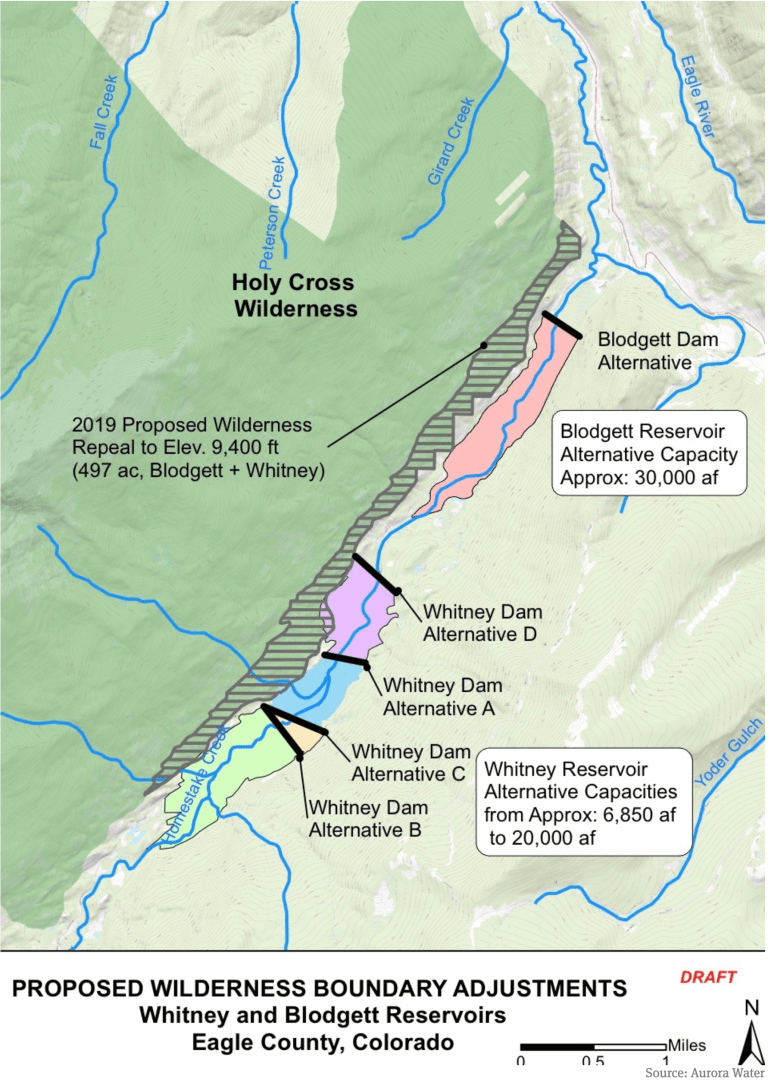


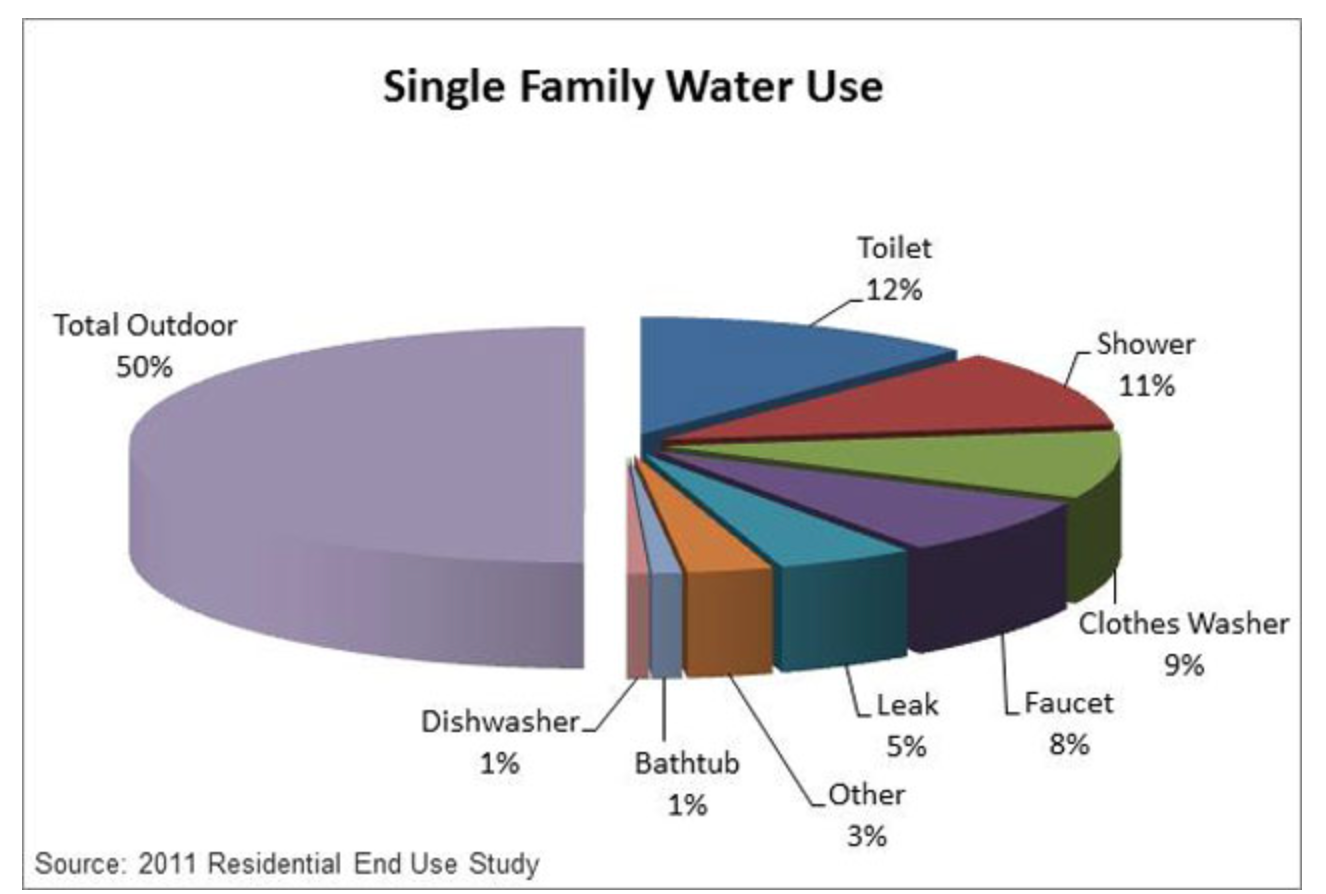


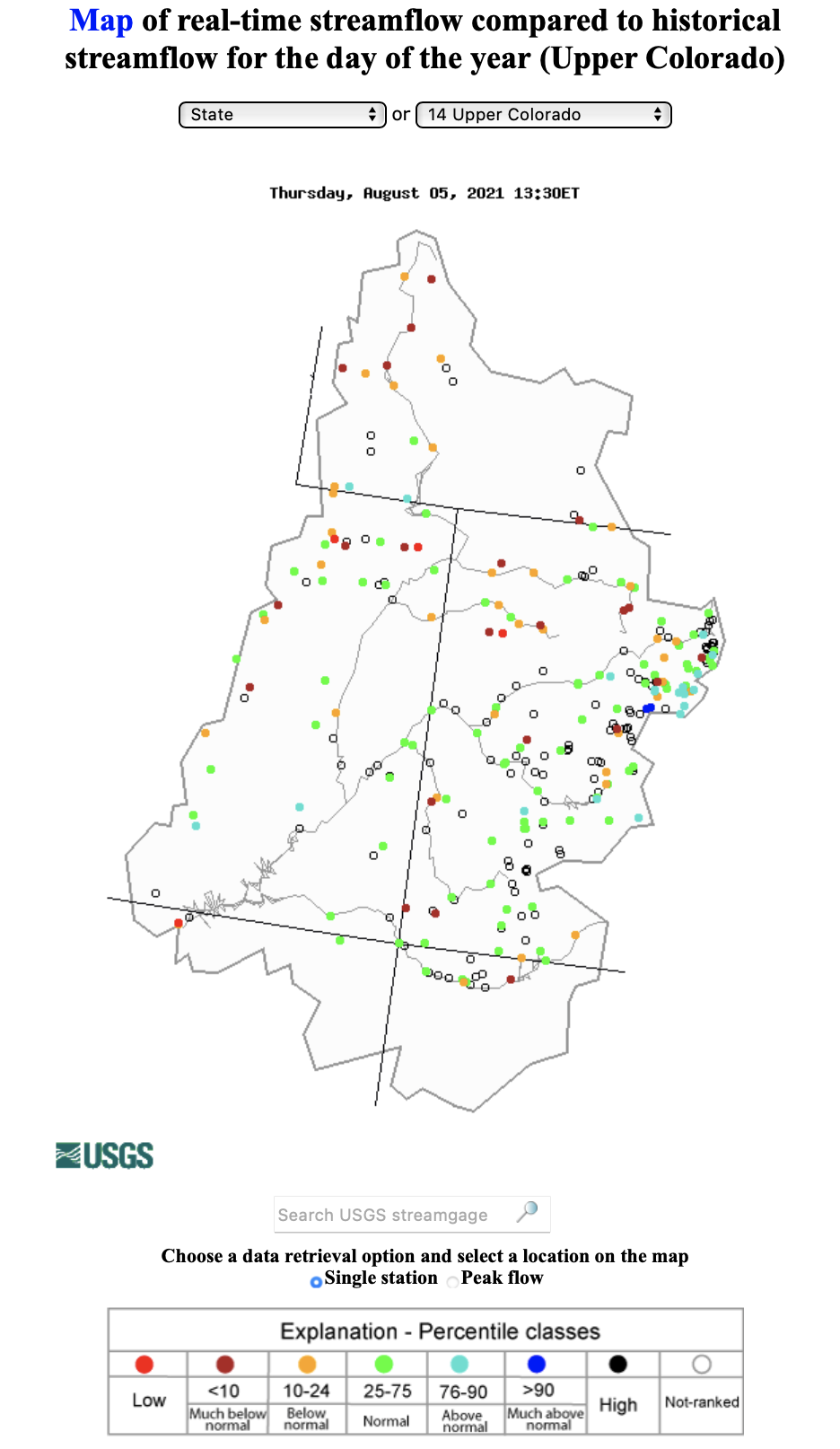

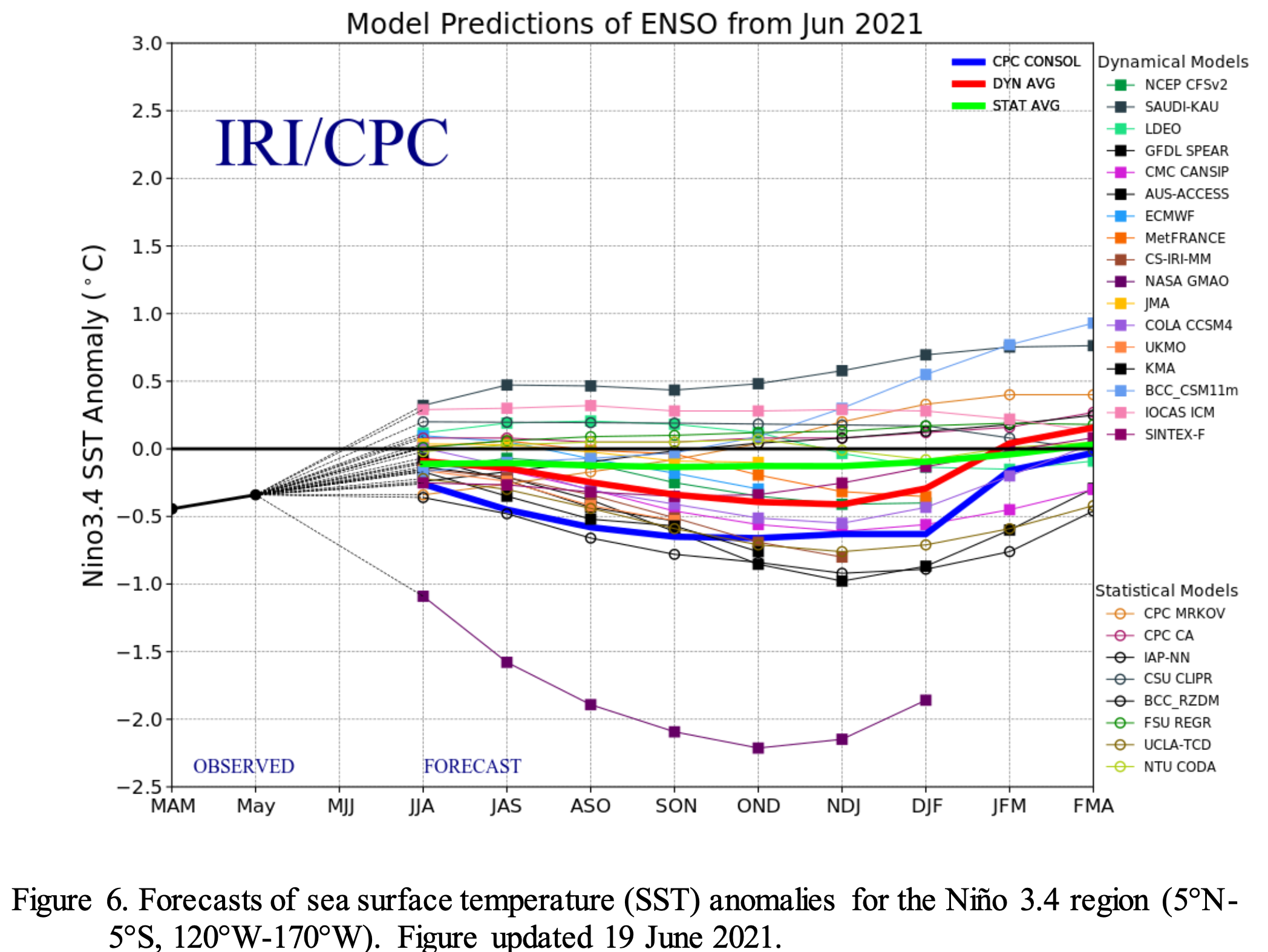

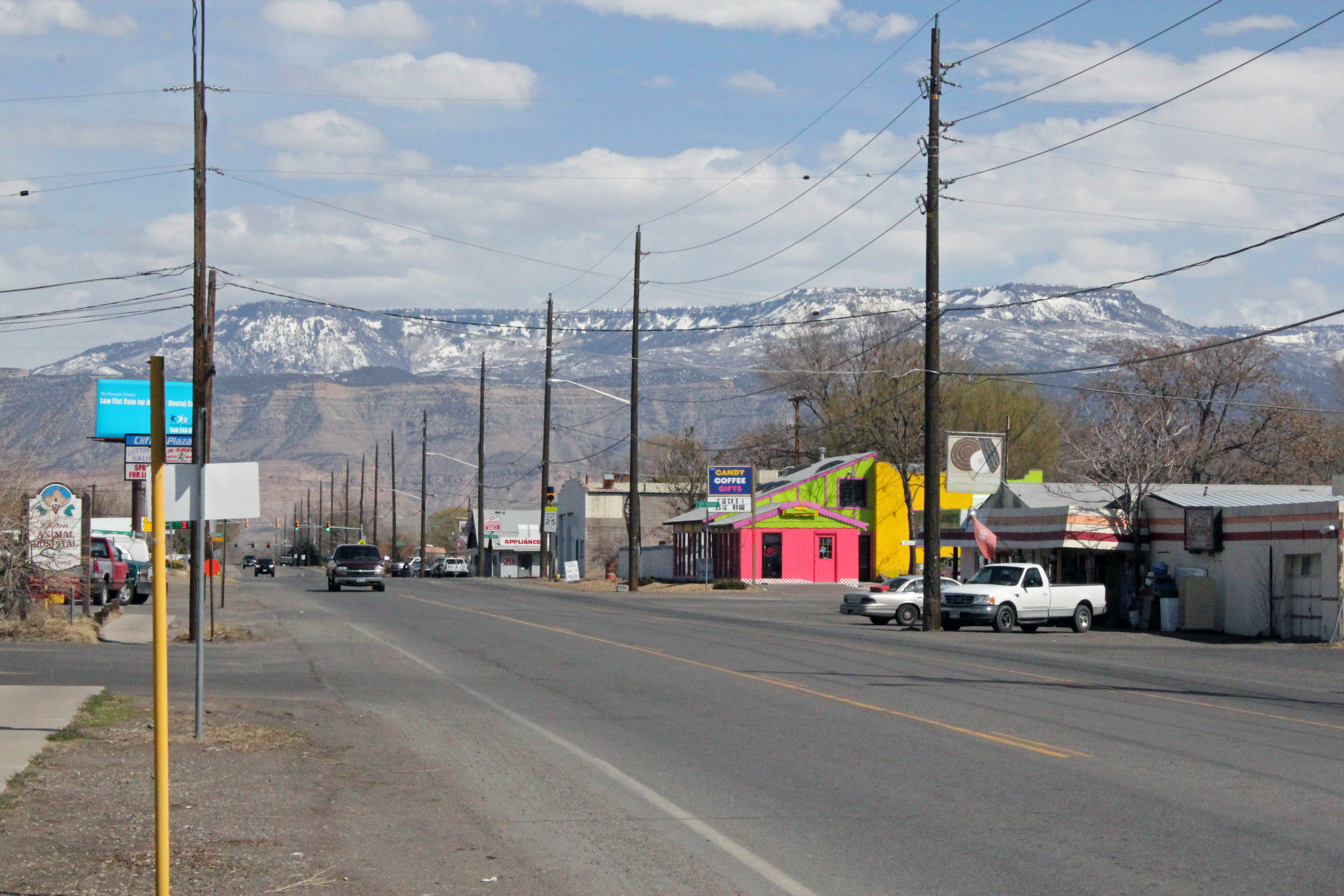


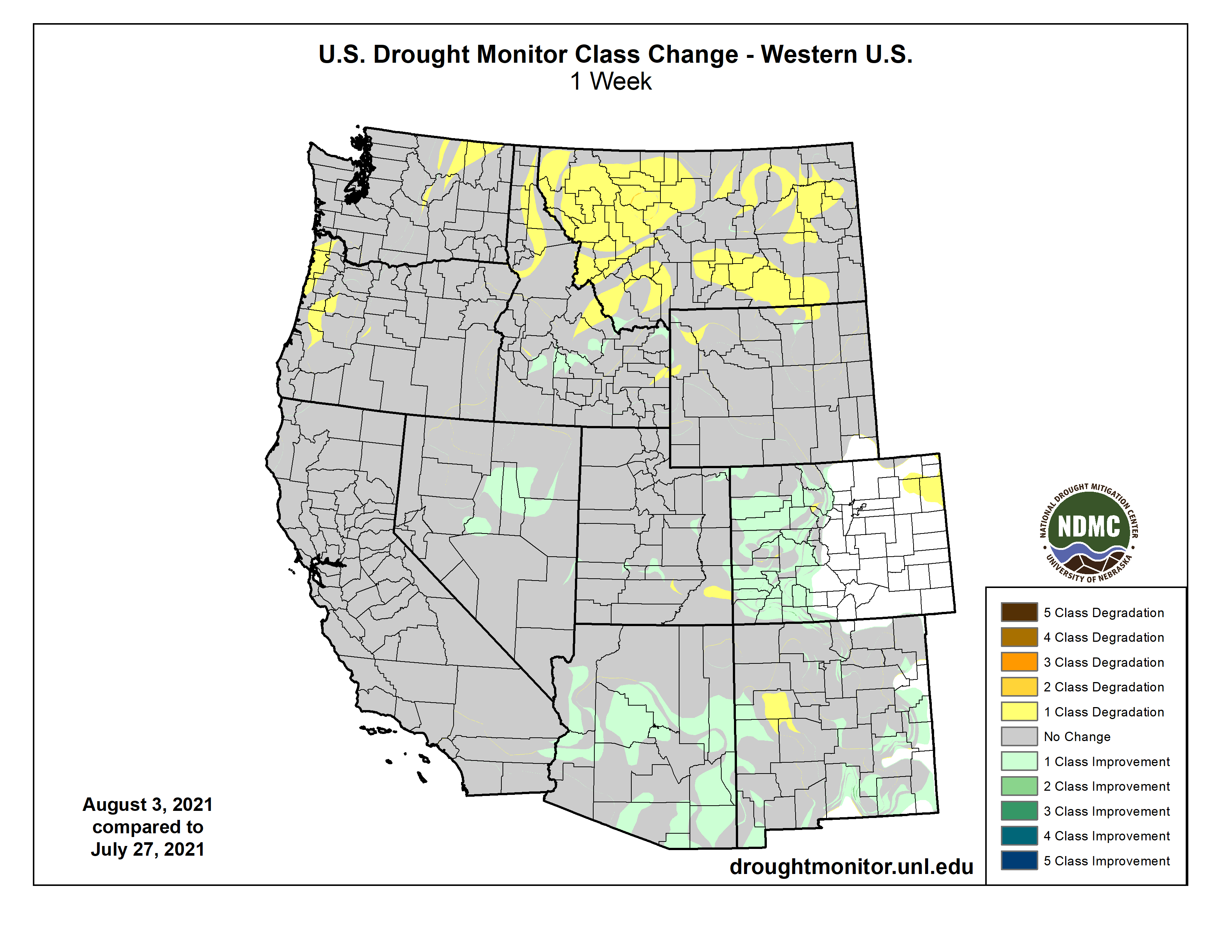
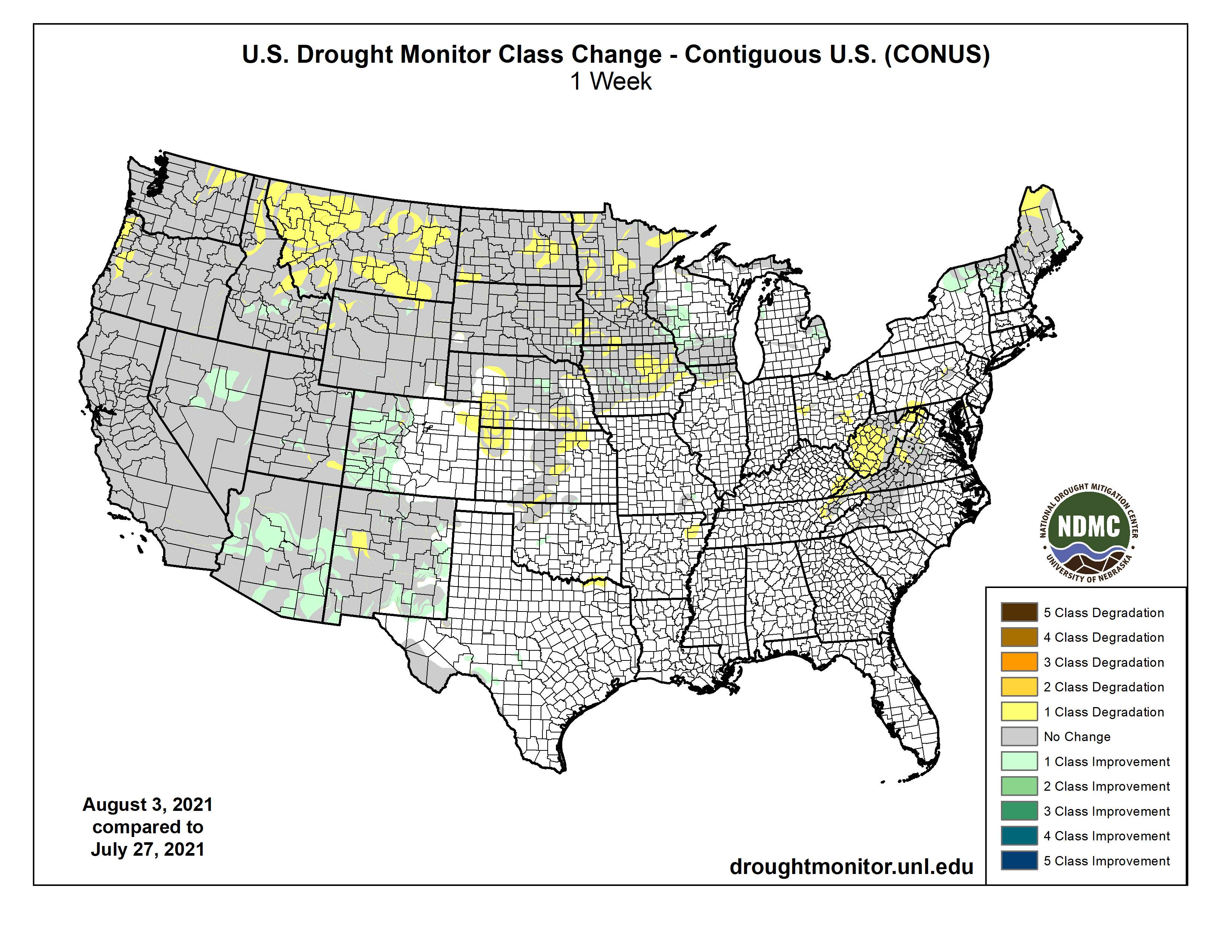
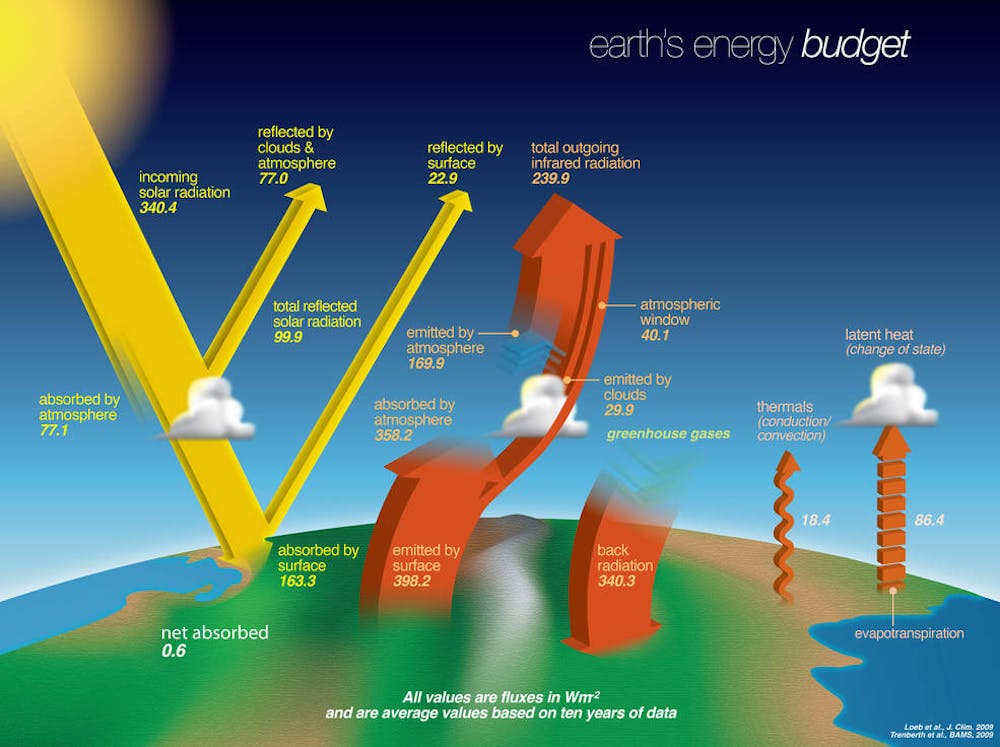

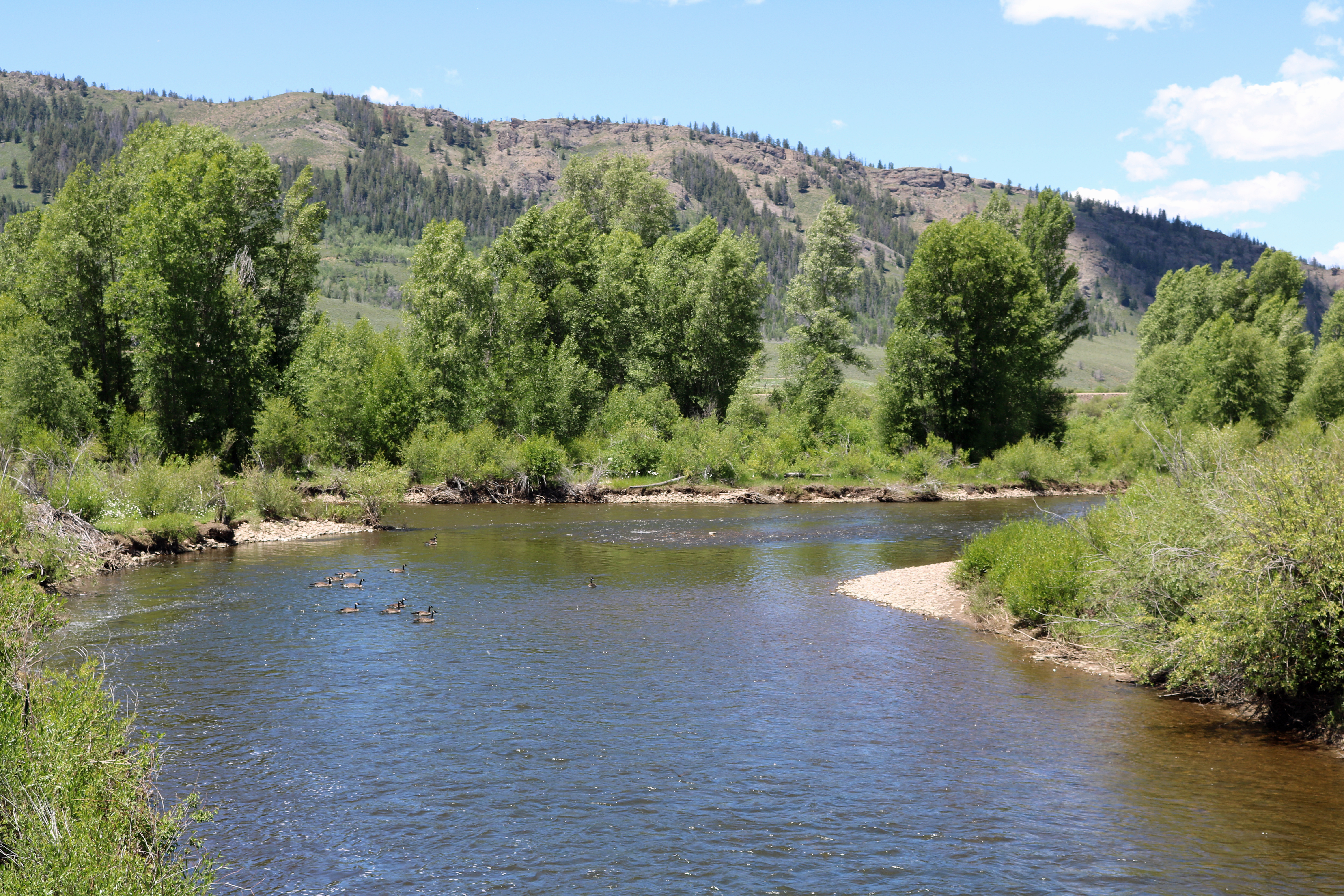
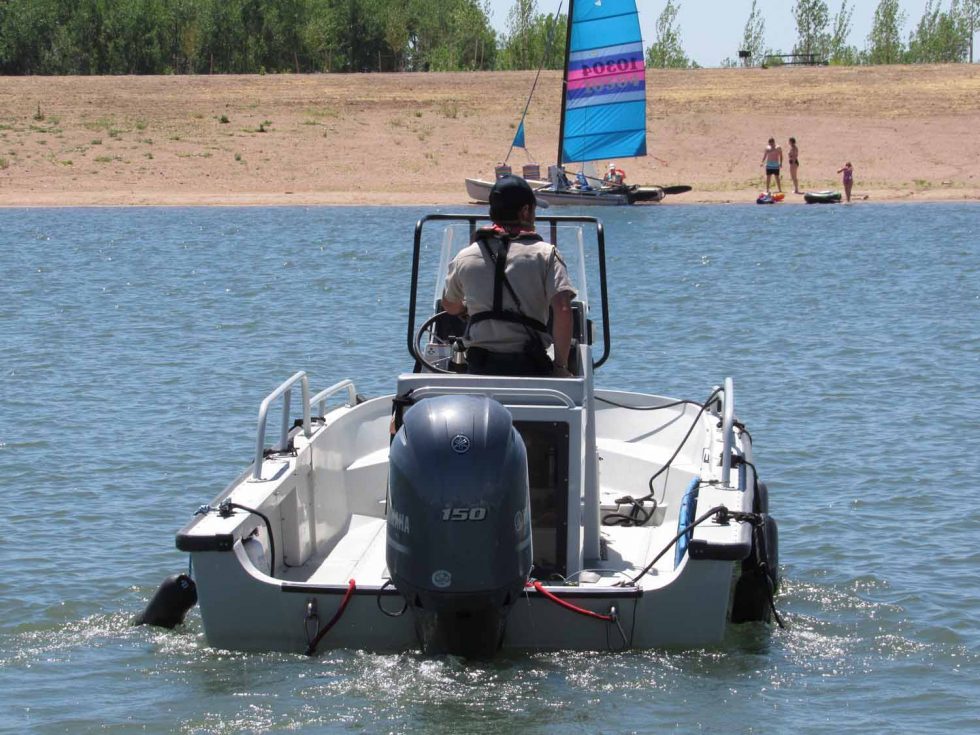
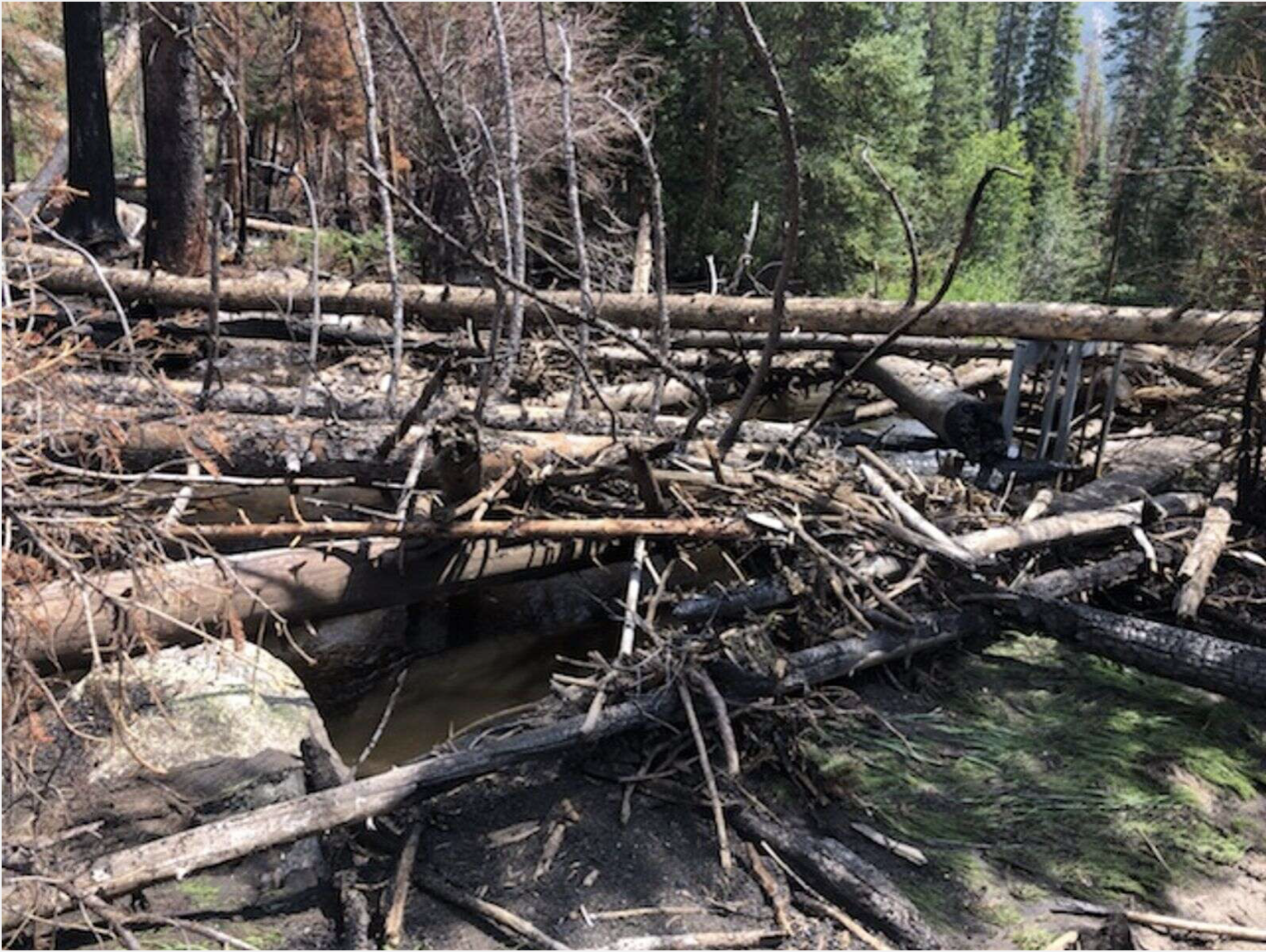
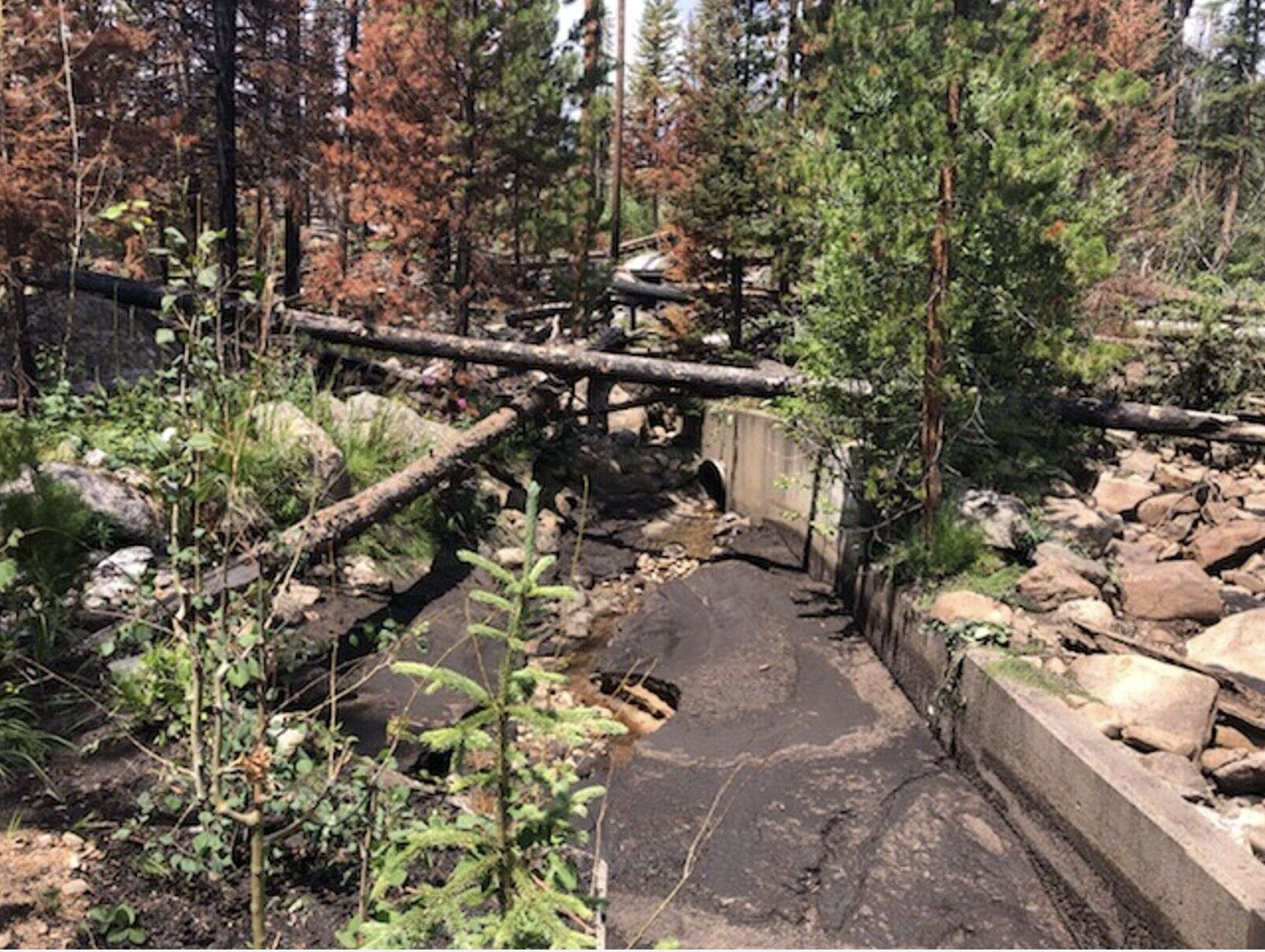


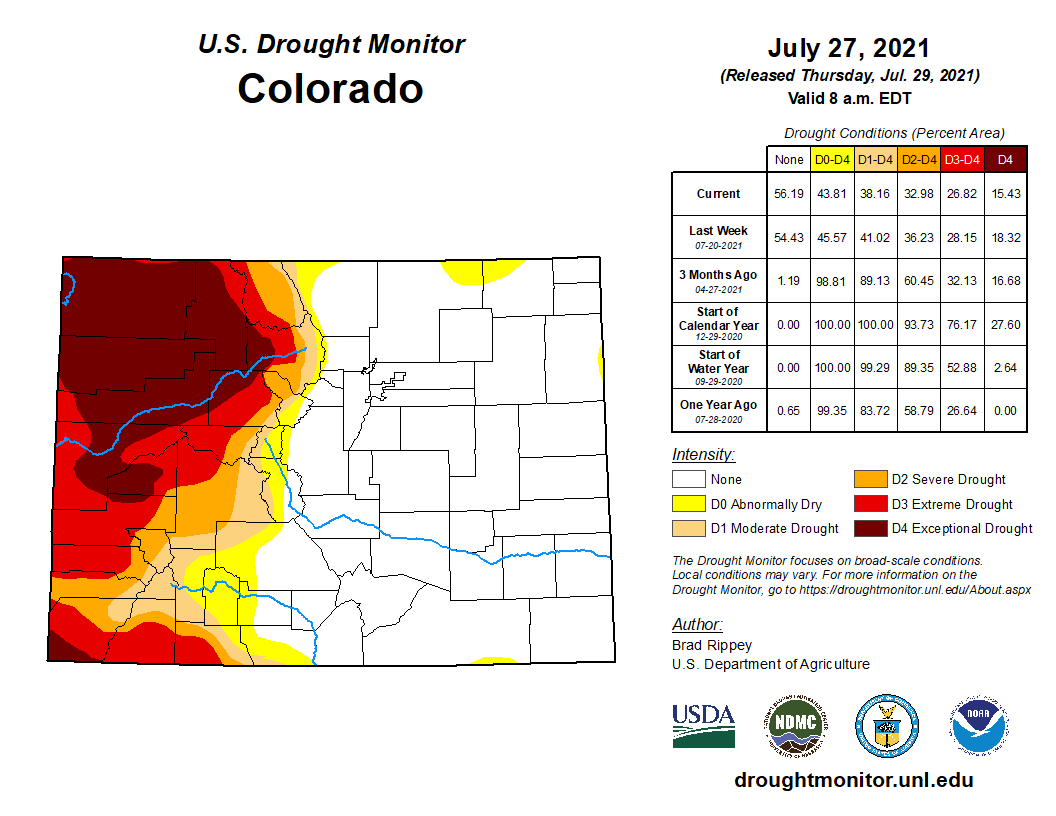


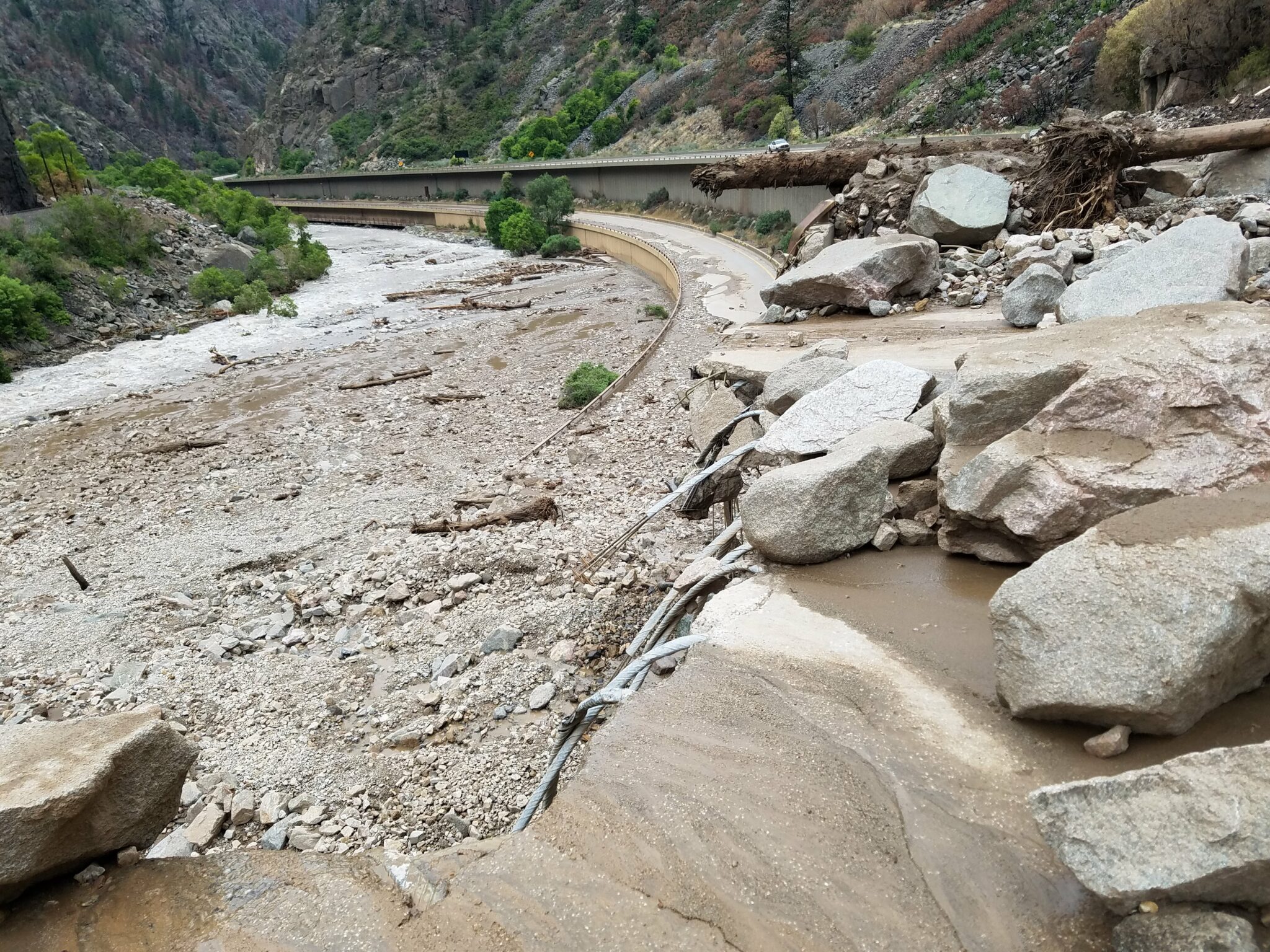
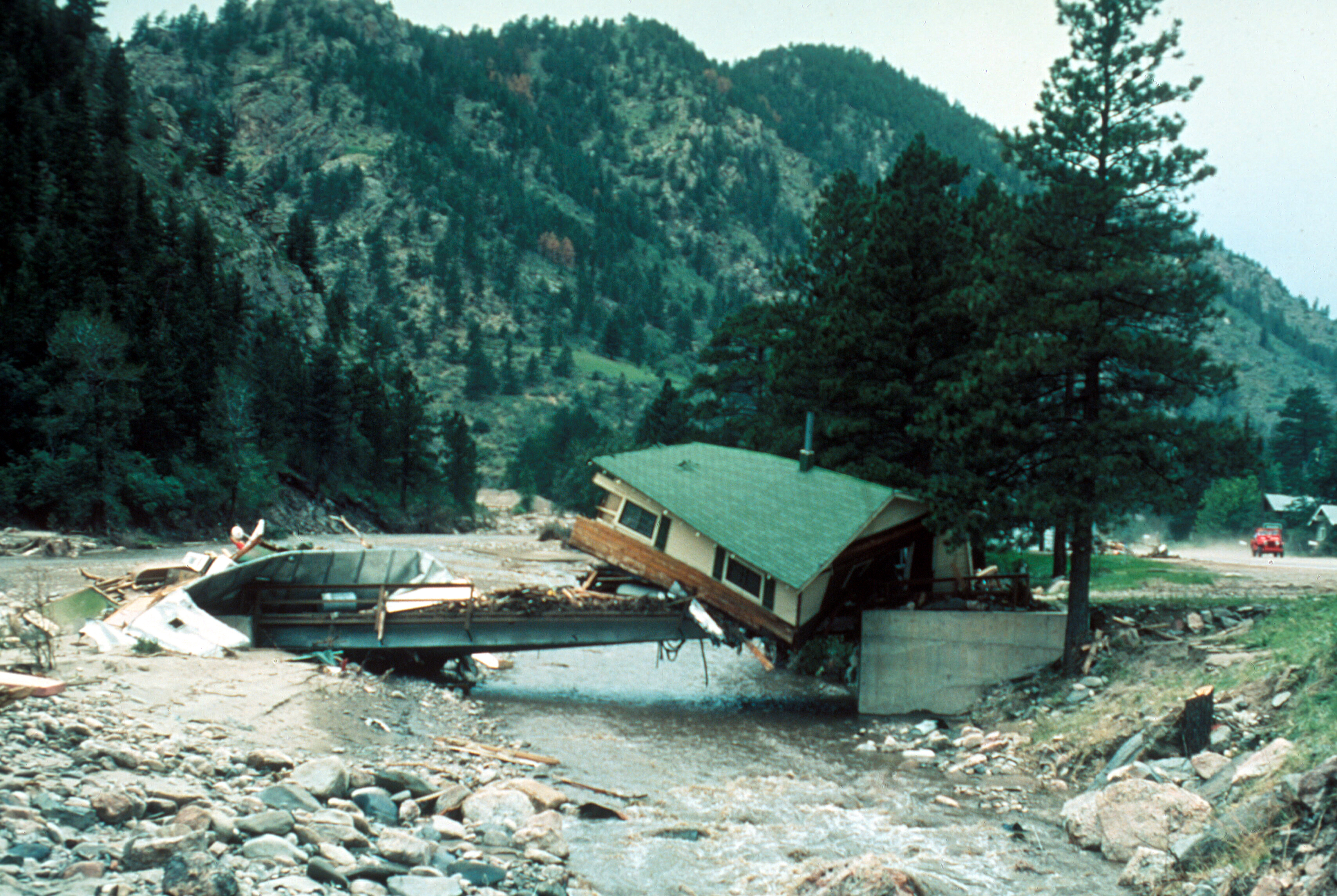
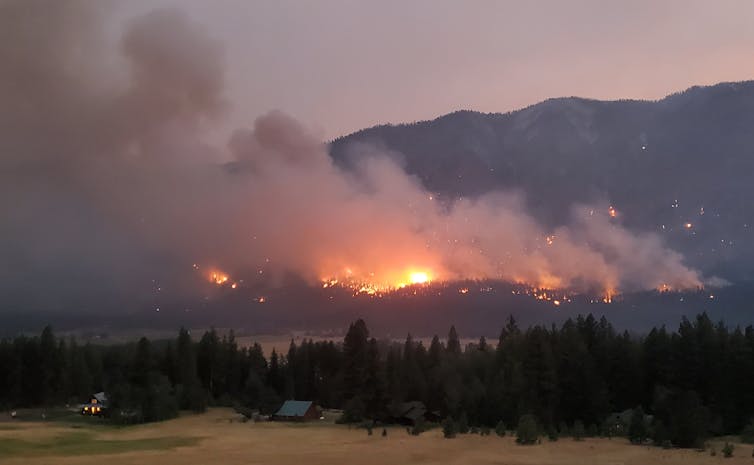
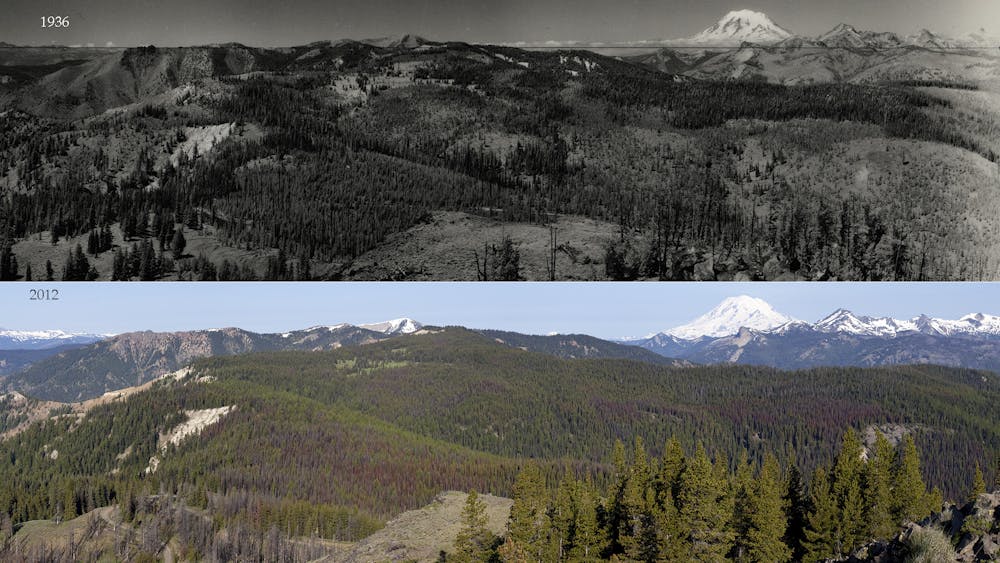
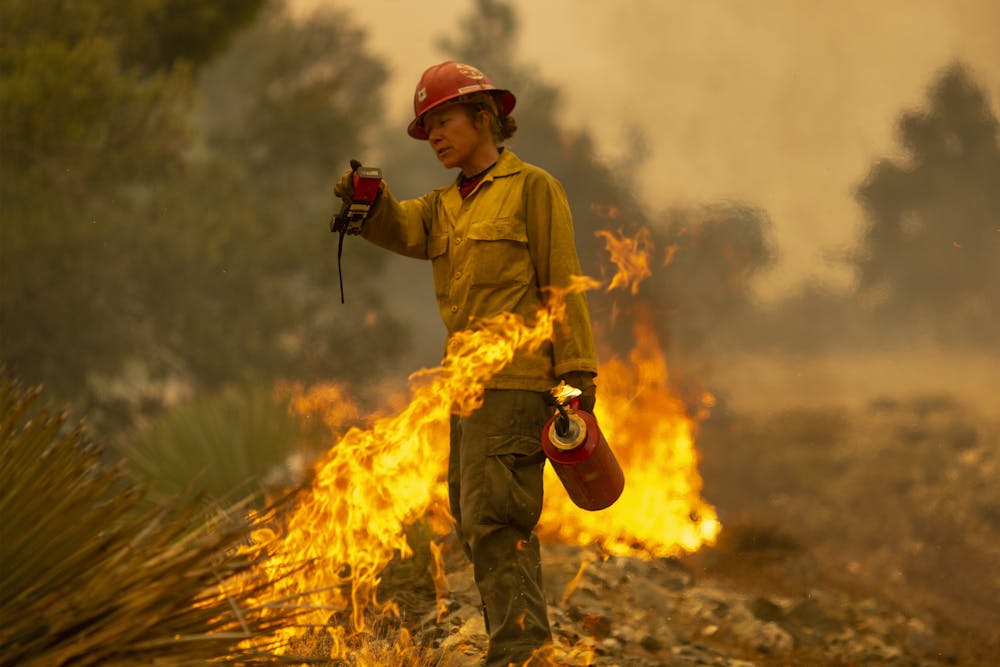


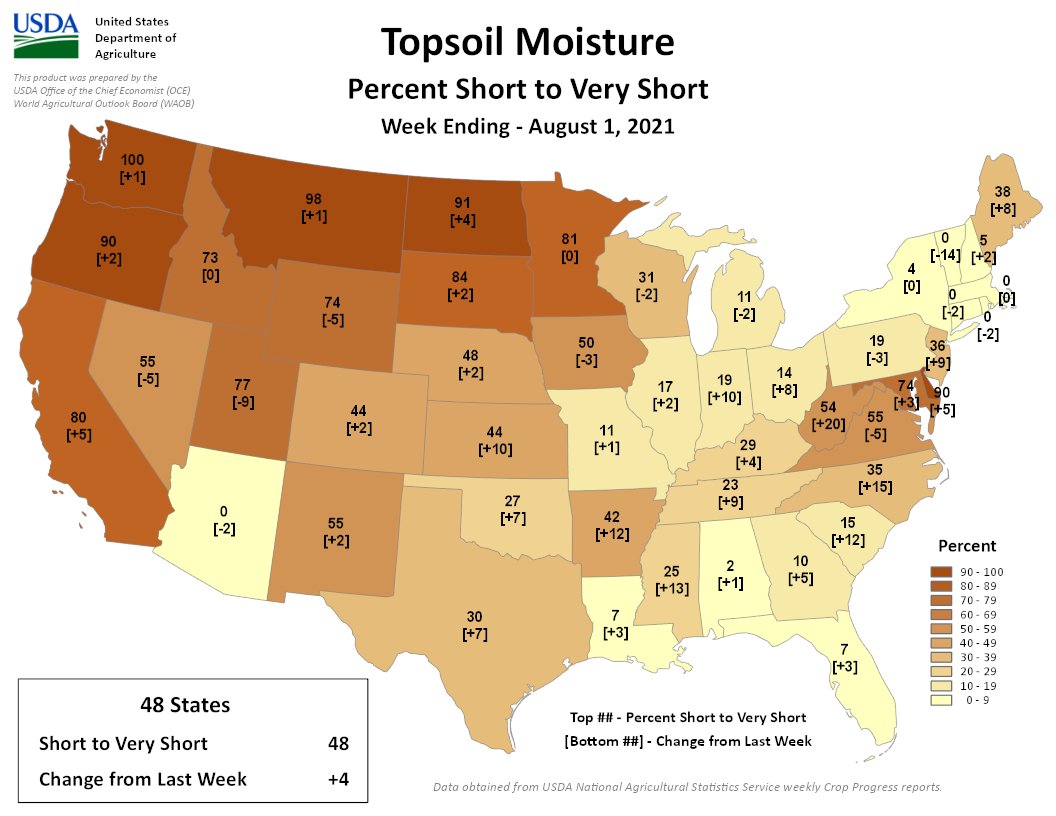
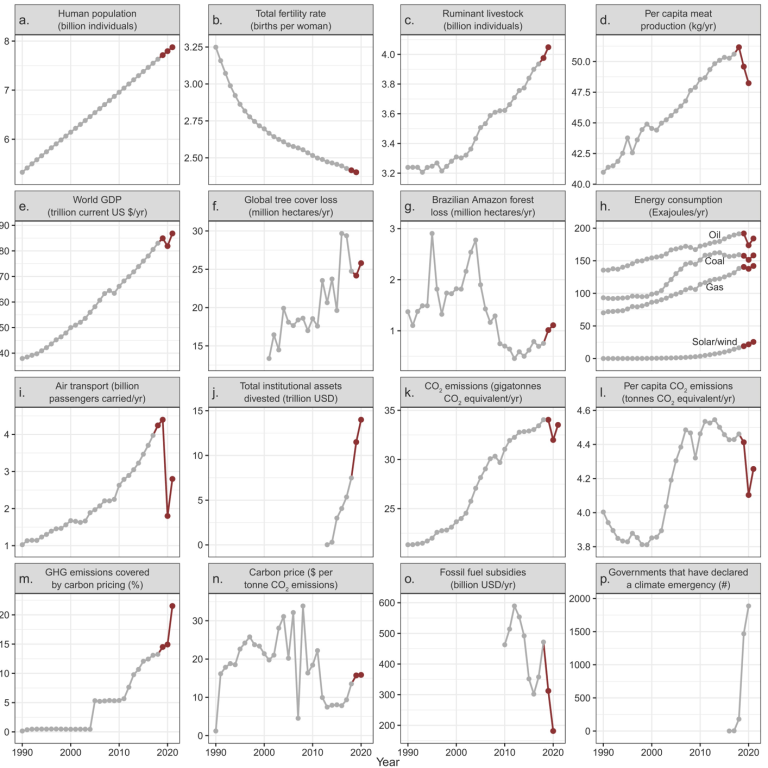

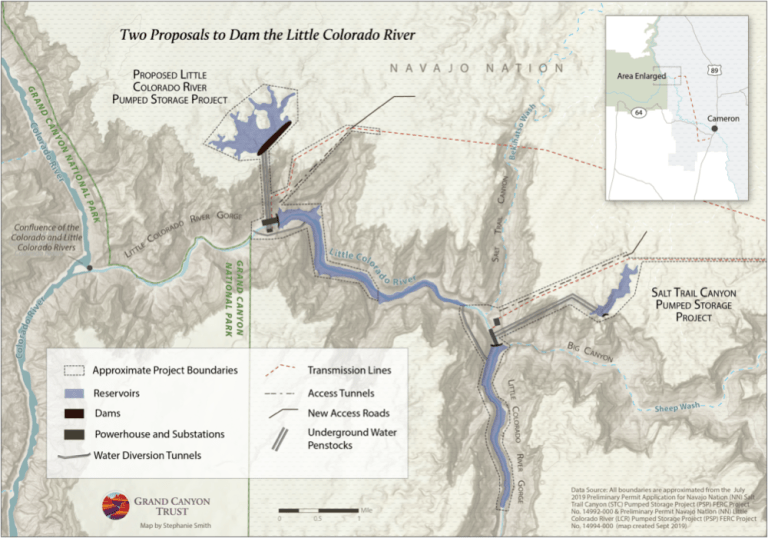
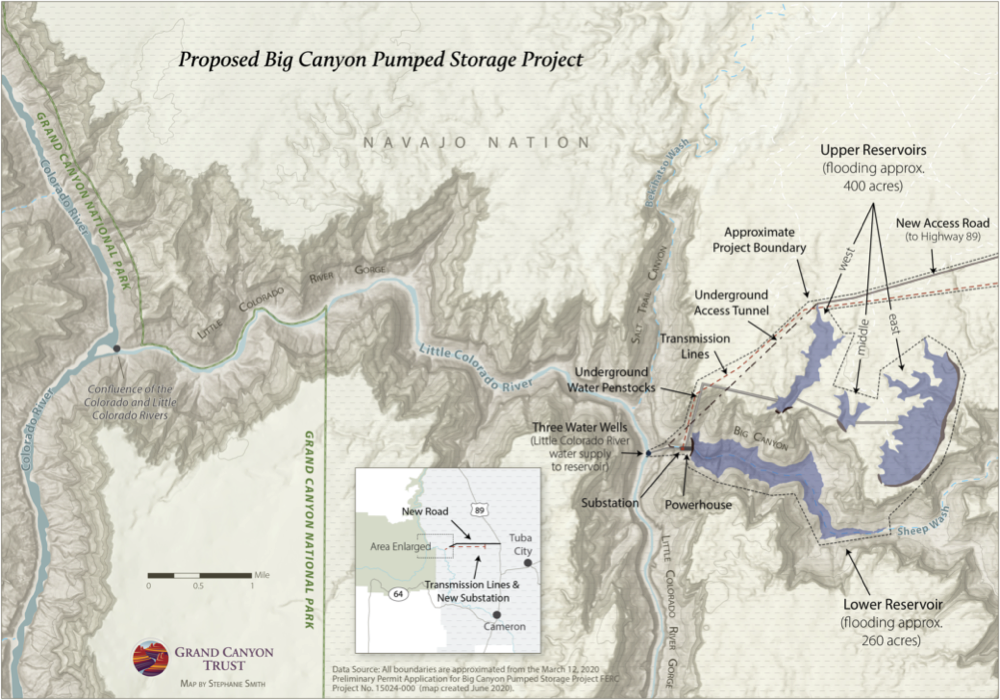
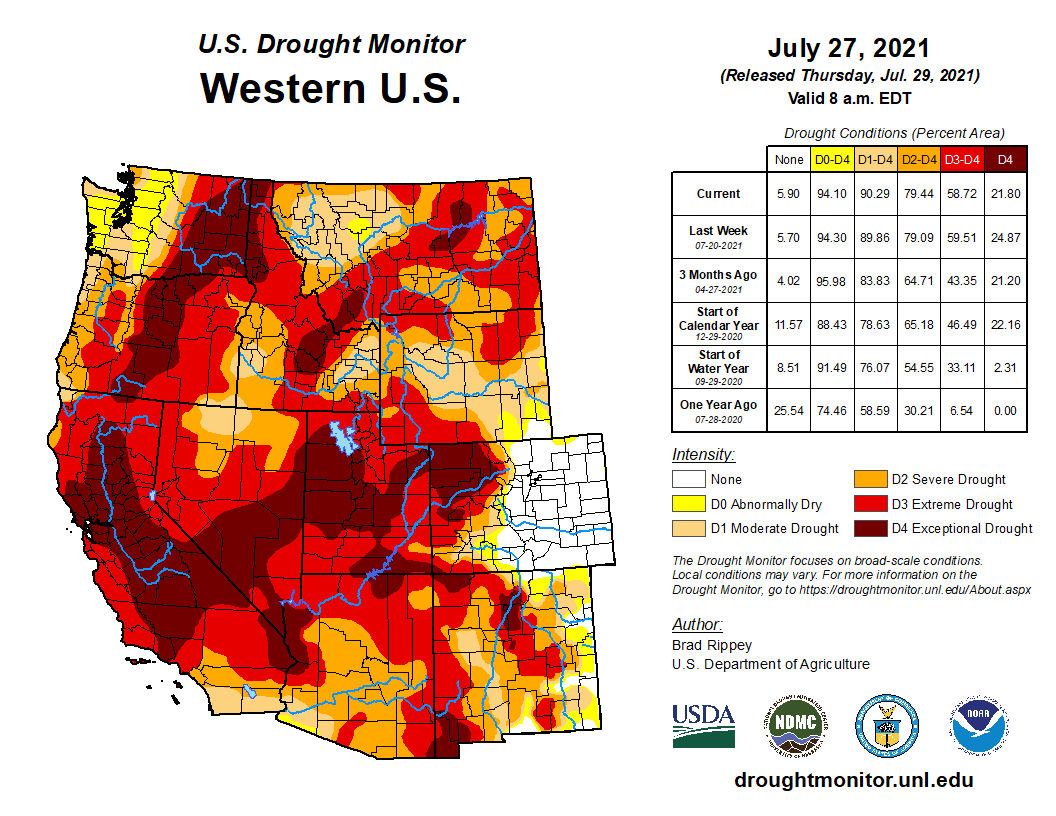
![Confluence of the Little Colorado River and the Colorado River. Climate change is affecting western streams by diminishing snowpack and accelerating evaporation. The Colorado River’s flows and reservoirs are being impacted by climate change, and environmental groups are concerned about the status of the native fish in the river. Photo credit: DMY at Hebrew Wikipedia [Public domain]](https://i0.wp.com/coyotegulch.blog/wp-content/uploads/2019/11/1024px-usa_little_colorado__colorado_rivers.jpg?w=558&h=376&ssl=1 "1024px-USA_Little_Colorado_&_Colorado_Rivers")