The health of our waters is the principal measure of how we live on the land — Luna Leopold
New UN #climate report says the world has a brief window to avoid a deadlier climate future. Here’s what’s at stake in #Colorado — Colorado Public Radio #ActOnClimate
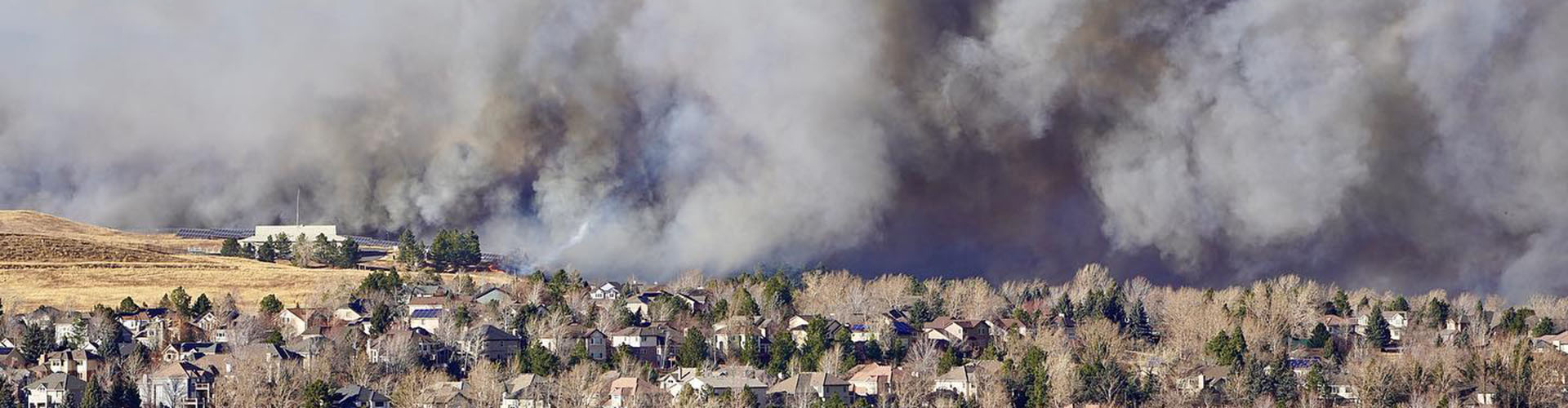
Marshall Fire December 30, 2021. Photo credit: Boulder County
Human-caused climate change is disrupting ecosystems, upending the lives of billions of people around the world and has set the stage for dangerous, possibly unavoidable hazards, said scientists in the latest report from the Intergovernmental Panel on Climate Change.
In Colorado, the impacts are being felt statewide, from worsening wildfires to shrinking snowpacks and ongoing droughts — and the future could see more of the same, or worse.
The warming is already driving an uptick of droughts, floods and heatwaves that are endangering plants and animals and threatening human health, scientists wrote in the report, part of the sixth major assessment of climate science from the United Nations. The warming is intensifying so rapidly researchers say it could soon threaten the ability of nature and humans to adapt unless greenhouse gas emissions are quickly reduced, they write…
Here’s are some of the key findings for Colorado and the Western United States:
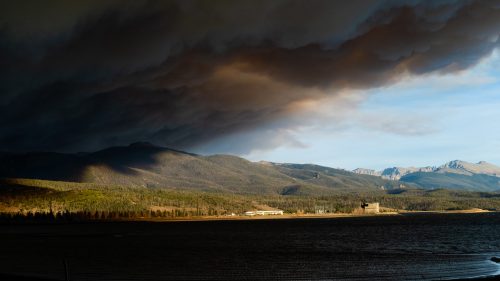
Smoke from the East Troublesome fire looms over Granby Reservoir. Photo credit: Evan Wise via Water for Colorado
Wildfires are expected to increase and intensify as climate change leads to warmer and drier conditions. Warming has also led to longer fire seasons and increased firefighting costs. Smoke from intensified wildfires is linked to respiratory health problems and increased hospital admissions, which are projected to grow even more, especially in elderly, low-income and Black and Native American communities
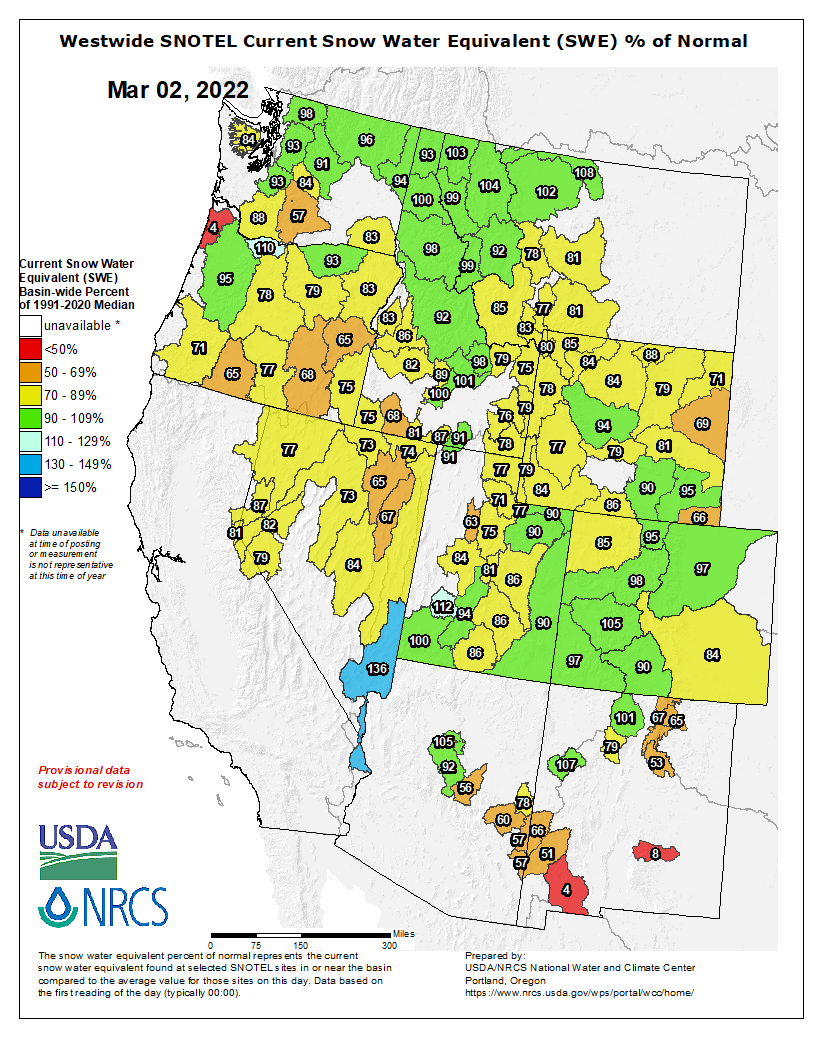
Westwide SNOTEL basin-filled map March 2, 2022 via the NRCS.
Snowpack and snow cover have declined as temperatures have increased. The warming is driving “snow droughts” that reduce the runoff that recharges critical water supplies
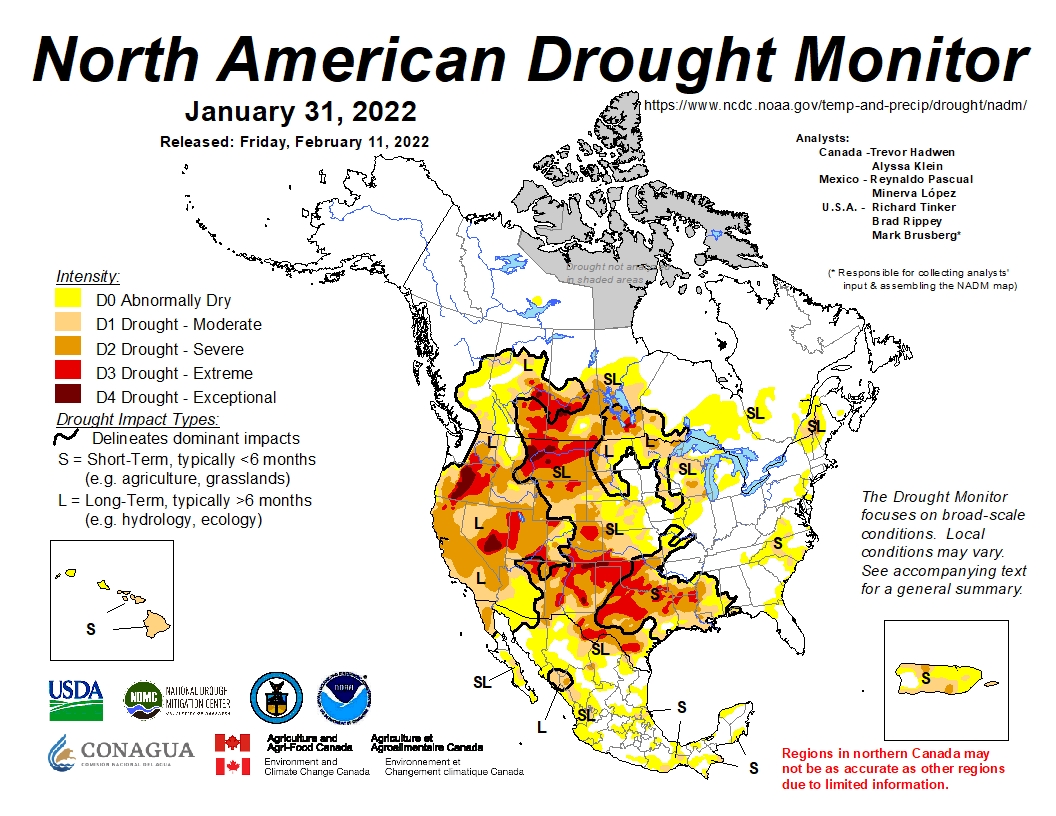
North American Drought Monitor map January 2022
Droughts are getting longer, more severe and are causing environmental and economic damage. Warming is also worsening tensions over competing water use interests
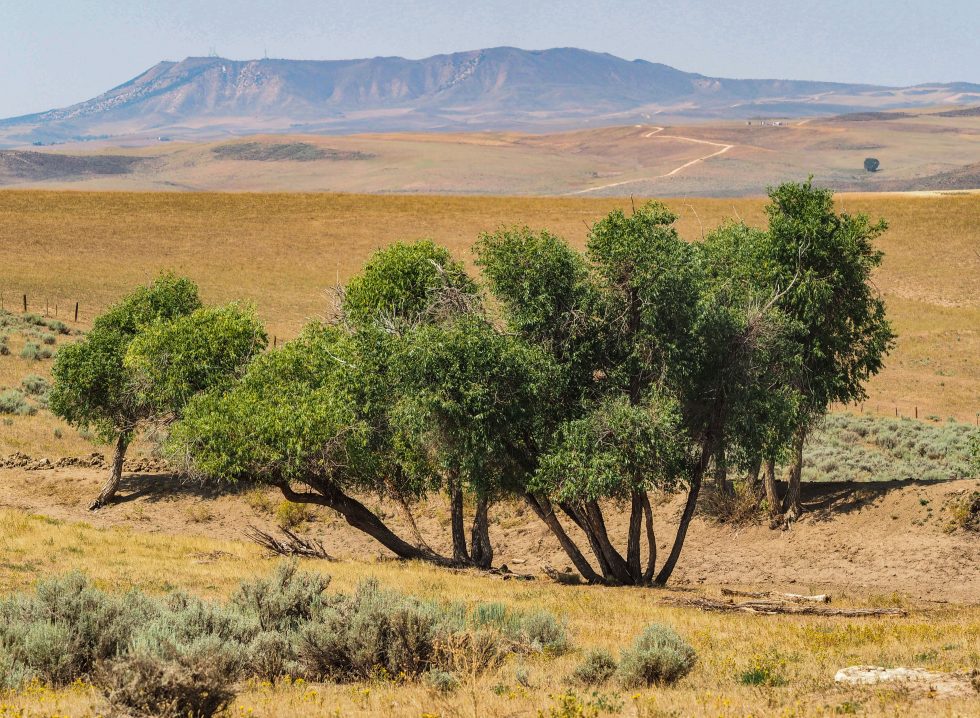
A stock pond that is normally full of water stands dry because of drought on the Little Bear Ranch near Steamboat Springs, Colo., on Aug. 11, 2021. Due to low snowpack, warming temperatures and dry soil during the past two years, followed by the same in 2021, Northwest Colorado is in a severe drought. Credit: Dean Krakel, special to Fresh Water News.
Freshwater supplies that are being hurt by reduced snowpack and earlier runoff seasons are being further degraded by overuse, poor management and deteriorating water infrastructure
Eastern Colorado farmer Jay Sneller watches the mowing of his drought-ravaged corn crop during the drought of 2012. JOHN MOORE / GETTY IMAGES
Farming and food production are also threatened by drought and water shortages, and warming is already negatively affecting crop yields, quality and marketability of agricultural products. Increased warming is also expected to affect the occurrence and severity of diseases that infect livestock