
Click the link to read the article on the Associated Press website (John Flescher). Here’s an excerpt:
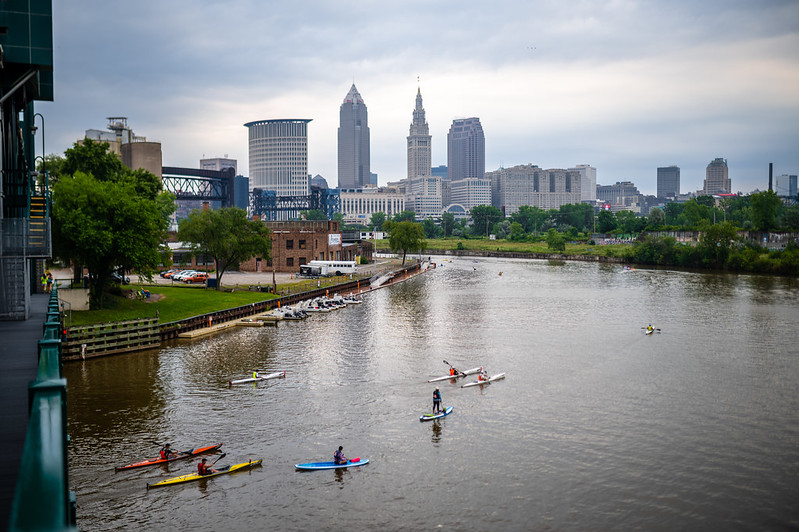
As officials and community leaders prepared to celebrate the law’s 50th anniversary Tuesday [October 18, 2022] near the river mouth at Lake Erie, the Cuyahoga again is emblematic. This time, it represents progress toward restoring abused waterways — and challenges that remain after the act’s crackdown on industrial and municipal sewage discharges and years of cleanup work. A 1967 survey found not a single fish in the river between Akron and Cleveland. Now, there are more than 70 species including smallmouth bass, northern pike and muskellunge. Limits on eating them have been lifted. The Cuyahoga is popular with boaters. Parks and restaurants line its banks…
The Clean Water Act established ambitious goals: making the nation’s waters “fishable and swimmable” and restoring their “chemical, physical and biological integrity.” It gave the newly established U.S. Environmental Protection Agency broad authority to set and enforce regulations. Experts and activists agree many waterways are healthier than they were, and cleanups continue. The Biden administration’s 2021 infrastructure package includes $50 billion to upgrade drinking water and wastewater treatment systems, replace lead pipes and cleanse drinking water of toxic PFAS, known as “forever chemicals.”
But the law’s aims have been only “halfway met,” said Oday Salim, director of the University of Michigan’s Environmental Law and Sustainability Clinic. ”If you spoke to most clean water policy advocates today, they’d be pretty disappointed in how long it has taken to get halfway.”