
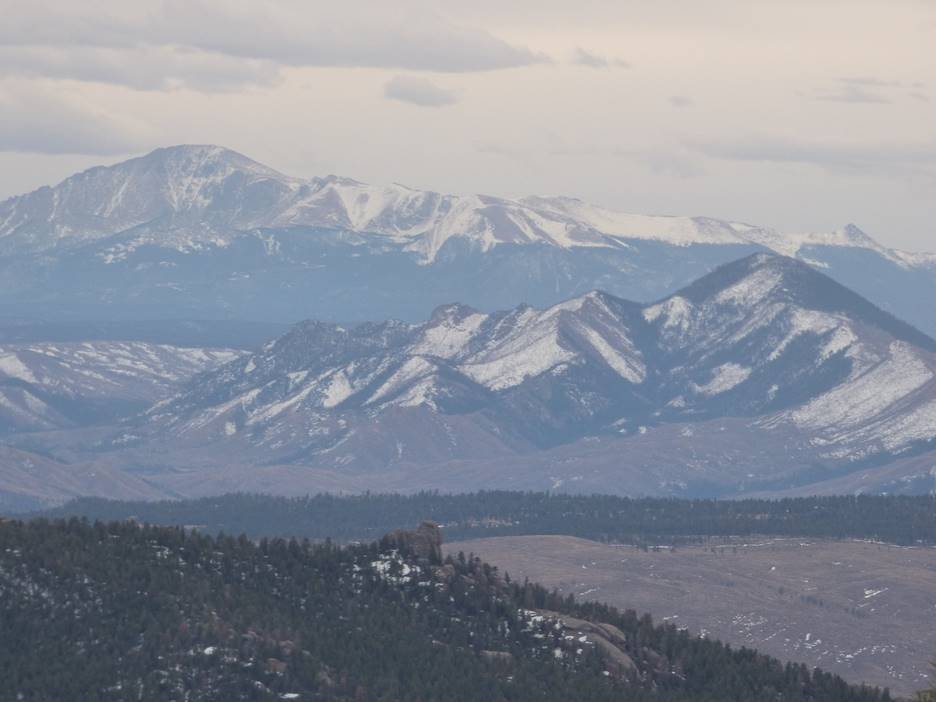
Click the link to read the article on The Grand Junction Daily Sentinel website (Dennis Webb). Here’s an excerpt:
Dave Kanzer, director of science and interstate matters for western Colorado’s Colorado River District, told the district’s board at its recent meeting that the recently concluded water year was an average one overall, but was punctuated by dry and wet months, with monsoonal moisture in July and August helping the state to get through a difficult year.
“But it didn’t take care of our water supply issues, which are still very dire,” he said.
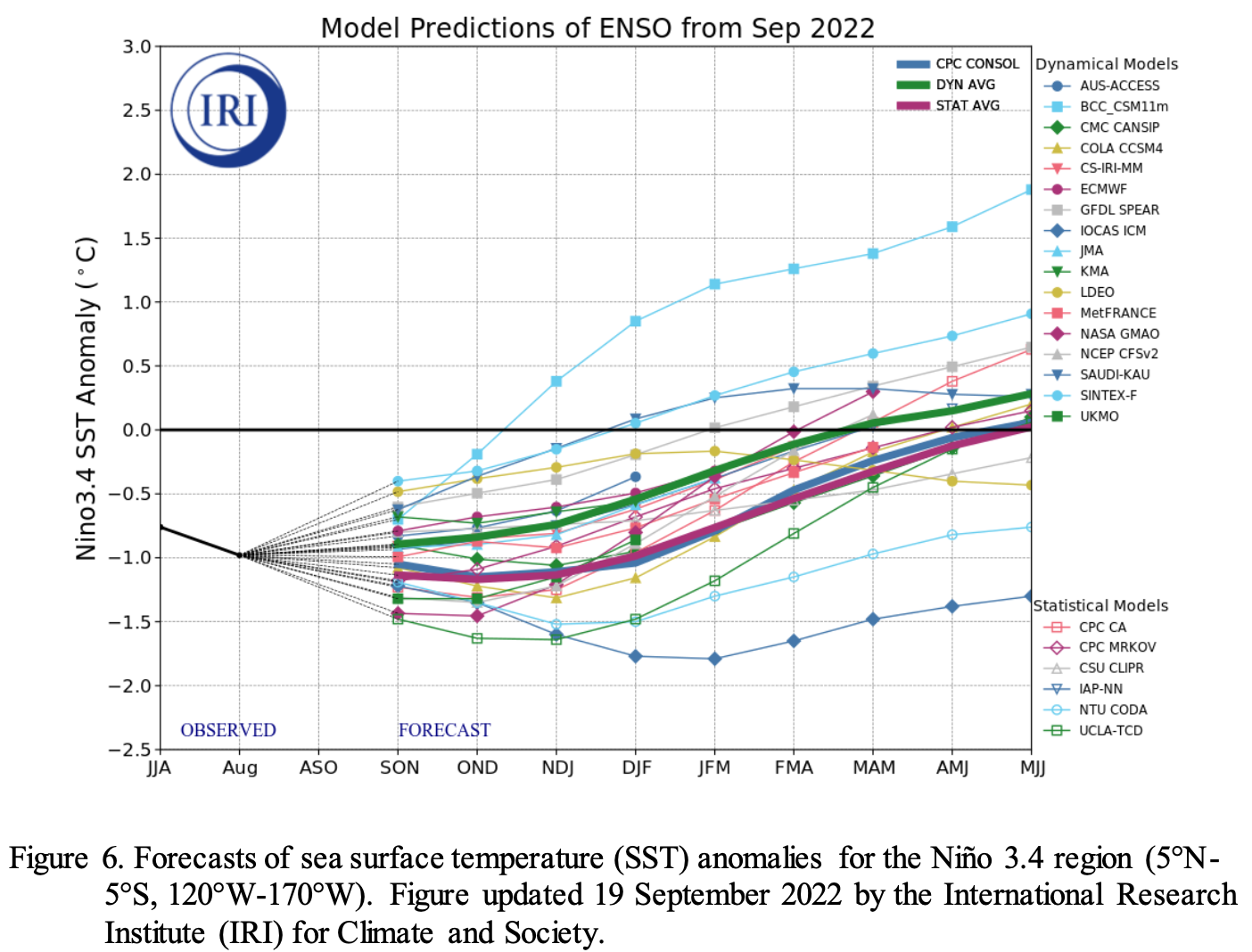
The immediate future doesn’t look all that promising either, heading into what is expected to be a third winter in a row of La Niña climate conditions, something Kanzer called a “triple-dip.”
La Niñas are associated with cooler surface water conditions in the eastern equatorial Pacific Ocean. They tend to bring less winter moisture to the Southwest and more in the Northwest.
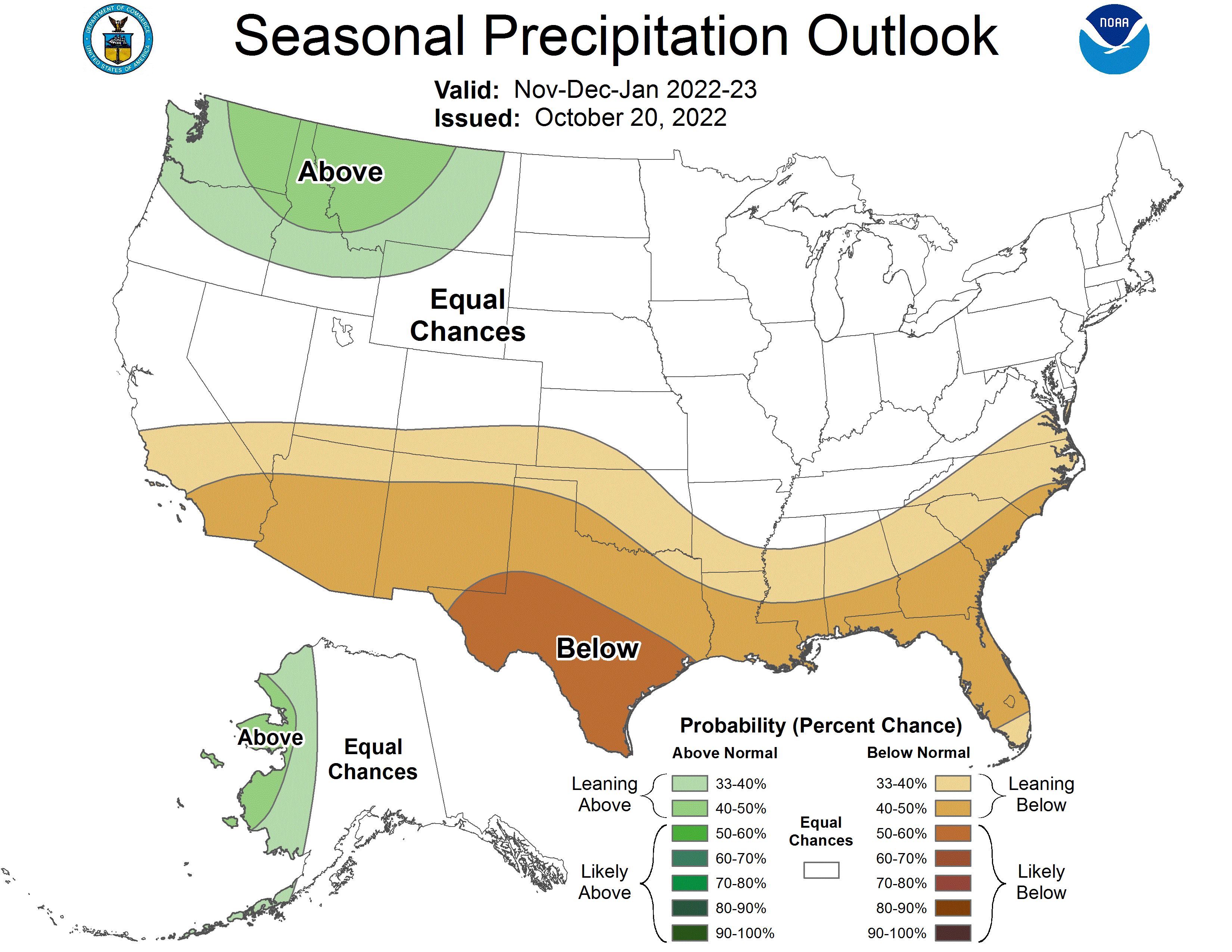
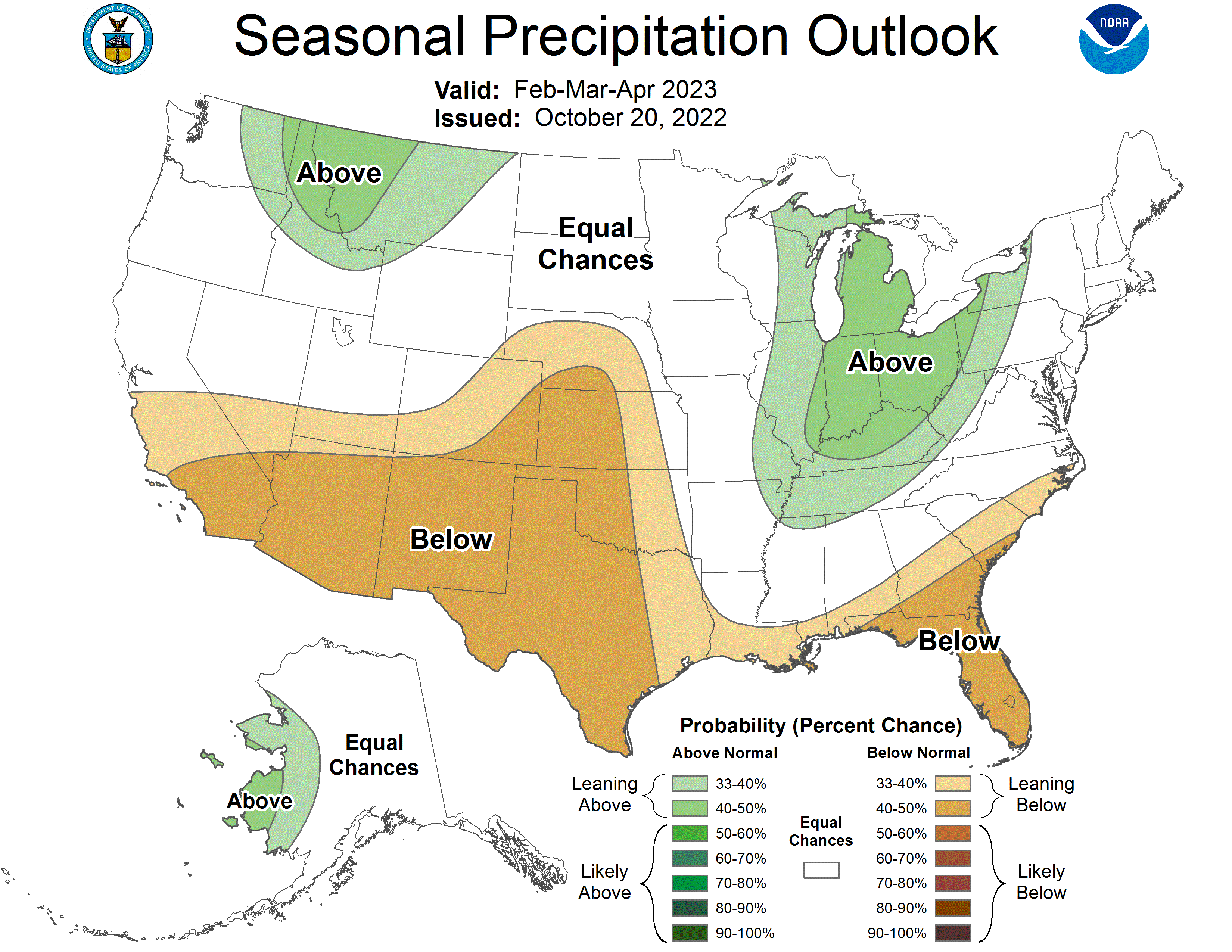
While there’s a lot of uncertainty about what to expect in the case of a rare “triple-dip” La Niña, federal Climate Prediction Center forecasts point to above-average odds of southern Colorado being in for below-normal precipitation through January, and odds leaning toward below-normal moisture for all of the state but northwestern Colorado between February and April. It’s looking like temperatures may be above normal in the state this fall and winter, too…According to a Natural Resources Conservation Service presentation prepared in September for the state Water Availability Task Force, the state’s precipitation was much improved thanks to the summer rains, but “the bulk of streamflow annual volume comes from seasonal mountain snowmelt, which was poor this year. Improvements from the monsoon this year (were) still only a smaller few drops in the bucket when considered as a total of the entire water year budget.”