
Click the link to read the article on The Denver Post website (Conrad Swanson). Here’s an excerpt:
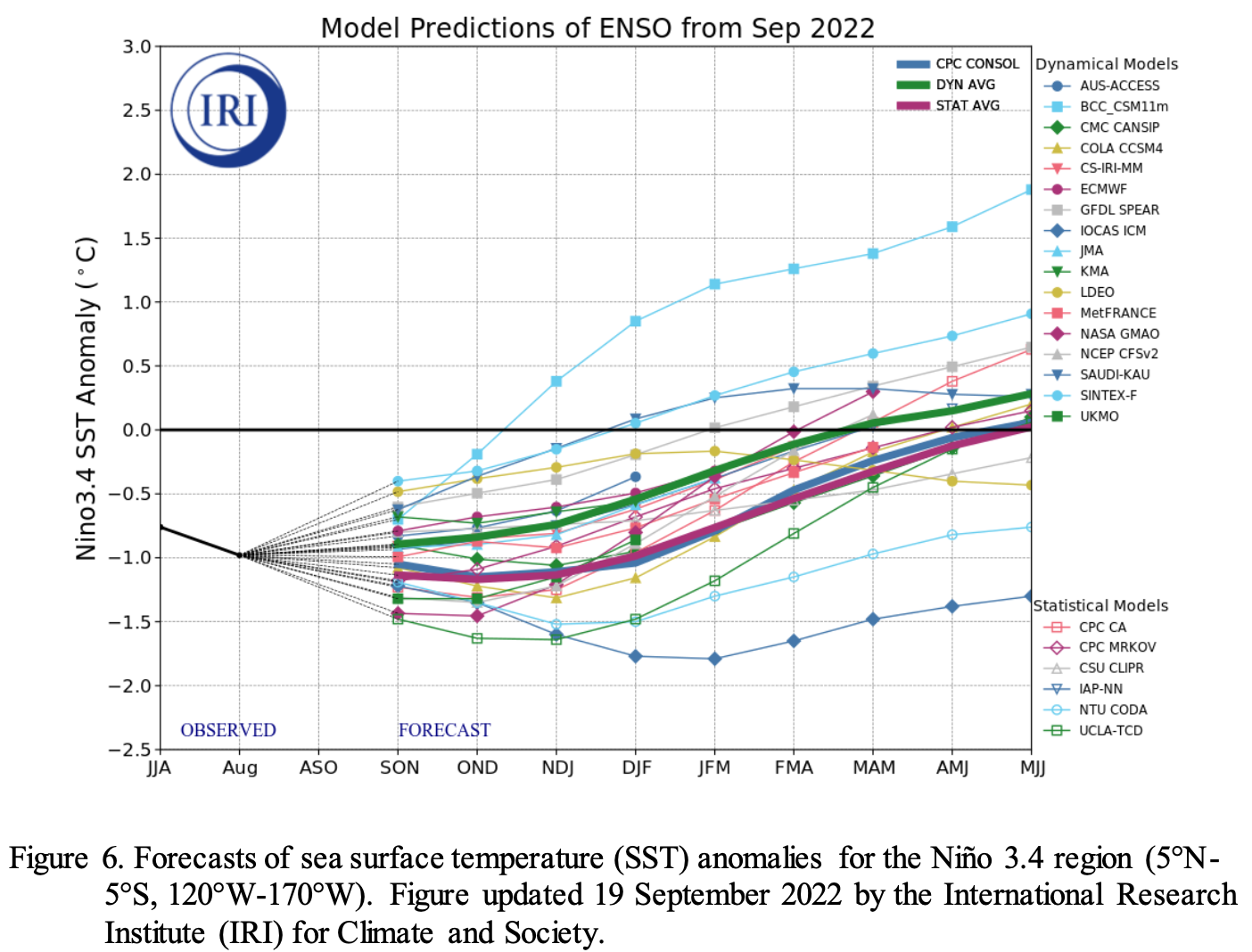
Only twice before have La Niñas struck for three straight years, according to Becky Bollinger, of the Colorado State University’s Colorado Climate Center.
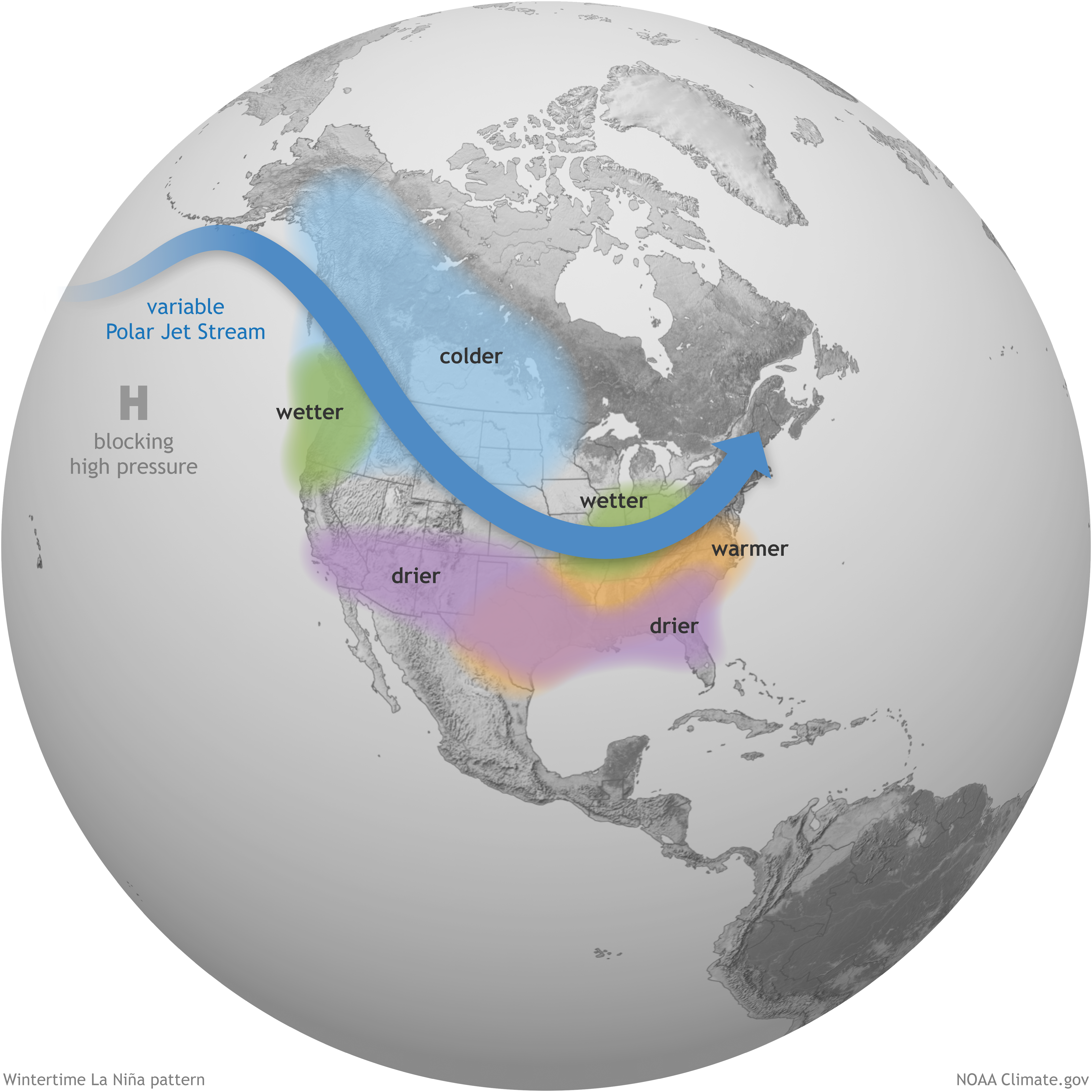
Historically speaking La Niñas split the state in half, Bollinger said. The northern portion can expect an average or above-average snowy season while the southern section will likely be warmer and drier…Think of the jetstream as a sort of “storm highway” that crosses North America from west to east, [Tom] DiLiberto said. So when cold winds push the entire highway further north, the storms that bring rain and snow move with it. Typically that means more winter rain and snow for the Pacific Northwest and the northern portions of the Rocky Mountains, DiLiberto said. The American Southwest tends to be warmer and drier for the winter.