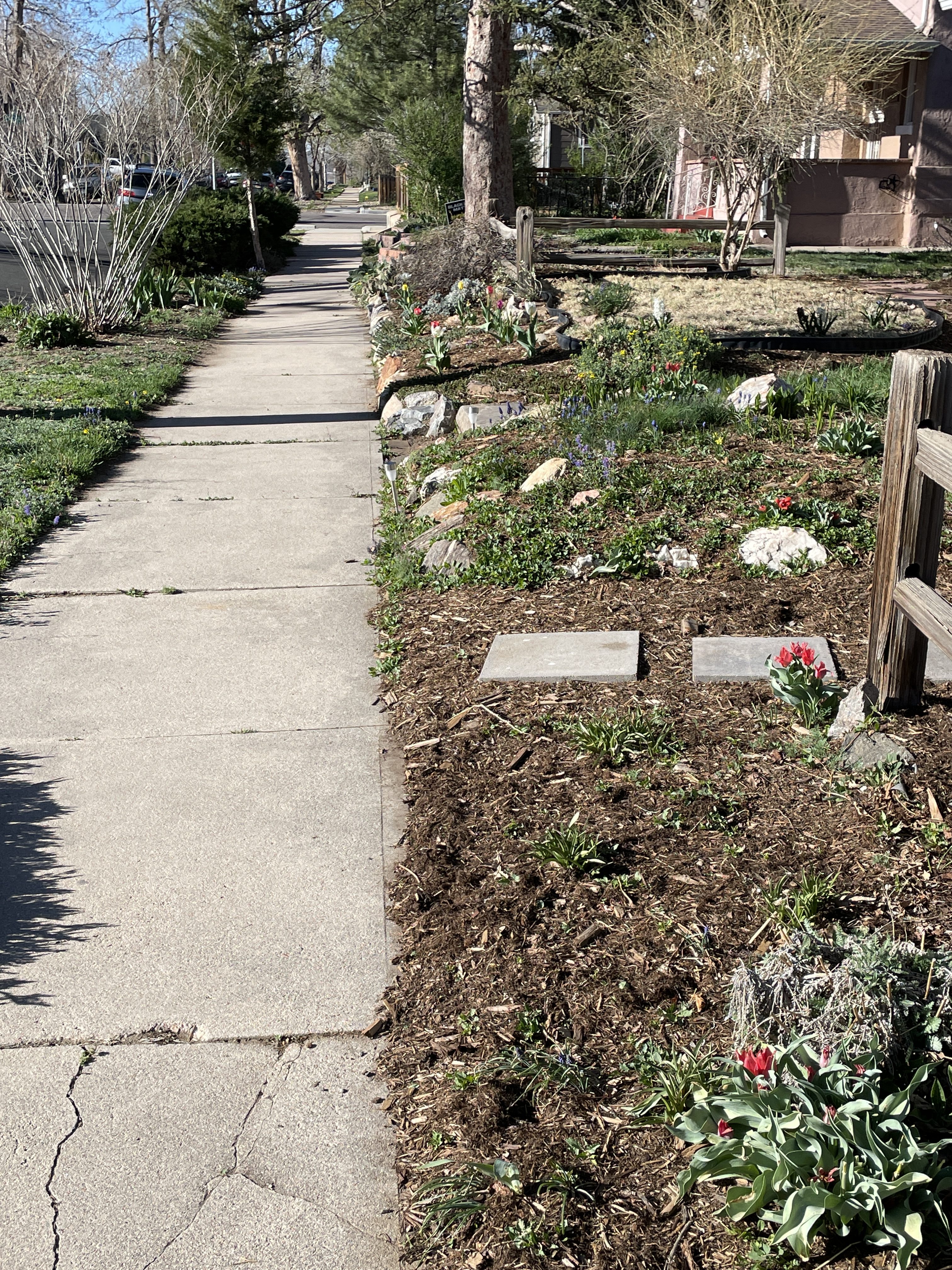
Mrs. Gulch’s landscape April 16, 2024.

Mrs. Gulch’s landscape April 16, 2024.
Ten rivers. Ten solutions. Ten opportunities to protect the rivers on which all life depends. America’s Most Endangered Rivers® of 2024 shines a spotlight on threats to clean water, and how pollution impacts to our health and our communities.
#1: Rivers of New Mexico New Mexico is the state hardest hit by a recent Supreme Court ruling that slashed protections for streams, threatening drinking water sources and livelihoods across the state.
#2: Big Sunflower and Yazoo Rivers A massive pumping project would impact thousands of acres of wetlands vital to wildlife and the Mississippi Delta ecosystem.
#3: Duck River The drinking water source for 250,000 people and one of the richest rivers for biodiversity is threatened by excessive water withdrawals.
#4: Santa Cruz River This symbol of restoration and resilience is threatened by climate change and water scarcity.
#5: Little Pee Dee River A major highway project is putting clean water and wildlife habitat at risk.
#6: Farmington River A hydropower dam is threatening fisheries and harming water quality in this important drinking water source.
#7: Trinity River This important tributary to the Klamath River is at risk from excessive water withdrawals, threatening both salmon and people.
#8: Kobuk River Road development and mining threaten clean water, wildlife, and Iñupiat culture.
#9: Tijuana River Pollution is choking the river, causing sickness, forcing beach closures, and endangering local economies.
#10: Blackwater River A proposed highway project would be a disaster for water quality and fish and wildlife habitat.

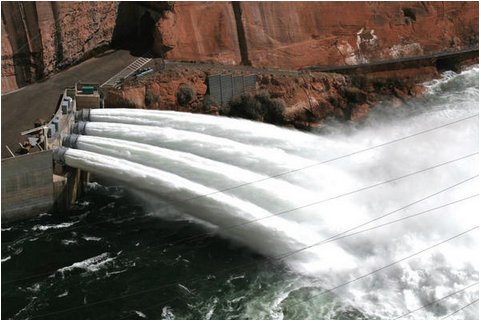
Click the link to read the article on the Utah News-Dispatch website (Kyle Dunphey):
April 12, 2024
A new memo from the U.S. Bureau of Reclamation is raising concern about the infrastructure at the Glen Canyon Dam and its ability to deliver water downstream should levels at Lake Powell continue to decline.
Environmental groups are calling it “the most urgent water problem” for the Colorado River and the 40 million people who rely on it.
Water stored at Lake Powell, the country’s second largest reservoir, typically moves through the Glen Canyon Dam hydropower turbines — the Glen Canyon Power Plant produces about 5 billion kilowatt hours of power each year, distributed to Utah, Wyoming, Colorado, New Mexico, Arizona, Nevada and Nebraska, according to the Bureau of Reclamation.
Below the turbines are the dam’s river outlet works, a separate set of steel pipes originally designed to release excess water. If Lake Powell were to drop below the elevation of 3,490 feet, the outlet works would be the only way to convey water through the dam and downstream to the 30 million people and billion-plus dollar industries that rely on the lower Colorado River basin.
In February 2023, lake levels reached an all-time low of 3,521.95 feet, nearly 30 feet away from forcing the bureau to use the outlet works.

But a March 26 memo from the Bureau of Reclamation suggests those outlet works aren’t as reliable as previously thought.
“There are concerns with relying on the river outlet works as the sole means of sustained water releases from Glen Canyon Dam,” the memo reads, noting that the bureau should “not rely” on the outlet works to release water downstream.
Without upgrades to the dam’s infrastructure, the bureau’s ability to get water downstream to the lower Colorado River basin as required by the Colorado River Compact could be in jeopardy. Even after record-breaking snowfall in 2023 and an above average 2024 winter, Lake Powell remains at about 32% full, according to data from the bureau. And scientists estimate flows in the river have decreased by roughly 20% over the last century, with warming temperatures resulting in a 10% decrease in runoff.
“We call this the biggest problem in the Colorado River basin,” said Zach Frankel, executive director of the Utah Rivers Council. “What is the chance Lake Powell drops below the hydropower turbine level in the next 10 years? If you ask me, I would say it’s almost guaranteed. We just had the biggest runoff in 40 years in the Colorado River basin a year ago. It’s only been a year since the biggest runoff in almost four decades and Lake Powell is still only at 32% capacity.”

The Bureau of Reclamation’s findings come after officials recently used the outlet works to deliver more water downstream, an effort to boost ecosystems and study the ecology and hydrology of the Colorado River. The outlet works experienced cavitation, which according to the bureau, is a result of bubbles forming in high velocity flows that can damage or erode coatings, concrete and steel. Repairs could include adding a new epoxy lining to the outlet works, which the bureau has scheduled for later this year. Or even a river-level bypass system, which the Utah Rivers Council has advocated for, allowing water to flow around the dam.
“If we drop everything to solve it, the solution will still take 10 years to implement — so why are we procrastinating?” said Eric Balken, the executive director of Glen Canyon Institute.
The cavitation means the outlet works currently can’t sustain the volume of water required to pass through the dam and deliver the roughly 9 million acre-feet of water allocated to California, Arizona, Nevada and Mexico, should Lake Powell drop below 3,490 feet.
And if the lower basin doesn’t get its water, it could unravel an already tense situation in the drought-plagued region. Frankel said it could lead to litigation among states, the lower basin demanding the upper basin make substantial cuts, or a depletion of reservoirs in Utah and other upper basin states. The economic impact of not delivering water to the lower basin could have far-reaching ripple effects, possibly reducing agricultural production, impacting urban growth and damaging recreation.
“This is a big problem that 1 in 8 Americans needs to have resolved,” Frankel said.
Water managers from Colorado River basin states are currently working on new management plans ahead of 2026, when current guidelines are set to expire. The states have yet to reach an agreement, but Kyle Roerink, executive director of the Great Basin Water Network, said the issues identified at the Glen Canyon Dam should be a part of the planning process.
“The Bureau has procrastinated solving Glen Canyon Dam’s plumbing problems long enough. This urgent problem needs to be solved ASAP, during the current Interim Guideline process,” Roerink said in a statement.

Click the link to read the release on Senator Bennet’s website:
March 8, 2024
Bennet Secured Nearly $91.5 Million for 78 Colorado Projects
Washington, D.C. — Colorado U.S. Senator Michael Bennet announced that he secured nearly $91.5 million for 78 Colorado projects through the congressionally directed spending (CDS) in the first round of Fiscal Year 2024 (FY24) Senate appropriations bills. In total, the six bills included nearly $130 million in funding for projects across Colorado. The Senate is currently working to pass another six FY24 appropriations bills which could include additional funding for Colorado projects.
“Throughout this process, I’ve sat down with municipalities, nonprofits, and leaders across the state to hear directly about the challenges their communities face and how Washington can be a better partner,” said Bennet. “I’m glad we were able to support nearly eighty projects across thirty Colorado counties in this round of funding. From funding water infrastructure in Lamar to a business park in Craig and a housing affordability project in Fort Collins, these investments will help Coloradans meet the changing needs of their communities.”
Colorado projects secured by Bennet in FY24 Senate appropriations bills:
PROJECT TITLE RECIPIENT FUNDING AMOUNT LOCATION ALSO REQUESTED BY 211 Colorado Upgrade Mile High United Way $500,000 Denver Hickenlooper, Crow 3rd and Knox Affordable Housing Project Habitat for Humanity of Metro Denver, Inc. $750,000 Denver Hickenlooper, DeGette Auraria Early Learning Center and Mixed-Use Development Auraria Higher Education Center $2,000,000 Denver Hickenlooper Breakthrough Program Expansion Breakthrough $353,000 Denver Hickenlooper Central Corridor RTD $850,000 Denver Hickenlooper, DeGette Central Public Library—Renovation City of Aurora, CO $3,000,000 Aurora Hickenlooper, Crow Chambers Avenue Widening Colorado Department of Transportation $4,116,279 Commerce City Hickenlooper, Caraveo City of Aurora for Pressure Regulating Valve Relocation City of Aurora $900,000 Aurora Hickenlooper, Crow City of Aurora for Water System Improvements City of Aurora $2,000,000 Aurora Hickenlooper City of Evans for Waterline Replacement Project City of Evans $677,000 Evans Hickenlooper, Caraveo City of Gunnison for Water Treatment Plant Project City of Gunnison $1,750,000 Gunnison Hickenlooper, Boebert City of Lamar for Wastewater Treatment Plant Improvements City of Lamar $1,800,000 Lamar Hickenlooper City of Longmont Micro Transit System City of Longmont $1,000,000 Longmont Hickenlooper, Neguse City of Westminster for New Water Treatment Facility City of Westminster $959,752 Westminster Hickenlooper, Pettersen Clear Creek Schools Foundation Childcare Center Clear Creek Schools Foundation $1,616,279 Idaho Springs Neguse Colorado Rural Impact Programs County Sheriffs of Colorado $917,000 Statewide Colorado State University Multiuse UAS Airfield Project Colorado State University $500,000 Fort Collins Hickenlooper, Neguse Compactor/Roller Attachments for Road Safety Colorado Department of Transportation $396,000 Golden Hickenlooper Cottonwood Pass Blue Hill Project Colorado Department of Transportation $1,500,000 Eagle County Hickenlooper, Boebert Deer Creek Water District for Water Meter Upgrades Deer Creek Water District $80,000 Parker Hickenlooper Denver Fire Station 40 City and County of Denver $850,000 Denver Hickenlooper, DeGette Denver International Airport Electrification Plan City and County of Denver – Mayor’s office $300,000 Denver Hickenlooper, DeGette DigitalBridge Colorado – Phase 2 WRC – Connected Communities $270,000 Grand County Douglas County for Wildfire Mitigation Douglas County $800,000 Douglas County Eagle County Regional Airport Federal Inspection Station Eagle County Regional Airport $500,000 Gypsum Hickenlooper, Neguse Ecological Prediction Lab: Airborne Coverage to Inform Water and Forest Health Management Rocky Mountain Biological Laboratory (RMBL) $975,000 Crested Butte Hickenlooper Food Bank Distribution Center Renovations Care and Share Food Bank for Southern Colorado $800,000 Colorado Springs Hickenlooper Former DPS Bus Barn Remediation City and County of Denver $500,000 Denver Hickenlooper, DeGette Fort Collins Affordable Housing Preservation Neighbor to Neighbor $1,000,000 Fort Collins Hickenlooper Gateway Domestic Violence Services Aurora Arapahoe Battered Women’s Shelter, DBA Gateway Domestic Violence Services $1,616,279 Aurora Crow Greeley Neighborhood Safety Program Colorado Department of Transportation $500,000 Greeley Hickenlooper Greeley Teen Center Boys & Girls Clubs of Weld County $850,000 Greeley Hickenlooper, Caraveo High Plains Boulevard I–25 Arterial Road Colorado Department of Transportation $1,000,000 Weld County Hickenlooper, Caraveo High-Temperature Fuel Cells Colorado School of Mines $3,000,000 Golden Hickenlooper History Colorado for Fort Garland Geothermal & Weatherization Project History Colorado $164,000 Fort Garland Hickenlooper Holyoke Community Childcare Initiative Holyoke Community Childcare Inititative $1,000,000 Holyoke Hickenlooper Hope Center Facility Rehabilitation Hope Center, Inc. $2,000,000 Denver Huerfano County for Wastewater System Improvements Huerfano County $500,000 Gardner Hickenlooper I-70 Interchange at 29 Road Colorado Department of Transportation $2,000,000 Grand Junction Hickenlooper, Boebert Idledale Water and Sanitation District for Water Infrastructure Upgrades Idledale Water and Sanitation District $959,752 Idledale Hickenlooper, Pettersen Jane’s Place Multi-family Affordable Housing Solar Arrays Chaffee County Government $300,000 Salida Hickenlooper, Pettersen Jefferson County for Forest Health Youth Corps Jefferson County Open Space $80,000 Jefferson County Hickenlooper KidsPak Capital Improvements & Equipment KidsPak $118,000 Loveland Hickenlooper Kiowa County Hospital Replacement Facility: Phase 1 Kiowa County Hospital District $1,917,000 Eads Hickenlooper Lake County Community Housing Leadville Lake County Regional Housing Authority (LLCRHA) $850,000 Leadville Hickenlooper, Pettersen Lookout Mountain Water District for Waterline Replacement Lookout Mountain Water District $959,752 Golden Hickenlooper, Pettersen Maple Street Bridge Replacement Colorado Department of Transportation $1,750,000 Fruita Hickenlooper Mobile Facilities for Homelessness and Eviction Assistance The Community Firm (DBA Community Economic Defense Project) $840,000 Statewide Crow Moguan Aftercare Housing Facility Ute Mountain Ute Tribe $2,000,000 Towaoc Hickenlooper Nine Mile Pedestrian/Bicycle Bridge over SH–83 Colorado Department of Transportation $850,000 Aurora Hickenlooper, Crow Open Soil Water Sensor Colorado State University $1,450,000 Fort Collins Hickenlooper Park Avenue Inn Colorado Coalition for the Homeless $4,116,279 Denver Hickenlooper, DeGette Quebec Street — 136th Avenue to north of 138th Avenue Widening Design Colorado Department of Transportation $850,000 Thornton Hickenlooper, Caraveo Regional Workforce Center for Career and Technical Training Build Pagosa $1,000,000 Pagosa Springs Hickenlooper Residences on Acoma Second Chance Center $1,500,000 Denver Hickenlooper Riverside Educational Center Renovation Riverside Educational Center $168,000 Grand Junction Hickenlooper Rock Creek Affordable Housing & Associated Infrastructure Southern Ute Indian Tribe $3,000,000 Ignacio Hickenlooper Rural eConsult Expansion University of Colorado Anschutz Medical Campus $402,785 Aurora Hickenlooper, Crow San Luis Valley Health Workforce Housing Project Lutheran Hospital Association of the San Luis Valley dba San Luis Valley Health $2,000,000 Alamosa Hickenlooper Securing Southwest Colorado Police and Emergency Communications Montezuma County $50,000 Montezuma County Hickenlooper Social Fabric (Community Center) Colorado Asian Culture and Education Network (CACEN) $500,000 Aurora Hickenlooper, Crow South Adams County Water and Sanitation District for PFAS Drinking Water Treatment Plant Project South Adams County Water & Sanitation District $959,752 Commerce City Hickenlooper, Caraveo Steamboat Springs WorkforceHousing Pedestrian and Bicycle Connection Project City of Steamboat Springs $1,000,000 Steamboat Springs Hickenlooper, Neguse Teller County Water & Sanitation District 1 for Radium Mitigation Teller County Water & Sanitation Special District #1 $959,752 Woodland Park Hickenlooper, Pettersen The Commons Phase Two – Supportive Housing Homeward Pikes Peak $3,000,000 Colorado Springs The Craig Business and Industrial Park City of Craig $2,500,000 Craig Hickenlooper Thornton Community Center Reconstruction Project City of Thornton $1,000,000 Thornton Hickenlooper, Caraveo Three Lakes Water and Sanitation District Septic System Upgrades Three Lakes Water & Sanitation District $1,000,000 Grand Lake Hickenlooper Timberline Fire Protection District Fire Station Timberline Fire Protection District $908,279 Black Hawk Hickenlooper, Neguse Town of Dolores for Water Distribution System Replacement Phase 2 Town of Dolores $750,000 Dolores Hickenlooper Town of Gypsum for Wastewater Infrastructure Project Town of Gypsum $959,752 Gypsum Hickenlooper, Neguse Town of Silt for Water Plant Renovations Town of Silt $2,053,000 Silt Hickenlooper, Boebert Training and Technical Assistance to Combat Human Trafficking The Exodus Road $750,000 Statewide U.S. Highway 160/East Bayfield Parkway New Signalized Intersection Colorado Department of Transportation $1,547,000 Bayfield Hickenlooper, Boebert Urban Agriculture and Education in Westwood Re:Vision $800,000 Denver DeGette Vail Valley Affordable Home Ownership Development Habitat for Humanity Vail Valley $1,500,000 Eagle County Hickenlooper Westwood Community Recreation Center City and County of Denver Mayor’s office $1,000,000 Denver Hickenlooper, DeGette Workforce Training and Education Space Community College of Aurora $850,000 Aurora Hickenlooper, Crow
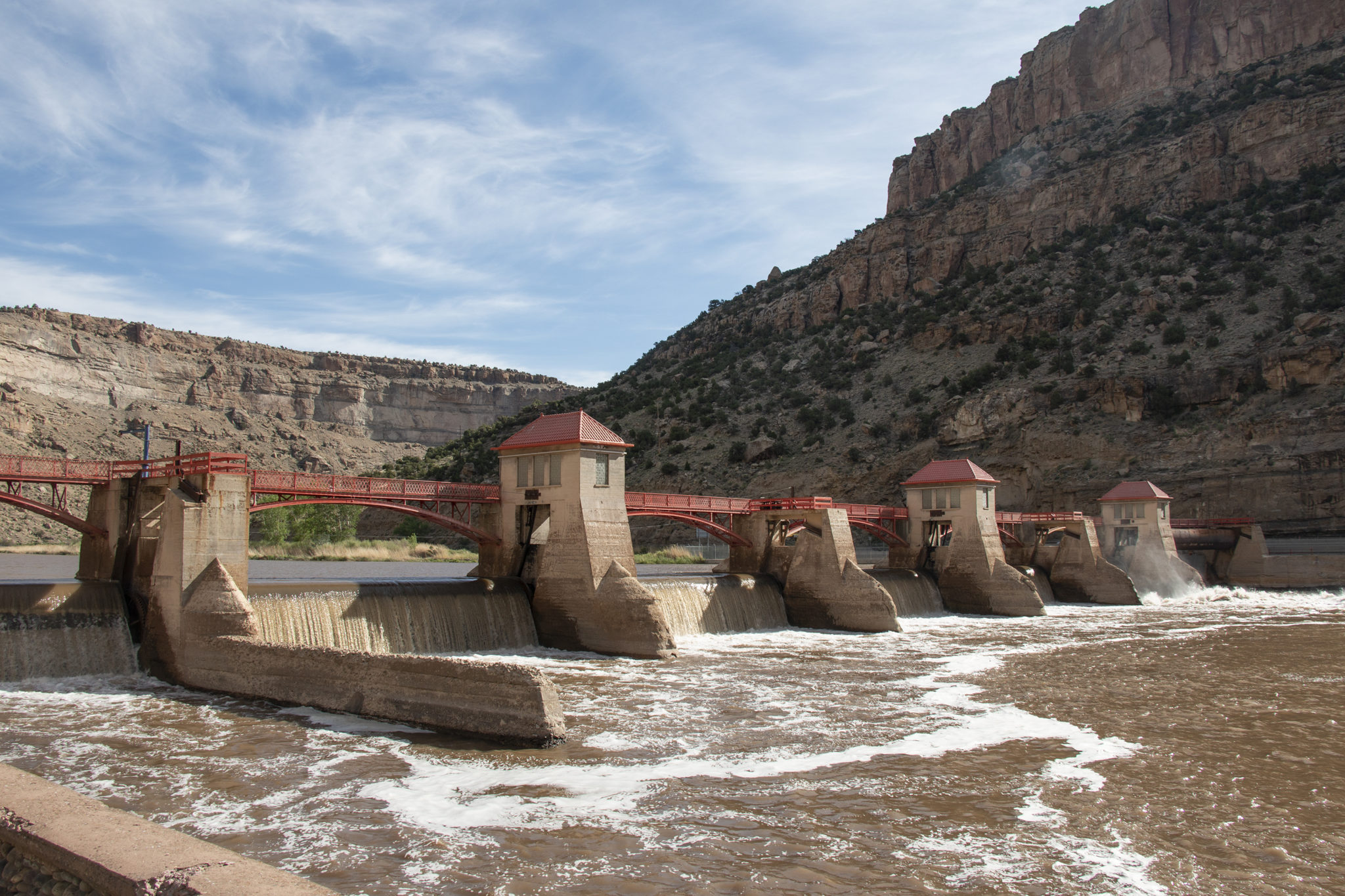
Click the link to read the article on The Grand Junction Daily Sentinel website (Charles Ashby). Here’s an excerpt:
April 13, 2024
HB24-1436, introduced by a bipartisan group of four Western Slope lawmakers, would increase the $29 million cap that voters approved when they legalized sports betting in the state, money to be used entirely for water projects. That happened in 2019 when voters narrowly approved Proposition DD, which legalized sports betting in Colorado and imposed a 10% tax on proceeds. Under the bill, which was introduced by House Speaker Julie McCluskie, D-Dillon, and Rep. Marc Catlin, R-Montrose, the state would be able to retain an additional $15.2 million over the next three years…
Tax money from sports betting goes into the Colorado Water Plan Implementation Fund, which is administered by the Colorado Water Conservation Board. That panel doles out the money in the form of grants for projects already identified under the Colorado Water Plan. That plan, implemented in 2015, identified about $20 billion worth of water projects that would be needed to offset dwindling supplies and a handle a growing population.

Click the link to read the article on the Steamboat Pilot & Today website (Suzie Romig). Here’s an excerpt:
April 14, 2024
Children age five and younger, and women who are pregnant, planning to become pregnant or breastfeeding, are more susceptible to health impacts from commonly called “forever chemicals,” which have been found so far in unhealthy levels in one neighborhood water system in Routt County…Sleepy Bear mobile home park, located along U.S. Highway 40 on the western edge of Steamboat Springs, has recorded PFAS levels in the neighborhood water system that are higher than health advisory and national drinking water standards. The mobile home park is not part of the city water system and uses a well water system, according to the local park manager…
“Most people living in the United States have some amount of these chemicals in their blood,” according to the Colorado Department of Public Health & Environment. “People in communities that have been contaminated by PFAS — through water or other sources — are more likely to have health impacts.”
[…]
Consumer drinking water testing for Sleepy Bear showed 9.2 parts per trillion of PFOA, which is more than double the newly released legally enforceable standards set by the U.S. Environmental Protection Agency. The EPA limits PFOA and PFOS drinking water standards to four parts per trillion. The CDPHE, which issues water system permits in the state, advised Sleepy Bear residents to “consider taking action to reduce your exposure.” Since the EPA previously issued a health advisory in June 2022, Sleepy Bear voluntarily participated in a proactive testing program for PFAS water sampling in June 2023. Sleepy Bear contracted water operator Ron Krueger, owner of Crystal Clear Water Treatment in Lakewood, said Thursday he is awaiting direction from the CDPHE for next steps…

Mount Werner Water & Sanitation District General Manager Frank Alfone said the district has been conducting voluntary PFAS testing that will continue throughout 2025. The most recent testing in February showed no detectable levels of PFAS in the city drinking water supply.

Click the link to read the release on the Colorado State University website (Jayme DeLoss)
April 2024
The U.S. Department of Agriculture has released updated methods to help farmers, ranchers and forest landowners estimate greenhouse gas emissions on their land. Three of the federal report’s six chapters were authored by Colorado State University scientist Stephen Ogle, one of the world’s top experts in greenhouse gas inventories.
The report provides the best available science-based methods for estimating greenhouse gas emissions from land management decisions, updating a 2014 USDA report. Methods outlined in the report will be used to evaluate government conservation and climate-smart agriculture programs that encourage practices such as soil carbon sequestration.
“We, as a group of authors, pulled the latest science and best information that’s available into these methods so that farmers will have a good tool for estimation and to know the benefit of what they’re doing on their farms,” said Ogle, lead technical compiler for the national greenhouse gas inventory and professor of ecosystem science and sustainability in the Warner College of Natural Resources.
Landowners can use these methods to gauge potential benefits from land management changes. The methods are incorporated into COMET-Farm, an online tool developed by CSU and USDA that farmers and ranchers can use to estimate soil carbon changes and greenhouse gas emissions on their land based on various management practices.
“With growing importance of reducing emissions in agriculture through the new climate-smart agriculture program that’s been funded through the Inflation Reduction Act, this tool is likely going to be very important for farmers to estimate the benefit and for reporting,” Ogle said. “The $19.5 billion climate-smart ag program is a significant investment by the U.S. government to reduce greenhouse gas emissions in agricultural systems, and these methods are pivotal in that policy.”
Ogle added that the new report includes details on how to implement quantification methods that haven’t been released in previous reports.
Ogle served as lead author for the croplands and grazing land systems, managed wetland systems and land-use change chapters and co-authored a fourth chapter, uncertainty quantification, with CSU Professor Emeritus Jay Breidt, who is now at the University of Chicago. Shawn Archibeque, professor of animal sciences, and Crystal Toureene, an agronomist and researcher in the Department of Soil and Crop Sciences, co-authored the animal production systems chapter.
The 2024 update is the result of four years of work by a team of more than 60 authors, including USDA scientists, university researchers and experts from non-governmental organizations and research institutions, who have developed consistent metrics for estimating changes in greenhouse gas emissions and carbon sequestration for farm, ranch and forest operations. The updates to the report were reviewed by more than two dozen scientists, other federal agencies, the public and a panel of interdisciplinary experts.
“USDA’s updated greenhouse gas methods report represents a critical scientific consensus which ensures confidence in the benefits from climate-smart agriculture and forestry,” Agriculture Secretary Tom Vilsack said in a USDA press release. “This report will help guide conservation efforts, improve our greenhouse gas estimation on U.S. farms, and support markets for carbon and climate-smart products nationwide.”
Read the report, Quantifying Greenhouse Gas Fluxes in Agriculture and Forestry: Methods for Entity Scale Inventory.

Click the link to read the article on The Los Angeles Times website (Tyrone Beason). Here’s an excerpt:
April 7, 2024
The Navajos live in the same 1,400-mile-long Colorado River Basin that brings fresh water to millions in Southern California, yet about 30% of homes on the reservation were built without indoor plumbing. With the absence of pipes connecting homes in this isolated corner of the reservation to a water source, many Navajos must spend hours each week driving to a community center in the tribal settlement of Dennehotso to refill portable tanks. While California wrangles with other Western states over the Colorado River’s drought-stricken water supply, Navajo water rights advocates estimate that the 175,000 members who live on the reservation subsist on average on just 5 to 10 gallons a day per person. Compare that to the 76 to 100 gallons of water the Environmental Protection Agency says most Californians use daily…
Some see hope in a proposed landmark agreement that would settle all outstanding water rights disputes between the Navajo, Hopi and San Juan Southern Paiute tribes and the state of Arizona. If the final terms of the agreement are approved by the tribal government, the Navajos will ask Congress for $5 billion in federal funding to expand the reservation’s water delivery infrastructure, says Navajo Nation Council Speaker Crystalyne Curley.
“In the past, we’ve tried to get all of the parties to the table to secure water rights, which since time immemorial we’ve had to fight for,” Curley says…
The failure to extend water service to all Indigenous Americans is especially galling given their traditional role as nature’s caretakers, says Heather Whiteman Runs Him, associate clinical professor and director of the Tribal Justice Clinic at the University of Arizona in Tucson.
“We respect water in ways that many other Americans don’t,” says Whiteman Runs Him, a Crow tribal member from Montana. “The vast majority of Americans take water access for granted. You pay a water bill but don’t think about what you’re paying for.”
[…]
The disparity in water access between Navajo tribal members and other Americans was dramatized in a recent U.S. Supreme Court ruling. Brushing aside a host of treaties and legal precedents dating to the formation of the reservation on a fraction of Navajo ancestral territory in 1868, the court determined that the federal government is not obligated to help the tribe get more access to water from natural sources such as the Colorado River basin.


Click the link to read the article on the Colorado Politics website (Marianne Goodland). Here’s an excerpt:
April 13, 2024
This month, lawmakers looked at the dueling approaches contained in two measures seeking to implement a way for the state to manage “dredge and fill discharge” permits tied to a recent U.S. Supreme Court decision [Sackett vs. EPA] that redefined how a body of water can be protected under the Environmental Protection Agency’s “Waters of the United States” rule…Supporters of the first bill, which gives the task to the Colorado Department of Public Health and Environment, insist it’s the proper venue because it already experience dealing with permitting and water quality issues. Supporters of the second measure, which hands the responsibility to the Colorado Department of Natural Resources, maintain that the Department of Natural Resources is better equipped, since it already deals with related disciplines, such as water resource management, water rights law and land management.
In any case, policymakers agree that Colorado residents, industries and the wetlands needs certainty…Alex Funk with the Theodore Roosevelt Conservation Partnership told a legislative committee last August that almost 90% of fish and wildlife in Colorado rely on the state’s wetlands at some point during their lifecycle. House Speaker McCluskie told the House agriculture committee on April 8 that since Sackett v. Environmental Protection Agency held that only permanent streams and rivers are protected under the federal Clean Water Act, those with a continuous surface connection to another permanent water body. That puts Colorado waters at risk, she said. Pitkin County Commissioner Greg Poschman also noted that the state’s headwaters are made up of small streams that do not have year-round flow because they are under snowpack half the year — suggesting Sackett would put those waters at risk.

Click the link to read the article on the InkStain website (John Fleck):
April 10, 2024
The Bureau of Reclamation’s announcement at Monday’s meeting of the Middle Rio Grande Conservancy District that it is halting work on El Vado Dam repairs raises hugely consequential questions about water management in New Mexico’s Middle Rio Grande Valley.
The short explanation for the halt is that the current approach to repairing the 1930s-era dam wasn’t working. (The meeting audio is here, though at “press time” for this blog post this week’s is not yet up.) I’ll leave it to others to suss out the technical and bureaucratic details of the repair project, and the endless finger-pointing that’s sure to ensue. My interest here is to begin to sketch out the implications here in the Middle Valley of an indefinite period – a decade or more? – without El Vado.
The Middle Rio Grande Conservancy District built El Vado (with substantial federal subsidy) in the 1930s to provide irrigation supplies by storing high spring runoff for use in summer and fall. But while its purpose was irrigation, it completely changed the Middle Valley hydrograph in ways that all the other water uses have adapted to, both human and ecosystem.
Without El Vado (or some interim replacement – see below), we should expect the Rio Grande to routinely go functionally dry in late summer unless propped up by monsoon rains, which are sporadic and unpredictable.
I see impacts in three areas, only one of which is related to El Vado’s initial purpose.

1: IRRIGATION
This is the obvious one. Until El Vado is repaired or some sort of replacement schemed out, irrigators should expect a high risk of low or no supply in late summer and fall. Alfalfa will remain a reliable if modest crop (it can hunker down and wait out the dry), but the few commercial operators who need a more reliable supply for their crops – think pecans and chile – will have to depend on groundwater, with all the problems that entails.

2: MUNICIPAL SUPPLIES
Albuquerque’s use of its imported San Juan-Chama water in summer indirectly depends on El Vado. Without MRGCD water, released from El Vado, as “carriage water”, the Albuquerque Bernalillo County Water Utility has to leave its imported San Juan-Chama water parked in Abiquiu Reservoir, switching to groundwater. This is what we have done over the last few years, and our much-vaunted aquifer recovery has, as a result, stalled.
This poses a huge challenge for the Albuquerque Bernalillo County Water Utility Authority.
3: ENVIRONMENTAL FLOWS
The idea of an agricultural irrigation dam providing the water for environmental flows seems super weird. But that’s basically the way it’s worked for years here in the Middle Valley. Releases from El Vado, sent downstream to irrigators, provide environmental benefits along the way. For the last couple of years, without El Vado water to supplement flows in late summer, the Rio Grande has operated on a knife’s edge between flowing and dry through Albuquerque.
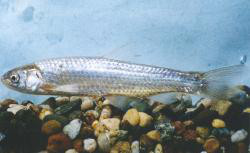
This poses a huge challenge for efforts to nurse the Rio Grande silvery minnow back from extinction.

STORAGE ALTERNATIVES
First and foremost, there is a fast-moving and scrambling discussion about storage alternatives.
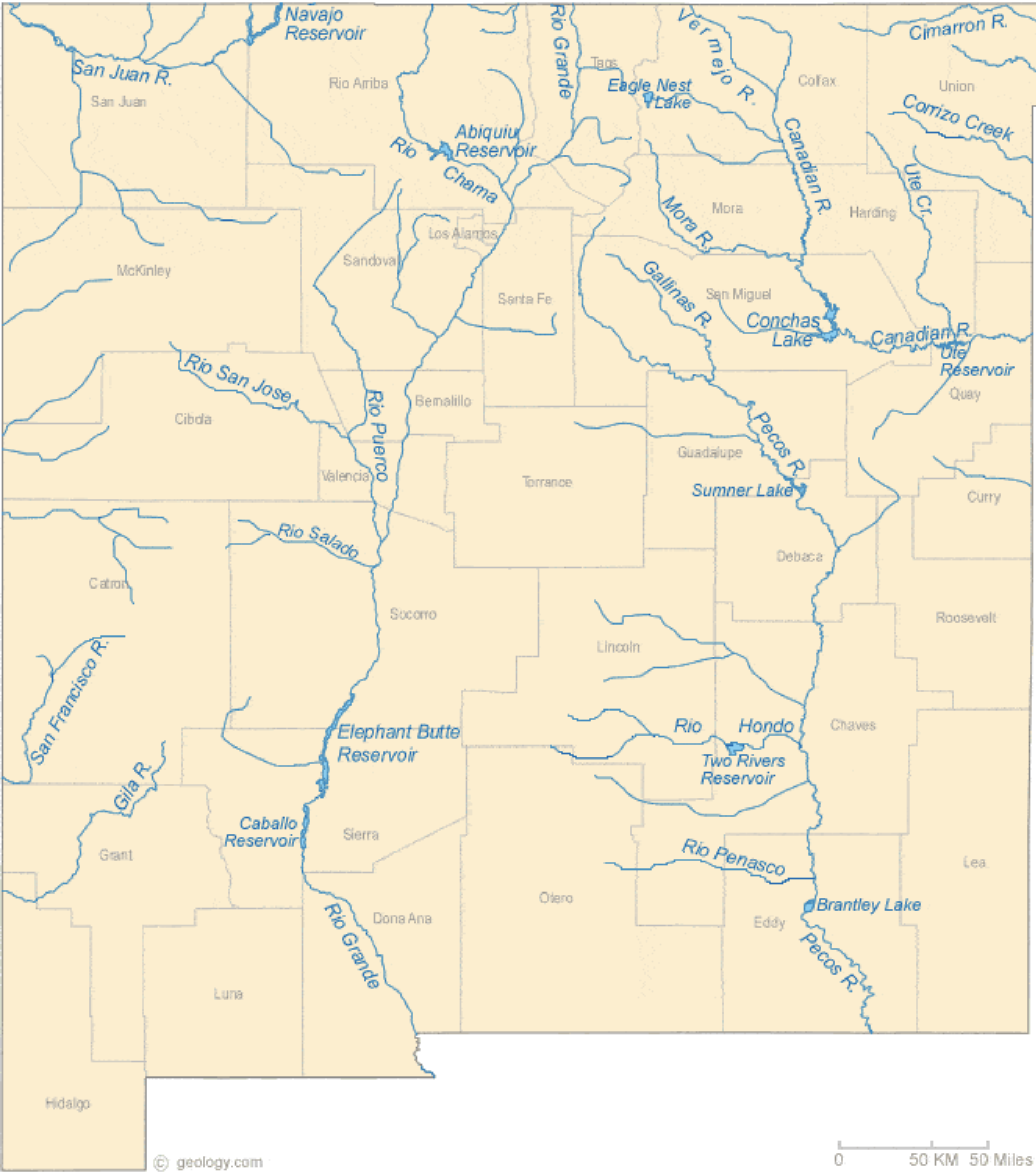
Abiquiu Reservoir, a flood control facility on the Rio Chama built, owned, and managed by the U.S. Army Corp of Engineers, is an obvious replacement. The part in italics yields knowing nods, or perhaps grimaces, from folks who work in Middle Valley water management, because the Corps is well known for an exceedingly cautious interpretation of its statutory mandates. “Filling in as a water storage facility to replace El Vado” is only sorta barely at the edge of that mandate. Getting the Corps on board to help with this fix will be key.

Heron Reservoir, on a Rio Chama tributary, stores San Juan-Chama water imported through tunnels beneath the continental divide. It physically can’t replace El Vado because it’s in the wrong place. But discussions have already touched on the idea of doing it on paper via accounting swaps – hold back San Juan-Chama water, let SJC customers use native Rio Grande water via an accounting swap, then deliver Heron water as if it had been El Vado water.
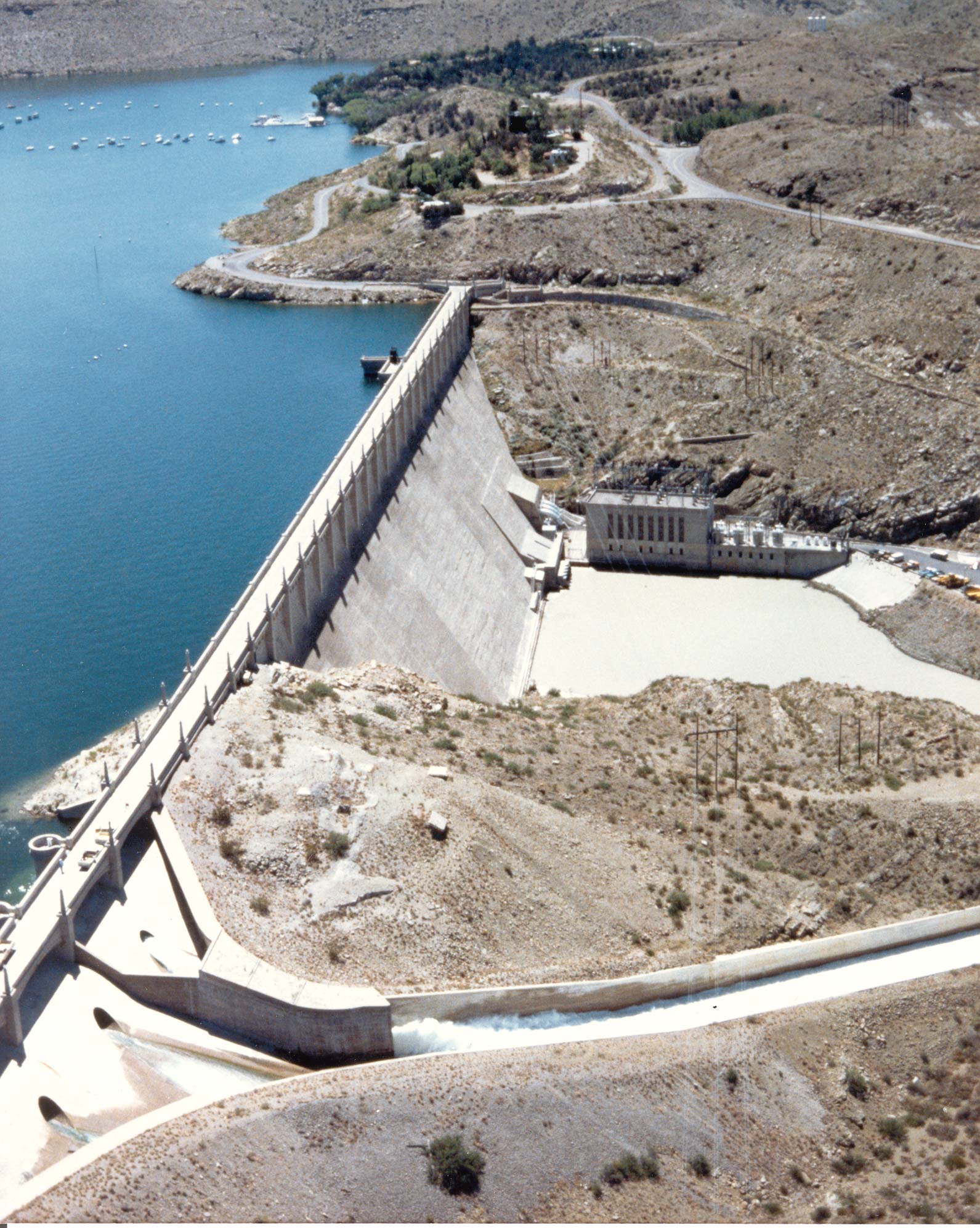
Elephant Butte? Again, it’s in the wrong place, but accounting swaps here are also on the table.
INSTITUTIONAL FRAMEWORK
The most important subtext is the institutional framework behind all of this. The loss of El Vado is not solely an MRGCD/Bureau of Reclamation problem. It implicates all the Middle Valley’s water stakeholders – especially Albuquerque’s Water Utility Authority, but also the Corps of Engineers, the Fish and Wildlife Service (because of ESA issues), the state water agencies, the communities on the valley floor that have avoided responsibility for any of this by depending on the state’s obscenely permissive domestic well statute.
From email from Reclamation (Susan Novak Behery):
April 15, 2024
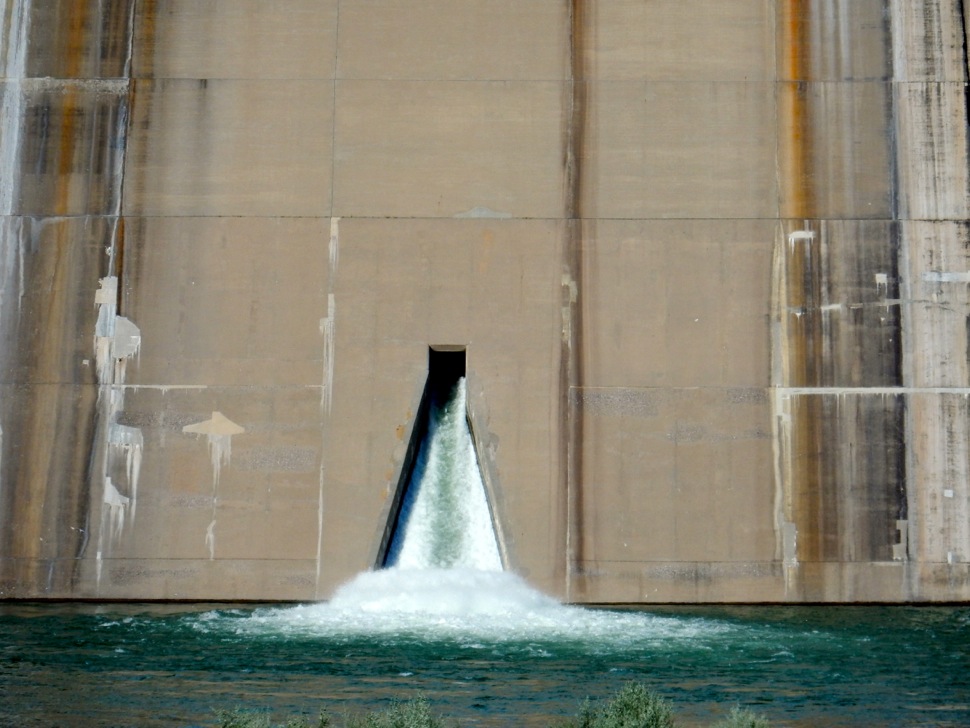
In response to increasing flows in the critical habitat reach, the Bureau of Reclamation has scheduled a decrease in the release from Navajo Dam from 500 cubic feet per second (cfs) to 350 cfs for tomorrow, April 16th, at 4:00 AM.
Releases are made for the authorized purposes of the Navajo Unit, and to attempt to maintain a target base flow through the endangered fish critical habitat reach of the San Juan River (Farmington to Lake Powell). The San Juan River Basin Recovery Implementation Program recommends a target base flow of between 500 cfs and 1,000 cfs through the critical habitat area. The target base flow is calculated as the weekly average of gaged flows throughout the critical habitat area from Farmington to Lake Powell.