

Click the link to read the article on the USGS website:
Climate Change and the Prairie Pothole Region
The Prairie Pothole Region’s economic and recreational significance is deeply rooted in its unique ecological characteristics. Extending across the northern Great Plains, the region’s rich, glaciated soils are a foundation for high-yield agriculture, contributing to the production of key commodities like wheat, soybeans, and corn. Across this landscape, depressional wetlands are interspersed with neighboring grasslands. These wetlands, commonly referred to as prairie potholes, provide essential benefits to communities like mitigating flood risks and regulating water flow, filtering pollutants, improving downstream water quality, storing significant amounts of carbon, and providing habitat for fish and wildlife.
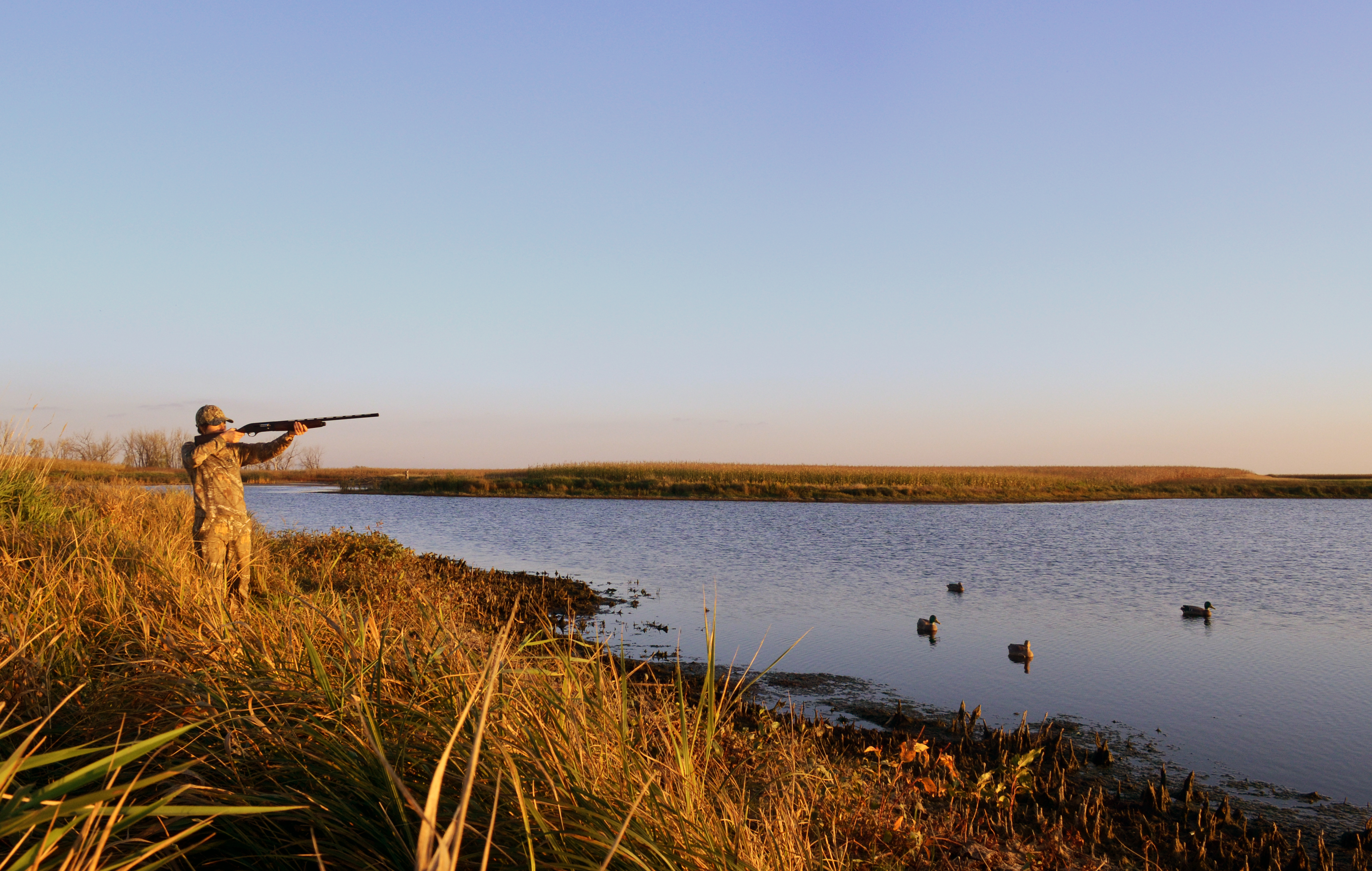
The Prairie Pothole Region is a both a premier waterfowl breeding ground, attracting a large number of hunters, and major contributor to hunting opportunities across the continent. The region’s reputation as “North America’s Duck Factory” draws waterfowl hunters from within and outside the United States. Hunting and associated travel expenditures generate substantial revenue for local communities. An estimated 10,000 jobs and $760 million in labor income is generated in the region due to hunting and wildlife viewing. In recognition of these services provided by prairie pothole landscapes, conservation investment from federal programs like the Farm Bill and the North American Wetlands Conservation Act (NAWCA) provide significant funding for conservation initiatives. These investments support habitat restoration, land management, and research, creating jobs and stimulating economic activity in the conservation sector. Finally, national wildlife refuges and other public lands provide the public with additional access to these habitats so they can enjoy the many recreational opportunities.
Climate change is increasing temperatures and changing precipitation patterns, leading to pronounced shifts in this region. More frequent, high intensity storms over the last 25 years have been observed, causing a shift from snow-melt driven hydrology to summer and fall storm driven hydrology. At the same time, more frequent and severe droughts are causing changes in the diversity of wetland sizes, negatively impacting habitat quality of smaller-sized wetlands and landscape heterogeneity important to diverse waterfowl and wildlife populations. Land-use change, combined with these effects of climate change, are diminishing the region’s capacity to support viable populations of waterfowl and other wildlife populations. Climate adaptation scientists can provide the expertise and research needed to inform future adaptations important to maintaining the recreational and economic benefits of this region.
Supporting Prairie Pothole Management and Sustaining Recreational Opportunities
Since 2018, the USGS Climate Adaptation Science Centers has been documenting key impacts of climate change on this region. Results from multiple research efforts can inform strategic acquisition, restoration, and management in the Prairie Pothole Region to maintain its ecological, economic, and cultural importance to the United States.
Impacts of Climate-Driven Shifts in Prairie Pothole Wetlands on Waterfowl
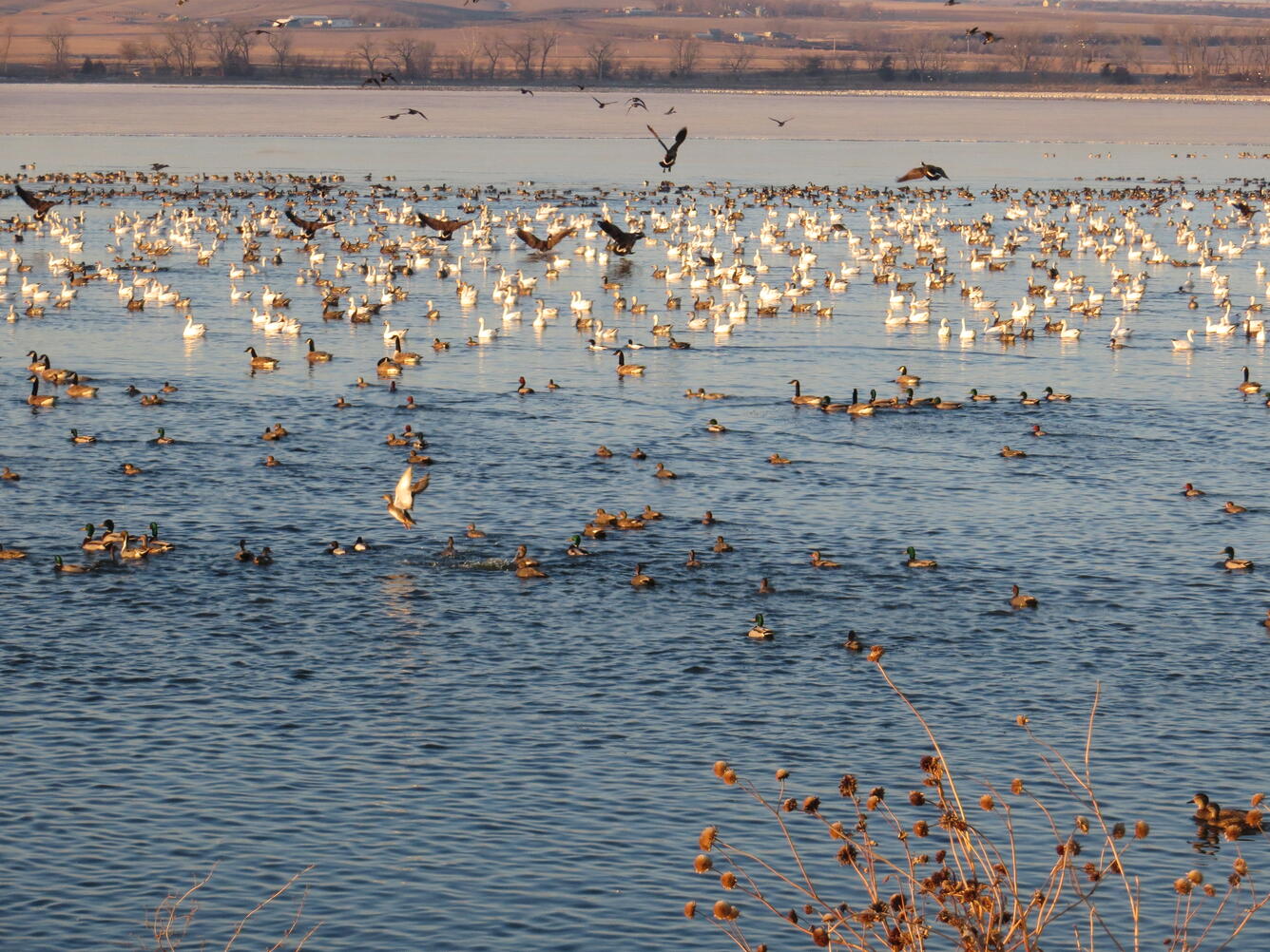
Recent science indicates that climate and land use change are affecting Prairie Pothole wetlands in unexpected ways, indicating that new areas may need to be targeted for restoration to maintain suitable waterfowl breeding habitat. Partnering with the U.S. Fish and Wildlife Service, CASC scientists used new models to simulate how these wetlands would change under different future climate change scenarios, and how those changes would impact the ability of the wetlands to support waterfowl breeding.
Results showed that areas that currently have the highest densities of intact wetlands and support large numbers of breeding ducks will also likely be the most successful in maintaining these habitats under future climate conditions. Additional follow up work used extensive datasets in collaboration with U.S. Fish and Wildlife Service scientists to generate actionable insights that can inform conservation strategies for grassland and wetland ecosystems in the Prairie Pothole Region.
How Climate Change is Linking Prairie Pothole Wetlands to River Wetlands
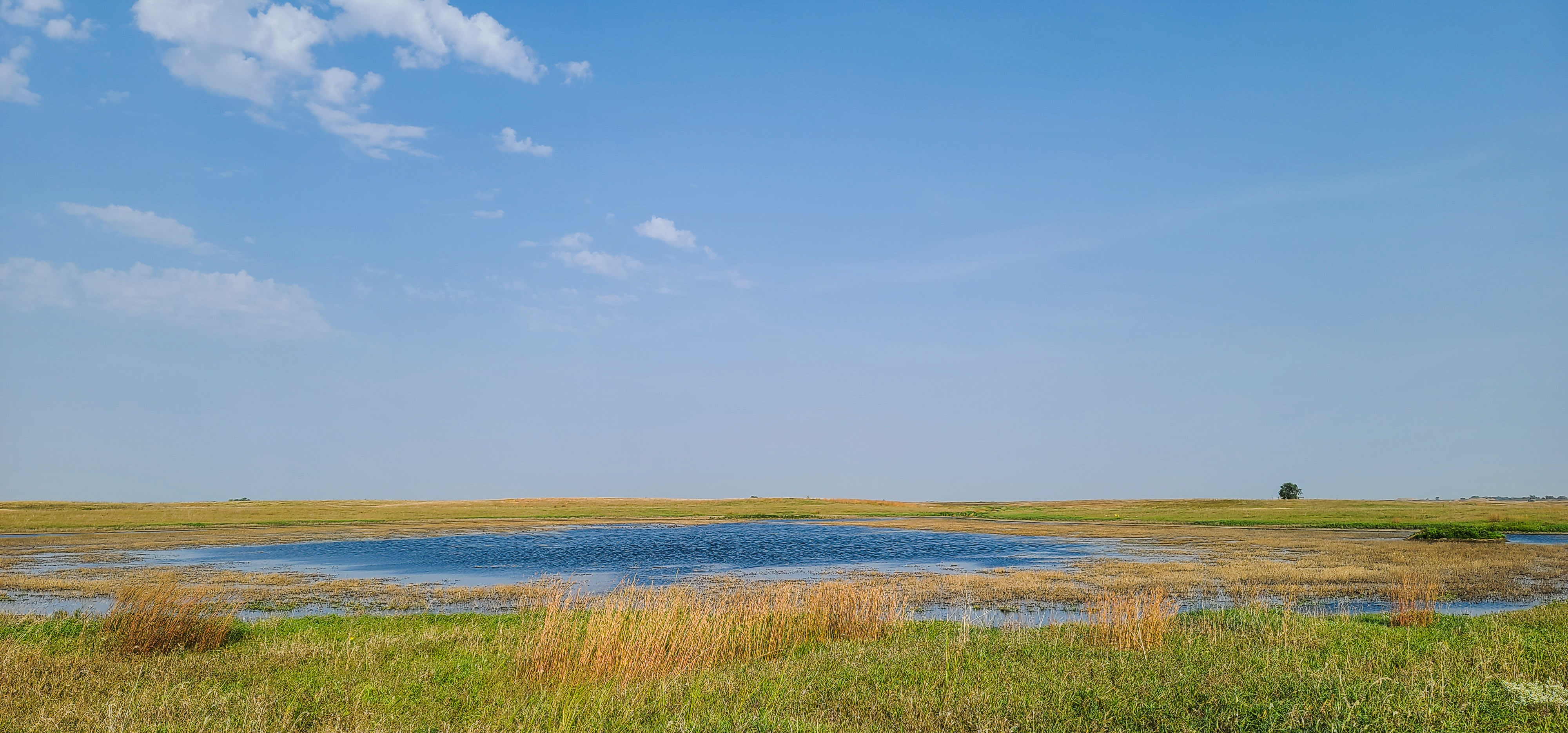
Wetlands in the Upper Mississippi River Basin help control floods, filter pollution, and provide critical habitat for migratory birds. However, high intensity rainfall events can cause these depressional wetlands to overflow and connect with Mississippi River tributaries. This reduces the ability of wetlands to process nutrients and mitigate nutrient pollution in the Mississippi River. These overflow events are expected to increase due to climate change and land management, as extreme precipitation events become more frequent and severe.
CASC scientists are working with managers to identify how wetlands along the Minnesota River, a large tributary of the Mississippi River, will respond to floods, and the resulting implications for water quality and migratory bird habitat. This information will feed into a tool that will allow management agencies to balance wildlife and water quality objectives in future conservation actions.
How Weather Patterns and Land Use Influence Where Ducks are During the Fall and Winter
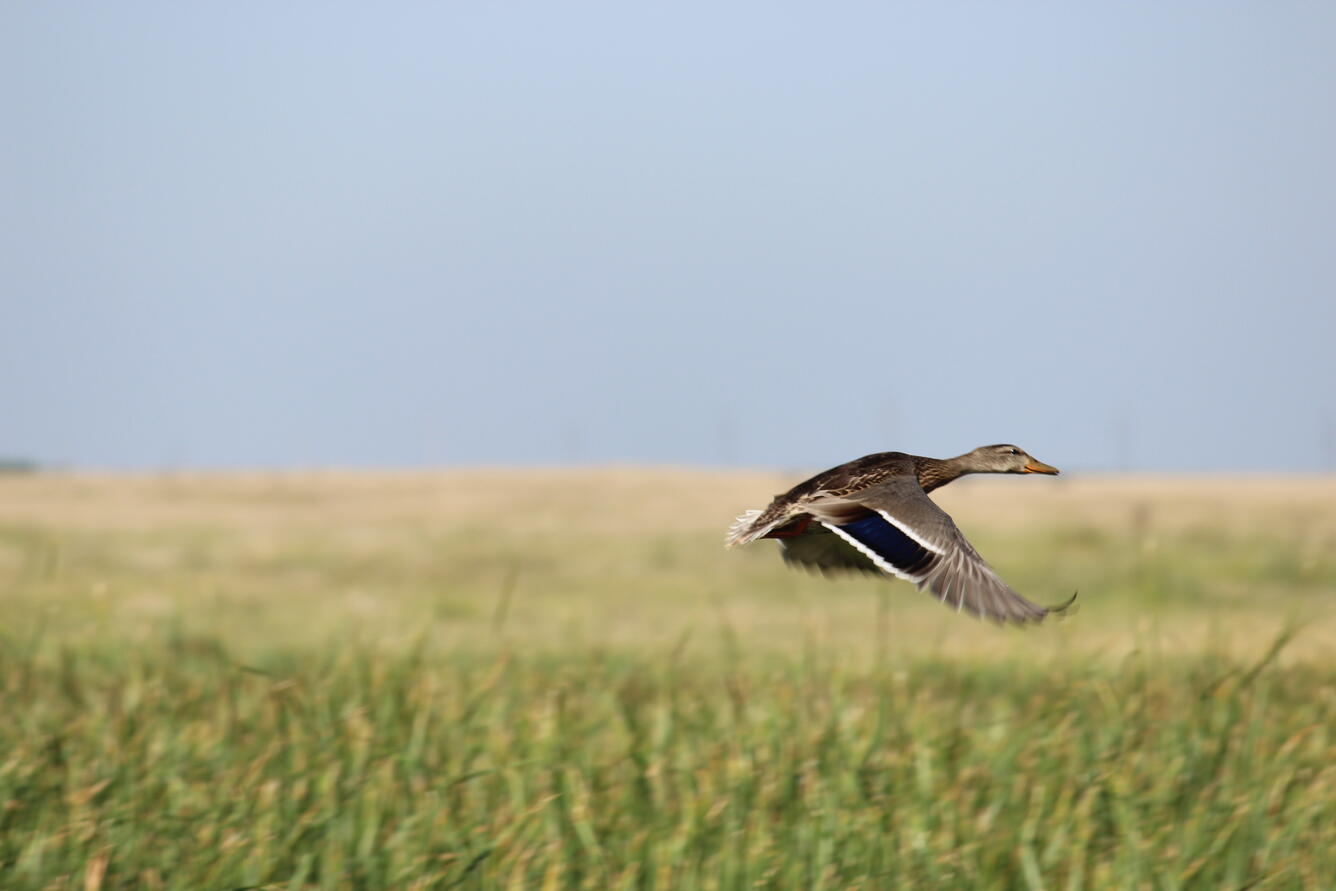
Ducks from the Prairie Pothole Region are important for both the economy and culture of the region. However, climate and land use change are altering their habitat are causing ducks to move to new areas during the hunting season. Partnering with the U.S. Fish and Wildlife Service and Ducks Unlimited, CASC scientists tracked these changes in duck distributions, using data from bird banding, hunting, and counts. They found that while many ducks are spending winters farther north, but it’s not a simple story. Different duck species are shifting their winter locations in different ways. Understanding these specific changes is key to figuring out what’s driving them and will inform decisions about managing habitats and harvest.
