
Click the link to read the article on The New York Times website (Somini Sengupta). Here’s an excerpt:
June 21, 2025
War, tariffs and inflation are not the only things driving up the price of food. Widespread drought is also looming over what people around the world eat. In Brazil, parched coffee farms have affected latte prices everywhere. In the Midwestern United States, years of poor rainshave led ranchers to cull cattle herds and have raised beef prices to their highest levels ever. In China, one of the nation’s key wheat-producing regions, the Yellow River Basin, is withering under unusually hot, dry conditions. Germany had its driest spring since 1931, though rains in recent weeks have allayed concerns about its wheat and barley crops. Ukraine and Russia, rivals on the battlefield, are also facing the threat of drought for their wheat crops. Both countries are breadbaskets for millions of people far and wide. Morocco, for instance, now in its sixth year of drought, has relied increasingly on wheat imports from Russia. Droughts are part of the natural weather cycle but are exacerbated in many parts of the world by the burning of fossil fuels, which is warming the world and exacerbating extreme weather. Droughts can be particularly risky as the production of important foods becomes increasingly concentrated. For example, much of the world’s coffee comes from Brazil, cacao from Ivory Coast and Ghana in West Africa, and corn from Brazil, China and the American Midwest…Around the world, most people get their calories from three staple grains — rice, wheat and corn — which means that weather hazards to places where they are produced can have big repercussions for food security. Bad weather in one or two of those regions can destabilize the global supply…
Sandwiches, instant noodles, rotis. Wheat, in all its forms, has become one of the world’s most commonly eaten grains, second only to rice. That makes it one of the most closely watched crops in the era of extreme weather. Wheat is also often closely guarded. Take India, for instance. Prompted by an intense heat wave in 2022, the Indian government banned wheat exports in order to stockpile it at home…
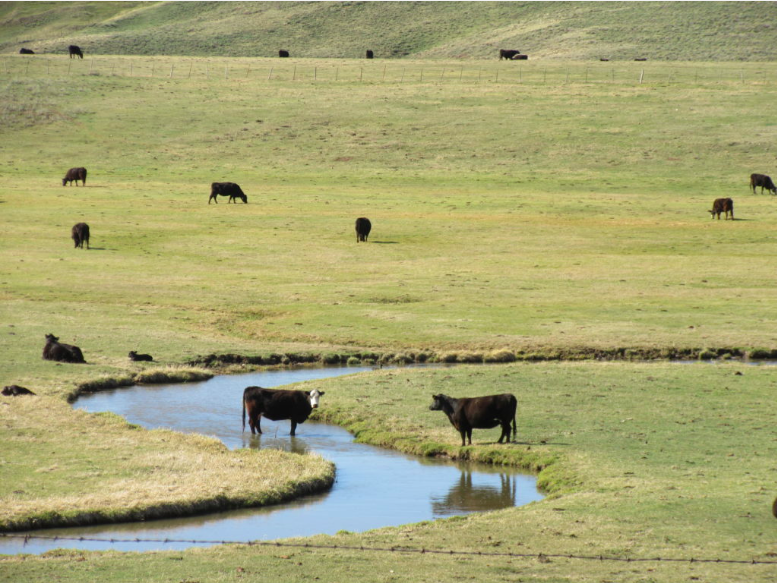
Summer barbecue season is approaching just as the price of beef has topped records. Ground beef in the United States is close to $6 per pound, and steak is nearly twice that…A few factors are driving the price rise, including soaring insurance costs for farmers and the abiding demand for beef. But central to the rising cost of beef is a drought that has stretched across the Midwestern United States over the past several years. The conditions have dried up a lot of grazing land. Cattle herd numbers are at their lowest in 70 years.