
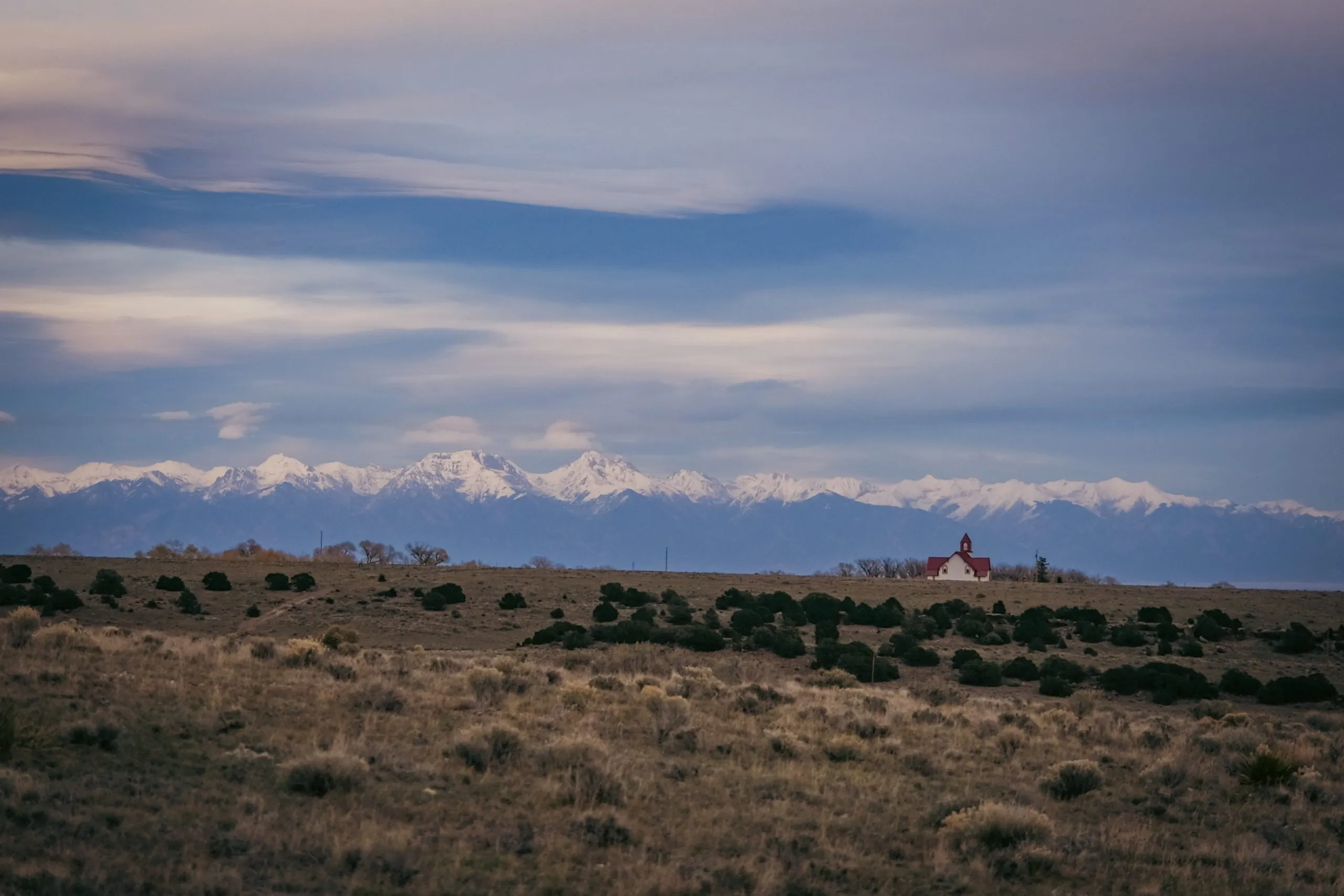
Click the link to read the article on the Alamosa Citizen website:
November 1, 2026:
The historic rains of Oct. 22-25 increased the annual flow of the Rio Grande by nearly 100,000 acre-feet and the Conejos River by around 60,000 acre-feet, according to preliminary data by the Colorado Division of Water Resources.
As fast as those rivers rose, though, they are receding just as quickly.
For the second straight October, the San Luis Valley found itself in historic flooding conditions, with this year’s fall storm delivering the fastest cubic-feet per second flow on the Rio Grande in nearly 80 years at 11,000 cfs.
“We saw very high flows in the past week or so, and we got a lot of recharge to the aquifers from those flows. However, we will need many, many more high-flow years to recover the aquifers and the water system as a whole,” said Craig Cotten, DWR division engineer in the San Luis Valley.

The state is estimating the flooding allowed around 50,000 acre-feet of recharge to the closed basin area, which Cotten said is great. But understand, he said, that the unconfined aquifer has lost an estimated 72,000 acre-feet in the past year.
“The high precipitation event this past week is an encouraging sign for next year (spring 2027 runoff). However, recall that we had a similar high precipitation event last October that caused large streamflows and flooding, and yet it didn’t correspond to a good streamflow year this year,” he said. “In fact, this year would have been one of the driest on record if not for the increased precipitation over the past month.”
The same was said just ahead of the October 2025 storm, with the unconfined aquifer measuring at its lowest point at the time, and whatever water in the river at a near standstill. Then the Rio Grande hit 9,000 cfs and grew by 80,000 acre-feet and the Conejos by 20,000 acre-feet from the October 2025 storm. Only to be followed by the second warmest November on record and the first warmest December on record, according to National Weather Service data.
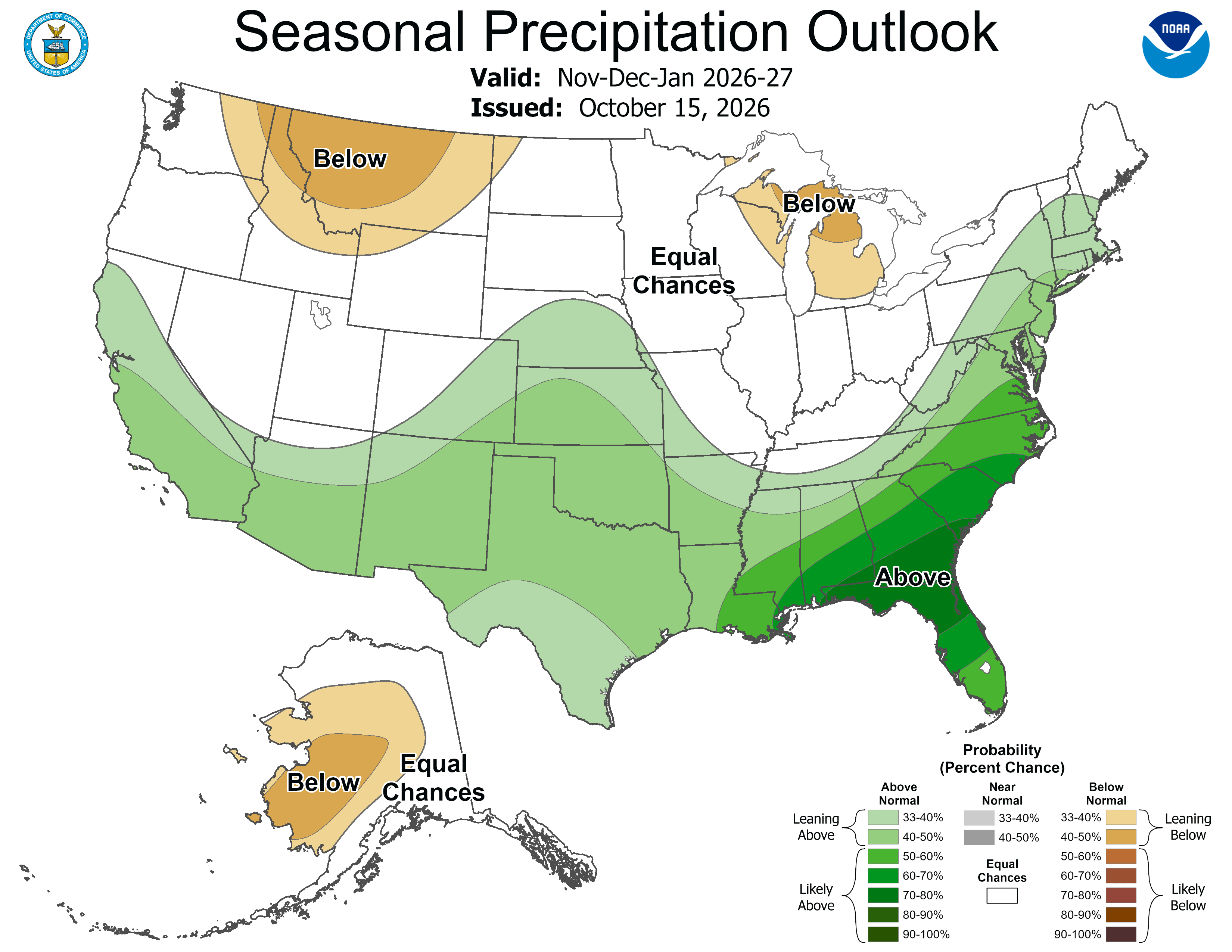
Will 2026 be any different? The next 3-month forecast says it will, and there are other encouraging early signs that a more beneficial 2027 spring runoff is in the cards.
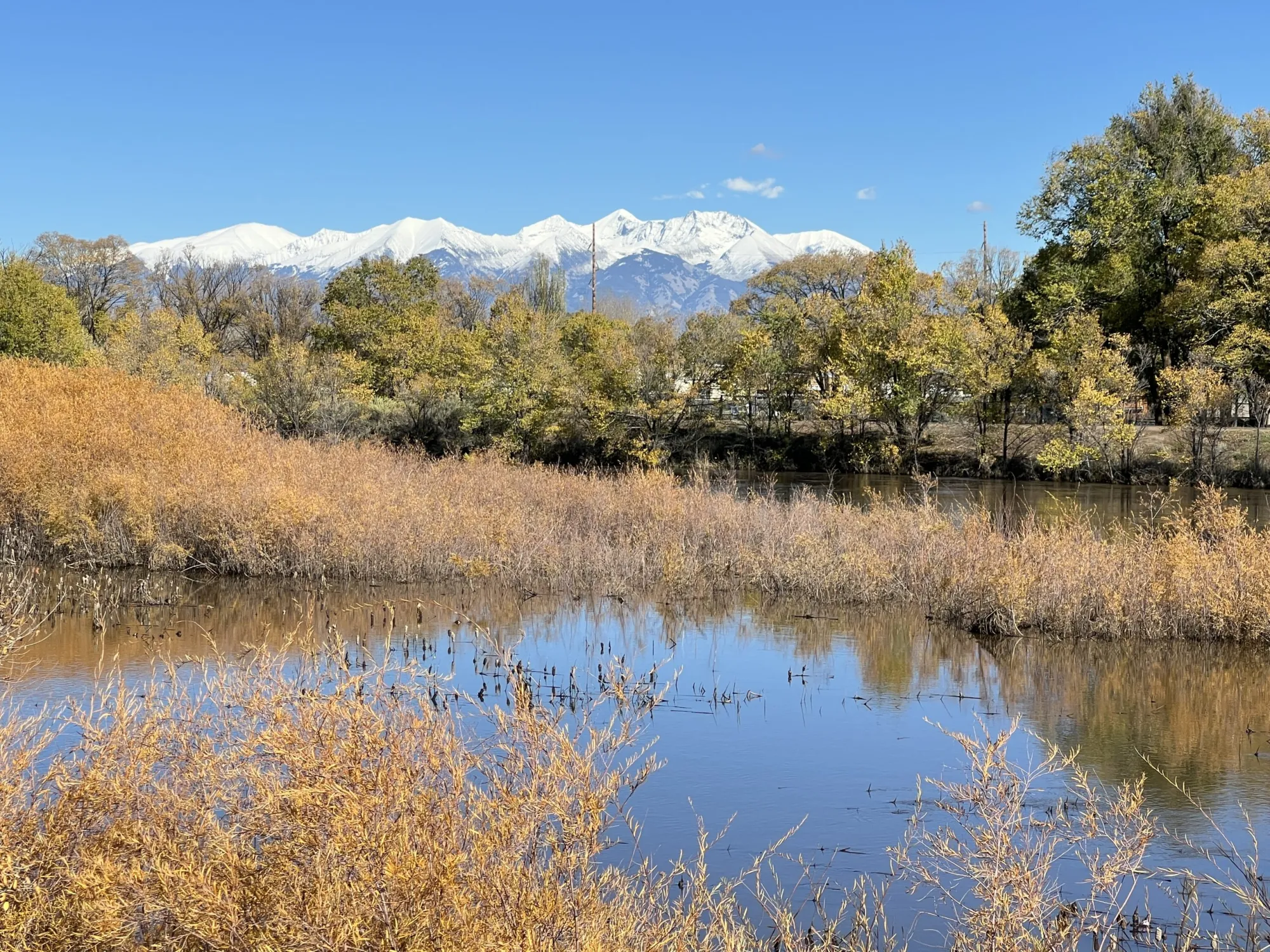
For starters, and this is a big one, the 14ers that surround the Valley are all forming snow caps, including on the south face of Mt. Blanca, which hasn’t been the case in a couple of years.
Ask the irrigators who rely on Trinchera Creek about that. They’re having a better October, like the rest of the Valley’s agricultural community.
The irrigation season has been extended to Nov. 6 on the Rio Grande and Conejos River, and Cotten said it may be extended on the Alamosa River as well.
Currently, the Rio Grande’s forecasted annual flow at Del Norte is 440,000 acre-feet, or 68 percent of average. Of that, 109,000 acre-feet belongs to the Rio Grande Compact with New Mexico and Texas, according to Cotten. For the Conejos, the projected annual flow is 220,000 acre-feet or 82 percent of average, and a water compact obligation of 57,000 acre-feet.
Those totals likely grow in the coming weeks, should November storms arise.
The October storm couldn’t have been timed more perfectly to hold the moisture, with clocks set to turn back an hour Nov. 1. The return to standard time marks earlier and darker evenings, which allows for longer nights and the cold to settle in before the rise of the morning sun.

Overnight temperatures are key moving through November and December if there is to be true benefit to the Valley floor going into 2027. The National Weather Service forecast remains encouraging for the type of snowy winter the Upper Rio Grande Basin desires, with climate maps showing above-normal levels of moisture December through February and an equal chance for winter-like temperatures.
“We will see what actually happens,” said Cotten, mindful of the currently warm temperatures that, mixed with the October rains, have left the Valley’s growing fields looking lush and ready for another cut.
The growing fields and marshes will most certainly “go to bed wet” as they say, just like an October ago. Only this time, with more moisture potentially on the way in the first days of November, there is hope again for a change in the Valley’s fortunes.
