

Click the link to read the article on the InkStain website (John Fleck):
November 16, 2026
The New Mexico Office of State Engineer Friday posted its long-awaited “metering orders,” the first step toward an enhanced regulatory framework to get our arms around who is using water, and how much, along New Mexico’s Middle Rio Grande.
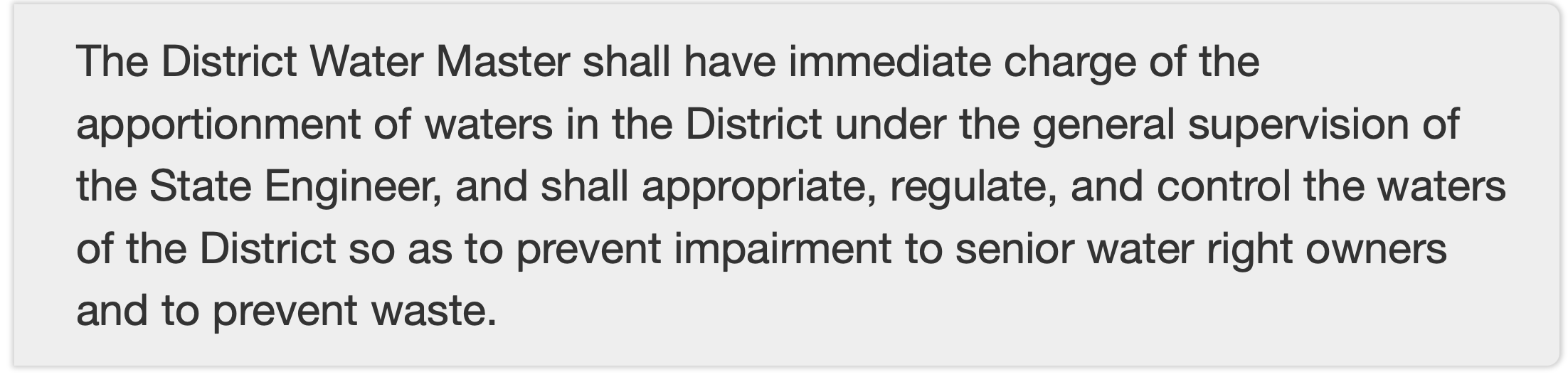
One of the orders formally creates a “water master”:
The second order also requires metering of groundwater wells. Sort of. Big municipal wells are already metered and regulated. The order would apply to other wells, such as agricultural wells, golf courses, industry (some of those are already metered). Importantly, it does not apply to existing domestic wells, arguably the largest currently unmeasured and therefore unregulated draws on the system:
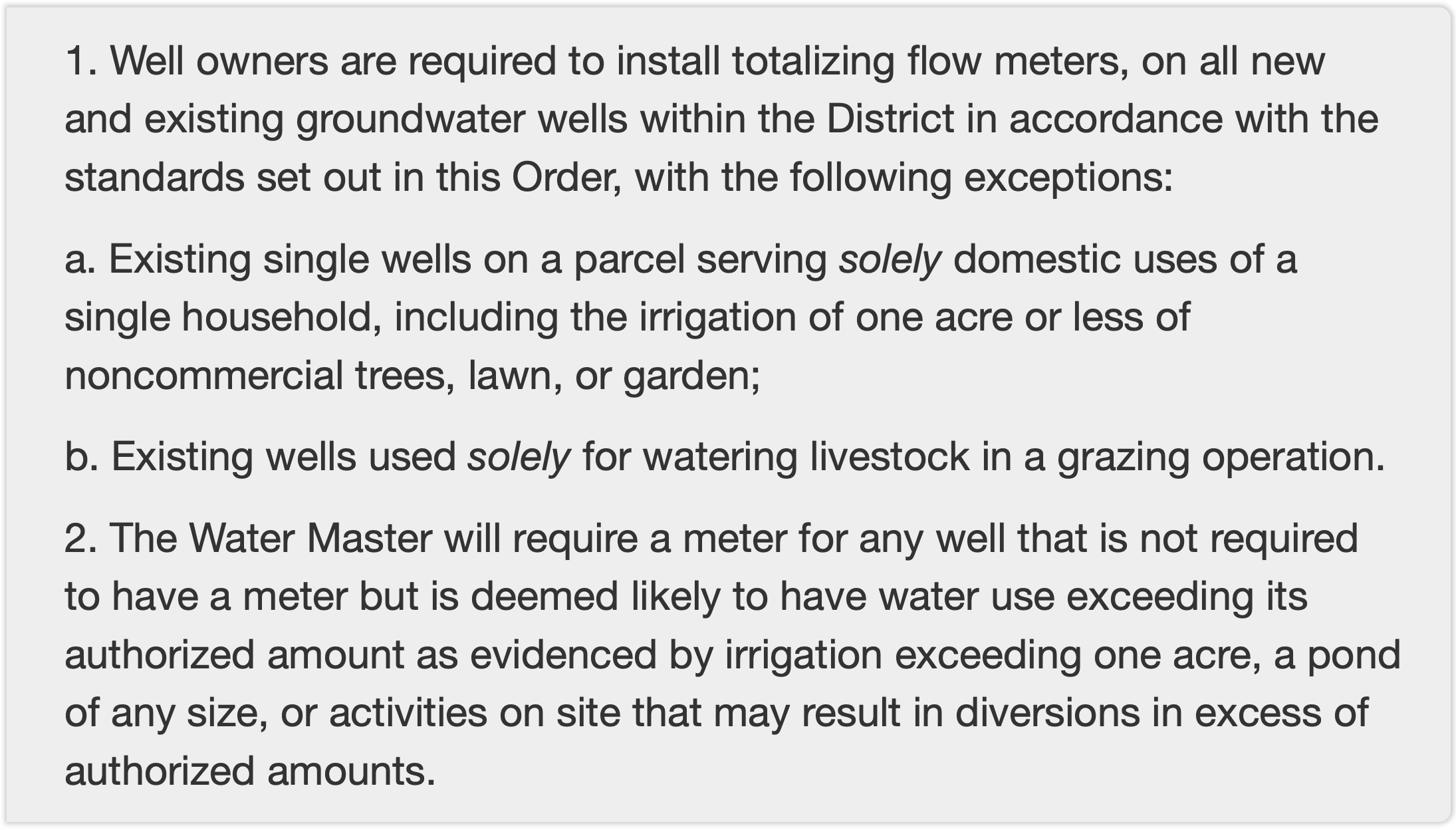
“1” means new domestic wells all get metered. “2” opens the door for requiring meters on wells irrigating big lots (lots of those in the middle valley!) and ponds, and in general wells that seem to be diverting more than the 1 (for newer domestic wells) or 3 (for older ones) acre feet. Based on our OpenET work, there are likely to be a large number of lots worth triggering “2” for, though structuring the order this ways places the burden on the state to go to each of these thousands of well operators one at a time rather than just placing the burden on all well users to install a meter.
There is a telling allocation of obligation here. The order as written, “deemed likely,” requires an affirmative action by the state, rather than requiring an affirmative action on the part of the water user. This lets little users off the hook for the expense of a meter and reporting, while placing the burden on the state to act in regard to the big users. My hypothesis is that this will result in slow or no action on the many, many big lots on the valley floor that are operating in this legal gray area.
Ponds might be an interesting place to start. They’re pretty obvious.
