Click the link to read the article on the Middle Colorado Watershed Council website (SGM):
Why do we care about the ENSO Forecast? Winter moisture in Colorado tends to depend on if it is a La Niña or El Niño event (although this is not always the case), and a healthy snowpack in Colorado is vital to next spring’s runoff. The image below shows that La Niña events tend to bring wetter, cooler conditions to the Northwest and drier conditions to the Southwest. In contrast, El Niño tends to bring wetter, cooler conditions to the Southwest with warmer conditions to the Northwest.

Colorado tends to be right on the edge of both events. A shift in the jet stream just a couple hundred miles north or south can significantly impact winter weather patterns for Colorado. If the La Niña forecast holds, this would be the third straight La Niña year in a row.
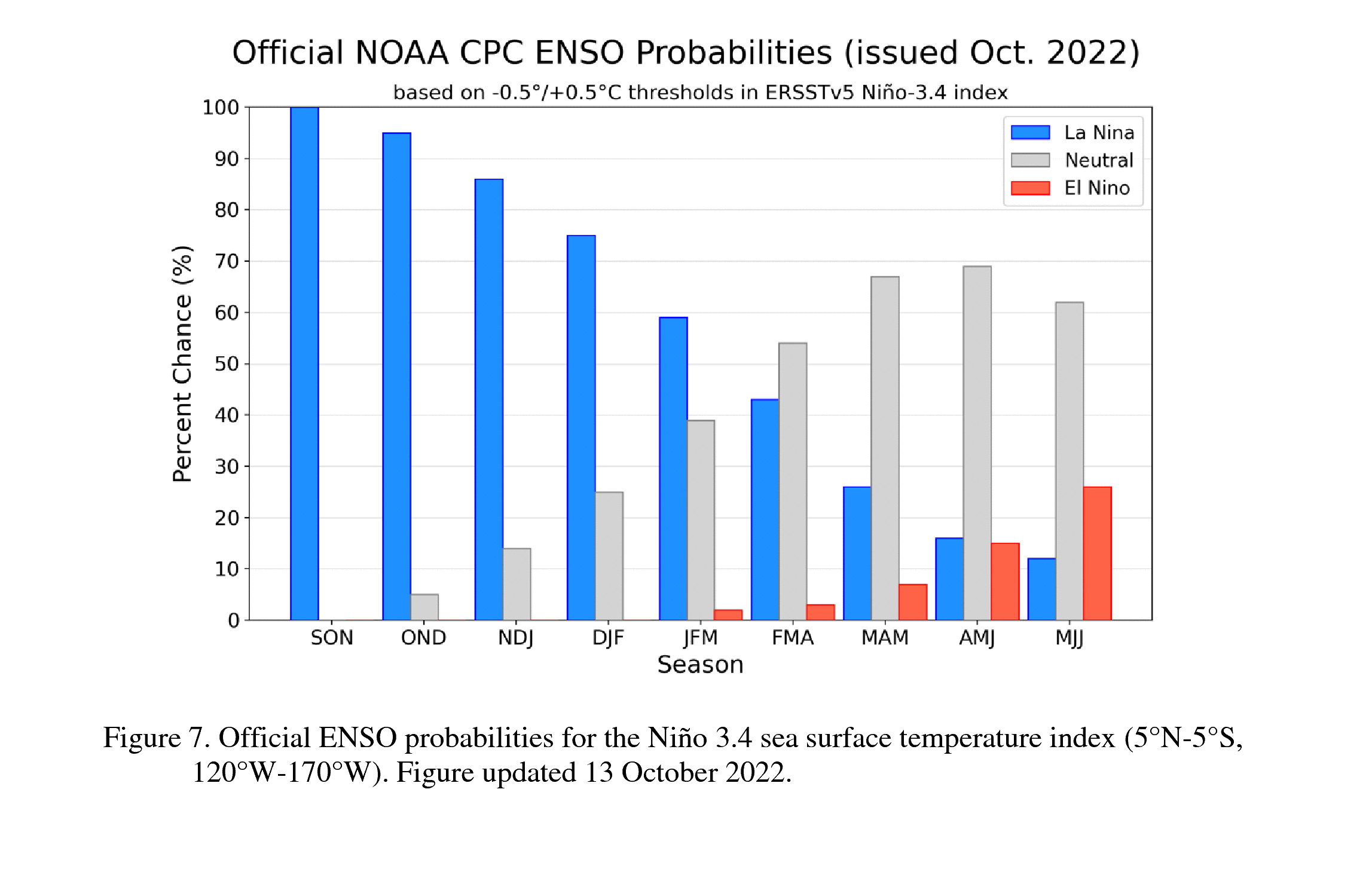
The current ENSO Alert System Status, as of October 13th, 2022 is a La Niña Advisory. Equatorial sea surface temperatures are below average across most of the Pacific Ocean, indicating the likelihood of a La Niña event. There is a 75% chance of La Niña during the Northern Hemisphere winter (December-February) 2022-2023, while there is a 54% chance for ENSO-neutral in February-April 2023, as shown in the graph below.
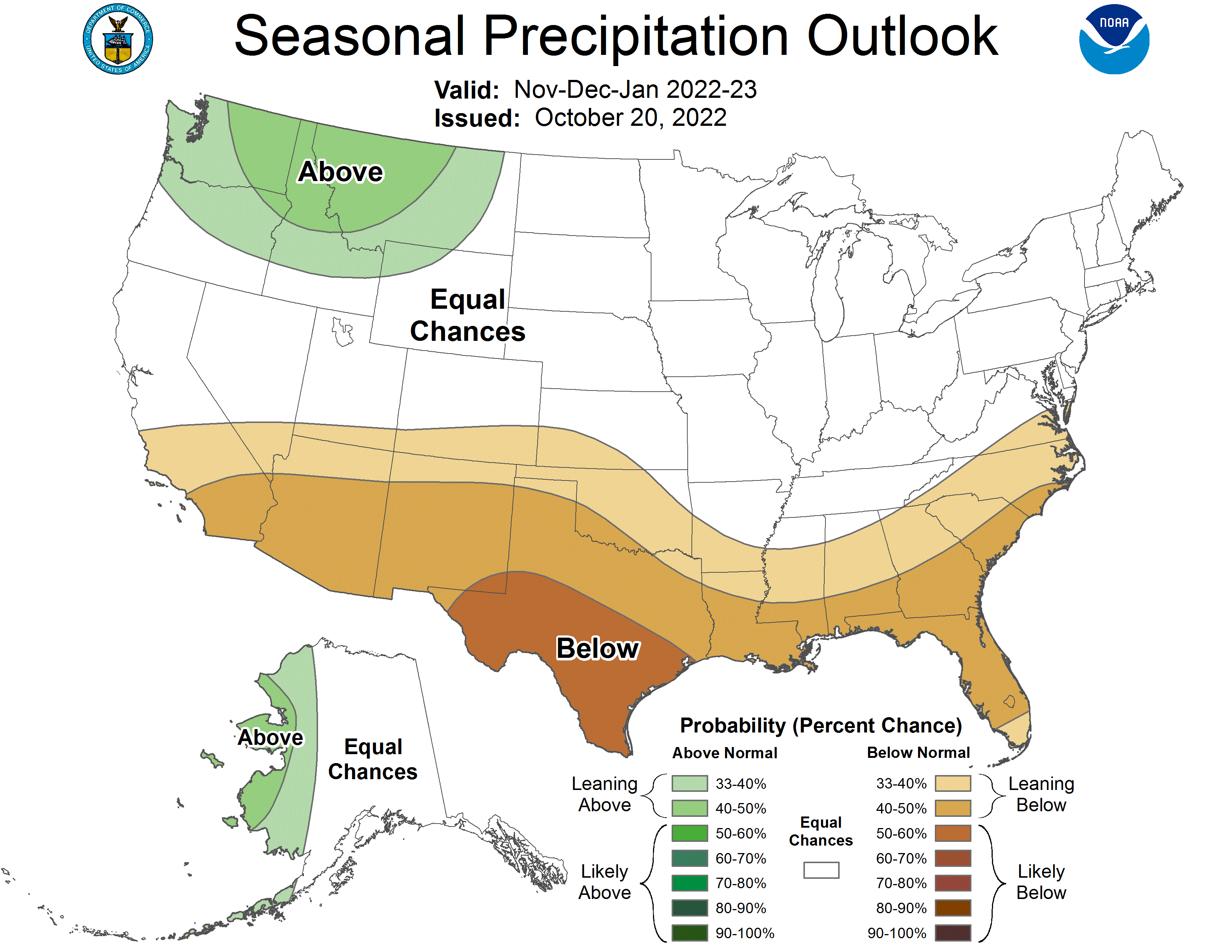
The Three-Month Precipitation and Temperature Outlook was released on October 20th, 2022 by the Climate Prediction Center for the months of November 2022, December 2022, and January 2023. Both the precipitation and temperature outlooks also mimic a typical La Niña pattern in the Western United States.