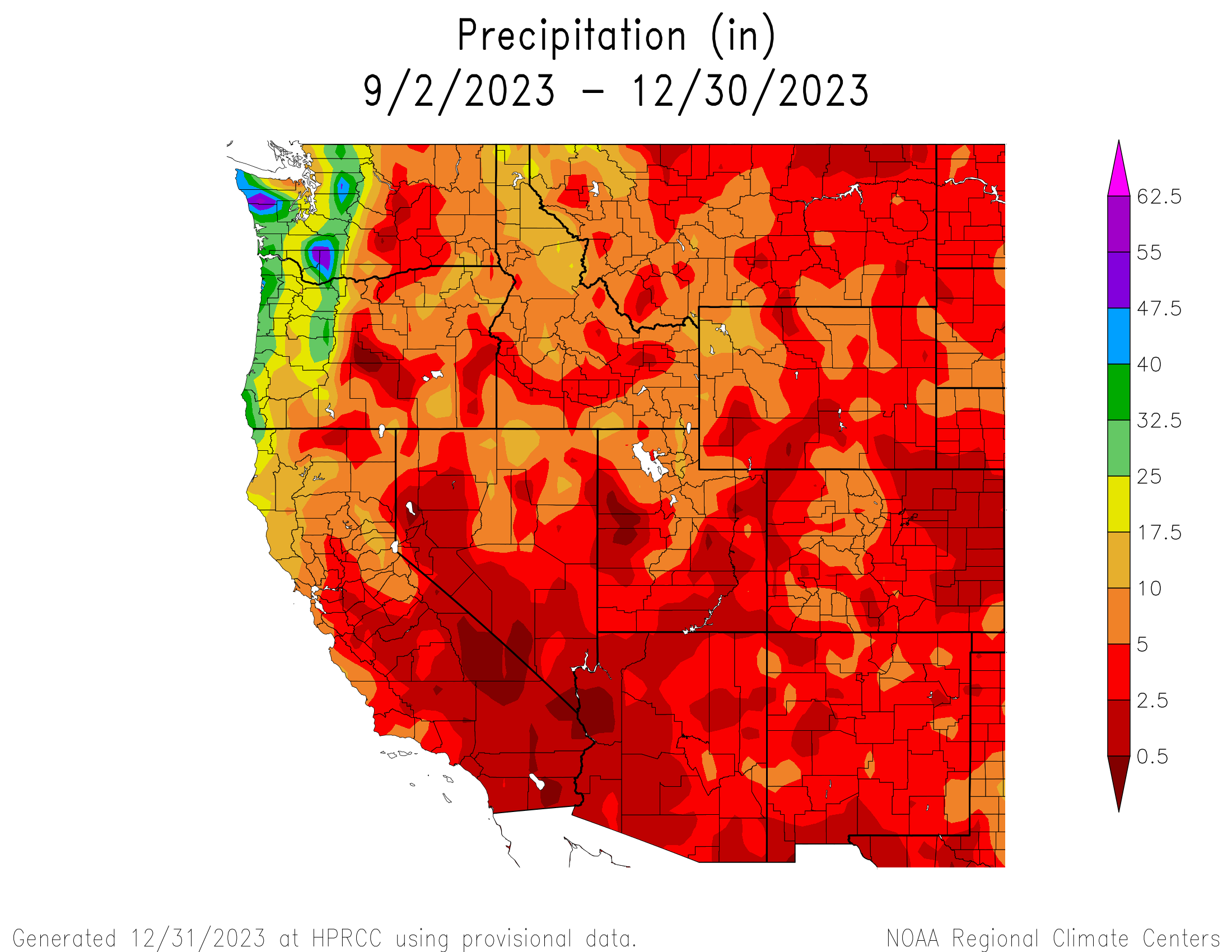
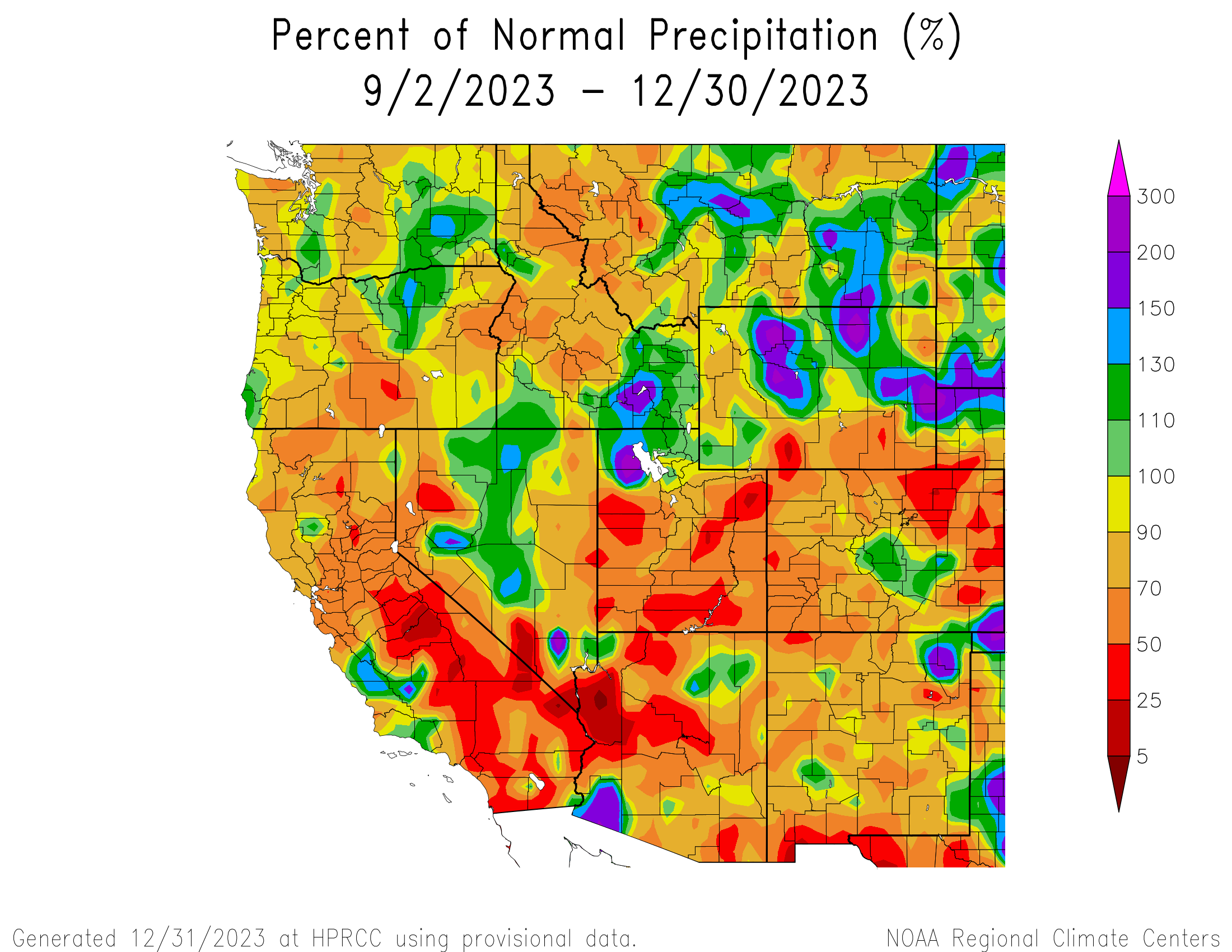
This project explores the complex challenges facing the Colorado River basin through a visual journey using photography, informative graphics and maps. The exploration includes voices from often-overlooked Native tribes with deep connections to the basin’s water and traverses all seven basin states, extending southward to the Gulf of California in Mexico.
Water management in the seven Colorado River Basin states and Mexico are intertwined, yet each faces unique circumstances and challenges.
PAWSD Business Manager Aaron Burns opened the discussion by ex- plaining that the board gave direction at its Nov. 14 work session for staff to look at other rates and fees beyond the district’s main water and waste- water rates, and attempt to use these to reduce the increases in water and wastewater rates. He stated that some of the areas discussed were availability fees, rates for waste haulers and rates at water fill stations. He added that staff from Stantec — the company performing the rate study for the district — incorporated the changes into the calculations, which made a “significant” differ- ence, particularly in wastewater rate increases.
Zac Koch of Stantec then presented on the rate study, highlighting the changes made from the previous presentation in November. For water rates, Koch explained that the primary change in the study was that, as suggested at the November work session, availability fees will now scale in accordance with the increases in water rates, with the expected decrease in the number of lots remaining the same…[Koch] stated that rate increases would remain at 5 percent annually between 2026 and 2029, with 15 percent increases occurring in 2030 and 2031 to cover the increased expenses for Regulation 35 compliance, and no increase in 2032. According to Koch’s presentation, this would bring the projected monthly residential bill from $32.80 in 2023 to $89.11 in 2032, down from the $103.34 bill in 2032 indicated in the previous presentation…
Following a brief discussion, the board unanimously voted to accept the conclusions of the rate study and to set a public hearing on the rates for Jan. 25, 2024, at 5 p.m. at the PAWSD administrative offices at 100 Lyn Ave.
Click the link to read the article on the Pagosa Springs Sun website (Derek Kutzer). Here’s an excerpt:
At a Dec. 21 meeting, the Pagosa Springs Town Council voted to change the language of an amend- ment to its tap agreement with The Springs Resort and Spa. Since 2009, the agreement has provided a certain amount of “raw geothermal water” to The Springs Resort for commercial uses. The town currently obtains water rights to two geothermal wells down- town. The new language adopted by the council will leave open the possibility of raising the rate that the town charges The Springs Resort for municipal geothermal water to even higher than the $12,000 per-year rate in the current drafted amendment.
At the meeting, Town Manager David Harris said, “The existing rates are set to expire in this calendar year,” which prompted the town and The Springs Resort to draft this amendment for the council to consider.
Harris explained that this new amendment was the product of discussions with the owners of The Springs and that both parties believe it is a “fair” agreement.
A below-average runoff this year could mean that reservoirs in Colorado and Wyoming would have to release water downstream to keep the lake from hitting levels that would threaten the Glen Canyon Dam’s energy generation and make delivering water to Arizona, California and Nevada nearly impossible. Colorado River water managers have implemented similar emergency measures in recent years to keep Lake Powell from reaching crisis levels. Utah reaches its typical peak snowpack in early April, and the state gets about 95% of its water supply from snow.