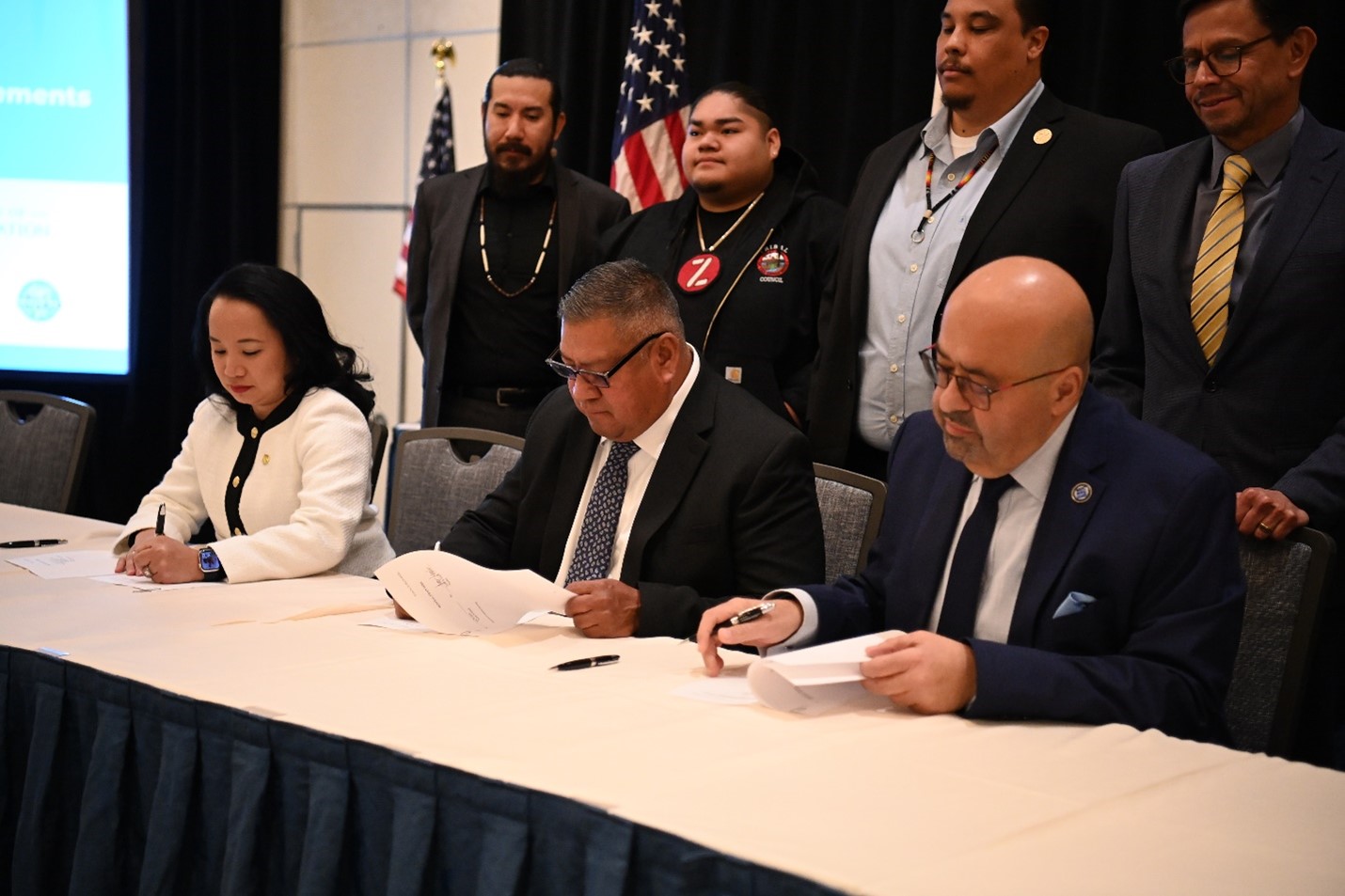
Biden-Harris Administration Announces Several New Water #Conservation Agreements in #California to Protect the #ColoradoRiver System #COriver #aridification #CRWUA2023

USBR Commissioner Camille Calimlim Touton announced several new water conservation agreements to address challenges the Colorado River Basin faces due to drought and climate change. Photo credit: USBR

Click the link to read the release on the USBR website (Doug Hendrix and Michelle Helms):

Nearly $295 million from President Biden’s Investing in America agenda will conserve up to 643,000 acre-feet of water through 2025

December 13, 2023

The Biden-Harris administration today announced agreements with several California water agencies to conserve up to 643,000 acre-feet of water in Lake Mead through 2025. The agreements include approximately $295 million in new investments from President Biden’s Investing in America agenda, a key pillar of Bidenomics, which will fund projects for water conservation, water efficiency, and protection of critical environmental resources in the Colorado River System.

Bureau of Reclamation Commissioner Camille Calimlim Touton joined federal, Tribal and state leaders in Nevada today to announce the execution of new water conservation agreements, including an agreement with the Coachella Valley Water District to save up to 105,000 acre-feet of water through 2025 and an agreement with the Quechan Indian Tribe to save up to 39,000 acre-feet through 2025. The event also commemorated a recently signed agreement with the Imperial Irrigation District to conserve approximately 100,000 acre-feet of water in 2023. The leaders also announced that additional system conservation agreements with the Palo Verde Irrigation District, Bard Water District – in cooperation with the Metropolitan Water District of Southern California – and a second agreement with the Coachella Valley Water District are expected to be finalized in the coming weeks.

 The investments are part of the Biden-Harris administration’s all-of-government approach to improve and protect the stability and sustainability of the Colorado River System now and into the future. They are administered through the Lower Colorado River Basin System Conservation and Efficiency Program and funded by the Inflation Reduction Act, the largest climate investment in history.

“Thanks to President Biden’s Investing in America agenda, the Interior Department is working collaboratively with states, Tribes, farmers, and water districts across the West to help address, improve and protect the long-term stability of the Colorado River System,ā€ saidĀ Secretary Deb Haaland.Ā ā€œThe Biden-Harris administration is using every tool and resource at our disposal to continue our sustained, collaborative progress in increasing water conservation across the West.ā€

ā€œThese agreements represent another critical step in our collective efforts to address the water management challenges the Colorado River Basin faces due to drought and climate change,ā€ said Reclamation Commissioner Camille Calimlim Touton. ā€œAddressing the drought crisis requires an all-hands-on-deck approach, and close collaboration among federal, state, Tribal and local communities. When we work together, we can find solutions to meet the challenges of these unprecedented drought conditions.ā€

President Biden’s Investing in America agenda is integral to these efforts to increase near-term water conservation, build long term system efficiency, and prevent the Colorado River System’s reservoirs from falling to critically low elevations that would threaten water deliveries and power production. 

Conservation efforts made possible by this funding have already benefited the system this year. The California conservation agreements announced today join 18 water conservation implementation agreements with critical partners in Arizona, including state agencies, Tribes, and agricultural and municipal water users, which commits water entities to conserve up to 348,680-acre feet of water in Lake Mead in 2023, and up to 984,429-acre feet through 2026. The agreements are part of the 3 million acre-feet of system conservation commitments made by the Lower Basin states, 2.3 million acre-feet of which will be compensated through funding from the Inflation Reduction Act.

As a result of the commitment to record volumes of conservation in the Basin, as well as recent hydrology, Interior Department announced in October 2023 that the chance of falling below critical elevations has been reduced to eight percent at Lake Powell and four percent at Lake Mead through 2026. Lake Mead is currently about 40 feet higher than it was projected to be at this time last year.

To date, the Department has announced the following investments for Colorado River Basin states through the Bipartisan Infrastructure Law and Inflation Reduction Act, which will yield hundreds of thousands of acre-feet of water savings each year once these projects are complete:

“New plot using the nClimGrid data, which is a better source than PRISM for long-term trends. Of course, the combined reservoir contents increase from last year, but the increase is less than 2011 and looks puny compared to the ā€˜hole’ in the reservoirs. The blue Loess lines subtly change. Last year those lines ended pointing downwards. This year they end flat-ish. 2023 temps were still above the 20th century average, although close. Another interesting aspect is that the 20C Mean and 21C Mean lines on the individual plots really don’t change much. Finally, the 2023 Natural Flows are almost exactly equal to 2019. (17.678 maf vs 17.672 maf). For all the hoopla about how this was record-setting year, the fact is that this year was significantly less than 2011 (20.159 maf) and no different than 2019” — Brad Udall

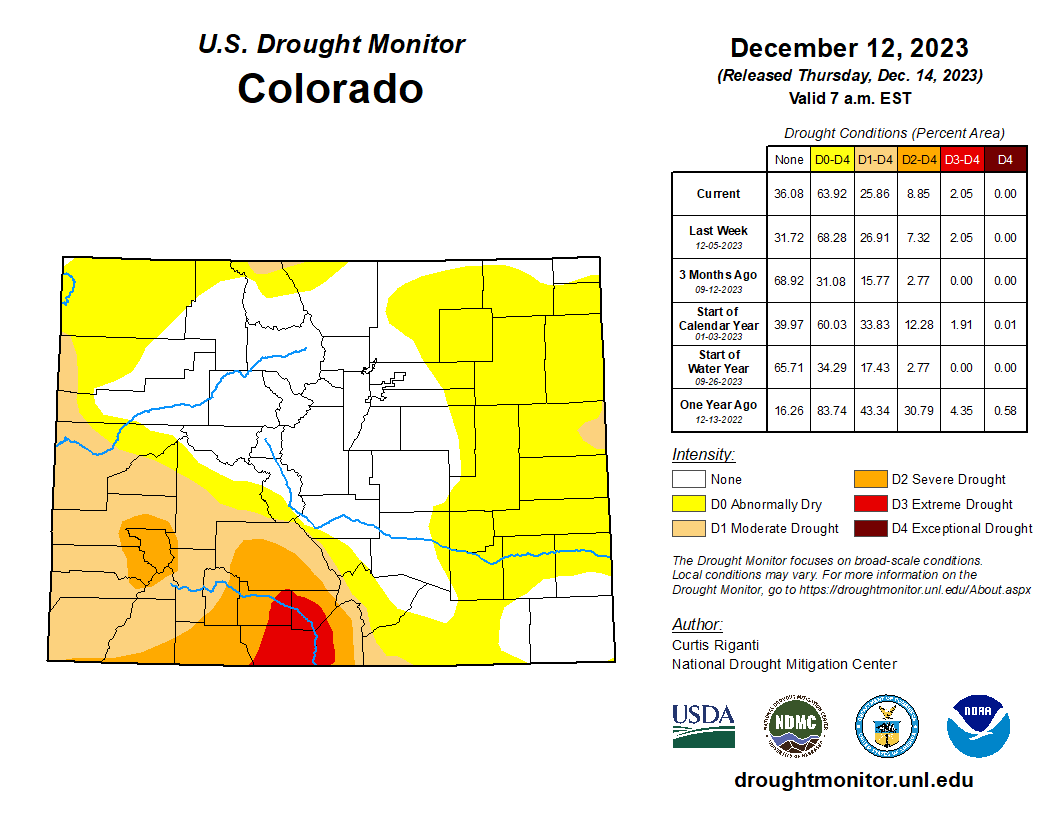
#Drought news December 14, 2023: Low #snowpack in the Sangre de Cristo Range led to the expansion of moderate drought outside of the #SanLuisValley and into the high peaks east and north of Great Sand Dunes National Park

Click on a thumbnail graphic to view a gallery of drought data from the US Drought Monitor website.

Click the link to go to the US Drought Monitor website. Here’s an excerpt:

This Week’s Drought Summary

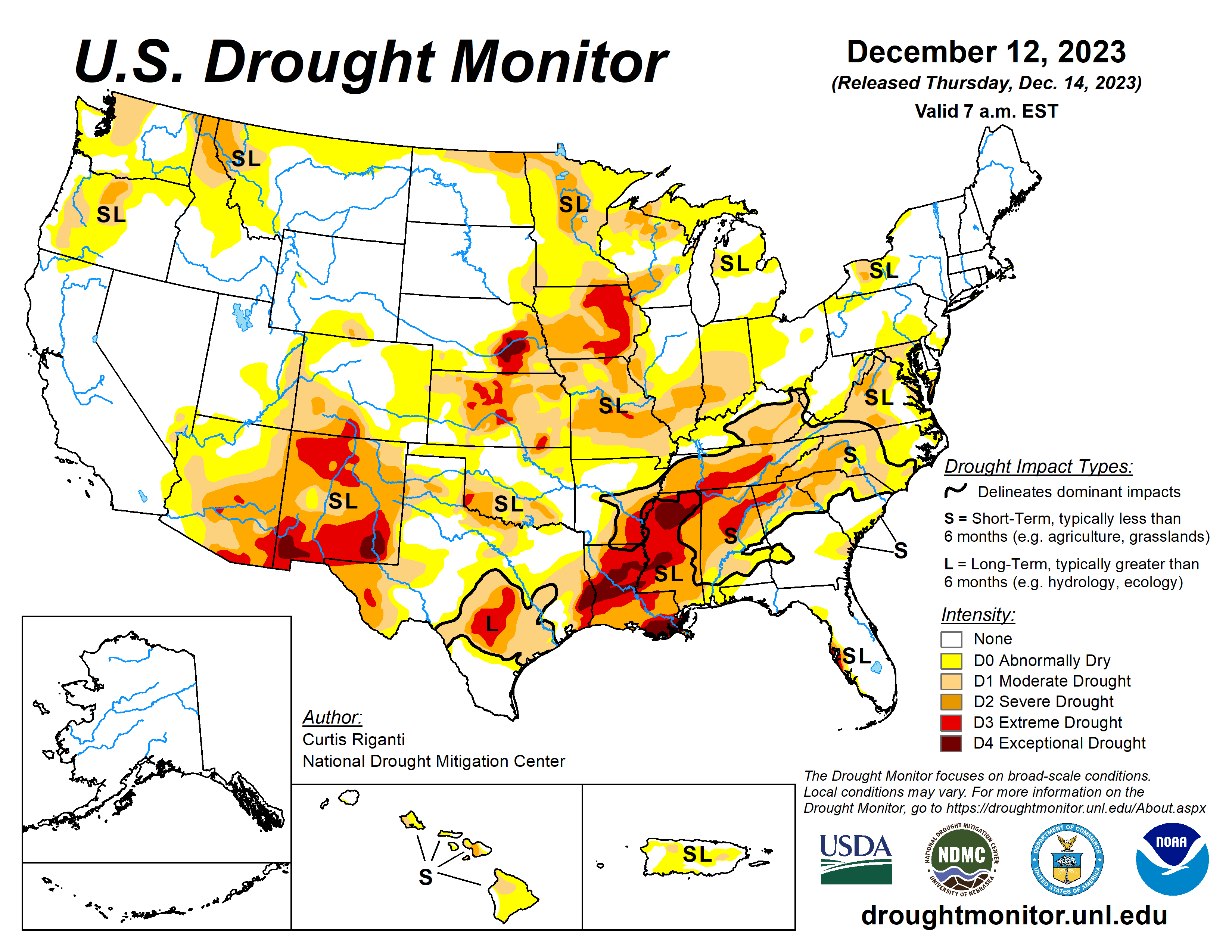
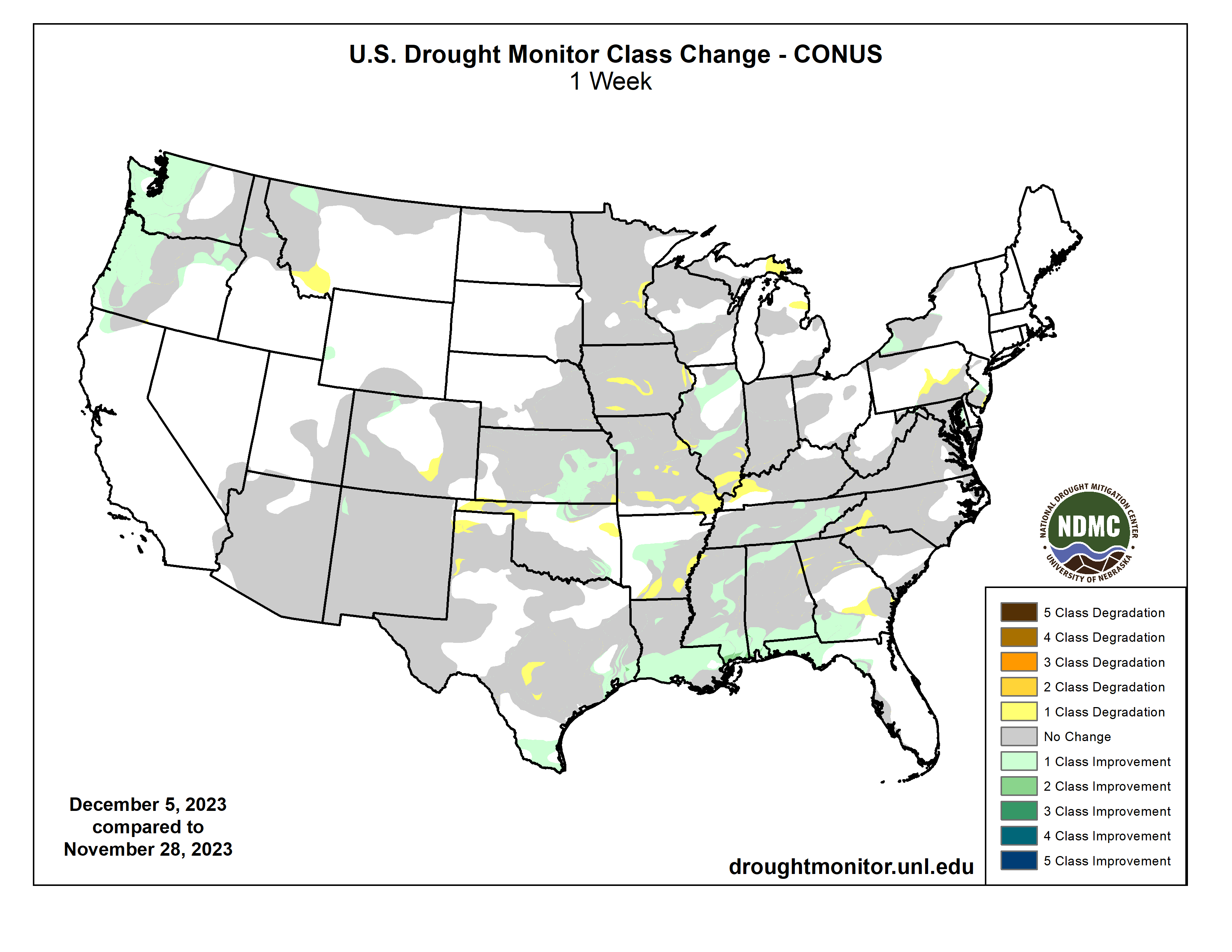
Heavy precipitation fell this week across parts of the Pacific Northwest, associated with an atmospheric river. While precipitation amounts were hefty, improvements to drought were primarily confined to lower elevation areas, given the higher snow levels with this system. Aside from parts of the Rockies in Colorado and southeast Idaho and northwest Wyoming, mainly drier weather occurred from the southwest United States through the Great Plains and Upper Midwest. Widespread moderate to heavy rain fell with showers and thunderstorms from southeast Texas across much of the Southeast into the Mid-Atlantic and Northeast regions. Widespread improvements to drought conditions occurred with these heavier rains, though they were somewhat tempered by ongoing long-term precipitation deficits in some areas. Northwest of the heavy rains, drought and dryness expanded in some spots in Arkansas and in parts of the Upper Great Lakes and Midwest, as short-term precipitation shortfalls grew amid lowering streamflows and soil moisture. Rainfall from last week’s Kona low in Hawaii led to further improvements across parts of the state this week. For more local information, please see the regional summaries below…

High Plains

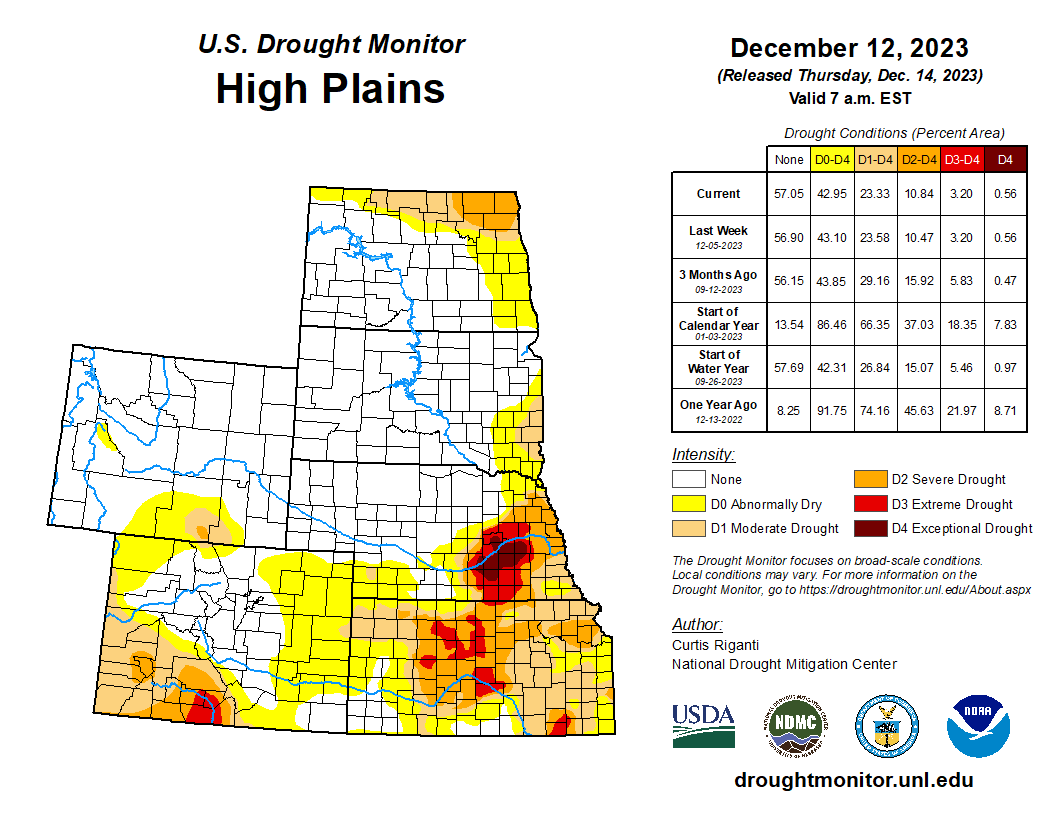
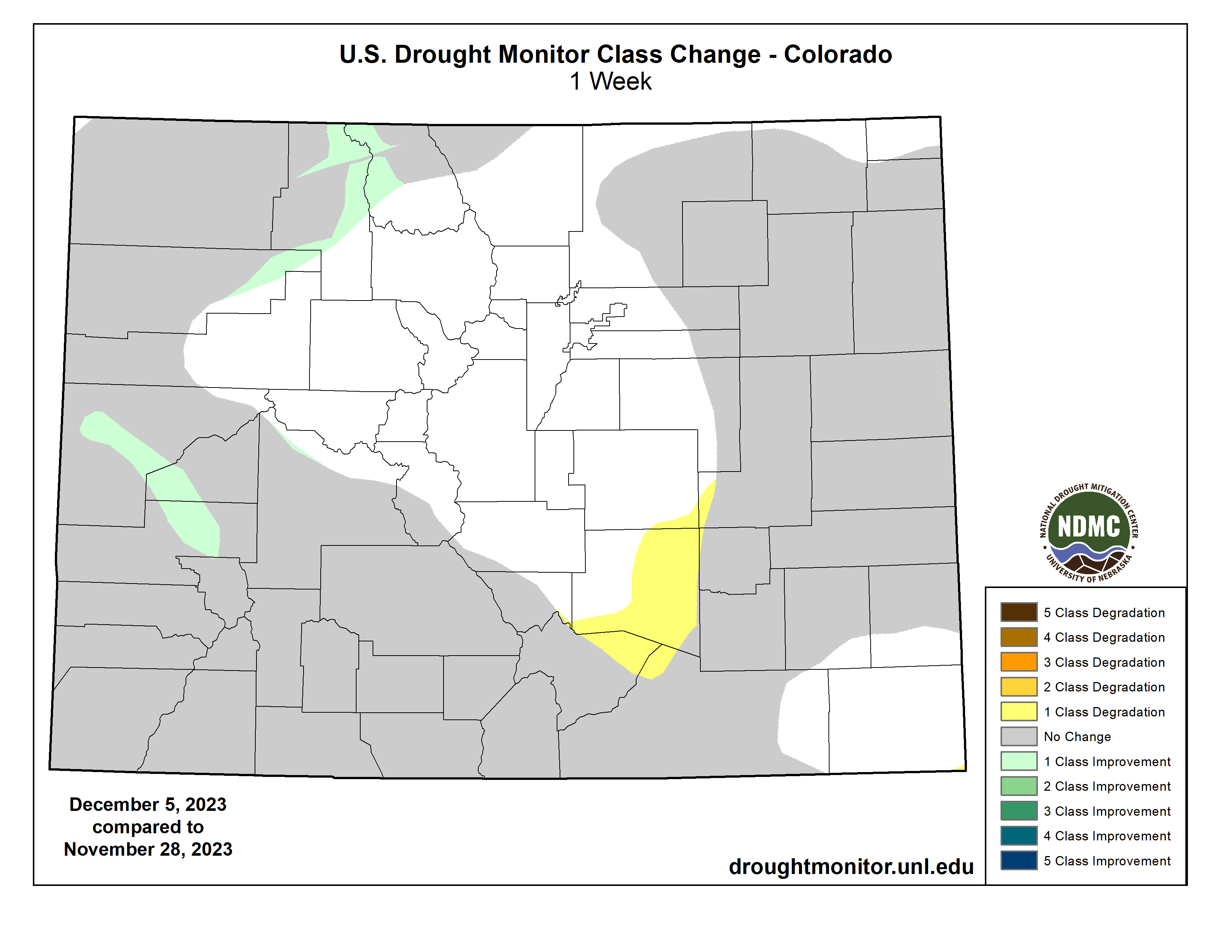
Warmer-than-normal weather continued this week across the High Plains region. Temperatures ranged from mostly 4 to 12 degrees above normal, with locally higher readings. Weather across the lower elevation parts of the High Plains this week was mostly dry, which led to a few local degradations. In southeast Kansas, moderate drought expanded a bit, as streamflow and soil moisture dwindled and short-term precipitation shortages grew. Moderate drought expanded a small amount in western Kansas, where short-term precipitation shortfalls grew amid higher-than-normal atmospheric thirst. Larger changes occurred primarily in higher elevation parts of the region in Colorado and Wyoming. Conditions improved near Pueblo, Colorado and in adjacent parts of the plains, where recent snowfall alleviated short-term precipitation deficits. Low snowpack in the San Juan Mountains, on top of a drier-than-normal monsoon, led to the development of severe drought around Ouray and surrounding counties. Low snowpack in the Sangre de Cristo Range also led to the expansion of moderate drought outside of the San Luis Valley and into the high peaks east and north of Great Sand Dunes National Park. Severe drought also developed in and near parts of the Snowy Range of southern Wyoming, where the start of winter has featured much below normal snowpack. Southwest of there, recent snowfall has helped to alleviate precipitation deficits in parts of south-central Wyoming and northwest Colorado, leading to localized improvements. The northwest portion of the Wind River Mountains in Wyoming have seen much below normal snowpack to start the winter, and abnormal dryness has developed there…

Colorado Drought Monitor one week change map ending December 12, 2023.

West

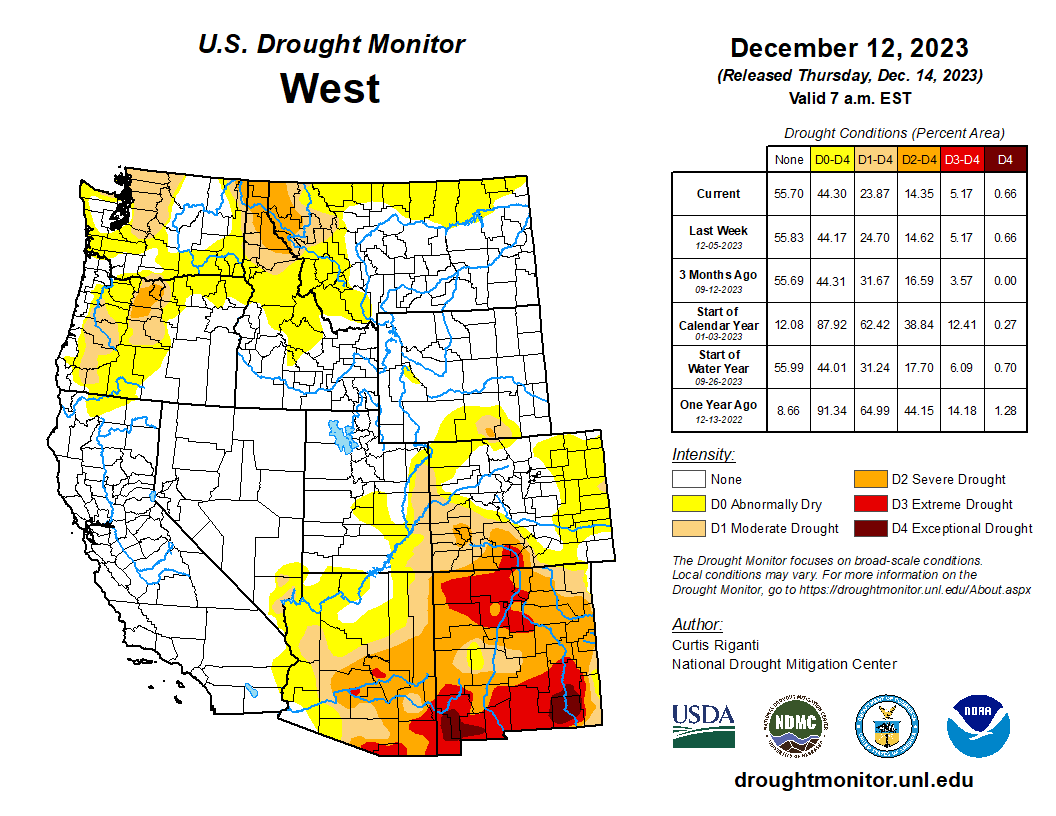
A recent atmospheric river delivered widespread precipitation to the northwest United States, especially in high elevation areas, leading to local improvements to drought conditions. As this was a warmer atmospheric river, snowpack is still well below normal in some areas despite the atmospheric river, due to high snow elevation levels. Thus, improvements to drought conditions were somewhat tempered this week while the effects of this precipitation are being evaluated. Heavy rainfall doused parts of the central Oregon Pacific coast, leading to increases in streamflow and continued lessening of precipitation deficits; abnormal dryness was removed from this area. In eastern Washington, the Idaho Panhandle, and far northeast Oregon, conditions improved in lower elevation areas where streamflow increased and precipitation deficits lessened. In central Idaho, low snowpack, soil moisture and water year precipitation led to an expansion of abnormal dryness. Precipitation in central New Mexico last week lessened precipitation deficits and increased streamflow and soil moisture enough to improve severe drought to moderate drought. Temperatures in central California were mostly within a few degrees of normal. Otherwise, warmer-than-normal weather was common across the region, especially in Montana, where temperatures ranging from 8 to 16 degrees warmer than normal were typical…

South

Rainfall was widespread across parts of Louisiana and the southern half of Mississippi and far southeast Texas, and scattered parts of Arkansas saw heavier rain amounts. Otherwise, the rest of the region was quite dry, including most of Texas and Oklahoma. Short-term precipitation deficits worsened in parts of northeast Texas, northeast Oklahoma, and northern Arkansas, along with some reduction in soil moisture in some of these areas, leading to locally degrading conditions. In central Texas and parts of the Edwards Plateau, long-term precipitation deficits continued amid dwindling groundwater and paltry streamflow, leading to some expansions in severe and extreme drought. Conditions were reassessed in and around Midland and in the Dallas-Fort Worth Metroplex, where some minor improvements to ongoing severe drought and moderate drought were made. Farther east in the region, more significant changes occurred. The northwest-to-southeast gradient in precipitation amounts across Mississippi, Louisiana and southeast Texas led to primarily an increase of drought in southern Arkansas, northern Mississippi and east-central Texas, while conditions across other parts of Louisiana and Mississippi and southeast Texas saw improvements as short-term precipitation deficits lessened. Similar to areas farther east, long-term precipitation deficits and continued soil moisture and streamflow deficits limited these improvements.

US Drought Monitor one week change map ending December 12, 2023.

#COP28 ends with deal on transition away from #fossilfuels — @CarbonBrief #ActOnClimate #KeepItInTheGround

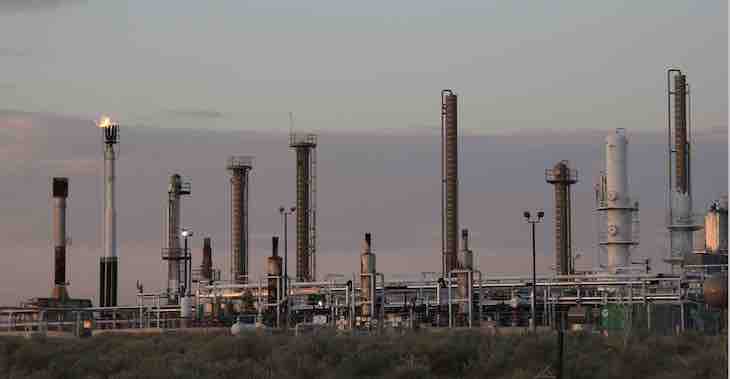
Hydrocarbon processing in the Wattenberg Field east of Fort Lupton, Colo., on July 2, 2020. Photo/Allen Best

Click the link to read the roundup on the Carbon Brief website:

For the first time ever, COP28 ended with a deal to transition the world away from fossil fuels, Bloomberg reports. It says the United Arab Emirates (UAE) president Sultan Al Jaber arrived at a deal ā€œstrong enough for the US and EU on the need to dramatically curb fossil fuel use while keeping Saudi Arabia and other oil producers on boardā€. It notes that Al Jaber brought the gavel down on the so-called ā€œglobal stocktakeā€ text on Wednesday morning – a day later than when COP28 was scheduled to conclude – and was greeted by applause and cheers by delegates. The draft text of the global stocktake deal, which was published early this morning, ā€œcalls on parties to contribute to the following global effortsā€, including ā€œtransitioning away from fossil fuels in energy systems in a just, orderly and equitable manner, accelerating action in this critical decade, so as to achieve net-zero by 2050ā€, Le Monde reports. It notes that the text does not include a request to ā€œphase outā€ fossil fuels as many countries and civil society groups hoped for. According to the Press Association, the agreement ā€œdefied the expectations of many observers who thought that the host country being a major oil exporter would be too much of a conflict of interestā€. The Guardian notes that ā€œclimate-justice advocates said the text fell far short of what was needed for a fair transitionā€. The New York Times lists some of the text’s other commitments, including calling  on nations to triple the amount of renewable energy installed around the world by 2030 and to slash emissions of methane. The Guardianand BBC News have both been live-blogging the latest reaction to the final text before and after it was agreed. 

Coverage from yesterday – published prior to the emergence of the new text – details how, as BusinessGreen describes it, the presidency and negotiating delegations had reportedly been up until 4am ā€œattempting to broker a compromise on the global stocktake textā€. The i newspaper says both the US and the UK had been branded ā€œhypocritesā€ by climate campaigners for ā€œcriticising countries that do not agree to a ā€˜phase out’ of fossil fuels while continuing to develop oil and gas fields domesticallyā€. The Financial Times frames the disputes that had been taking place as ā€œthe majority of countries present clash[ing] with Saudi Arabiaā€.

In wider COP28 news, theĀ IndependentĀ has a piece about Tina Stege, climate envoy for the Marshall Islands, and her effort to secure a more ambitious outcome for her country. TheĀ GuardianĀ has an explainer detailing the importance of ā€œmeans of implementationā€ – climate finance and other support measures – for developing countries.Ā New ScientistĀ has a piece about how COP28 has ā€œchanged the conversationā€ around fossil fuels.

Directional drilling from one well site via the National Science Foundation

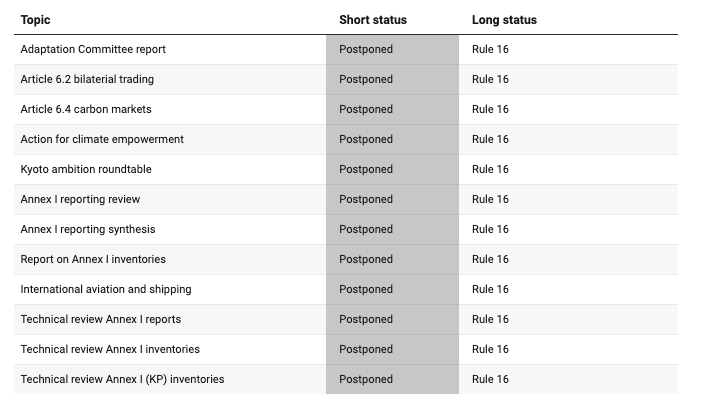
I count at least 12 agenda items at #COP28 that got the dreaded ‘Rule 16’ treatment – come back and try again next year – because no agreement could be reached — @JMGlachantI #ActOnClimate

Is that a record?! https://carbonbrief.org/interactive-tracking-negotiating-texts-at-cop28-climate-summit/

#COP28 Does Not Deliver Clear Path to Fossil Fuel Phase Out — Inside #Climate News #ActOnClimate #KeepItInTheGround

From the Alliance of Small Island States website: https://www.aosis.org/mvi-part-1-for-the-future-of-sids/

Click the link to read the article on the Inside Climate News website (Bob Berwyn and Marianne LavelleĀ ):

Small island states that arrived after the document was approved, don’t accept the outcome as a consensus decision.

December 13, 2023

Going into overtime under the cover of a dark winter night in Dubai, climate negotiators at COP28 cooked up a weak sauce of climate half-measures that fail to adequately address the existential risk of global warming to millions of people around the globe, according to leading climate experts at the conference.

TheĀ UAE Consensus, COP28 president Sultan al-Jaber said, represents a clear step in a just transition away from fossil fuels, but the tarnished image of theĀ United Nations Framework Convention on Climate Change, and its process requiring consensus among nations, took another big hit because 39 small island states most affected by global warming were not in the room when al-Jaber signaled acceptance during theĀ closing plenary.

As a result, there will be an asterisk next to COP28 in the future. To activists and many country delegates, the way the outcome came about further undermined al-Jaber’s leadership, which had been questioned since it was announced last year due to his apparent conflict of interest as head of the Abu Dhabi National Oil Company, one of the biggest fossil fuel producers in the world.

The conference started Nov. 30 with a growing coalition of countries calling for a fossil fuel phase out, and earlier drafts of the decision documents all included some iteration of that language, raising hopes that the UNFCCC would face the heart of the problem head-on.Ā 

But the finalized text calls only for accelerating efforts to ā€œphase downā€ the use of unabated coal power, to ā€œ[transition] away from fossil fuels in energy systems, in a just, orderly and equitable manner,ā€ and to accelerate action toward that transition ā€œin this critical decade.ā€

Some of the speakers at the closing plenary, including Special Presidential Envoy for Climate John Kerry, said the mere mention of moving away from fossil fuels could be interpreted as a successful outcome for the climate summit. Al-Jaber tooted his own horn during the closing plenary by saying, ā€œWe have delivered a robust action plan to keep 1.5 in reach.ā€ 

That reference to the Paris accord’s goal of limiting warming to 1.5 degrees Celsius over pre-industrial levels elicited an immediate response from some climate scientists, including Rob Larter, a polar researcher with the British Antarctic Survey. 

ā€œWhen you see statements like this you know you’re being lied to,ā€ Larter wrote in aĀ social media post. ā€œWhat’s been agreed certainly does not keep 1.5C in reach.ā€

Larter was one of the first scientists to highlight the abrupt and alarming decline of Antarctic sea ice this year. The vast expanses of ice at the poles function as one of the planet’s main cooling systems by reflecting a lot of incoming solar energy back into space. A permanent reduction of that surface would lead to additional heating of the atmosphere.

Other scientists at COP28 warned that the current level of warming, set to come close to 1.5 degrees Celsius this year, is already driving parts of the planet’s climate system toward irreversible tipping points

The statement about a transition away from fossil-fuels remains too vague, ā€œwith no hard and accountable boundaries for 2030, 2040 and 2050,ā€ said Johan Rockstrƶm, co-director of the Potsdam Institute for Climate Impact Research.

He faulted the statement for ignoring that carbon dioxide removal technologies will need to be scaled up massively to meet the 1.5 degree Celsius goal, and said there is still no convincing plan on how the transition away from fossil fuels will occur.Ā 

ā€œWe know it will not happen through national voluntary means alone. Collective, global agreements, on finance, carbon pricing, and technology exchange, are also needed, at a scale that vastly exceeds what is now on the table,ā€ he said.

The new COP28 agreement also calls for ā€œaccelerating and substantially reducing non-carbon-dioxide emissions globally, including in particular methane emissions by 2030,ā€ and for speeding the reduction of emissions from road transport, as well as ā€œphasing out inefficient fossil fuel subsidies that do not address energy poverty or just transitions, as soon as possible.ā€

Kerry said the document should be seen as a significant achievement, given the challenge of trying to win consensus among 200 parties. ā€œFor the first time in the history of our regime, the decision supported by all nations of the world calls for transitioning  away from fossil fuels in energy systems, so as to achieve net zero by 2050,ā€ Kerry said. 

ā€œThat is clear,ā€ he said, even if it is not as strong as many would have liked. 

Kerry said the applause that rang out in the plenary for the small island state representatives was ā€œa clarion call to all of us about our obligation and responsibility over these next months to make sure we’re reaching as far as we can to implement as fast as we can.ā€

Consensus, or Not?

TheĀ Alliance of Small Island StatesĀ addressed its absence during the decision-making phase of the final plenary directly.

ā€œWe are a little confused about what just happened,ā€ the delegate from Samoa said on behalf of AOSIS. ā€œIt seems that you gavelled the decisions, and the small island developing states were not in the room. We were working hard to coordinate the 39 small island developing states that are disproportionately affected by climate change, and so were delayed in coming here.ā€

The agreement falls far short of what would be needed to prevent some island states from being swamped by rising seas by the end of the century, AOSIS wrote, referring to it as a ā€œdraft decision,ā€ which implies that the group doesn’t consider the document finalized.

ā€œThe course correction that is needed has not yet been secured,ā€ the AOSIS statement continues. ā€œWe have made an incremental advancement over business as usual when what we really needed is an exponential step-change in our actions and support … We do not see any commitment or even an invitation for Parties to peak emissions by 2025.ā€

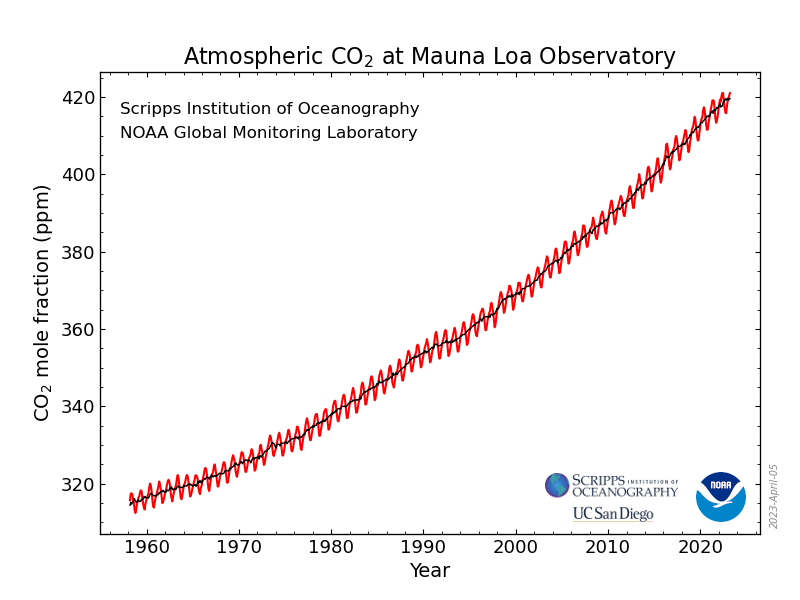
Mauna Loa is WMO Global Atmosphere Watch benchmark station and monitors rising CO2 levels Week of 23 April 2023: 424.40 parts per million Weekly value one year ago: 420.19 ppm Weekly value 10 years ago: 399.32 ppm šŸ“· http://CO2.Earthhttps://co2.earth/daily-co2. Credit: World Meteorological Organization

Although the decision frequently refers to science showing that fossil fuels must be phased out, the agreement doesn’t include a path toward the needed actions, the island states said.

ā€œIt is not enough for us to reference the science and then make agreements that ignore what the science is telling us we need to do,ā€ the group wrote.

ā€œI think AOSIS wanted to highlight that this decision could not be seen as being adopted in their name,ā€ said SĆ©bastien Duyck, a senior attorney with the Center for International Environmental Law. ā€œThe outcome is not enough to protect their sovereign rights, human rights of future generations.ā€

That, he said, could be important in an international legal context, with the International Court of Justice preparing to look at the responsibility of states in the context of climate change.

ā€œA Leaky Canoeā€

Statements from other countries during the closing plenary showed that the consensus touted by al-Jaber is fragile, and was reached mainly to avoid the appearance of a disappointing failure.

The German delegate said there were tears in the room, but that they were not all tears of joy, and spoke directly to island states: ā€œSamoa, Marshall Islands, we see you, we feel you, we know this might not be enough.ā€

Some oil producing countries from the Arab League said the new agreement veered too far off the Paris Agreement by ignoring the principle of national self-determination, by mentioning a timeline, however vague, for the energy transition, and by shifting the conversation away from emissions to the source of emissions.

COP28 followed a now-familiar pattern: Heads of state, heads of governments and ministers flying in on private jets at the beginning of the talks—in the case of the United Kingdom,Ā three high-level representatives all arriving on separate private jets—and making flashy announcements about scientifically unfounded non-binding deals.Ā [ed. emphasis mine]

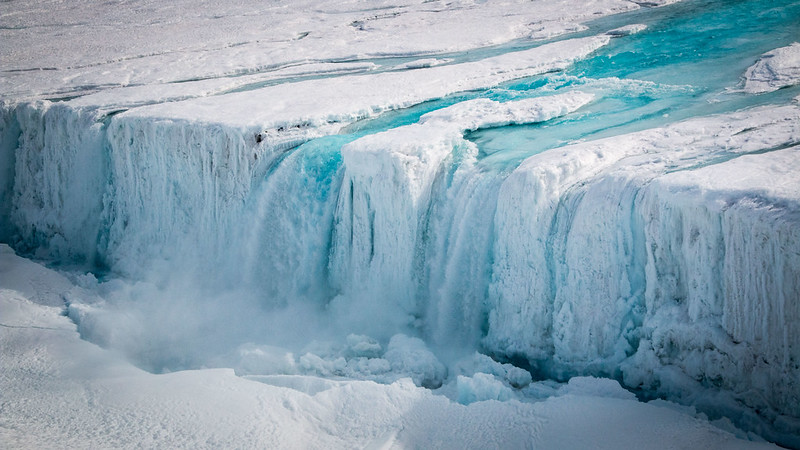
The ice sheets of Antarctica are one of the world’s most noted tipping elements. Melt water from the Nansen ice shelf fracture in Antarctica. Photo by Stuart Rankin (CC BY-NC 2.0)

Representatives for Indigenous communities and civil society environmental groups said the agreement doesn’t go nearly far enough to ensure the fossil fuel phase out science demands, or toward ensuring climate justice for developing countries. 

Missing is language to ensure that rich nations go first and fast to end their fossil fuel addiction, and the groups pointed out that planned oil and gas developments in just a handful of rich, developed countries are enough to ā€œbust the goal of 1.5 degrees.ā€

Native land loss 1776 to 1930. Credit: Alvin Chang/Ranjani Chakraborty

The outcome perpetuates a 500-year legacy of colonialism and will lead to more inequality in the future by continuing to encourage the commodification of nature, the Indigenous representatives said. And even though the final documents recognize the role of Indigenous people as the guardians of Mother Earth, ā€œOur rights and knowledge continue to be sidelined in these discussions,ā€ an Indigenous representative said.

The head of the Marshall Islands delegation, John Silk, called the outcome dishonest.

ā€œI came from my home islands to work with you to solve the greatest challenge of our generations, to build a canoe together for my country ā€¦ā€ he said. ā€œWe have built a canoe with a weak and leaky hull. Yet we have to put it into the water because we have no other option,ā€ he said.

ā€œI appreciate the effort that has gone into this outcome, but it has not been inclusive,ā€ he said. ā€œThe fact that the decision was gavelled without a major group in the room … is unacceptable … This is a small step in the right direction in this process, a good signal. But in the context of the real world, where temperatures are rising and people are dying, it is not enough. And so as we sail this leaky canoe together, let’s agree to patch the holes so we can keep the canoe afloat for the sake of all of us, especially the most vulnerable.ā€

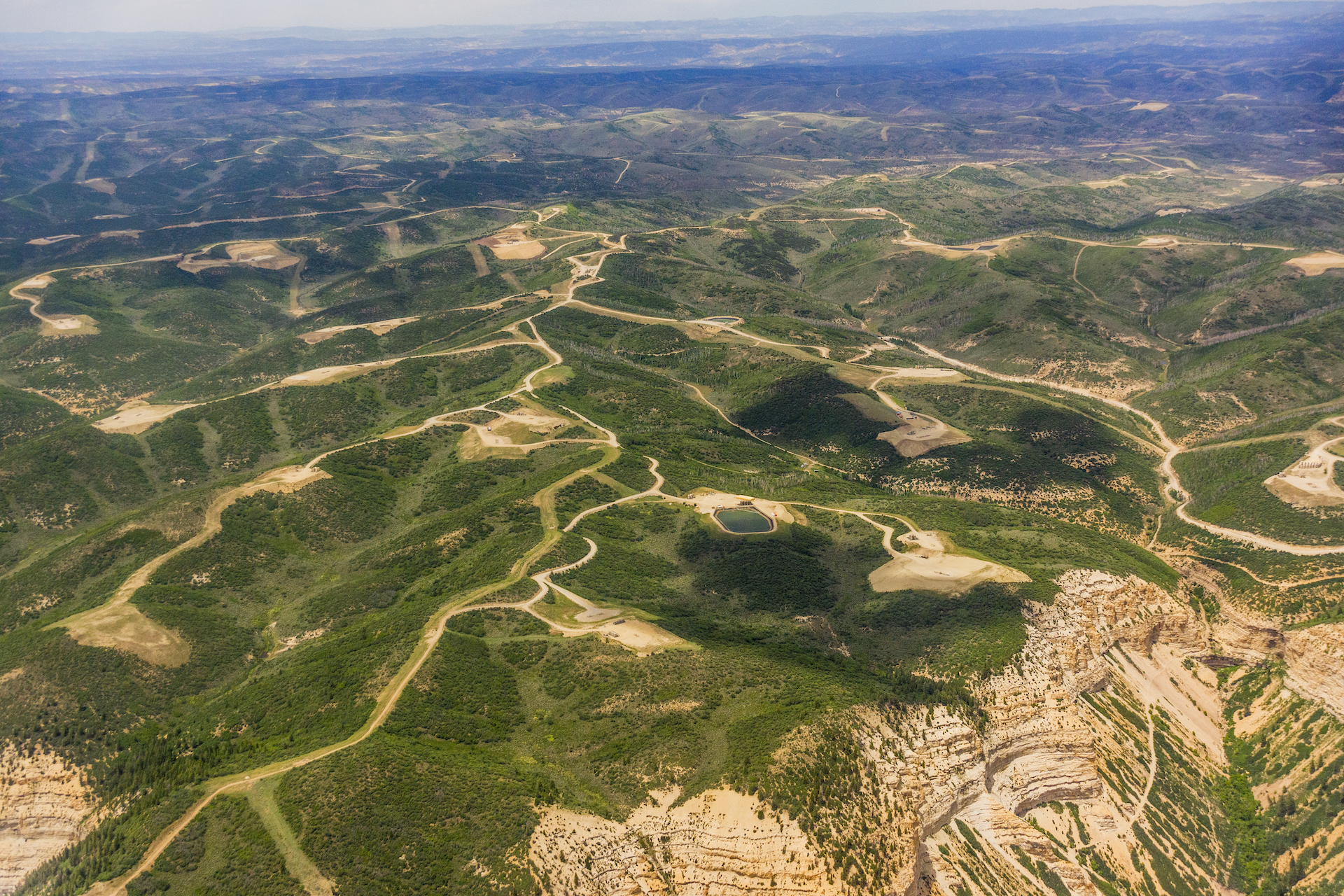
Oil and gas infrastructure is seen on the Roan Plateau in far western Colorado. (Courtesy of EcoFlight)

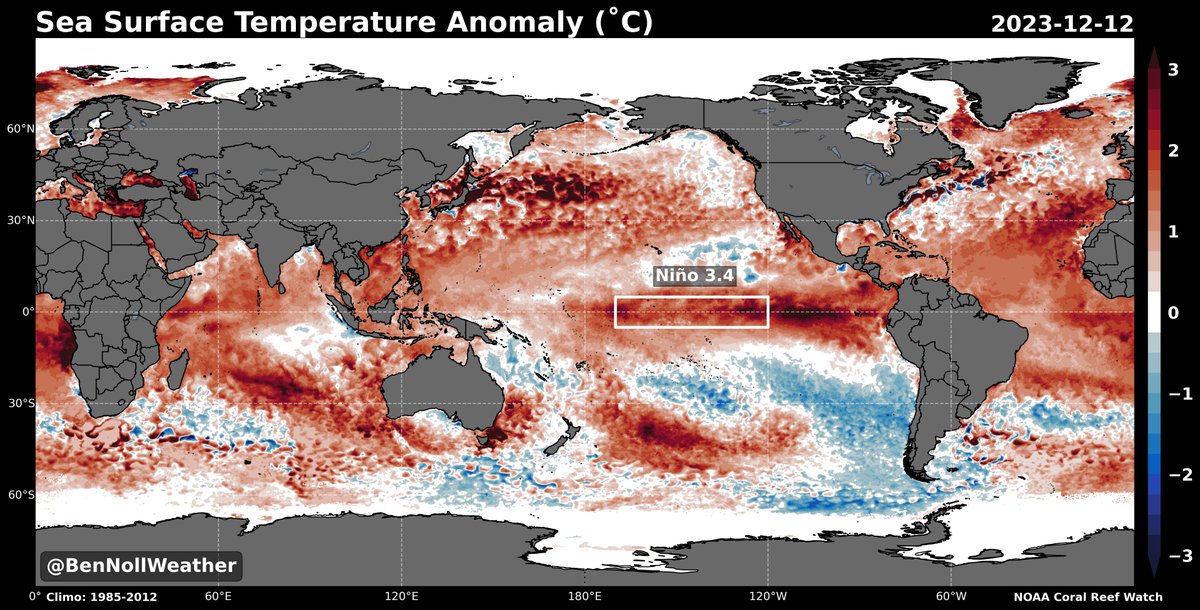
The key #ElNino monitoring region in the equatorial Pacific, NiƱo 3.4, has registered a 30-day anomaly of 2.0˚C above average for the first time during this El NiƱo event — @BenNollWeather #ENSO

Only 2015 & 1997 were warmer in NiƱo 3.4 over the same time period, dating back to 1981.