President Biden puts a plug in oil and gas flatulence: @EPA finally finalizes meaningful #methane rules — Jonathan P. Thompson (@Land_Desk) #ActOnClimate #KeepItInTheGround

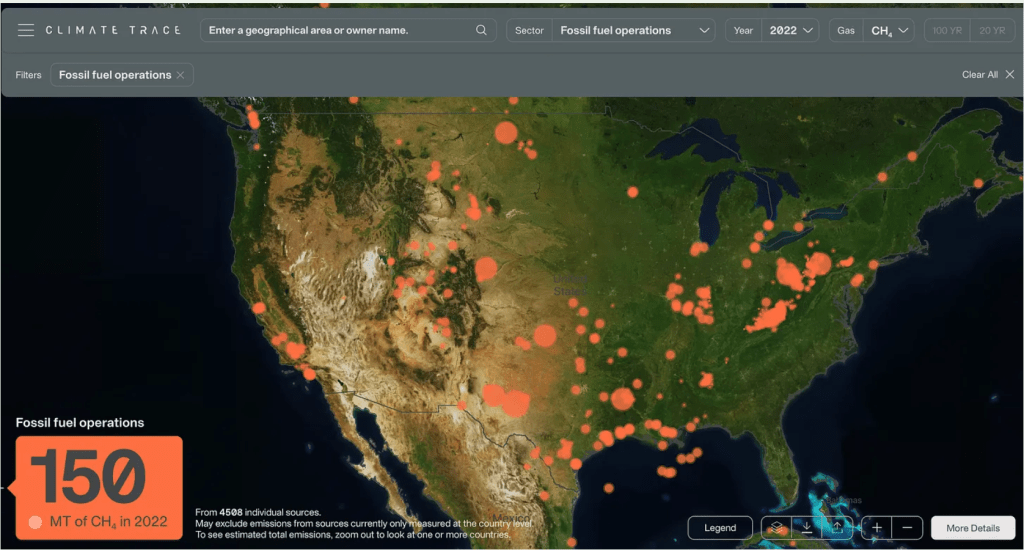
Interested in methane and other greenhouse gas emissions near you? Check out http://climatetrace.org, which allows you to see emissions from oil and gas fields, large individual facilities, and more. You can also break it down by industry.

Click the link to read the article on The Land Desk website (Jonathan P. Thompson):

A bunch of world leaders, a handful of activists and oodles of fossil fuel lobbyists are convened in the United Arab Emirates for the annual United Nations climate conference, or COP28. They’re doing a lot of talking about climate, but are they doing any doing to solve the climate crisis? Not a lot, but they did do some talking about doing. 

The Biden administration used the occasion to announce that it has finalized a rule aimed at slashing emissions of methane and other harmful pollutants from new and existing oil and gas wells, including low-producing or stripper wells. While it’s not the fossil fuel phaseout advocates may be hoping for, it is meaningful action that will protect the climate and the people who live in and near the nation’s oil and gas fields

Methane is the main ingredient in natural gas and is a potent greenhouse gas, having about 86 times the warming potential of carbon dioxide over the near-term (methane in the atmosphere breaks down into carbon dioxide and water over the long-term). Methane naturally occurs in coal seams and in oil and gas reservoirs. Oil wells also contain methane and other “associated gases” that can include health-harming volatile organic compounds and deadly hydrogen sulfide.

Sometimes the methane is captured, processed, and marketed as natural gas. But the entire system is prone to leakage, some of it intentional, most not. And when the driller is focused on oil, the methane and other gases are often vented directly into the air or flared, i.e. burned off. Either way, the oil and gas industry emits gobs of methane and other compounds, including nasty carcinogens like benzene. This is not only bad for the environment, but also wasteful: Natural gas lost to leaks or flaring is not taxed and generates no royalties, meaning the state and federal governments — i.e. the taxpayers — are losing out on millions of dollars each year

The Obama administration and then the Biden administration worked for years on regulations to tackle these emissions, but previous proposals have often come up short. Obama’s EPA, for example, implemented rules that would only cover new oil and gas wells, leaving the tens of thousands of wells contributing to the Four Corners Methane Hot Spot, for example, untouched (the BLM had its own set of rules for existing facilities). Earlier iterations also weren’t strong enough on flaring, didn’t regulate pneumatic controllers (a major emissions source) and exempted the low-producing wells that are common in the Western U.S. and that tend to be leakier than the big producers. 

The new rules, while providing some flexibility for operators, fill in most of the gaps in earlier drafts. They will phase out flaring on new wells; require leak-detection surveys on a monthly, bimonthly, or quarterly basis (depending on type and size of facility); and require even low-producing wells to pipe associated gases to market or use them to replace other fuels onsite if at all possible. The rules also allow the EPA to “leverage data collected by certified third parties to identify and address ‘super emitting’ sources.” 

Land and public health protectors generally have praised the new rule. The U.S. EPA has taken bold action to cut methane pollution from oil and gas production,” said Robyn Jackson, Executive Director of Diné C.A.R.E., in a written statement. “Inspections at smaller wells with leaky equipment are especially important at the older infrastructure we see in Navajo Country.” Jackson emphasized that it is now up to the Navajo Nation EPA — and other tribal nations and state governments — to implement the rules for existing sources, adding: “Both federal and tribal government action is critical to protect our communities, our health, and our future.”

For more on this topic, check out our four-part series, Methane Madness, from 2021:

Methane Madness: Part I

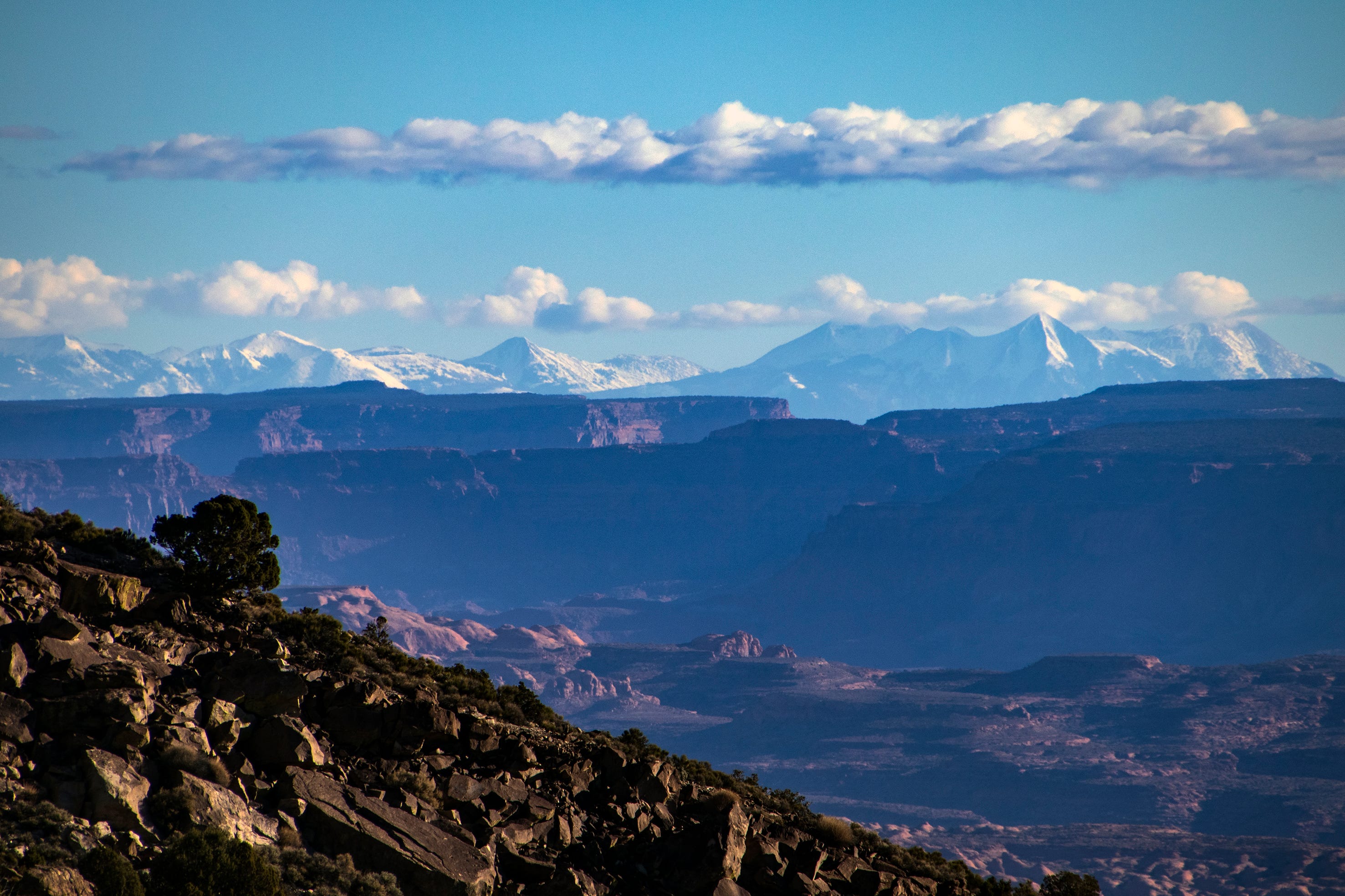
Methane producers in Southwest Colorado (a coalbed methane well and cattle). Jonathan P. Thompson photo.

Methane, it’s all the rage these days. Or maybe it would be better to say that it’s the outrage, since that’s what this greenhouse gas, consisting of one part carbon and four parts hydrogen, is causing. The alarm and outrage have surged in the wake o…

Read full story

 Data Dump #

Some folks will read the news about the methane rule and whatnot and get all upset about Biden waging a war on American energy production and compromising our energy independence and putting a bunch of roughnecks out of work. The data say: Not quite, buddy

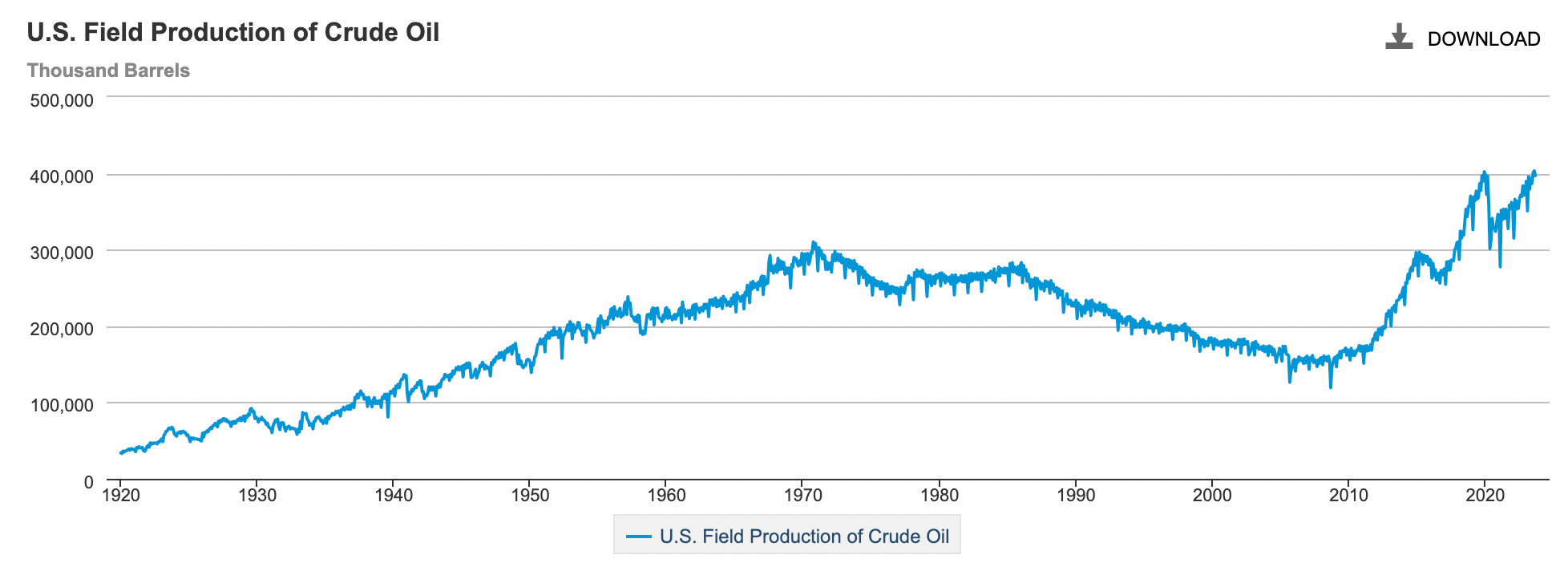
In fact, U.S. crude oil production hit a new all-time daily record high in September of this year and is on pace to set a new annual record, as well. That is to say, the hundreds of thousands of wells that pockmark the nation will suck nearly a billion more barrels of oil from the earth this year than they did during the energy crises of the 1970s and 80s. Ack!
Credit: Jonathan P. Thompson/The Land Desk

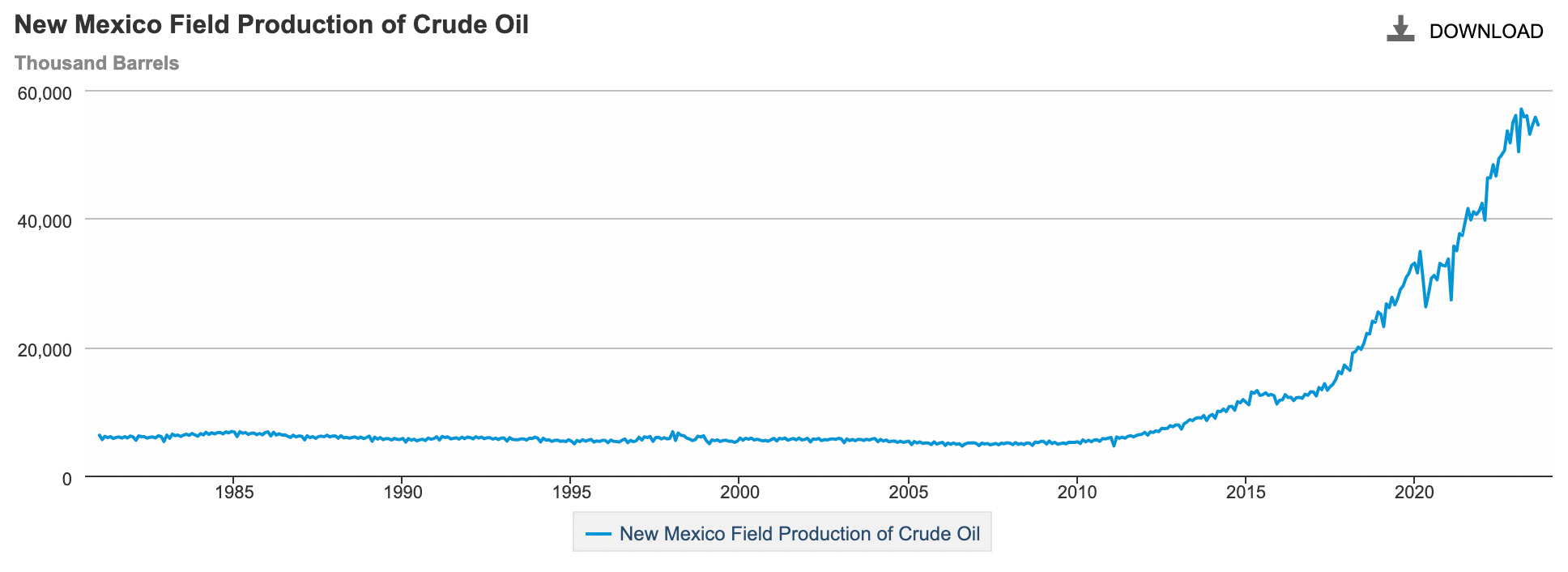
Most of the gains are due to a drilling frenzy in the Permian Basin, which stretches across southeastern New Mexico and western Texas. It’s one of the most productive fields in the world; it’s also one of the planet’s largest methane emitters.

  • 1.36 million: Tons of methane emitted from the New Mexico side of the Permian Basin oil and gas fields in 2022. 
  • 3.38 million: Tons of methane emitted from the Texas side of the Permian Basin oil and gas fields in 2022.
  • 133: Tons of methane emitted by the HollyFrontier Navajo Refinery in southeastern New Mexico in 2022. 
  • 35,951: Tons of methane emitted from the Colorado side of the San Juan Basin coalbed methane fields in 2022. 
  • 19,010: Tons of methane emitted from the now defunct San Juan Coal Mine in northwestern New Mexico in 2022. 
Credit: Jonathan P. Thompson/The Land Desk

And when you hear about how the new methane rules are going to hit oil and gas operators in the pocketbook, just keep this one number in mind:

$26.33 billion: Third quarter 2023 combined profits for the Permian Basin’s ten largest operators: Pioneer, EOG, ExxonMobil, ConocoPhillips, Occidental, Diamondback, Devon, Chevron, Mewbourne, and Endeavor. Yes, that’s for just one quarter!

This isn’t happening because of Biden, necessarily, but it’s also not happening in spite of his administration’s policies. Indeed, Biden is walking a fine line on oil and gas, approving big projects like Willow up in Alaska and approving thousands of drilling permits on public lands, while also implementing new regulations, establishing national monuments, and withdrawing millions of acres of federal lands from future oil and gas leasing.
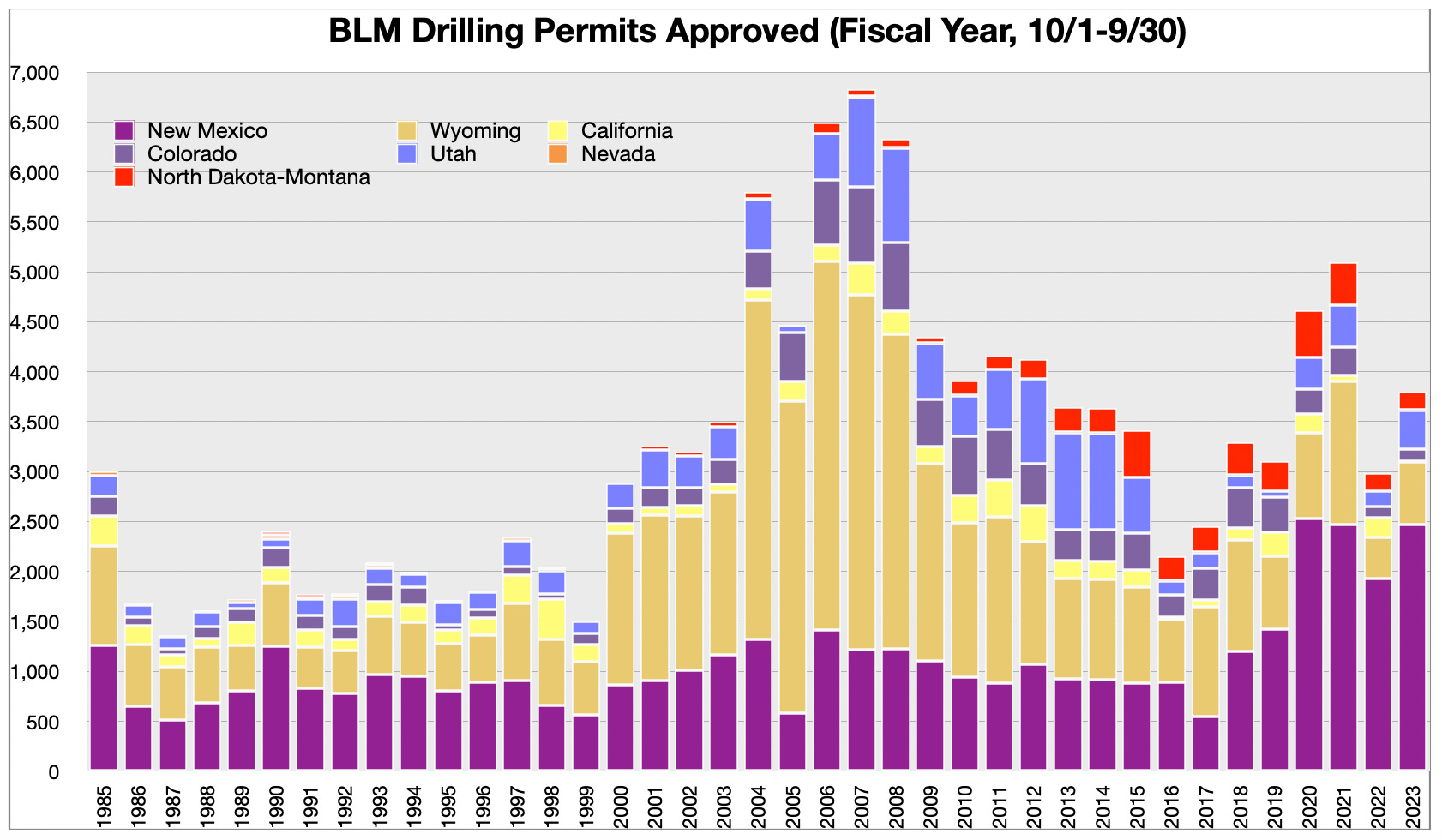
Biden is approving public land drilling permits at about the same rate as Obama did during the height of the drilling boom. Note: The high numbers in fiscal year 2021 are mostly attributable to the Trump administration, which issued thousands of permits in the months before Biden was inaugurated. So even though more permits were issued in 2023 than in 2022, Biden’s approval pace is still slower than Trump’s was in his final two years in office. Source: BLM; graphic by Land Desk.

Parting Shot

Photo credit: Jonathan P. Thompson/The Land Desk

Multi-group collaboration spawns better fishing in #Colorado — American Water Works Association #FraserRiver #ColoradoRiver #COriver #aridification

Fraser River fishing. Photo credit: Denver Water

Click the link to read the release on the AWWA website:

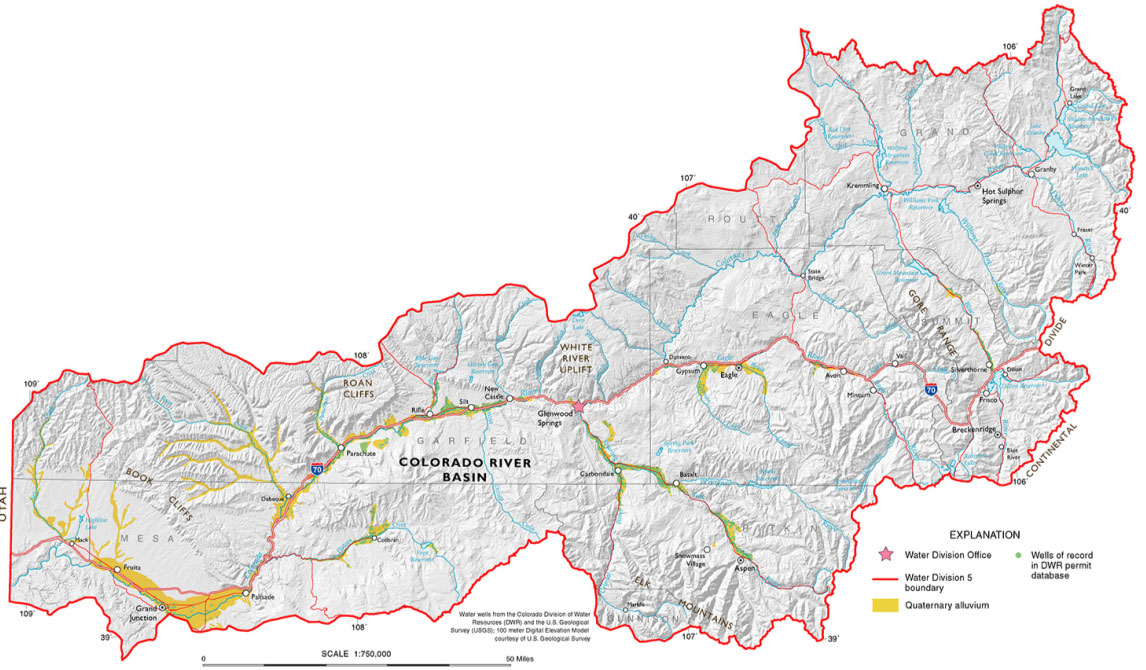
A collaborative agreement among several water partners will increase flows and improve the health of stretches of the Fraser River in Grand County, Colorado, popular for recreational activities. 

Several years of discussion and analysis led to the agreement, which stipulates that Colorado Water Trust, a nonprofit organization, will pay Grand County Irrigated Land Company (GCILC) to release water from the Meadow Creek Reservoir to increase flows in a section of the Upper Fraser River. This 10-mile stretch, between the cities of Winter Park and Tabernash, is a popular spot for fly fishing and an area where brown trout spawn in the fall.

The water released from the reservoir will go to Denver Water’s Moffat Collection System. In exchange, Denver Water will divert about five cubic feet per second less water from the Jim Creek collection point. The Coca-Cola Company and Swire Coca-Cola (Coca-Cola’s distributor in the western United States) are funding the transaction.

The agreement is for one year, but all parties involved hope to extend the agreement as part of a long-term solution to increase Fraser River flows.

“Historically, the Upper Fraser River near Winter Park has seen low flows, particularly in August and September when resident trout are starting their fall spawning migration,” said Tony LaGreca, project manager for the Colorado Water Trust, in a press release. Since 2001, the nonprofit has restored nearly 21 billion gallons of water to 600 miles of Colorado’s rivers and streams by developing and implementing voluntary, water sharing agreements.  

“Boosting flows at this time can help those fish have successful spawning runs and keep this valuable recreational fishery healthy,” LaGreca said. “We are fortunate to have an excellent partner in GCILC and we look forward to working with them long into the future to keep the Fraser River flowing strong.”

GCLIC, located in Granby, Colorado, operates an irrigation ditch that transports water to shareholders and leasing properties.

“By partnering with the Water Trust, GCILC hopes the releases of water from Meadow Creek Reservoir will, in a small way, help to mitigate the impacts to the watershed from the trans-mountain diversions, and be consistent with the Colorado River Cooperative Agreement,” said Mike Holmes, president of GCILC.

“Water in Colorado is complex, and this project has a lot of different entities involved to make sure Denver Water is kept whole in terms of water,” said Nathan Elder, manager of water supply at Denver Water. “Denver Water has the infrastructure to make it happen, Grand County Irrigators brought the water and Colorado Water Trust brought the money. All those made it work together.”

Colorado River Basin in Colorado via the Colorado Geological Survey

#Mancos Conservation District to receive $2.48 million federal grant — The #Cortez Journal #MancosRiver #SanJuanRiver #ColoradoRiver #aridification

Thanks to a federal grant through the U.S. Bureau of Reclamation, the Mancos Conservation District will build three permanent diversion structures on the Mancos River that will better facilitate irrigation and fish passage. The improved structures, seen here, are tiered so that fish can still swim upstream. (Courtesy of the Mancos Conservation District)

Click the link to read the article on The Cortez Journal website (Reuben M. Schafir). Here’s an excerpt:

The grant, part of the Bipartisan Infrastructure Law, is a ‘game-changer’ for the small district.

The funding will be used for infrastructure improvements, such as permanent diversion and water monitoring structures, and 650 acres of wildfire mitigation in the Mancos River watershed…

“We’re so grateful and thankful for this opportunity,” said MCD Executive Director Gretchen Rank. “We are really looking forward to working with our team at the Bureau of Reclamation and our private landowners here.”

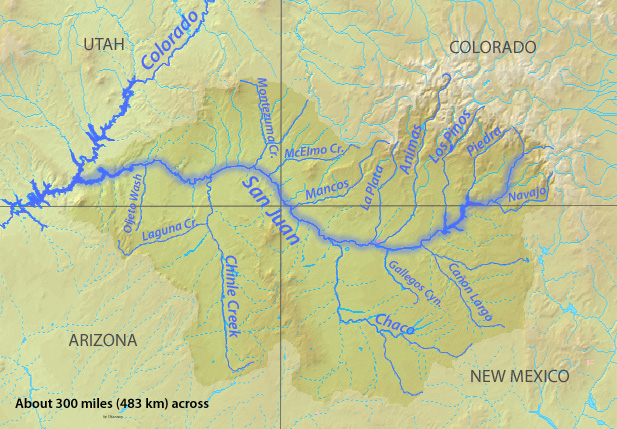
The Mancos River headwaters meet north of its namesake community, pass east of Mesa Verde before cutting southwest and ultimately converging with the San Juan River.

The grant will fund the conservation district’s work to benefit irrigators, as well as the ecosystem. The MCD will build three permanent diversion structures, replacing the push-up dams currently in place. The existing dams are made of stream bed material and are washed away regularly and tend to block fish passage. Instead, the push-up dams will be replaced by permanent tiered structures that create a consistent flow of water for irrigators and allow fish to pass…The project is part of an ongoing effort to enhance fish passage in the Mancos River. In addition to the three diversion installations, 10 existing diversion points will be upgraded with advanced metering technology…There are over 50 irrigation ditches in the Mancos River watershed, Wolcott said. Federal funding will also support wildfire mitigation work on 650 acres of forested private land and riparian zone invasive plant removal.

San Juan River Basin. Graphic credit Wikipedia.

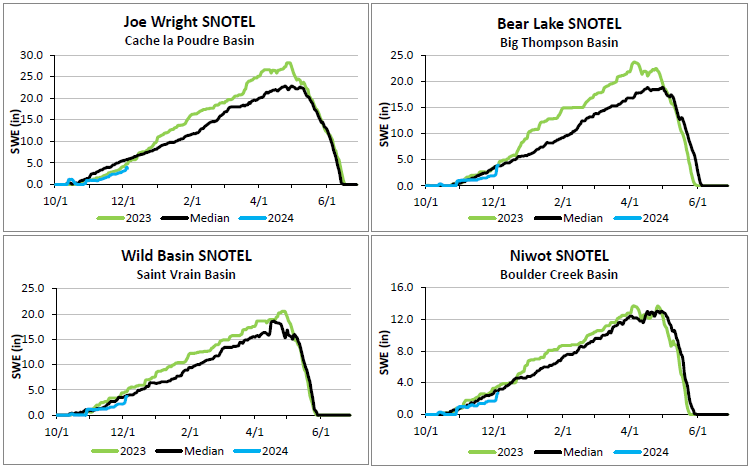
#Snowpack news December 6, 2023: Significant precipitation over the weekend brought most of our SNOTEL stations much closer to the median for this time of year — @Northern_Water

Credit: Northern Water

The total snow water equivalent at the Upper Colorado sites is on average 89% of median and the South Platte sites are at 87% of median.