Click the link to read the release on Governor Polis’ website:
December 1, 2023:
Today, the Polis administration released the first on-its-kind Climate Preparedness Roadmap that identifies ways Colorado can better understand, prepare for, and adapt to the impacts of climate change, and outlines actions the administration will take to protect Colorado’s future. The report looks at risks facing Colorado specifically and how the impacts of climate change will affect the future of the state.
Here is what leaders, experts, and organizations are saying about Colorado’s action to better prepare for the future impacts of climate change:
“The completion of Colorado’s first-ever climate adaptation-focused roadmap by the Office of Climate Preparedness and Disaster Recovery is a huge milestone, underscoring the state’s proactive stance in preparing for and addressing our climate challenges. This vital work not only signifies a commitment to resilience but also exemplifies Colorado’s leadership in taking tangible steps towards an adapted, sustainable and climate-ready future,” said Ben Livneh, Associate Professor, CU Boulder and Director, Western Water Assessment, a NOAA CAP/RISA Team.
“We know that climate change is impacting Coloradans and the state’s rich wildlife resources in substantial ways. The Climate Preparedness Roadmap is an important step in approaching these impacts proactively to ensure a future where people and nature thrive,” said Carlos Fernandez, Colorado State Director, The Nature Conservancy.
“It’s exciting to see the Polis administration building on its efforts to combat the impacts of climate change. The Climate Preparedness Roadmap does an excellent job identifying and prioritizing the most impactful actions that must be implemented in the future if we are to ensure that the most vulnerable communities are not subject to further environmental injustices,” said Luke Schafer, West Slope Director, Conservation Colorado. “While efforts to reduce emissions are critical, we must strive to have a more equitable Colorado and this means creating resilient systems that help communities across the state alongside the lands, waters and wildlife that make our state unique and beloved.”
Jeri Curry, Executive Director of Marshall ROC-Restoring Our Community, the Marshall Fire long term recovery group said “We are encouraged by the efforts of the Governor and the Office of Climate Preparedness and Disaster Recovery and their commitment to coordinating a multi-stakeholder and community level approach to wildfire mitigation and adaptation actions. The need to prepare for, and help to prevent, future catastrophic wildfires in Colorado is urgent.”
“Increasing our resilience in the face of climate-driven stresses and hazards is a major challenge. I’m excited for our state’s leadership in this arena and applaud the Governor’s office for tackling the challenge of improving coordination across various state efforts and with partners across Colorado,” said Courtney Schultz, Associate Professor of Forest and Natural Resource Policy, CSU and Director of the Climate Adaptation Partnership. “We look forward to continued partnership and work together as we collectively draw upon our strengths to build a climate-resilient future for Coloradoans.”
“Colorado has undertaken a monumental effort to engage communities statewide and coordinate action across agencies to address our climate challenges. Colorado now has a data-driven roadmap to build climate preparedness over the next critical few years. The commitment to revisiting this plan every three years shows that Colorado is serious about tracking progress and updating strategies on climate adaptation over time. This plan represents a strong step in the right direction,” said David Rojas-Rueda, MD, MPH, PhD, Assistant Professor, Epidemiology, Colorado State University, CDPHE Environmental Justice Advisory Board Member.
“The roadmap marks another great step for Colorado partners and our great outdoors,” said Great Outdoors Colorado (GOCO) Executive Director Jackie Miller. “Its focused, forward-thinking approach to climate adaptation will help inform Colorado’s Outdoors Strategy, a regionally rooted, statewide vision and action plan for conservation, recreation, and climate resilience,” said Jackie Miller, Executive Director, Great Outdoors Colorado (GOCO).
“This roadmap represents a proactive approach to the critical work of helping our communities adapt to climate change and become more resilient. It reflects the best-available science and data to inform management scenarios that are going to make Coloradoans better prepared for our future.” said Jennifer Balch, Associate Professor of Geography, CU Boulder and Earth Lab Director, fire ecology researcher.
“It is inspiring to see the State of Colorado take action and invest in projects like the Climate Preparedness Roadmap. Risk to communities—from hazards such as wildfires, floods, and drought—has grown substantially in the past decade. It is critical to apply the best science, evidence-based practice, and resources to prepare for, mitigate against, and adapt to the changing environment,” said Jennifer Tobin, Assistant Director, Natural Hazards Center, University of Colorado Boulder. “This Roadmap is building the foundation for a safer and more sustainable Colorado.”
“Acclimate Colorado, a health and climate initiative of the Colorado Health Institute, is honored to have partnered with the governor’s Office of Climate Preparedness and Disaster Recovery in the release of the state’s inaugural Climate Preparedness Roadmap,” said Karam Ahmad, Director, Acclimate Colorado, Colorado Health Institute. “The roadmap and its implementation signal a crucial step in advancing climate adaptation to safeguard Coloradans from the pressing impacts of climate change. These actions, led by state agencies, alongside the collaborative efforts of the Climate Preparedness Office, will lead to tremendous progress toward the preparedness and protection of Colorado’s communities.”
“Climate change is a real and growing threat to Colorado. We are experiencing longer and more severe heat waves, increased severity of wildfires, changing streamflows, and increased water stress all around our state. As someone who has helped document climate vulnerability and impacts on agriculture and other ecosystems, I believe we need to both respond now to current conditions and prepare for the continued changes that are projected over coming decades. This is why I am so excited to see the Governor and his team develop a climate preparedness roadmap for our state. Thinking ahead on a statewide level can help us adapt effectively, safeguard our communities, reduce risks to businesses and livelihoods, and protect the ecosystems and natural areas that are so important to all of us,” said Peter Backlund, Associate Director, School of Global Environmental Sustainability.
“The focused climate adaptation information in this Roadmap will help inform the Colorado Resiliency Framework update in 2025. Given the scale of the challenge, our partnership grows the state’s capacity to foster a more resilient Colorado,” said Anne Miller, Director of the Colorado Resiliency Office in the Colorado Department of Local Affairs
“Cities have unique challenges and opportunities when it comes to the impacts of the climate crisis, and Denver is proud to work hand in hand with the State of Colorado to ensure our communities are climate adaptive, resilient places where all Coloradans can thrive,” said Elisabeth Cohen, Adaptation and Resiliency Manager with Denver’s Office of Climate Action, Sustainability and Resiliency.
Here’s the executive summary from the roadmap:
Colorado will celebrate its 150th birthday in 2026 and urn 200 in 2076. As we imagine what we want Colorado to be like at those milestones, we recognize that better understanding, predicting, preparing for and adapting to the realities of a changing climate are foundational to a healthy and prosperous Colorado.
Colorado is already experiencing the impacts of climate change. These trends have been described for decades by the world’s foremost climate experts, many of whom call Colorado home. They have long described the realities we now see unfolding in real time. In both large and small ways, Coloradans are being affected by extreme heat and warming temperatures, wildfires, drought, flooding, and combinations of these events. These hazards have very real impacts on natural systems, the built environment, economic sectors, and people and communities, especially those communities that face higher vulnerabilities and disproportionate impacts.
Colorado has important differences from other states and regions. Our elevation, low humidity, topography, and other special characteristics significantly influence how we experience climate change and can provide some notable opportunities and benefits compared with other states or regions.
The Climate Preparedness Roadmap places a focus on climate adaptation — the state’s near-term actions to reduce risks and prepare for the future impacts of climate change. At the same time, Colorado continues to be a national leader in reducing Greenhouse Gas pollution, and is concurrently producing its second roadmap focusing on reducing the pollution that causes climate change through the deployment of clean technologies across all sectors of Colorado’s economy. While these efforts are coordinated, they maintain distinct areas of focus, analysis and outcomes.
This roadmap shares state government agencies’ actionable and achievable near-term steps toward climate adaptation. Included in this roadmap are next-step actions across multiple agencies and offices for near-term implementation. Where needed, these actions are coordinated with any other plans or actions to avoid duplication amongst ongoing state efforts. Updated every three years and based on iterative learning, the Climate Preparedness Roadmap charts the next steps on the path for a climate adapted, healthy, and prosperous future Colorado.
KEY TAKEAWAYS

Colorado Faces Significant Climate Hazards and Risks
Colorado is already experiencing the impacts of climate change. A warming climate is projected to increase these impacts through hazards such as extreme heat, wildfire frequency, and drought, while decreasing snowpack and water availability. These are key hazards with high levels of certainty, and they pose high climate risk to Colorado.
Approaches to Climate Adaptation: Must Factor in Colorado-Specific Needs
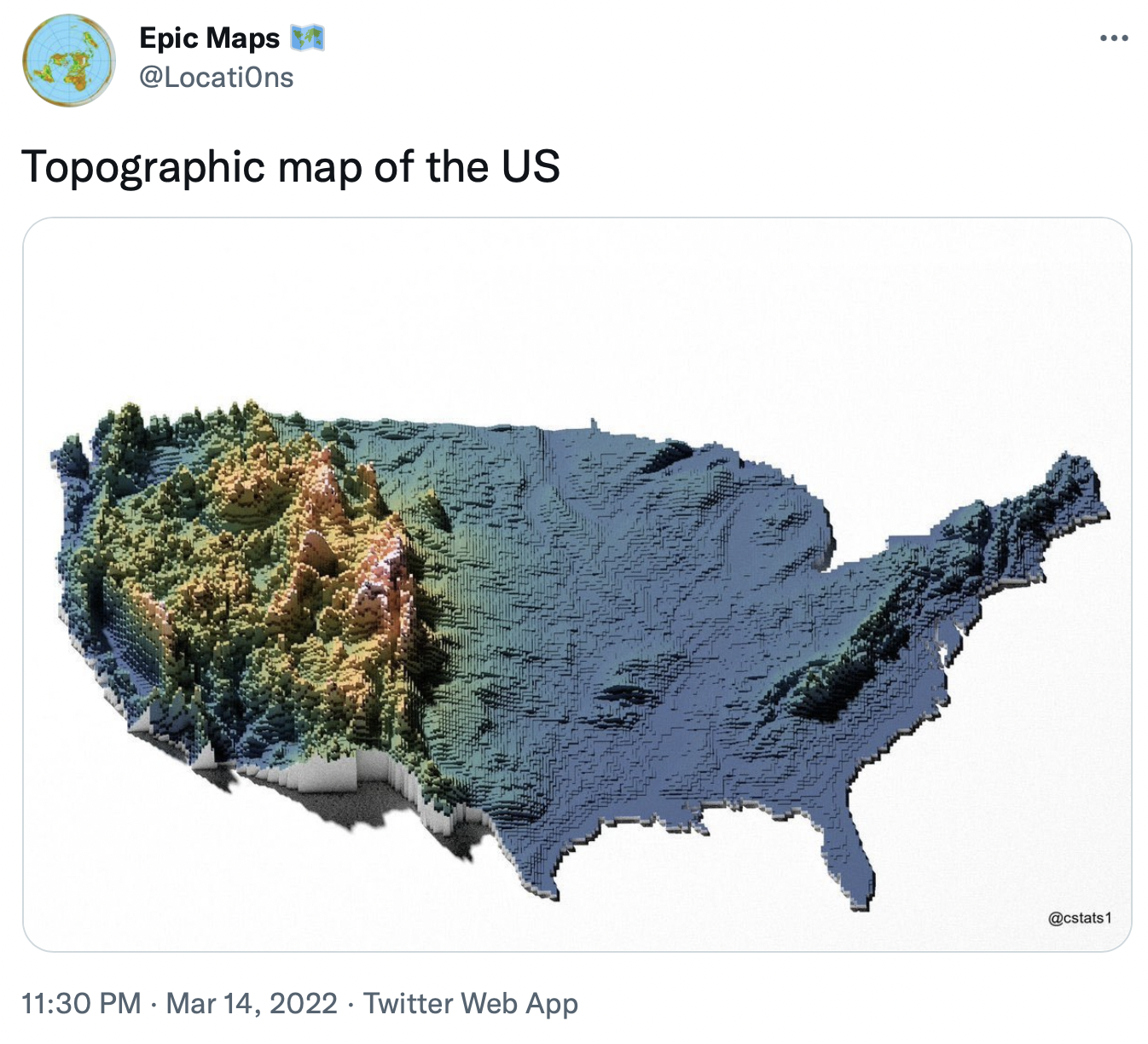
Adaptation solutions should take into account Colorado-specific needs and Colorado-specific opportunities. Unique characteristics like elevation, dry air and topography will influence how Colorado experiences climate change impacts. Our understandings and interventions should take these into account to support better prioritization, efficiency, and Colorado-specific outcomes.
Climate Risk is a Function of Multiple Interconnected Factors, and Varies Across Colorado
A climate risk assessment layers climate influenced hazards with types of exposure on top of areas of vulnerability to provide an aggregated view of the domains and geographic regions most at risk. By analyzing these interplays, we can better develop Colorado-tailored adaptation strategies and prioritize near-term actions. For instance, extreme heat will have the most pronounced effects on the Eastern Plains and specific areas of the Western Slope, as well as population centers when overlapped with urban heat island effects. The state’s overall aging population and disproportionately impacted communities face higher vulnerabilities and exposures to many types of climate impacts.

Near-Term Progress on Climate Adaptation Requires: Identifying and Understanding Areas of Focus
The state has and continues to do a great deal on climate resilience and adaptation — even indirectly. This report found several areas that deserve prioritization or continued direct climate adaptation focus, including: extreme heat; adaptation within natural systems including biodiversity; drought and water scarcity; agriculture and outdoor workers; wildfire mitigation and preparedness; compounding impacts such as flood after fire; and areas home to disproportionately impacted and vulnerable communities. In addition, actions supporting improved coordination and collaboration, education and technical assistance, research and integration into existing programs, and community-centered approaches deserve proactive focus. While the state should and will continue to act and adapt to known climate risks throughout state government, new or increased coordinated efforts and focus are important for these priority areas.