#RioGrande flow at Otowi in decline, fancy graph edition — John Fleck (InkStain.net)

Changing Rio Grande flow at Otowi over time. Credit: John Fleck/InkStain

Click the link to read the article on the InkStain website (John Fleck):

February 2, 2024

I’ve been updating the crufty old code I use to generate graphs to help me (and colleagues) think about river flows.

This one’s a little busy, so maybe for specific nerd colleagues’ use, and not general consumption?

It’s based on a request from a friend who uses these, and asked for a visualization of the wet 1981-2000 period compared to the drier 21st century. This is an important comparison given that a whole bunch of New Mexicans (including me!) moved here in the wet 1980s and ’90s, which created a sense of what’s “normal.”

It’s important to note that this is not a measure of climate, at least not directly. This is a measure of how much actual water flows past the Otowi gage, which is a product of:

  • climate-driven hydrology adding water
  • trans-basin diversions adding water (“trans basin diversion” singular, I guess, the San-Juan Chama Project)
  • upstream water use subtracting water
  • reservoir management decisions moving water around in time (sometimes reducing the flow by storing, sometimes increasing it by releasing)

I get so much out of staring at these graphs. A few bits from this one, which I did a few evenings ago curled up with my laptop in my comfy chair:

  • Look at the curves around Nov. 1 – a drop as irrigation season ends, following by a rise as managers move compact compliance water down the river to Elephant Butte. Makes me curious about what they were doing back in the ’80s and ’90s in November.
  • This year’s winter base flow is low.

At some point soon I’ll get the updated code onto Github, but it’s not quite ready for sharing. (I’m rewriting it in Python, because learning is fun!)
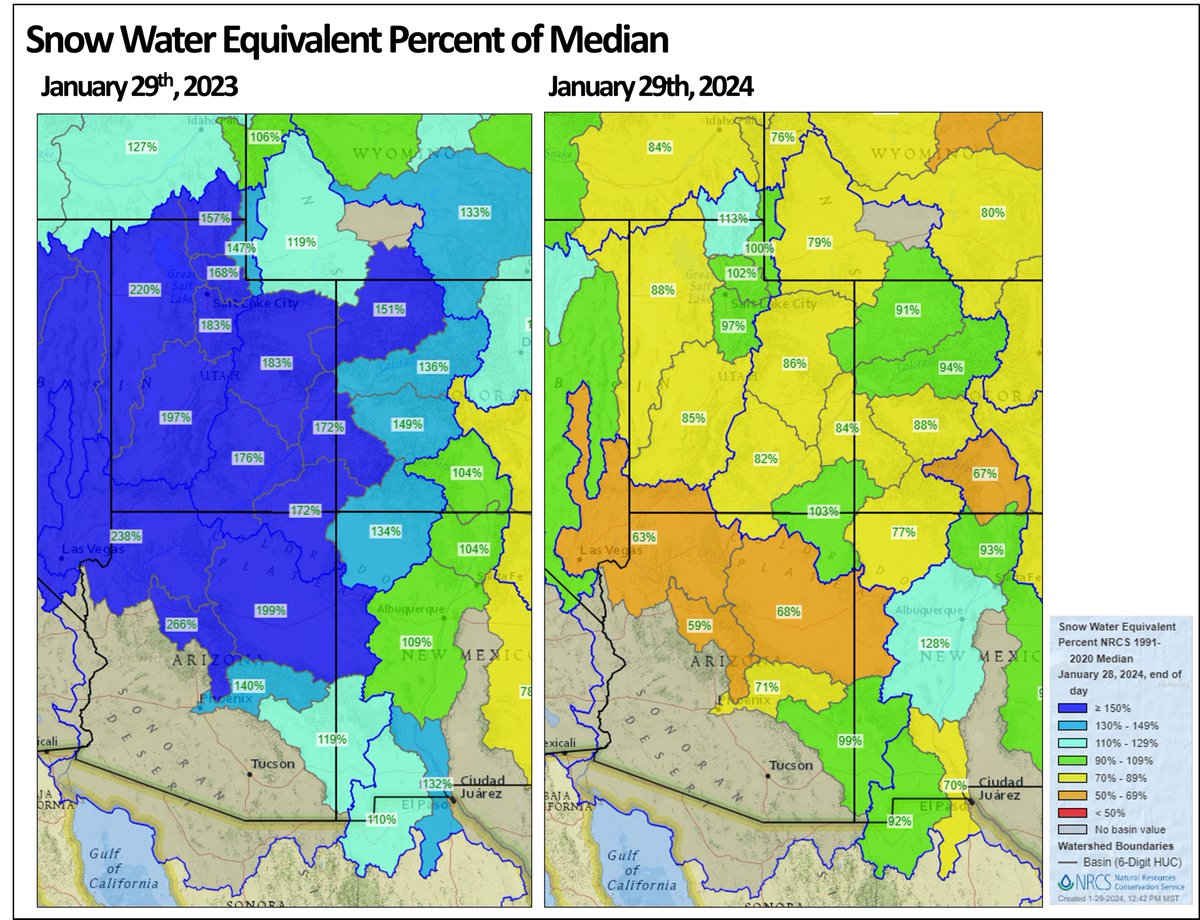
Compared to 2023, the current water year might seem underwhelming — #Colorado Basin River Forecast Center #ColoradoRiver #CORiver #aridification

Despite overall drier conditions compared to last year, several basins in the CBRFC area are either nearing or at normal SWE levels for this time of year.

#Colorado fines Suncor $10.5 million for air pollution violations — Denver7.com #KeepItInTheGround #ActOnClimate

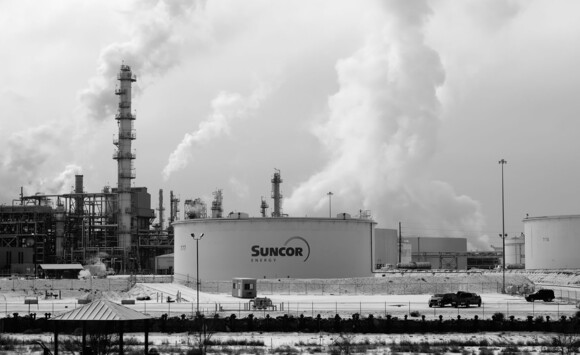
Denver, Colorado, USA – January 12, 2013: The Suncor Energy refinery in Denver, Colorado. Based in Calgary, Alberta, Suncor Energy is a Canadian oil and gas company with revenues of over 35 Billion Canadian Dollars. Photo credit: City of Boulder

Click the link to read the article on the Denver7.com website (Robert Garrison). Here’s an excerpt:

February 5, 2024

The Colorado Department of Public Health and Environment slapped Suncor Refinery with a $10.5 million fine for air pollution violations from July 2019 through June 2021, the agency announced Monday. The Commerce City refinery must also double the number of air pollution monitors compared to the refinery’s original fenceline monitoring plan, according to the CDPHE’s largest enforcement package against a single facility. Of the $10.5 million Suncor has to pay the state, only $2.5 million of that is related to penalties it accumulated in the time period specified above and includes:

  • Exceeding sulfur dioxide, carbon monoxide, and nitrogen oxides emissions limits.
  • Exceeding hydrogen sulfide concentration limits.
  • Exceeding opacity and visible emissions standards.
  • Failing to meet certain operating parameters.
  • Violations due to causes other than power disruptions.

No less than $8 million will go toward projects Suncor must complete, the CDPHE said in a news release.

Nearly finalized New #BlueRiver agreement to provide more water for #ColoradoSprings — The Colorado Springs Gazette

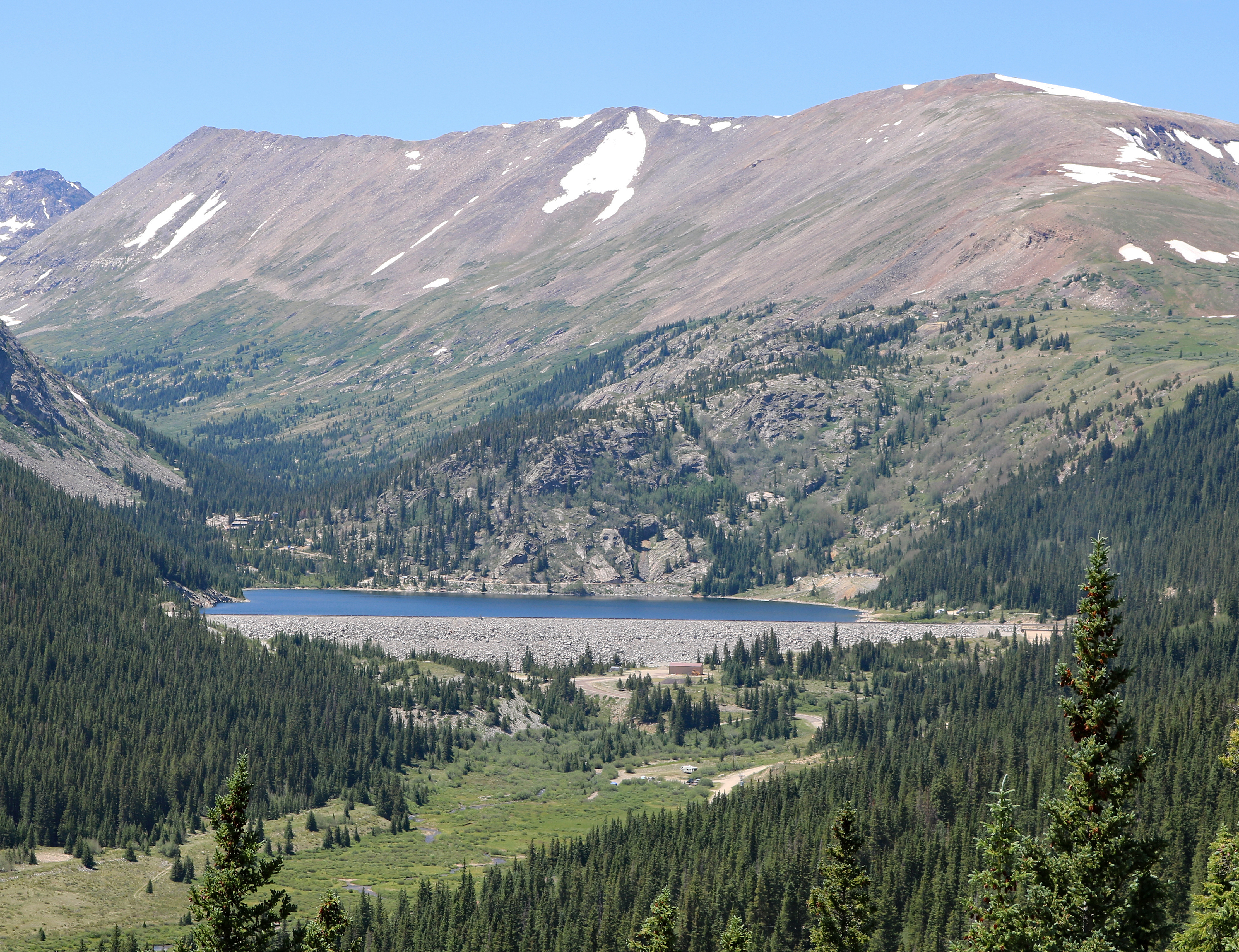
A view of Montgomery Reservoir in Park County, Colorado. The mountain behind the reservoir is North Star Mountain. By Jeffrey Beall – Own work, CC BY 4.0, https://commons.wikimedia.org/w/index.php?curid=92368569

Click the link to read the article on The Colorado Springs Gazette website (Breanna Jent). Here’s an excerpt:

February 4, 2024

If approved by all seven subject parties, the agreement will settle about nine years of debate and allow Colorado Springs Utilities to expand its Montgomery Reservoir in Park County, between Alma and Hoosier Pass, to increase Colorado Springs’ water supply, officials with the city-owned utility told its board of directors in mid-January.

“The agreement gives more certainty in our Blue River water supply. For the general customer, it brings more reliability for how we go forward and what our future looks like” as Colorado Springs continues to grow, said Abby Ortega, Colorado Springs Utilities’ general manager of infrastructure resources and planning…

The deal too will advance plans to build a new water reservoir at the southern base of Quandary Peak for use by Summit County and the town of Breckenridge. All six Western Slope entities have approved the agreement — Breckenridge, Summit County, the Colorado River Water Conservation District, the Ute Water Conservancy District, the Orchard Mesa Irrigation District and the Grand Valley Water Users Association. The Colorado Springs City Council, which acts as the Utilities Board of Directors, will vote on the proposal Feb. 13.

Colorado Springs Collection System via Colorado College.