
Click the link to read the article on the KUNC website (Alex Hager):
April 12, 2024
This story is part of ongoing coverage of water in the West, produced by KUNC in Colorado and supported by the Walton Family Foundation. KUNC is solely responsible for its editorial coverage.
Conservation groups are calling for changes to the management of Lake Powell, the nation’s second largest reservoir, after the discovery of damaged plumbing within the dam that holds it back.
The damage is to Glen Canyon Dam’s “river outlet works,” a critical set of small tubes near the bottom of the dam that were originally intended to release excess water when the reservoir is nearing full capacity.
The reservoir is currently only 32% full, beleaguered by climate change and steady demand. Water experts think the river outlet works may soon become the only way to pass water from Lake Powell, situated in far northern Arizona, to the Colorado River on the other side. Experts worry that damage to those tubes could impede the ability to use them regularly.
It’s the latest twist in the saga of Glen Canyon Dam, which has been at the center of recent concern about the shrinking Colorado River, even before news of the damaged pipes came to light. Water experts fear Lake Powell could drop so low that water would be unable to pass through hydropower turbines that generate electricity for about 5 million people across seven states. If it falls even lower, water would be unable to pass through the dam at all, keeping it out of the Grand Canyon just downstream of Lake Powell.

The threat of that reality has led nonprofit advocacy groups to sound the alarm.
“I think it’s really important for people to recognize how much of a threat this is to our water delivery system,” said Eric Balken, executive director of the Glen Canyon Institute. “This is a really big infrastructure problem, and it has a big impact on how water is managed throughout this whole basin.”
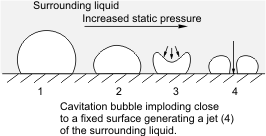
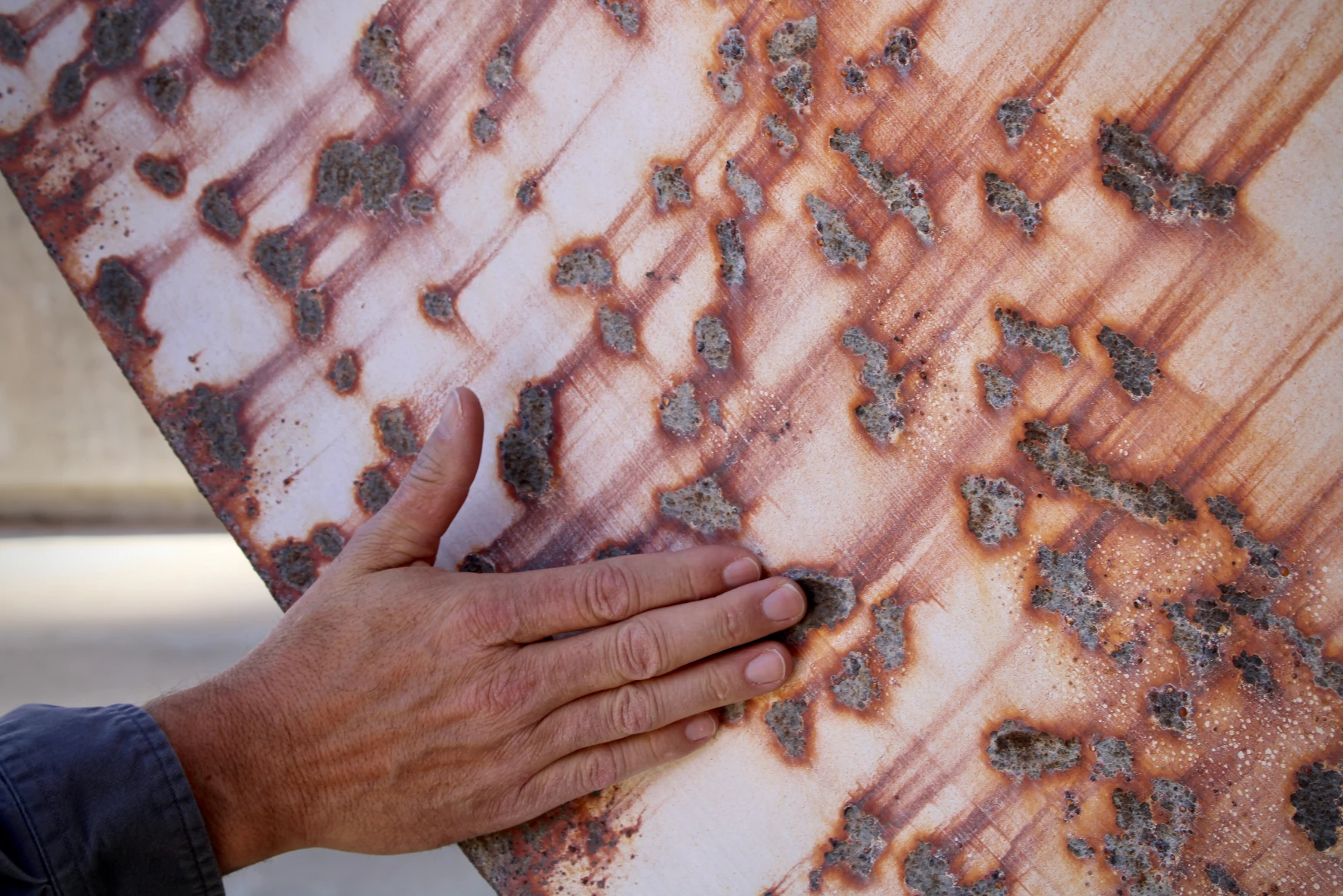
The recent damage to the outlet works is the product of a process called “cavitation.” It happens when small air bubbles in the water pop while passing through the dam’s plumbing. That implosion is strong enough to create shock waves that tear away small chunks of protective coating on the insides of pipes.
In recent years, the outlet works has been used to release temporary bursts of water designed to boost ecosystems in the Grand Canyon. The cavitation damage was discovered during inspections of the pipes after a series of those planned water bursts in April 2023.
In an informational webinar on Monday, Reclamation officials explained the damage and said it was not the result of one specific event, but has occurred over time.
Nick Williams, Upper Colorado River power manager for the Bureau of Reclamation said cavitation damage is more likely when reservoir levels are low.
The river outlet works can still carry water, but will require repairs – such as a fresh coating of epoxy that is scheduled for either later this year or early 2025.
Legal risk and harm to fish
Even with a fully functioning river outlet works system, those pipes are only capable of carrying a relatively small amount of water. If the outlet works become the only means of passing water through the dam, the Colorado River’s Upper Basin states – Colorado, Wyoming, New Mexico, and Utah – could fail to meet a longstanding legal obligation to pass a certain amount of water to their downstream neighbors each year.
The Colorado River Compact, a 1922 legal agreement that forms the foundation of modern water management in the arid West, requires the Upper Basin to pass 7.5 million acre-feet of water to the Lower Basin states of California, Arizona and Nevada each year.
An acre-foot is the amount of water needed to fill one acre of land to a height of one foot. One acre-foot generally provides enough water for one to two households for a year.
Lake Powell is often described as the Colorado River’s “savings account,” where the Upper Basin states stash water to make sure there’s always enough to meet their legal requirement to send some downstream. Then, the Lower Basin stores those water deliveries in Lake Mead, its “checking account.” Mead, he nation’s largest reservoir, holds water that will eventually flow to cities such as Las Vegas, Phoenix and Los Angeles, as well as sprawling farm fields in California and Arizona.

Conservation groups have cited the limited capacity of the outlet works in previous calls to change the way Lake Powell is managed. The recent damage, they said, could make the outlet works unusable, only worsening the challenge of keeping water flowing downstream from Lake Powell.
“If you lose your job, you don’t go out and buy yourself an elaborate dinner, justifying it by saying, ‘I still have money in my checking account,’” said Zach Frankel, executive director of the Utah Rivers Council. “You go, ‘Wow, I lost my income. I better look at my expense budget and see if it’s time to tighten my belt.’ The Colorado River Basin has not yet learned to do that.”
In recent years, Lake Powell has barely stayed high enough for water to pass through hydropower turbines. That’s the result of a shell game by water managers, who have shuffled water into Lake Powell from upstream reservoirs on an emergency basis.
Damage to the outlet works also raises concern about invasive fish entering a section of the Colorado River that flows through the Grand Canyon. Dropping water levels have allowed invasive smallmouth bass to swim through to the other side, where they can eat native humpback chub, a species protected by the Endangered Species Act.
Recently, federal water managers released plans to help protect those at-risk chubs. Those plans partially hinge on the ability to release cold water through the river outlet works and into the Grand Canyon. Wildlife advocates criticized those plans even before the news of damage to the river outlet works, which could further jeopardize native fish conservation efforts.
Fixes for the future
The seven states which use the Colorado River are currently caught in a standoff about how to cut back on water demand. They are currently negotiating a new set of rules for sharing the river, designed to replace the current guidelines that expire in 2026—but are stuck at an ideological impasse.
That new set of rules could theoretically introduce a long-term plan for managing the West’s major reservoirs sustainably, allowing water managers to move on from a patchwork of emergency measures that have only temporarily staved off problems at Glen Canyon Dam.

Balken, with the nonprofit Glen Canyon Institute, said policymakers should consider major changes to how the dam is operated.
“If we’re going to update this river system to be climate resilient, and if we’re going to upgrade our infrastructure to deal with what climate change is handing us, we really have to take a hard look at bypassing Glen Canyon Dam,” Balken said.
In March, Upper Basin and Lower Basin states each released competing plans for post-2026 river management. Later a coalition of environmental nonprofits released their own. A group of tribes that use the Colorado River has issued a set of principles it hopes will be incorporated into future water management.
The Biden administration is urging states to find compromise before the end of 2024, in hopes of averting any complication that could be brought on by a change in presidential administration following the November election.
