
Click the link to read “Nine practices from Native American culture that could help the environment” on The Washington Post website (Samuel Gilbert). Here’s an excerpt:
Zuni waffle gardens
Certain ancient practices could mitigate the deleterious effects of global warming. From building seaside gardens to water management in desert terrain, these time-honored practices work with the natural world’s rhythms. Some might even hold the key to a more resilient future and a means of building security for both Indigenous communities and other groups disproportionately impacted by climate change.
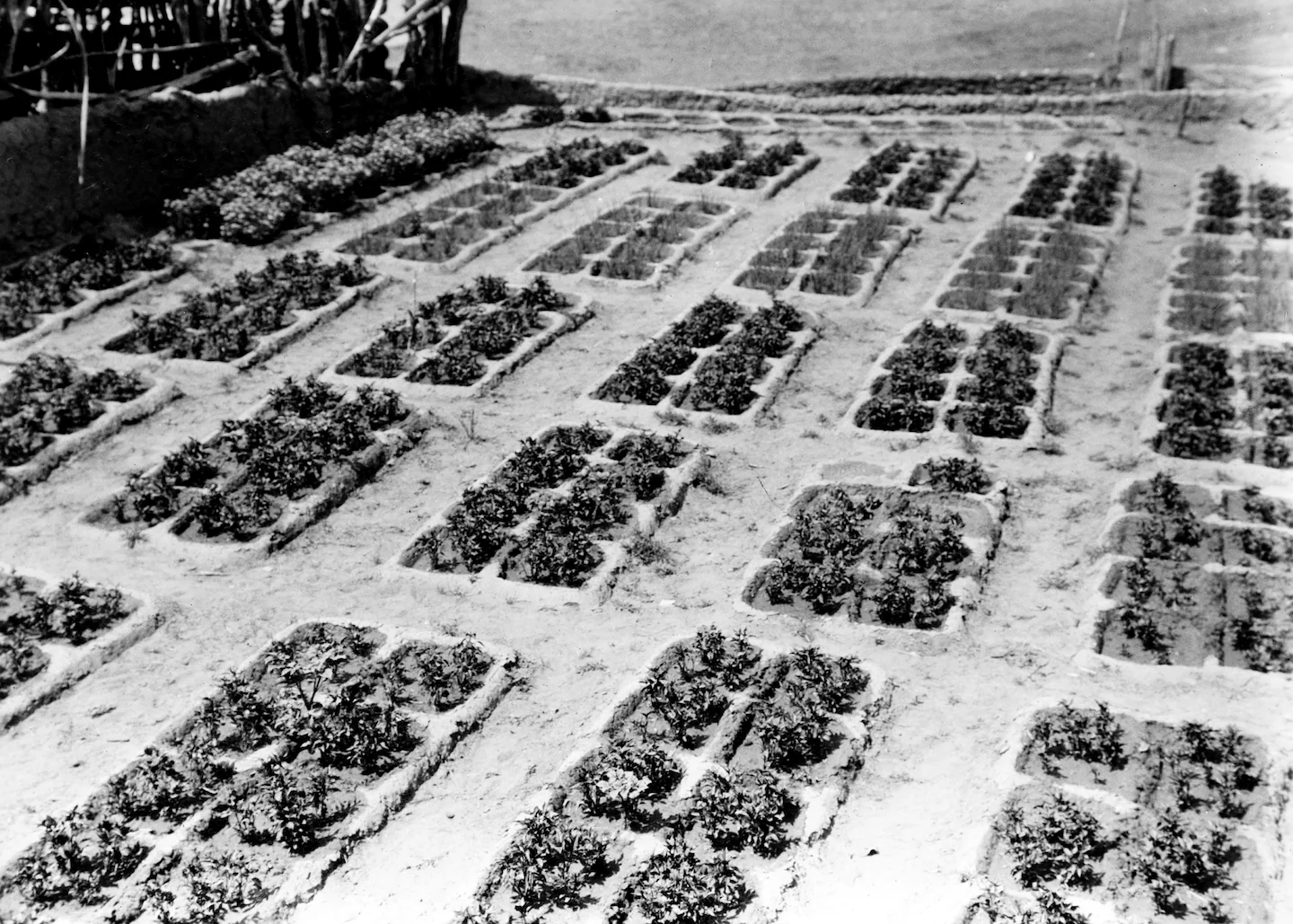
[jim] Enote has continued this ancient garden design, creating rows of sunken squares surrounded by adobe walls that catch and hold water like pools of syrup in a massive earthen waffle. The sustainable design protects crops from wind, reduces erosion and conserves water…
‘Good fire’
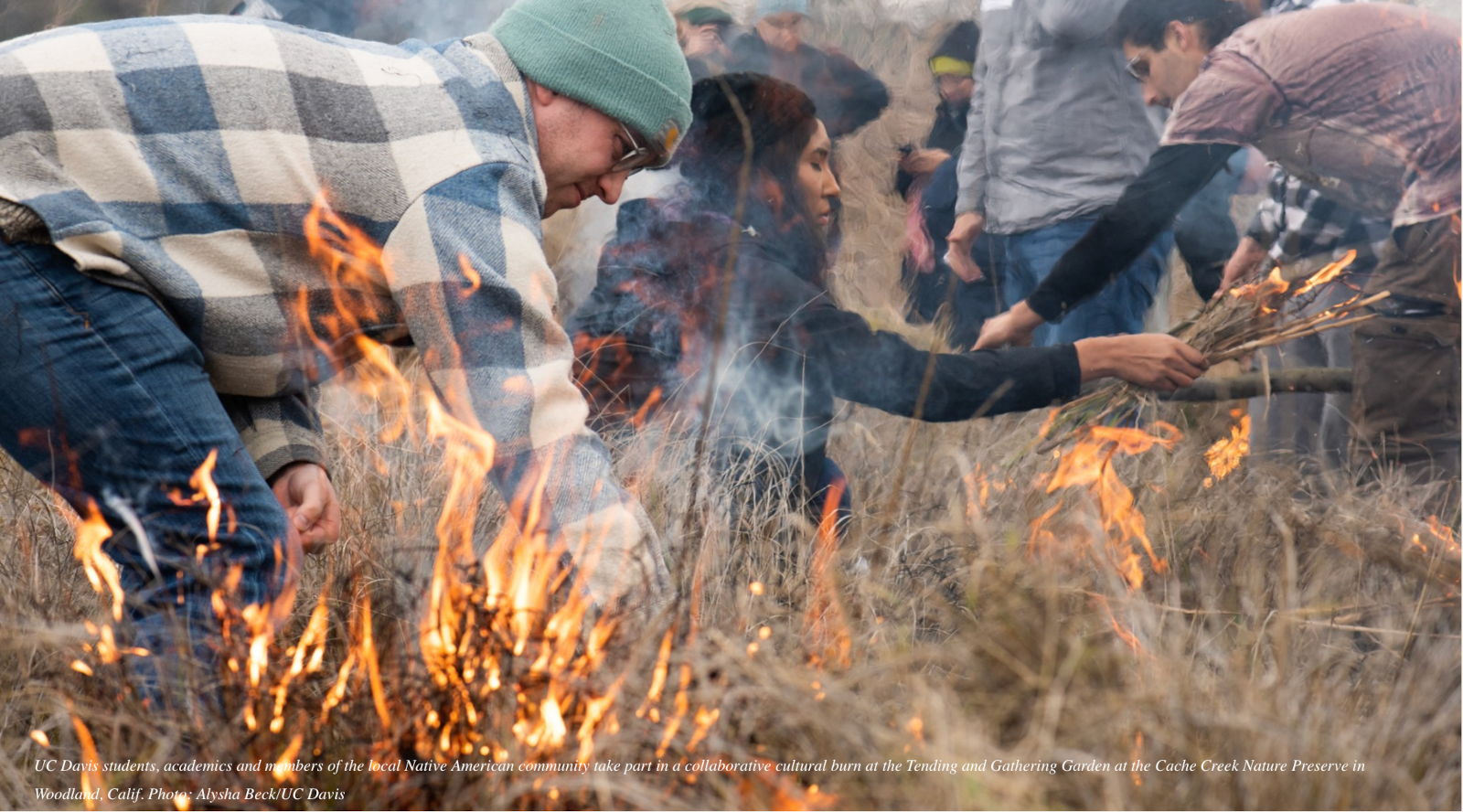
Before European settlers traveled to the American West, Indigenous people managed the landscape of northern California with “cultural burns” to improve soil quality, spur the growth of particular plants, and create a “healthy and resilient landscape,” according to the National Park Service.
“The Karuk have developed a relationship with fire over the millennia to maintain and steward a balanced ecosystem,” said Bill Tripp, director of natural resources and environmental policy for the Karuk Tribe. “A good portion of the resources that we depend on, in the natural environment, are dependent on fire.”
[…]
Ancient irrigation
In New Mexico, there are 700 functioning acequias, centuries-old community irrigation systems that have helped the parched state build water resilience. These acequias — a design from North African, Spanish and Indigenous traditions — were established during the 1600s. The name can refer to both the gravity-fed ditches filled with water and the farmers who collectively manage water. Unlike large-scale irrigation systems, water seepage from unlined acequias helps replenish the water table and reduce aridification by adding water to the landscape. The earthen ditches mimic seasonal streams and expand riparian habitats for numerous native species…
The original carbon capture technology
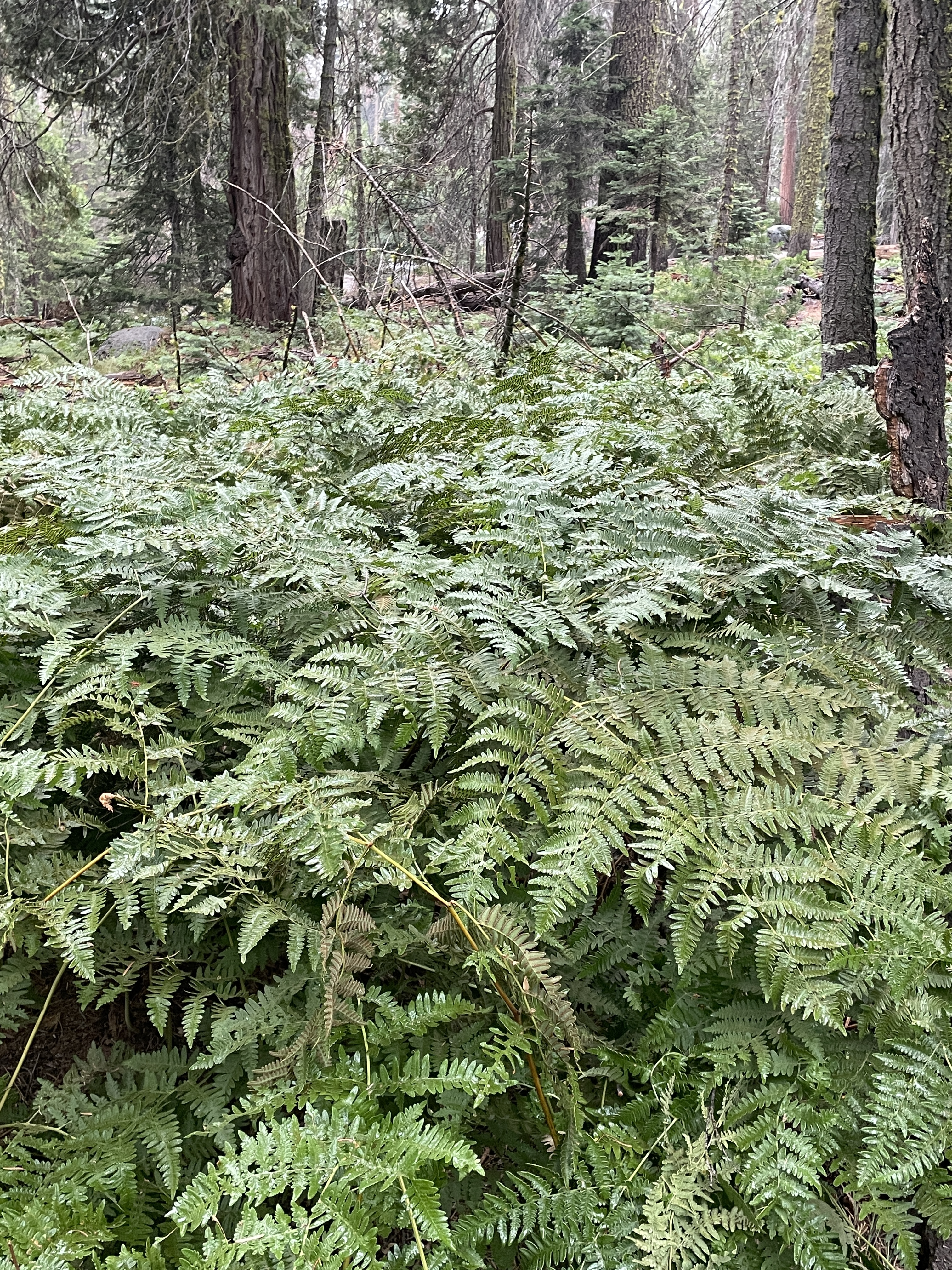
U.S. forests are carbon sinks, sequestering up to 10 percent of nationwide CO2 emissions. Indigenous forestry can play a critical role in reducing global warming by restoring biodiversity and health to these ecosystems, including the management of culturally significant plants, animals and fungi that contribute to healthier soil…
Dryland farming
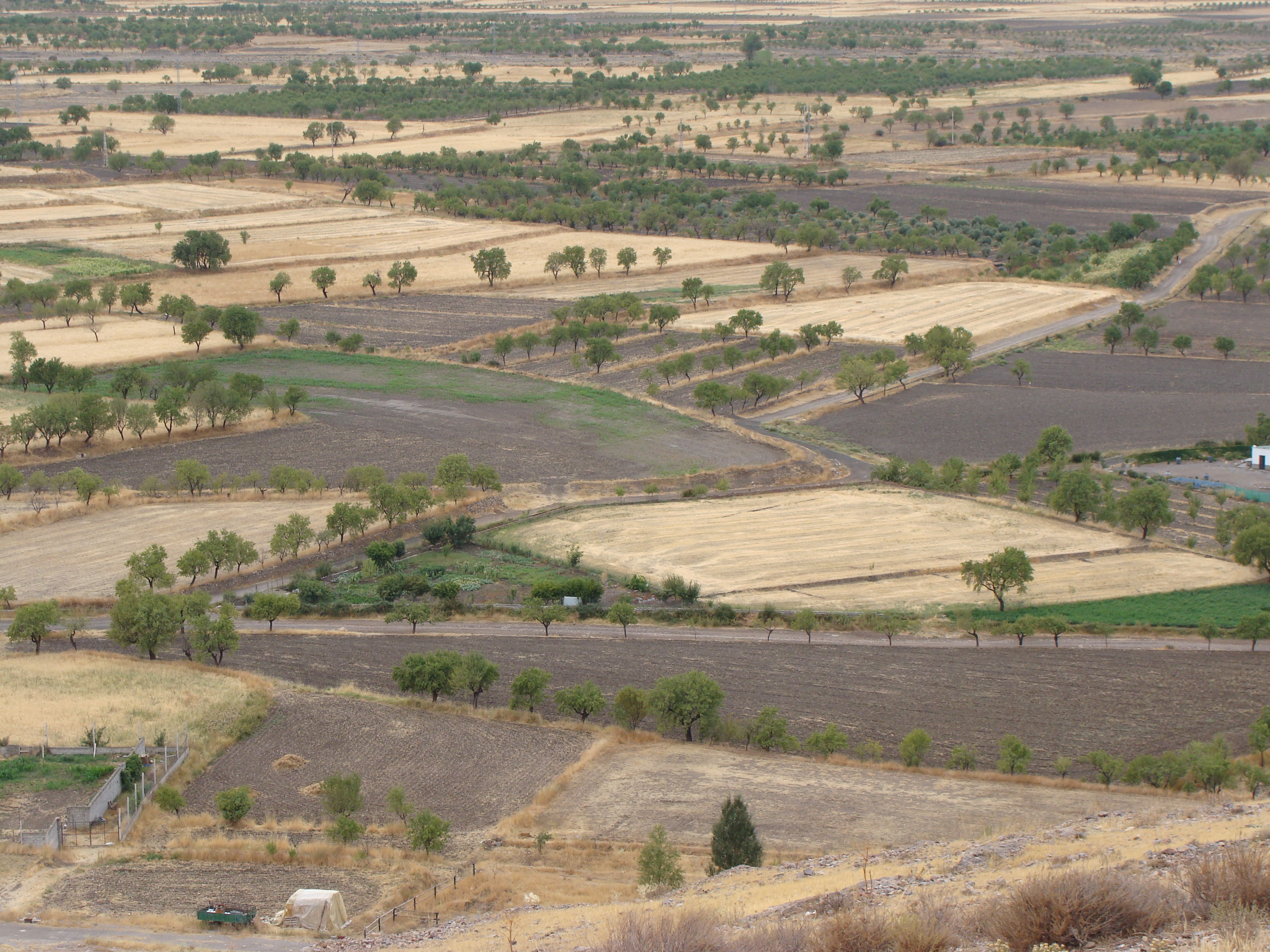
The Hopi nation in Arizona receives an average of 10 inches of rain per year — a third of what crop scientists say is necessary to grow corn successfully. Yet Hopi farmers have been cultivating corn and other traditional crops without irrigation for millennia, relying on traditional ecological knowledge rooted in life in the high desert…

Restoring salmon runs
In recent decades, an Indigenous-led plan has begun to restore salmon runs on the Klamath River. The salmon began to disappear in 1918 when the first of five dams blocked the path of the Chinook salmon as they made their way upstream to spawn…
Resilient seeds
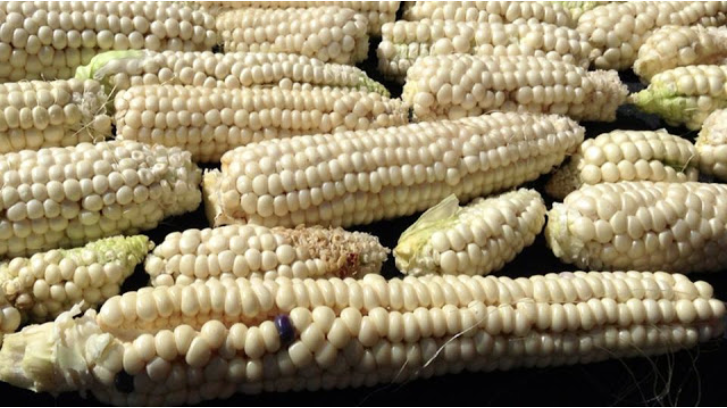
Seventy-five percent of global crop diversity has been lost in the past century, further threatening food security as agriculture becomes increasingly vulnerable to climate change…
Swinomish clam gardens
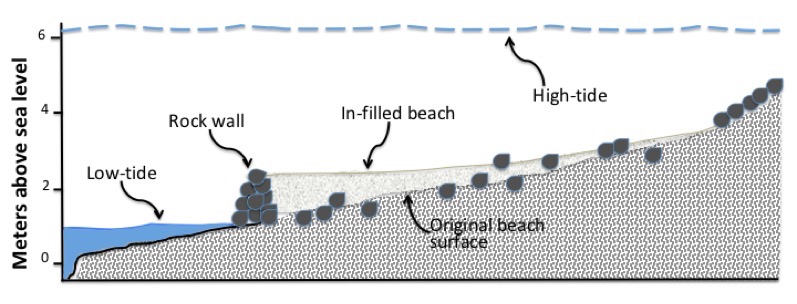
When Swinomish fisherman Joe Williams walked onto the shore of Skagit Bay in Washington to help build the first modern clam garden in the United States, he was overwhelmed with a sense of the past and present colliding. “It was magic, really,” said Williams, who also serves as the community liaison for the Swinomish tribe. “I could feel the presence of my ancestors.”
[…]
Climate-smart Indigenous design
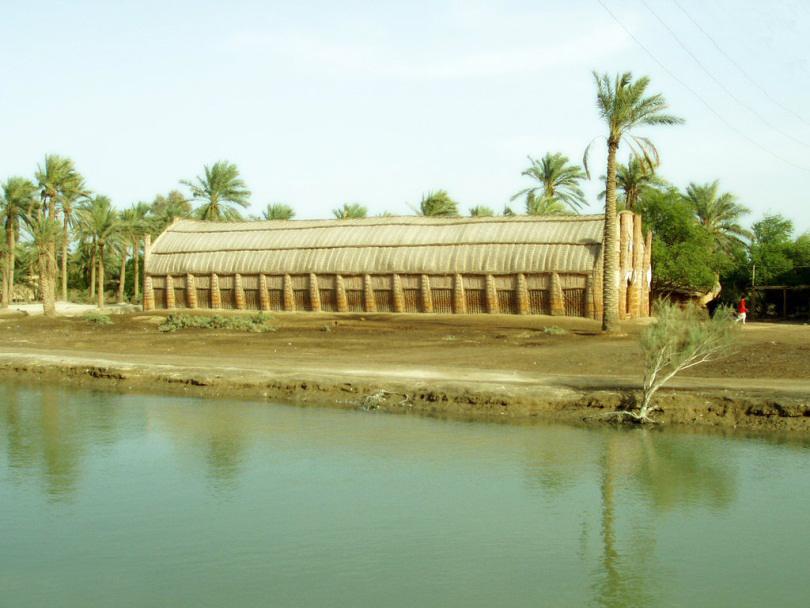
In the field of architecture, Indigenous knowledge and technologies have long been overlooked. Julia Watson’s book “Lo—TEK: Design by Radical Indigenism,” published in 2019, examines Indigenous land management practices that represent a catalogue of sustainable, adaptable and resilient design, from living bridges able to withstand monsoons in northern India to man-made underground streams, called qanats, in what is now Iran…