Click the link to read the release on the NOAA website:
November 19, 2024
Marine microplastics are an urgent issue. Much of the world population consumes seafood as a source of protein, and microplastics can threaten this sustainable food source.

With further research, scientists can gauge how microplastics impact human health, fishing industries, and our marine ecosystems.
Understanding the existing distributions and quantities of microplastics in the global ocean is a vital first step towards combating microplastic pollution. This requires scientists, researchers, and decision-makers to have access to large-scale, long-term comprehensive microplastics data.
Atlas of Ocean Microplastics
Debuting in 2024, the Atlas of Ocean Microplastics (AOMI) is a database of ocean surface microplastics data created by Japan’s Ministry of the Environment, AMOI is created in collaboration with researchers, research institutions, and governments around the world. Data from the NCEI Marine Microplastics Product are available through AMOI, which is in keeping with NCEI’s commitment to data findability, accessibility, interoperability, and reuse of digital assets (FAIR Principles). AOMI is also sharing microplastics data with NCEI’s Marine Microplastic database, making both databases more complete to best serve users.
Since the data are from many different publicly-available sources, AOMI quality controls the data and adds a comparability grade to each data according to the Guidelines for Harmonizing Ocean Surface Microplastic Monitoring Methods. AOMI also visualizes where the data was collected and thus the distribution of ocean surface microplastics around the globe on an interactive map.
AOMI is available to the public. Users can view and download all data for free, and filter the data according to their own purposes and uses.
Marine Microplastics Unraveled
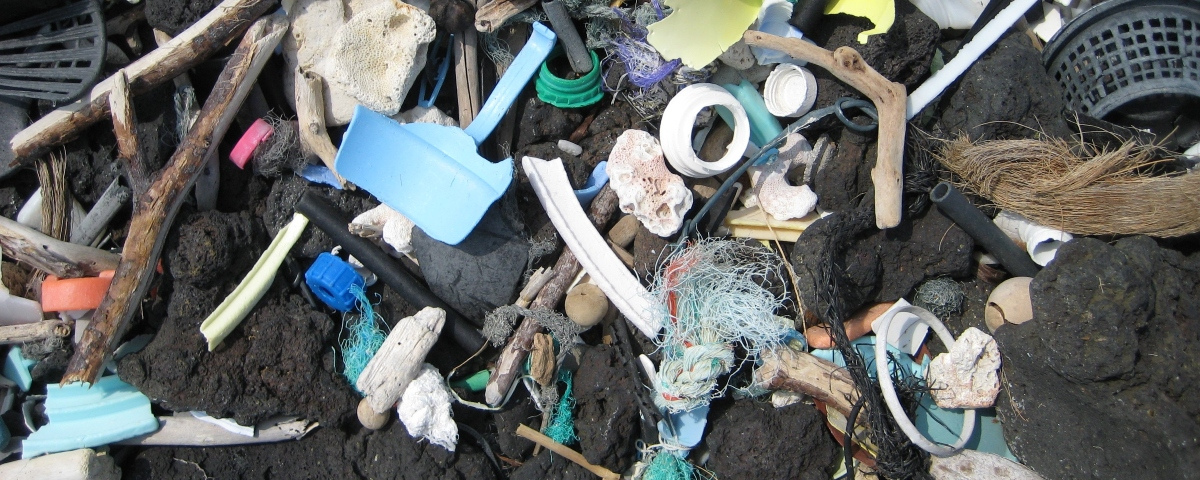
Microplastics, including those found in the marine environment, are pieces of plastic or fibers less than 5 mm—smaller than a sesame seed. Any plastic product, including single-use plastics like bottles and plastic bags, along with plastics in items like cosmetics, can eventually become marine pollution.

There are many different types of microplastics, including beads, fragments, pellets, film, foam, and fibers.
Some microplastics are made to be small for a specific purpose. These primary microplastics can be plastic pellets that are melted and used to create larger plastic items, or the microbeads that may be found in personal care products, such as toothpaste, face washes, and cosmetics.
Secondary microplastics come from larger pieces of plastics, such as beverage bottles, bags, and toys. Sun, heat, wind, and waves can cause these plastics to become brittle and break into smaller and smaller pieces that may never fully go away. Microplastics are also created when pieces of plastic break off during use. For example, particles of synthetic tires can break off during regular use and through wear and tear.
Similarly, our clothing, furniture, and fishing nets and lines may produce plastic microfibers, another type of secondary microplastics. These fibers are extremely common on shorelines across the United States, and are made of synthetic materials, such as polyester or nylon. Through general wear or washing and drying, these tiny fibers break off and shed from larger items.
No matter where we live on the globe, we all have a role to play in taking action in reducing plastic waste through more responsible behaviors to help keep our environment clean. Products like the AOMI and the NCEI Marine Microplastics Product give everyone access to microplastic concentration data that can guide future work and help visualize our progress.