
From The Arizona Daily Star (Tony Davis):
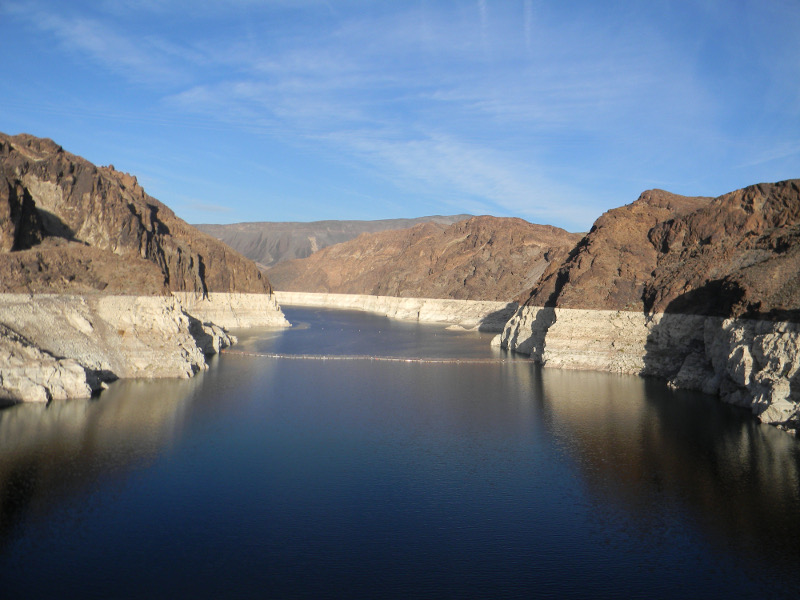
A long-term plan for protecting Lake Mead and preventing severe shortages in deliveries of Colorado River water to Arizona and two other states won’t be approved before the Obama administration ends, throwing more uncertainty into the outlook.
While the three states keep discussing a drought contingency plan, Arizona water officials say they’ve reached general agreement with water users here for a shorter-term fix for Lake Mead’s chronic declines.
The Arizona plan calls for cities, farms and Indian tribes to keep enough water in Mead through 2019 to lower the risks of the first round of shortages of Central Arizona Project water deliveries. Such shortages would hurt agriculture significantly, although not enough to threaten viability of the CAP, which delivers drinking water to Tucson and Phoenix and irrigation water to central Arizona farmers.
Federal and state water officials announced at [the Colorado River Water Users Association Annual Conference in Las Vegas] last week that too many issues remain unresolved to wrap up the major regional drought plan, in the works for three and a half years. They’re optimistic agreement can be reached next year and perhaps in the first few months. They said they hope that if they’re close to agreement, the new Trump administration won’t want to change it radically.
The Arizona plan can act as a bridge, helping the over-allocated Colorado River water system until a long-term plan is in place, said Arizona Water Resources Department and CAP officials at the Colorado River Water Users Association conference.
Standing in the way of the short-term fix, however, is money. It will cost up to $60 million to compensate Arizona users who give up their CAP water to make the short-term plan work, said Terry Fulp, Lower Colorado regional director for the U.S. Bureau of Reclamation, which runs the river reservoir system.
Asked how confident he is of finding that money in the next few months, Fulp replied, “That’s a really good question. I don’t know if we have a really good answer. All I can tell you is that we’re working hard to do that.”
Meanwhile, standing in the way of the long-term fix are two longstanding water disputes in California. One is the fate of the Salton Sea in the southern California desert, which in January 2018 is slated to lose 200,000 acre feet of water that’s to be transferred to San Diego under a 2003 agreement.
At that point, many authorities are worried that the exposed playa’s salt and heavy-metal tainted soils will blow around, triggering massive air pollution.
The sea’s water is runoff from the neighboring Imperial Valley Irrigation District, which controls huge amounts of Colorado River water and is reluctant to give up more under the proposed drought plan unless something can be done to shore up the sea. It wants to see a detailed “road map” outlining what California will do to fix the looming problems there.
The other is a $15 billion proposal to build twin tunnels under the Sacramento-San Joaquin Delta to improve the reliability of water deliveries from northern to southern California.
The Metropolitan Water District in Los Angeles wants to see progress toward building the tunnels — which are heavily opposed by other groups — to ensure that it will have enough other water if it gives up Colorado River water under the drought agreement.