
From The Grand Junction Daily Sentinel (Gary Harmon):
“Big river issues” are likely to dominate Colorado’s water discussions in the coming years, said a Grand Junction water lawyer who is leaving his full-time practice.
“We need to be paying attention to the whole river and making sure the whole river operates properly,” said Mark Hermundstad of Williams Turner & Holmes P.C., who is retiring from the firm at the end of the year. As of Jan. 1, he will work part-time as in-house general counsel for the Ute Water Conservancy District.
Hermundstad is a veteran of battles representing Western Slope water interests with Front Range entities angling to divert more water to the east.
Those issues are far from resolved and remain important, Hermundstad said.
The overarching issue, however, is now that of maintaining the river so that Colorado and the upper Colorado River basin states meet their obligations under the 1922 compact that governs the river, as well as make certain that Lake Powell has enough water to allow for power generation, which provides needed electricity and funding for various projects.
After 16 years of drought, “Things are getting really critical,” as Lake Powell has fallen to 50 percent of capacity and Lake Mead downstream has slipped to 37 percent of full, Hermundstad said.
“It’s going to take multiple years of significant snowfall to make a difference” in the levels of those reservoirs, Hermundstad said…
What is known as “demand management,” or managing the river upstream for less consumptive use, is becoming the key approach to meeting those demands, he said.
The Colorado water plan, the first version of which was unveiled in 2015, marks a recent step in greater cooperation in Colorado on water issues, though it’s far from a cure-all, Hermundstad said.
The plan doesn’t have the force of law, though, so whether it will work “remains to be seen,” Hermundstad said.
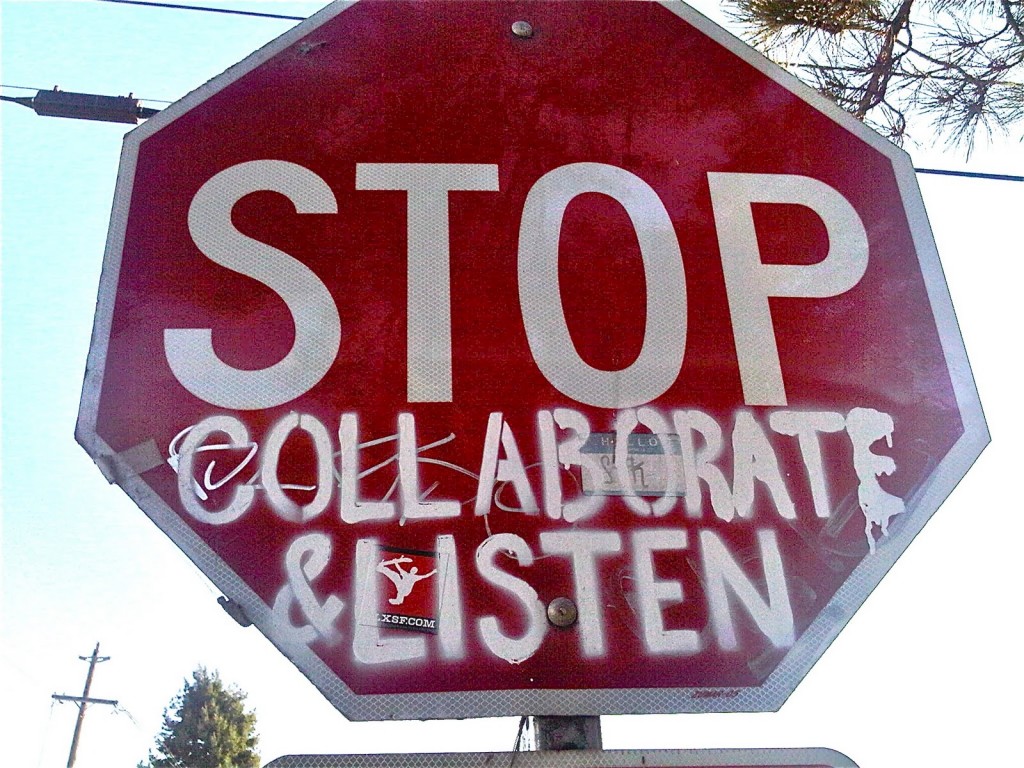
Divisions within Colorado have improved over recent years with the development of the cooperative agreement with Denver Water on management of the river, as well as the resolution of the Orchard Mesa check case.
One part of the Orchard Mesa check case set up a weekly conference call among all the major water players, including those on the Eastern Slope, “which has worked really well over the years,” Hermundstad said. “We’re able to talk to each other and stave off problems rather than go to litigation.”