The health of our waters is the principal measure of how we live on the land — Luna Leopold
#Colorado #Water Congress Summer Conference Day 2: The Airborne Snow Observatory does not replace SNOTEL, in fact we need an expanded SNOTEL network — Taylor Winchell
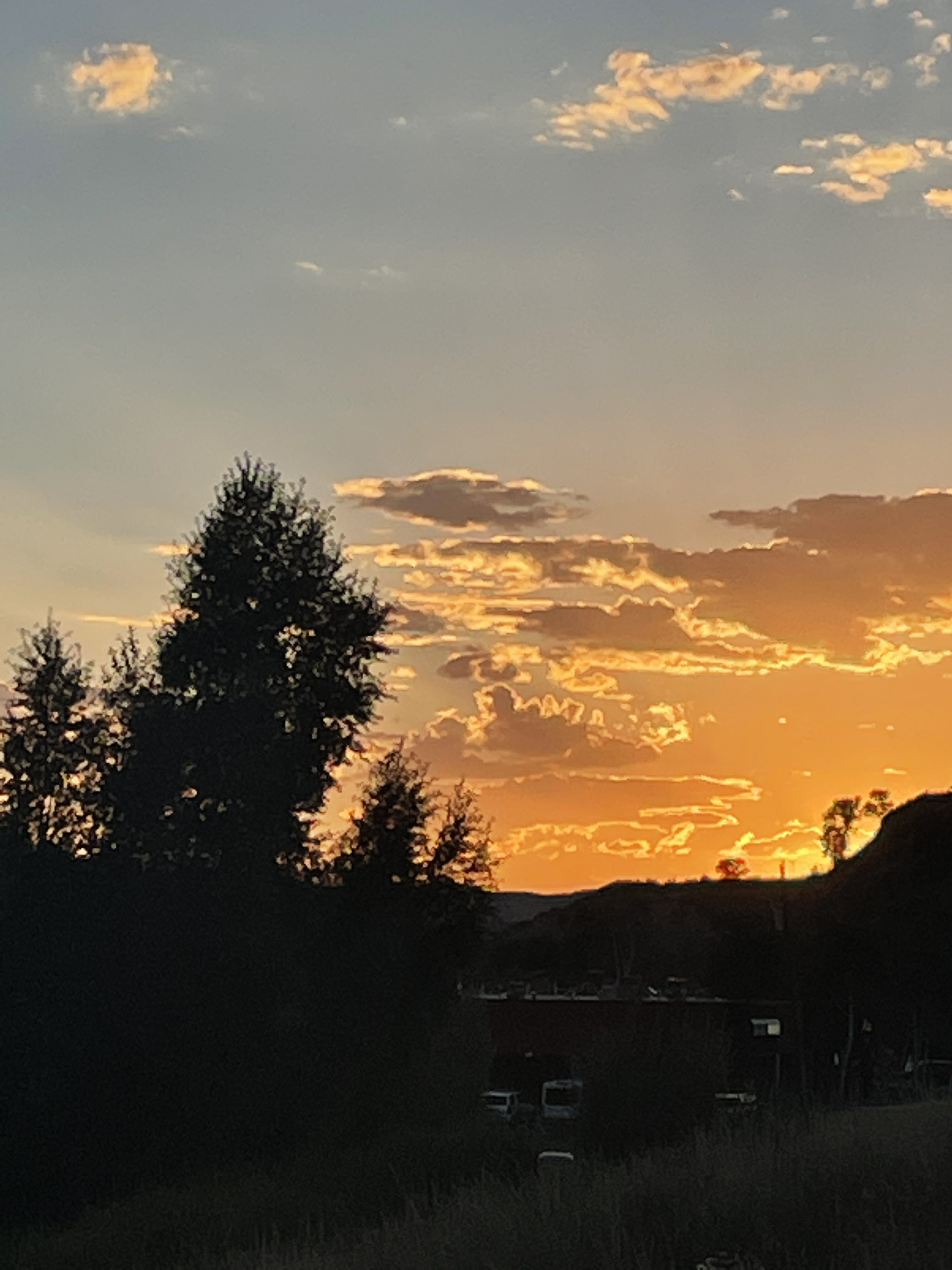
Sunset August 24, 2022 Steamboat Springs.
Day 2 included a “Rapid Topics” session with moderator Kelly Romero-Heaney, CO Dept of Natural Resources:
Colorado and San Juan River Endangered Species Program: Julie Stahli, U.S. Fish and Wildlife Service
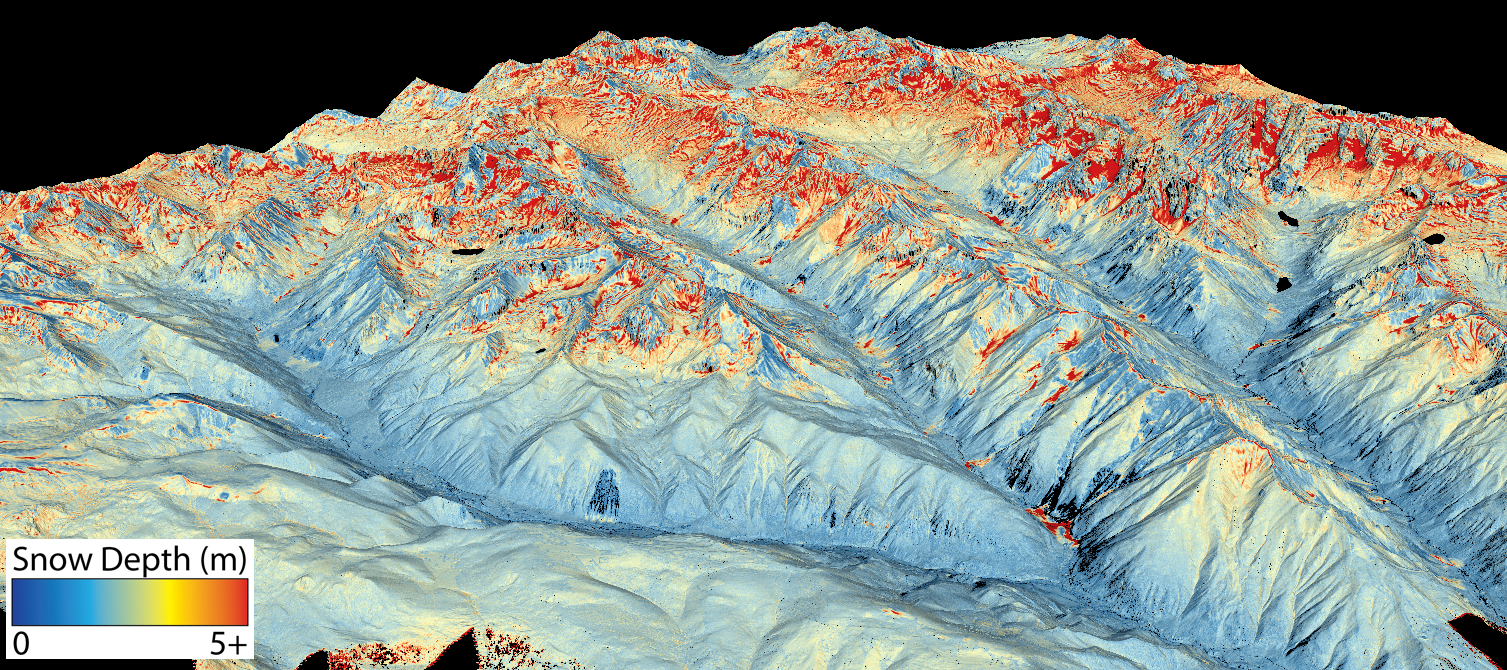
This map shows the snowpack depth of Castle and Maroon valleys in spring 2019. The map was created with information from NASA’s Airborne Snow Observatory, which will help water managers make more accurate streamflow predictions. Jeffrey Deems/ASO, National Snow and Ice Data Center
Colorado Airborne Snow Measurement Group: Taylor Winchell, Denver Water
Water ‘22: Jayla Poppleton, Water Education Colorado
Denver Water crews dug up old lead service lines from customers’ homes for years of study that led to the utility’s Lead Reduction Program. Photo credit: Denver Water.
Eliminating Lead in School Drinking Water Facilities: Mike Beck, CO Water Quality Control Division
Winchell told the attendees that, “ASO is an extremely powerful #climate adaption tool.”
He’s right, stationarity is dead so Colorado needs to incorporate new strategies for measurement of snowpack and that is exactly what the ASO technology provides.
One thought on “#Colorado #Water Congress Summer Conference Day 2: The Airborne Snow Observatory does not replace SNOTEL, in fact we need an expanded SNOTEL network — Taylor Winchell”



One thought on “#Colorado #Water Congress Summer Conference Day 2: The Airborne Snow Observatory does not replace SNOTEL, in fact we need an expanded SNOTEL network — Taylor Winchell”