The Department of the Interior today announced a nearly $105 million investment as part of the President’s Investing in America agenda for 67 water conservation and efficiency projects that will enhance drought resilience across the nation. The investment comes from the Bipartisan Infrastructure Law and annual appropriations.
President Biden’s Investing in America agenda represents the largest investment in climate resilience in the nation’s history and provides much-needed resources to enhance Western communities’ resilience to drought and the effects of climate change. Through the Bipartisan Infrastructure Law, the Bureau of Reclamation is investing a total of $8.3 billion over five years for water infrastructure projects, including rural water, water storage, conservation and conveyance, nature-based solutions, dam safety, water purification and reuse, and desalination. Since the President signed the Bipartisan Infrastructure Law in November 2021, Reclamation has announced $4.2 billion for 575 projects to date.
“Access to clean, reliable water is essential for feeding families, growing crops, sustaining wildlife, and powering agricultural businesses,” said Acting Deputy Secretary Laura Daniel-Davis. “Enabled by the President’s Investing in America agenda, the Biden-Harris administration is bringing historic resources to bear to ensure the stability and sustainability of the Colorado River Basin in the wake of severe drought and to safeguard communities across the West, by strengthening climate resilience and facilitating water conservation.”
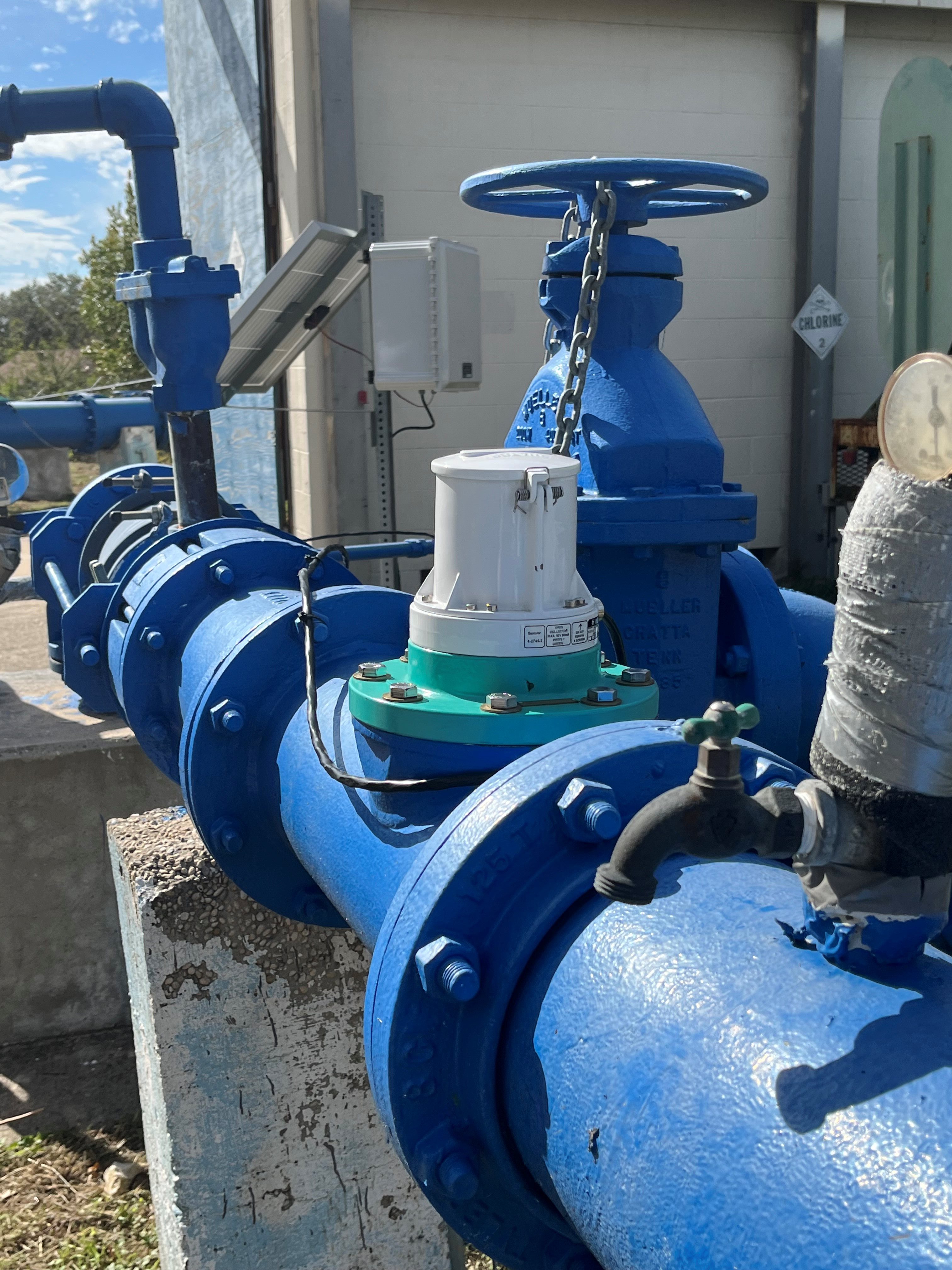
“As we work to counter the impacts of drought and climate change, we must embrace opportunities to increase water and energy efficiency wherever possible,” said Reclamation Commissioner Camille Calimlim Touton. “The President’s Investing in America agenda provides the resources to expand these conservation efforts that include canal lining, meter installation, conservation incentives, and gate automation.”
Reclamation anticipates that the projects, located in Arizona, California, Colorado, Idaho, Kansas, Montana, Nebraska, Nevada, Texas, Utah and Wyoming, will save more than 111,000 acre-feet of water annually. That’s enough water to supply approximately 447,000 people for a year. This builds upon $140 million announced for water and energy efficiency projects last year. The complete list of projects can be found on Reclamation’s website.
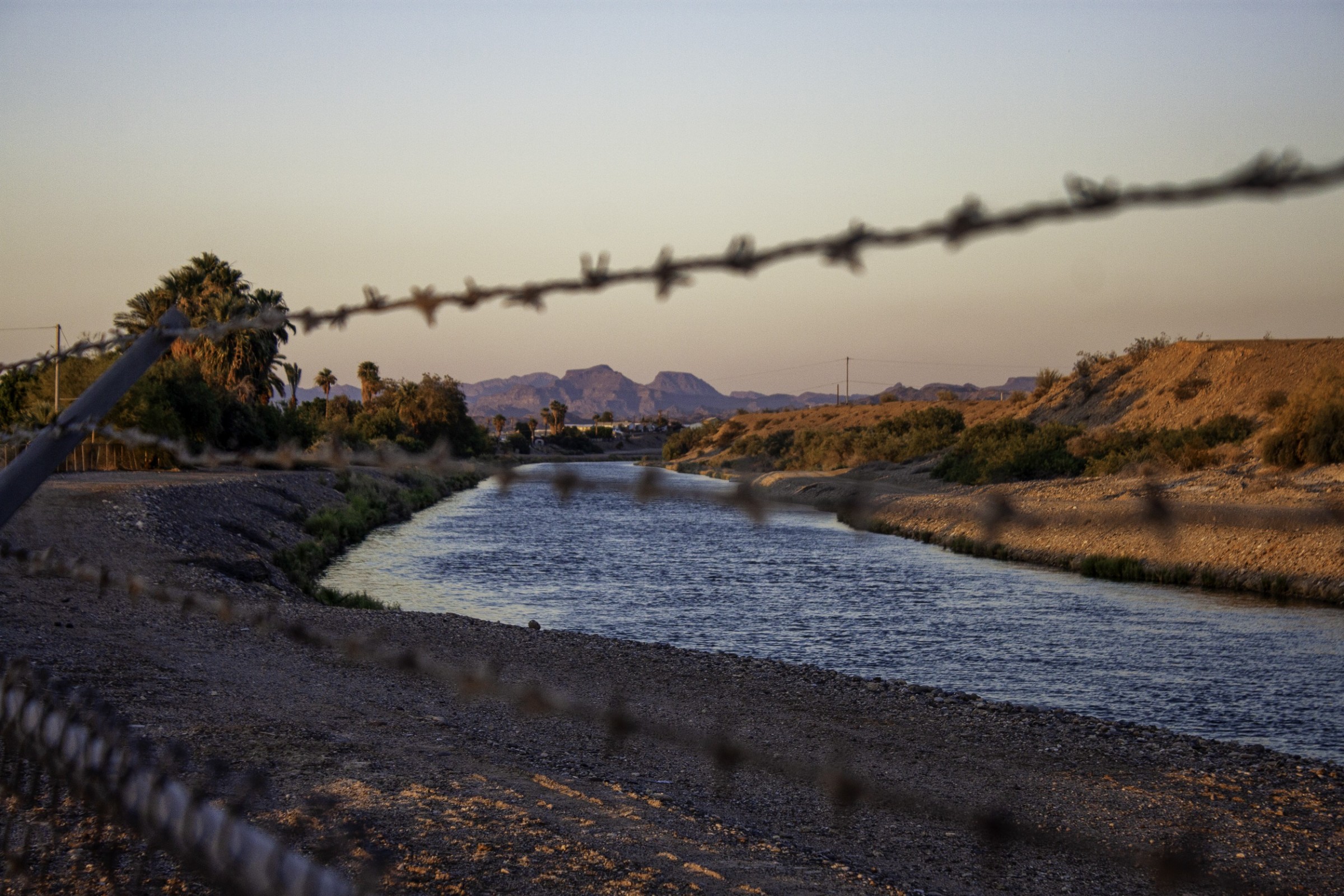
PARKER, Arizona – South of Headgate Rock Dam, beyond riverbanks lined with willow and mesquite, the broad floodplain of the Colorado River spreads across emerald fields and sun-bleached earth.
The Colorado River has nourished these lands in present-day western Arizona for millennia, from the ancestral Mohave people who cultivated corn, squash, beans, and melons, to the contemporary farmers of the Colorado River Indian Tribes, or CRIT, whose reservation extends for 56 miles along its namesake river.
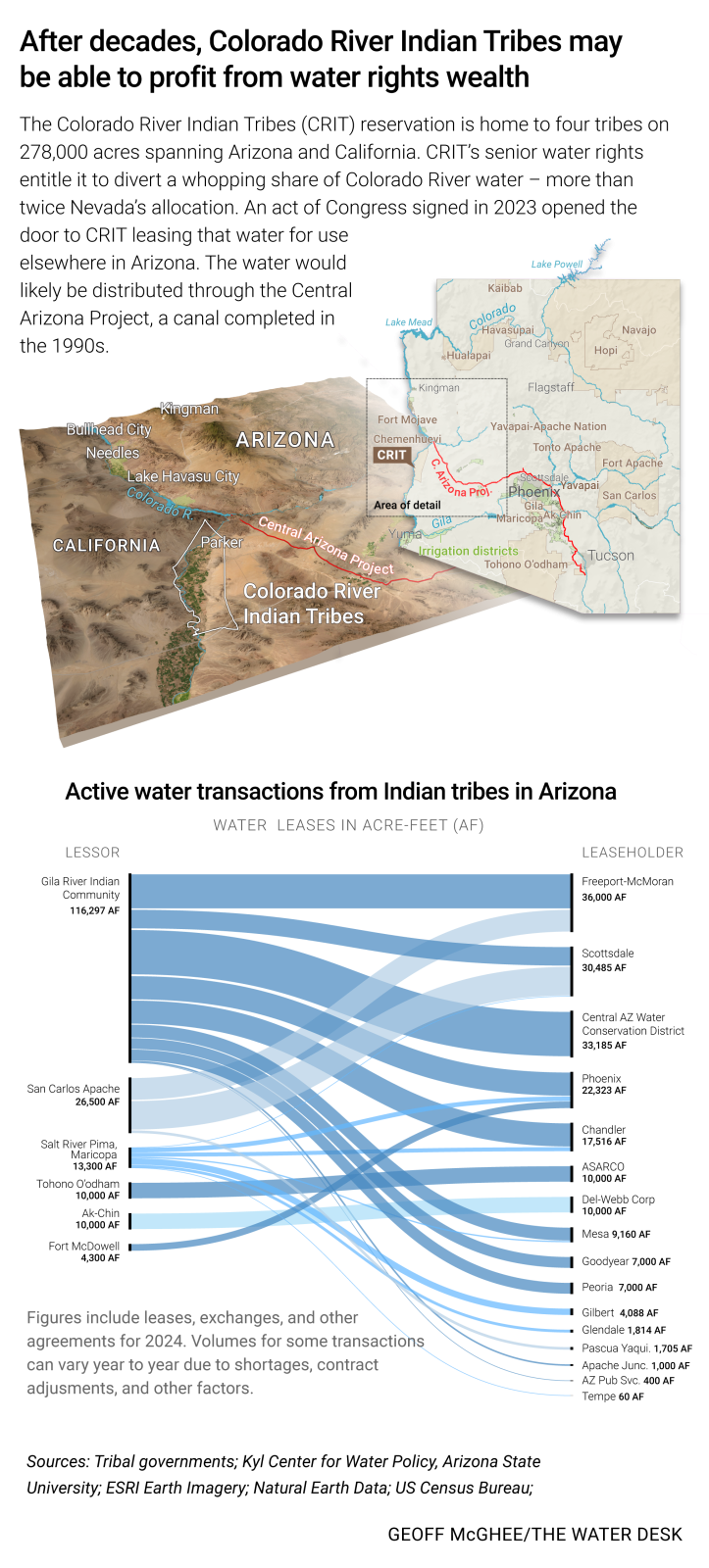
CRIT has rights to divert a large volume of Colorado River water – nearly 720,000 acre-feet in Arizona and California combined, which is more than twice Nevada’s allocation from the river. To this point, the water has remained within the bounds of the CRIT reservation. But soon, the water might flow to lands far beyond CRIT’s borders.
Due to an act of Congress signed into law in January 2023, CRIT now has the authority to lease or exchange its water for use elsewhere in Arizona. (The authority does not apply to water rights held by CRIT on the California portion of its reservation.) Agreements signed in April with the Arizona Department of Water Resources and the federal Bureau of Reclamation to fulfill administrative requirements in the legislation brought the tribes another step closer to greater control over their water.
What remains is the work of negotiation, both within CRIT and with potential leaseholders. CRIT leadership must decide what it wants in leasing deals – how much water to part with, to whom, for what price, and for how many years. And they will have to find a partner who agrees to those terms.
CRIT’s leasing authority opens a new chapter, not only for the tribes but for other water users in the state who might covet CRIT’s high-value, high-priority Colorado River water. Leasing this water would represent a financial windfall for CRIT’s more than 4,600 enrolled members. CRIT leadership has framed it as an economic and civic development opportunity. For those on the other side of the deal – be they environmental groups, farm districts, mining companies, or fast-growing cities in the center of the state – it is a rare chance for a relatively secure source of water in an arid region where most supplies are already claimed or running out. Homebuilders west of Phoenix, for instance, have recently seen their access to local groundwater restricted by state regulators.
For CRIT leaders, the new powers come at an auspicious time. They see their duty as stewards of the river intersecting with the mounting challenges of maintaining Arizona’s desert empire amid merciless heat and a drying climate.
“With the climate crisis and the drought going on at the present time, there’s going to be a major shortage of water,” Dwight Lomayesva, CRIT Tribal Council vice chairman, said at a conference in March. “But we would like to be part of the solution to the problem.”
A Valuable Asset
CRIT is a union of sorts. Four tribes with distinct histories live on the 278,000-acre reservation that spans Arizona and California. The Mohave, known for farming and beadwork, and the Chemehuevi, masterful basket weavers, were original inhabitants of the land. The Hopi and Navajo came later. The federal Bureau of Indian Affairs relocated members of the two northeastern Arizona tribes to the area after World War Two.
CRIT’s history and location translate into a strong water rights position. Like in most western states, water in Arizona is based on a priority system. “First in time, first in right,” as the saying goes. Junior users, who have a later priority date, are cut off first in times of shortage, while senior users like CRIT who have earlier claims can continue to divert.
CRIT’s reservation along the banks of the Colorado was established in 1865, making it one of the first in time in Arizona for water rights – and one of the last to lose access to water. Crucially, leased water retains its place in the priority system. That’s what makes it valuable, said Cynthia Campbell, the water resources management adviser for Phoenix. “That’s front of the line, basically.”
Not only does CRIT have secure water. The tribes also have a lot of it. Comparatively speaking, their water rights are massive. A display at the CRIT Museum makes the point visually. Tubes of foam insulation painted blue depict the volume of water held by tribes along the lower Colorado River. CRIT has the right to divert 662,402 acre-feet per year to its Arizona lands and 56,846 acre-feet to its much smaller landholdings across the river in California. The museum display reflects this bounty – the blue foam bar representing CRIT’s water towers over the others.
For now, CRIT is keeping its water leasing intentions close to the vest. Chairwoman Amelia Flores and Tribal Council members declined to be interviewed for this story.
John Bezdek, CRIT’s lawyer, said that Tribal Council had been focused on finalizing the state and federal agreements and is now turning its attention to how it might structure leases. “There’s a number of additional steps that need to be done in terms of developing a water code, developing provisions on how proposals will be evaluated, looking at those types of things,” Bezdek said. “And so that is all being done right now. We’re working on the next steps internally.”
Despite that public reticence, the contours of CRIT’s thinking have been previewed in other venues. Vice Chairman Dwight Lomayesva outlined his thoughts on the matter in a panel discussion earlier this year, when he participated in the Eccles Family Rural West Conference, held in Tempe, on March 27.
Lomayesva reiterated the cultural and spiritual significance of the Colorado River to his people. “We want to save the river,” he said. “We’re not just a benevolent nation trying to help other countries and tribes and water districts.”
CRIT has a history of working with state and federal agencies to protect the Colorado River. The tribes participated in a pilot farmland fallowing program from 2016 to2019, in which they saved 45,373 acre-feet for storage in Lake Mead. That deal was the precursor to a larger commitment in 2020, when the tribes pledged to fallow 10,000 acres of farmland and store 50,000 acre-feet of water per year in the basin’s largest reservoir. For the three-year effort, the tribe earned $38 million, from the state and the Environmental Defense Fund.
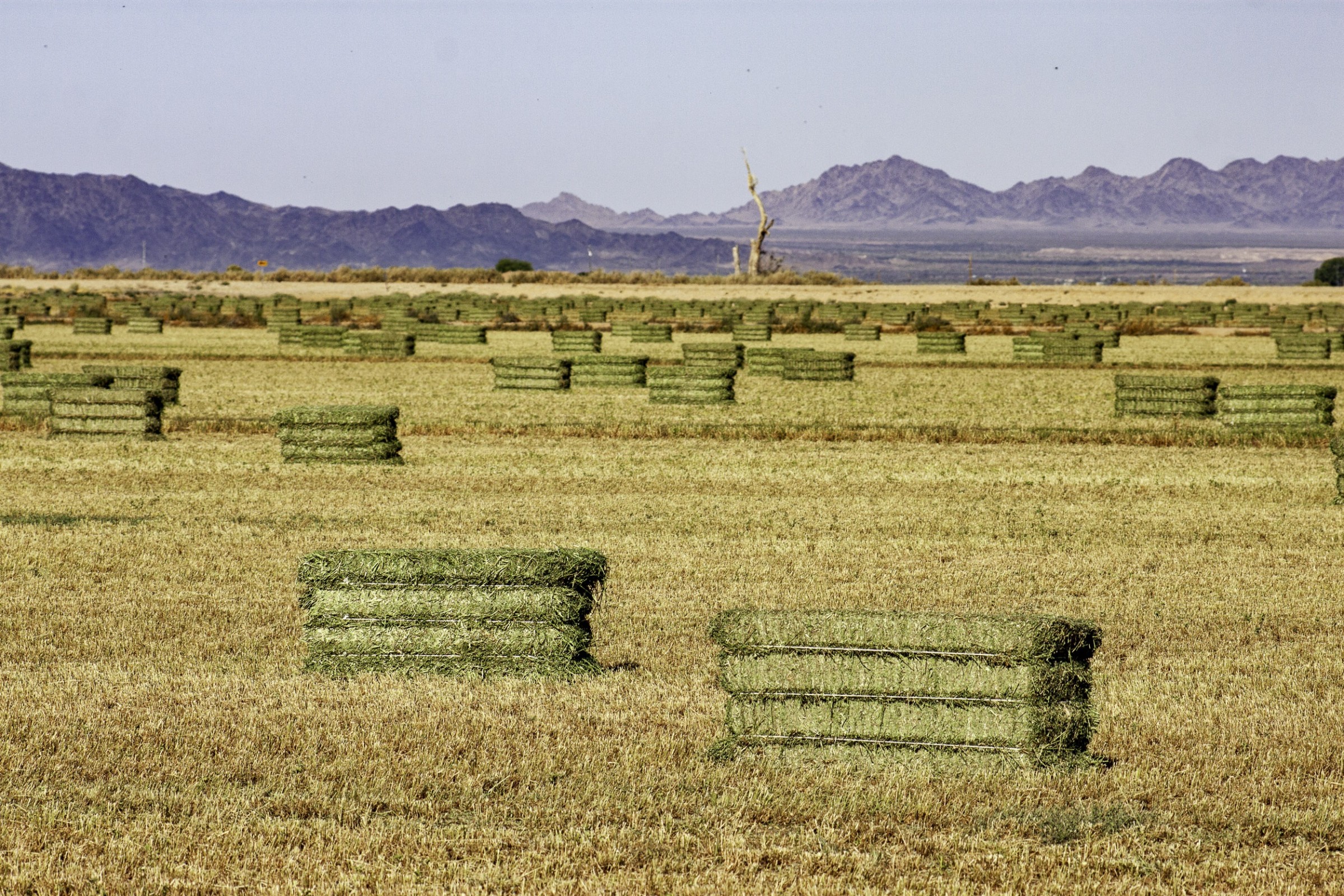
CRIT’s capacity to lease water is directly related to the farming operations that take place on the reservation. About 79,350 acres are farmed on its Arizona lands, mostly for alfalfa. Some of the land is farmed by a tribal enterprise, but many of the acres are leased by non-tribal members. A majority of the fields are flood irrigated, an inefficient method in which only half of the water is taken up by the crop. The rest eventually flows back to the river or evaporates.
This is important because CRIT can only lease water that it has put to consumptive use in at least three of the previous five years. The consumptive-use stipulation is part of the agreement signed with Arizona and Reclamation in April. CRIT diverts less Colorado River water than its allocation, so the agreement dictates that the tribes can’t part with unused water to which they have rights but bypasses their fields. In effect, it means that water conserved from farming is water that can be leased.
“That’s a very, very important component that we then have to factor into in terms of how we want to develop the program,” Bezdek said.
A huge impediment is CRIT’s obsolete means of moving water to its fields. The Bureau of Indian Affairs, a federal agency, owns and operates the Colorado River Irrigation Project, an irrigation system that is, by all accounts, deteriorating and badly needs repair. It was developed piecemeal starting in the 1870s and diverts water into the main line canal at Headrock Gate Dam. Two-thirds of the 232 miles of lateral canal are made of packed dirt, Lomayesva said. (All quotes from Lomayesva in this piece are from his comments at the March conference.)
Lomayesva said that one study pegged the cost of rehabilitating the system at $300 million – an amount of money that CRIT cannot afford. And even if it could, Lomayesva said that because the tribes do not own the water delivery infrastructure, they would hesitate to invest in it. But he said that leasing deals could provide the capital for farming on the reservation to become more efficient.
“We’re going to only market the water if we can use those funds to develop conservation systems – sprinklers instead of flood [irrigation], pipes instead of dirt ditches, recycle some of that water and reuse it again,” Lomayesva said. “That’s the only reason why we would market our water.”
Others have concluded that the outdated irrigation system is a hindrance. “The high cost to repair infrastructure, including lining canals, reconstructing gates and turnouts, and realigning reaches of the system, limit the Tribes’ ability to realize the full potential value of its water,” according to a 2018 Bureau of Reclamation study.
CRIT recently asked BIA to increase the amount it charges for irrigation water because the tribes believe that the system is underfunded and additional revenue could improve the irrigation infrastructure.
Tribal members voted on an ordinance in 2019 that endorsed leasing and set certain boundaries for its implementation. The ordinance, which passed with 63 percent of the vote, was the result of an attempt a year earlier to recall all nine council members over some residents’ objections to leasing. Two council members, including former chairman Dennis Patch, lost their seats.
Under the ordinance, Tribal Council intends that the same number of acres will be farmed after water is leased. “We are farmers,” Lomayesva said. “We are farmers first, and we will probably always be farmers. And we want to continue farming. But the savings from conservation efforts, we could make some of that water available.”
The way for that to happen is for farming on the reservation to become more efficient – and that means applying less water to the fields. It could happen through conservation. But what tribal leaders like Lomayesva really want is a better irrigation system.
“Water could be made available for conservation or off-reservation leasing, exchange or storage in accordance with the requirements of the federal legislation and agreements if deferred maintenance was addressed along with improvements to the irrigation project,” according to a statement from the tribal government.
From the 2018 Tribal Water Study, this graphic shows the location of the 29 federally-recognized tribes in the Colorado River Basin. Map credit: USBR
How much water might be available? In 2018, CRIT participated in a Bureau of Reclamation study to assess current and future tribal water use in the Colorado River basin. CRIT told Reclamation to assume that up to 150,000 acre-feet per year might be leased and moved off the reservation by 2060. CRIT used the same figure in a December 7, 2020, public meeting discussing the proposed legislation to authorize leasing. However, at the end of July the tribal government said in a statement, “No decisions have been made on a baseline amount of water to be available for leasing.”
What about the length of the leases? Many leases signed as part of a settlement extend for 99 or 100 years. CRIT’s authorizing legislation caps leases or exchange agreements at 100 years. But otherwise CRIT will be a free agent, able to negotiate its terms. Several water policy experts in Arizona interviewed for this story said they heard CRIT was considering a lease length of 25 years. The tribes, however, said in a statement that they have not decided any lease parameters.
The length is significant because of state water supply rules for municipalities. The Arizona Department of Water Resources requires proof of a 100-year supply. A shorter lease would not fully satisfy that requirement, but the water could be used in other ways, said Kathryn Sorensen, the former director of the Phoenix water department. It could be stored underground to offset groundwater pumping, or be paired with other water to fulfill the state’s 100-year directive. In the end, it will be a cost-benefit analysis for cities whether to lease CRIT water with a shorter term, she said.
“Each provider is going to have to weigh the length of the lease versus the priority and weigh the value,” said Sorensen, who is now with the Kyl Center for Water Policy at Arizona State University. “But, look, it’s the highest priority Colorado River water in the state. So it’s bound to be very valuable, even with a short [lease] term.”
Autonomy and Flexibility
Though it has liquid riches, this form of tribal wealth has been stuck in place. Tribes elsewhere in Arizona determined their rights to the Colorado, Gila, Salt, Verde and other rivers through negotiated settlements.
In these agreements, tribes generally ceded a portion of their historical rights in exchange for state and federal funding to build the infrastructure that would deliver water to their lands. A settlement currently before Congress – the Northeastern Arizona Indian Water Rights Settlement – is the largest yet, a $5 billion proposal to determine water rights and build water supply and energy generation systems for the Navajo Nation, Hopi Tribe, and San Juan Southern Paiute.
Those settlements typically include leasing provisions. Twenty-four tribes in the West and eight in Arizona currently have leasing authority. The Fort McDowell Indian Community’s settlement, approved by Congress in 1990, for instance, sends 4,300 acre-feet a year to Phoenix. The lease extends for 99 years. Other central Arizona cities, including Gilbert, Glendale, Mesa, and Scottsdale, lease Colorado River water from the tribes, as do mining companies and a housing developer.
CRIT, however, is an entirely different case study. The tribes did not receive their water through a settlement. Their rights were part of the U.S. Supreme Court decree in 1964 that resolved a Colorado River quarrel between Arizona and California and set water allocations in the lower basin. The decree granted CRIT a significant volume of Colorado River water but it did not confer the right to lease. Instead, CRIT had to seek the blessings of Congress to gain leasing authority.
CRIT is now celebrating that authority. In April, three weeks before the state and federal agreements were signed, the tribes held a Water Rights Day, a community festival “honoring our continued commitment to the living river.”
This story was produced by Circle of Blue, in partnership with The Water Desk at the University of Colorado Boulder’s Center for Environmental Journalism.
Native America in the Colorado River Basin. Credit: USBR
Moab tailings site with Spanish Valley to the south
Click the link to read the article on The Deseret News website (Amy Joi O’Donoghue). Here’s an excerpt:
August 6, 2024
Sixteen million tons of radioactive uranium tailings once sat near the banks of the Colorado River, putting the waterway in peril of contamination on the outskirts of Moab. Removal began in 2009 and was halted for a time due to lack of funding for the U.S. Department of Energy cleanup project, but work is continuing at a steady clip — with nearly 15 million tons shipped by rail to a disposal cell about 30 miles away at Crescent Junction. At this rate, the tailings removal may be completed by next year, but much work remains to be done afterward for full remediation of the area in which the uranium mill operated for nearly three decades…
Mary McGann, a Grand County commissioner who heads up the steering committee involved in the project, said she envisions something similar to Las Colonias Park in Grand Junction, Colorado. It, too, was a remediation site for tailings removal and it, too, is adjacent to the Colorado River…
Contamination from what the locals call “The Pile” has been a problem for the Colorado River in Grand County — before the establishment of the Moab Uranium Mill Tailings Remedial Action, or UMTRA, Project. But the project established groundwater wells to prevent the leaching and to serve other useful purposes.
During the reporting period, which ran in mid-July of 2023 to mid-July this year, officials noted there were over 1,036,719 tons of uranium mill tailings shipped by rail four times a week. To date, the project has shipped more than 14.8 million tons, or about 92% of the total estimated 16 million tons in the tailings pile to be moved. During that same reporting period, more than 151,162 tons of debris was placed in the disposal cell — also shipped by rail. That includes the successful removal of 14 autoclaves — each weighing 16,000 pounds, according to project spokeswoman Barbara Michel.
This tiny young zebra mussel larvae was found in water from the Colorado River near Grand Junction. Wildlife officials are doing more tests to find the source of the invasive mussels and stop them from establishing. Photo credit: Colorado Parks & Wildlife
Click the link to read the article on the KUNC website (Alex Hager):
August 5, 2024
This story is part of ongoing coverage of the Colorado River, produced by KUNC in Colorado and supported by the Walton Family Foundation. KUNC is solely responsible for its editorial coverage.
Water users in Western Colorado are awaiting results of ramped-up testing efforts to control invasive zebra mussels after they were found in the Colorado River and an irrigation canal near Grand Junction. The mussels spread quickly, and can cause wide-reaching harms such as damage to irrigation equipment and disruptions to river ecosystems for native fish.
Ongoing testing is aimed at finding the source of the young zebra mussel larvae and stopping them before they become fully established.
“It’s really kind of looking for a needle in a haystack,” said Rachel Gonzales, a spokeswoman for Colorado Parks and Wildlife.
Colorado Parks and Wildlife found young zebra mussel larvae during routine testing in early July. A few weeks later, more samples from two different locations in the Colorado River included those young mussels, called veligers. Another sample, taken from the Government Highline Canal also had a mussel veliger.
Zebra mussel infestation
State officials and local agricultural leaders have sounded an alarm about the mussels, which had never before been seen in that particular stretch of the Colorado River. Tina Bergonzini, Grand Valley Water Users Association General Manager, called the discovery “devastating.”
The mussels, which latch on to hard surfaces, can clog irrigation pipes and cut off farmers from their water supplies. That would cause harm for the area’s economy, much of which relies on irrigation.
“The Grand Valley is based on agriculture,” Bergonzini said. “A lot of it is vineyards and peach growers. So having zebra mussels get infested into the infrastructure of our commercial ag growers hits not only the agricultural industry, but also our tourism industry.”
Bergonzini’s agency, which provides irrigation water to more than 23,000 acres in Mesa County, is working with an environmental consultant to come up with a response plan. She said the consultant has learned from other mussel infestations in the region. Similar mussels are a persistent challenge for some water providers in the lower portion of the Colorado River Basin, such as the Central Arizona Project, which carries Colorado River water to the Phoenix area.
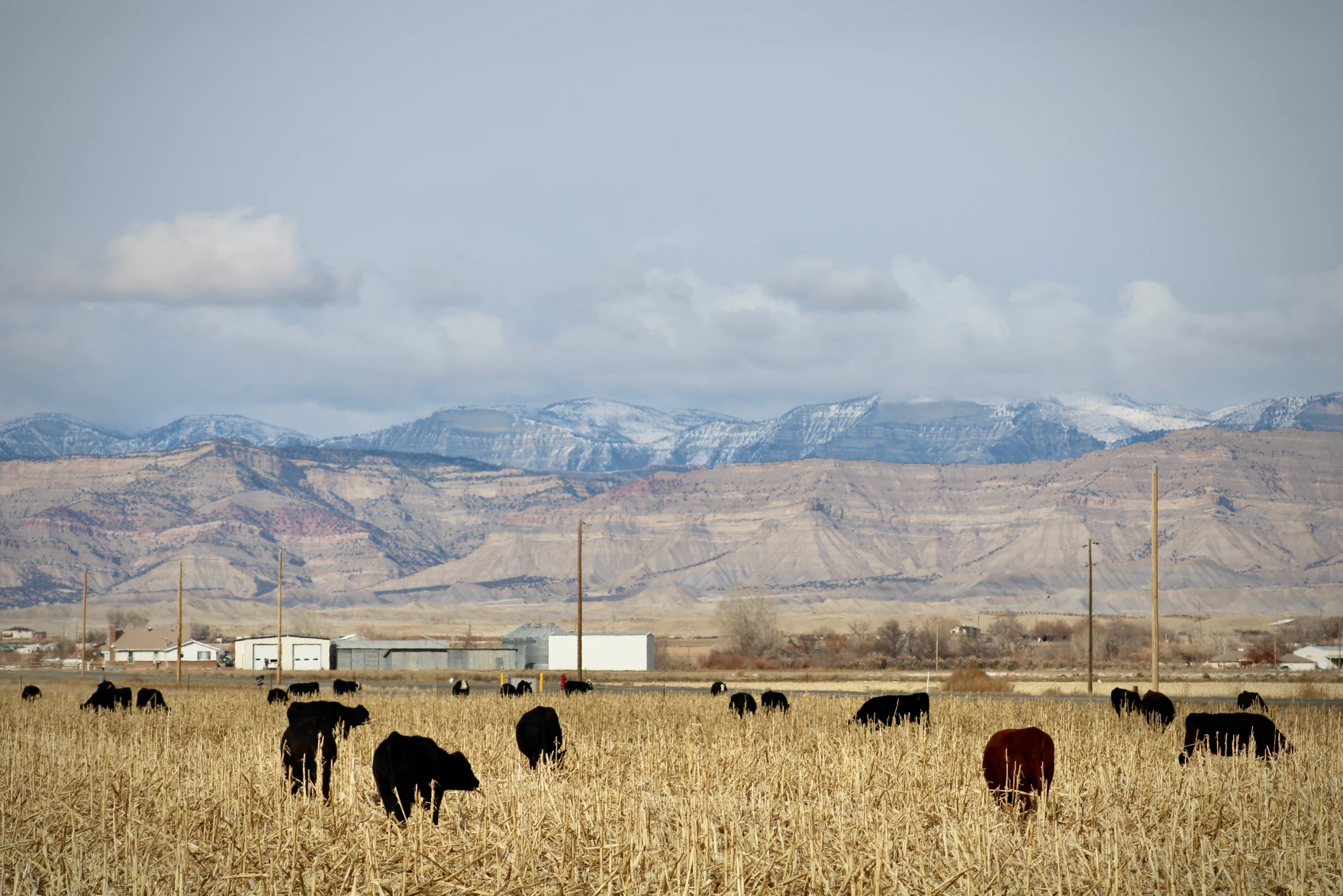
Cattle graze in the Grand Valley on Jan. 25, 2024. Zebra mussels could clog the valley’s irrigation pipes and cause trouble for the area’s agriculture-driven economy. Alex Hager/KUNC
“We are going to be quite aggressive with mitigating and managing moving forward to make sure that we don’t have the presence of adult mussels,” Bergonzini said.
Wildlife experts also worry about the impact of zebra mussels on the river food chain. They eat small aquatic prey like plankton, adding new competition for fish with similar diets.
Zebra mussels and a related species called the quagga mussel are widespread throughout the Great Lakes region and other areas east of the Colorado River basin. Native to Europe, they were likely introduced and spread throughout parts of the U.S. by boats. To stem further spread in the Southwest, wildlife agencies track boats to prevent cross-contamination and require boaters to clean, drain and dry their watercraft before putting them back in a new body of water.
Petersen Air Force Base. Photo credit: Peterson Air and Space Museum
Click the link to read the article on The Guardian website (Tom Perkins). Here’s an excerpt:
August 12, 2024
The US air force is refusing to comply with an order to clean drinking water it polluted in Tucson, Arizona, claiming federal regulators lack authority after the conservative-dominated US supreme court overturned the “Chevron doctrine”. Air force bases contaminated the water with toxic PFAS “forever chemicals” and other dangerous compounds. Though former US Environmental Protection Agency (EPA) officials and legal experts who reviewed the air force’s claim say the Chevron doctrine ruling probably would not apply to the order, the military’s claim that it would represents an early indication of how polluters will wield the controversial court decision to evade responsibility. It appears the air force is essentially attempting to expand the scope of the court’s ruling to thwart regulatory orders not covered by the decision, said Deborah Ann Sivas, director of the Stanford University Environmental Law Clinic…
The supreme court in late June overturned the 40-year-old Chevron doctrine, one of its most important precedents. The decision sharply cut regulators’ power by giving judges the final say in interpreting ambiguous areas of the law during rule-making. Judges previously gave deference to regulatory agency experts on such questions. The ruling is expected to have a profound impact on the EPA’s ability to protect the public from pollution, and the Tucson dispute highlights the high stakes in such scenarios – clean drinking water and the health of hundreds of thousands of people hangs in the balance…
Several air force bases are largely responsible for trichloroethylene (TCE) – volatile organic compounds – and PFAS contaminating drinking water sources in Tucson. A 10-sq-mile (26 sq km) area around the facilities and Tucson international airport were in the 1980s designated as a Superfund site, an action reserved for the nation’s most polluted areas. The EPA in late May issued an emergency order under the Safe Drinking Water Act requiring the air force to develop a plan within 60 days to address PFAS contamination in the drinking water.
Subscribe to The Y’all — a weekly dispatch about the people, places and policies defining Texas, produced by Texas Tribune journalists living in communities across the state.
EDINBURG — The Rio Grande is no longer a reliable source of water for South Texas.
That’s the sobering conclusion Rio Grande Valley officials are facing as water levels at the international reservoirs that feed into the river remain dangerously low — and a hurricane that could have quenched the area’s thirst turned away from the region as it neared the Texas coast.
Although a high number of storms are forecast this hurricane season, relief is far from guaranteed and as the drought drags on.
For now, the state’s most southern cities have enough drinking water for residents. However, the region’s agricultural roots created a system that could jeopardize that supply. Cities here are set up to depend on irrigation districts, which supply untreated waters to farmers, to deliver water that will eventually go to residents. This setup has meant that as river water for farmers has been cut off, the supply of municipal water faces an uncertain future.
This risk has prompted a growing interest among water districts, water corporations and public utilities that supply water to residents across the Valley to look elsewhere for their water needs. But for several small, rural communities that make up a large portion of the Valley, investing millions into upgrading their water treatment methods may still be out of reach.
A new water treatment facility for Edinburg will undoubtedly cost millions of dollars but Tom Reyna, assistant city manager, believes the high initial investment will be worth it in the long run.
“We see the future and we’ve got to find different water alternatives, sources,” Reyna said. “You know how they used to say water is gold? Now it’s platinum.”
For Edinburg, one of the fastest growing cities in the Valley, the need for water will only grow as their population does. While the city hasn’t faced a water supply issue yet, the ongoing water shortage in South Texas combined with the growing population has put local officials on alert for the future of their water supply.
The Falcon and Amistad International reservoirs feed water directly into the Rio Grande. And while water levels have been low, cities and public utilities have instituted water restrictions that limit when residents can use sprinkler systems and prohibits the washing of paved areas.
Cities have priority over agriculture when it comes to water in the reservoirs. Currently, the reservoirs have about 750,000 acre feet of which 225,000 acre feet are reserved for cities.
A former channel of the Rio Grande, or resaca, winds through agriculture fields near Los Fresnos, on Wednesday. The Rio Grande Valley is facing a drought, greatly affecting farmers in the region. Credit: Eddie Gaspar/The Texas Tribune
Of those 225,000 acre feet, each city or public utility or water supply corporation can purchase what are known as “water rights” which grants them permission from the state to use that water.
But without water for farming, more and more of the water that they own is being lost just in transporting the water to their facilities and that’s directly due to the loss of water for farmers.
This relationship with the agriculture industry arose because irrigation districts were created here first. Cities came after and because they used less water, they were set up to depend on irrigation districts.
Water meant for residential use rides atop irrigation water to water treatment plants. Without irrigation water, cities start to use water they already own to push the rest of their water from the river to a water treatment facility. It’s referred to as “push water.” Much of that water is lost for this purpose.
When water levels at the reservoirs got dangerously low in in the late 1990s, the average city would only get about 68% of the water it owns because the rest would be used as push water, according to Jim Darling, board member of the Rio Grande Regional Water Authority and chair of the local water planning group, a subset of the Texas Water Development Board.
The board is tasked with managing the state’s water supply.
Darling, a former McAllen mayor, has been trying to get cities to think of ways to increase their water supply.
As cities try to temper water demand by issuing restrictions on water usage, Darling said public utilities need to think about the drought not just from the standpoint of managing demand but also by increasing supply.
Jim Darling, chair of the Rio Grande Regional Water Planning Group and former McAllen mayor, points at rivers and tributaries shown on a map at the South McAllen Water Plant, in McAllen, on Monday. Credit: Eddie Gaspar/The Texas Tribune
Darling has been floating the idea of creating a water bank of push water so that water districts can get by without having to go through the process of obtaining approval from the state for more water.
These discussions have been ongoing with the watermaster from the Texas Commission on Environmental Quality, who ensures compliance with water rights. The talks are still preliminary, but a conversation with the watermaster’s office in early July revealed that three or four of the Valley’s 27 irrigation districts were out of water.
“Something needs to be done,” Darling said.
Edinburg’s proposed water plant is still in the early planning stages, but the goal is to stave off water woes by turning their attention to water sources underground.
Their plan is to dig up water from the underground aquifers as well as reuse wastewater. The two sources of water would be blended and treated through reverse osmosis.
Reserve osmosis consists of pushing water through membranes, large cylinders that filter the water. This is done several times until the water is pure and meets drinking water standards set by the Texas Commission on Environmental Quality.
This method isn’t new.
By implementing this practice, Edinburg is following in the footsteps of the North Alamo Water Supply Corporation, a utility that supplies water to eastern Hidalgo County, Willacy County, and northwestern Cameron County.
Filtered groundwater is desalinated through reverse osmosis at the Southmost Regional Water Authority brackish groundwater treatment facility in Brownsville on Monday. The facility treats water to distribute to its five partners, including the Brownsville Public Utilities Board, its main customer and is seeking funding to expand the facility in order to address the region’s drought and water shortage. Credit: Eddie Gaspar/The Texas Tribune
After the drought in 1998, North Alamo turned to reverse osmosis in the early 2000s.
Their facilities currently treat about 10 million gallons of water per day through reverse osmosis which represents one-third of all the water they treat. The rest is surface water from the river but they aim to switch that split, treating two-thirds through reverse osmosis and have a third of surface water.
“We’ve got that mindset that we have to get away from the river,” said Steven P. Sanchez, general manager of North Alamo. “We have to start going to reverse osmosis.”
Hidalgo County officials are trying to take a more “innovative” approach to the area’s water problems.
In April, county officials touted a proposed regional water supply project, dubbed the Delta Water Reclamation Project, that would capture and treat stormwater to be used as drinking water.
The project, expected to cost $60-70 million, started off as a project to mitigate flooding by drawing water away from a regional drainage system. But now, plans include a water plant that would take daily runoff and treat it through reverse osmosis.
“We are the first drainage district to do something like this and of course that’s an exciting thing for us, to be able to do something that’s so innovative and green,” said Hidalgo County Commissioner David Fuentes who sits on the drainage district board. “But it comes with a lot of obstacles and a lot of unknowns.”
One challenge will be financing the water plant. Drainage districts are limited on the bonds they can issue in exchange for a loan. Obtaining funds from the Texas Water Development Board would also be an uphill battle since a drainage district doesn’t fit the usual metrics that a water supply corporation does.
County leaders made the case for their project before a Texas Senate committee hearing in May on water and agriculture, requesting that legislative leaders direct the water development board to give a higher consideration to projects like theirs or to provide a grant program their project would qualify for.
The county drainage district already completed a pilot test of the project and those results are now under TCEQ for review. They expect TCEQ will give them the green light as well as instructions on how to design the plant and steps they need to take to ensure water quality.
Fuentes said they expect that review to be completed early in the legislative session, which would give them a better idea of what they need to ask legislators for.
If the project becomes a reality, the county would sell to water corporations like North Alamo.
Members of the public listen to Cameron County Judge Eddie Treviño Jr. as he begins to lead a water conservation meeting with various stakeholders across the Rio Grande Valley at the county courthouse on Tuesday in Brownsville. Credit: Eddie Gaspar/The Texas Tribune
In Cameron County, located on the east end of the Valley, the Brownsville Public Utilities Board was also motivated by drought conditions to reduce their dependence on the river. With help from their partners in the Southmost Regional Water Authority, the public utilities board spearheaded the construction of a desalination facility that also employs reverse osmosis.
Despite its growing popularity in the Valley, desalination has its drawbacks. The process has faced pushback from environmentalists over the disposal of the concentrated salts and because the process requires a lot of energy.
Southmost and North Alamo hold permits from TCEQ to discharge the concentrate, or reject water, into the Brownsville Ship Channel and a drainage ditch that flows to the Laguna Madre, respectively.
Representatives for both entities said the salinity of the concentrate is less than the salinity of the bodies of water that are receiving that discharge.
“All the aquatic life that’s there, the plant life and everything that feeds off that water is not being harmed at all,” Sanchez said. “We monitor that.”
Sanchez said other solutions would be drying beds, a process of evaporating the water into sludge, and injecting the water about 20,000 feet back into the ground.
North Alamo has also made improvements to their energy consumption. In May, the water corporation upgraded their 16-year-old water filtering equipment, reducing the amount of energy used to create the pressure to push the water through their filtration system.
Sanchez said reverse osmosis has also been more efficient for North Alamo.
North Alamo Water Supply Corporation General Manager Steven P. Sanchez at the NAWSC water treatment facility in Edinburg, on Tuesday. Credit: Eddie Gaspar/The Texas Tribune
Their surface water treatment plant treats about 2.7 million gallons of water daily while the reverse osmosis plant treats 3 million gallons. It’s also become cheaper in the last few years. Treatment of surface water costs them $1.21 per thousand gallons while reverse osmosis costs $0.65 per thousand gallons, according to Sanchez who said RO would still be cheaper even with depreciation.
This wasn’t always the case, he said, but the high cost of chemicals is driven up the cost in treating surface water. But where surface water treatment is cheaper is in the initial cost to establish it.
Sanchez estimated that the initial capital investment for reverse osmosis treatment capable of treating a million gallons per day would conservatively cost about $6-7 million while a surface treatment facility of the same capacity would cost $3-4 million.
Southmost’s plans to double their plant’s capacity would cost an estimated $213 million.
Reyna, the Edinburg assistant city manager, agreed that the initial investment would be the biggest cost for the city but believes it will end up paying for itself.
Not all cities have that as a viable option, though. That initial cost can be an insurmountable hurdle for smaller, rural communities that leaves them unable to invest in solutions. The state could possibly alleviate some of that cost.
During the last legislative session, lawmakers established the Texas Water Fund with a billion dollar investment that will go to a number of financial assistance programs at the Texas Water Development including one that has never had funding before called the Rural Water Assistance Fund.
This will be additional state funding to help rural communities with technical assistance on how to decide what kind of design and what kind of assistance is best for their community. This will help them navigate the process of applying for funding.
Rigoberto Ortañes looks at a rising pool of water, flooding the excavation site, as a crew works on upgrading pipes and valves at a North Alamo Water Supply Corporation water plant in Donna on Thursday. The utility company supplies water to eastern Hidalgo County, Willacy County, and northwestern Cameron County. Credit: Eddie Gaspar/The Texas Tribune
Plans for how the water development board will allocate funds to these new financial assistance programs will be released in late July.
Sarah Kirkle, the director of policy and legislative affairs at the Texas Water Conservation Association expects the state will provide interest rate reductions for loans that will be used on expensive projects.
However, the $1 billion allocated to the Texas Water Fund will not get very far.
“The needs for implementing this state water plan are something like $80 billion and those are outdated numbers that we’re looking to update in the new water planning cycle,” Kirkle said, adding that the plan doesn’t include the cost of wastewater or flood infrastructure.
She noted that the cost of water infrastructure is about two or three times what it was before the COVID-19 pandemic because of disruptions in the supply chain and additional federal requirements for federally-funded projects.
Many small communities also don’t have the resources to plan for their needs, Kirkle said, so many of them don’t participate in the water planning process, leaving no one to speak up for them.
“We really need to make sure that as we see additional water scarcity around the state, that our communities are engaged in planning for their needs and understand where they might have risks and where their water might not be reliable,” Kirkle said.
Reporting in the Rio Grande Valley is supported in part by the Methodist Healthcare Ministries of South Texas, Inc.
Big news: director and screenwriter Richard Linklater; NPR President and CEO Katherine Maher; U.S. Rep. Pete Aguilar, D-California; and Luci Baines Johnson will take the stage at The Texas Tribune Festival, Sept. 5–7 in downtown Austin. Buy tickets today!
The Texas Tribune is a member-supported, nonpartisan newsroom informing and engaging Texans on state politics and policy. Learn more at texastribune.org.
Click the link to read the release on the WMO website:
05 June 2024
There is an 80 percent likelihood that the annual average global temperature will temporarily exceed 1.5°C above pre-industrial levels for at least one of the next five years, according to a new report from the World Meteorological Organization (WMO). This is a stark warning that we are getting ever closer to the goals set in the Paris Agreement on climate change, which refers to long-term temperature increases over decades, not over one to five years.
The global mean near-surface temperature for each year between 2024 and 2028 is predicted to be between 1.1°C and 1.9°C higher than the 1850-1900 baseline, according to the WMO report. It says that it is likely (86%) that at least one of these years will set a new temperature record, beating 2023 which is currently the warmest year.
The chance (80%) of at least one of the next five years exceeding 1.5°C has risen steadily since 2015, when such a chance was close to zero. For the years between 2017 and 2021, there was a 20% chance of exceedance, and this increased to a 66% chance between 2023 and 2027.
The update is produced by the UK’s Met Office, which is the WMO Lead Centre for Annual to Decadal Climate Prediction. It provides a synthesis of predictions from WMO designated Global Producing Centres and other contributing centres.
“We are playing Russian roulette with our planet,” said Mr Guterres. “We need an exit ramp off the highway to climate hell. And the good news is that we have control of the wheel. The battle to limit temperature rise to 1.5 degrees will be won or lost in the 2020s – under the watch of leaders today.”
Mr Guterres also drew on supporting evidence from the European Union-funded Copernicus Climate Change Service implemented by the European Centre for Medium Range Weather Forecasts. This showed that each of the past 12 months has set a new global temperature record for the time of year.
Given these 12 monthly records, the global average temperature for the last 12 months (June 2023 – May 2024) is also the highest on record, at 1.63°C above the 1850–1900 pre-industrial average, according to the Copernicus Climate Change ERA5 dataset.
Ensemble mean forecast 2024-2028. Credit: WMO
“Behind these statistics lies the bleak reality that we are way off track to meet the goals set in the Paris Agreement,” said WMO Deputy Secretary-General Ko Barrett. “We must urgently do more to cut greenhouse gas emissions, or we will pay an increasingly heavy price in terms of trillions of dollars in economic costs, millions of lives affected by more extreme weather and extensive damage to the environment and biodiversity.”
“WMO is sounding the alarm that we will be exceeding the 1.5°C level on a temporary basis with increasing frequency. We have already temporarily surpassed this level for individual months – and indeed as averaged over the most recent 12-month period. However, it is important to stress that temporary breaches do not mean that the 1.5 °C goal is permanently lost because this refers to long-term warming over decades,” said Ko Barrett.
Under the Paris Agreement, countries agreed to keep long-term global average surface temperature well below 2°C above pre-industrial levels and pursue efforts to limit it to 1.5°C by the end of this century. The scientific community has repeatedly warned that warming of more than 1.5°C risks unleashing far more severe climate change impacts and extreme weather and every fraction of a degree of warming matters.
Even at current levels of global warming, there are already devastating climate impacts. These include more extreme heatwaves, extreme rainfall events and droughts; reductions in ice sheets, sea ice, and glaciers; accelerating sea level rise and ocean heating.
“We are living in unprecedented times, but we also have unprecedented skill in monitoring the climate and this can help inform our actions. This string of hottest months will be remembered as comparatively cold but if we manage to stabilise the concentrations of greenhouse gases in the atmosphere in the very near future we might be able to return to these “cold” temperatures by the end of the century,” said Carlo Buontempo, Director of Copernicus Climate Change Service.
The global average near-surface temperature in 2023 was 1.45 °Celsius (with a margin of uncertainty of ± 0.12 °C) above the pre-industrial baseline, according to the WMO State of the Global Climate 2023. It was by far the warmest year on record fuelled by long-term climate warming which combined with other factors, most notably a naturally occurring El Niño event, which is now waning.
Last year’s global temperature was boosted by a strong El Niño. A new WMO Update predicts the development of a La Niña and a return to cooler conditions in the tropical Pacific in the near-term, but the higher global temperatures in the next five years reflect the continued warming from greenhouse gases.
Other key messages:
Arctic warming over the next five extended winters (November to March), relative to the average of the 1991-2020 period, is predicted to be more than three times as large as the warming in global mean temperature.
Predictions of sea-ice for March 2024-2028 suggest further reductions in sea-ice concentration in the Barents Sea, Bering Sea, and Sea of Okhotsk.








/https://static.texastribune.org/media/files/2858325190c1d789562f2c50d320432b/0717%20RGV%20Water%20-%20Fields%20EG%20%2003.jpg)
/https://static.texastribune.org/media/files/7cfa074c50de95165fe0592f18440fee/0715%20RGV%20Water%20-%20Darling%20EG%2006.jpg)
/https://static.texastribune.org/media/files/ae1fff168fa077164a53e5c72d0fcf0b/0715%20RGV%20Water%20-%20SWRA%20EG%2017.jpg)
/https://static.texastribune.org/media/files/574cb34b24dea723698b5c71fda7766a/0716%20RGV%20Water%20-%20Trevino%20EG%2004.jpg)
/https://static.texastribune.org/media/files/9b717668a41338190969078c76d8983d/Re-edit2%200716%20RGV%20Water%20-%20N%20Alamo%20EG%2011.jpg)
/https://static.texastribune.org/media/files/81b4b861f566647fc17183cd1f705458/0717%20RGV%20Water%20-%20NASWC%20EG%2041.jpg)