Three major water trials set for 2026: Cases involve #RioGrande Water Conservation District, local farmers, city of Alamosa — @AlamosaCitizen

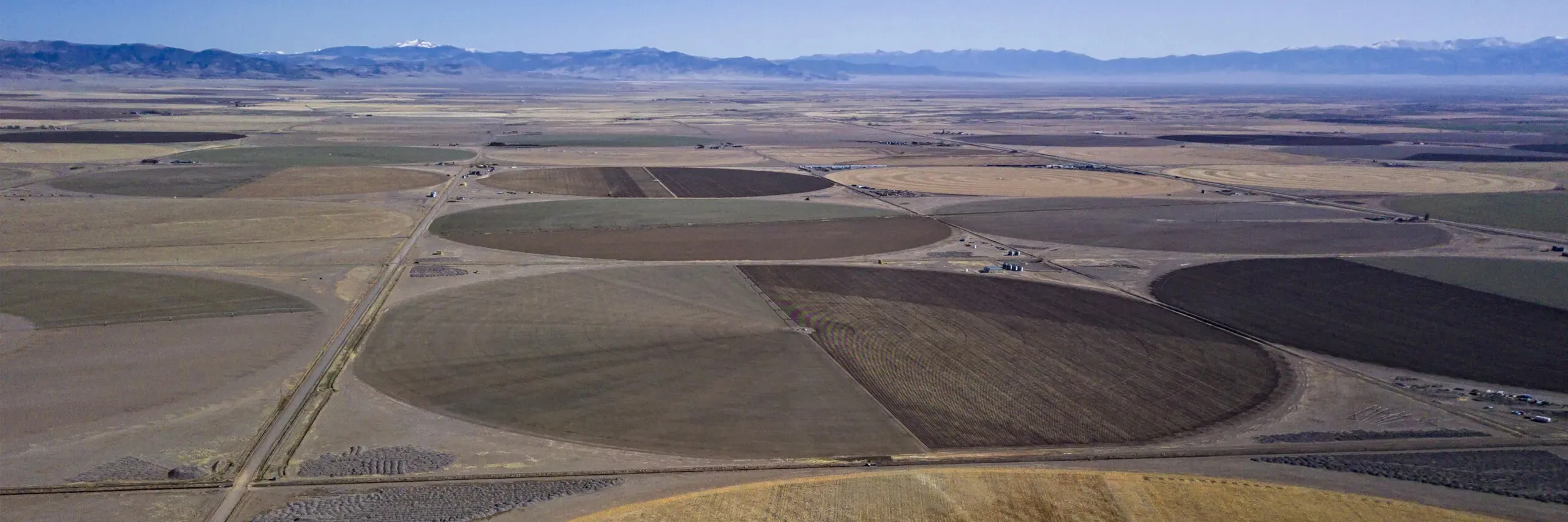
Crop circles in the San Luis Valley. Credit: Alamosa Citizen

Click the link to read the article on the Alamosa Citizen website:

July 16, 2024

The biggest water trials facing the Rio Grande Water Conservation District and local farmers are set for 2026.

Peter Ampe, attorney for the Rio Grande Water Conservation District, told board members Tuesday that three major water cases are set for trial in 2026. The cases are:

  • The fourth Plan of Water Management for Subdistrict 1 scheduled for six weeks starting Jan. 2, 2026
  • Sustainable Water Augmentation Group and its proposed alternative augmentation plan for a group of irrigators in Subdistrict 1 set for a six-week trail starting June 29, 2026
  • The city of Alamosa and its confined aquifer case set for a three-week trial starting on Oct. 19, 2026

Each of the cases is subject to settlement ahead of any trial. Ampe said the city of Alamosa’s case to guarantee itself more water for future expansion has the best chance of agreement before a trial would begin.

The fourth Plan of Water Management for Subdistrict 1 is a key document that outlines future strategies to recover the unconfined aquifer of the Upper Rio Grande Basin. Farmers in the subdistrict, which covers parts of Alamosa County around Mosca-Hooper and Rio Grande County, are under pressure from state water managers to restore the aquifer.

The subdistrict’s updated water management plan has been approved by the state engineer and needs approval from the District 3 Water Court to go into effect.

The alternative augmentation plan proposed by the Sustainable Water Augmentation Group had the start of a water trial in 2023 only to have the trial come to a sudden end when the group withdrew its application. The application withdrawal came after the town of Del Norte terminated an agreement to lease water to the SWAG farmers as a replacement source for groundwater pumping by SWAG members.

Greg Higel, board chair of Rio Grande Water Conservation District, said the board will have to prioritize spending on attorney fees in its annual budgets.

MORE:
 Alamosa Citizen maintains an extensive archive of water stories.

(I’m Your) Heat Pump – Michael T Roberts and Will Hammond Jr. – Official Music Video — SwitchIsOn.org #ActOnClimate

The official music video for (I’m Your) Heat Pump by Michael T Roberts, featuring Will Hammond Jr.

Opinion: ‘#DoloresRiver Canyons very foundation of Ute Mountain Ute identity’ — The #Durango Herald

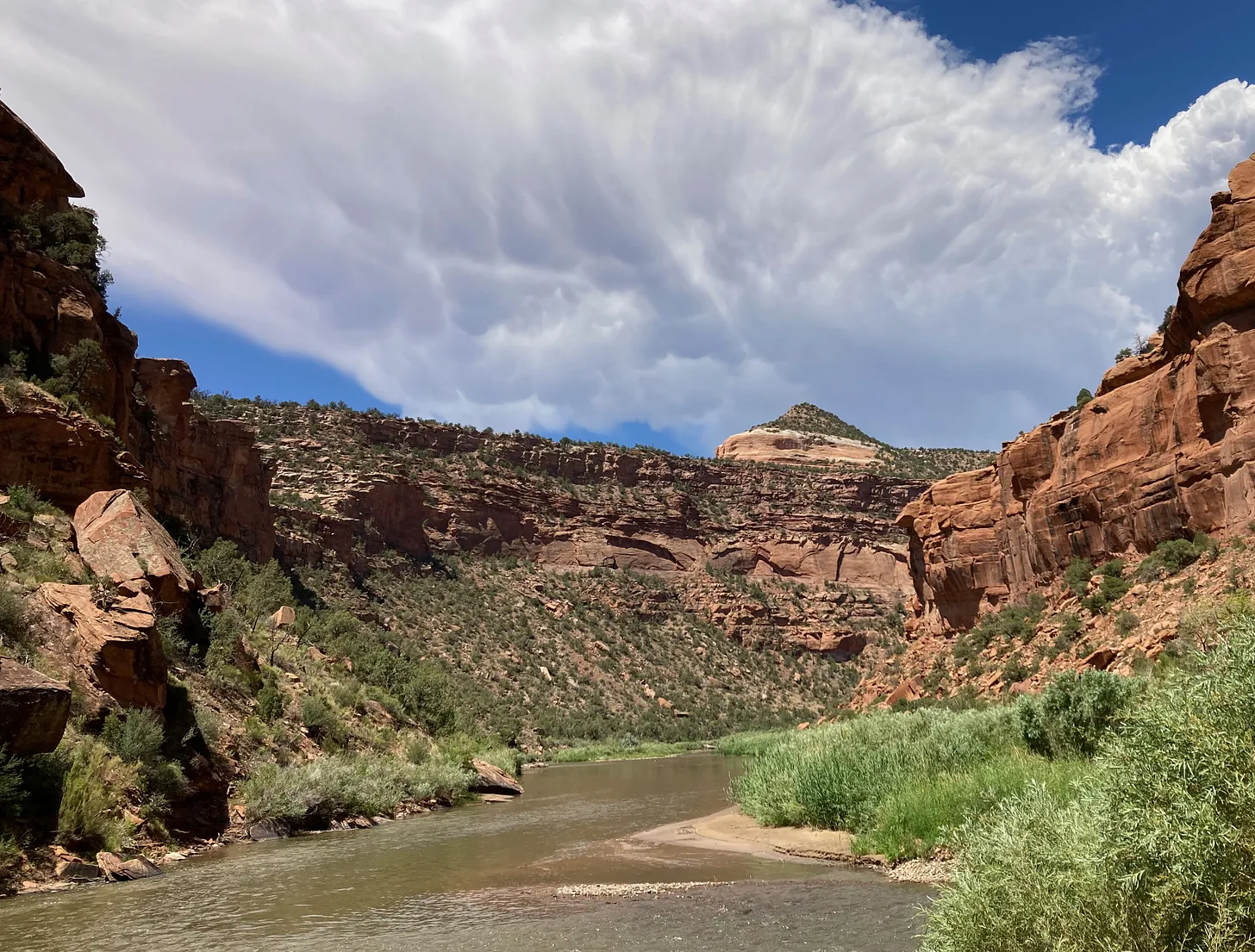
Dolores River near the confluence with the San Miguel River. Photo credit: Jonathan P. Thompson

Click the link to read the guest column on The Durango Herald website (Regina Lopez-Whiteskunk). Here’s an excerpt:

The Dolores River Canyons represent a significant portion of the cultural heritage for the Ute People that serve as a place of spiritual connection, a place to connect with our ancestors’ stories and traditional practices. These lands are not merely scenery; they are the very foundation of the Ute Mountain Ute identity. Increased mining would not just disrupt the delicate balance of the ecosystem, it would sever the cultural ties that bind my people to part of our ancestral home.

The future of the Ute Mountain Ute Tribe, and Indigenous communities across the country, lies in the enduring strength of our cultural heritage. Protecting the Dolores River Canyons is not just about safeguarding the environment; it’s about ensuring that future generations of Indigenous youth can grow up connected to their land, steeped in the traditions of their ancestors. Imagine the richness of a future where Ute children learn about their history by exploring the canyons, not by reading about the environmental devastation wrought by a bygone mining industry.

Let us choose the path that honors the past, protects the present and secures a brighter future for generations to come. Let us choose to leave a legacy of respect and cultural preservation, not one of environmental destruction and broken promises.

Invasive species discovered in #ColoradoRiver is capable of wiping out ecosystems, causing costly damage — The #Denver Post #COriver

Click the link to read the article on The Denver Post website (Elise Schmelzer). Here’s an excerpt:

July 18, 2024

An invasive species capable of wiping out entire aquatic ecosystems and causing millions of dollars in damage to infrastructure has been found for the first time in the Colorado River, the most important river in the American Southwest. Colorado Parks and Wildlife officials on Tuesday announced the discovery of zebra mussel larvae in the river east of Grand Junction. The mussels are nearly impossible to remove and pose an extreme risk to the critical river, its wildlife and its infrastructure, experts and state officials said. The discovery of the mussels so far upstream on the 1,450-mile river means the species could easily spread downstream and take over large swaths of the Colorado, said Reuben Keller, a professor who studies aquatic invasive species in the School of Environmental Sustainability at Loyola University Chicago. There is no effective way to remove the mussels from a river once they are established, he said…

The Government Highline Canal, near Grand Junction, delivers water from the Colorado River, and is managed by the Grand Valley Water Users Association. Prompted by concerns about outside investors speculating on Grand Valley water, the state convened a work group to study the issue.
CREDIT: BRENT GARDNER-SMITH/ASPEN JOURNALISM

Colorado Parks and Wildlife found the first zebra mussel larva — called a veliger —  on July 1 during routine testing in the Government Highline Canal, which is diverted from the Colorado River just east of Grand Junction. On July 8, CPW staff collected samples from two locations upstream of the canal diversion. They found a single veliger in each sample. CPW staff have not yet found adult mussels, but they plan to conduct increased sampling. Slower sections of water, like pools and eddies, are more susceptible to mussel infestation, according to the agency. Anyone who uses the river or surrounding waters needs to clean, drain and dry any watercraft or equipment, CPW spokesman Rachael Gonzales said.

“We’re looking at what’s next,” she said. “It’s going to be very difficult — if not impossible — to remove and eradicate them in a system as large and complex as the Colorado River.”

While the zebra mussel is new to the river, the closely related and equally pernicious quagga mussel has established a population further downstream. Large infestations have taken root in the system’s largest reservoirs — Lake Mead and Lake Powell — and caused millions of dollars in damage to dam infrastructure.

The Supreme Court’s Overruling of Chevron Deference — Audubon

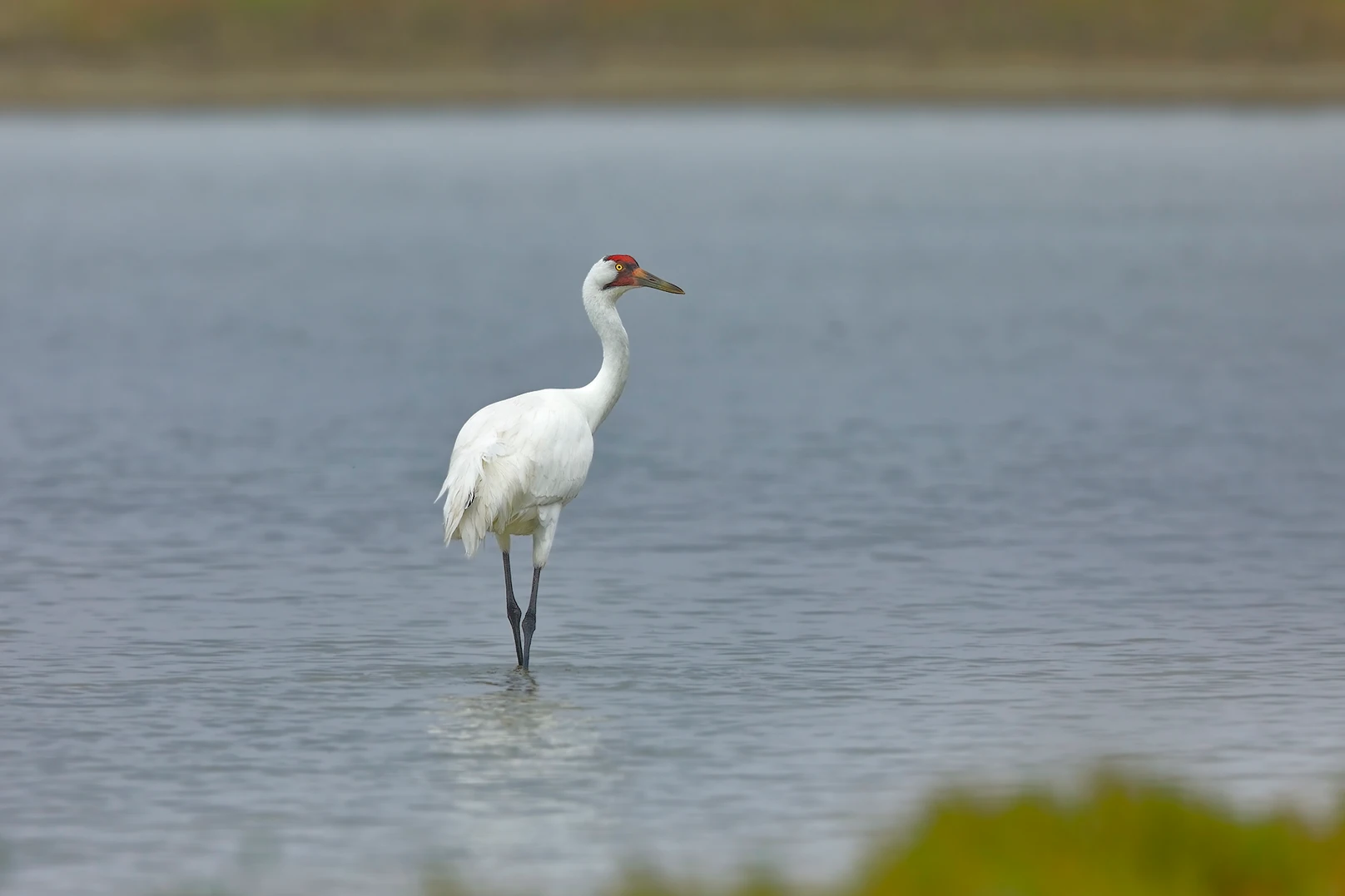
Whooping Crane. Photo: Kenton Gomez/Audubon Photography Awards

Click the link to read the release on the Audubon website (Sam Wojcicki):

July 10, 2024

In June, the Supreme Court of the United States issued a decision in Loper Bright v. Raimondo on the deference courts must give to federal agencies interpreting and implementing through regulations the laws they administer—a doctrine informally known as “Chevron deference.” This decision will impact how critically-important environmental laws that Audubon cares about – such as the Endangered Species Act, National Environmental Policy Act, Clean Water Act, and Clean Air Act – will be implemented moving forward.

What is Chevron deference? 

Chevron deference was a result of a unanimous 1984 Supreme Court decision in the case of Chevron v. Natural Resources Defense Council. Under Chevron, when an agency adopts regulations implementing a statute, if an agency’s interpretation of a statute was challenged in court, the court must answer two questions before the challenge can prevail. First, it must assess whether the United States Congress has spoken directly to the question at issue. If Congress had, the agency’s action must align with the law. However, if Congress had not provided clear guidance on a question, the statute is ambiguous, and the court must assess whether the agency’s action is based on a reasonable interpretation of the law. If the agency had remained within the bounds of what can be reasonably construed to be Congress’s intent in passing the underlying law, the court must defer to the federal agency. 

What did the Supreme Court decide? 

Under Loper, the Supreme Court held that under the Administrative Procedures Act, courts may not defer to a federal agency’s interpretation of the law when the statute is ambiguous. The decision held that a court reviewing agency actions must “decide all relevant questions of law.” Under Loper, judges may be required to determine technical aspects of science or other detailed aspects related to how agencies should implement or enforce laws.  Although the agencies’ interpretation will be given “the most respectful consideration,” the agencies’ interpretation cannot replace the courts’ judgment. 

What are the possible impacts to conservation policies important to Audubon? 

In practice, Chevron deference allowed Congress to write laws to protect the environment while allowing Executive Branch agencies to implement the intent of the law using their technical expertise in complicated environmental matters. Under the Chevron doctrine, Congress could choose when to utilize the expertise of agency staff and when to weigh in explicitly. For 40 years, the Chevron deference was foundational to the courts’ upholding regulations protecting the environment.  With the deference, it provided enhanced certainty to agencies implementing broad laws passed by Congress. 

The implications of the decision are likely to present challenges to conservation efforts supported by agency regulations and cause increased litigation and forum shopping. By removing the deference, we may be unable to take full advantage of the scientific expertise and practical experience of federal agencies. The likely increase in litigation also will slow the successful implementation of laws designed to address climate and biodiversity challenges that protect birds and communities. 

To minimize these impacts, Congress should consider providing additional guidance on implementation when passing laws, avoid ambiguity, and enshrine aspects of agency authority where necessary to ensure effective policy implementation. 

On the other hand, environmentalists may find “wins” when challenging regulations that are incompatible with our goals, such as anti-environmental regulations. In this instance, Congress’s passing detailed laws could ensure that sound environmental policies are advanced regardless of any administration’s position on these issues.  

What are the next steps?

Policies informed by science and expertise are urgently needed to ensure that birds and people are protected. North America has lost 3 billion birds in the past 50 years, and Audubon’s science shows that two-thirds of North American bird species are at risk of extinction from climate change. 

Audubon will closely monitor how the Supreme Court’s decision affects important environmental laws in the United States. Our commitment to advancing policy to protect bird habitats and address climate change remains unchanged. We will continue to work in partnership with federal, state, local, and tribal governments to ensure a future where birds and people thrive. 

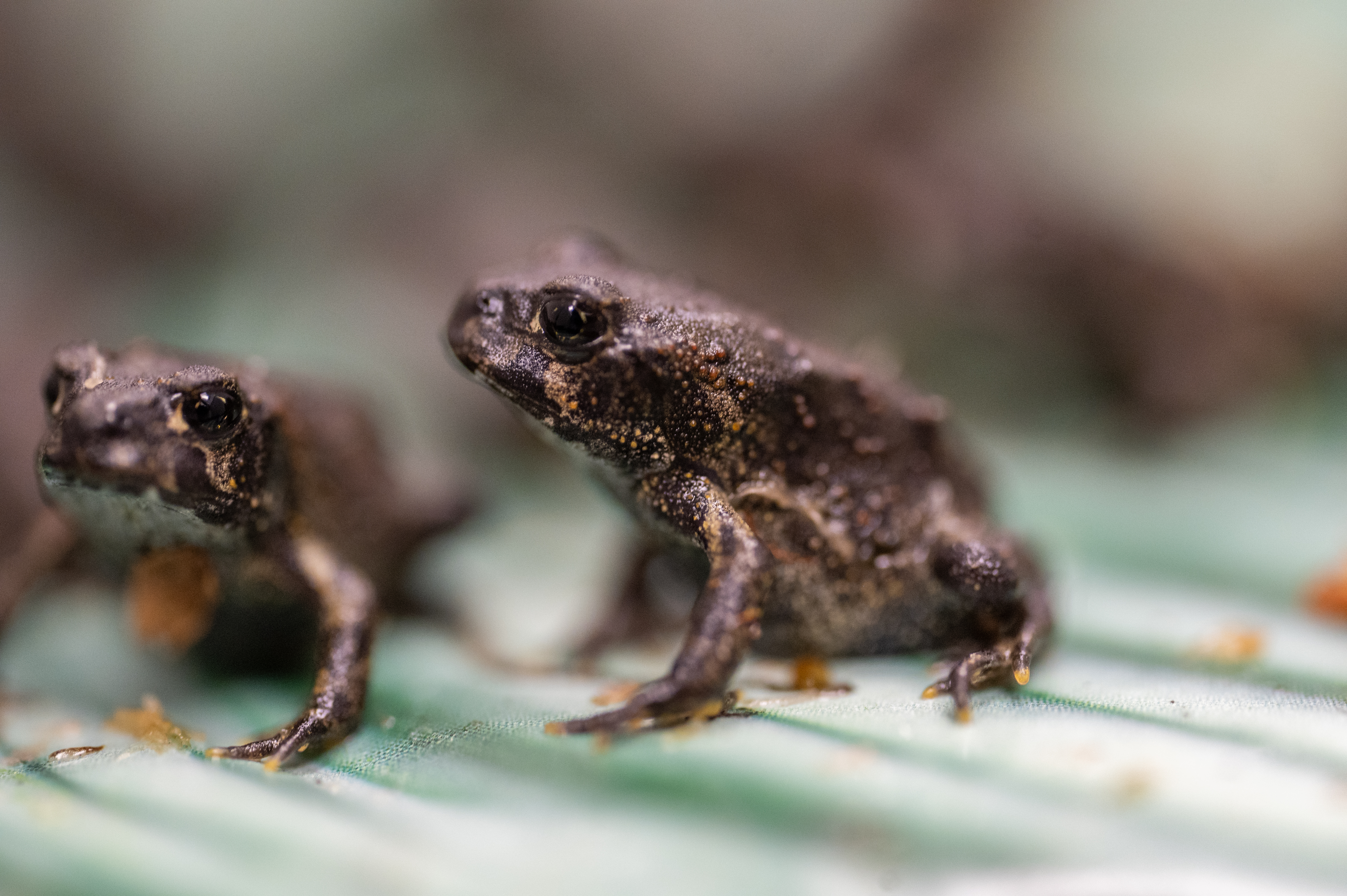
#Colorado Parks & Wildlife, Denver Zoo Conservation Alliance release endangered boreal toad tadpoles into wild near #Creede

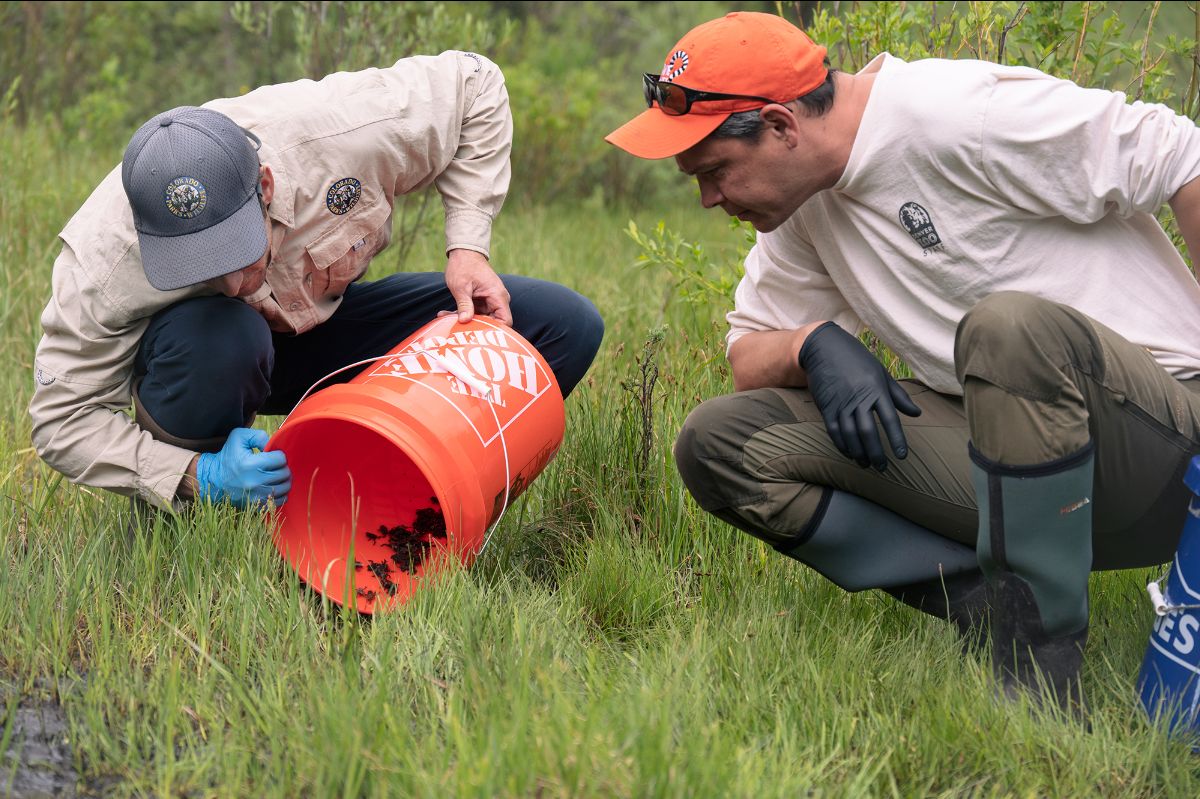
CPW’s Daniel Cammack, left, works alongside staff from the Denver Zoo Conservation Alliance to stock boreal toad tadpoles on June 20, 2024. Photo courtesy of Denver Zoo Conservation Alliance.

Click the link to read the release on the Colorado Parks & Wildlife website (John Livingston and Jake Kubié):

July 16, 2024

Amphibian and Aquatic Species Experts from Both Organizations Released More Than 2,200 Tadpoles in High-Altitude Wetlands

In 2021, Denver Zoo Conservation Alliance (DZCA) and Colorado Parks and Wildlife (CPW) launched a new initiative aimed at boosting the state’s population of boreal toads, a species listed as endangered in Colorado and New Mexico. Starting with 95 adult toads from CPW’s Native Aquatic Species Restoration Facility in Alamosa, experts from DZCA spent more than six months preparing them for breeding and nurturing their offspring leading up to their release into the wild.
 
On June 20, 2024, teams from DZCA and CPW trekked wetlands near Creede to introduce more than 2,200 boreal toad tadpoles that officials hope could eventually host an established population of rare amphibians. This was the second successful breeding and release, including the reintroduction of more than 600 tadpoles in the Gunnison National Forest in 2022.
 
MEDIA: Photos and Video of Boreal Toad Tadpole Release on June 20, 2024
 
“This successful breeding and release effort was the result of a tremendous amount of hard work and planning by our Animal Care and Field Conservation teams and our partners at Colorado Parks and Wildlife,” said Brian Aucone, chief conservation officer at Denver Zoo Conservation Alliance. “We’re committed to continuing this effort with CPW for many years to come and doing our part to make sure this important species remains part of Colorado’s ecosystem for future generations.”
 
Once common in montane habitats between 7,000-12,000 feet in the Southern Rocky Mountains, the boreal toad has experienced dramatic population declines over the past two decades. The decline appears to be related to habitat loss and primarily infection by the chytrid fungus, which can infect most of the world’s 7,000 amphibian species and is linked to major population declines and extinctions globally. Officials estimate there may be as few as 800 wild adult toads left in Colorado. 
 
“It was a very special day to join our partners from Denver Zoo to release boreal toad tadpoles that the Zoo produced at their facility,” said Daniel Cammack, Southwest Region Native Aquatic Species Biologist with CPW. “Consistent propagation of boreal toads in captivity has been the major missing link in our conservation efforts. In the past, we relied solely on collecting fertilized eggs from wild populations to grow into tadpoles at the hatchery and stock at translocation sites. Thanks to the Zoo’s expertise and hard work, we are able to increase our capacity and get more toads out at more locations. This is a critical partnership that we hope will translate to an increase in populations of this unique amphibian across our state.”
 
Denver Zoo Conservation Alliance has been conserving endangered and critically endangered amphibian species for more than 18 years. In 2018, DZCA became the first zoo in the Northern Hemisphere to successfully breed critically endangered Lake Titicaca frogs, and has since provided more than 250 healthy frogs to zoos and aquariums in the U.S. and Europe. In 2021, the organization successfully bred critically endangered Panamanian golden frogs as part of the Association of Zoos and Aquarium’s Species Survival Plan. In 2022, DZCA and CPW released the first brood – more than 600 tadpoles – from the joint initiative to support boreal toads in a remote wetland in Gunnison National Forest.
 
CPW has devoted significant resources for more than 30 years toward boreal toad research and continues to explore ways to recover the species. Specifically, CPW researchers focus on developing methodologies for reintroducing toads in historically occupied habitats, detecting chytrid fungus in the wild, marking and identifying individual toads and improving breeding success at the Native Aquatic Species Restoration Facility, which plays a critical role in the state’s efforts to restore populations of boreal toads.
 
Officials from DZCA and CPW estimate that it will take many years to bring the species back to a level where it is secure in the Southern Rocky Mountains and expect the collaboration to be a multi-year program. Additionally, as part of the wild release program, DZCA launched a community science project where volunteers monitor the species’ high-country habitat to help officials understand the health of current wild populations and determine suitable locations for future reintroduction of toads bred at DZCA’s campus in Denver. For more information, visit DenverZoo.org.

Boreal Toad Release June 20, 2024. Photo credit: Colorado Parks & Wildlife